Commercial Roofing in Troutdale Town Center, Troutdale, OR
Arrange a Troutdale Town Center roof walk
- Home
- Service Areas
- Troutdale Town Center
Troutdale Town Center is the city-defined district around the historic heart of town, including downtown and surrounding neighborhoods. Its plan links Downtown, Hungry Hill, Riverside, Halsey, and the Urban Renewal Area. The district sits between residential areas to the south and industrial lands to the north. A commercial roof project in that mix starts with the individual building: its use, access, roof assembly, and hours of operation. We inspect drains, seams, flashing, edges, and penetrations, then agree on how to separate work from the spaces below. For a portfolio that also includes Troutdale's industrial lands, a shared report format helps, but the work sequence follows each property's conditions.
Coordinate work within a connected town district
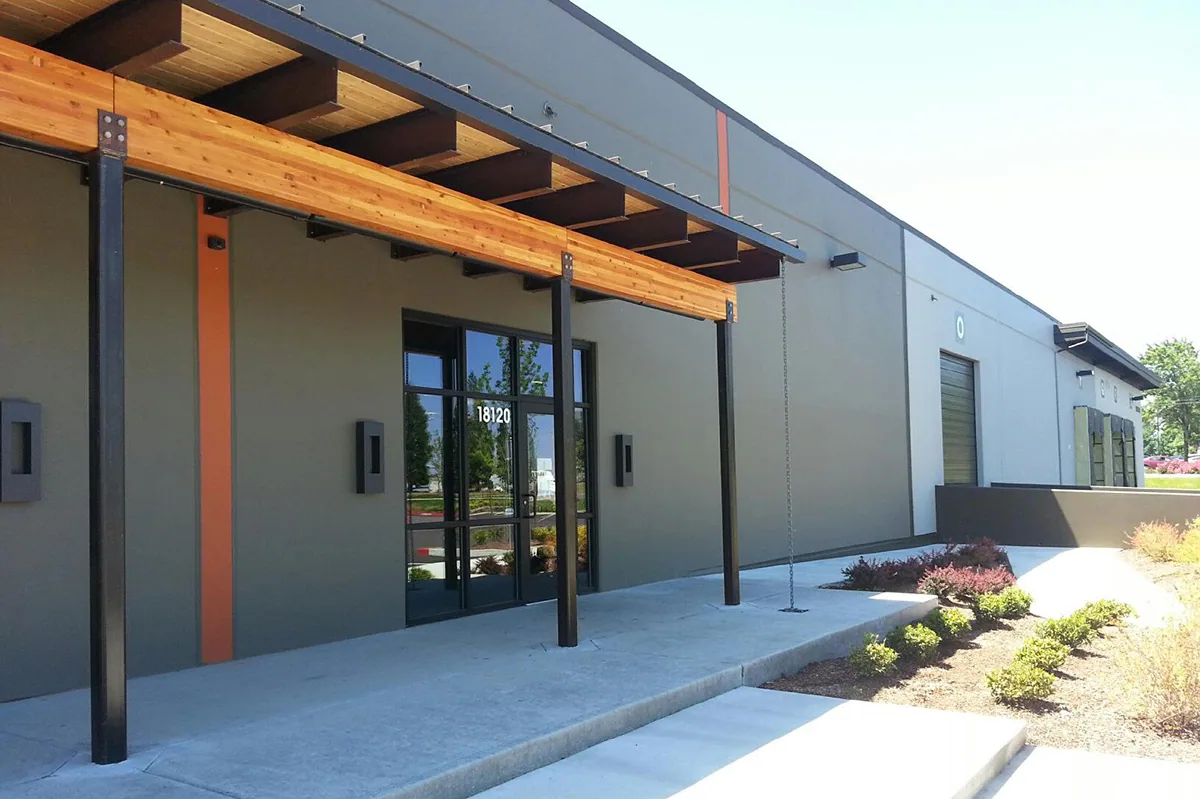
The Town Center includes several connected subareas, not a single property or a single roof type. A building in Downtown may face different access constraints than a property nearer Riverside or Halsey. We ask which doors, tenant spaces, sidewalks, and service routes must stay open. The owner identifies the person who can approve temporary closures and the site lead who receives the daily closeout.
Before moving materials, we confirm delivery timing, lift position, fall protection, and the route crew members will use to reach the roof. A lift or work zone can affect people at grade. We plan controls with the property contact and confirm whether nearby public activity or active improvements change the route. The property owner confirms the exact building boundary, roof access, and site permissions before work begins.
Troutdale's Town Center is distinct from Troutdale Reynolds Industrial Park and the adjacent airport business area. A company managing both civic-facing and industrial properties should keep each site's access instructions separate. We verify current hours and restrictions rather than carrying over the last site's plan.
Connect interior reports to roof evidence
Water can move from the original opening before it reaches a ceiling. We note the room, timing, and recent work above it, then inspect the related roof zone and nearby details. Drains, seams, parapets, curbs, skylights, pipe supports, and edge metal can all affect the path. A photograph should show the defect and enough surrounding roof to locate it again.
We label what is confirmed and what remains uncertain. A patched area can conceal a second failure, and a dry membrane surface does not prove that insulation below is dry. If moisture testing or a test opening could change the repair decision, we describe the question, access need, and closure method for the owner's approval. The report should distinguish a visible defect from a suspected condition.
Rain is most frequent around Troutdale from fall through spring. During wetter months, the roof plan needs a defined work limit, functioning drainage, and a closeout step for any exposed layer. We follow the actual forecast and substrate conditions.
A commercial roof inspection maps accessible roof details and current conditions. For a reported interior leak, leak tracing connects the symptom with roof evidence and repair limits.
Decide whether the roof needs a repair or reset
A failed seam, torn flashing, puncture, or loose edge can support a focused repair if nearby material remains sound. We identify the membrane, verify preparation requirements, and define where the tie-in ends. The owner receives a scope tied to a roof zone, with adjacent concerns listed separately.
A recover or coating requires more investigation. We check the attachment, moisture, surface condition, drainage, existing layers, and height at perimeter and penetrations. If the assembly is wet or unstable, covering it can preserve the problem under a new surface. Replacement may require selective removal or a complete tear-off. We explain what the survey shows and what remains concealed before comparing paths.
Commercial roof repair addresses confirmed defects. A restoration assessment checks whether the surface and assembly can support coating. A replacement review compares removal, insulation, disposal, and phasing through occupied areas. Cost and schedule depend on roof size, layer count, detail density, staging, access, and protection below. If the owner authorizes removal and it exposes a different condition, we document the change before extending the work.
Inspect the details where water changes direction
Water follows the roof's slope and the details that interrupt it. We check drain bowls, scuppers, overflow paths, low spots, and the membrane around each outlet. At edges, we inspect termination, coping, and flashing for gaps or movement. Curbs, expansion joints, and wall transitions need compatible layers that continue from the field into the vertical detail.
Troutdale Town Center's surrounding residential and industrial areas make building use a key question, not a fact to assume. We ask whether rooftop units, intakes, or exhausts must remain operational and whether work below can continue. We also check for foot traffic or recent work by another trade that might have affected the membrane. Repair decisions follow the installed system and present evidence.
For low-slope roofs, a TPO system review or modified-bitumen assessment can help identify material-specific repair considerations. If product labels and records are missing, we confirm the assembly before specifying a tie-in. A current roof map can identify the installed layer and the areas already repaired.
Preserve findings between visits
A roof file should show the inspection date, accessible areas, roof-zone map, system details where known, photos, repair scope, and any unresolved item. We note where water was observed and what the repair addressed. If a section was inaccessible or a test was deferred, the report identifies that limit so it is not mistaken for an inspection result.
Downtown, Hungry Hill, Riverside, Halsey, and the Urban Renewal Area connect within the broader Town Center district. A property owner can keep a common reporting approach across the subareas while assigning a separate map and contact to each building. Our roof condition report can organize visible conditions and follow-up work. A planned maintenance visit can check drains, flashing, seams, and edges after repairs or ahead of the next wet season.
When the building changes hands or a new facility manager takes over, the service log can help locate past repairs and identify access rules. Update the record after equipment moves, a new penetration is cut, or a contractor alters the roof. The next inspection then starts with current facts, not an assumption based on the property's district or a drawing that may no longer match the roof.
The Town Center plan connects several subareas, but an individual commercial property still needs to be matched to its owner and actual roof. We map each building before grouping work, especially where historic storefronts and newer properties have different access needs. A district-wide summary keeps findings separate so one slow drain or failed seam does not become a presumed condition elsewhere. That distinction helps a property manager coordinate several service calls without merging unlike scopes.
Troutdale Town Center FAQs
-
Which places are included in Troutdale Town Center?
The city plan includes Downtown, Hungry Hill, Riverside, Halsey, and the Urban Renewal Area within the broader district. A roof visit still focuses on the specific property under review.
-
Can roofing work be staged around nearby businesses?
We coordinate deliveries, lift placement, access, and temporary protection with the property contact. The work zone and operating limits depend on the building and current site conditions.
-
How do you investigate a roof leak?
We map the reported interior location, inspect likely roof details above and nearby, and photograph confirmed findings. If the assembly hides moisture, we identify testing that could clarify the repair scope.
-
When is replacement preferable to another repair?
Widespread moisture, repeated defects, failing attachment, or deteriorated layers can make a larger scope worth comparing. We document the condition and explain what is known before recommending removal.
-
Do you inspect roofs near industrial uses north of town?
Yes. Access, equipment, and operating rules are confirmed at each property. The adjacent industrial area has a separate route and scope from the Town Center district.
Related Roofing Work
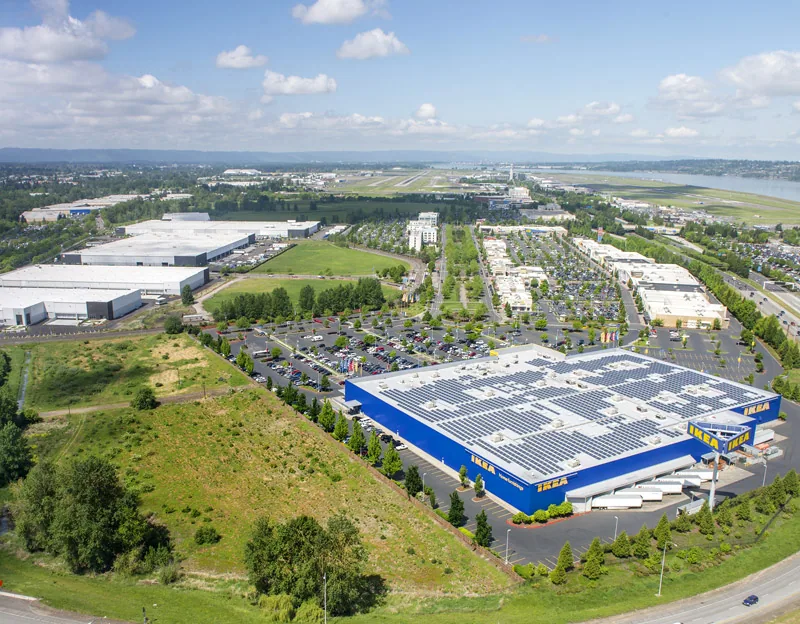
Troutdale Industrial Lands
Learn More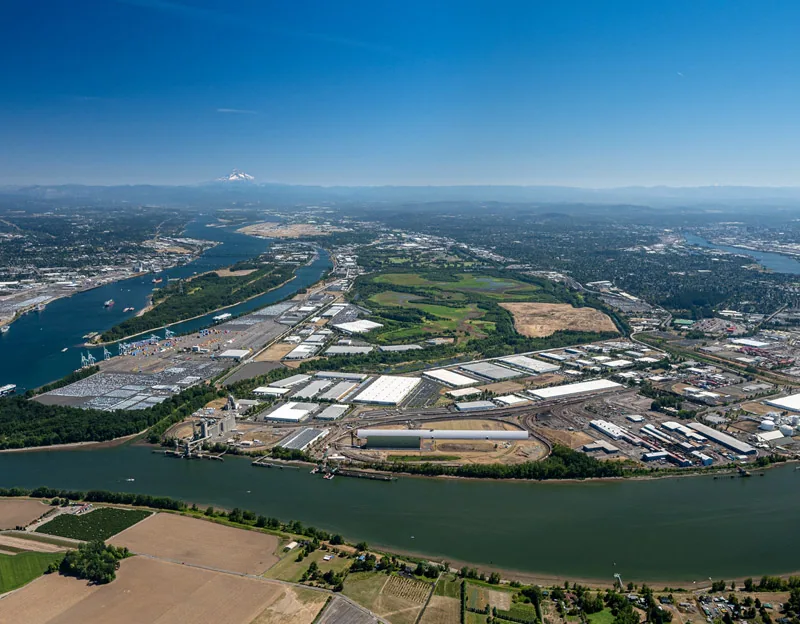
Troutdale Reynolds Industrial Park
Learn More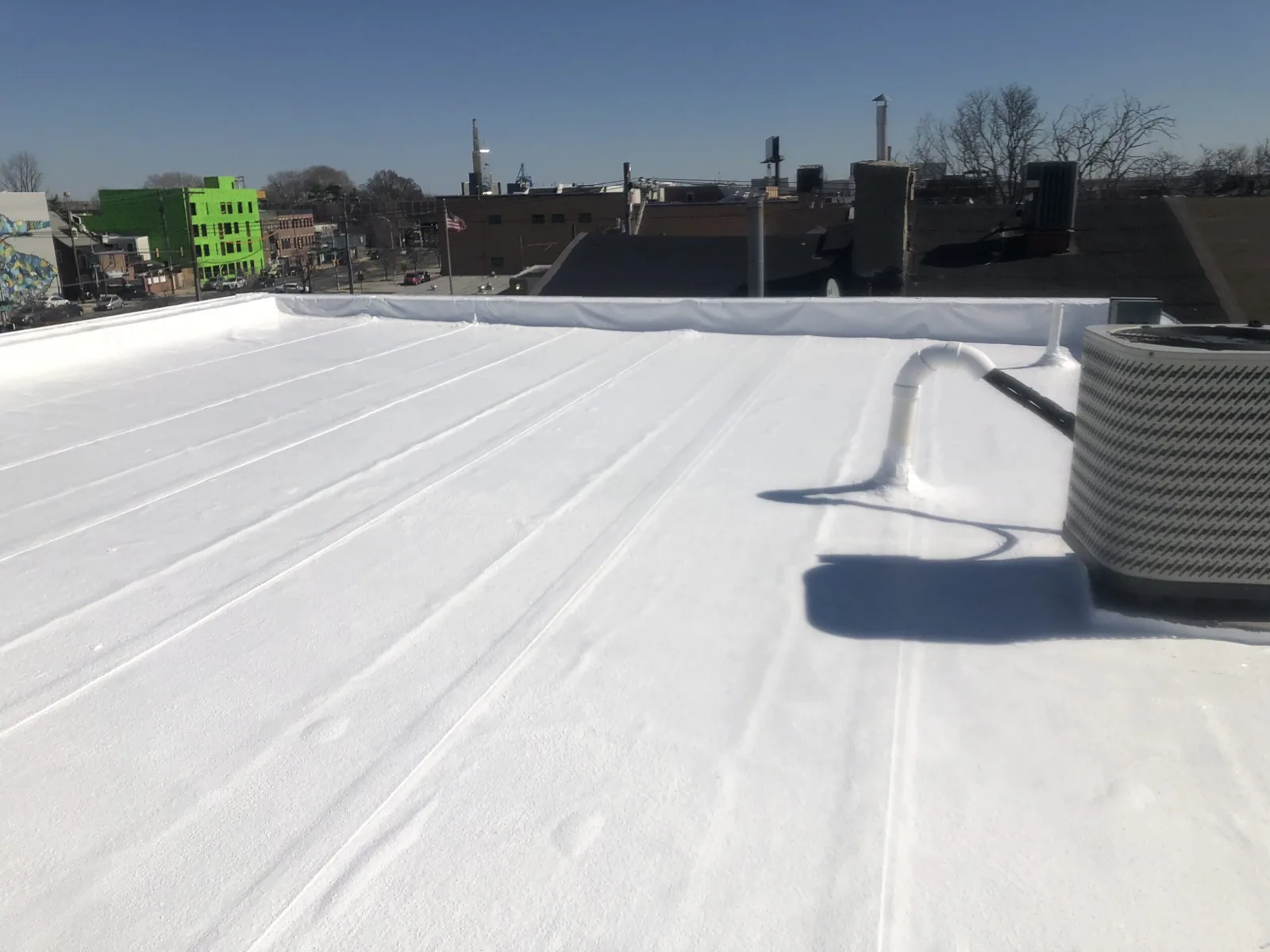
Commercial Roof Inspection
Learn More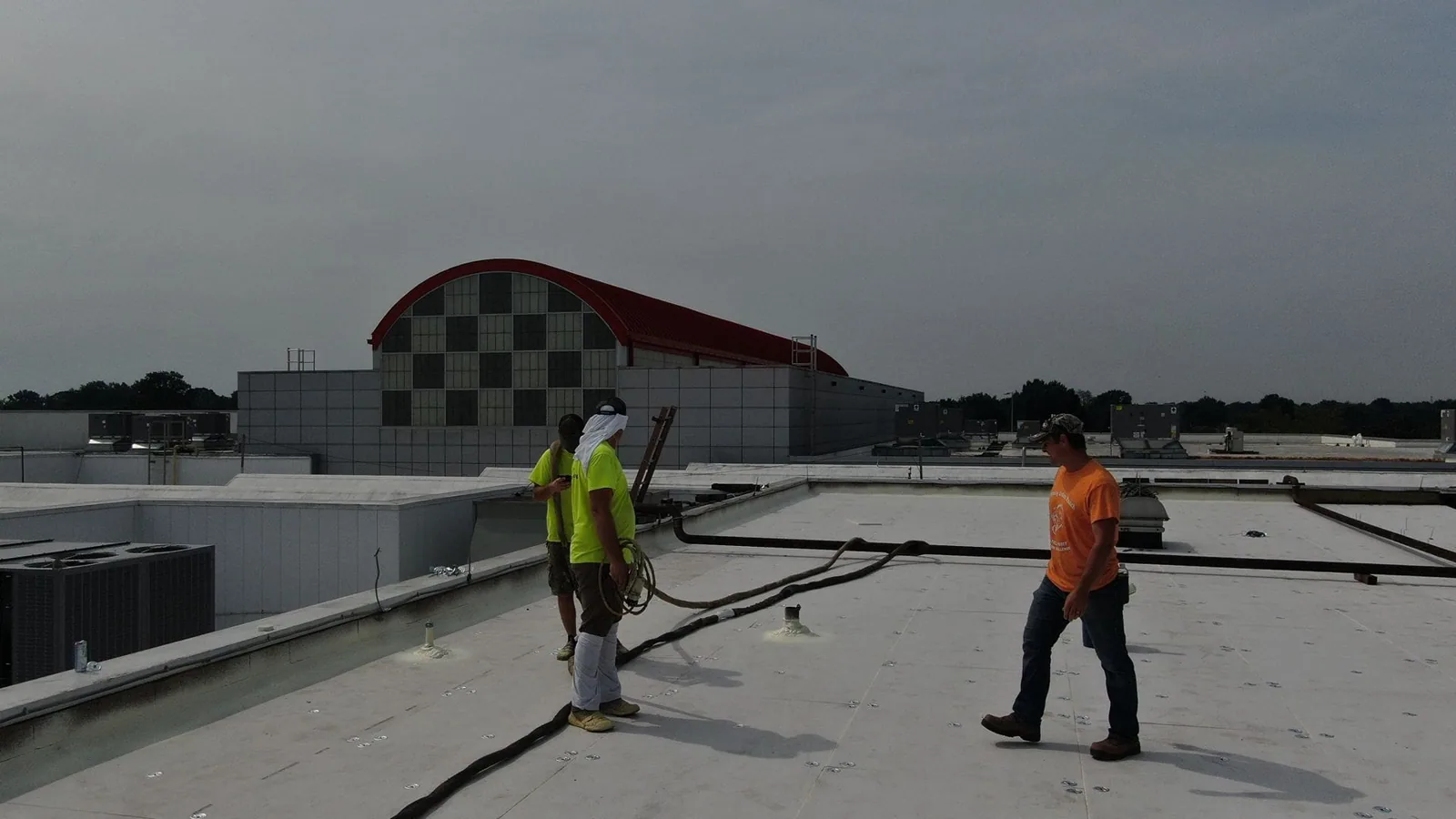
Commercial Roof Leak Repair
Learn More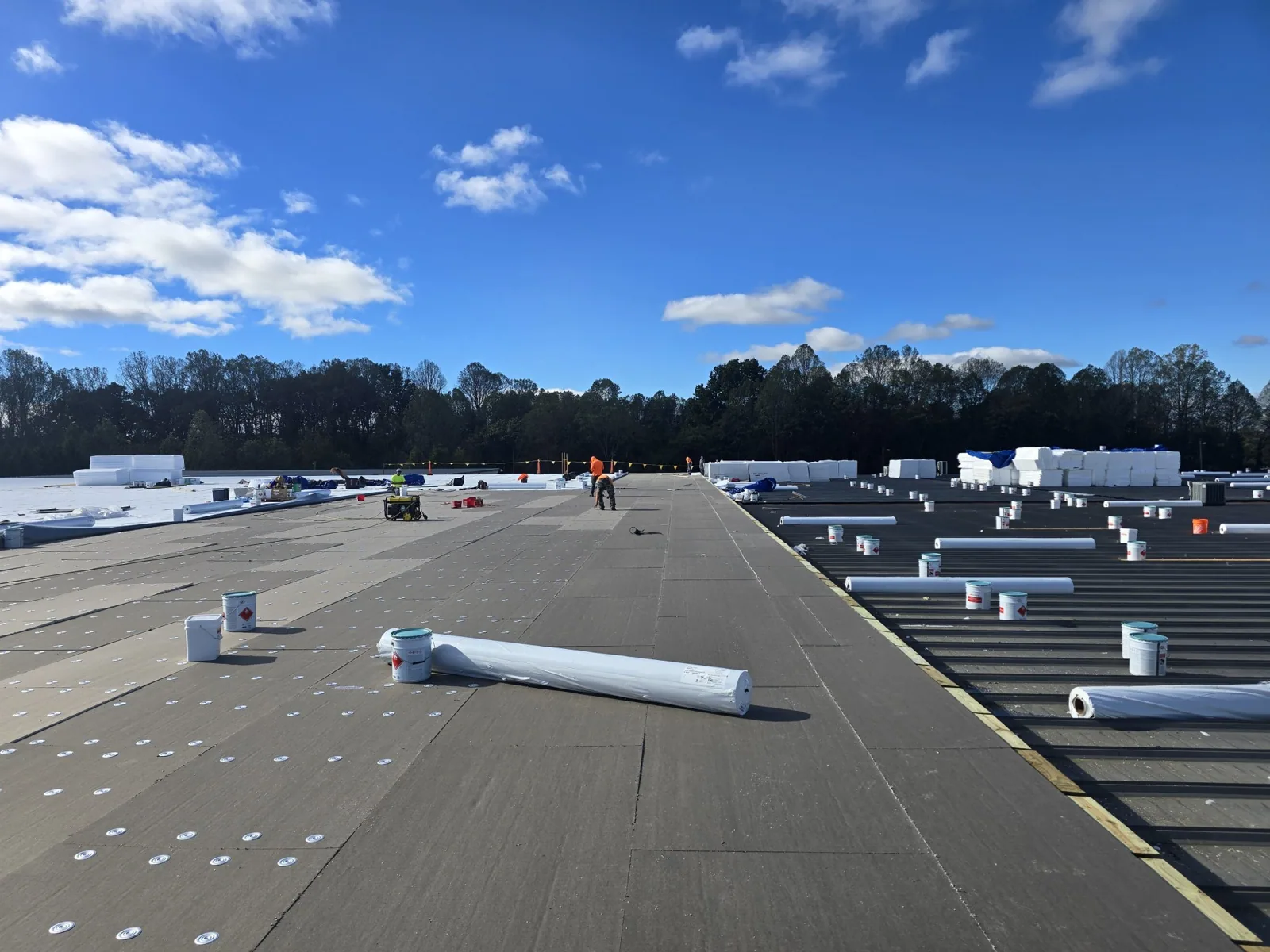
Commercial Roof Repair
Learn More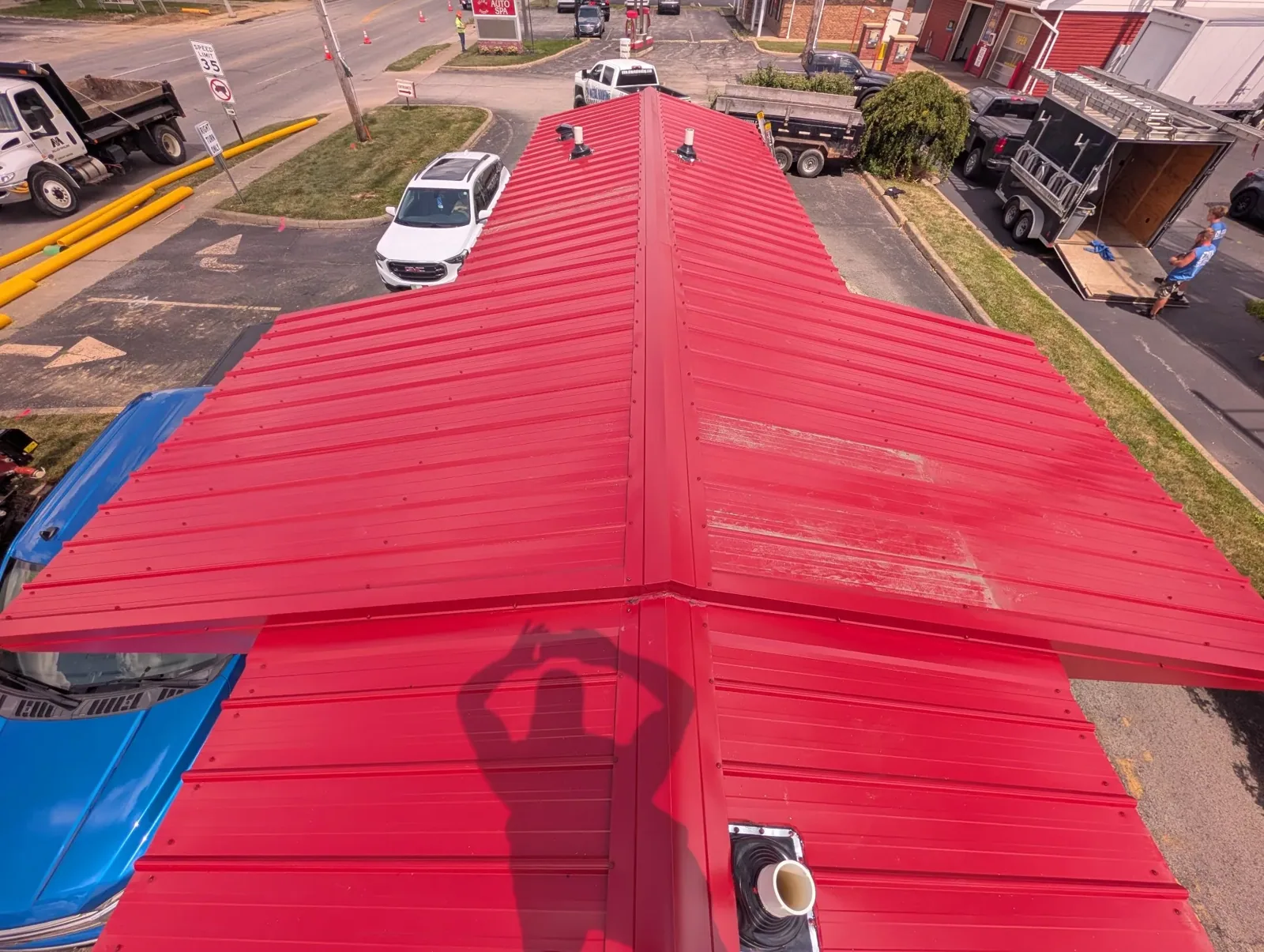
Commercial Roof Coating
Learn MoreArrange a Troutdale Town Center roof walk
Request a roof assessment in Gresham
We will map access, inspect roof details, and document the work options that fit the building's condition and daily schedule. Tell us about the building, the roof and what you are seeing. Call 555-555-5555, email [email protected] or send the details through our contact page and we will set up a time to walk the roof.