Commercial Roofing for Public Agencies in Gresham, OR
Plan a public facility roof review
- Home
- Industries We Serve
- Public Agencies
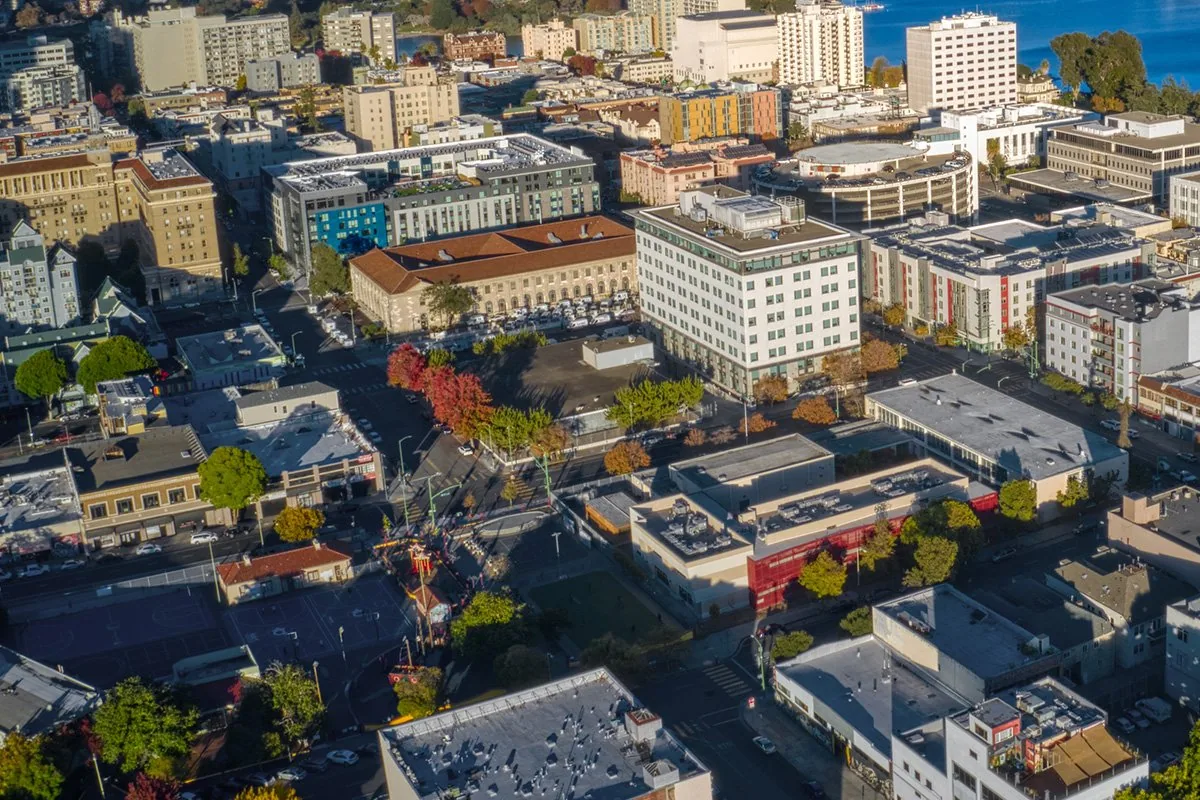
A public agency may maintain offices, service buildings, operations centers, and public-facing facilities under one roof portfolio. Each site has a separate contact, schedule, access route, and procurement path. We document roof conditions by building and zone, then provide a scope the agency can review through its process. Gresham connects historic Downtown and Civic Neighborhood with Rockwood through commercial corridors, with public services spread across the city. A roof inspection gives facilities staff a current record for maintenance or capital discussion.
What should an agency confirm before a site visit?
Identify the building contact, work hours, check-in procedure, public entrances, photography rules, and any security or escort requirement. Lifts or material delivery may affect accessible parking or a customer route. The agency approves any temporary restriction and handles public notices. We confirm the route and staging before bringing a crew onto the site.
Agency portfolios may include offices, maintenance buildings, shops, storage, and community spaces. Roof conditions differ by assembly and site use. A property management roof program addresses tenant coordination across buildings, while public agencies may need bid documents and public-access controls as part of the scope.
How can a roof leak affect public services?
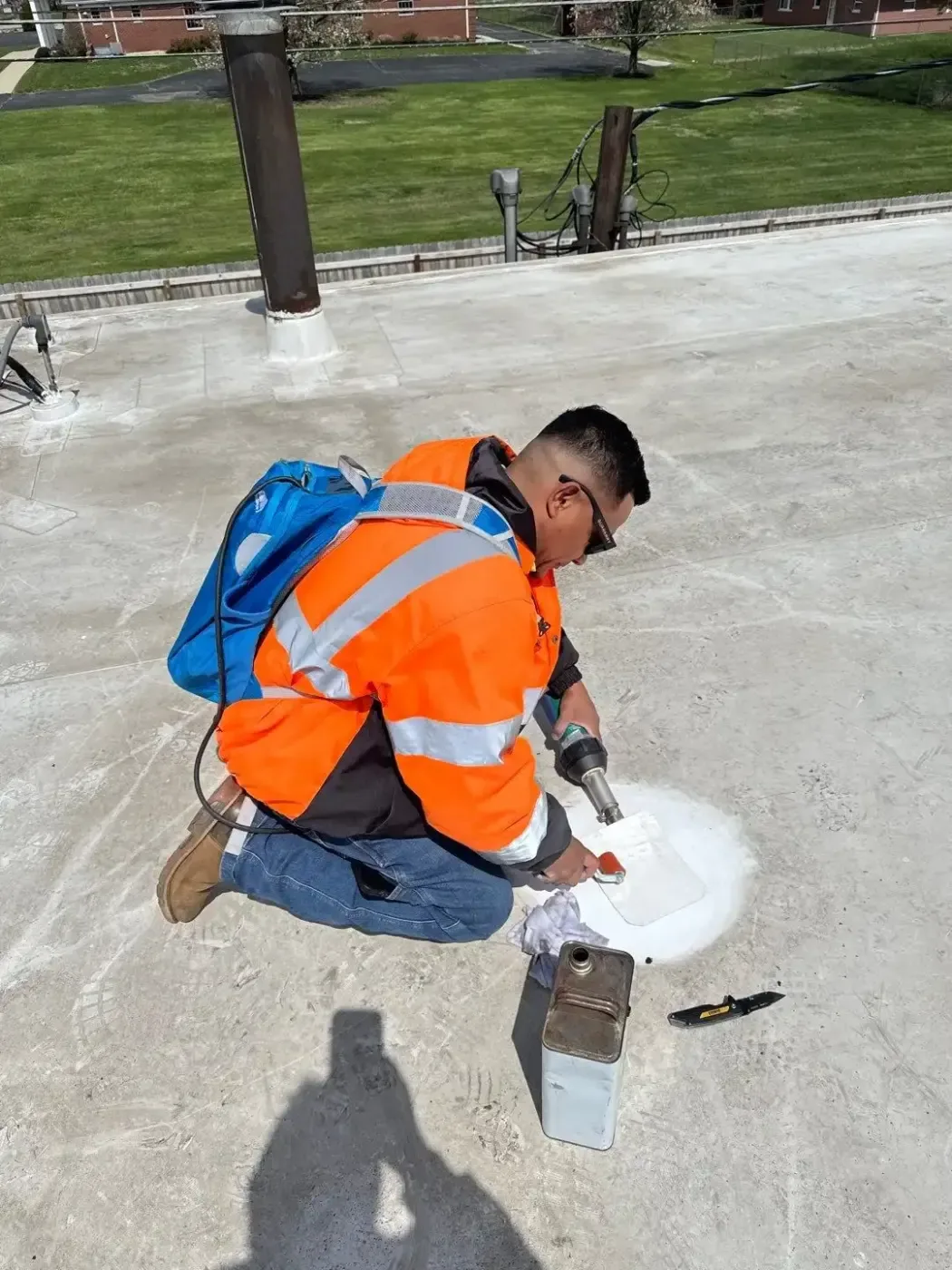
Water can reach a public counter, staff work area, records room, or equipment space after traveling from a roof opening through framing or insulation. We compare the room, time, weather, and any recent mechanical work with seams, penetrations, drains, and wall transitions. The stain’s location helps, but it does not establish the roof source by itself.
A blocked outlet may cause water to collect at a low roof area; a failed flange can remain a leak path after the drain is clear. We inspect the bowl, overflow route, and adjoining membrane. A drainage review helps distinguish a cleaning item from repair. If a public works contractor recently used the roof, the agency should include that date in its report.
For Oregon public projects, the 2025 Structural Specialty Code draws from the 2024 IBC; the state’s published adoption schedule made its construction provisions effective April 1, 2026. Project-specific permit questions should be checked with the authority having jurisdiction and the design professionals involved.
What should be documented for agency review?
The assessment lists the roof system where known, inspection area, active leak evidence, seams, drains, edges, penetrations, and visible repairs. Photos are labeled by building and roof zone. Findings are separated into urgent water entry, maintenance, and capital work. If a section is inaccessible or concealed, the report states that limit.
Prior roof plans, work orders, and repairs help explain current conditions. Where hidden moisture may change the repair boundary, a survey or test opening can be proposed for agency approval. A condition report organizes findings, photo evidence, and follow-up questions in a record facilities staff can use during review.
Before the inspection, the agency identifies any requirements for credentials, safety orientation, escort, insurance documents, or records retention. Those needs can be considered before a project schedule is issued.
How should the agency compare roof proposals?
Compare the inspected roof area, repair method, included details, access, temporary protection, and exclusions. A localized repair may be sufficient if surrounding material is sound. Repeated failures, widespread moisture, or aging transitions may support a broader project. Recover and coating options depend on moisture, attachment, drainage, system compatibility, and edge conditions.
A replacement scope should identify removal or overlay, perimeter details, drains, penetrations, work phases, and daily closure. The agency can then decide whether the project proceeds as one package or separate bid areas. For school facilities, a district roof program adds calendar and student safety needs to the public procurement process.
We state the basis of the recommendation and identify open questions. The public agency remains responsible for specifications, procurement decisions, funding, and award. A consistent bid form can help compare approaches against the same inspected roof boundary. Include whether the proposal assumes occupied or vacant areas, who provides escorts, where materials may be staged, and what temporary protection remains at each phase. If the contractor identifies hidden damage, the scope should state how the agency will receive evidence and approve added work. Those terms help reviewers compare the planned work and the response to a changed condition.
How do we maintain access during work?
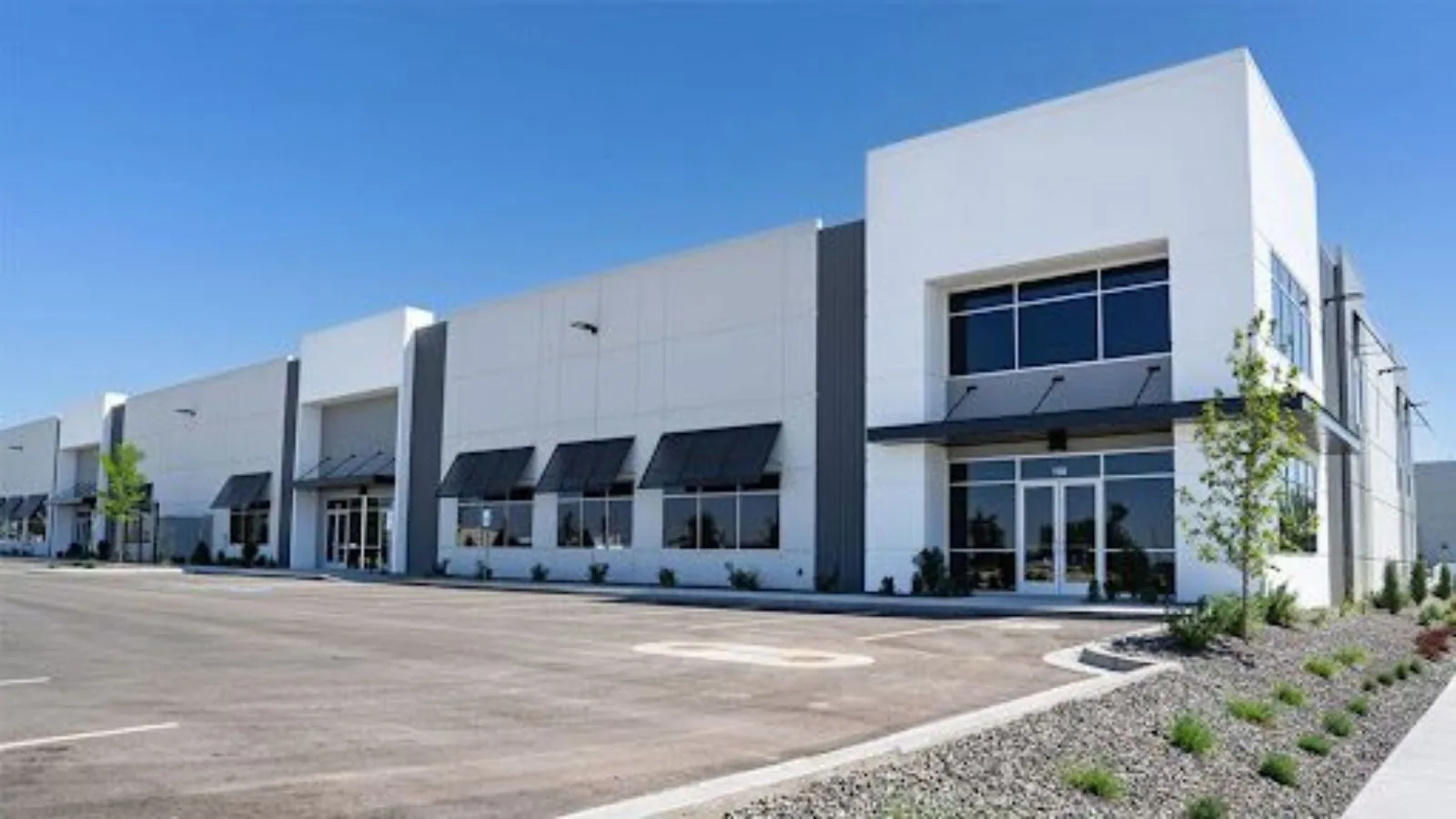
The site contact and contractor confirm entry, staging, lift location, work hours, public routes, and any area that needs notice. The agency names who can approve a scope change. Work proceeds within the marked zone and follows the site’s approved access route.
Daily work limits should match the area the crew can close securely before leaving, with a documented contingency for unexpected weather. If concealed conditions change the scope, the crew secures the opening, documents it, and requests approval before expanding. At completion, nearby drains are checked, debris is removed, and public access is restored. The closeout records completed areas and any unresolved item.
For multi-site projects, each building has a separate closeout and route note. The agency can track progress across a shared schedule while retaining site-specific records.
What belongs in a public roof asset file?
Keep roof plans, inspections, repair authorizations, dates, photos, equipment changes, and closeout records by building. Routine checks should review drains, seams, edges, penetrations, and details disturbed by other contractors. Note whether a repair is temporary and assign a follow-up date. That record helps facilities staff respond when another employee inherits the file.
Gresham’s public and commercial facilities serve neighborhoods connected by the city’s principal business corridors. A preventive maintenance visit can update roof conditions and help the agency schedule repairs within its budget and procurement calendar. Keep unresolved findings visible at the next facilities review. Agencies may also retain permit correspondence, contract records, inspection dates, and acceptance documentation with the roof file. A facilities manager can then trace the path from observed defect to approved work and final closeout when staffing or vendors change. Keep one current access contact on each building record for future visits and contract closeouts.
What should the agency provide before requesting a scope?
Share roof plans, prior reports, leak work orders, site access rules, procurement requirements, and the contact authorized to approve testing or repair. Identify any public hours or routes that need to remain available. We will inspect approved areas and document findings with a clear boundary. Schedule a roof walk so facilities and procurement staff can align the next step. If a counter, meeting room, or service entrance needs temporary protection, identify the building contact who can coordinate staff and public notices. We will state the expected roof access, work hours, and closeout boundary so that review happens before mobilization.
Public Agencies FAQs
-
Can public services stay open during roof work?
Often, with agency-approved hours, access routes, staging, and a marked work area. The agency decides how to notify visitors and which paths must remain open.
-
Can you help prepare a roof scope for public procurement?
We can document observed conditions, recommended work areas, access needs, and assumptions. The agency controls procurement rules and how bids are solicited and awarded.
-
What if the roof needs a test opening?
We describe why it may help, its proposed location, and how the area will be restored. The agency authorizes or declines invasive work before it proceeds.
-
How should proposals be compared?
Compare the same roof areas, repair details, exclusions, access assumptions, temporary protection, and closeout. A clear scope lets reviewers assess differences between approaches.
-
What should happen after a temporary repair?
Record who approved it, what materials were used, the affected zone, and a follow-up date. Facilities can then budget and schedule a permanent correction.
Related Roofing Work
Downtown and Civic Neighborhood
Learn More
Rockwood
Learn More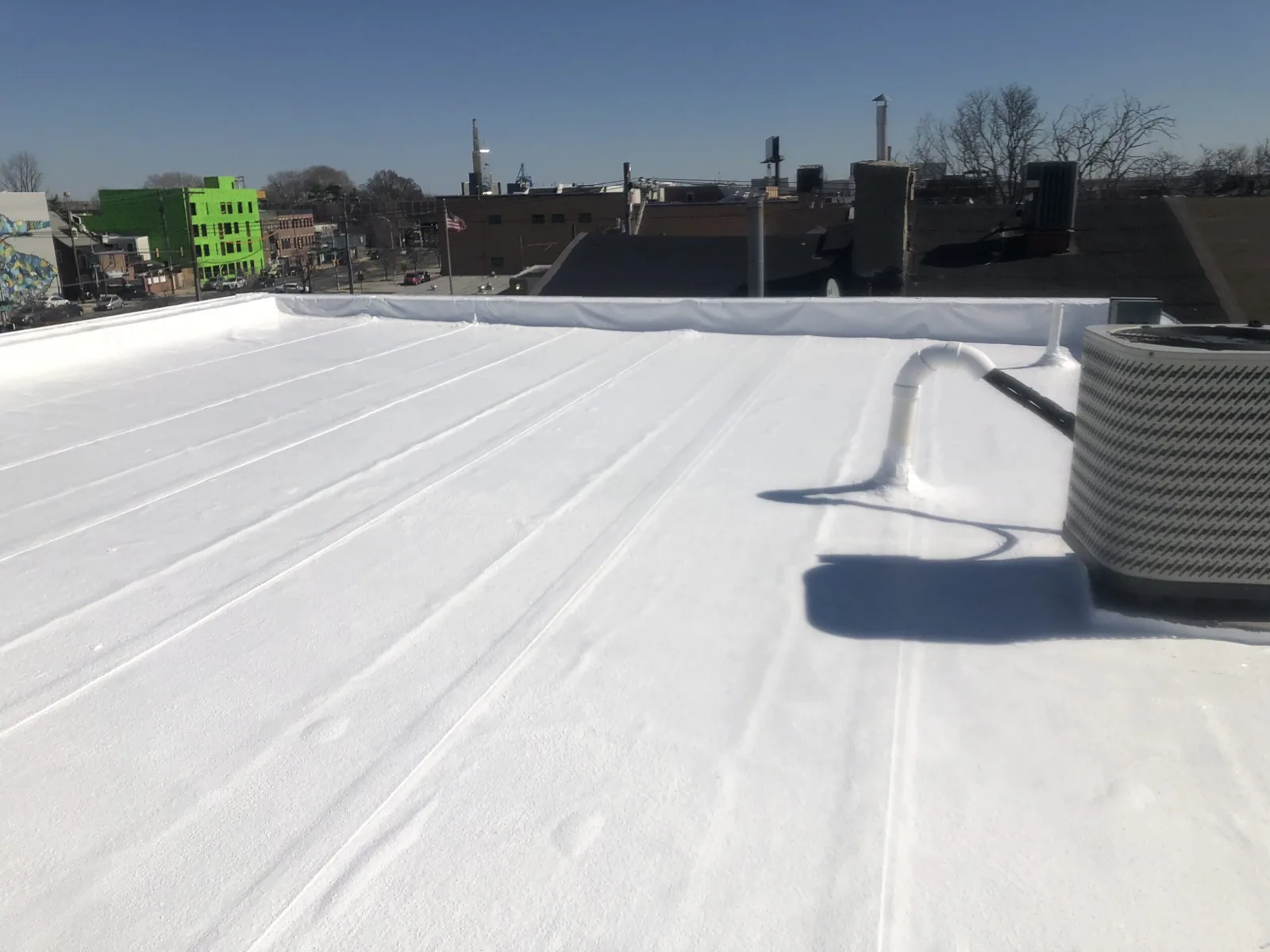
Commercial Roof Inspection
Learn More
Property Management Companies
Learn More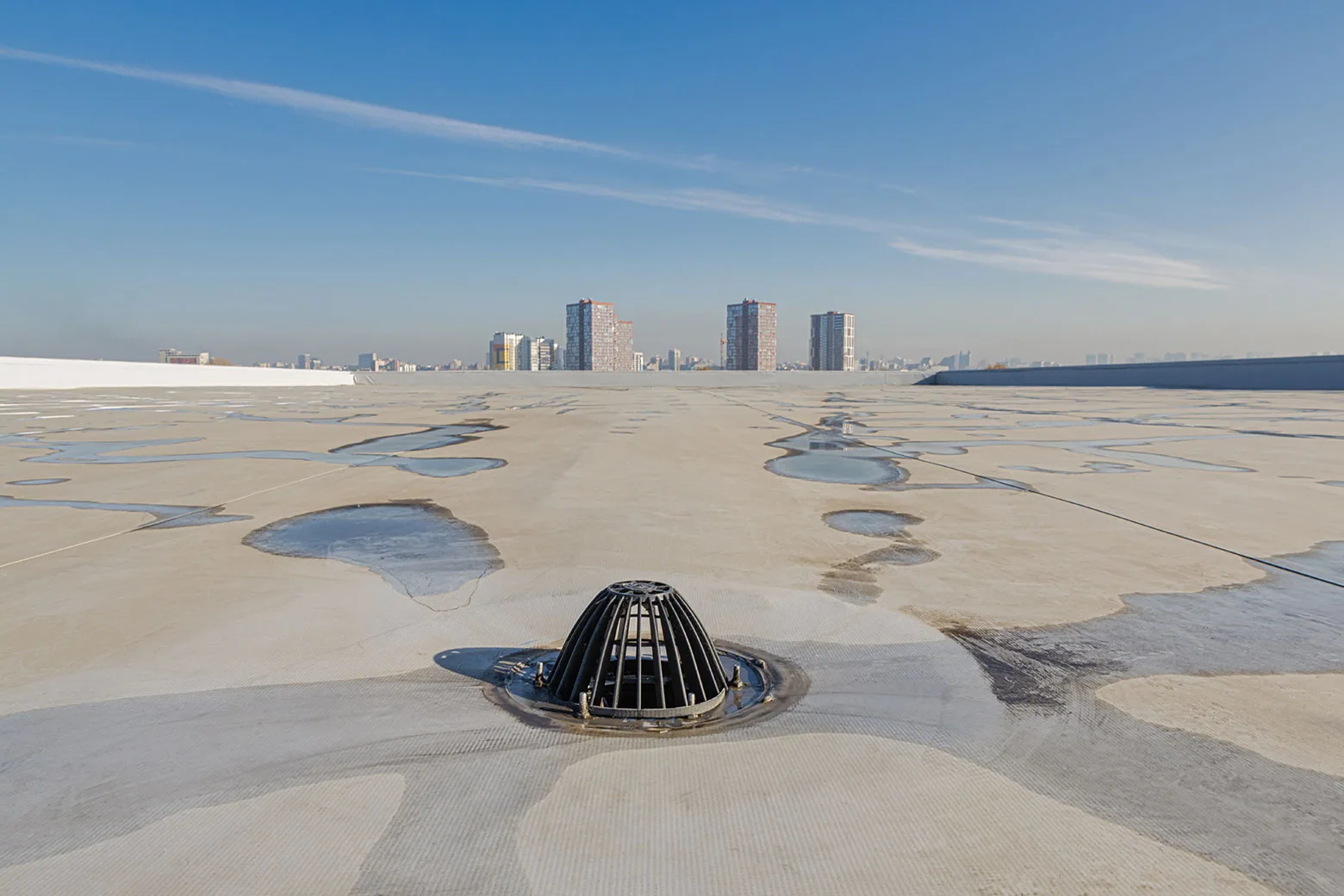
Commercial Roof Drains and Scuppers
Learn More
Commercial Roof Replacement
Learn MorePlan a public facility roof review
Request a roof assessment in Gresham
We will document the approved roof areas and provide a clear repair or replacement scope for your agency’s facilities and procurement review. Tell us about the building, the roof and what you are seeing. Call 555-555-5555, email [email protected] or send the details through our contact page and we will set up a time to walk the roof.