
Roof Insurance Claim Assistance in Gresham, OR
Prepare a clear roofing record
- Home
- Commercial Roofing Services
- Roof Insurance Claim Assistance
A claim file needs a clear roof record. When a leak appears after a storm, the owner must distinguish what is visible now from prior wear, earlier repairs, and conditions still concealed beneath the membrane. We inspect the affected roof area, photograph observed damage, note interior evidence, and prepare a repair scope that describes the work needed. A roof inspection can include a wider condition review beyond the reported area. We can coordinate site access and provide roofing documentation for the owner's claim file. We do not decide coverage, interpret the policy, or promise an insurer's outcome. Gresham’s wet season runs from fall through spring, so prompt documentation helps keep temporary protection and permanent repair decisions in sequence. Seasonal patterns do not establish conditions on a reported loss date or the cause of a specific opening. A storm-damage inspection records the condition; this service organizes the roofing scope and supporting materials.
What should the first inspection document?
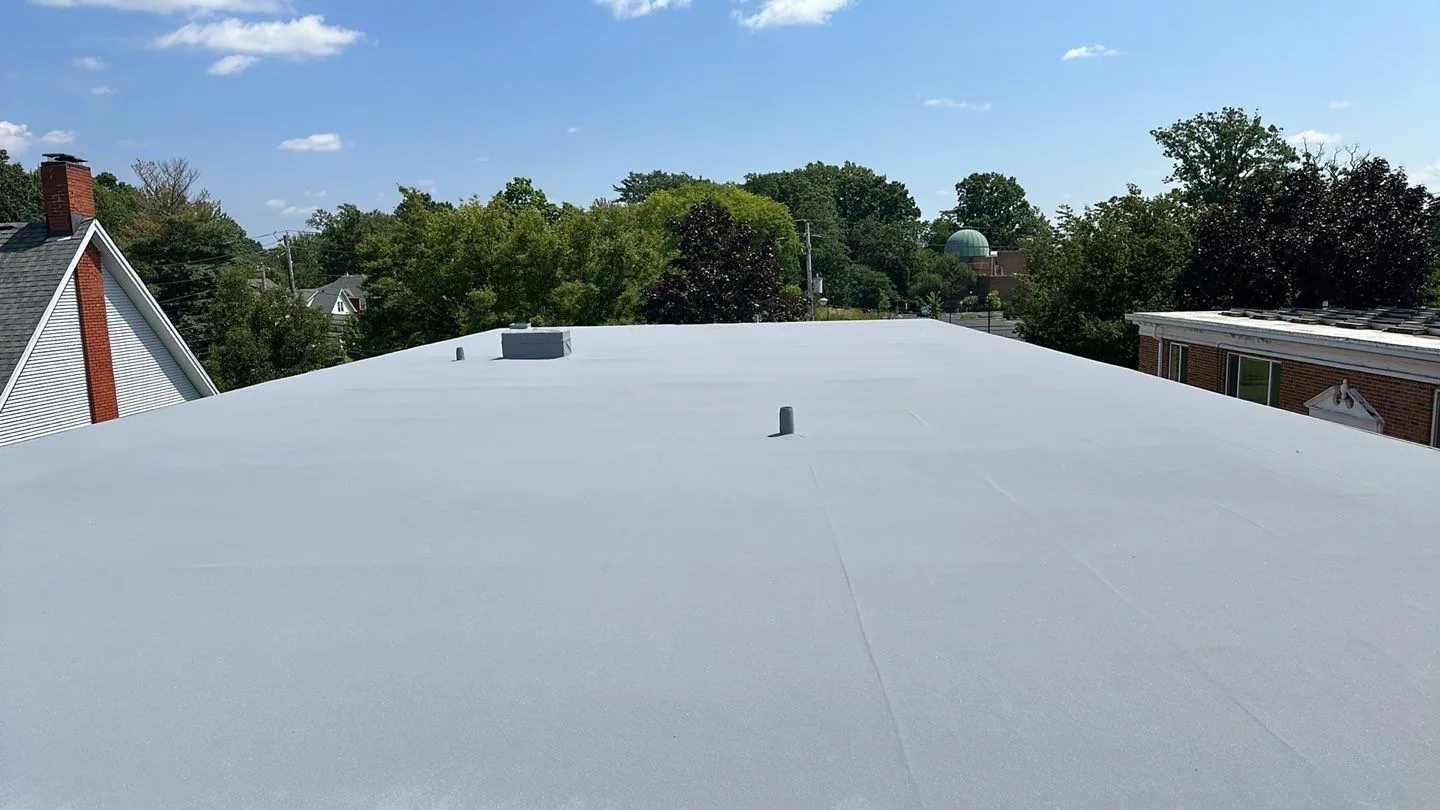
We begin with the reported date, affected rooms, and immediate roof access conditions. The inspection notes membrane openings, displaced edge metal, damaged flashing, punctures, blocked drains, or other visible changes. Photographs show the wider roof area and close views of each detail, with labels that tie them to a location. Inside, we record the affected ceiling or equipment area when access is available. The report states what we observed and what could not be confirmed without opening the assembly.
That distinction matters when water is concealed. The visible stain may sit away from the roof opening, and wet insulation can extend beyond the repair boundary. We identify whether moisture testing or a targeted roof opening is needed, then document those findings separately from surface evidence. If material must be removed, we coordinate how it is photographed and retained when the owner or insurer requests it. Our notes describe roofing conditions, not a coverage conclusion or a cause beyond the evidence.
When water is actively entering, we address safe temporary protection first. The report identifies what was stabilized, which areas remain exposed, and what permanent repair is proposed. On industrial properties around Southshore Corporate Park or the Sandy Boulevard east-county corridor, access may involve gate clearance, active freight routes, or equipment restrictions. We record the site coordination needed without treating one property's controls as universal.
How does a roofing scope support the file?
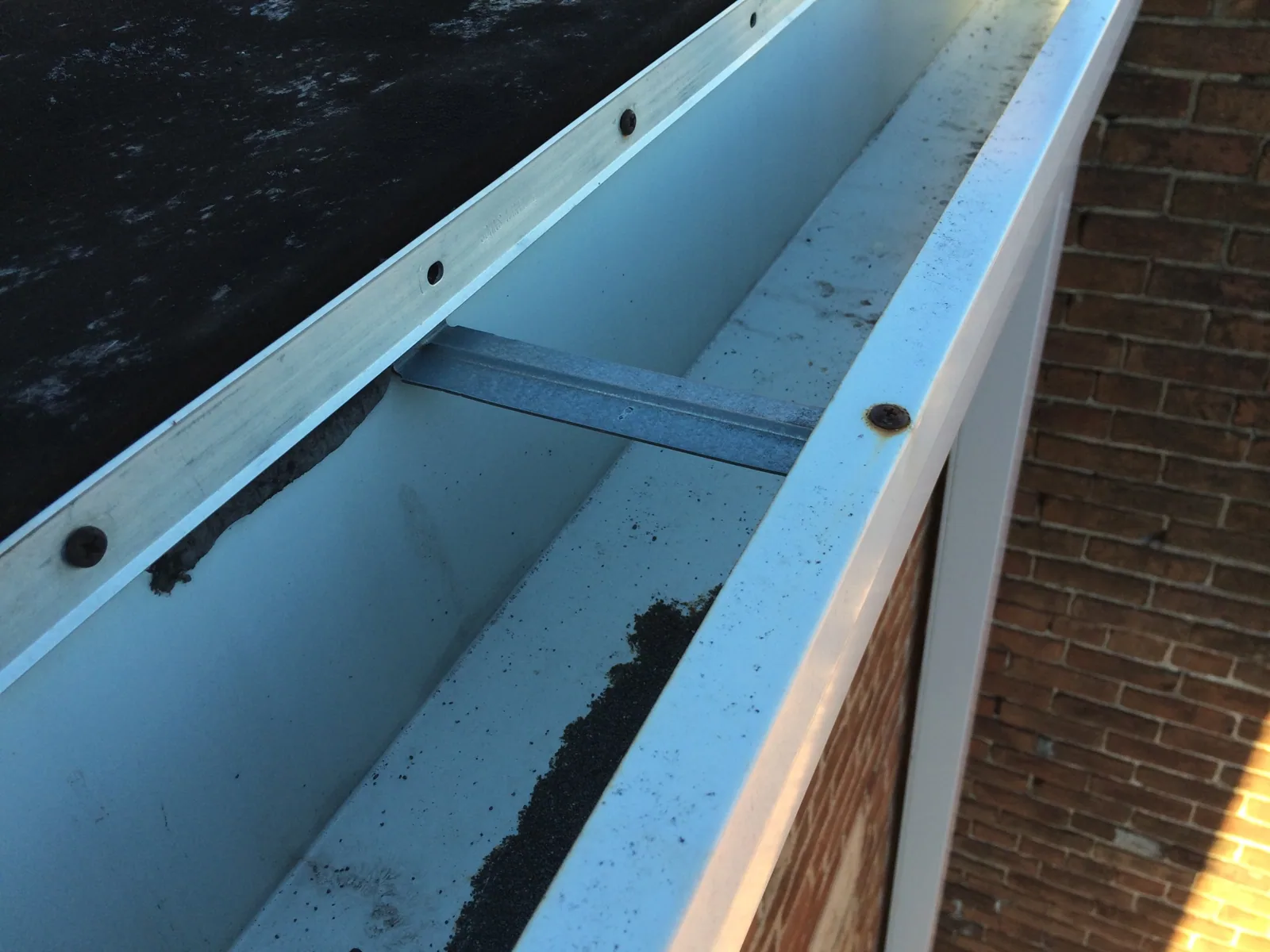
A useful scope identifies the roof area, affected assembly, repair materials, flashing work, insulation or deck repairs, protection, and access assumptions. It explains what the crew will remove, what will be installed, and how the work will close out each zone. If concealed conditions are unknown, the scope states how they will be documented and submitted for approval before the repair expands. That gives the owner a work description to discuss with the adjuster without suggesting that the insurer has already approved it.
We keep repair work distinct from maintenance or upgrades. A blocked drain, aged sealant, or existing seam wear may need attention, but it should not be labeled storm damage without evidence. We note pre-existing conditions when visible and separate them from the area reported after the event. The owner can provide the policy, event details, and communications directly to the insurer. Our role is to provide a clear roofing record and answer technical questions about the proposed repair.
Which Gresham weather details belong in context?
Gresham’s wetter season runs from fall through spring. That seasonal pattern does not establish conditions on a reported loss date, the roof’s prior condition, or what caused a specific opening. For a claim, event-specific records and direct roof evidence must do that work.
Seasonal temperature changes also affect repair sequencing. Product requirements and actual roof-surface conditions govern when a repair can be installed. We record delays or temporary protection when weather prevents permanent closeout. If the building is in Gresham's Rockwood commercial center or the Troutdale Town Center, the roof inspection still concerns the observed roof, not the district's history or general climate alone.
Multi-site owners may have buildings across Gresham, Fairview, Wood Village, and Troutdale. Consistent photo labels, roof-area descriptions, and repair terminology make those records easier to compare. A multi-building roof program can maintain a common reporting structure while keeping each loss file tied to its actual property and inspection evidence.
What remains the owner's responsibility?
The owner or authorized representative reports the loss, communicates with the insurer, provides policy and event information, and approves repair work. We can meet an adjuster at the roof, explain assembly details, share photographs, and clarify the roofing scope. We do not negotiate coverage or bind the insurer to a repair value. Questions about deductibles, exclusions, deadlines, and coverage decisions belong with the policyholder and insurer.
Before repairs begin, the facility should preserve relevant photos and messages, note any temporary protection, and keep copies of the inspection and work scope. If an adjuster asks for additional access or documentation, we coordinate a visit around the building's operations. The service log should show what was inspected, what was repaired, and what remains open. A roof condition report can keep the technical observations in a format useful to both facilities staff and the claim file.
How should the work proceed after documentation?
Immediate exposure and a claim decision are separate timelines. If water is entering, we recommend appropriate temporary protection and document it while the owner contacts the insurer. Permanent work follows the owner's authorization and the agreed scope. When a repair reveals wet insulation or damaged deck, we stop at the defined approval point, photograph the condition, and explain the added roof work needed. That prevents an unrecorded change from being folded into the original scope.
At closeout, we provide repair photographs, material and detail notes, and any remaining maintenance recommendations. If storm damage points to a broader roof condition, we identify it separately so the owner can decide whether to inspect, repair, or budget the additional work. Gresham's industrial properties include manufacturing, distribution, and processing uses; access, equipment, and production constraints differ from site to site. We can coordinate the next roof walk around your facility's occupied hours and insurer schedule.
Roof Insurance Claim Assistance FAQs
-
Can your report say whether the insurer should cover the damage?
No. We document roof conditions and describe the roofing work needed. Coverage depends on the policy and the insurer's review. We can answer technical questions about the assembly, photographs, and repair scope, while the owner handles coverage discussions with the insurer.
-
Can you meet the adjuster at our Gresham property?
Yes, with an access window arranged through the facility. We can walk the affected roof area, explain observed conditions and repair details, and provide the scope documentation. The owner or authorized representative remains the point of contact for policy and claim decisions.
-
What if a leak needs temporary protection before the inspection?
We assess safe access and stabilize active exposure when conditions permit. The work record identifies the temporary measure, its limits, and the permanent repair still required. The owner can share those notes and photographs with the insurer as part of the claim file.
-
Should we include older roof problems in a storm claim?
We document what is visible and distinguish reported storm-related changes from older wear or unrelated maintenance. We do not label a condition as storm damage without supporting evidence. The owner can discuss the full inspection record with the insurer and identify which items relate to the reported loss.
Related Roofing Work
Commercial Roof Inspection
Learn More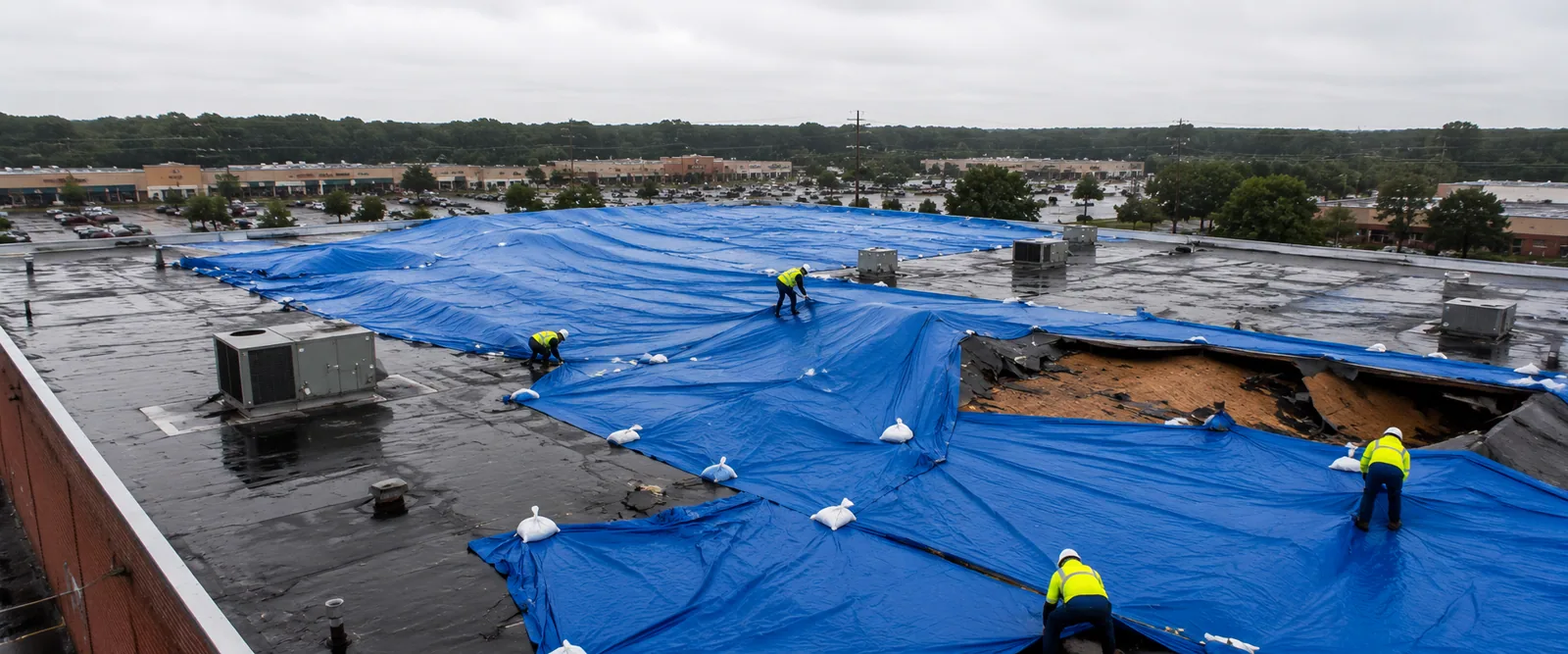
Storm Damage Roof Repair
Learn More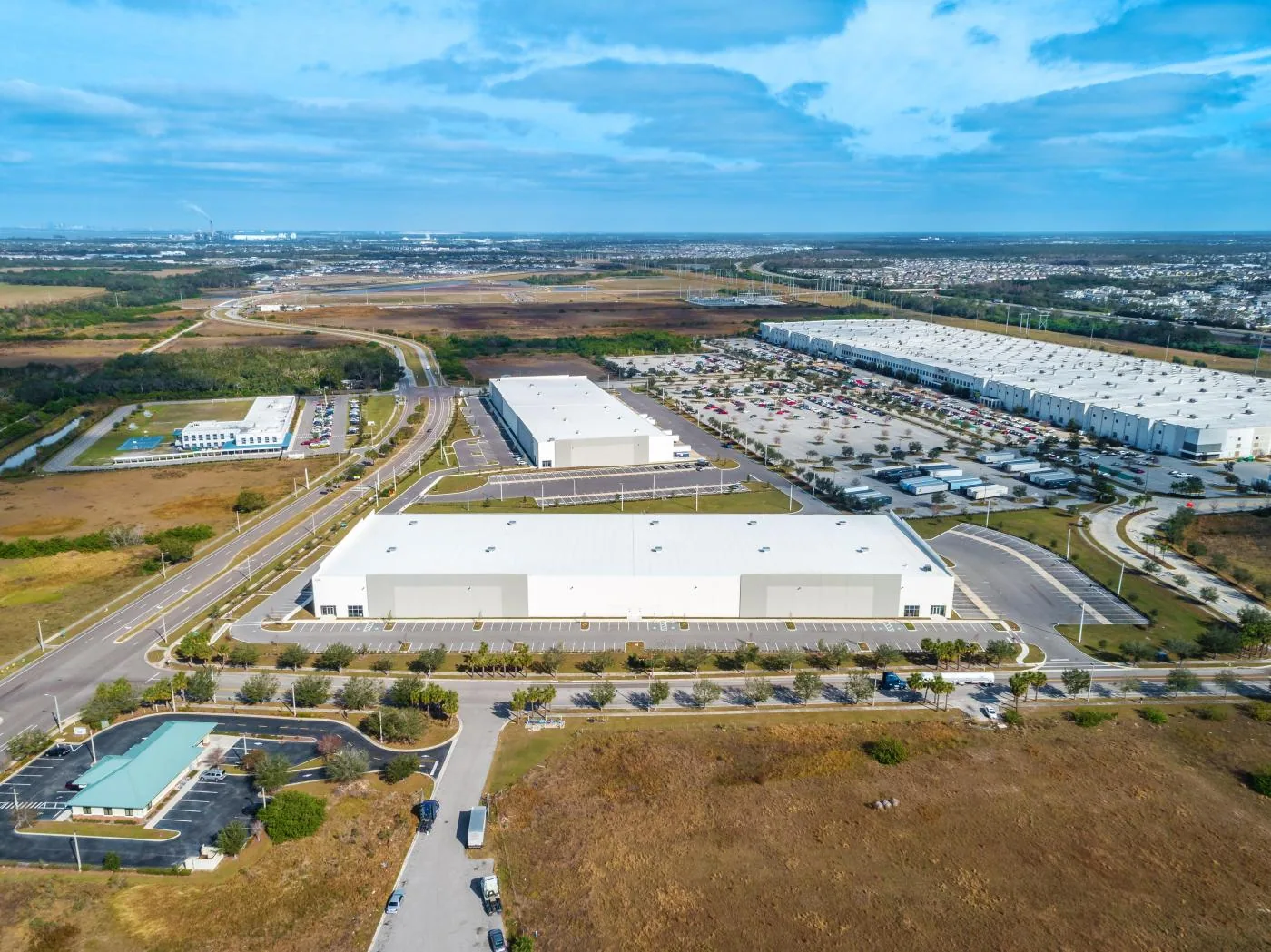
Southshore Corporate Park
Learn More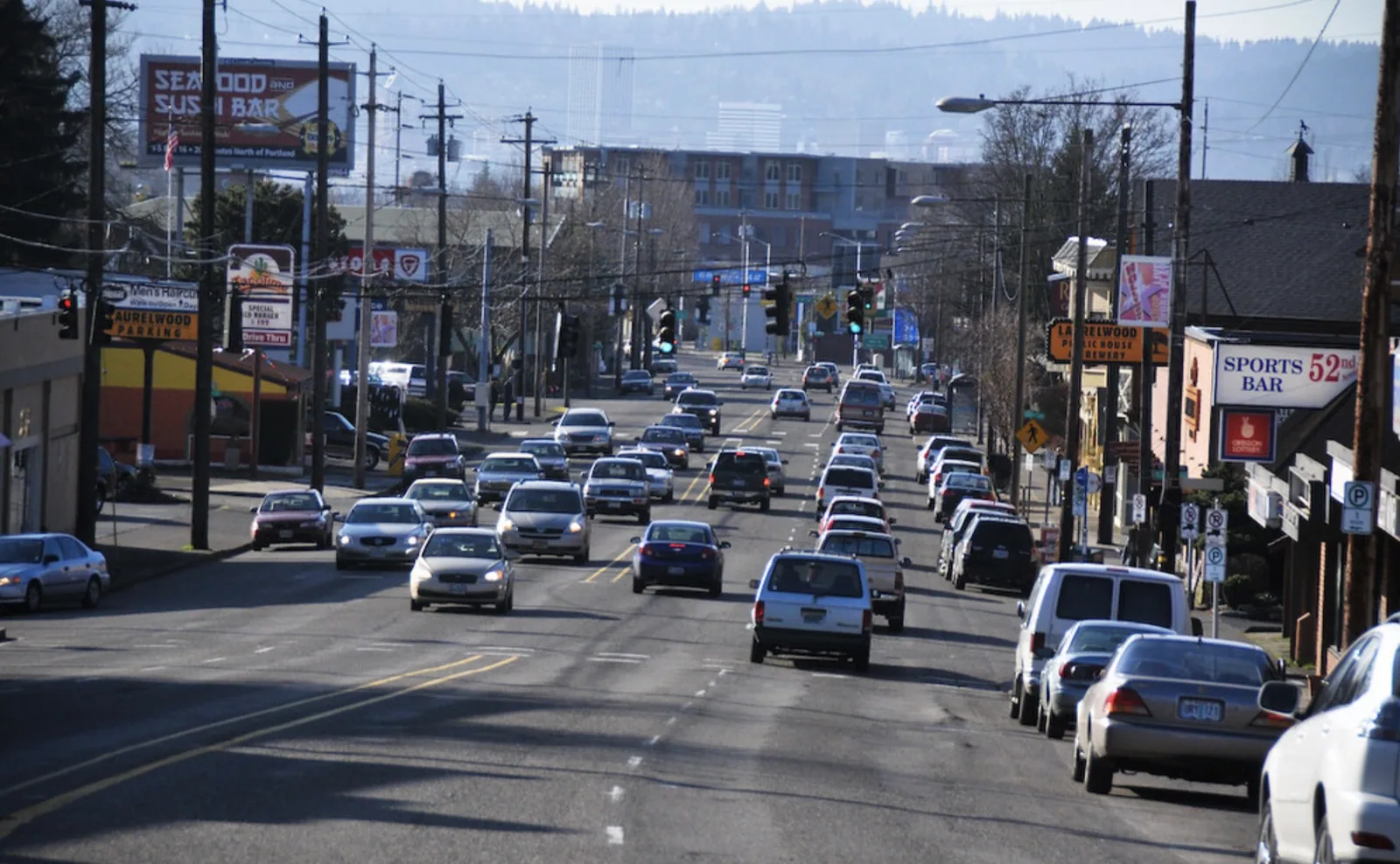
Sandy Boulevard East County Corridor
Learn More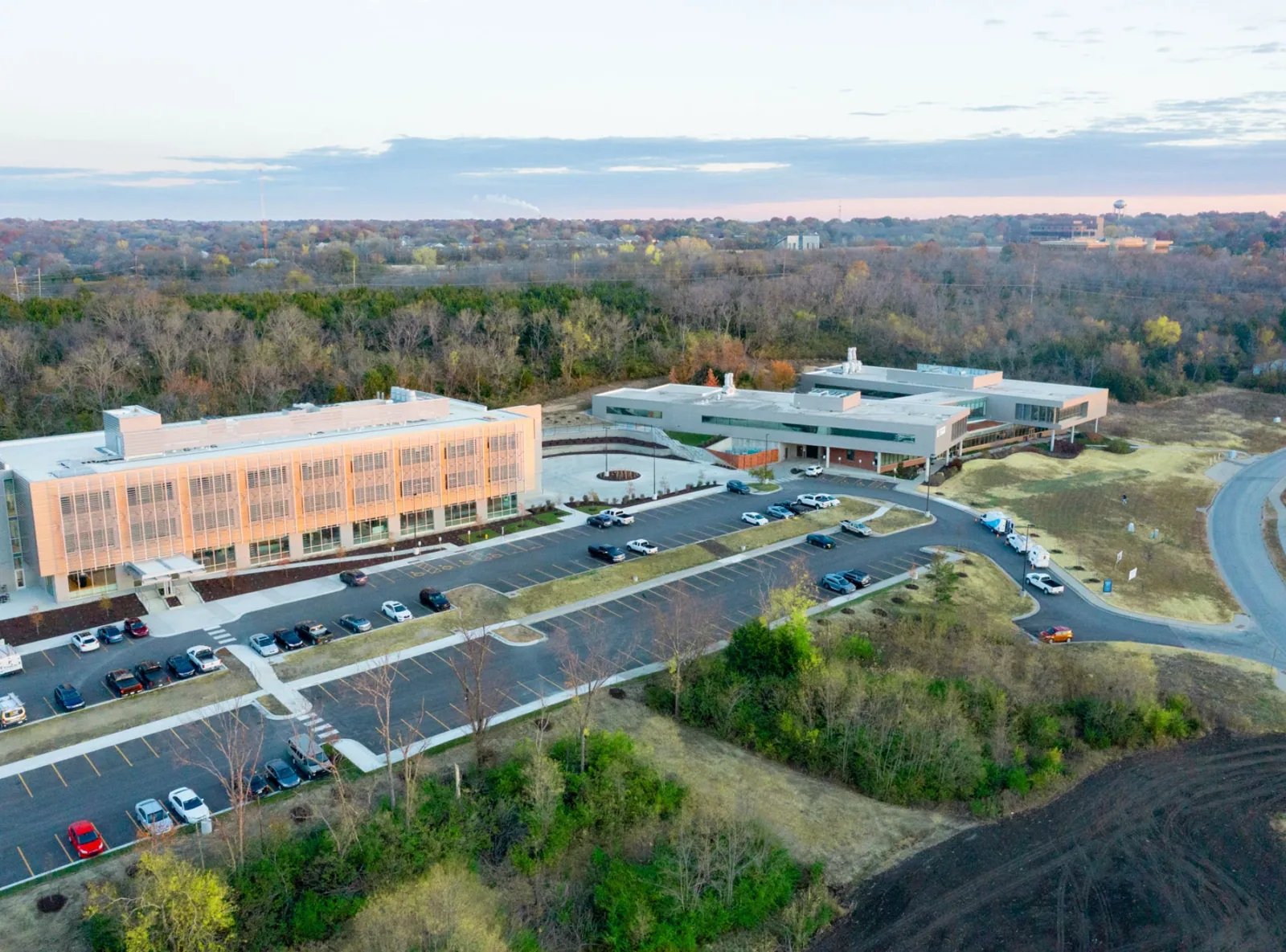
Multi-Site Commercial Roofing Programs
Learn More
Commercial Roof Condition Reports
Learn MorePrepare a clear roofing record
Request a roof assessment in Gresham
We will document the affected roof, outline the repair scope, and coordinate access at your Gresham facility. Tell us about the building, the roof and what you are seeing. Call 555-555-5555, email [email protected] or send the details through our contact page and we will set up a time to walk the roof.