Storm Damage Roof Repair in Gresham, OR
Document the storm condition
- Home
- Commercial Roofing Services
- Storm Damage Roof Repair
A failed edge detail can let wind-driven rain enter even when most of the roof surface looks intact. After a storm, the first task is to make the area safe and identify what changed. We check the roof from approved access points, document damaged membrane, metal, flashings, and rooftop equipment, then separate urgent protection from permanent repair. Gresham’s wet season brings frequent rain, with occasional freezing nights and summer heat. Portland International Airport averages 157 measurable-rain days each year, making a secure temporary close important when a roof is open. We compare each leak with the roof details above it and separate storm damage from older wear before defining repairs. The inspection connects evidence to the roof detail and building area. A commercial roof inspection can establish current conditions, while an emergency roof response addresses immediate exposure.
What happens during the first site response?
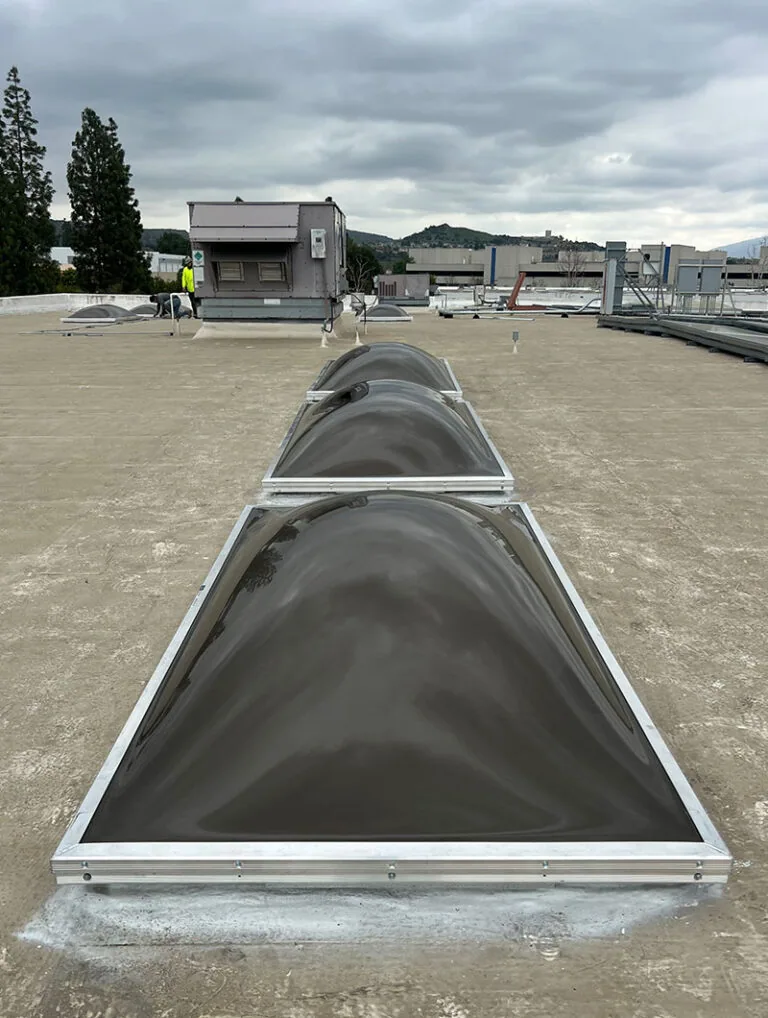
We begin with the reported leak, roof access rules, and any hazards below. Facility staff can identify active drips, affected rooms, sensitive equipment, and areas where people should stay clear. On the roof, we look for loose or displaced edge metal, open seams, punctures, lifted flashing, damaged drains, and debris that may block water flow. We photograph conditions before moving material when it is safe to do so. That preserves a useful record for repairs and any later claim review.
Temporary protection may include securing a loose detail, covering an opening, redirecting water, or isolating an affected area. The right action depends on roof conditions, wind, rain, and safe access. A temporary measure is not the same as a permanent repair. We tell the facility what has been stabilized, what remains exposed, and what follow-up inspection or material is needed. If the roof cannot be accessed safely, we coordinate interior protection and return when conditions permit.
For a building near Southshore Corporate Park or the Sandy Boulevard east-county freight corridor, the response plan also needs a clear arrival point and equipment route. Industrial sites may have controlled gates, active loading areas, or restricted roof access. We coordinate with the person authorized to clear entry and identify what operations must continue. The site contact confirms the entrance, controlled gate, safety process, and roof-access route before mobilization.
How can storm water travel beyond the damaged spot?
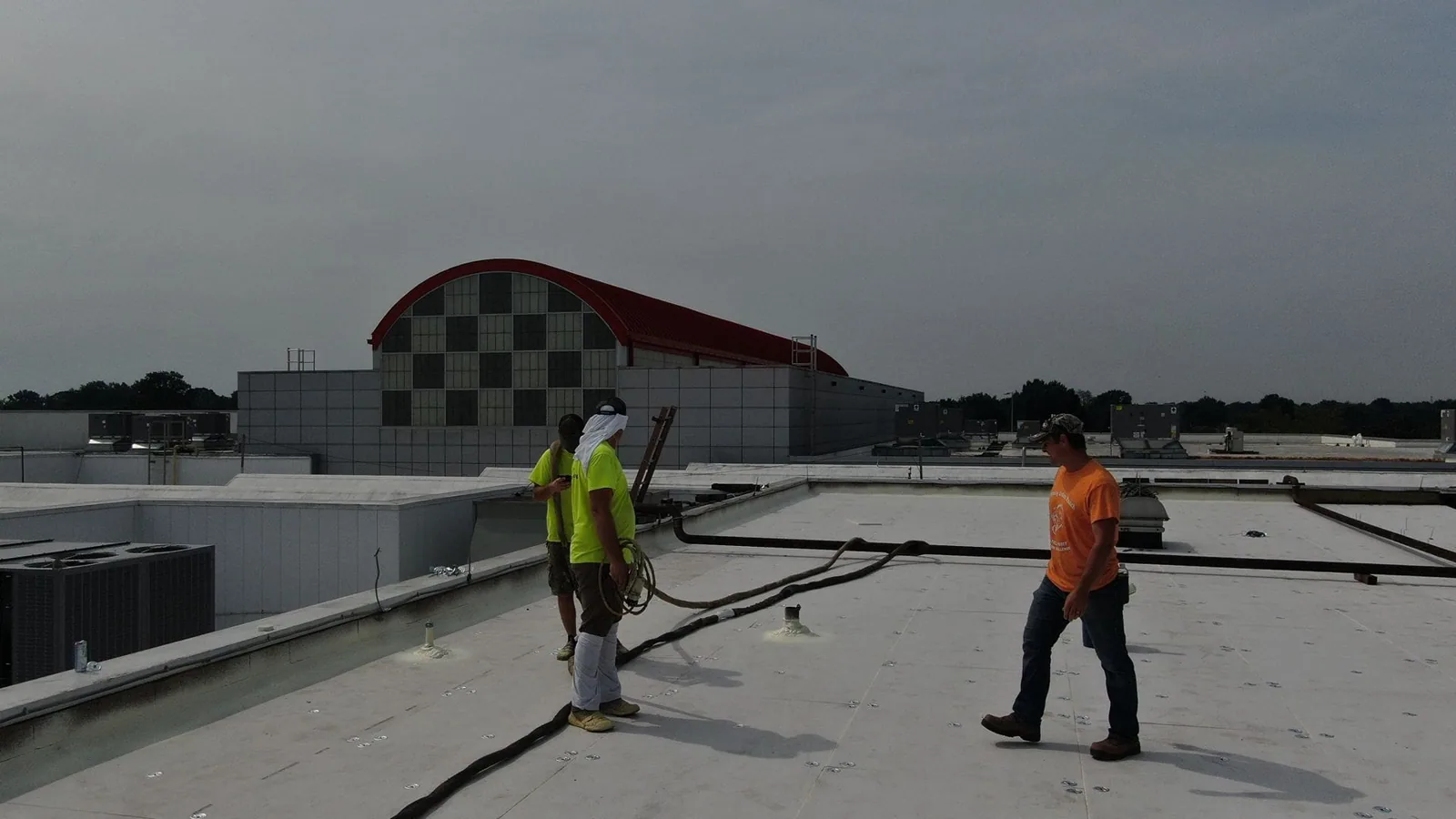
Water can move beneath a membrane before it appears indoors. A ceiling stain may sit below a drain path, seam, curb, or wall transition several feet away. We trace the likely route by checking slope, nearby details, interior evidence, and any earlier repairs. When the entry point remains unclear, a moisture survey or targeted opening can help distinguish wet insulation from a surface-level leak. We record the limits of what can be seen without opening the assembly.
Wind can stress perimeter edges, corners, and exposed flashings. Rain can then enter at a lifted termination or a split seam. The repair needs to restore attachment and continuity, not simply cover a visible gap. We confirm what material is compatible with the existing membrane, remove failed material where necessary, and detail the transition so water has a clear path to a drain or scupper. A wind-damage repair scope may be appropriate when inspection evidence supports it.
Debris presents a different risk. Branches or displaced material can puncture the roof, damage a skylight curb, or block an outlet. Gresham's frequent measurable rain means a blocked drain can keep water on the roof while a repair is pending. We clear accessible debris carefully, inspect the contact area, and check whether the membrane or insulation was affected. A puncture can look small from above while moisture spreads under the surface, so we mark and photograph the surrounding assembly before closing it.
Which local weather conditions affect repair timing?
The Portland airport’s yearly precipitation normal is 36.92 inches, with the majority arriving between fall and spring. We use the current site conditions and forecast to decide whether a repair can be installed, whether temporary protection is required, and how much roof can safely be opened. The plan includes a watertight close for each work shift and a backup if rain arrives before permanent materials can be placed.
Cold nights can affect some adhesives and sealants. PDX's normal year includes roughly 32 nights with temperatures falling to freezing or below. Hot weather also affects surface temperature and crew exposure; the station records 14.6 days with highs of at least 90 degrees Fahrenheit on average. At the building, we check roof temperature, moisture, and product limits before committing to a repair sequence.
Industrial operations around the I-84 corridor can continue while a roof repair takes place, but the work zone and equipment route must be coordinated. A lift or material staging area may conflict with deliveries or emergency access. We confirm who can approve temporary closures and how the facilities team will be notified if the weather changes the sequence. If the building sits in the Troutdale Reynolds Industrial Park, the facility's own gate, tenant, and safety procedures govern the visit.
How do we move from temporary protection to a permanent repair?
Once the immediate exposure is controlled, we document the affected roof areas and determine what must be removed, dried, or repaired. A durable repair may require replacement of membrane, insulation, cover board, flashing, edge metal, or a damaged drain detail. We check whether the existing assembly can accept the repair materials and whether water has reached concealed layers. If the damage is limited, a focused repair can preserve the larger roof. If moisture or deterioration is extensive, we explain why a broader replacement or recover scope should be evaluated.
The written scope should identify the repair location, materials, detail work, access, protection, and any assumptions about hidden conditions. It should also state how work changes if tear-back reveals wet insulation or damaged deck. We photograph the opening and coordinate approval before proceeding beyond the agreed work. For owners managing several buildings, condition reporting helps keep storm findings separate from unrelated maintenance items and gives the asset team a clear record.
What records should the facility keep?
Keep the date and time the issue was found, affected rooms, photographs, weather conditions, temporary measures, and the repair report. Record who authorized roof access and which areas were isolated. If an insurer is involved, preserve damaged material when instructed and maintain a clear chain of documentation. A claim documentation scope can organize inspection findings and repair information, but coverage decisions remain with the insurer and policy terms.
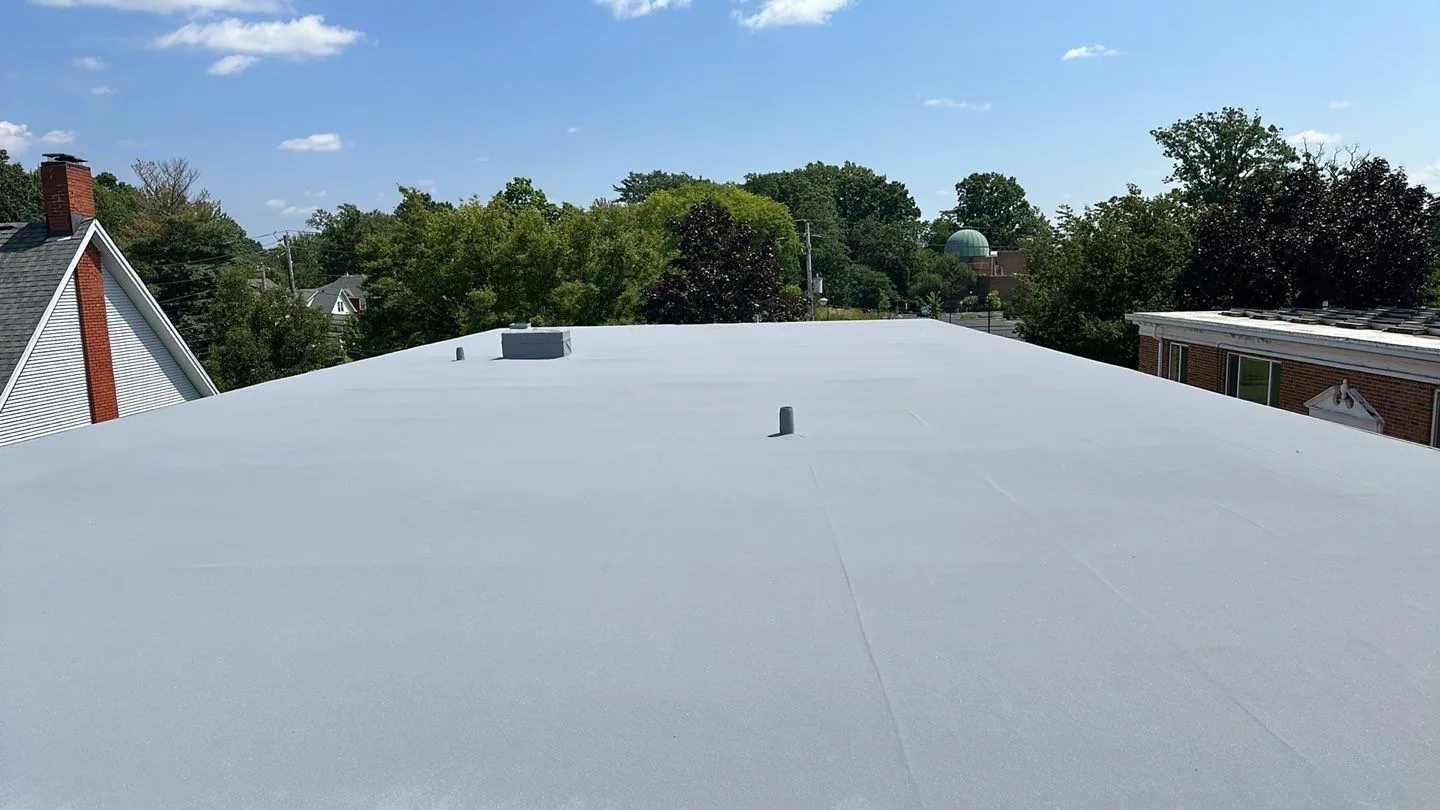
After the repair, inspect nearby seams, drains, flashings, and equipment curbs. Storm response can reveal a maintenance issue that predates the event or a condition that needs separate monitoring. We distinguish the observed damage from older wear in the written report. The facility can then decide whether to repair another detail, schedule a moisture test, or add the roof to its maintenance calendar. We can coordinate a roof walk in Gresham around occupied hours and the next safe access window.
Storm Damage Roof Repair FAQs
-
Can you tarp a commercial roof during active rain?
We first confirm roof access is safe and that a temporary measure can be secured in current conditions. If access is unsafe, we coordinate interior protection and return when conditions permit. We document limits and follow-up steps.
-
How do you determine whether storm damage caused a leak?
We compare the reported timing with roof and interior evidence, prior repairs, and the likely water path. The inspection separates observed damage from older wear. Concealed sources may require an opening or moisture test.
-
Can the repair be done while our facility is operating?
Often, with a clear route, work zone, and communication plan. We coordinate loading, equipment, occupied rooms, and shutdowns before work begins. If weather changes the sequence, the facility contact receives an update.
-
What if crews find wet insulation after opening the roof?
We photograph the area, explain what needs removal or drying, and follow the scope's concealed-condition process. The opening is protected while the owner reviews added work. Wet material is not covered by permanent repair.
Related Roofing Work
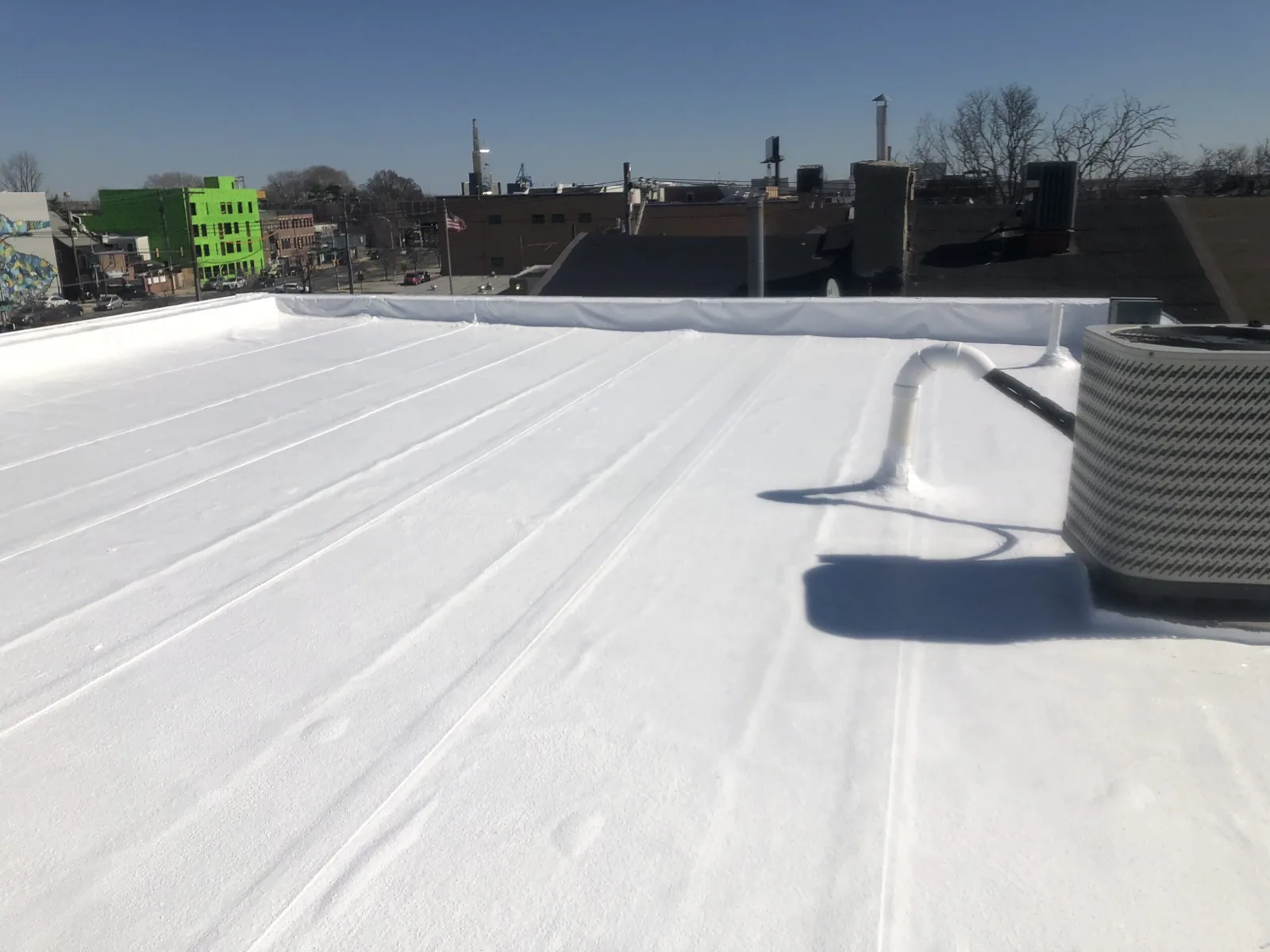
Commercial Roof Inspection
Learn More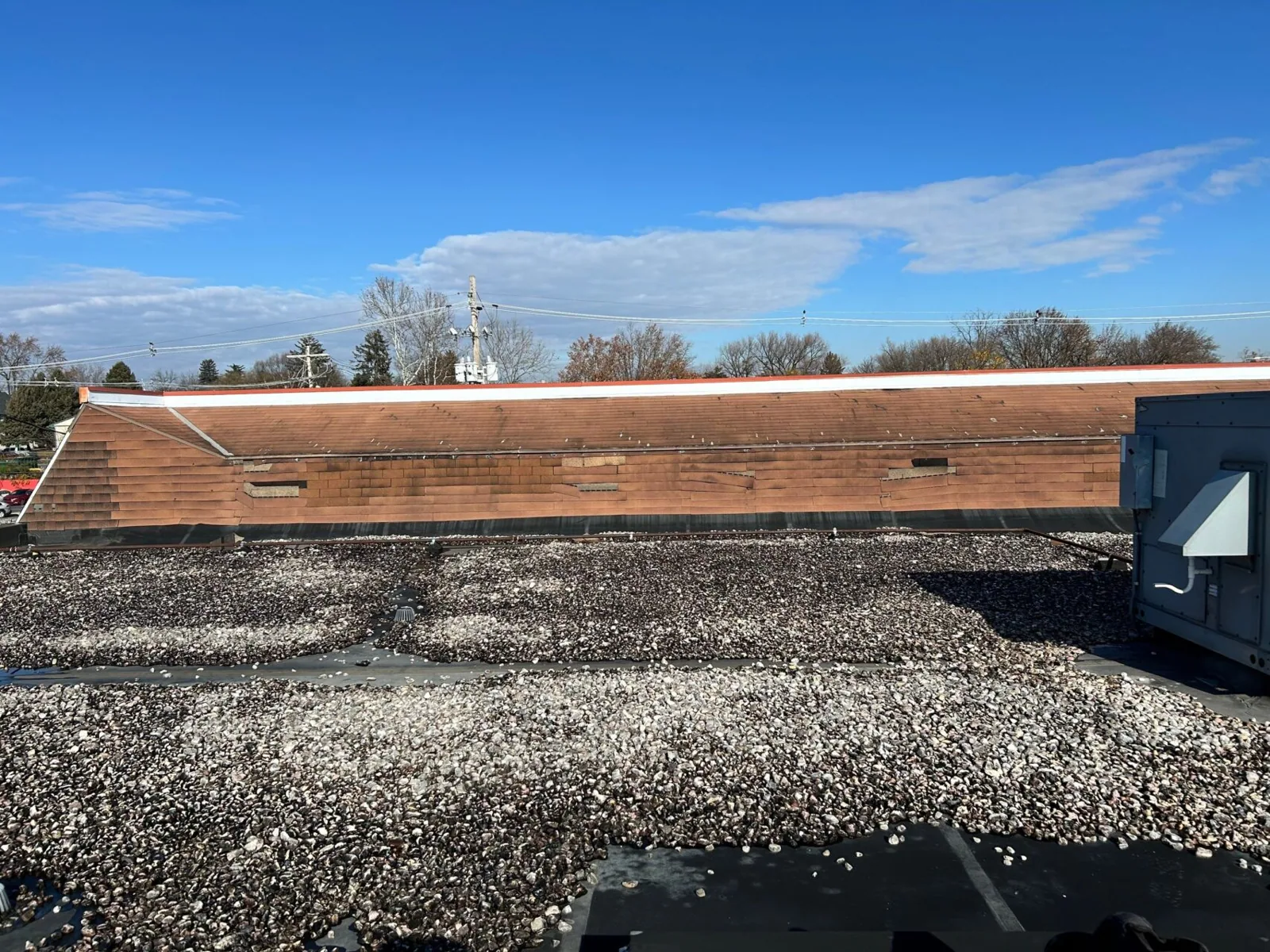
Emergency Commercial Roof Repair
Learn More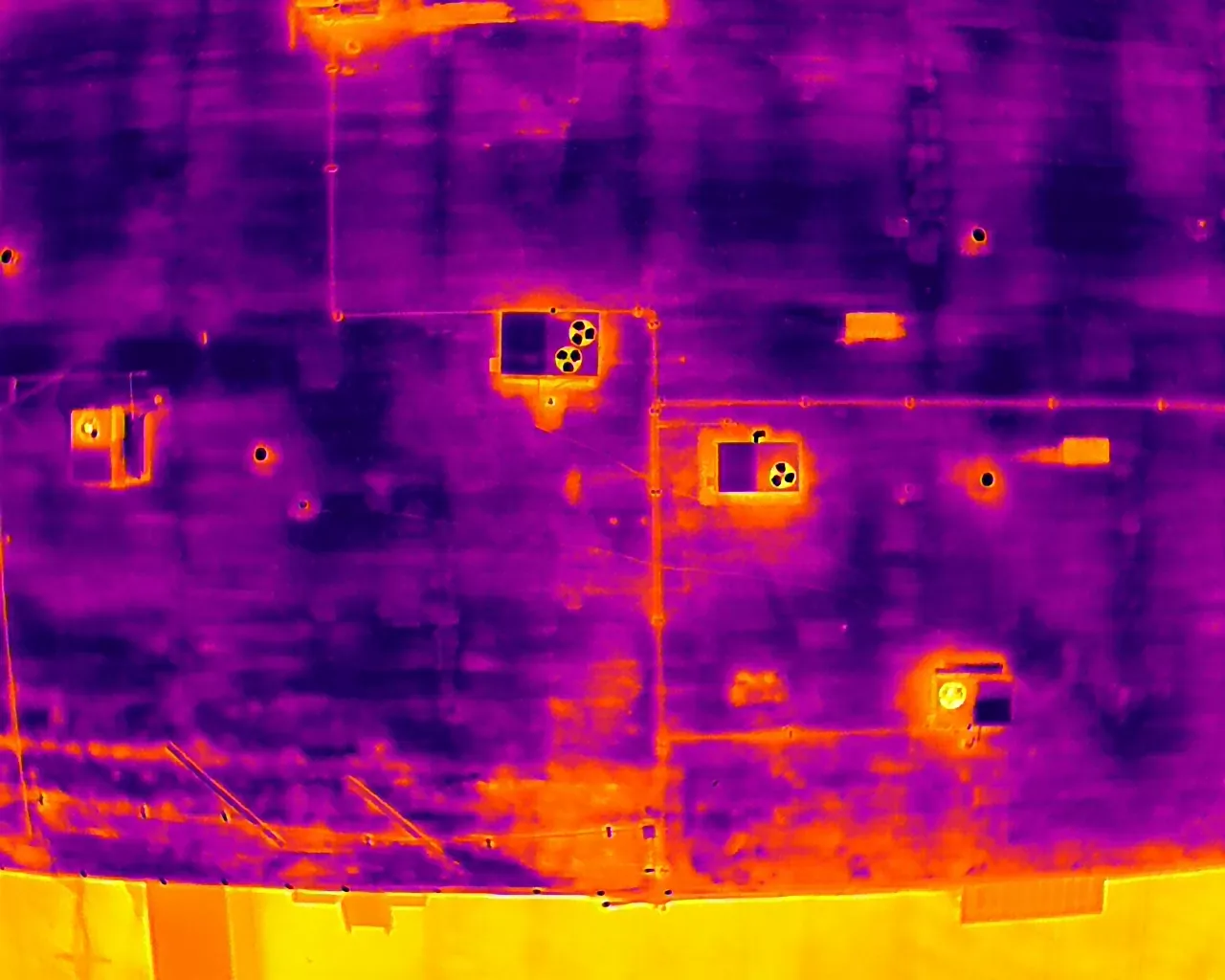
Infrared Moisture Survey for Commercial Roofs
Learn More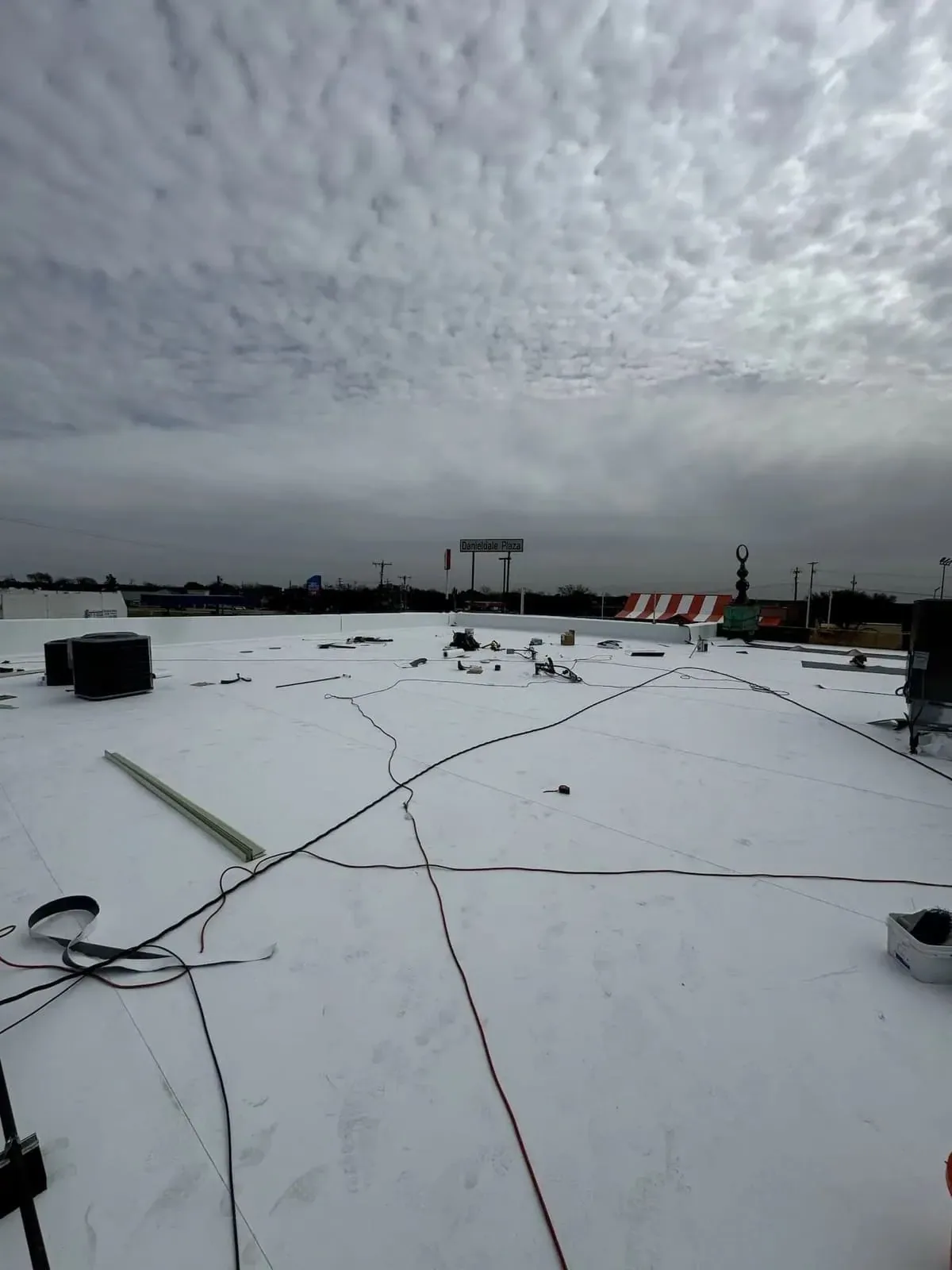
Commercial Wind Damage Roof Repair
Learn More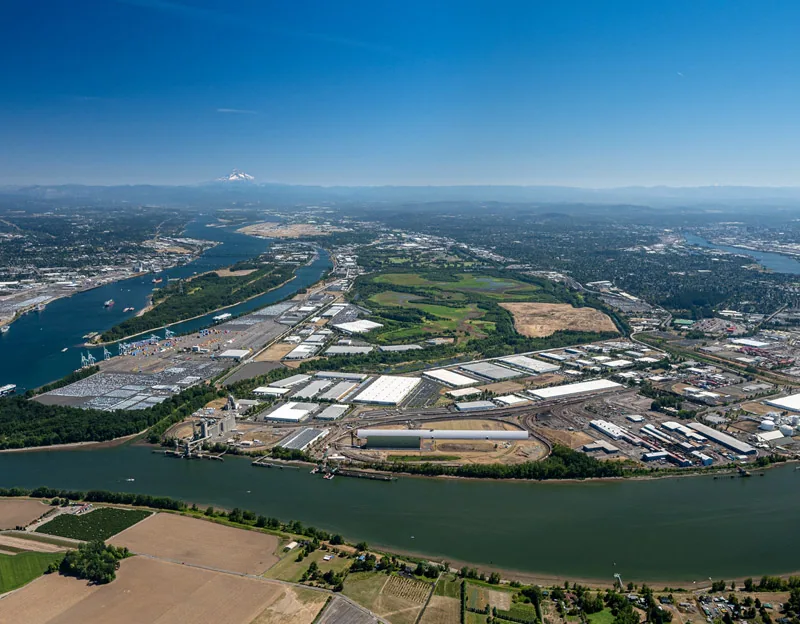
Troutdale Reynolds Industrial Park
Learn More
Commercial Roof Condition Reports
Learn MoreDocument the storm condition
Request a roof assessment in Gresham
We will assess the roof, stabilize immediate exposure, and coordinate permanent repair around your Gresham operations. Tell us about the building, the roof and what you are seeing. Call 555-555-5555, email [email protected] or send the details through our contact page and we will set up a time to walk the roof.