Army Installation Roofing in Gresham, OR
Coordinate an installation roof survey
- Home
- Property Types We Roof
- Army Installation Roofing
Installation roofing must fit the mission, maintenance schedule, and security process at the site. A readiness center, repair shop, storage building, or office may require separate access and work controls. We begin with the building and roof zone, then confirm the authorized point of contact and approved route. Camp Withycombe, southwest of Gresham, houses the Clackamas Armed Forces Readiness Center and Oregon Army National Guard and U.S. Army Reserve units. Its supply depot and equipment-repair activity make facility access and work sequencing important. Roofing teams also serve Southshore Corporate Park and nearby Gresham industrial areas. A roof inspection documents observed conditions within the installation’s approved limits.
How do readiness and maintenance buildings differ?
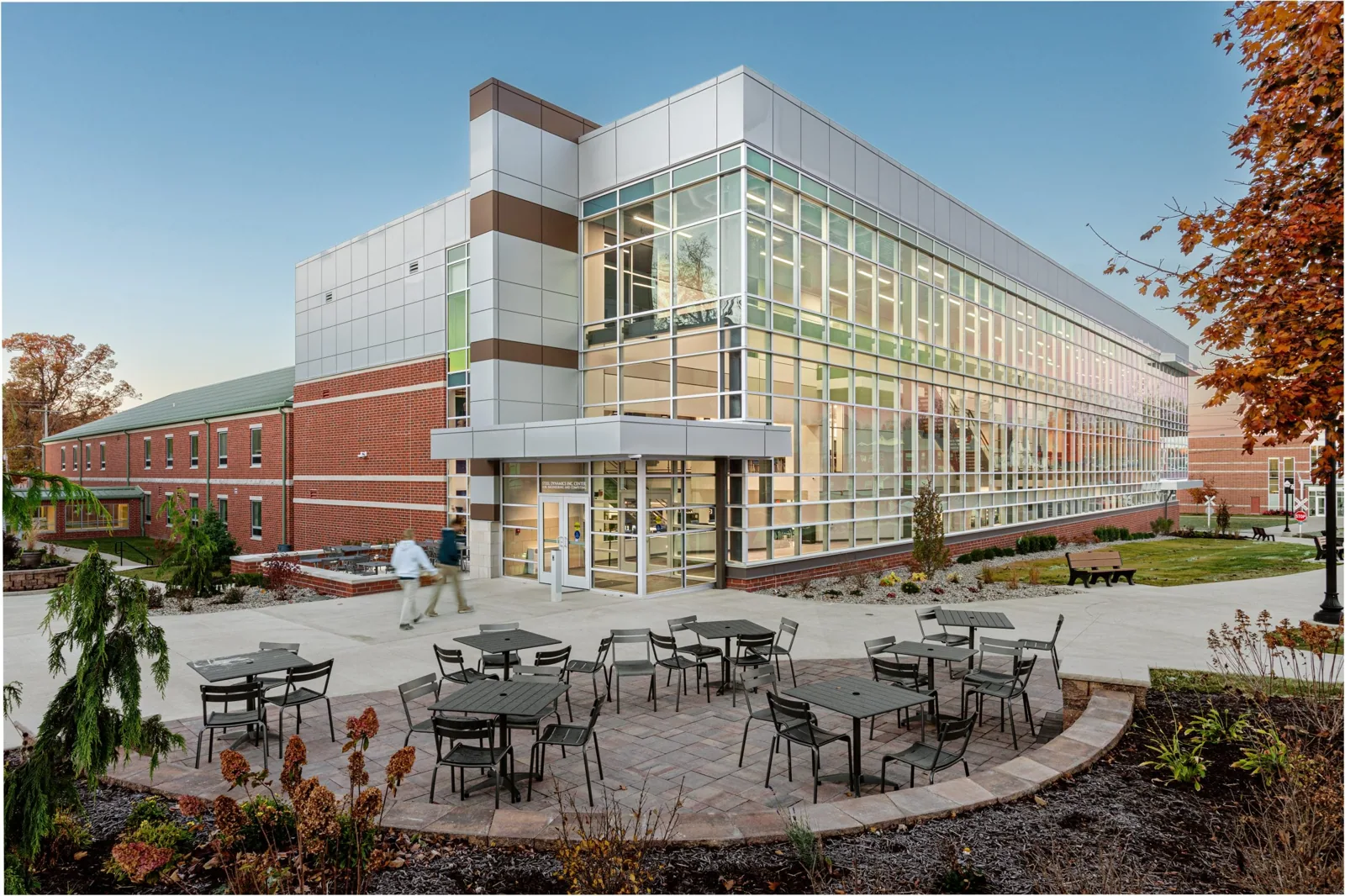
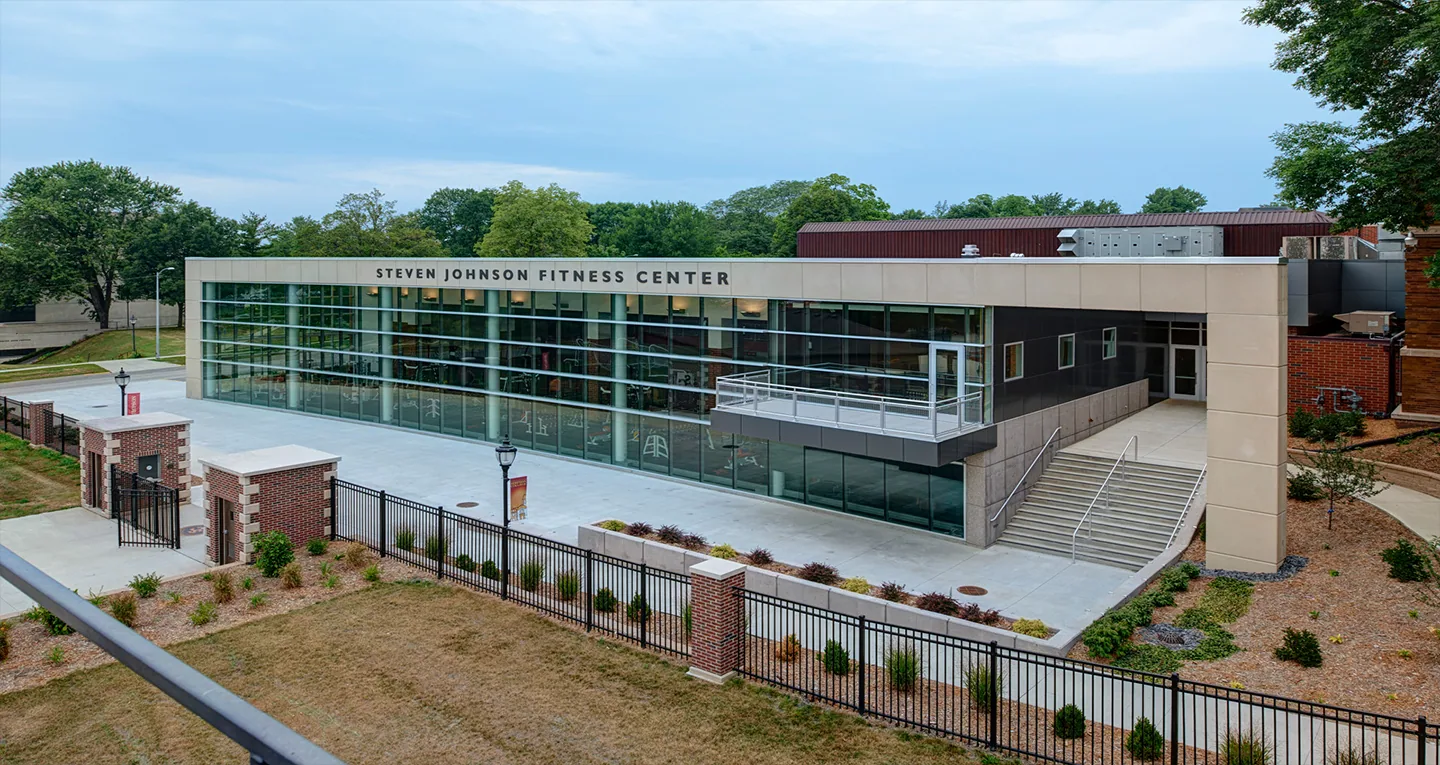
A readiness center may host staff, training, and unit activity; a rebuild shop or maintenance-storage building may have vehicle or equipment routes. The roof work plan should match the building’s use. The site contact identifies occupied periods, vehicle movement, hazardous or restricted zones, escort rules, and equipment that cannot be blocked. We do not move government property or change a controlled route without authorization.
Shop ventilation, overhead utilities, and rooftop equipment can change a roof’s flashing details. We identify each connection and the contractor responsible for service. The curb and equipment review records what must be coordinated before opening the assembly. A public facility roof review is useful for comparing occupied building access, although installation rules remain site-specific.
Where can water enter a shop or readiness center?
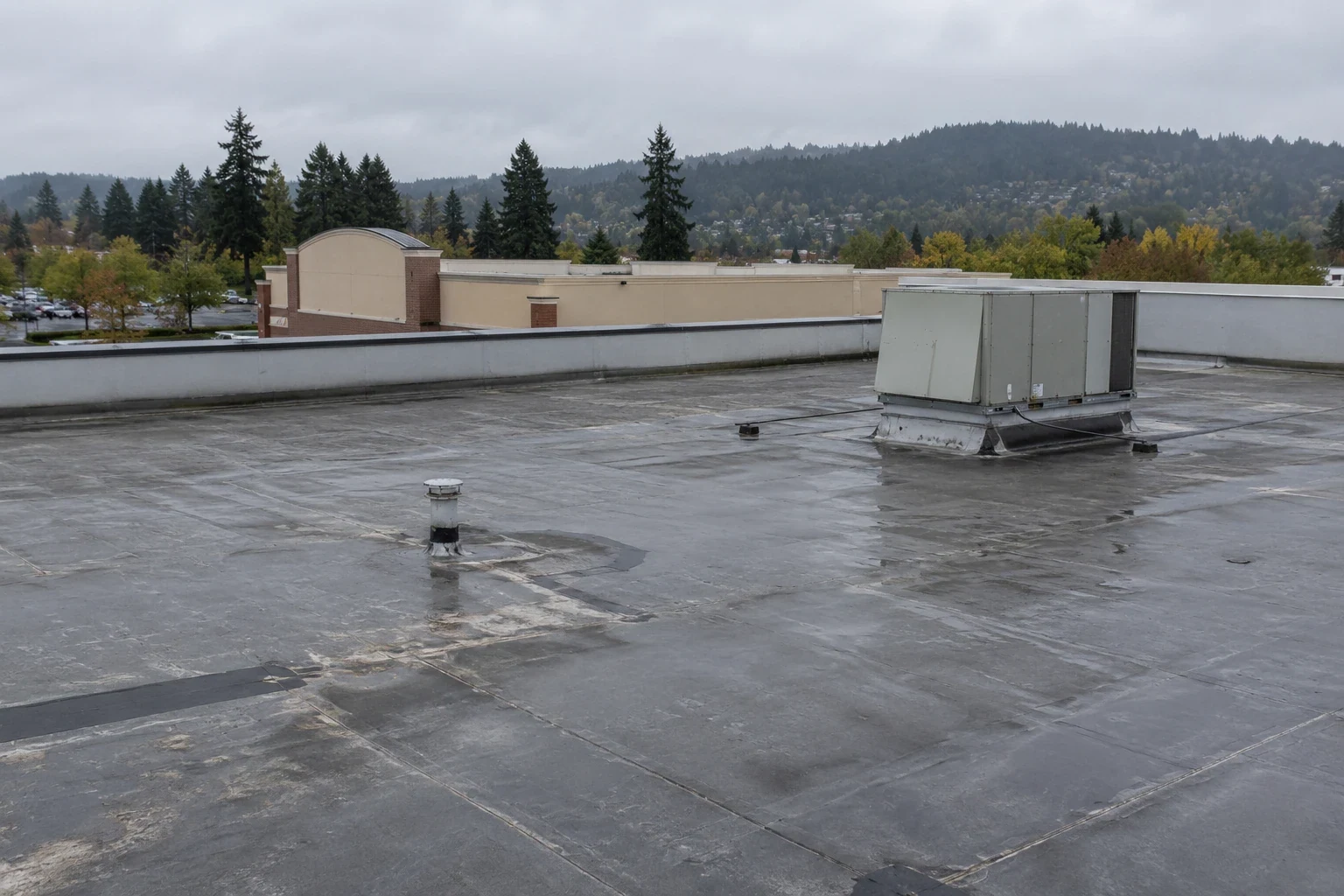
Water may enter at a seam, fastener, wall transition, drain, or equipment penetration, then follow framing or a deck flute before reaching the floor. We compare interior reports with the roof plan, maintenance work, and visible details. The affected room or shop bay, date, and weather are useful clues. A roof inspection should distinguish active entry from condensation, plumbing, or a maintenance issue created by another trade.
Equipment shops can have exhausts or service lines that are changed over time. If a contractor removes a unit, an abandoned opening must be closed with a compatible detail. If a new support is installed, membrane and structural coordination matter. Drainage also needs review around roof-mounted equipment. A drainage check inspects outlets, overflow paths, and membrane around the connection.
Cool-season rain is more common across the Gresham market than summer rainfall. When repairs are authorized, the crew plans temporary protection and a defined daily close. Work timing also depends on the installation’s access window and product requirements.
What can a controlled roof survey establish?
Within the access granted, we record the roof system, seams, fasteners, edges, drains, penetrations, equipment bases, and visible repair history. Each photo and finding is labeled by building and roof zone. Findings can be divided into immediate water entry, maintenance, and capital planning. If a building area is unavailable, the report states that boundary rather than implying a full inspection.
Concealed moisture may require a survey or test opening. The contracting contact decides whether additional access or invasive testing is allowed. We provide the reason, proposed location, and restoration method for review before proceeding. A condition report can retain the approved findings and follow-up decisions.
We also document roof access procedures and the authorized site contact. That access record helps a later crew return for a repair during an approved maintenance window.
Should the owner repair or replace a facility roof?
A limited puncture or failed flashing can be repaired when nearby insulation and attachment remain sound. Repeated leaks, broad moisture, loose panels, or deterioration across several zones may justify replacement. A recover or coating is only considered when the existing system can accept another layer and drainage, edge conditions, and moisture support that approach. The inspection should state the basis for the recommendation.
Replacement can be arranged by building, shop bay, or approved work window. The scope records staging, vehicle routes, temporary protection, equipment coordination, and how each section closes. A replacement sequence gives the owner a decision point for the next phase. For warehouse or depot uses, a military storage roof review focuses more closely on inventory and vehicle-area access.
Procurement, submittal, insurance, and site-specific safety requirements come from the owner. We identify what information is needed for the roofing work package and wait for the authorized direction before mobilization.
How do crews work inside installation controls?
Before entry, the contractor confirms identification, escort, vehicle and tool restrictions, approved route, roof access, staging, and photography policy. The facility contact identifies maintenance or training activity that affects the work window. We establish a marked zone and keep personnel and materials within the authorized area.
Each shift opens only a roof section that can be protected and closed before departure. If hidden conditions change the scope, the crew secures the area and submits the approved documentation for an owner decision. At close, equipment and debris are accounted for, drains are checked, and the roof is made watertight. A handoff records what was completed and when the next access window is needed.
Any change to a route or work limit stays with the installation representative. A roofing foreman can identify the condition and recommend an adjustment, but the authorized site contact approves it.
What should stay in the installation roof file?
Keep the roof plan, asset or building label, approved access instructions, permitted photos permitted by the site, repair history, equipment changes, and closeout records together. Scheduled reviews can check seams, fasteners, edges, drains, wall details, and penetrations touched by other trades. A roof log should distinguish which building is a readiness center, a shop, or storage so conditions are compared correctly.
Camp Withycombe also includes readiness, rebuild, maintenance, and storage functions identified in Oregon’s adopted facilities budget. That variety reinforces the value of building-specific roof records. A maintenance visit can document what changed and what the site should plan for its next work period. It can also review drainage after surrounding work, identify new penetrations, and record whether a temporary repair needs a return visit. The installation contact can then match findings to the correct facility and budget line. Keep the current access procedure with the roof plan, since that route may differ among readiness, repair, and storage buildings.
What should the installation provide?
Share the approved access process, roof plans, known leak areas, maintenance history, work-hour limits, and scheduled vehicle or shop activity. Identify the contracting contact who can authorize test cuts, repairs, and scope changes. We will document the accessible conditions and provide a clear recommendation. Schedule a pre-roof coordination meeting so the inspection follows the installation’s work controls.
Army Installation Roofing FAQs
-
Can contractors inspect an Army installation roof?
The installation controls access and approves the inspection limits. We coordinate through the authorized contact on escorts, identification, tools, routes, and available work windows.
-
Can a roof repair proceed during training or shop operations?
The site contact determines whether the area can remain active. We plan the work boundary and schedule around approved routes, equipment, and the facility’s operating needs.
-
What if moisture is hidden below the membrane?
We document the visible evidence and explain whether a survey or test opening would help. The owner approves invasive testing and the location before work proceeds.
-
How should roofing work be specified for multiple buildings?
List each building and roof zone, access rules, observed defects, required submittals, and work windows separately. That allows the owner to compare options without combining unrelated assemblies.
-
What should be checked after equipment work?
Review curbs, penetrations, support attachment, seams, and abandoned openings. Keep the trade closeout with the facility roof record so the condition can be verified later.
Related Roofing Work
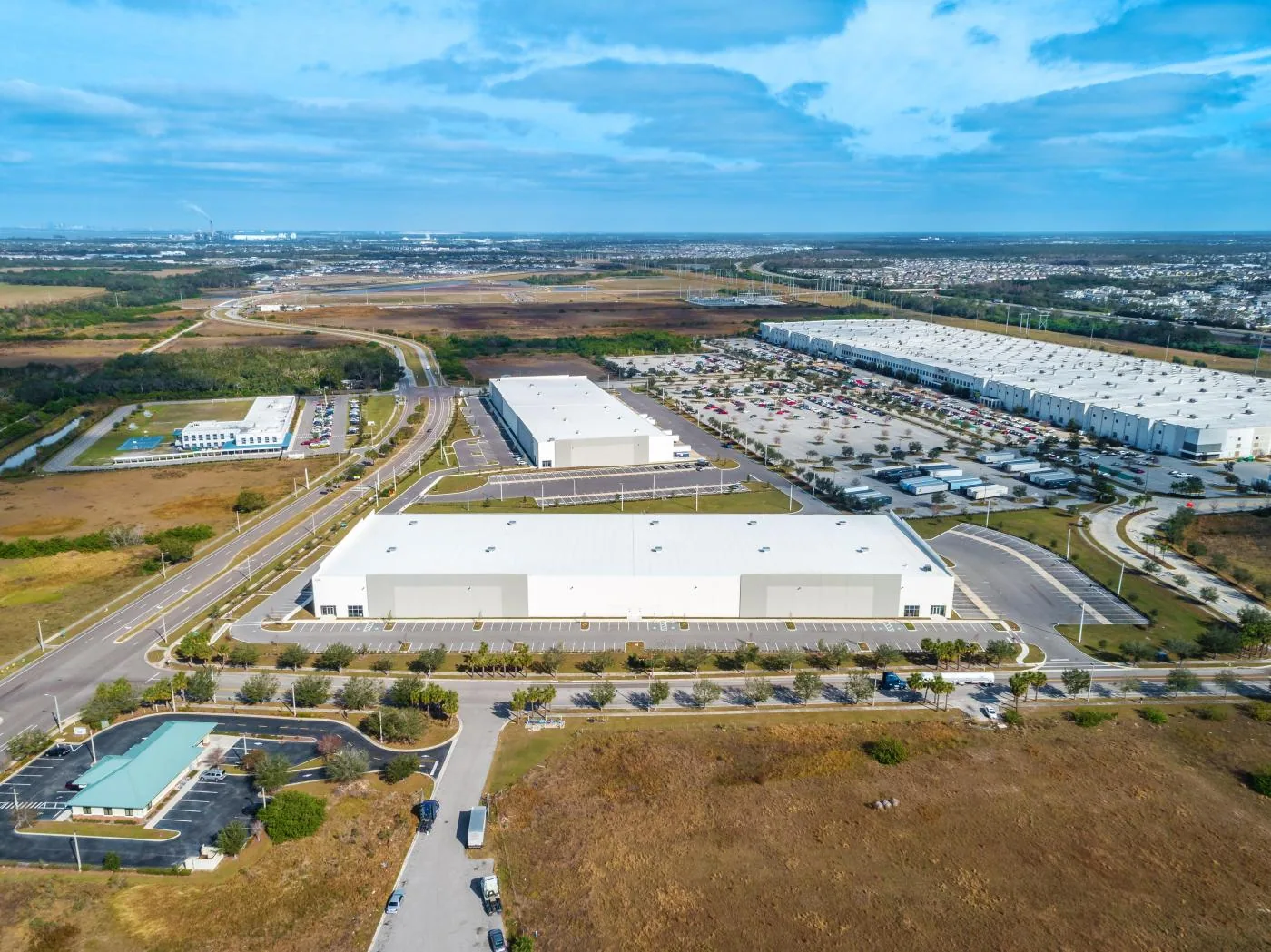
Southshore Corporate Park
Learn More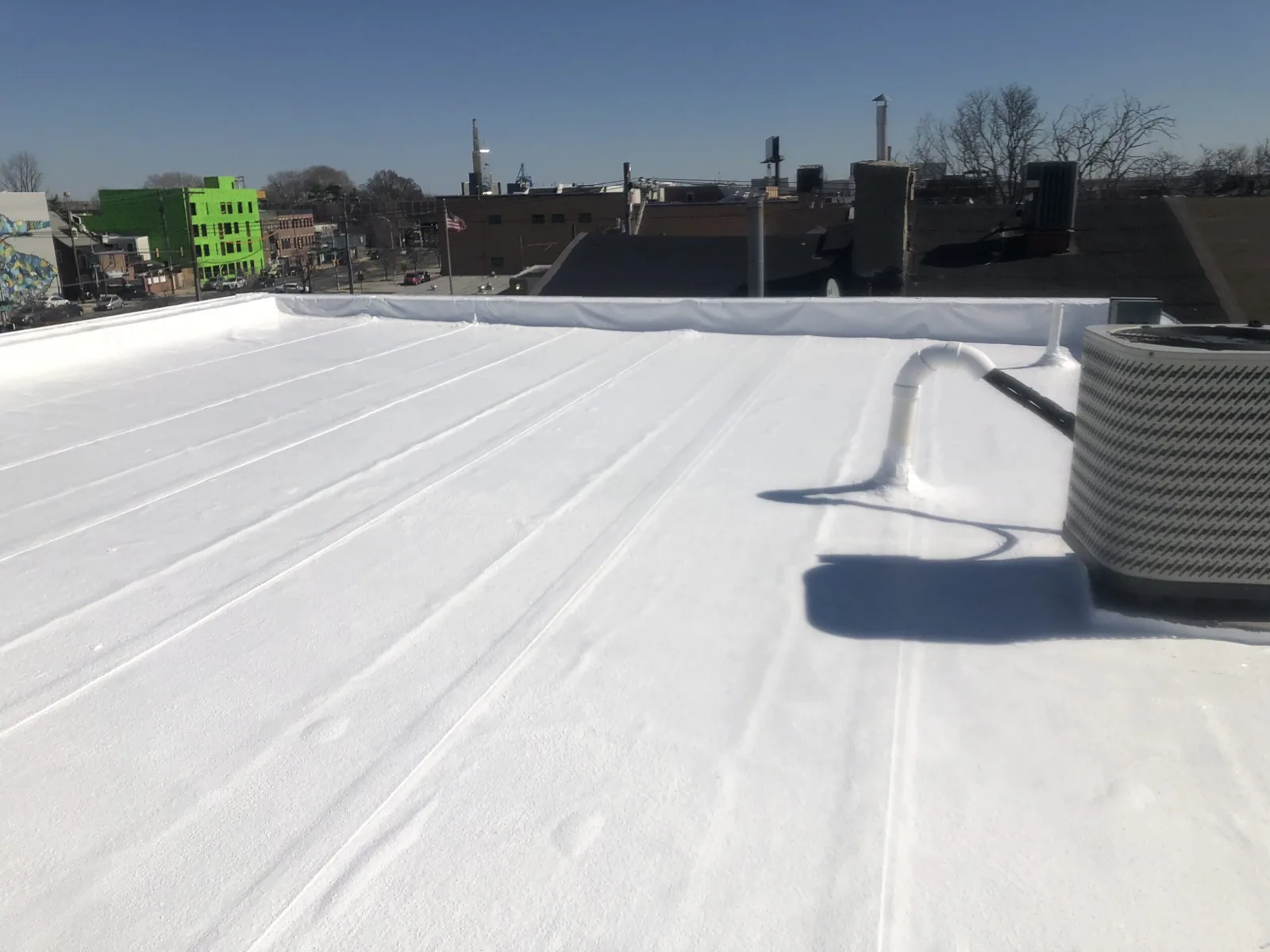
Commercial Roof Inspection
Learn More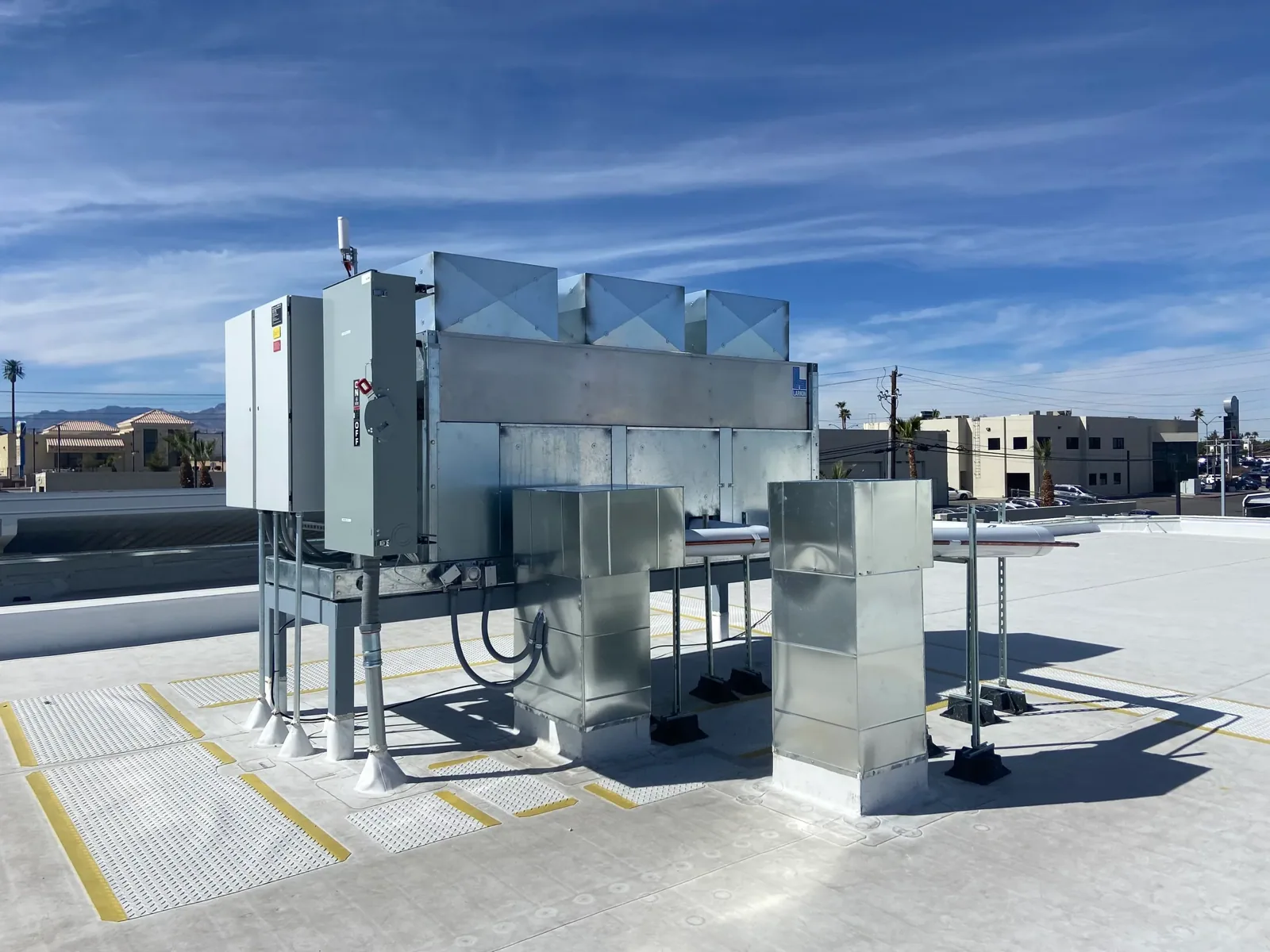
Rooftop Equipment Curbs and Supports
Learn More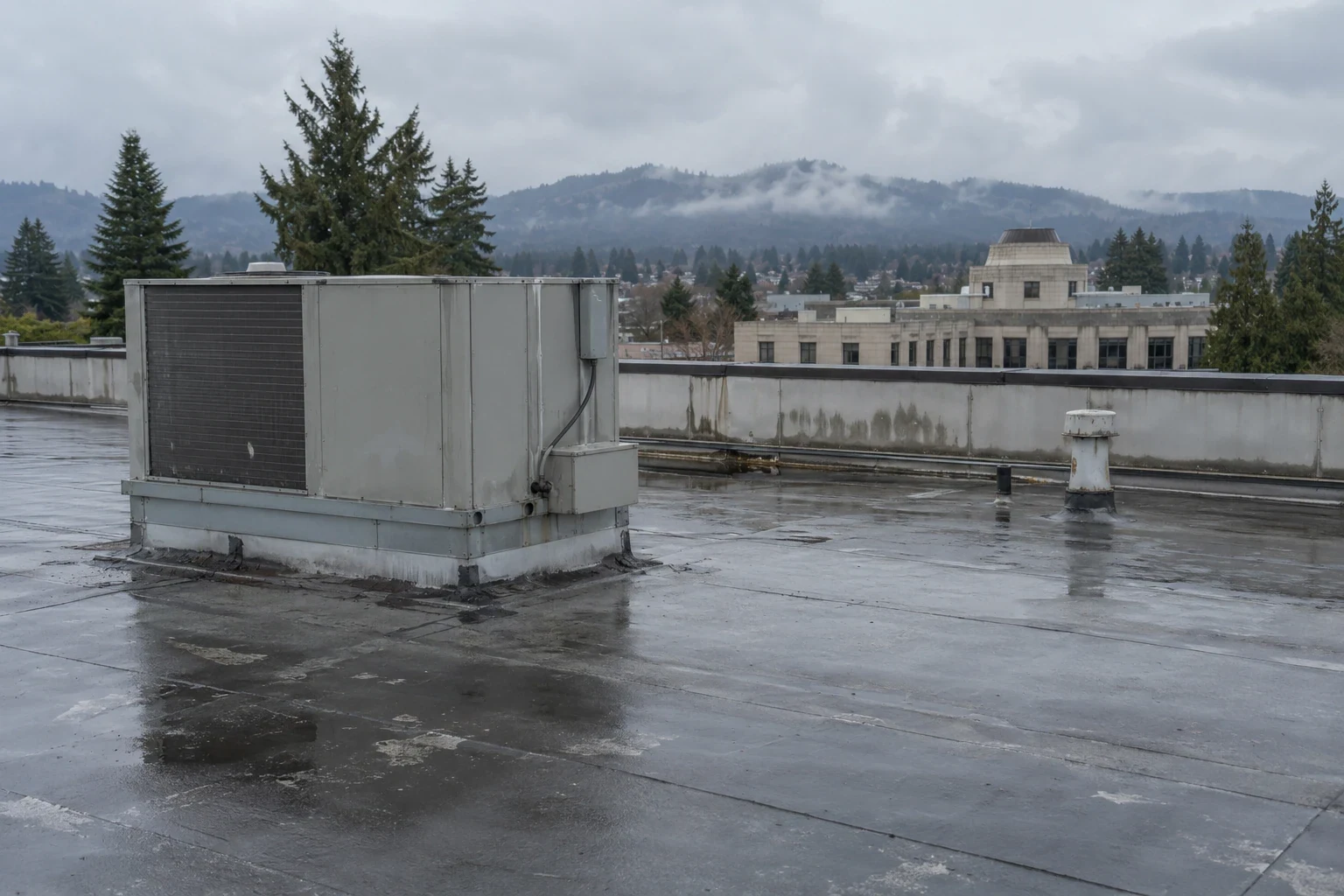
Government Building Roofing
Learn More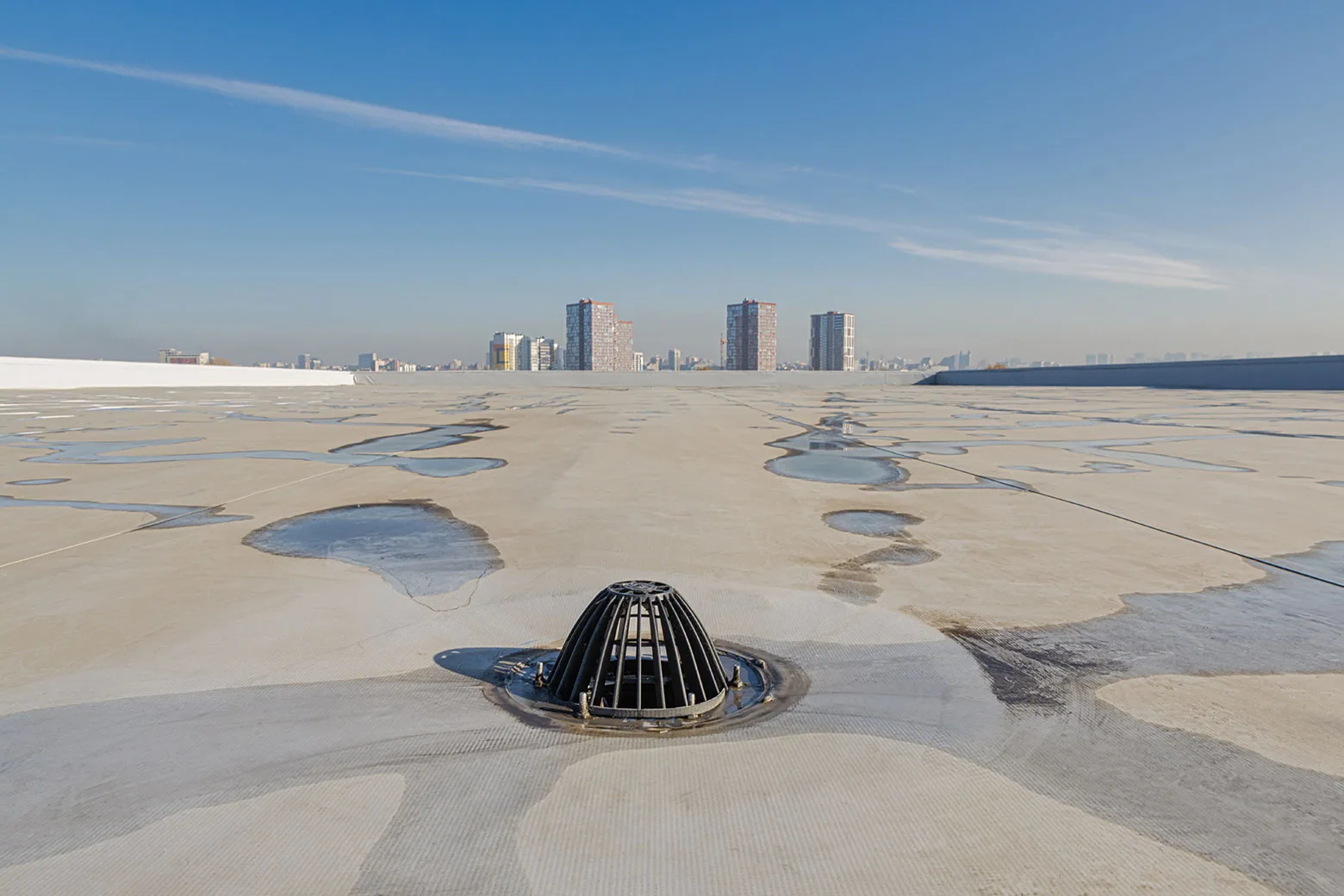
Commercial Roof Drains and Scuppers
Learn More
Commercial Roof Condition Reports
Learn MoreCoordinate an installation roof survey
Request a roof assessment in Gresham
We will confirm site access with your authorized contact, inspect approved roof zones, and document a repair or replacement path for facility review. Tell us about the building, the roof and what you are seeing. Call 555-555-5555, email [email protected] or send the details through our contact page and we will set up a time to walk the roof.