Government Building Roofing in Gresham, OR
Plan a public building roof inspection
- Home
- Property Types We Roof
- Government Building Roofing
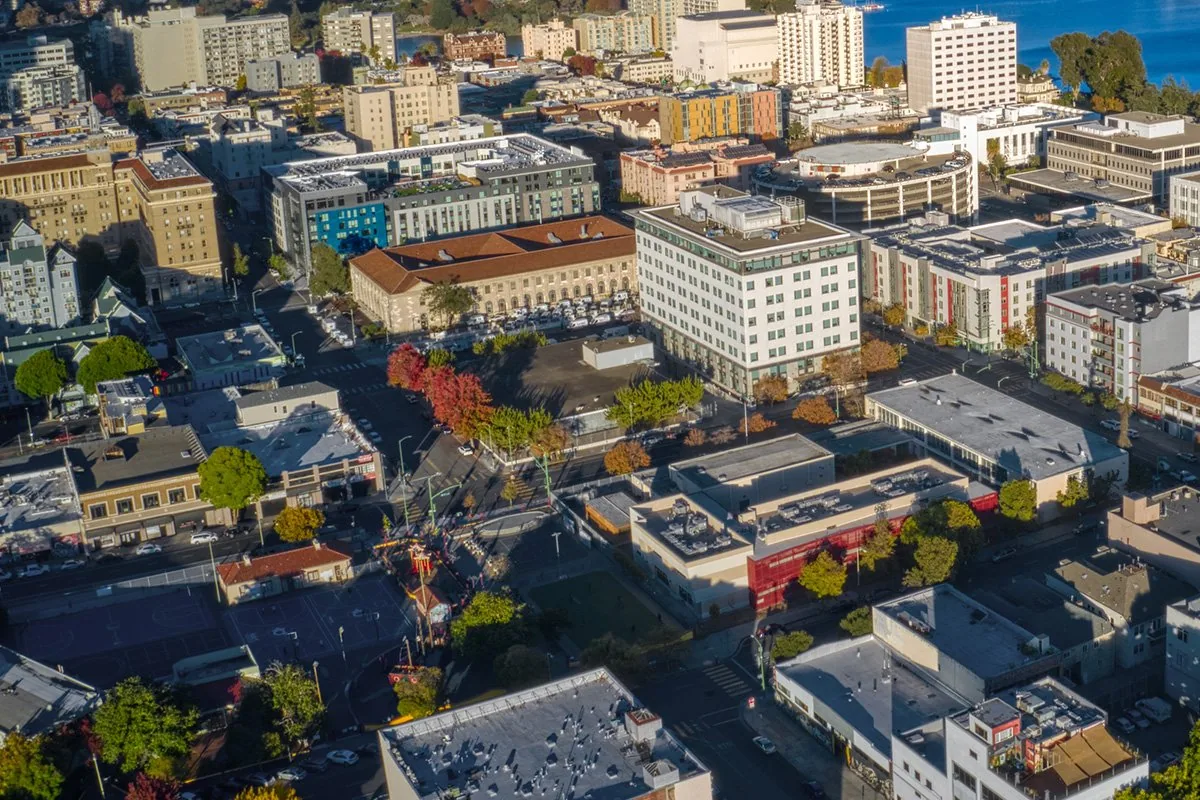
A public building roof has to protect services that residents may rely on every day. Work near an entry, public counter, meeting room, or staff area needs a clear access plan. We inspect the roof assembly and reported condition, then give the owner a defined scope and record of findings. The city links historic Downtown and Civic Neighborhood with Rockwood through its commercial corridors. Public buildings in those areas still follow agency-specific hours and entry rules. A commercial roof inspection helps separate urgent exposure from work that can be planned through the agency’s process.
What should be decided before roof access?
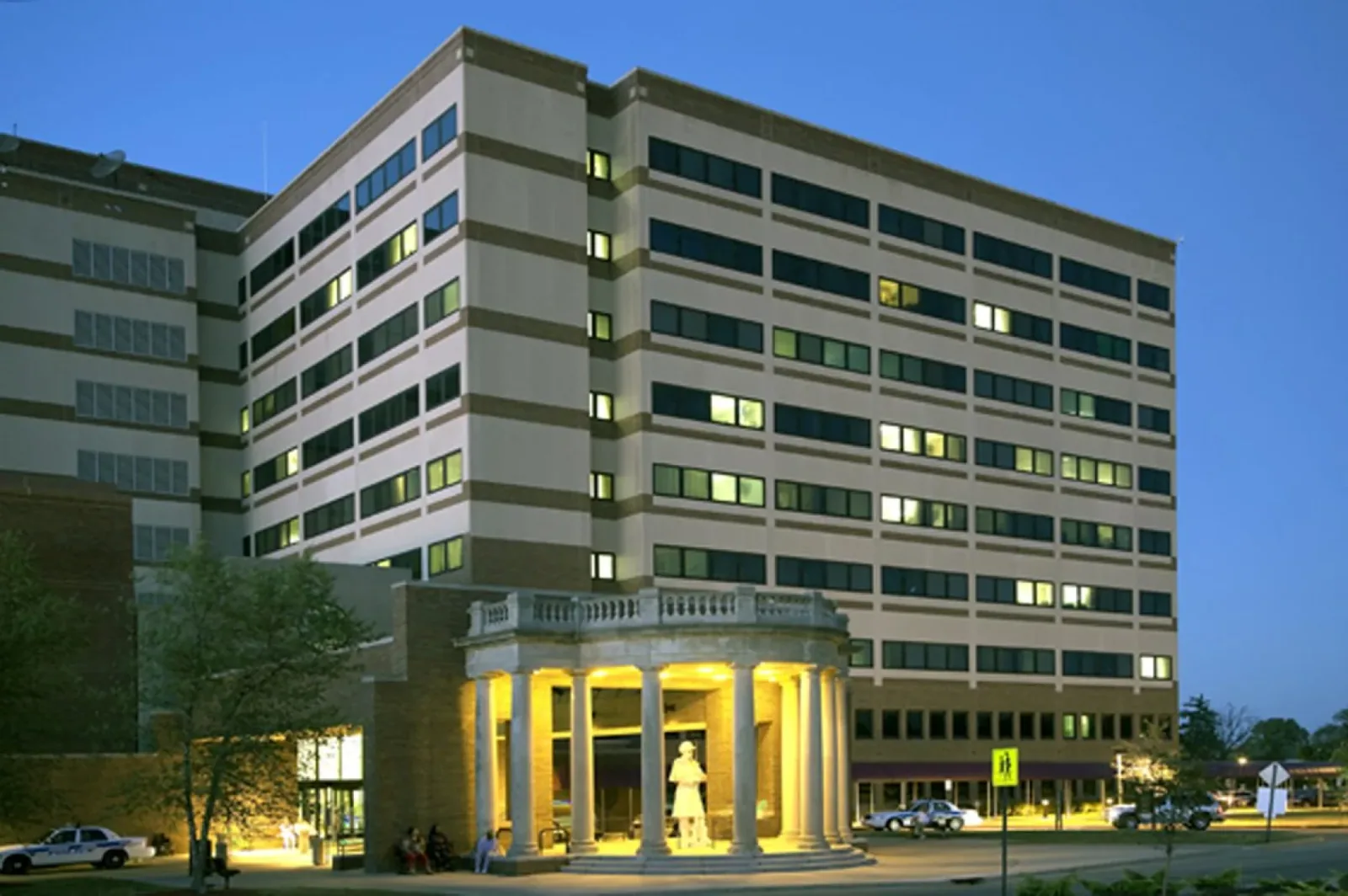
The agency identifies check-in, escort, permitted work hours, visitor routes, staff contacts, and staging limits. A lift or delivery can affect accessible parking or a public entrance, so the project plan should name those impacts in advance. We coordinate notices with the building contact and keep the marked roof work area within the approved route.
Many public buildings combine additions, mechanical upgrades, and roofs from different project periods. We identify which sections use the same assembly and where transitions need individual attention. New curbs or conduit may be managed by another contractor. A curb and equipment review confirms the roofing interface and who needs to complete each connection.
How do we distinguish a roof leak from another issue?
Water can move under the roof before becoming visible inside. The affected room may be distant from a drain, seam, wall, or equipment penetration. We compare the interior report with roof layout and repair history, then inspect plausible entry points. If the evidence suggests plumbing or condensation, the agency can route that finding to the responsible trade rather than authorizing a roof patch without confirmation.
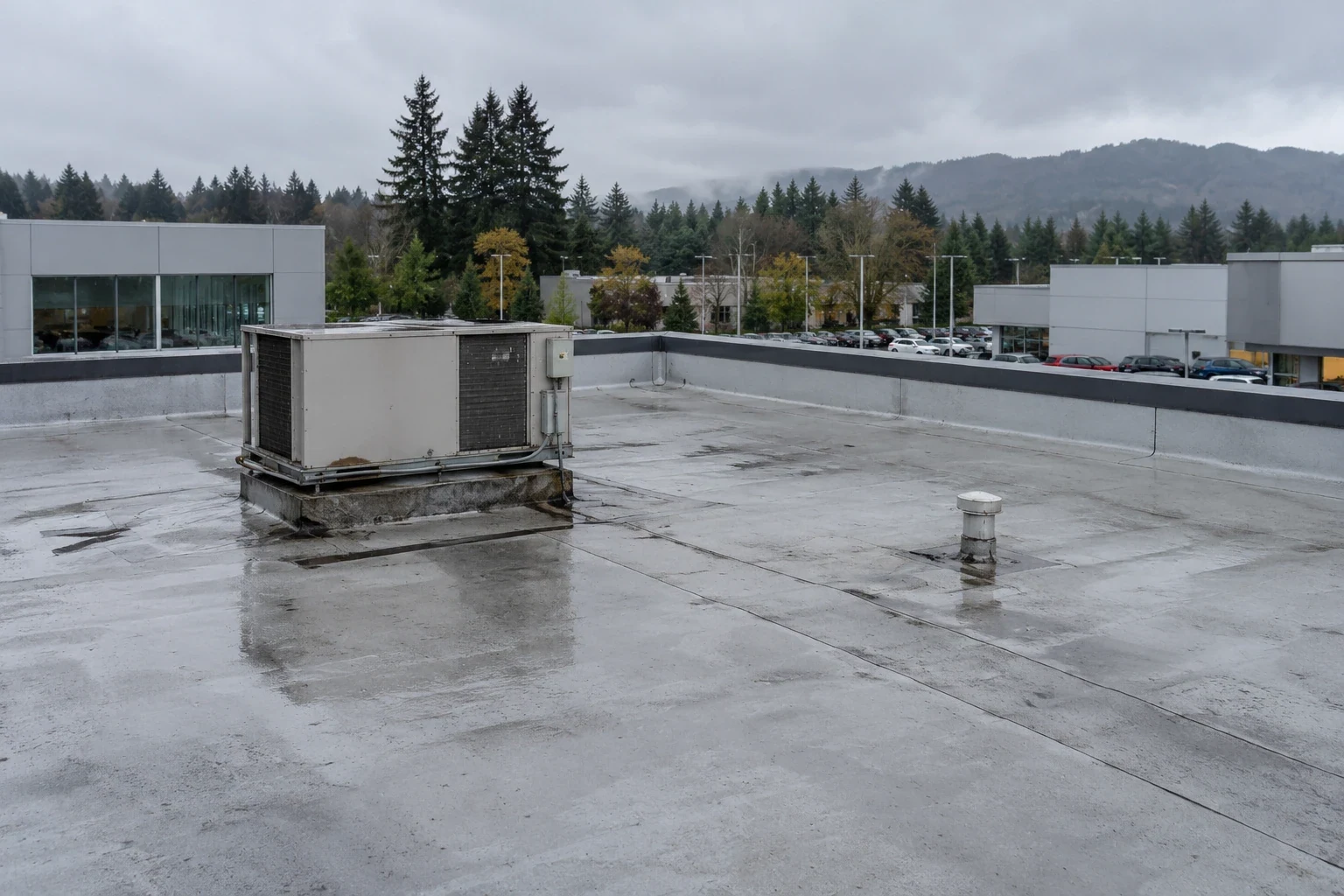
Public buildings often need documented repairs that another facilities employee can understand later. We photograph the roof zone, note the condition, and describe whether the opening is active or appears stable. Drainage review includes outlets, overflow routes, low areas, and surrounding flashing. A drainage assessment helps the agency choose between clearing, repair, and larger corrective work.
Oregon’s 2025 Structural Specialty Code is based on the 2024 IBC and became mandatory for construction provisions on April 1, 2026, after a phase-in period that also permitted the 2022 OSSC. We coordinate permit questions with the authority having jurisdiction and do not treat a roof inspection as a code determination.
What should the inspection record contain?
The report should identify the roof system where known, area inspected, visible seams and flashing, drains, penetrations, edges, and active leak evidence. Photos should be labeled so agency staff can return to the location. We separate immediate protection, maintenance items, and capital concerns. This helps a facilities manager prepare a work order or budget request with a clear connection between evidence and scope.
Records from earlier projects can improve the inspection. We compare current conditions with roof plans, warranties or manufacturer documents the owner provides, and prior repairs. If moisture may be concealed, a survey or test opening can help define its extent. A photo-based condition report gives the agency an organized record for review and procurement documentation.
Before the visit, we confirm any rules about photography, public notices, background checks, or escorts. The agency names the person who can approve a change in scope if the roof has hidden damage.
How should the agency compare repair and replacement?
A localized puncture with sound material nearby may be repaired within a limited scope. Repeated failures, extensive wet insulation, deteriorated attachment, or aging details across several roof zones may justify a replacement study. A coating or recover can be considered only if the existing assembly, drainage, and attachment are suitable. We document conditions that support the recommendation and identify where additional testing is needed.
Replacement planning should describe roof area, removal or overlay, edge transitions, drains, equipment details, public access, and daily closure. The agency may need competitive pricing or an approved procurement path before work can start. A replacement scope can state assumptions and alternates clearly so proposals can be compared on the same work boundary.
For publicly used schools or campuses, a school roof review focuses on calendar and student circulation, while a government facility may prioritize public service hours and procurement records. Both still depend on the roof’s observed condition.
How do we keep public services accessible?
Before mobilization, the owner and contractor confirm entrance, lift placement, material route, staging, hours, and any area that must stay open to visitors. The agency handles public notices and identifies a contact for staff questions. The crew follows the approved path and keeps the work zone marked. If access conditions change, the site contact approves a revised route.
We sequence work by the largest section the crew can weatherproof before leaving for the day. If a concealed condition changes the repair, we secure the area and provide photos for the owner’s decision before expanding the scope. At the end of work, debris is removed, drains are checked, and public routes are restored. A closeout note records completed work and any item that remains for later approval.
The project file should retain the scope, photos, change approvals, and final closeout with the roof plan. Those records help future staff understand what changed and where the contractor worked. Include product information and any maintenance instructions the crew provided, along with the person who accepted the completed work. A consistent file makes it easier to compare bids, plan follow-up, and respond to a later public inquiry about the repair.
What belongs in a public facility roof plan?
Maintain a roof inventory by building and zone. Keep inspection dates, photos, repairs, leak work orders, equipment changes, and planned follow-ups together. Routine visits should check drains, seams, edge metal, wall flashings, and penetrations. After a public works or mechanical project reaches the roof, confirm the roofing tie-in before the separate work order is closed.
Gresham’s commercial centers give context for where the property sits, while the facility plan records its actual assembly. A maintenance visit can find developing issues and prioritize repairs within the agency’s fiscal or procurement calendar. If a public building also includes an assembly or community-education use, a community building roof review can help compare event scheduling needs.
What should an agency provide for a roof walk?
Share roof plans, prior reports, leak work orders, access and photo rules, procurement requirements, and scheduled equipment work. Identify the authorized contact for repair decisions and permit coordination. We will inspect the roof, document findings, and explain the proposed work boundary. Schedule a roof walk so the agency can align access, records, and next steps before issuing a scope.
Government Building Roofing FAQs
-
Can the public building remain open during roof repairs?
Often, when entry routes, public notices, work hours, and staging are coordinated before mobilization. The agency approves any temporary restriction and the contractor keeps the work zone marked.
-
Do you determine whether a roof meets code?
A roof inspection documents visible condition and repair needs. Permit interpretation and code determinations belong with the authority having jurisdiction and the design professionals engaged for the project.
-
What records help prepare a public roof scope?
Provide roof plans, prior inspection reports, repair histories, leak work orders, and any procurement or access requirements. Those records help define the inspected area and project assumptions.
-
Can a public roof project be bid in phases?
Yes, if the owner wants to separate roof areas or work periods. The scope should state boundaries, tie-ins, temporary protection, and how each section will be closed.
-
How do you document hidden roof damage?
We secure the area, take photos, describe what changed, and provide the owner a decision point before expanding the approved work. Additional testing may help define the extent.
Related Roofing Work
Downtown and Civic Neighborhood
Learn More
Rockwood
Learn More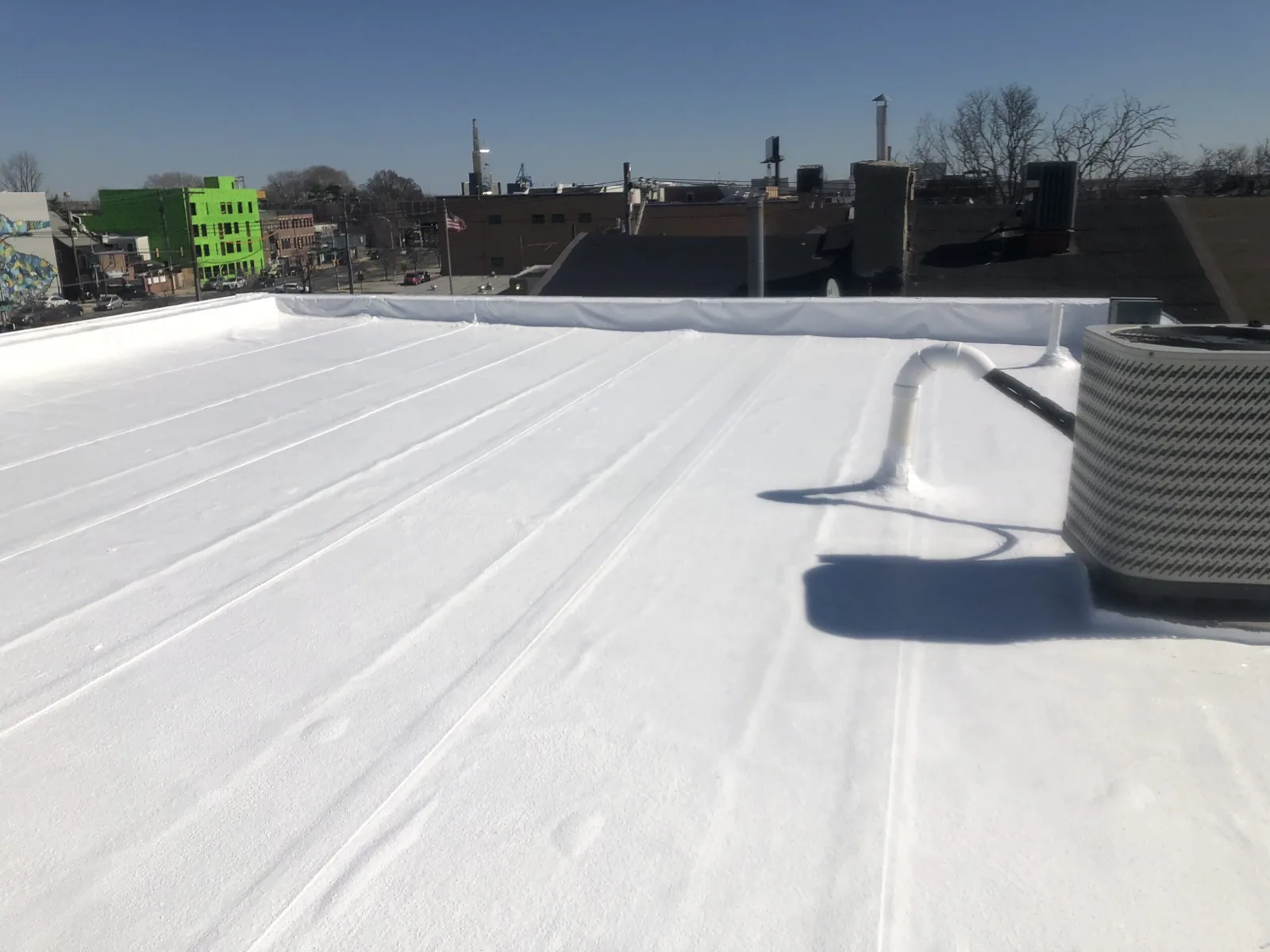
Commercial Roof Inspection
Learn More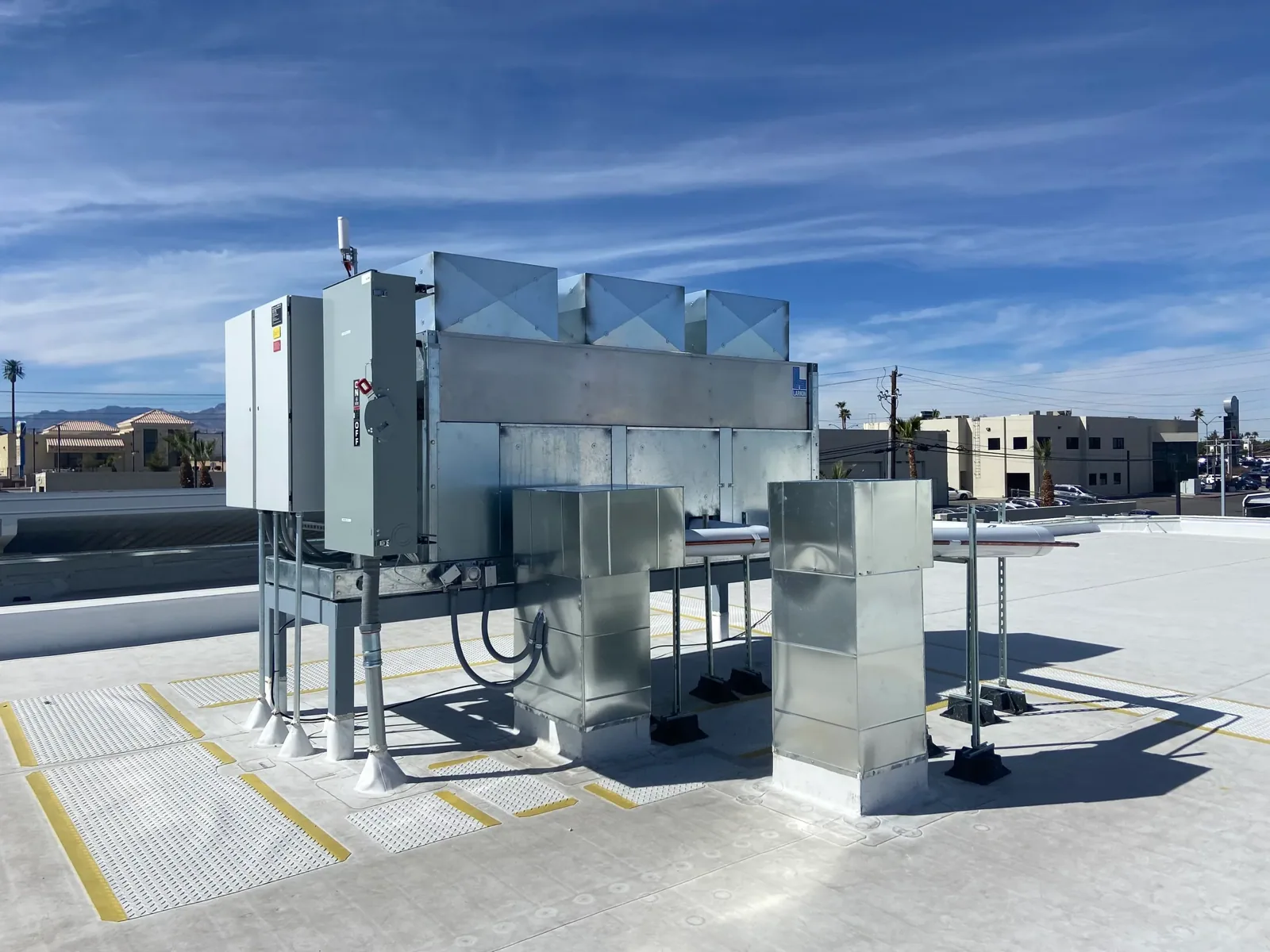
Rooftop Equipment Curbs and Supports
Learn More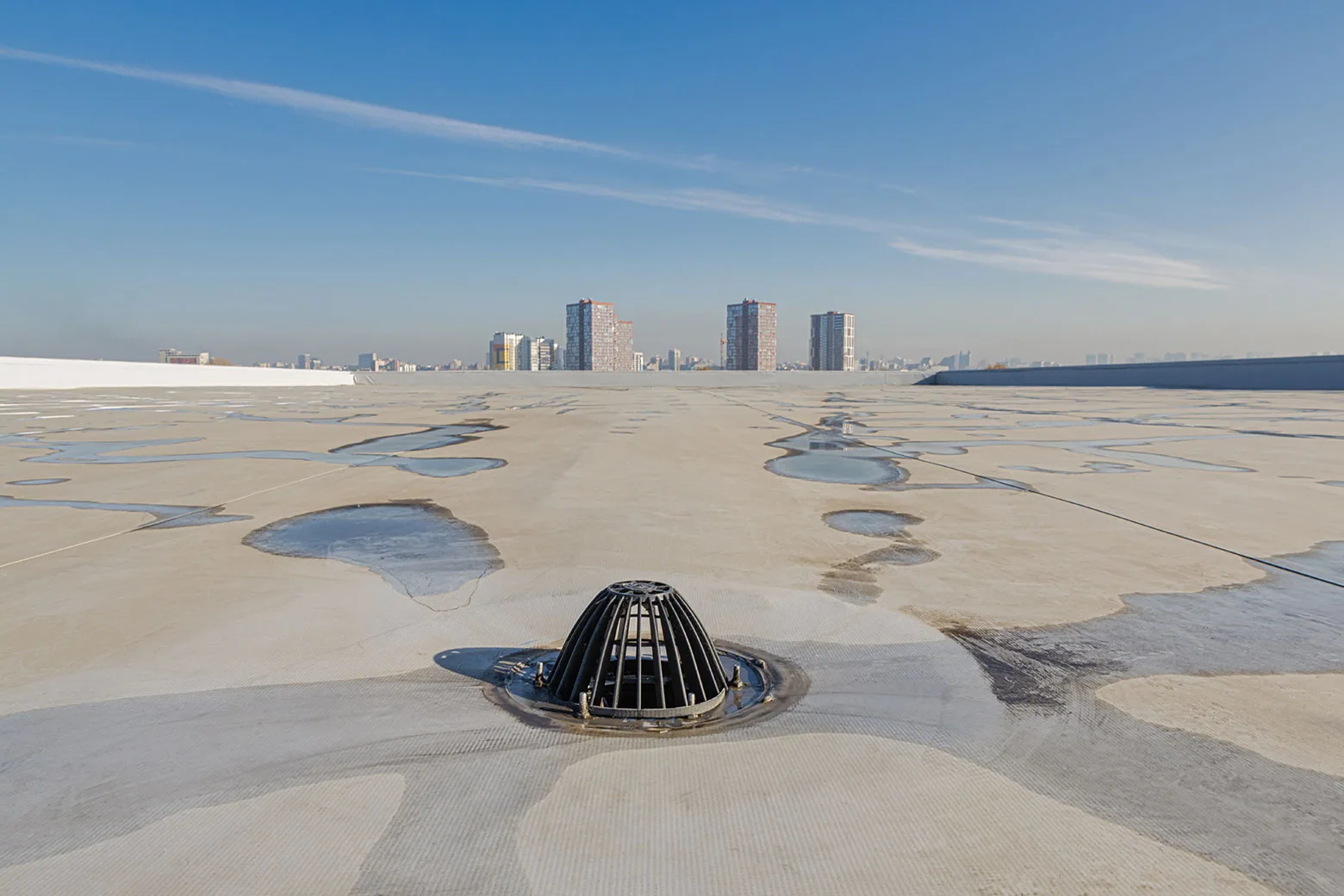
Commercial Roof Drains and Scuppers
Learn More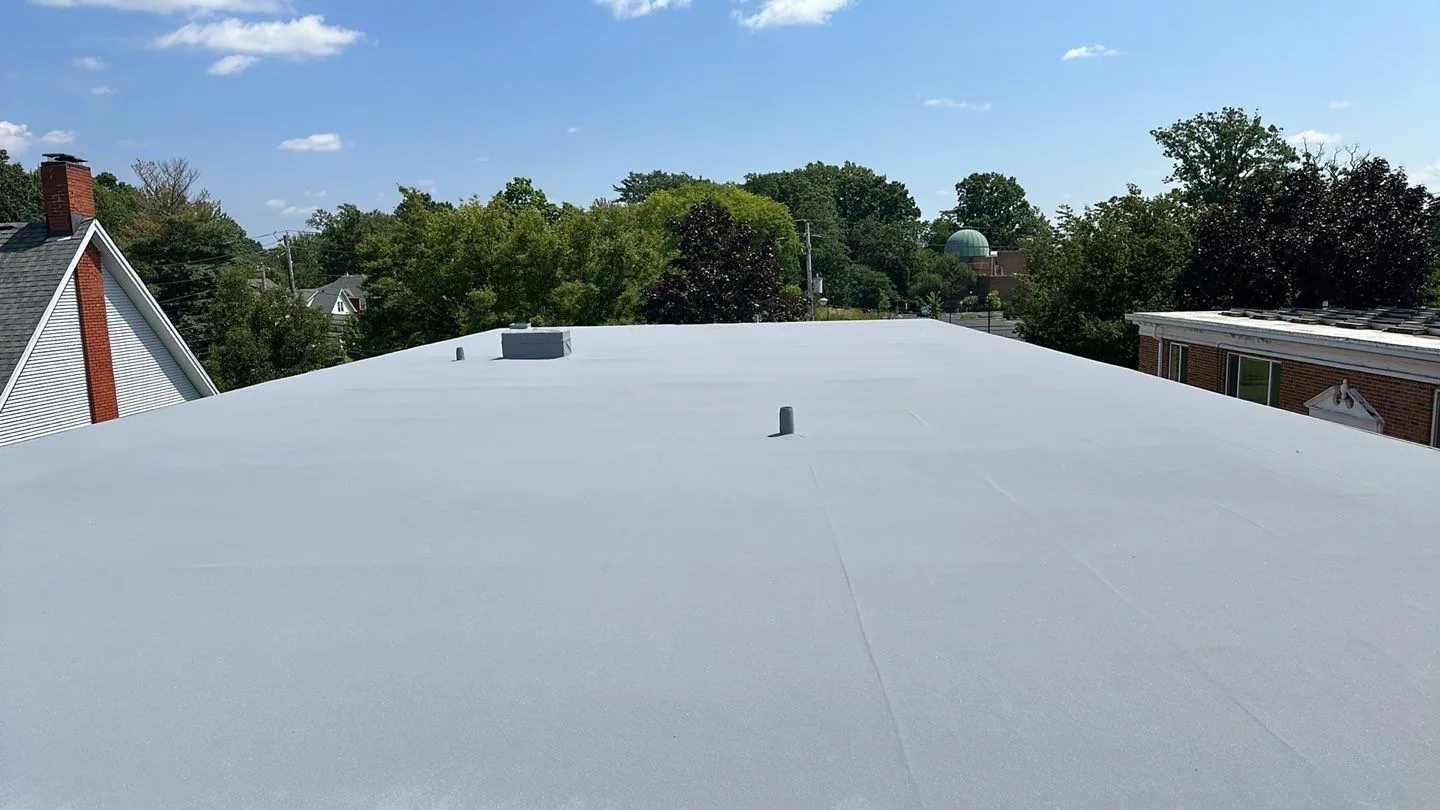
Commercial Roof Replacement
Learn MorePlan a public building roof inspection
Request a roof assessment in Gresham
We will coordinate with your facilities contact, document the roof condition, and provide a clear scope for the agency’s review and procurement process. Tell us about the building, the roof and what you are seeing. Call 555-555-5555, email [email protected] or send the details through our contact page and we will set up a time to walk the roof.