
Church and House of Worship Roofing in Gresham, OR
Arrange a worship building roof review
- Home
- Property Types We Roof
- Church and House of Worship Roofing
A house of worship may be quiet through the week and busy for services, classes, or community events. Roof work needs to protect the building while respecting the schedule and the people using it. We start with the assembly, leak history, roof access, and the next event or service window. Gresham links its historic Downtown and Civic Neighborhood with Rockwood through commercial corridors. Each congregation sets its own access arrangements. A roof inspection documents the condition and helps leadership decide which work needs attention first.
How can roof work fit a worship calendar?
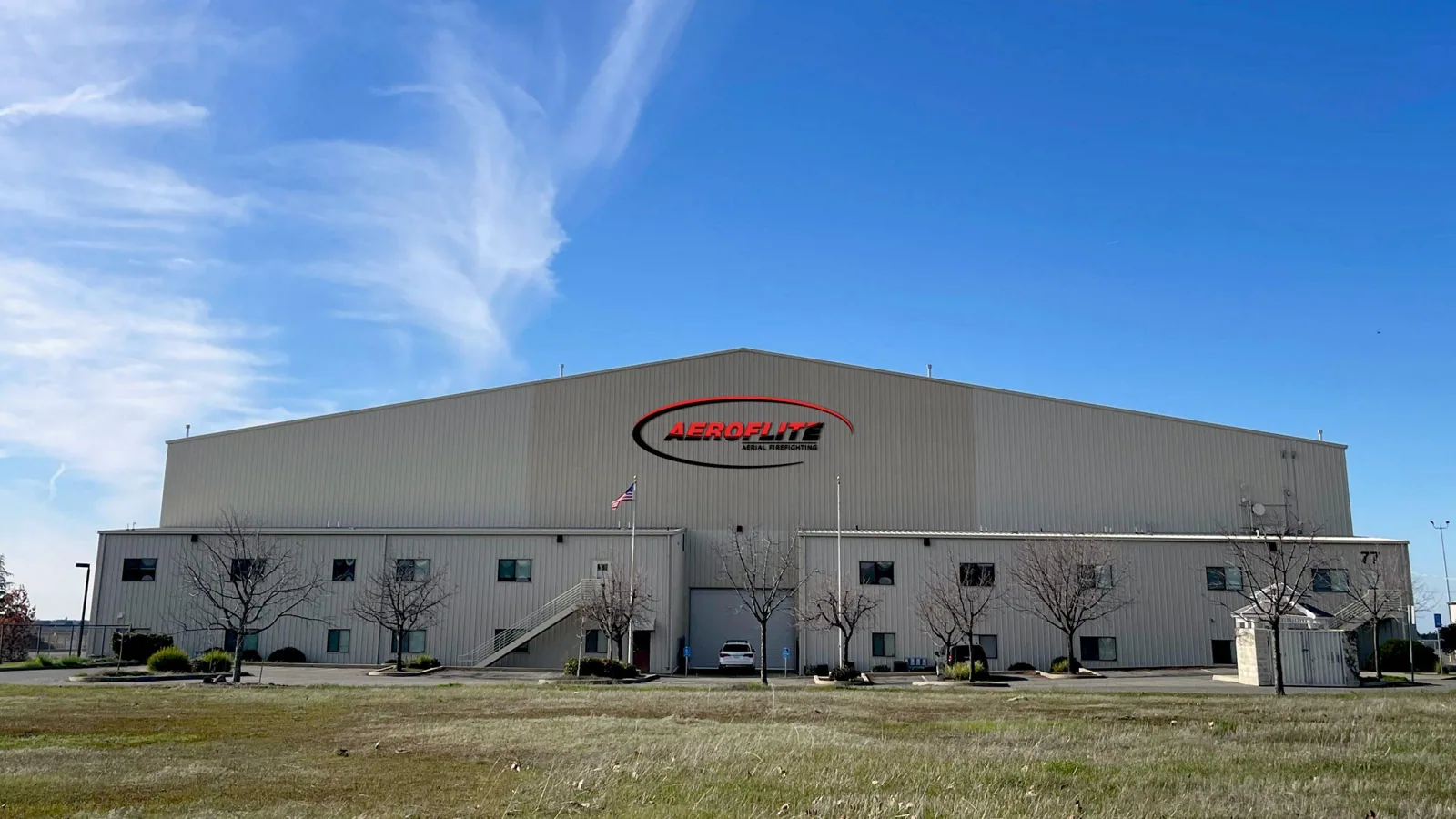
The building contact identifies service times, ceremonies, classes, rehearsals, and community use. Work near an entrance, gathering space, or accessible route may require notice and a temporary path. We agree on the arrival point, staging location, and hours before mobilization. If a lift or delivery needs a part of the parking area, the congregation approves the route and timing.
Buildings of worship can combine a sanctuary, offices, classrooms, kitchens, and later additions. Different roof sections may use different materials or meet at a wall, parapet, or tower transition. We inspect the details at those interfaces and note which area connects to the leak report. For education uses in the same property, a school roof review can also address class schedules and student access.
Where can a leak enter a worship building?
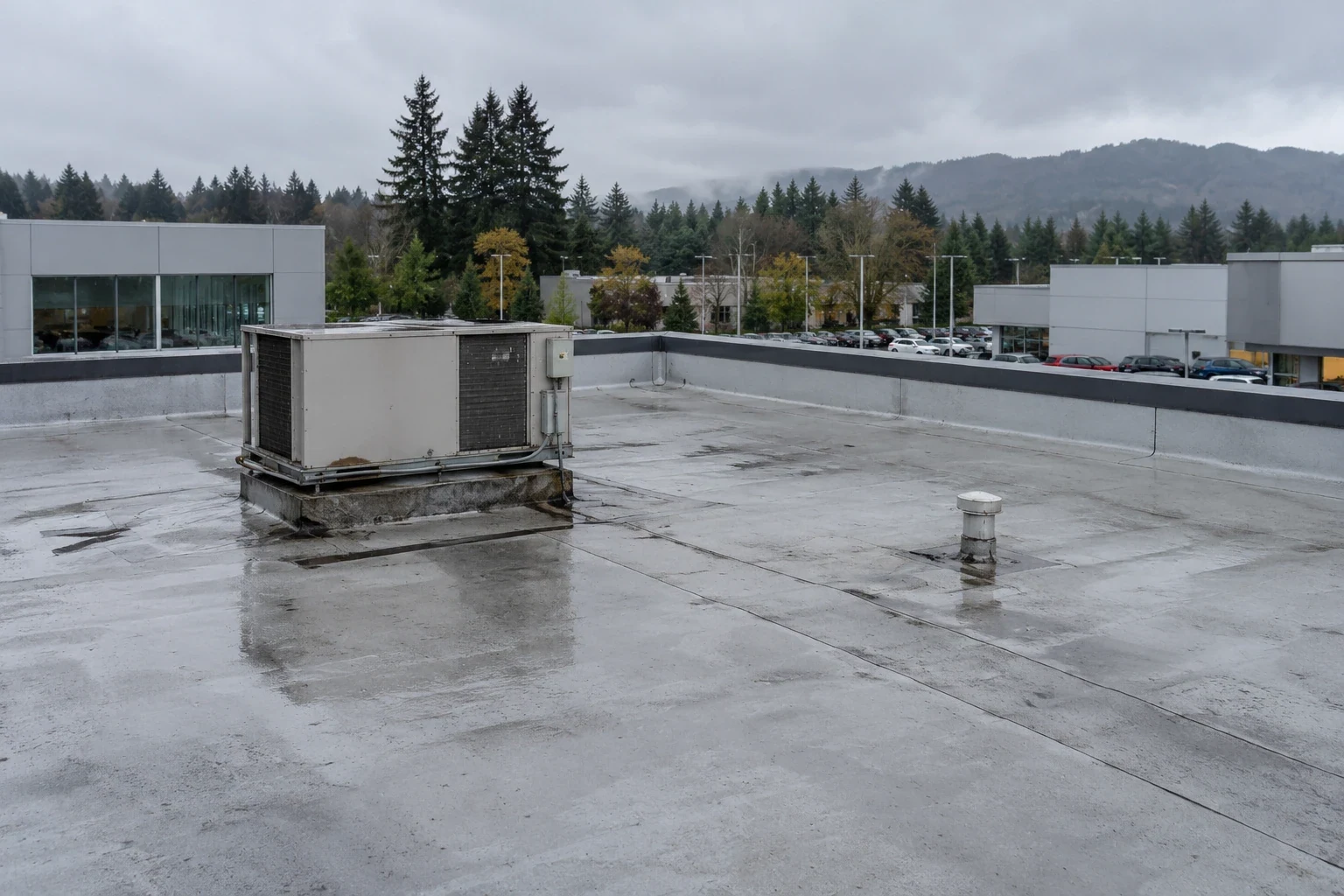
Water can enter at a seam, edge, skylight, curb, or wall transition and travel before it appears indoors. A ceiling mark in a sanctuary may be below a different roof section than the opening. We compare the report's room, timing, and weather with roof plans and visible conditions. If a roof assembly hides moisture, the inspection may need a survey or targeted test opening to establish how far it has spread.
Roof edges and drainage deserve attention after wind or debris accumulation. A blocked drain can leave water at seams, while a failed flashing around an outlet may leak after the bowl is cleared. We check the drain and overflow path as part of the same review. A drainage check helps distinguish maintenance from repair.
Portland International Airport’s climate normals record frequent measurable precipitation, most commonly during the cooler seasons. A roof project should have a daily closeout and a method to protect any opened area if weather shifts. The property team can share upcoming events so the work calendar accounts for building use.
What should a roof report show?
We inspect roof covering, seams, penetrations, gutters or drains, edges, parapets, skylights, and transitions. Photographs identify each roof zone and the observed condition. Findings are separated into an active leak, routine maintenance, and items for longer-range planning. Congregation leaders or facilities staff can then authorize an appropriate next step.
Interior information is useful: the space affected, date, whether rain was underway, and any recent ceiling or mechanical work. We compare those observations with the roof. If concealed layers may be wet, infrared readings or a controlled opening can show whether the affected area extends beyond the visible defect. The report will note what remains uncertain rather than present a guess as a confirmed cause. A photo condition record can be retained for the next facilities review.
Before the walk, confirm who can grant access, whether the building is occupied, and any restrictions around worship or private areas. We can route the inspection to avoid disturbing activities when the schedule allows.
Should the congregation repair or replace the roof?
A limited opening with sound, dry material around it may need a focused repair. Repeated leaks, widespread wet insulation, deteriorated attachment, or many failed details may support a broader project. A recover or coating is considered only when the current assembly can accept an additional layer. Drainage, edge conditions, and the number of existing layers all matter.
Replacement can be planned around the congregation’s calendar, but each shift still needs a watertight close. The scope identifies the roof area, access restrictions, protection below, flashing transitions, and any work assigned to another trade. A replacement plan can break the work into stages that fit approved building windows.
Where the property includes public offices or a community-service building, a government building roof assessment can help compare procurement and access considerations. The worship space retains its own schedule, assembly, and details, so recommendations remain property-specific.
How do we protect the building during work?
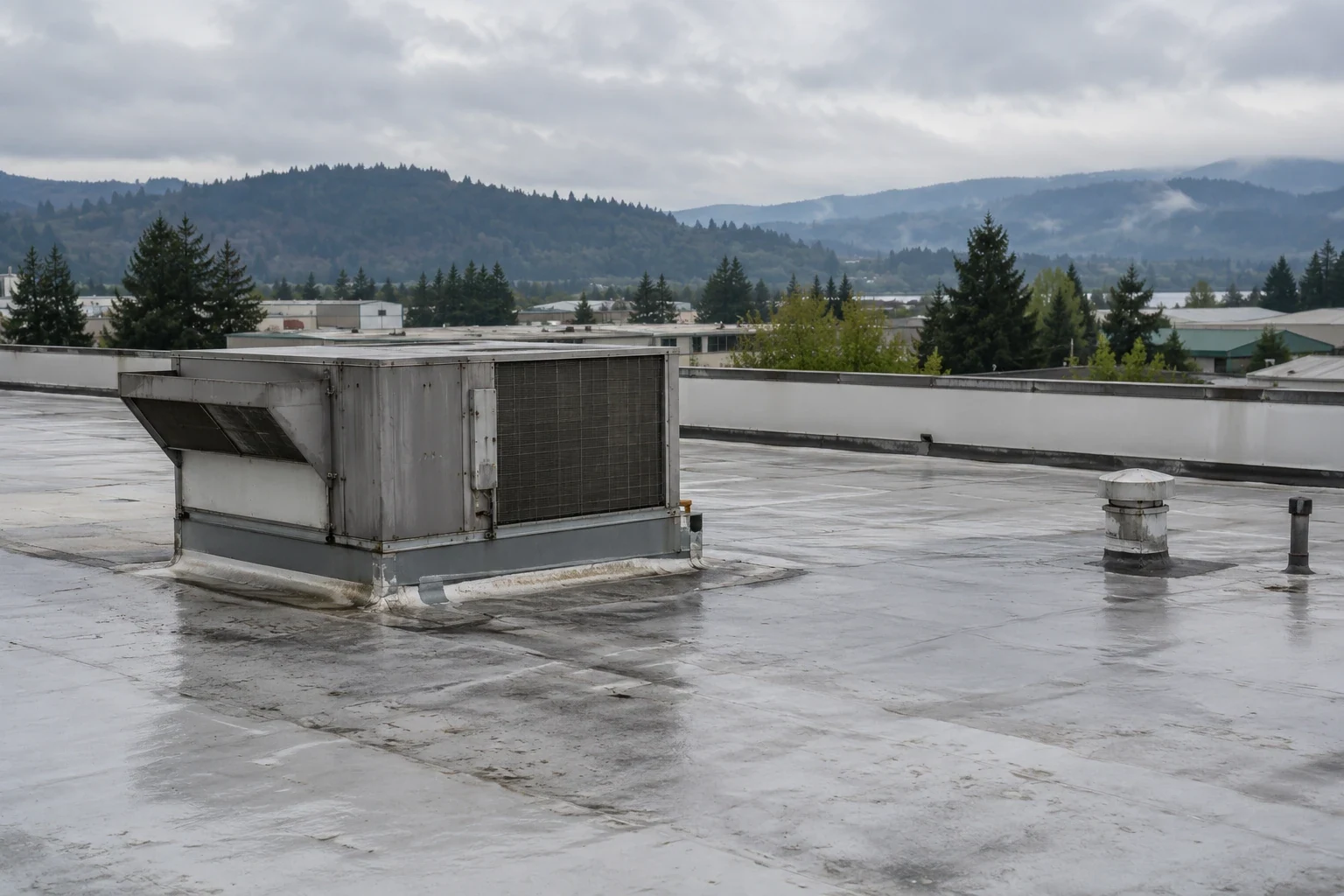
Before work starts, the contractor and site contact agree on crew check-in, staging, lift location, event schedule, service access, and the person authorized to approve a change. The team identifies areas below the roof that need protection and any entrance or walkway that must remain open. Work is confined to the marked zone.
The crew exposes only the amount that can be closed within the shift. If concealed damage changes the work, we protect the opening, take photos, and ask the owner to approve an expanded scope before continuing. At close, debris is removed, drains are checked, and the route is cleared. A short update tells the facilities contact what is complete and what remains.
If the project overlaps with a service or event, the manager can direct the contractor to the approved route and keep attendees away from the work zone. The contractor does not change event access on its own.
What should regular roof care include?
Routine checks cover drains, seams, edges, wall flashings, penetrations, and any roof section touched by another contractor. Clear ordinary debris before it builds at an outlet. Keep dated photos and notes by roof zone, and record each leak report with the room and time. If sound equipment or signage is added, inspect the membrane around the new attachment.
The city's three commercial centers are connected by corridors, while the worship property’s own records determine its maintenance schedule. A preventive visit can identify small issues to address before a wet season and note work that can be coordinated with the next building closure. A named site contact should keep the current roof plan, prior contractor records, and event calendar available. If leadership changes, the next facilities volunteer can then find the known leak areas and understand which items remain open.
What should we provide before the inspection?
Share roof plans if available, previous repair notes, leak locations, event and service times, access instructions, and any scheduled mechanical work. Identify the leader or facilities contact who can approve a repair. We will document the roof, explain the findings, and recommend a practical response. Schedule a roof walk so the inspection and any follow-up fit the congregation’s calendar. Before work begins, we identify service times, community events, deliveries, and rooms that need quiet or uninterrupted access. The schedule can then protect entrances and keep the roof work zone separate from the congregation’s occupied spaces.
Church and House of Worship Roofing FAQs
-
Can roof repairs be scheduled between services?
Often, with an agreed work window, access route, staging area, and end-of-shift closure. The congregation identifies events and areas that need to remain open.
-
Can you inspect a roof without entering worship areas?
Most roof inspections can be completed from the exterior, though an interior leak report may help locate the source. The site contact sets access limits before the visit.
-
What if water appears in a sanctuary or classroom?
Record the location and time, protect the interior, and arrange an inspection. We compare the report with roof zones and trace possible paths before specifying a repair.
-
Does a roof replacement have to happen during summer?
A quiet period can simplify access, but condition and weather matter too. The sequence should include daily closure and a response if hidden damage is found.
-
What should be in the roof maintenance file?
Keep dated photos, roof-zone labels, leak history, equipment changes, repairs, and follow-up recommendations together so future visits can use the same record.
Related Roofing Work

Downtown and Civic Neighborhood
Learn More
Rockwood
Learn More
Commercial Roof Inspection
Learn More
School Roofing
Learn More
Commercial Roof Drains and Scuppers
Learn More
Commercial Roof Condition Reports
Learn MoreArrange a worship building roof review
Request a roof assessment in Gresham
We will coordinate around services and events, inspect the roof and drainage, and provide a clear repair or replacement recommendation. Tell us about the building, the roof and what you are seeing. Call 555-555-5555, email [email protected] or send the details through our contact page and we will set up a time to walk the roof.