Air Force and Air National Guard Roofing in Gresham, OR
Coordinate an aviation roof survey
- Home
- Property Types We Roof
- Air Force and Air National Guard Roofing
Military aviation roofing begins with the facility’s access process and the mission schedule. A hangar, maintenance space, or support building may have controls for escorts, tools, photography, deliveries, and work windows that exceed an ordinary commercial project. We confirm those requirements before proposing a roof walk. Portland Air National Guard Base operates the 142nd Wing at Portland International Airport, where the wing provides around-the-clock aerospace control alert. The nearby installation’s aviation role makes careful coordination essential. A roof inspection documents the assembly and condition within the approved site boundaries. The Portland Columbia Corridor provides broad regional coverage; installation access and aviation-area controls are confirmed directly for each assignment.
What should be coordinated before entry?
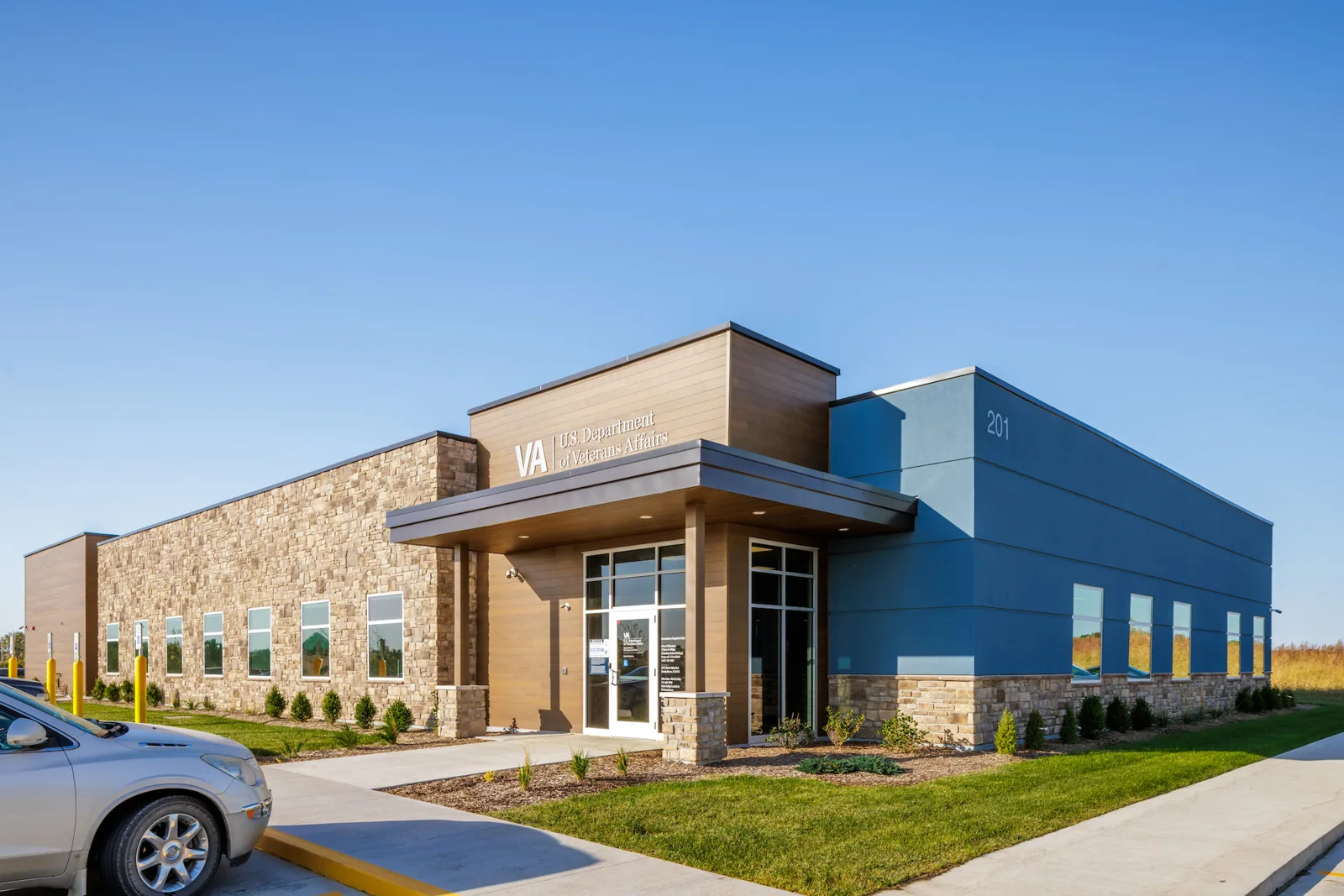
The contracting officer or authorized facility contact sets the rules for site access. The roofing team confirms escort, identification, allowable equipment, staging, delivery routing, and areas that must remain restricted. We do not assume that a civilian work plan or standard roof route will be accepted. The agency identifies the person who can approve an opening, a schedule change, or any work that touches mission equipment.
Aircraft spaces include large doors, overhead services, exhaust, lighting, and structural transitions. We identify the roof assembly over each bay and note which penetrations connect to other trades. The military hangar roof plan focuses on secure aviation maintenance areas, while a general aircraft hangar review addresses clear-span access and aircraft movement.
How should a roof issue be documented?
A leak can travel along framing or a utility route before becoming visible below. We compare the reported room, weather, and maintenance history with the roof plan and visible details. The inspection checks seams, penetrations, curbs, wall transitions, edges, and drains. Photographs and notes follow the site’s handling rules. When photography is restricted, we record conditions using the method approved by the installation contact.
Drainage is important around equipment and large roof areas. A blocked outlet may leave water against a seam; a failed flange can leak even when the drain is clear. We inspect the outlet, overflow route, and surrounding membrane. A drainage assessment identifies whether maintenance, flashing repair, or a larger correction is appropriate.
Portland International Airport climate normals show regular precipitation across the region. The work plan should identify how an opening will be protected and closed at each stop, including a weather interruption. Schedule also depends on the installation’s access window, product requirements, and actual roof conditions.
What can an approved roof survey cover?
We document the roof zones made available, the observed assembly, seam and edge condition, equipment interfaces, drainage, and previous repairs. Findings can be grouped by urgent water entry, maintenance, and longer-term replacement planning. The scope should identify the inspected areas and any roof sections that were unavailable. That keeps the report useful without implying access to places the agency did not authorize.
When concealed moisture is suspected, a survey or test opening may be necessary. Any invasive work requires the facility’s direction, approved controls, and a clear limit. The owner receives the proposed location, reason, and restoration method before the roof is opened. A condition report can preserve the authorized observations and the recommended next steps.
We also record staging restrictions, escort needs, roof entry procedures, and the contact responsible for final acceptance. Those details help future service calls follow the same approved process.
Can hangar roofing be repaired without interrupting operations?
Sometimes. A localized repair may fit a short, approved work window when the aircraft or equipment area can be protected. The facility determines whether a bay stays active and who controls any temporary restriction. We identify what can be completed during that window and what must wait for a planned outage.
Widespread membrane failure, wet insulation, deteriorated panel attachment, or recurring leaks can support a replacement project. A recover or coating is only considered when the existing system is suitable, dry, and able to accept the work. The proposal identifies the assembly, tie-ins, temporary protection, and any parts that require another trade. A replacement sequence can be staged by roof zone or operational period.
Military projects may also require special submittals, insurance terms, or procurement conditions. The owner determines those requirements. We can define the roofing scope and identify decisions needed before mobilization, but the agency retains control of site approval.
How is an aviation roof project phased?
Before the first shift, the owner and contractor agree on entry, escort, work area, staging, lift operation, delivery, photography, and the closeout process. The facility identifies any mission, aircraft, or maintenance activity that changes access. The roofing team marks its approved work area and keeps personnel and materials inside the permitted route.
Each opened section needs a safe stopping point and temporary protection. If concealed conditions require a change, the crew secures the area and sends the approved documentation to the contracting contact before expanding the work. The daily close confirms the roof is protected, equipment and debris are accounted for, and any restricted area has been restored. A handoff identifies the next work window and remaining decision.
At completion, the contractor returns access credentials or temporary controls as instructed and provides the required closeout record. The agency can then add the roof findings to its facility file and plan maintenance.
What belongs in the facility roof record?
Retain the roof plan, approved access notes, inspection findings, photos or authorized alternatives, repair history, equipment changes, and closeout documents. Identify each roof zone so another crew can find the same detail. Scheduled review should cover seams, fasteners, edges, drains, penetrations, and areas touched by aviation service contractors.
Portland Air National Guard Base and its 142nd Wing are distinct from other military installations in the region. Each site controls its own facility rules and records. Camp Withycombe, southwest of Gresham, houses Oregon Army National Guard and Army Reserve units and includes a supply depot and equipment-repair activity. That is a separate installation with separate access approvals. Facility staff can keep those distinctions in their roof files and vendor instructions so each work request follows the correct site process. A maintenance visit can follow the authorized access process and note conditions to address at a later work window.
What should the facility contact provide?
Share the approved access process, roof drawings, inspection limits, leak reports, aircraft or maintenance schedule, and any procurement requirements. Identify the person authorized to approve roof openings and changes in scope. We will document only the accessible work area, explain the findings, and outline a practical next step. Schedule a pre-roof meeting so the inspection can follow the installation’s security and operating requirements.
Air Force and Air National Guard Roofing FAQs
-
Can roofers work on an active military aviation site?
Access is controlled by the installation. We coordinate with its authorized contact on escorts, equipment, routes, documentation, and restricted areas.
-
Can photos be taken during an inspection?
The facility determines what can be photographed and how records are handled. We follow the approved process and can document conditions in another authorized format if required.
-
What if a hangar roof leak needs immediate protection?
For a leak needing immediate protection, the authorized site contact directs access and temporary measures. We document the opening within site controls and submit a permanent repair scope for approval.
-
Can maintenance take place during flight operations?
The installation sets mission and flight restrictions. The roof plan identifies a work window and stop point that the contracting contact approves before crews mobilize.
-
What should an agency include in the work package?
Provide available drawings, access rules, required submittals, inspection limits, known leak zones, and the approval path for discoveries. Those details define a workable roofing scope.
Related Roofing Work
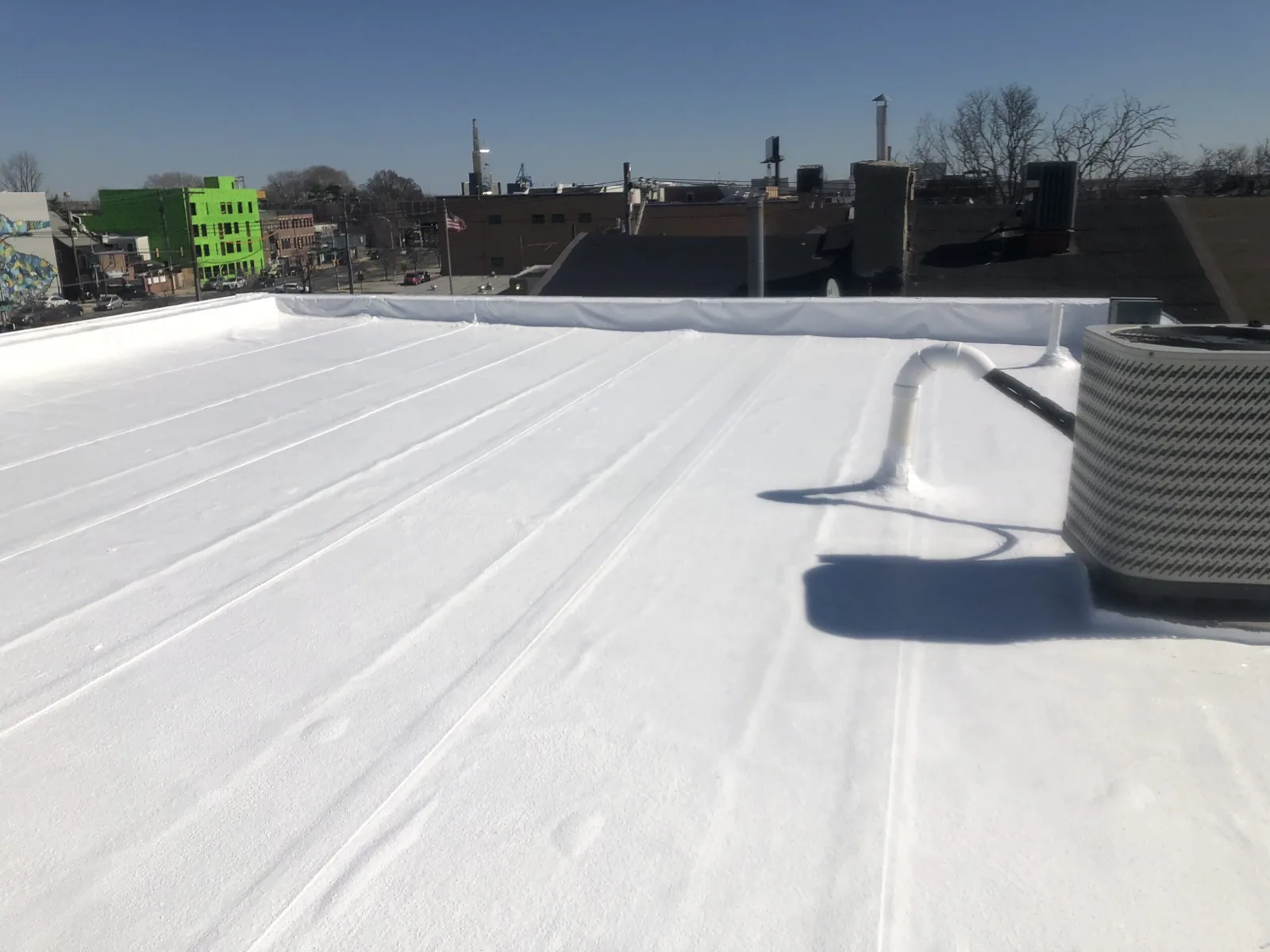
Commercial Roof Inspection
Learn More
Portland Columbia Corridor
Learn More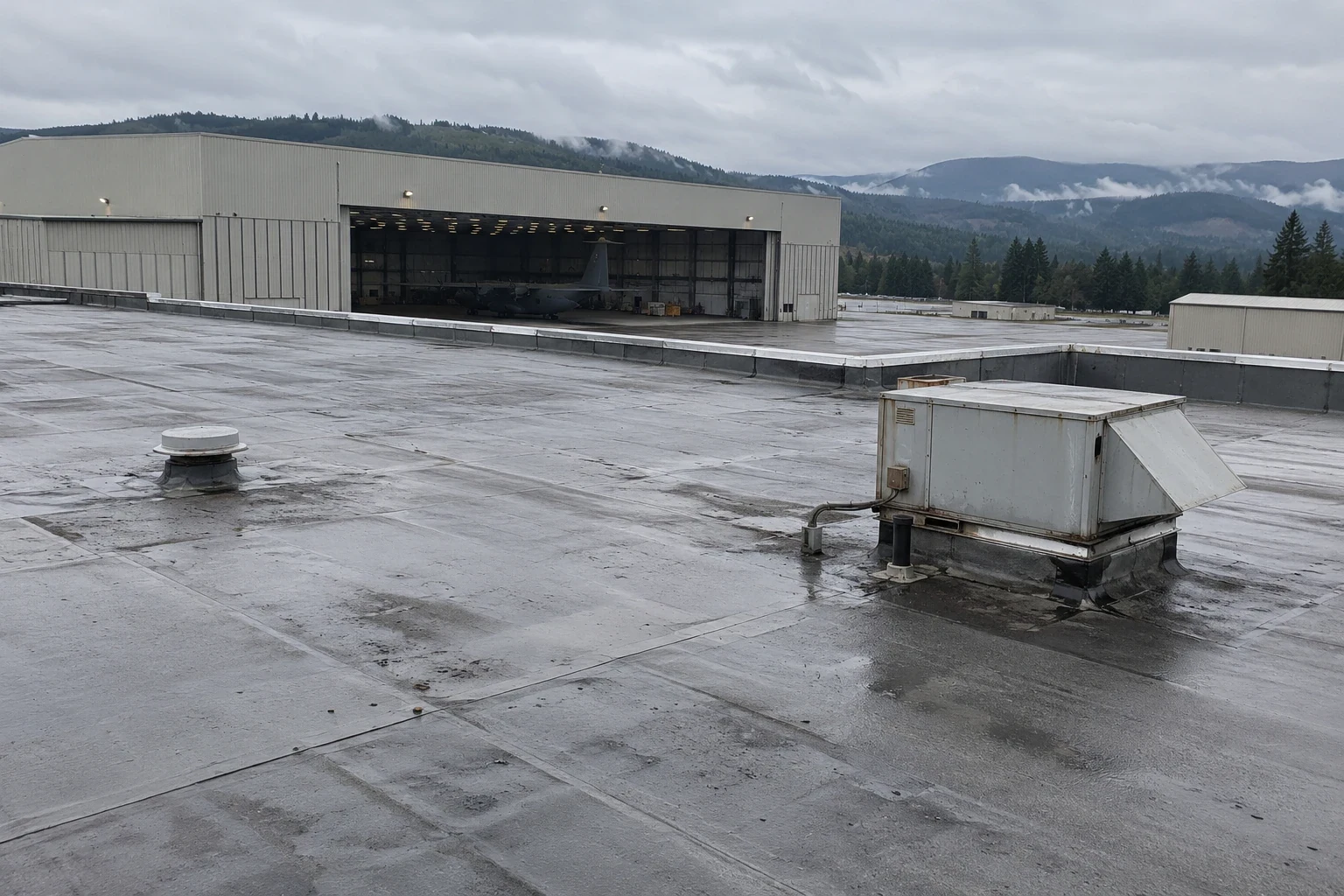
Military Hangar and Aircraft Maintenance Roofing
Learn More
Aircraft Hangar Roofing
Learn More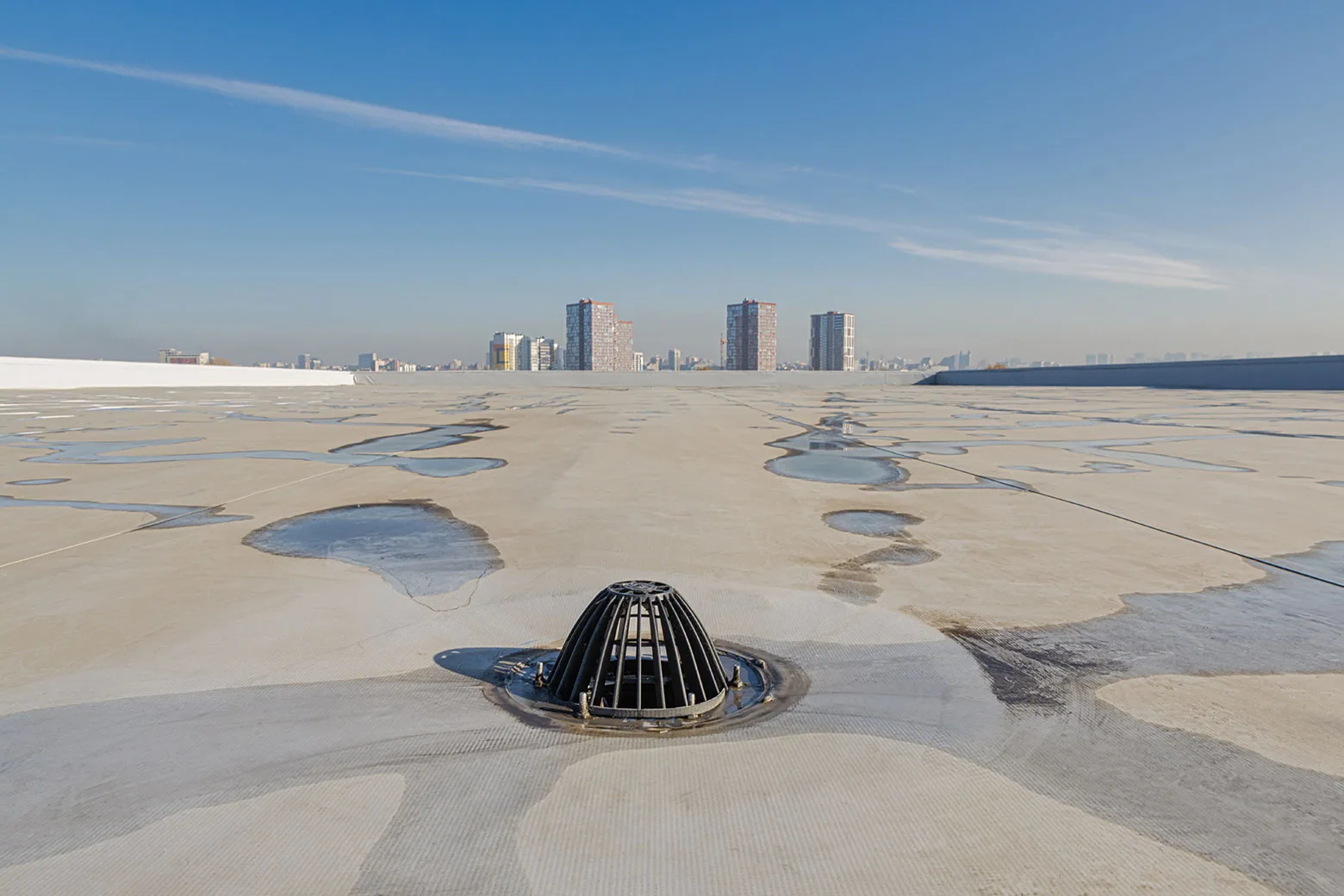
Commercial Roof Drains and Scuppers
Learn More
Commercial Roof Condition Reports
Learn MoreCoordinate an aviation roof survey
Request a roof assessment in Gresham
We will confirm the approved access process, document the authorized roof zones, and prepare a repair or replacement scope for facility review. Tell us about the building, the roof and what you are seeing. Call 555-555-5555, email [email protected] or send the details through our contact page and we will set up a time to walk the roof.