
Aircraft Hangar Roofing in Gresham, OR
Coordinate a hangar roof inspection
- Home
- Property Types We Roof
- Aircraft Hangar Roofing
A hangar roof spans an interior that needs clear aircraft movement and maintenance access. Roof work can affect large doors, overhead equipment, lighting, exhaust, and the space used to position an aircraft. We start with the structure, roof system, and site controls, then plan an inspection route that does not interfere with operations. The nearby Portland Air National Guard Base operates the 142nd Wing and includes an aircraft maintenance hangar, a reminder that aviation facilities have distinct access needs. The I-84 employment corridor connects industrial and aviation-related work sites across east county. A roof inspection documents the assembly and condition before repairs are scoped.
What should be protected inside a hangar?
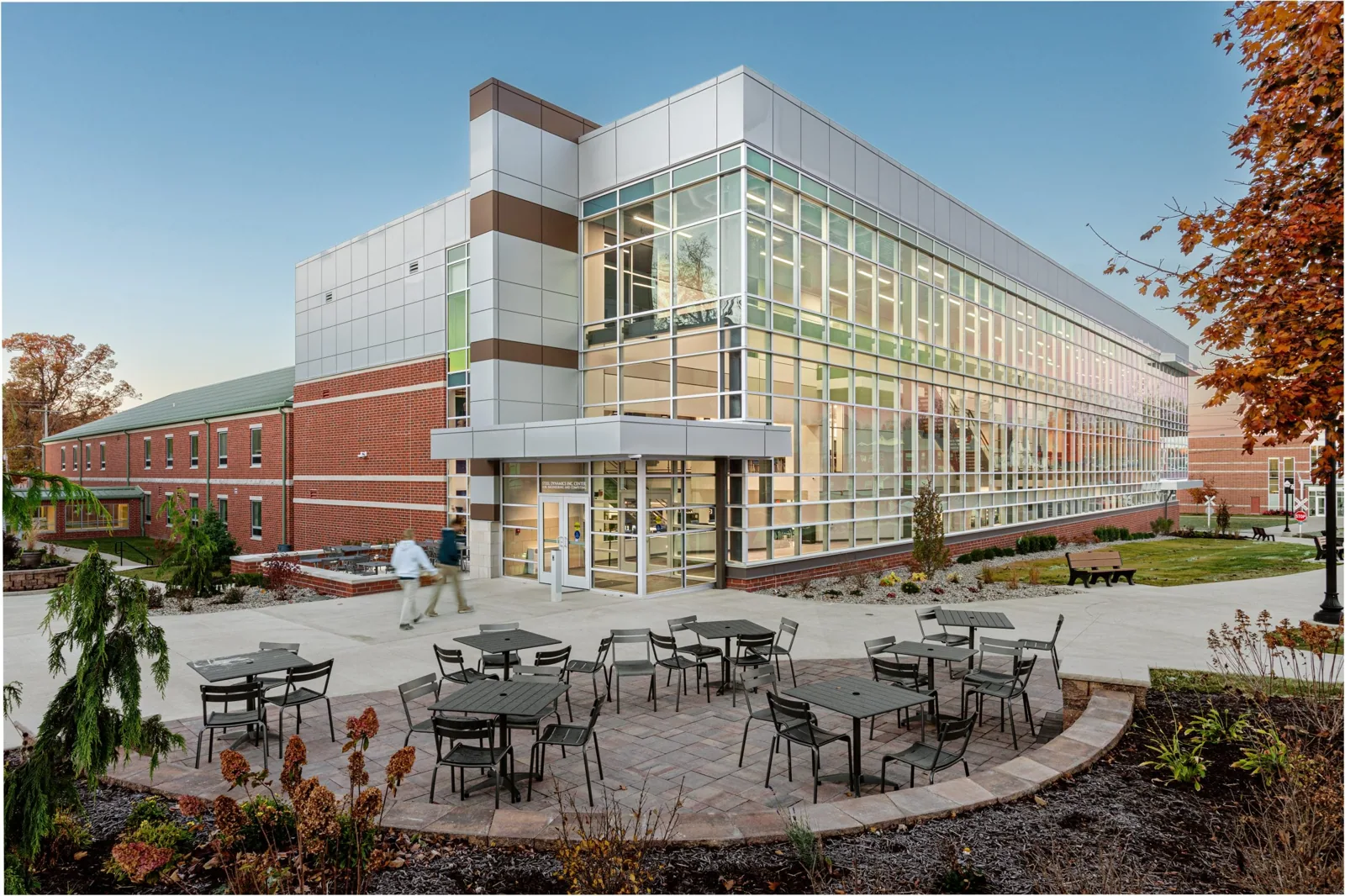
Before a crew enters the roof, the operator identifies aircraft position, maintenance activity, clearances, and any areas that must stay unobstructed. Lift placement, scaffolding, or materials may reduce usable floor area. We coordinate the work zone, staging, and door operation with the facility contact. Roofing staff follow the approved access rules and do not move aircraft or aviation equipment.
Hangars may include exhaust fans, lights, antennas, roof hatches, and service lines. We map each opening and confirm which trade maintains the connected equipment. The curb and support review addresses flashing and attachment without assuming the roofer controls the mechanical system. If a unit must move, that dependency belongs in the schedule before membrane work begins.
Where do hangar roof failures start?
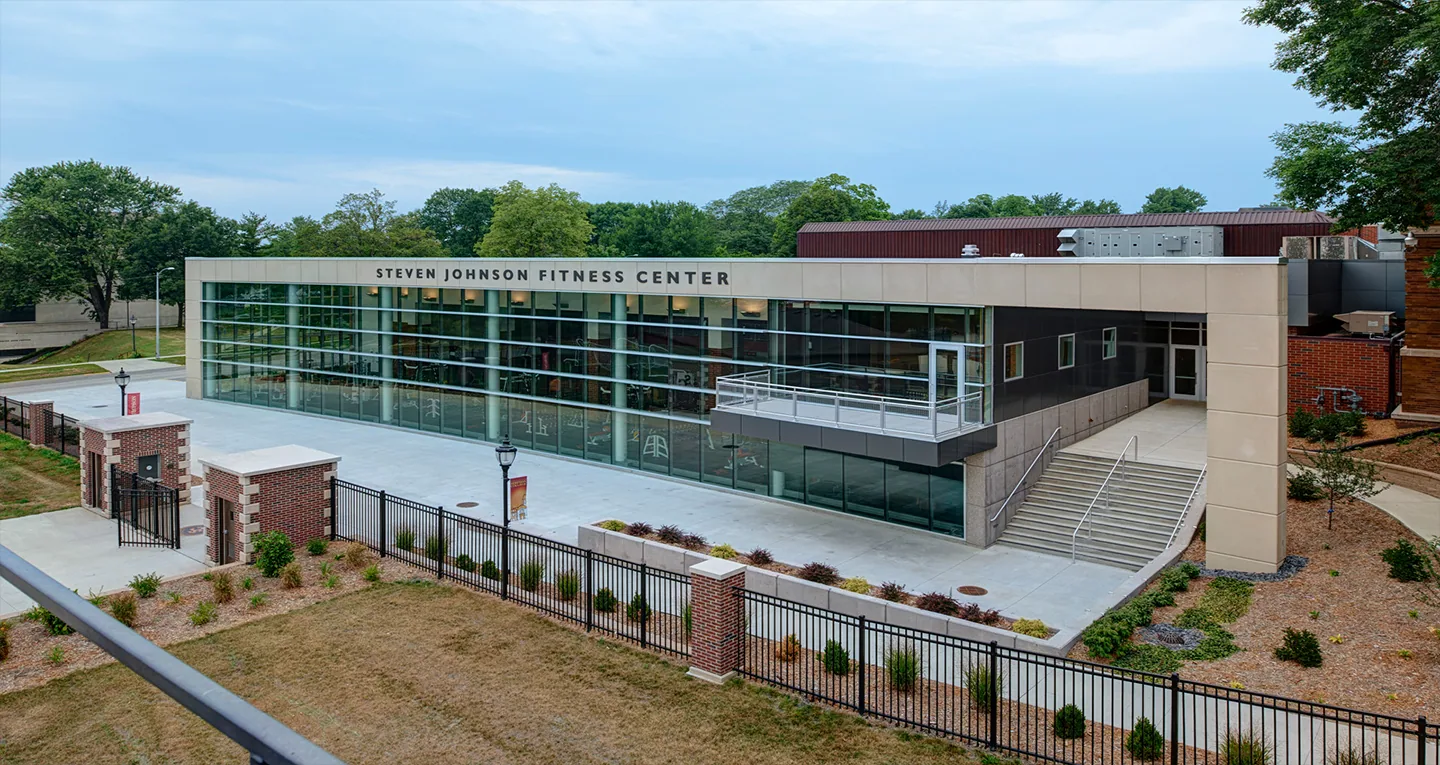
Long roof runs and wide door openings create details that deserve careful inspection. Water can enter along a seam, at a roof-to-wall transition, or around a penetration and travel along framing before it reaches the floor. We compare interior drips or corrosion reports with the roof plan and inspect likely paths. A leak near a door may start at the wall or edge detail rather than in the field membrane.
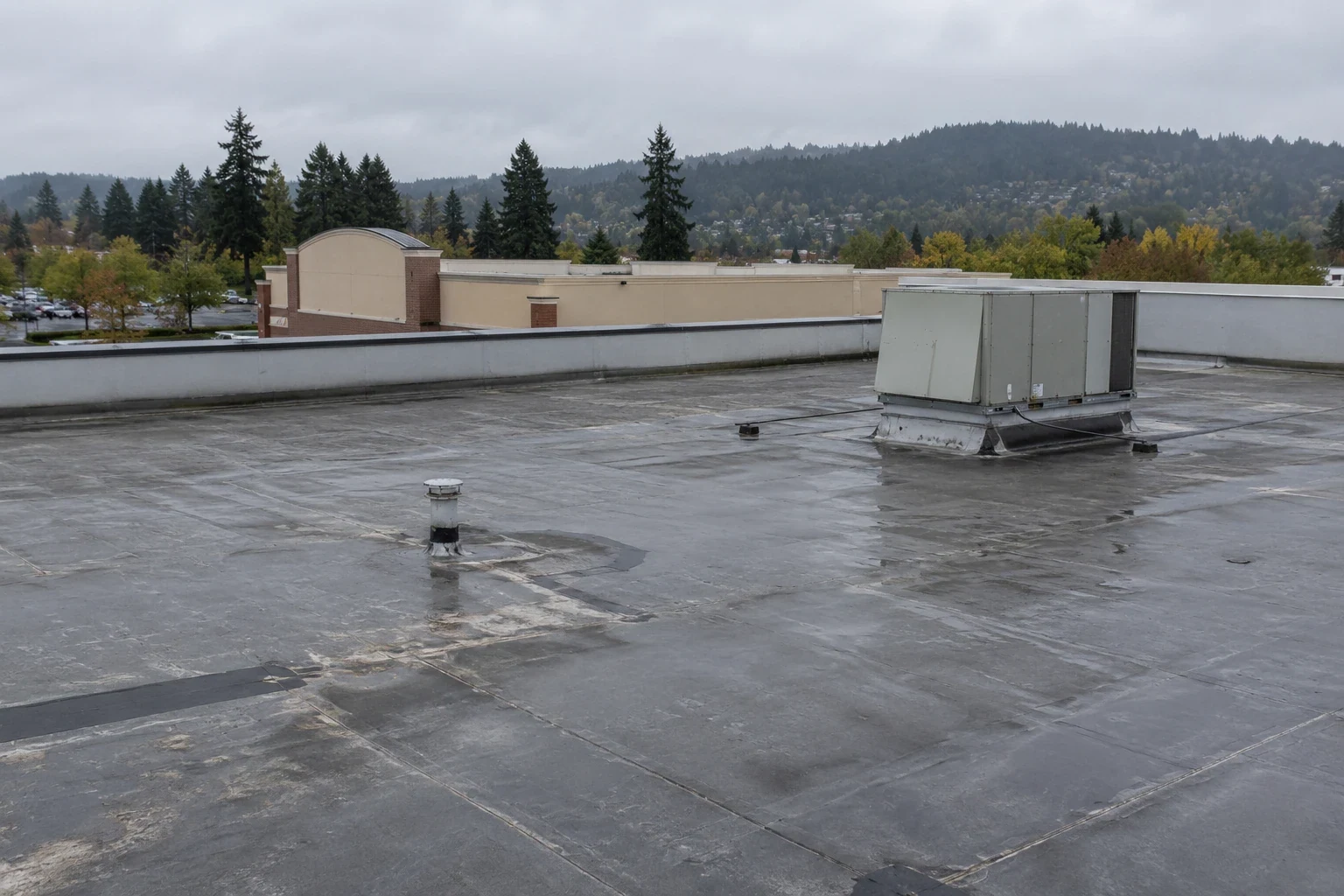
Metal roofs need review of fasteners, panel laps, sealant, closures, and attachment around openings. Low-slope membrane sections need checks at seams, curbs, drains, and transitions. If the building combines systems, we treat each section separately. A perimeter metal assessment can identify whether edge or gutter components are contributing to water entry.
Portland International Airport's climate normals show regular precipitation through much of the year. We plan for temporary protection and a safe daily close whenever a repair exposes the assembly. A forecast should not leave an aircraft area below without a clear weather plan.
What should the hangar survey document?
We identify the roof system, structural framing that is visible, seams or panel laps, penetrations, edge details, drainage, large door transitions, and previous repairs. Photos should show enough scale to locate a defect across a large roof. We label each finding by bay or roof zone and separate active water entry from maintenance and capital work.
The operator can provide aircraft position constraints, work orders, past leak locations, and any equipment changes. These records help connect the roof report with hangar maintenance. If moisture may be concealed in insulation, a survey or test opening can help establish the affected boundary. The inspection records what can be confirmed from the surface and what requires further access.
Before walking the roof, we confirm escort procedures, door use, safety zones, harness points where applicable, and whether aircraft or tools are scheduled below. An authorized site representative identifies the safe route and any restricted area.
Can a hangar roof be repaired without closing the bay?
Sometimes. A localized repair can proceed while part of the building remains in use if the work zone is isolated and the operator approves the sequence. We consider door movement, aircraft clearance, overhead maintenance, and the area exposed to weather. If those conditions cannot be protected, the facility may need to move aircraft or pause use for that section.
Widespread seam failure, wet insulation, unstable attachment, or corrosion across panels may warrant replacement. A recover or coating is possible only when the substrate and assembly are suitable. The recommendation should identify access, edge conditions, and how the roof connects to hangar doors and adjacent structures. A replacement sequence sets work zones and daily closeout. For aviation facilities with added security or government coordination, a military hangar roof plan may address those separate site controls.
Large industrial roofs share span and staging challenges. A warehouse roof review can help compare access and material handling, while hangar planning must account for the occupied bay and aircraft movement.
How do we manage work over aircraft?
The facility contact confirms when aircraft are present, which bays can be restricted, the crew route, lift location, material storage, and door operating rules. The schedule identifies when a roof zone will be opened and when it will be closed. We work within the approved boundary and stop if a site condition changes the safe route.
Each shift begins with a weather and access check. The crew opens only an area it can protect and make watertight before leaving. If hidden deterioration extends the repair, we secure the opening, document it, and request approval before enlarging the scope. At close, tools and debris are removed, drains are checked, and the facility representative confirms that the bay is ready for its next use.
Where a crane, aircraft move, or inspection event changes the schedule, the operator can direct a revised work window. A daily handoff records the completed roof zone and the next safe start point.
What belongs in a hangar roof log?
Keep roof plans, system information, repair photos, leak reports, equipment changes, and access instructions together. Scheduled inspections should review seams or panel laps, fasteners, doorside transitions, drains, curbs, and edge components. After another contractor works on lights or ventilation, inspect the roof interface and record who closed it.
The Portland Air National Guard Base is part of the region's aviation setting, while each hangar operator controls its own roof records and access rules. Portland International Airport climate normals record measurable precipitation on 157 days per year. That pattern makes a watertight closeout important; the actual hangar inspection still determines which details need repair. A maintenance visit can document changes and identify repairs before a wet period. Keep aircraft movement constraints with the roof file so future projects can set an appropriate work zone.
What should an operator provide before the visit?
Share the roof plan, leak history, aircraft or maintenance schedule, roof access controls, door rules, and any restrictions on photos or staging. Identify who can approve an opening and who controls bay access. We will document the roof condition and describe the likely repair path, including any trade coordination or testing. Schedule a roof walk so the facility can plan around aircraft movement and hangar use.
Aircraft Hangar Roofing FAQs
-
Can roofing work happen with an aircraft inside?
Possibly, if the operator approves the work zone and the crew can protect the aircraft and interior. The site representative controls aircraft movement and access decisions.
-
Do hangar doors need to be closed during roof work?
The door sequence depends on the task, weather, lift position, and operator rules. We coordinate those details before mobilization and keep the planned route clear.
-
How do you inspect a large roof safely?
We confirm escort, roof access, fall-protection requirements, and visible structure before the walk. The operator identifies aircraft, maintenance zones, and any restricted area below.
-
Can you repair a metal hangar roof?
Yes. The inspection checks panel laps, fasteners, sealant, closures, perimeter details, and attachment. The repair must suit the existing panel system and movement.
-
What information helps scope hangar replacement?
Provide drawings, prior repairs, roof access rules, bay schedule, door clearances, equipment routes, and any required escort or approval. Those details shape sequencing and staging.
Related Roofing Work
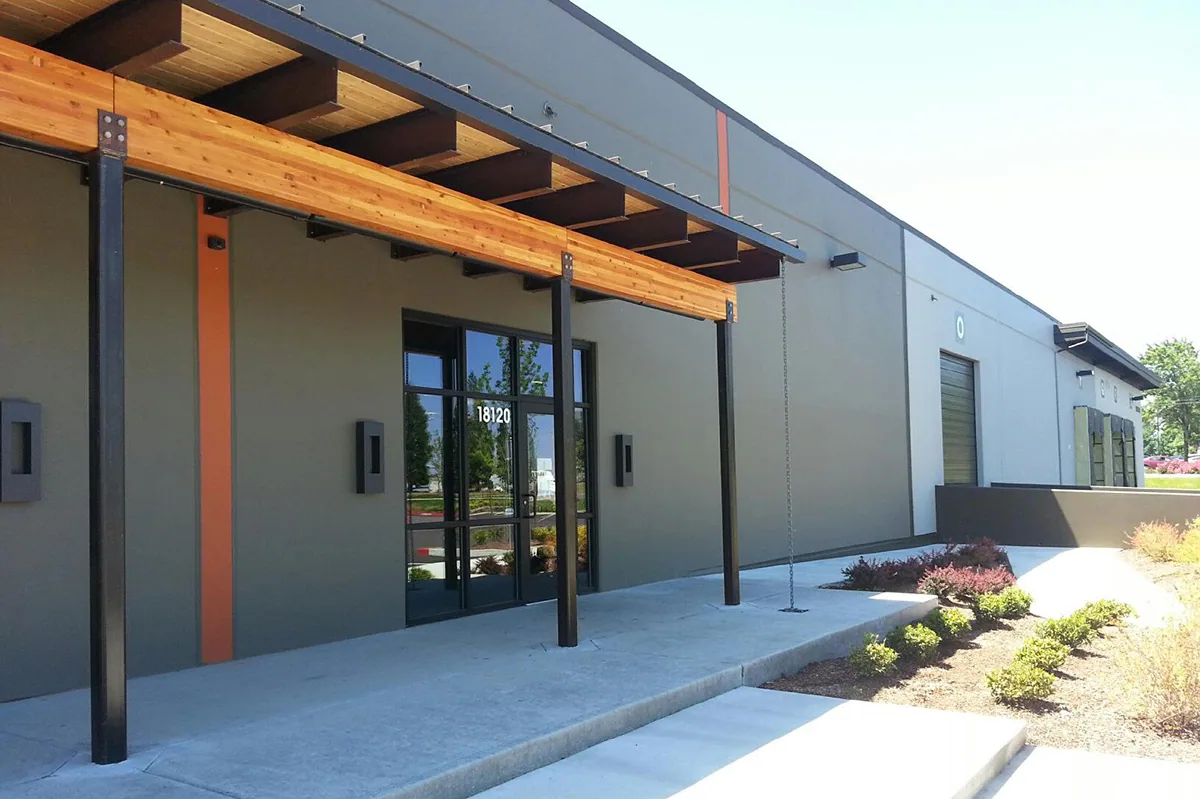
I-84 and NE 181st Industrial Cluster
Learn More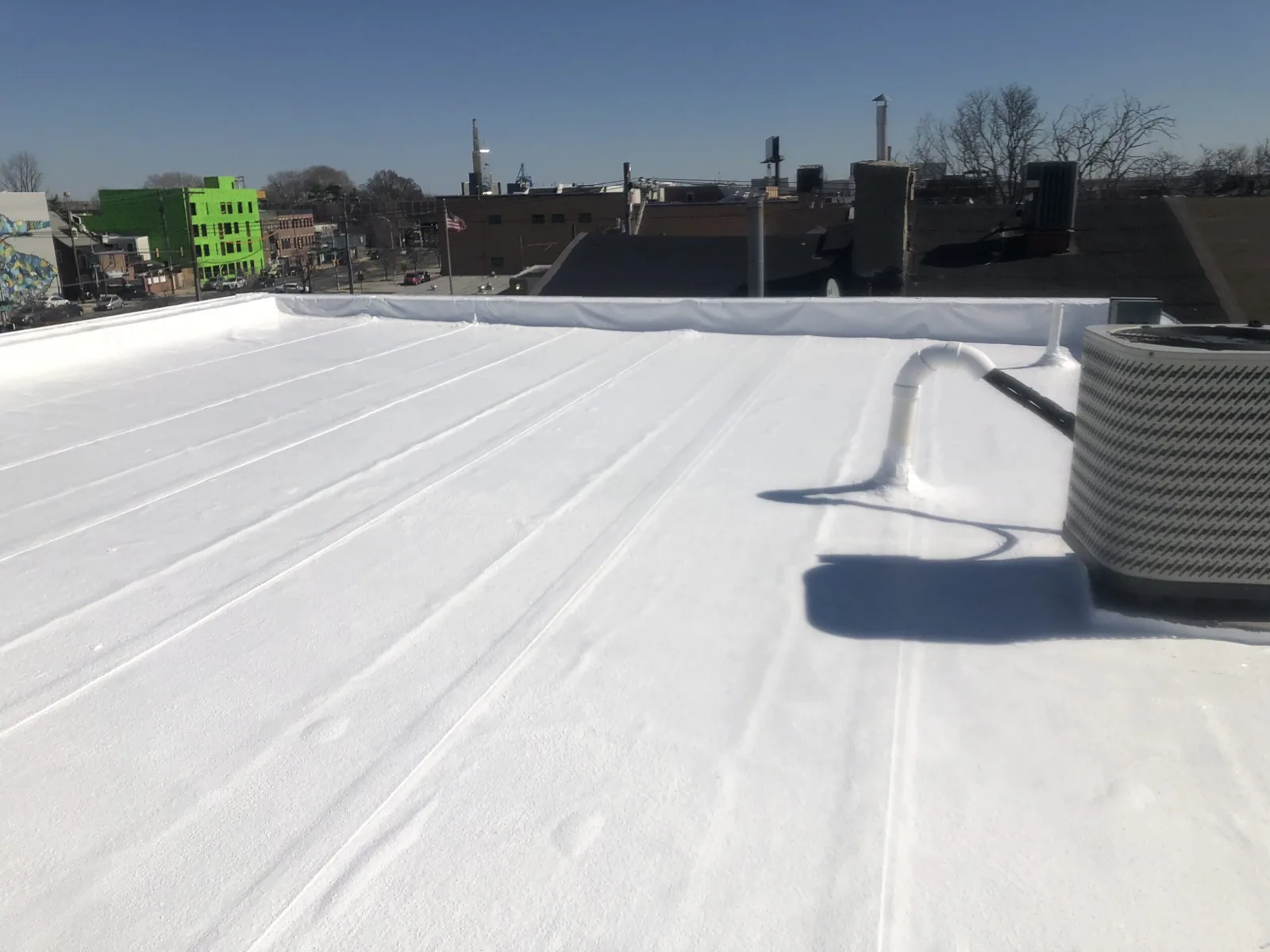
Commercial Roof Inspection
Learn More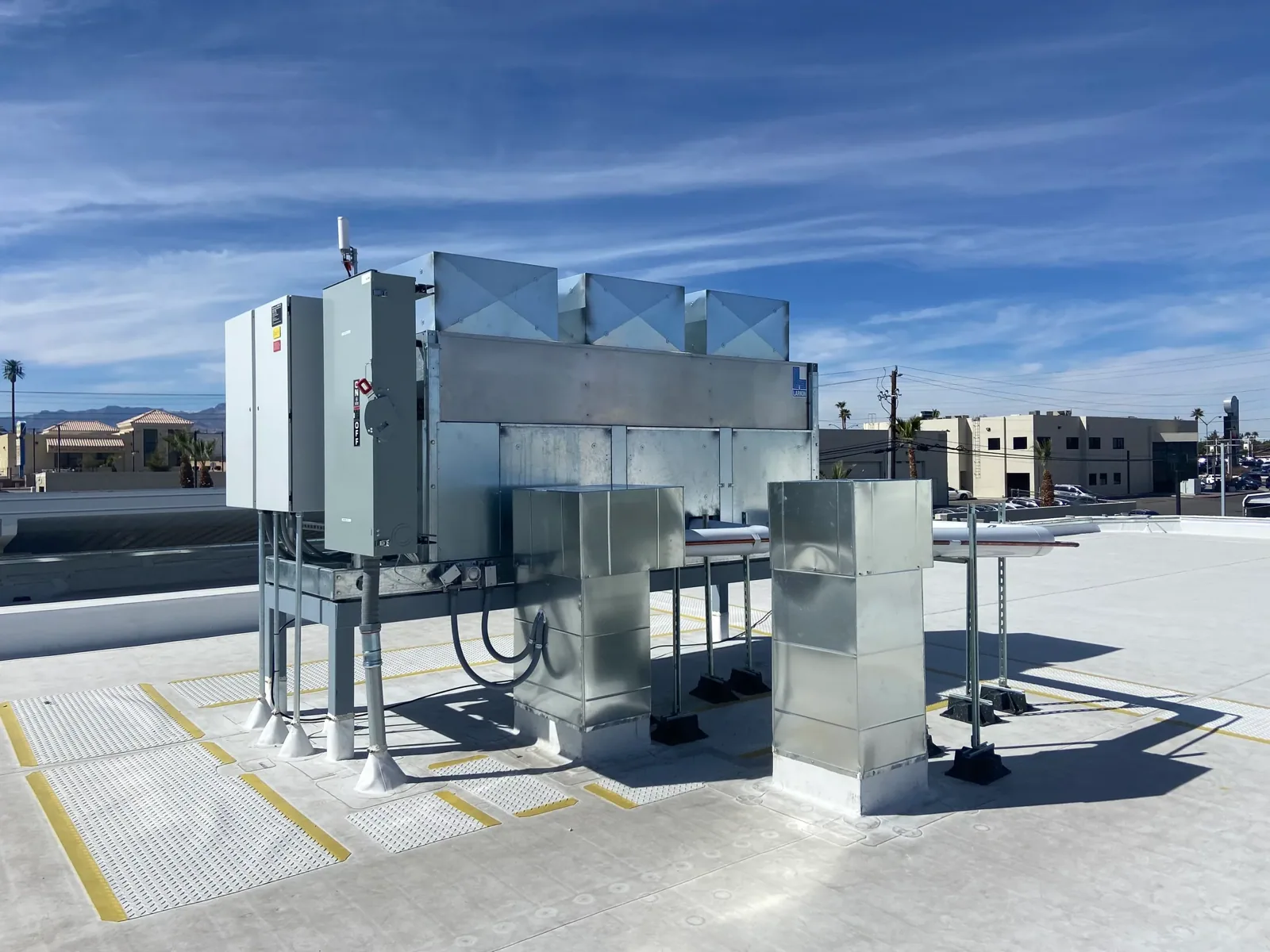
Rooftop Equipment Curbs and Supports
Learn More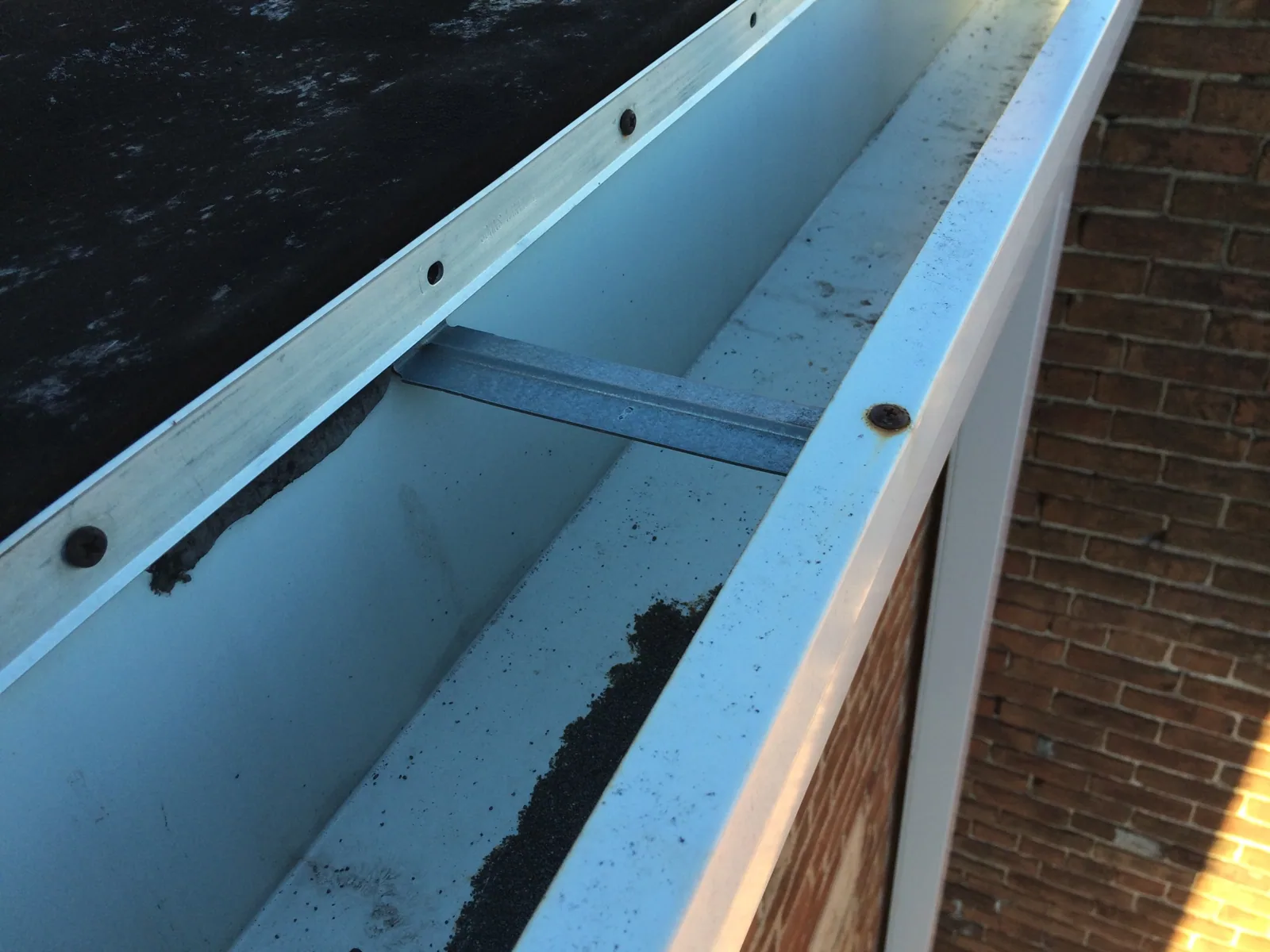
Commercial Roof Edge Metal and Gutters
Learn More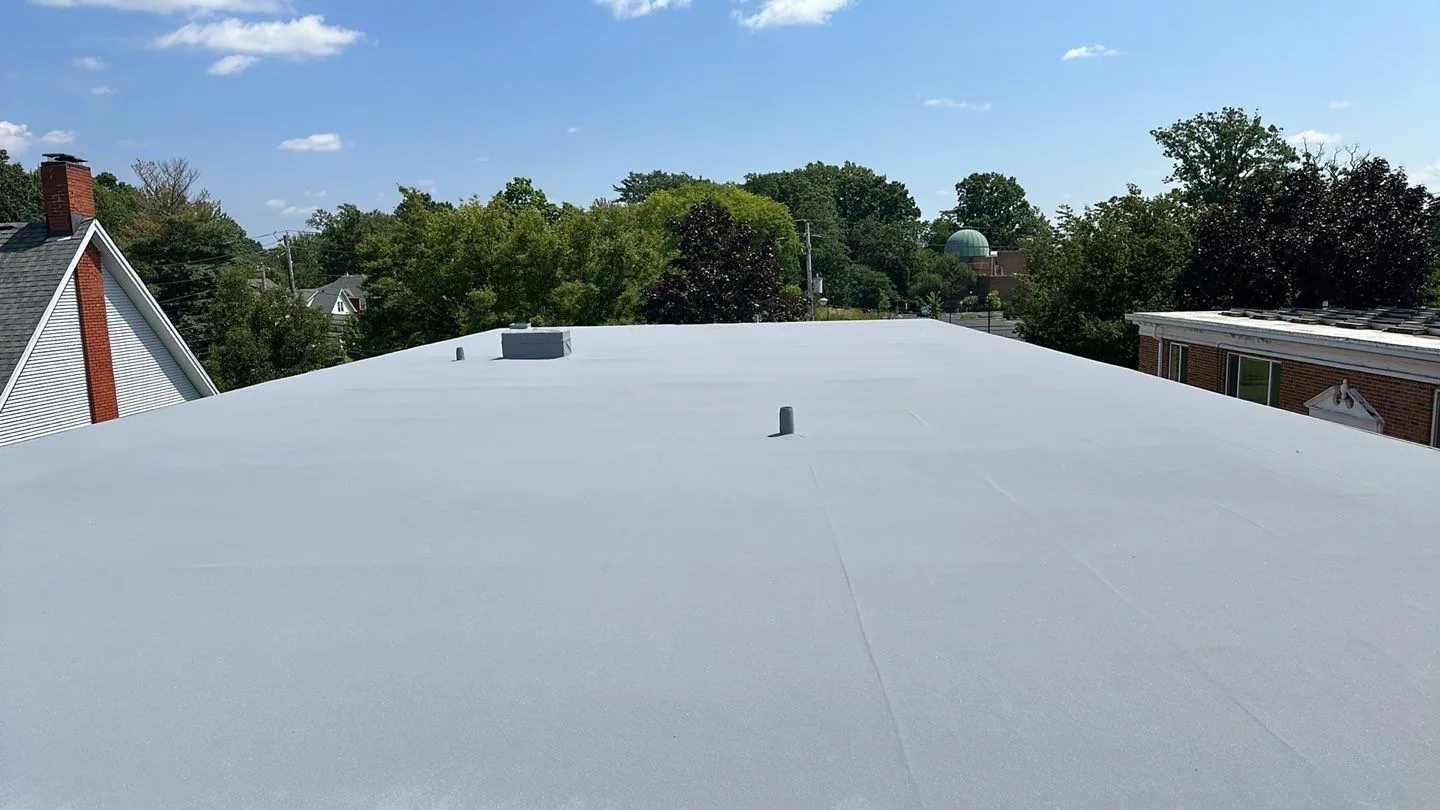
Commercial Roof Replacement
Learn More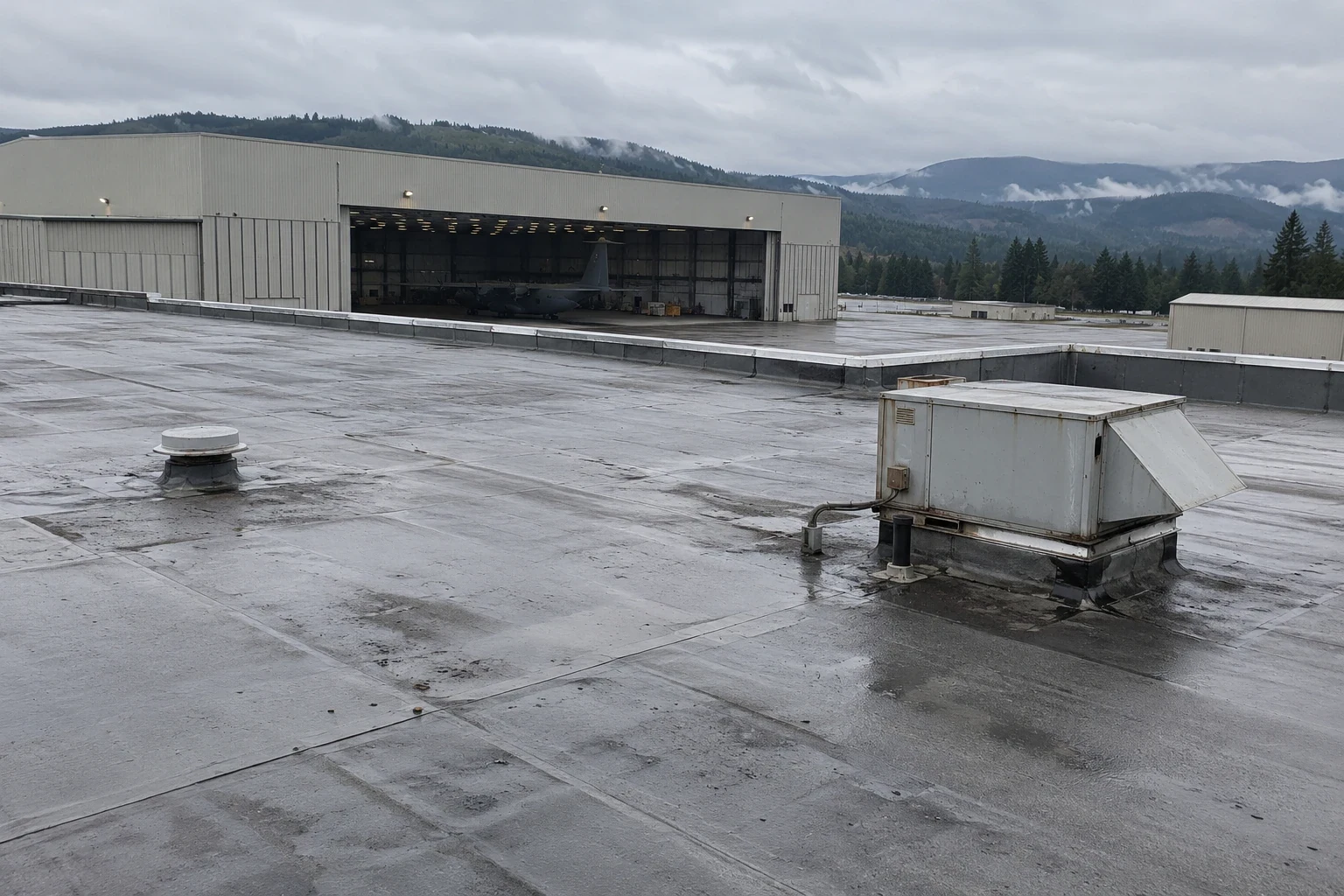
Military Hangar and Aircraft Maintenance Roofing
Learn MoreCoordinate a hangar roof inspection
Request a roof assessment in Gresham
We will work with your facility contact to confirm access, inspect the roof and door transitions, and recommend repairs that respect aircraft operations. Tell us about the building, the roof and what you are seeing. Call 555-555-5555, email [email protected] or send the details through our contact page and we will set up a time to walk the roof.