Commercial Roofing in Washougal, WA
Schedule a Washougal roof assessment
- Home
- Service Areas
- Washougal
Washougal's economy includes waterfront and port-related activity, supported by the Port of Camas-Washougal and regional business organizations. Public and private redevelopment at Hyas Point is also part of the city's economic activity. Commercial roof work needs to fit the building's actual operation, whether the issue is water entry, aging membrane, or planned capital work. We inspect drains, seams, flashing, curbs, and roof edges, then check access and operating windows with the property contact. A freight-related site may need careful delivery coordination; a commercial property near the waterfront may have different public and tenant access. For a regional portfolio that also includes Troutdale Reynolds Industrial Park, each building receives an independent roof map and work plan.
Coordinate access, deliveries, and active work
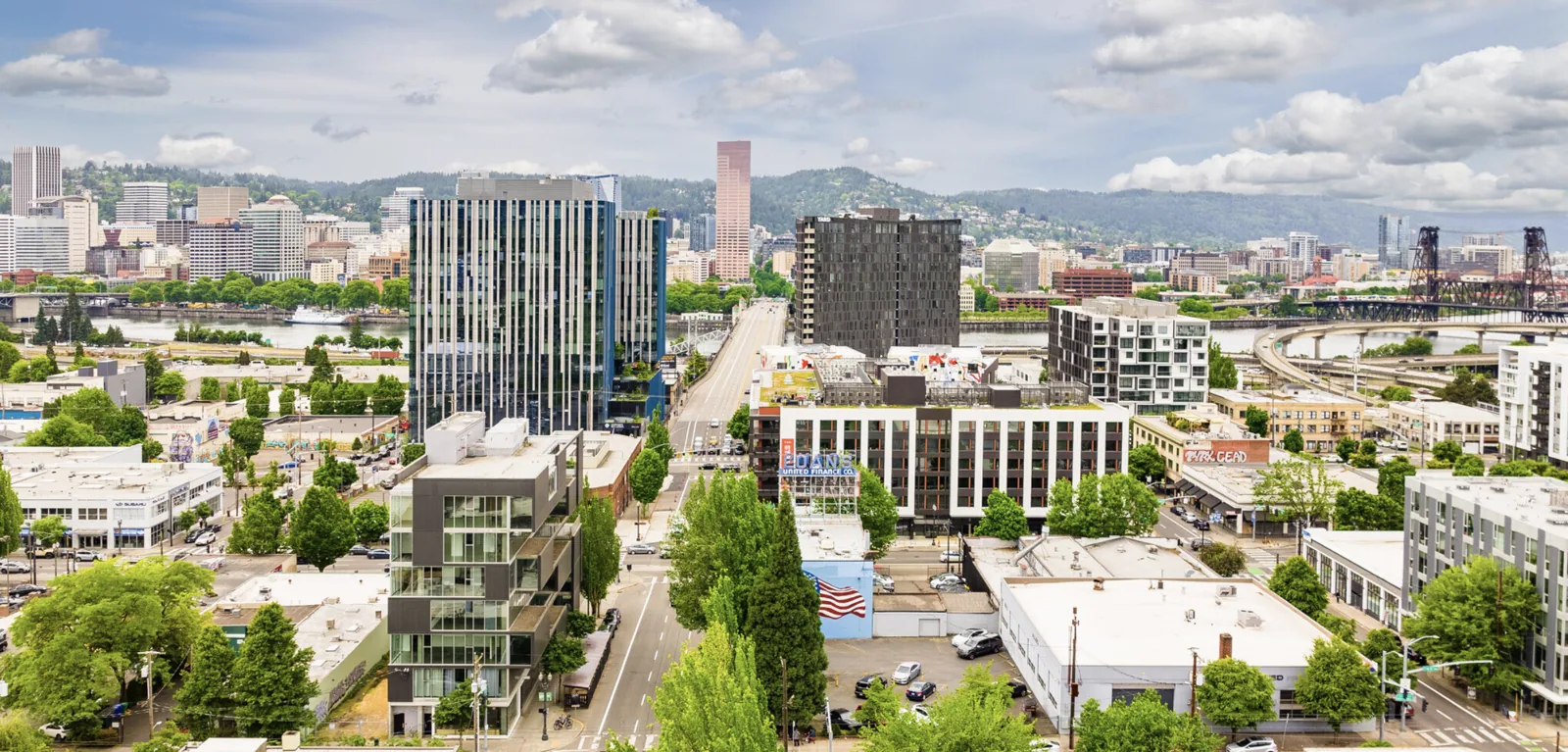
Before setting a crew date, we confirm who can authorize roof access and what hours the building can support. The site lead identifies active doors, loading areas, employee routes, equipment that must remain online, and any restricted zone. Roof work can involve noise, hot-air welding, adhesives, material handling, and a temporary opening. We define the work boundary and daily closure point with the person responsible for the property.
Washougal’s 32nd Street corridor includes transportation and rail-crossing improvements tied to freight mobility. Before materials arrive, we confirm delivery timing and current routes with the property contact. If construction or a crossing schedule changes the plan, the property team can identify the current restriction and we can stage work accordingly.
The Port of Camas-Washougal and area business organizations support local business recruitment and retention. For the roofing project, a clear contact list helps coordinate the owner, operations manager, and delivery team. We record who approves a shutdown, who receives notices, and who confirms that the building can return to normal operation after roof work.
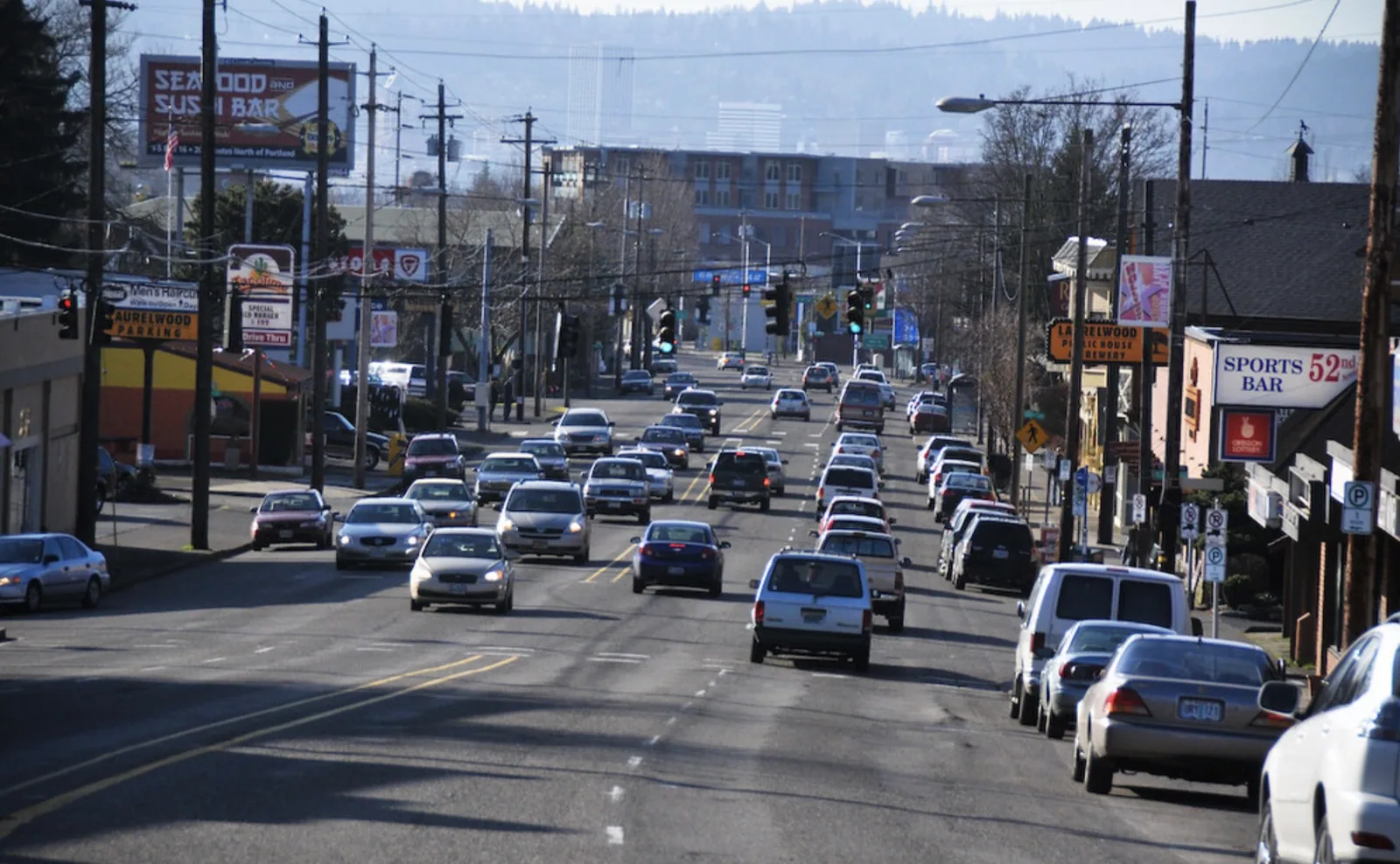
Track a leak from the interior report to the roof
We ask where water appeared, when it began, and whether there was recent equipment or roof work above. The stain may sit away from the actual opening because water follows deck joints, insulation, or framing. We inspect likely paths and nearby drains, curbs, seams, penetrations, parapets, and edges. Photos need enough surrounding context to identify each location again.
The roof walk records membrane type where known, attachment, prior patches, and visible water conditions. A test opening may be needed when the surface hides moisture or layers. Before making one, we explain what it should establish, where it will be placed, and how we will close it. The owner approves invasive investigation and the repair limit. The report marks inaccessible areas separately from observed conditions.
Portland International Airport averages 4.2 inches of snowfall per year and 31.7 days when overnight lows reach freezing or below. That seasonal pattern makes freeze-thaw checks useful without treating the area as a heavy-snow market. We inspect the roof's actual outlets and transitions and check temperature and surface conditions before applying products that require a particular environment.
A commercial roof inspection can establish a baseline. For active water entry, a leak investigation connects the indoor report with visible roof evidence and documents repair limits.
Compare local repair with full replacement
A small opening, loose edge, or failed flashing may be repairable when surrounding material remains attached. We identify the system and use a compatible repair detail. The written scope identifies the roof zone and states whether the work corrects the reported defect only or includes nearby deterioration.
Recurring leaks, wet insulation, or multiple failing details may require a larger review. Before a recover, we assess moisture, attachment, substrate, drainage, coating history, and the added height at curbs and perimeter edges. A coating can protect a suitable surface but cannot resolve trapped water below it. If the roof layers do not provide a sound base, removal and replacement may be a better scope to compare.
Roof repair addresses confirmed defects. A restoration review checks surface compatibility, preparation, and detail needs. Replacement planning compares removal, new insulation, disposal, and work phasing. Cost and timing depend on measured area, layer count, detail density, delivery access, protection below, and the hours available for work. Concealed conditions are recorded before scope or price changes.
Inspect the water route across the roof
We start at the drains, scuppers, overflow paths, and any low areas where water remains after rain. We look for debris, damaged strainers, loose membrane, and signs that an outlet has been blocked. The inspection records what is visible; it does not assign a structural cause unless the evidence supports one. If ponding repeats, the owner may need additional drainage evaluation before selecting a new assembly.
Water also enters at transitions: curb corners, skylights, pipe supports, parapets, expansion joints, and roof edges. We check the membrane and flashing for separation or incompatible patches. Equipment service routes can concentrate wear, and new penetrations may interrupt an otherwise intact field. The facility team identifies recent work by other trades so the roof record can connect changes with observed conditions.
Hyas Point is a major redevelopment in Washougal. Nearby commercial buildings still need their own roof inspection to identify assembly, age, and repair history. For a portfolio with sites in the Sandy Boulevard east-county corridor and Southshore Corporate Park, the same drainage checklist can be used while each site keeps its own roof map.
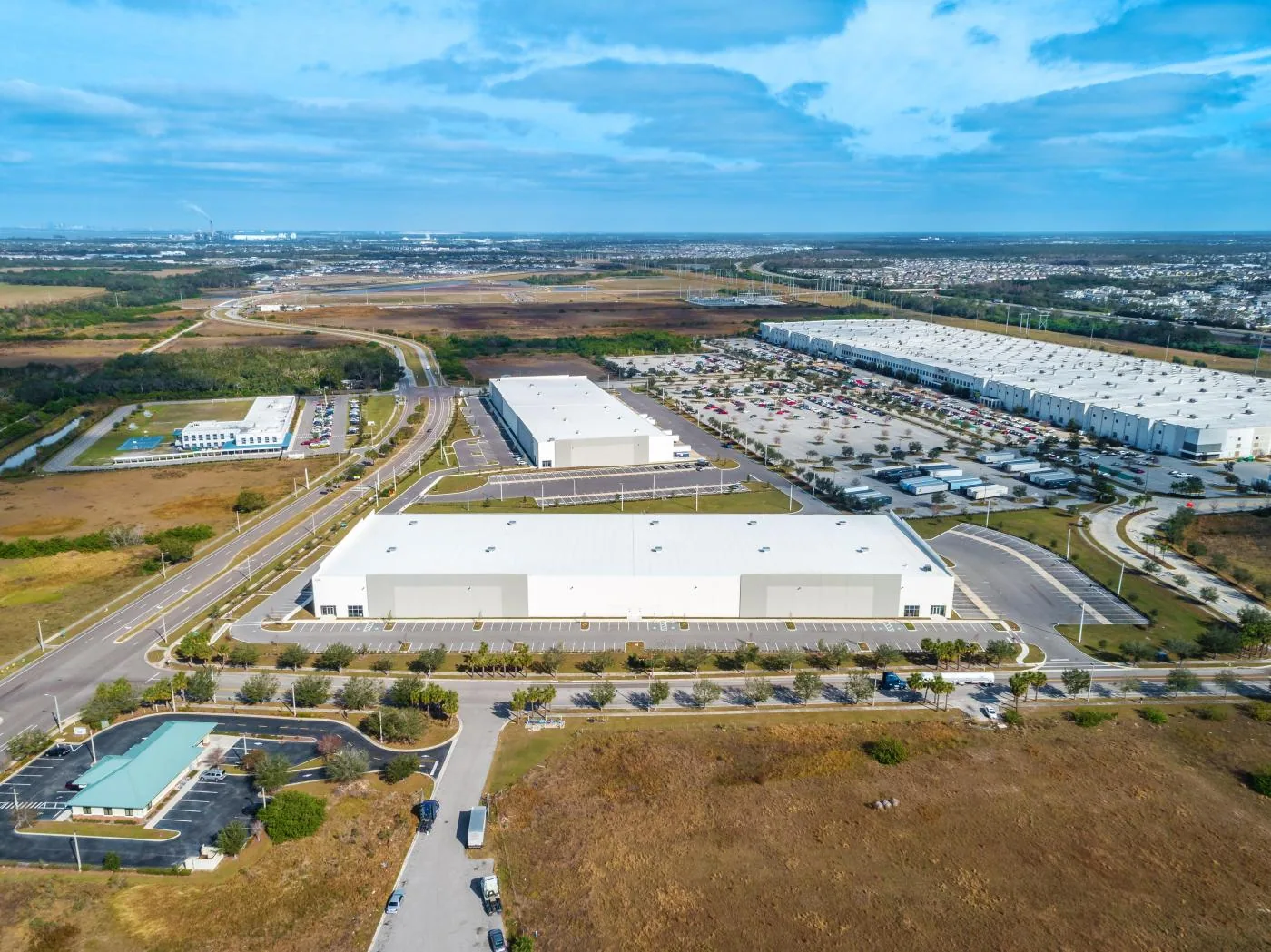
Give the owner a clear project record
After inspection or repair, the owner should have a dated record of areas reached, findings, photos, repair details, material records, and unresolved questions. If an opening exposed unexpected layers, note what was found and where. If a roof area could not be accessed, record that limit so future staff know it still needs review. The closeout records the roof zone, material installed, photos, and any follow-up that requires a separate visit. The facility contact can then match a later leak report to the repair boundary and decide whether additional testing is needed.
Washougal's economic development partners include the port and regional business organizations. A facility team may have several people involved in a capital project, so one person should receive the roof map, closeout, and access notes. Our roof condition report can organize visible items by zone and identify follow-up work without converting unverified assumptions into findings.
A planned maintenance visit can check drains, seams, penetrations, flashing, and edges after a repair or replacement. Update the service log when another trade changes equipment or creates a new penetration. For properties near the Port of Camas-Washougal, freight mobility projects and work windows can also change. The roof file should reflect current access instructions rather than rely on a previous contractor's schedule.
Washougal FAQs
-
Do you provide commercial roof work in Washougal?
Yes. We inspect commercial roofs, document visible conditions, and prepare repair, restoration, or replacement scopes based on the building's assembly and operating needs.
-
Can roof deliveries be coordinated with Washougal freight work?
We confirm the current route and delivery window with the facility contact. The 32nd Street corridor project information describes regional improvements, but site access still needs property-specific approval.
-
What happens after a roof leak is reported?
We record the interior location and timing, inspect likely roof paths, and document confirmed details. If moisture is concealed, we explain what additional testing could establish.
-
Can an existing roof be recovered instead of removed?
That depends on moisture, attachment, surface compatibility, drainage, and the height of edges and curbs. We inspect those conditions before recommending whether existing layers can remain.
-
What will the closeout include?
The file can include a roof-zone map, photos, work details, materials, access notes, and items needing follow-up. It also marks areas that were not accessible.
Related Roofing Work
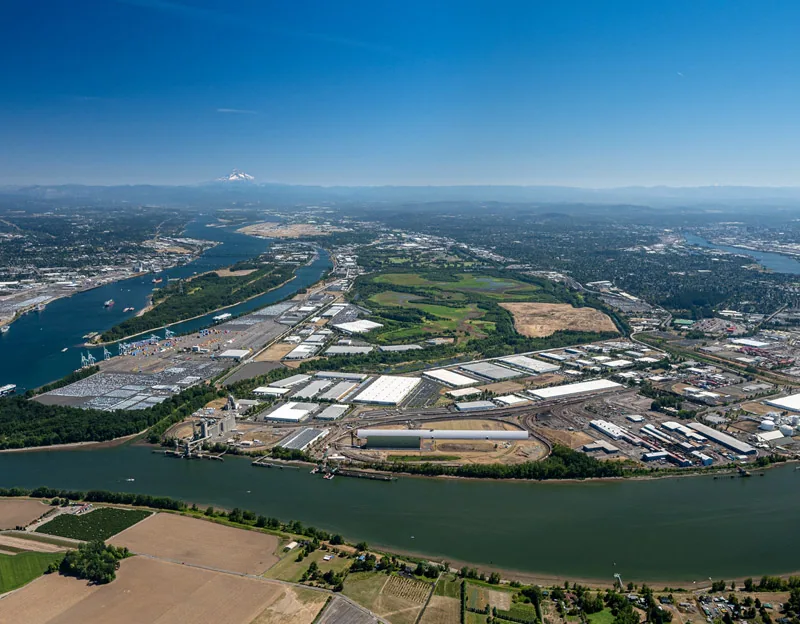
Troutdale Reynolds Industrial Park
Learn More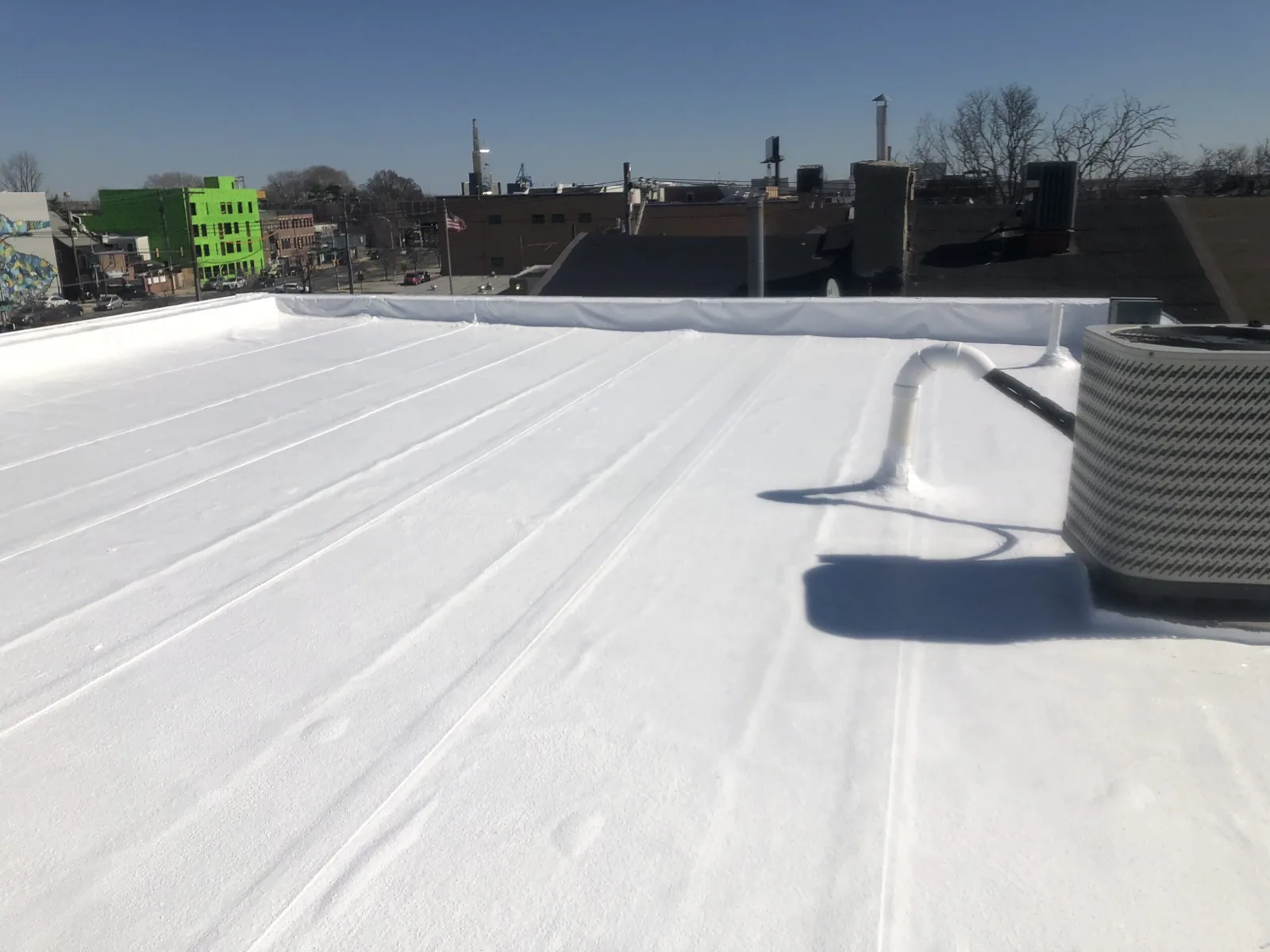
Commercial Roof Inspection
Learn More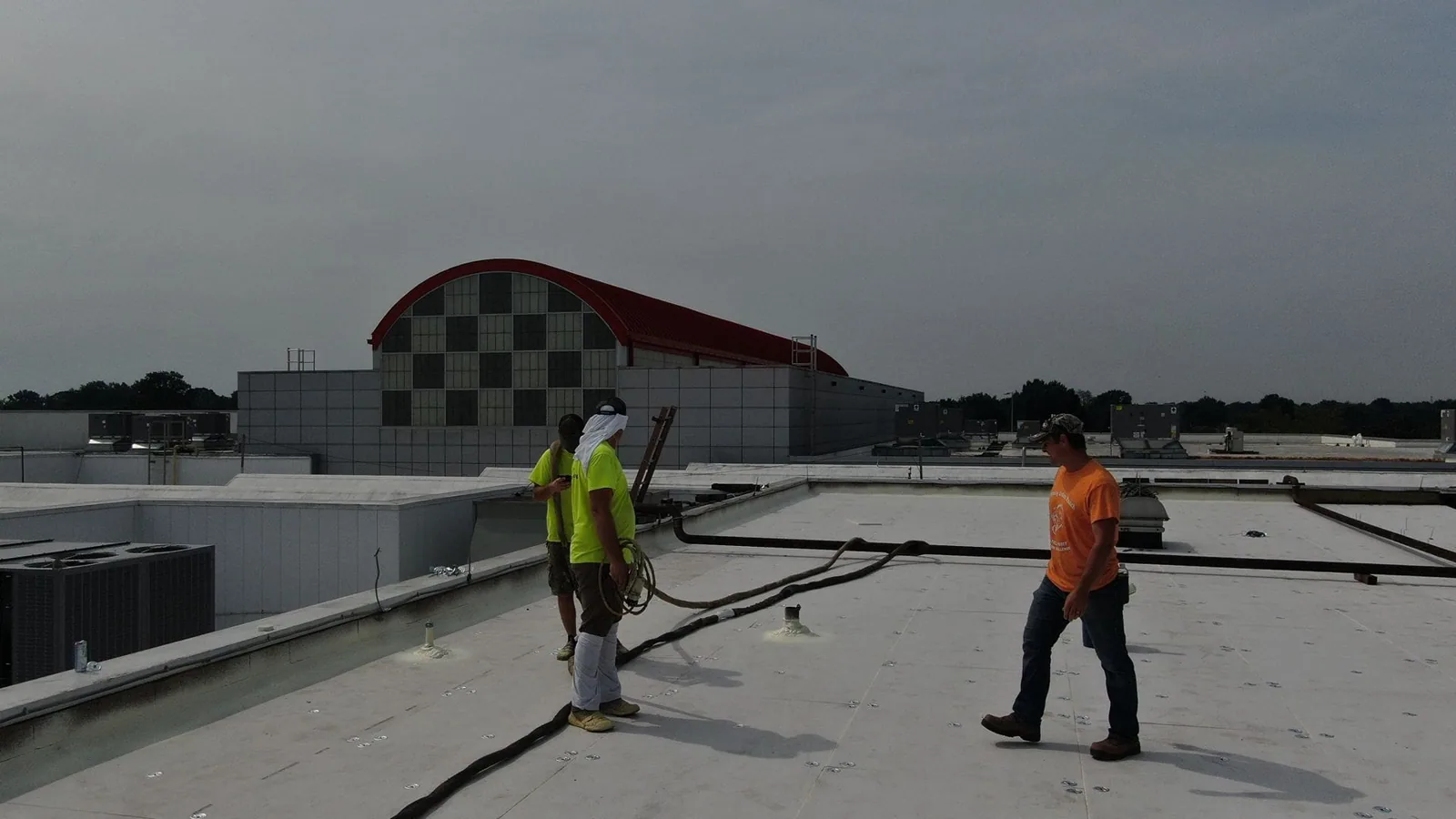
Commercial Roof Leak Repair
Learn More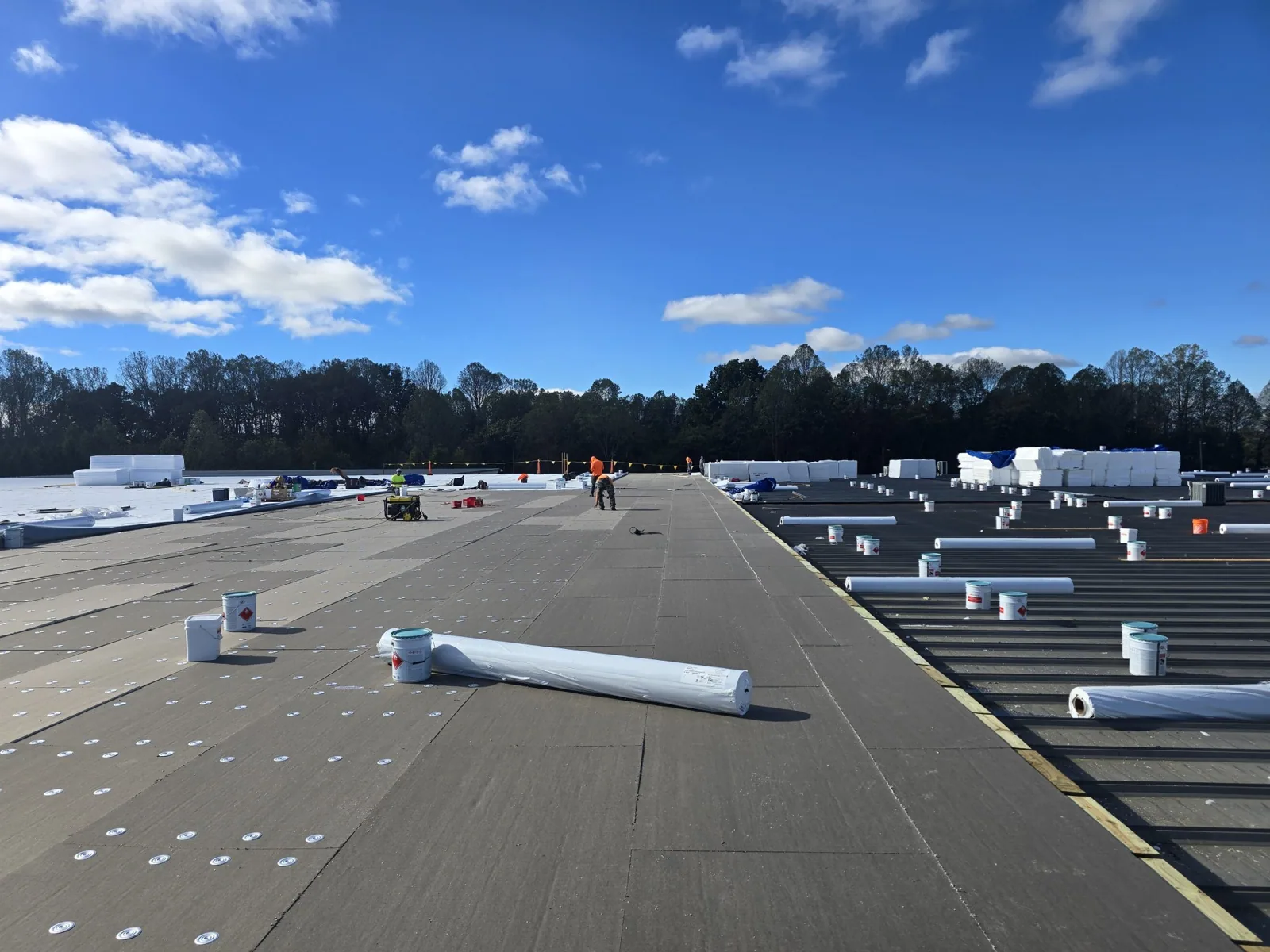
Commercial Roof Repair
Learn More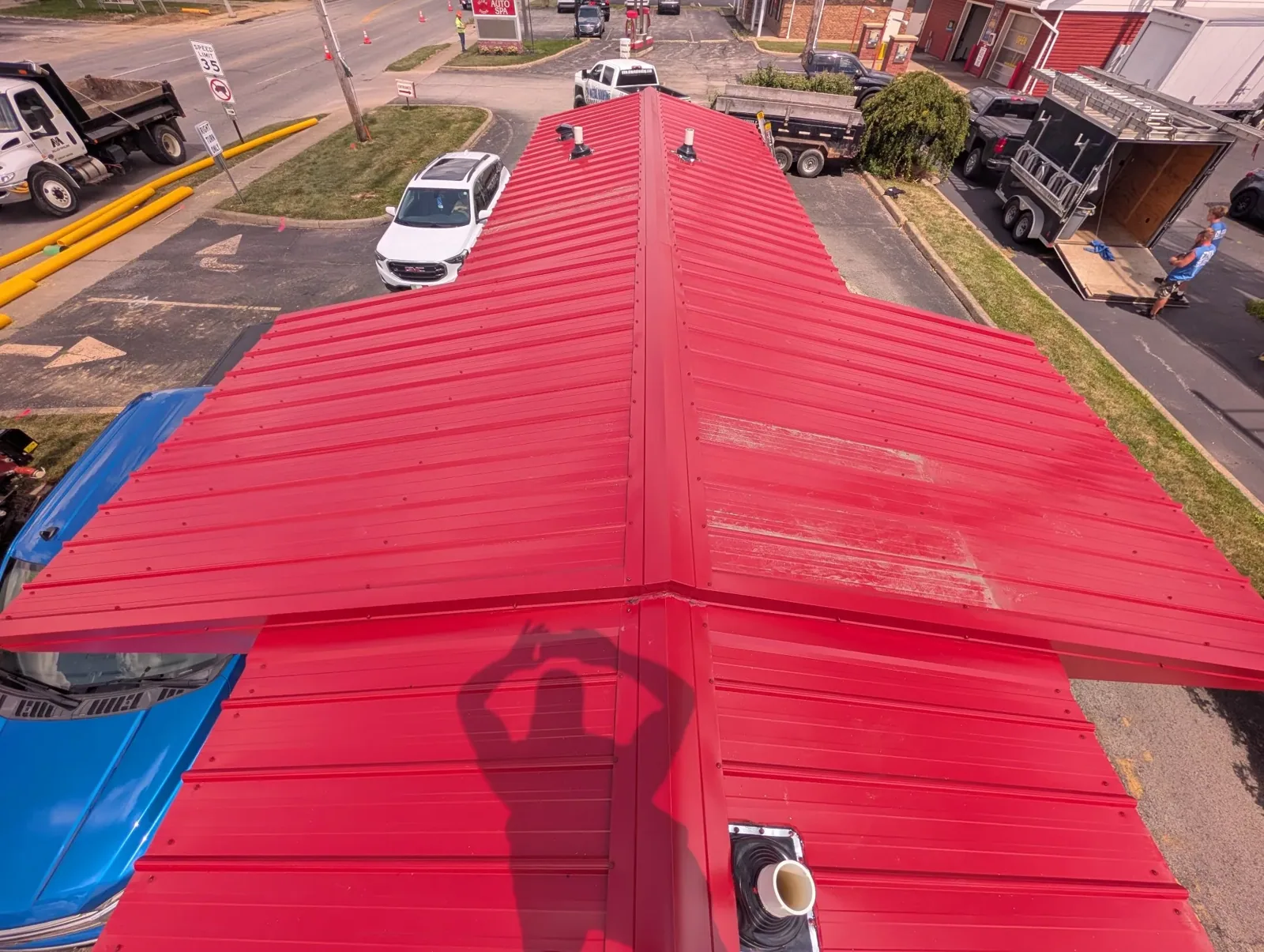
Commercial Roof Coating
Learn More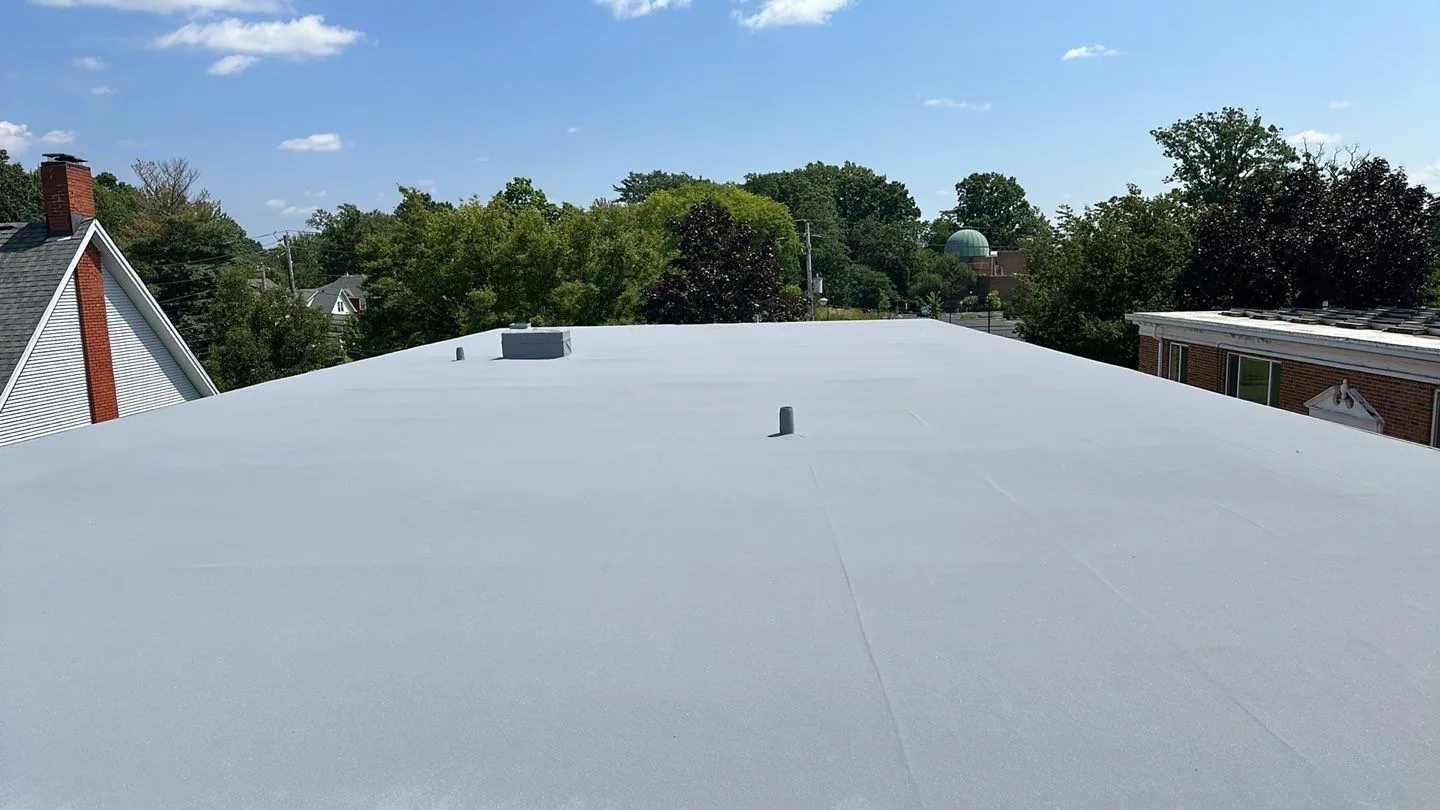
Commercial Roof Replacement
Learn MoreSchedule a Washougal roof assessment
Request a roof assessment in Gresham
We will review access and operating limits, inspect roof details and drainage, and prepare a documented repair or replacement scope. Tell us about the building, the roof and what you are seeing. Call 555-555-5555, email [email protected] or send the details through our contact page and we will set up a time to walk the roof.