
Commercial Roofing in Troutdale Downtown, Troutdale, OR
Schedule a downtown Troutdale roof walk
- Home
- Service Areas
- Troutdale Downtown
Downtown Troutdale is the commercial core of the city's Town Center, along the Historic Columbia River Highway. The city plan describes a compact center with businesses and surrounding residential neighborhoods. Roof work here begins with the property itself: its use, roof assembly, access route, and hours. We check seams, drains, flashing, curbs, and edges, then document what is visible before proposing repair or replacement. A customer-facing business may need a controlled work area and clear pedestrian route. A nearby property in the broader Troutdale Town Center still needs its own roof map and operating plan. The Sandy Riverfront, Columbia Gorge Outlets, and regional trails help define the larger setting, but they do not tell us a building's roof condition.
Keep customers and roof crews on separate paths
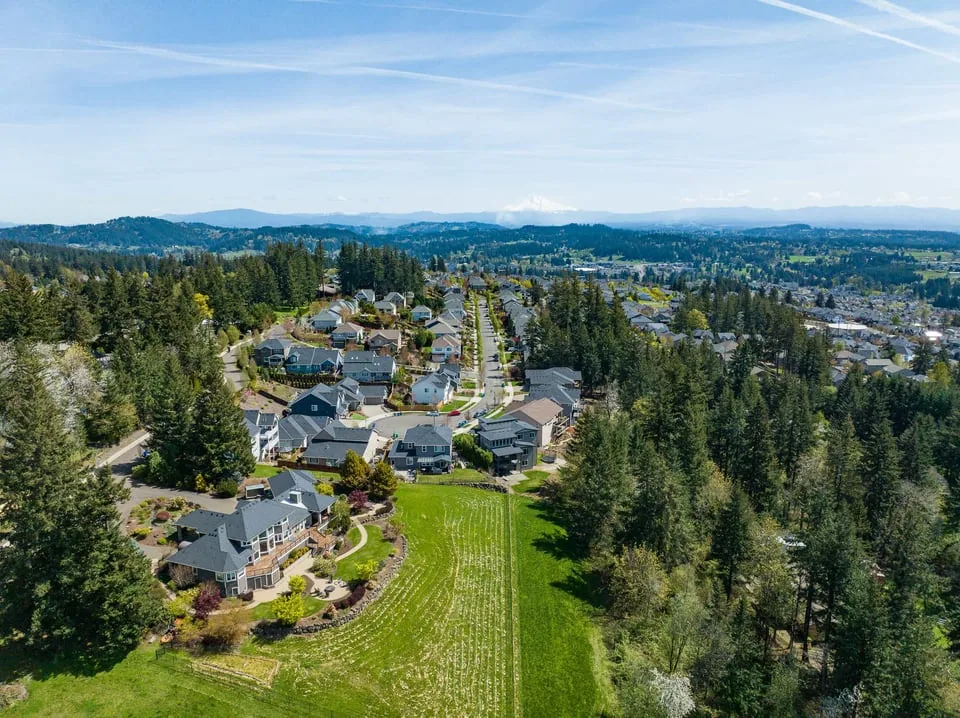
A compact commercial center can place building entrances, deliveries, and public movement close together. We ask where customers enter, when deliveries occur, and which approach must remain open. The property contact approves any temporary restriction before a lift, material drop, or debris route is established. If nearby street or trail activity affects the work area, the owner confirms the current controls rather than relying on a map alone.
On the roof, we identify a safe route around skylights, fragile areas, and operating equipment. We check exhausts and intakes before removal, adhesive work, or welding. The site lead tells us whether any tenant needs advance notice or a quiet window. If a section must be opened, the sequence includes temporary protection and a clear handoff before work stops for the day.
Downtown's connection to the Sandy Riverfront and Columbia Gorge Outlets provides local context, while the roof scope stays focused on the building. For a business with a second facility among Troutdale's industrial lands, the same coordination principles apply but the access rules and operations will differ. We record those conditions separately so one property's work plan is not carried to another site.
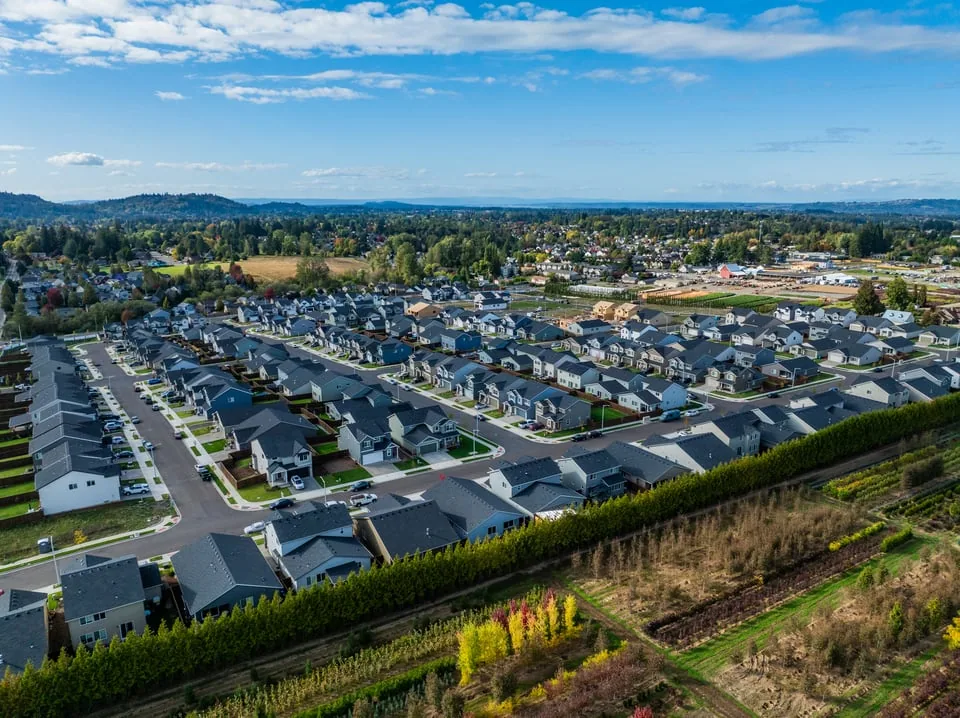
Follow the water path before authorizing a patch
Water may travel along a roof deck or insulation before appearing in a ceiling. We record where and when the interior symptom appeared, ask about recent roof or equipment work, and inspect the related roof zones. Drains, seams, wall transitions, penetrations, and parapet corners can redirect water. Each finding gets a photo and a location on the roof map.
A stain does not prove the nearest detail is the entry point. We check the membrane around likely paths, look for previous patches, and distinguish active openings from suspect conditions. If moisture could be trapped below a cover layer, we explain whether a test opening or infrared survey would answer the question. The owner approves invasive testing and the closure detail. We document access limits so no one reads an uninspected area as having passed.
Portland International Airport's NOAA normals record 36.92 inches of precipitation annually, with the majority falling between autumn and spring. That is a regional station, not a downtown Troutdale measurement. It makes drainage and end-of-shift protection practical planning priorities during the wet months. We check actual substrate and forecast conditions before exposing the roof.
A commercial roof inspection can establish a condition map. For a current leak, leak tracing and repair ties the indoor report to roof observations and defines what the work will correct.
Choose the work that matches the failure
A localized split seam, puncture, or loose flashing may be addressed with a repair when nearby membrane and attachment remain sound. We identify the material, prepare the affected surface, and use a compatible detail. The scope gives the repair boundary and describes any nearby condition that remains open. That makes a later leak report easier to compare with the completed work.
Repeated openings, wet insulation, or deteriorated attachment can justify a broader review. Before a recover, we inspect the existing surface, moisture, drainage, and added height at curbs and edges. A coating needs a sound and compatible substrate; it cannot dry trapped layers or stabilize a failing deck. Replacement may require selective removal or a full tear-off depending on the assembly and test results.
Commercial roof repair can address a confirmed localized defect. A restoration assessment checks surface preparation and compatibility. Replacement planning compares removal, insulation, disposal, and work phasing. Cost and schedule reflect measured area, layer count, detail density, access, protection below, and the approved work window. Hidden conditions are documented if removal shows a different assembly than the survey indicated.
Inspect the drains, edges, and transitions
Water control starts at each outlet and continues to the edge. We inspect drain bowls, scuppers, overflow paths, and low areas for blockage, standing water, or damaged flashing. At parapets and perimeter edges, we check termination and coping. Equipment curbs, skylights, and pipe supports need a continuous tie-in to the membrane. A detail that looks small from the ground can control whether water reaches the deck.
Downtown Troutdale's compact pattern can place different businesses and homes near a work zone. That proximity makes access and debris containment questions worth settling before mobilization. It does not prove the construction or occupancy of an individual building. We ask the owner where people move, which doors remain in use, and whether other trades will cross completed roofing.
If a roof has been patched or coated before, we identify those layers before selecting new materials. The visible surface may not match the original system. A TPO assembly review can frame material-specific seam questions, but we verify the installed roof and current product requirements before a repair. Changes to equipment or roof traffic are added to the record when the site lead confirms them.
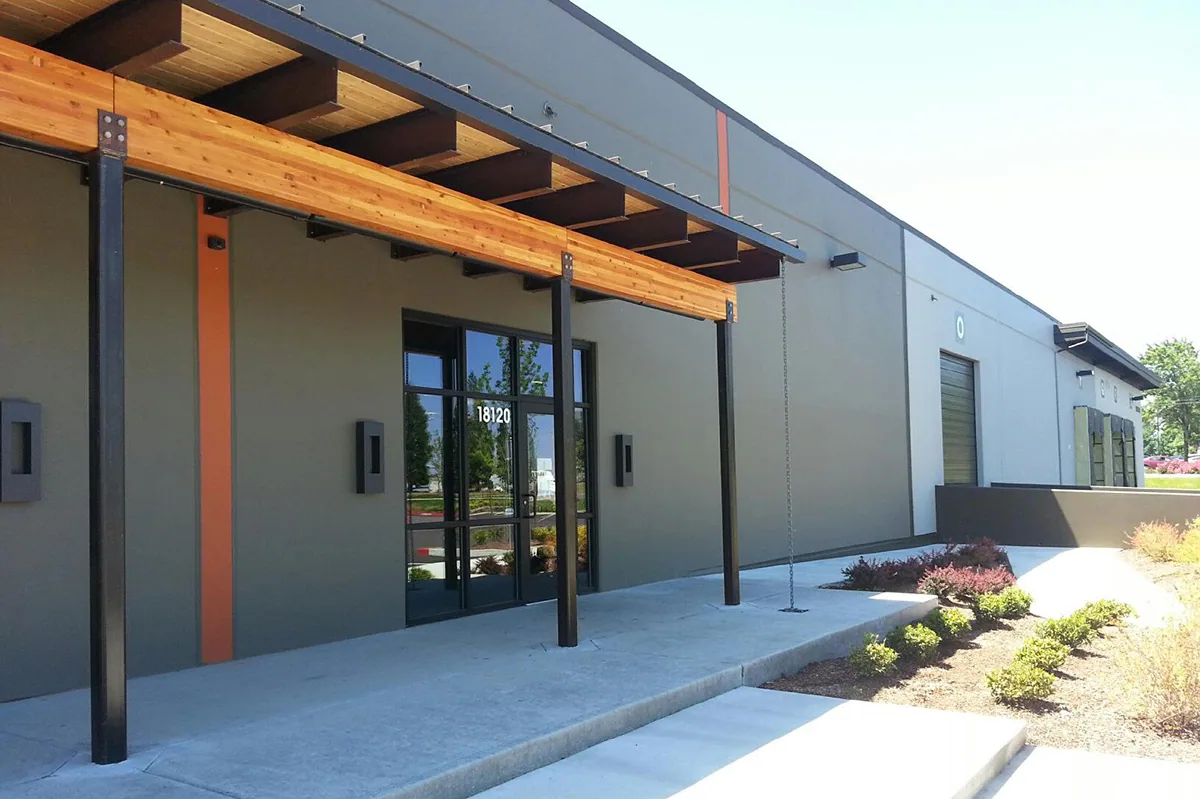
Leave the property with a useful service history
A good closeout identifies the date, roof areas reached, visible findings, repair method, and any remaining question. Photos should show enough context to locate the same curb, drain, or edge at the next visit. We record whether the roof system was confirmed or estimated from visible material. If the inspection did not reach a roof section, that limit stays in the report.
For Downtown properties, a file may move between a business owner, property manager, and contractor. Our roof condition report can organize observations and follow-up by roof zone. Keep approved plans, product information, work approvals, and contractor findings distinguishable so later staff can see what the documents actually establish.
A planned maintenance visit can revisit outlets, seams, flashing, edges, and service paths before another rainy season. Update the roof record after an equipment move, tenant change, or construction task. If the same owner manages a property near the Troutdale Airport business area, use a separate site map and contact list for that roof.
Troutdale Downtown FAQs
-
Can you work on a commercial roof while downtown businesses remain open?
We coordinate work zones, deliveries, noise, and access with the property contact. The sequence depends on the roof and what needs to stay available below.
-
How do you locate the roof opening behind a ceiling leak?
The interior location and timing guide the inspection, but water may travel before it appears. We check nearby roof details and document confirmed conditions separately from items that need testing.
-
What happens if a repair exposes wet insulation?
If tear-off exposes another layer or wet material, we pause that section, secure temporary dry-in, photograph what was uncovered, and submit the changed quantity for approval before extending removal.
-
How does Troutdale's wet season affect roof work?
We use the actual forecast and surface conditions to determine how much roof can be opened and closed in a shift. Drainage and temporary protection remain part of the daily sequence.
-
What should a roof closeout include?
A useful file identifies inspected zones, photos, materials, repair limits, and open questions. It also lists inaccessible areas so future staff know what still needs review.
Related Roofing Work
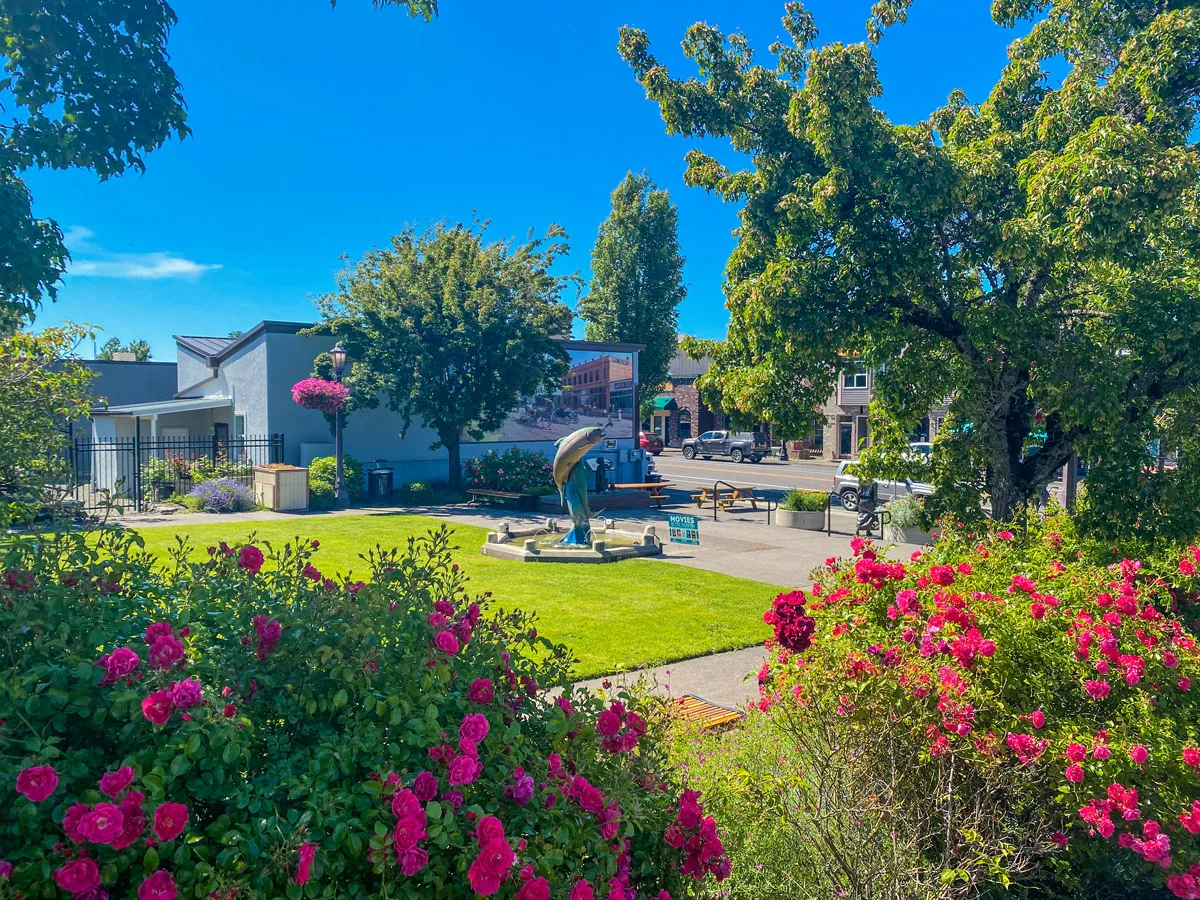
Troutdale Town Center
Learn More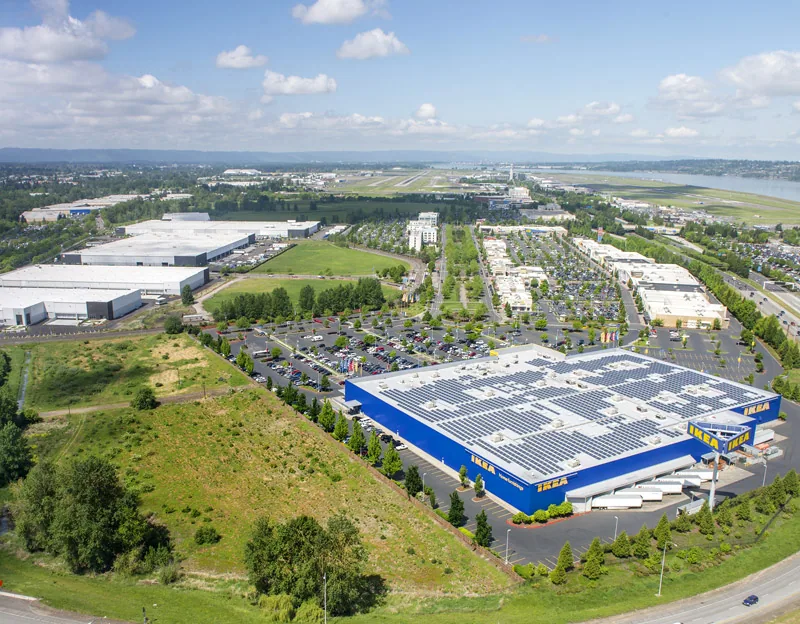
Troutdale Industrial Lands
Learn More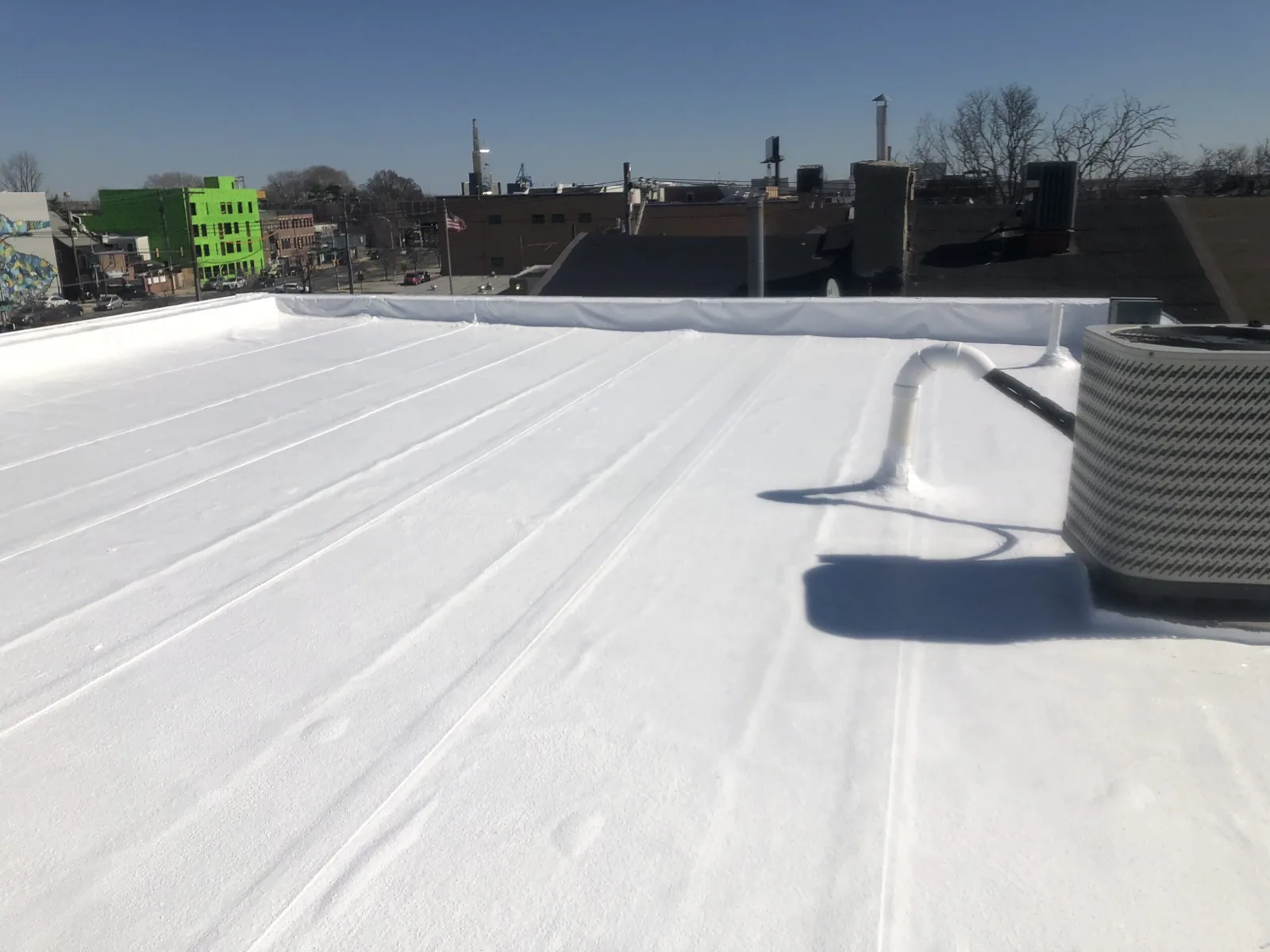
Commercial Roof Inspection
Learn More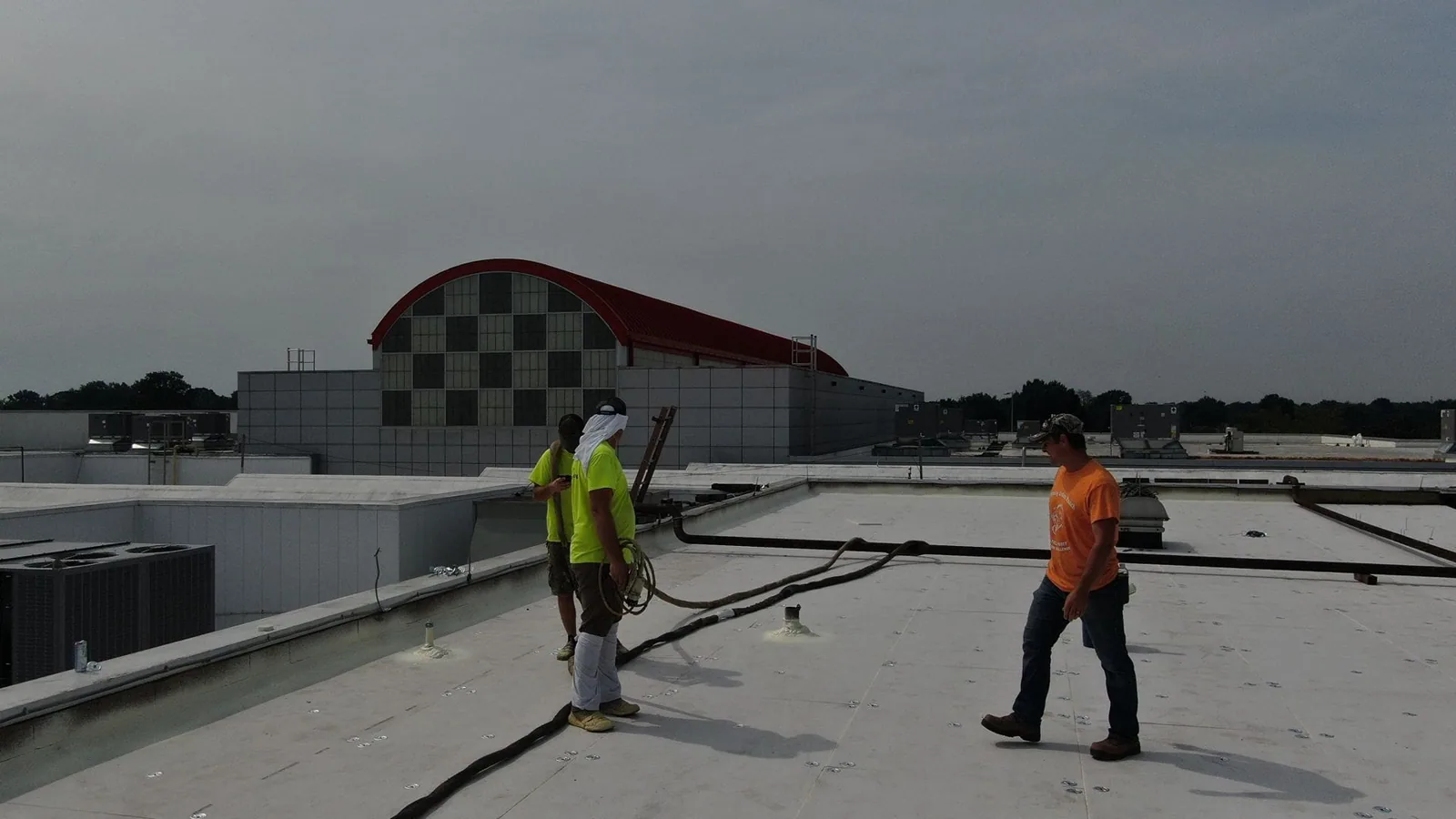
Commercial Roof Leak Repair
Learn More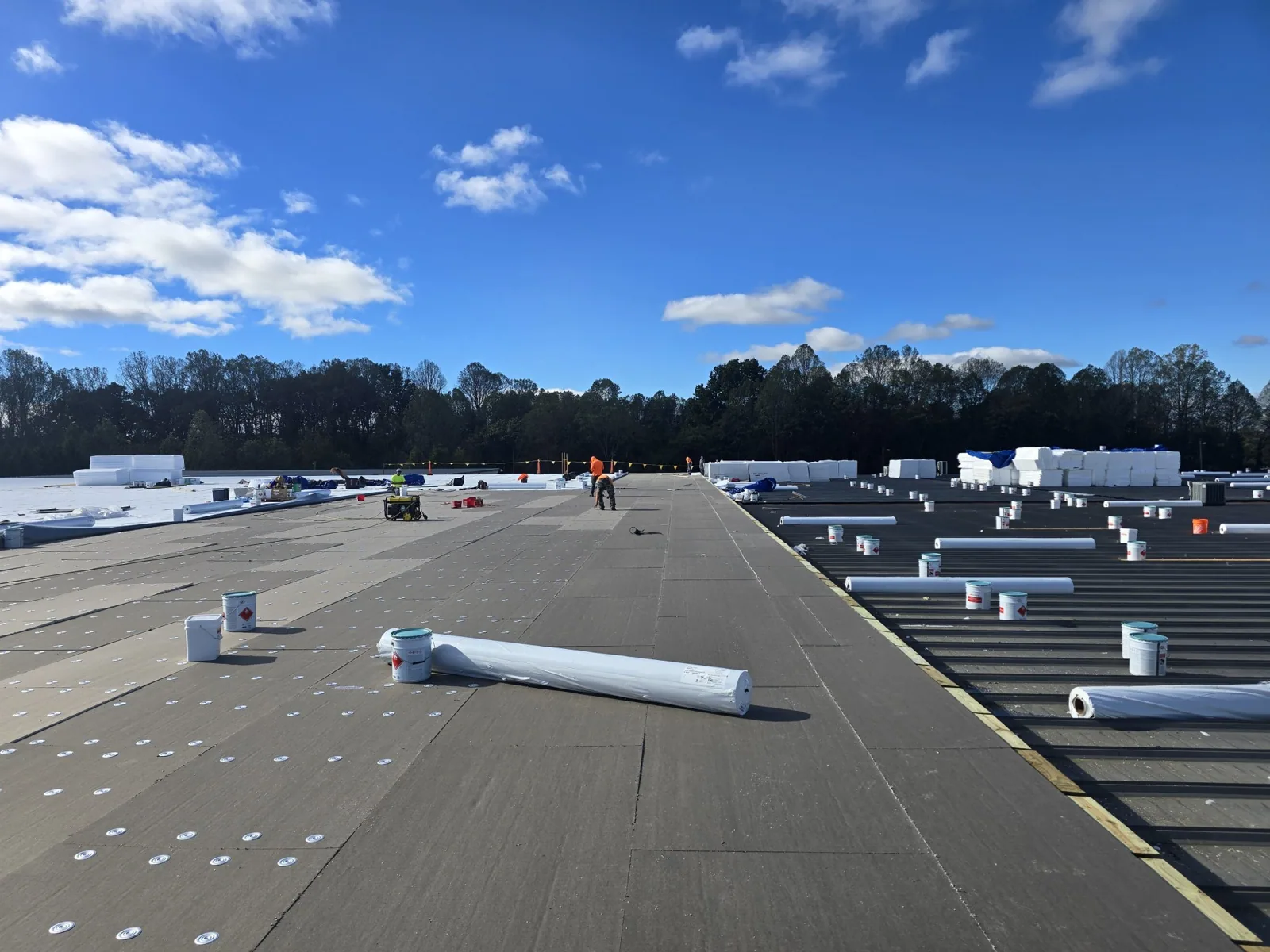
Commercial Roof Repair
Learn More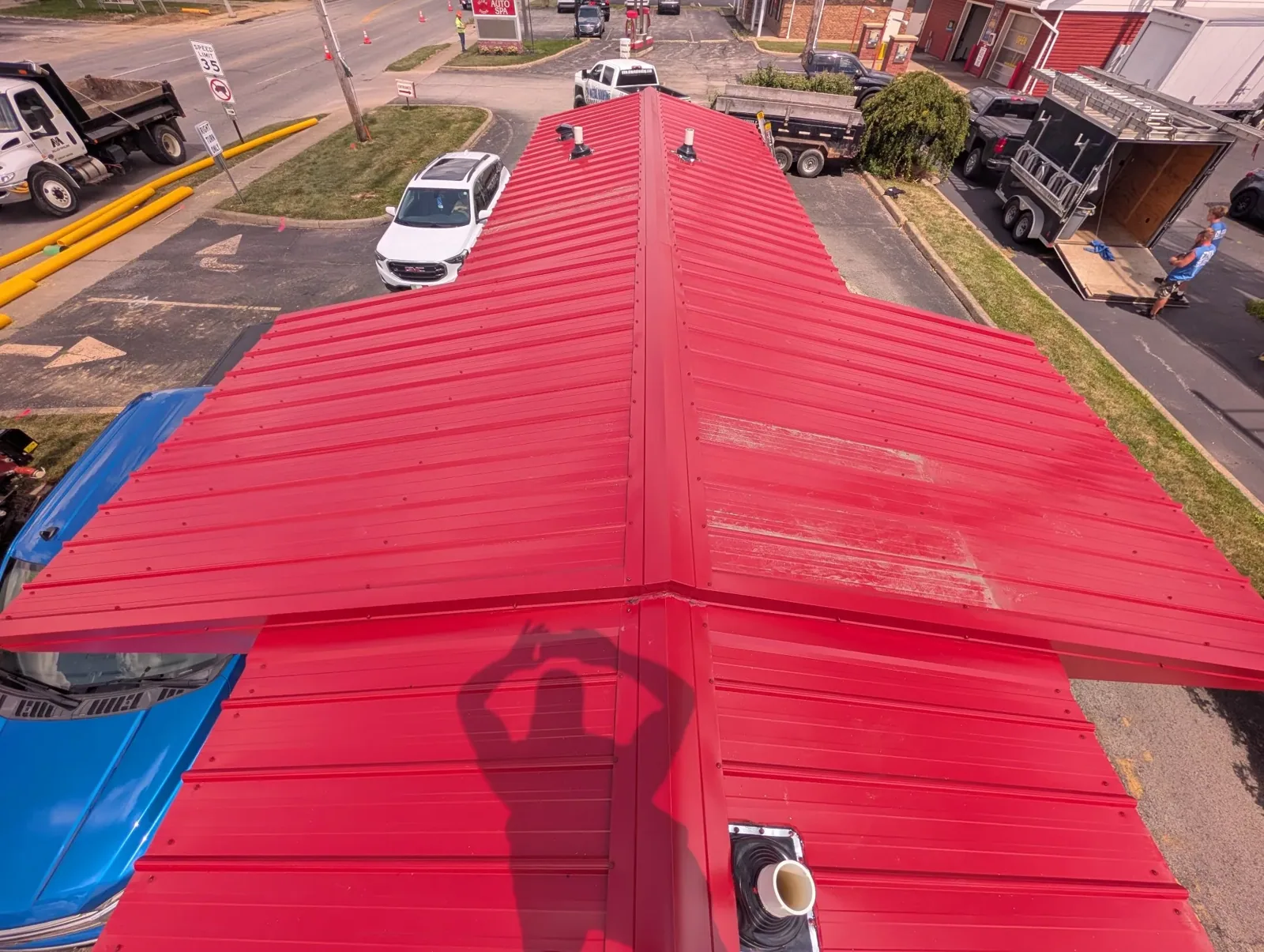
Commercial Roof Coating
Learn MoreSchedule a downtown Troutdale roof walk
Request a roof assessment in Gresham
We will inspect the roof details, confirm access needs, and prepare a repair or replacement scope that fits the building's use. Tell us about the building, the roof and what you are seeing. Call 555-555-5555, email [email protected] or send the details through our contact page and we will set up a time to walk the roof.