
Commercial Roofing in Portland Central City, Portland, OR
Schedule a Central City roof walk
- Home
- Service Areas
- Portland Central City
Portland describes its Central City as a mixed-use employment district with commercial, light-industrial, and residential uses supported by high-capacity transit. It is also the region's dense office center, with business, government, finance, information, retail, education, creative, and institutional activity. A roof project must protect the building and the people moving through it. We inspect the assembly, drainage, seams, flashing, and equipment transitions, then coordinate access and work windows with the property contact. Large institutional campuses, including medical centers and colleges, are also part of Portland's job base. For a nearby employment district like the Central Eastside, the access plan changes with the property's use even when the roofing work is similar.
Coordinate access in a dense mixed-use area
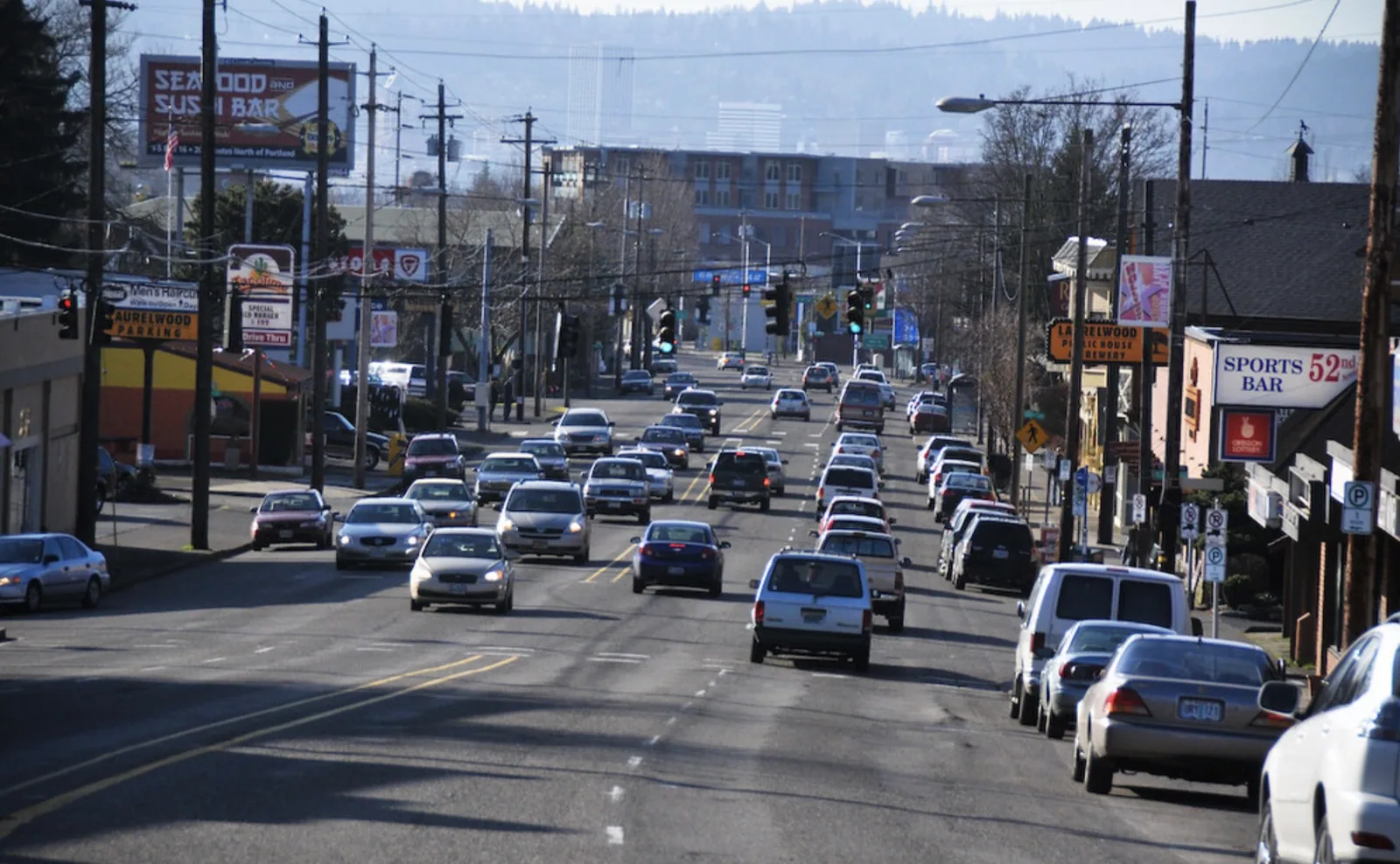
High-capacity transit, office activity, residential uses, retail, and civic services share the Central City. We confirm which entrances, service lanes, and tenant routes must stay open before staging material or equipment. The owner identifies operating hours, security controls, any required notices, and the person who can approve a temporary restriction. A district designation does not tell us how one building handles service access.
Before removal begins, we mark a crew route, protect the areas below, and identify rooftop equipment that cannot be shut down. A lift or material delivery may affect an entrance or curb lane. The property team confirms the permitted location and time. If work takes place over occupied offices or an institution, we coordinate noise, debris, and air-intake protection according to that site's requirements.
A high-rise or campus can contain multiple roof elevations, equipment areas, and access controls. We record which section was inspected and who can authorize a later visit. A single property can have several maintenance teams, so the contact list should identify operations, facilities, and project approval. The sequence stays tied to the specific building rather than to a broad Central City map.
Inspect the roof and trace interior water reports
We begin with the roof map if the owner has one and compare it with current field conditions. We inspect drains, scuppers, seams, parapets, skylights, curbs, pipes, expansion joints, and edges. Transitions receive particular attention because they interrupt the open membrane. Photos include zone labels and nearby reference details so the next person can find the same location.
A ceiling leak may appear several feet from the entry point. Water can move along a deck, insulation seam, or structural member before becoming visible inside. We record the room and timing and look at roof areas above and adjacent to it. If old patches or later equipment work complicate the path, we note those conditions. If moisture beneath the membrane could change the recommendation, we propose testing and get approval before opening the roof.
Portland International Airport averages 36.92 inches of annual precipitation, with most arriving from fall through spring. Schedule openings around the current forecast and substrate condition, then close each work zone before a wet shift ends. In a dense district, temporary protection needs a defined limit and a clear path for water while work is underway. We use the actual forecast and substrate condition to decide how much roof can be opened in a shift.
A commercial roof inspection can document accessible conditions. For an active leak, a leak investigation connects the report with roof evidence and the repair boundary.
Set a repair limit or plan a system renewal
A failed seam, puncture, or loose flashing may need a targeted repair when surrounding material remains sound. We identify the roof system and prepare a compatible tie-in. The scope marks the area, method, and limit, then lists related conditions that need separate attention.
Repeated openings, moisture across several zones, or weak attachment can make a broader assembly review useful. We inspect layers, substrate, drainage, previous coatings, and height at the perimeter before considering recover or restoration. A coating cannot correct wet insulation under the existing surface. If the roof cannot serve as a stable base, selective or complete removal may be necessary.
Repair planning addresses observed defects. A restoration assessment checks preparation and material compatibility. Replacement planning compares removal depth, insulation, disposal, and phasing around occupied space. Cost and timing depend on measured roof area, number of layers, transition count, delivery and lift access, protection below, and work-hour limits. If testing or tear-off exposes concealed conditions, we document them and bring a scope change to the owner before proceeding.
Review drainage and equipment transitions
We follow water toward drains, scuppers, overflow routes, and roof edges. We inspect strainers, bowls, membrane around outlets, and low areas. A blocked opening may need clearing; recurring ponding may require a broader evaluation. The report names the observed symptom, related roof detail, and any follow-up test before a structural cause is assigned.
Equipment curbs, exhausts, intake points, skylights, pipe supports, and parapets all interrupt a roof plane. We check flashing continuity and look for loose corners, cracks, and patches that may not match the installed system. Rooftop service work can also create foot traffic or new penetrations. The facilities team identifies recent changes so we can compare them with prior records and current conditions.
Portland's Central City includes institutional campuses and education uses as well as office and commercial properties. Those building categories can have different occupancy and equipment controls. The Columbia Corridor has a freight-oriented industrial purpose, so its site contact may emphasize different access requirements. We confirm the actual roof and operation rather than assuming one district's use applies to another.
Make roof findings clear to the next team
The closeout should identify the visit date, roof elevations or zones reached, visible defects, system details where known, photos, repair scope, and unresolved items. Mark any inaccessible area. If a test opening showed additional layers or wet material, record its location, closure, and the owner's decision. Separate approved design documents from field observations.
Building operations can move between facilities, property management, and institutional staff. Our roof condition report can organize photos and follow-up by zone. The owner should identify one record keeper and a contact who can arrange access next time. A maintenance visit can review drains, seams, flashing, and service paths on a planned schedule.
Update the file after a new curb is installed, equipment moves, or a tenant changes access rules. A later leak call can then be compared with the documented repair and current roof map. For a regional portfolio that also has a building in the Central Eastside, consistent file fields support review while the two buildings retain separate system and operating histories.
Portland Central City FAQs
-
Can roof work be coordinated with offices or institutional campuses?
We coordinate access, noise, protection below, and work hours with the property contact. A campus or office building may require several contacts and a phased route.
-
How do transit and public access affect a roof project?
We confirm entrances, permitted staging, pedestrian routes, and any temporary controls with the owner. District transit service does not authorize a particular delivery or lane closure.
-
What does an inspection tell me about a leak?
It can document likely roof paths, visible defects, prior patches, drainage, and areas requiring more testing. Water may travel before appearing indoors, so findings are tied to roof zones.
-
Can one repair stop multiple roof leaks?
Only if the evidence points to a shared defect. We inspect reported areas separately and compare their paths before defining the repair scope.
-
What details are included in a roof report?
The report can list accessible zones, photographs, findings, work limits, system information where known, and testing needs. Inaccessible areas are marked separately.
Related Roofing Work
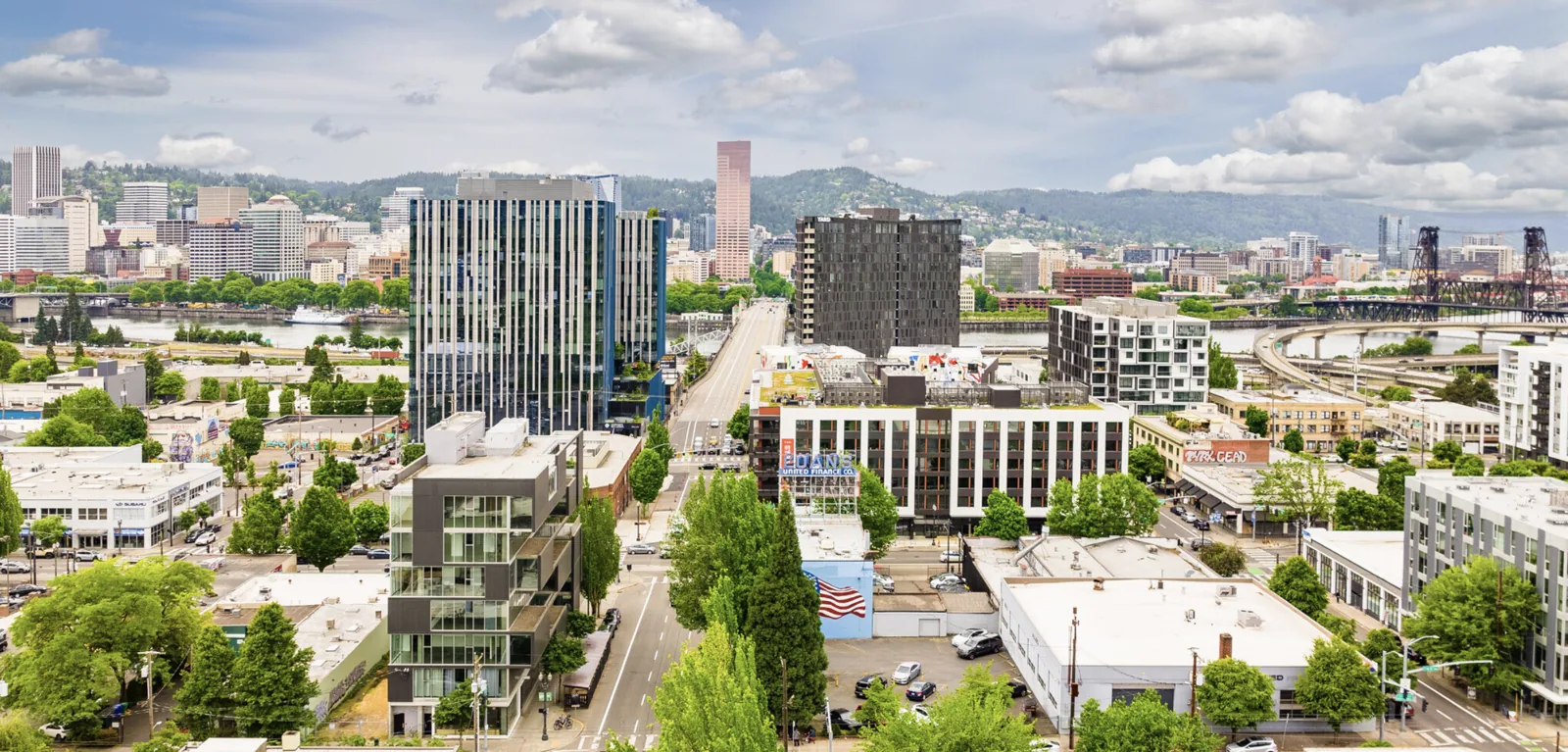
Portland Central Eastside
Learn More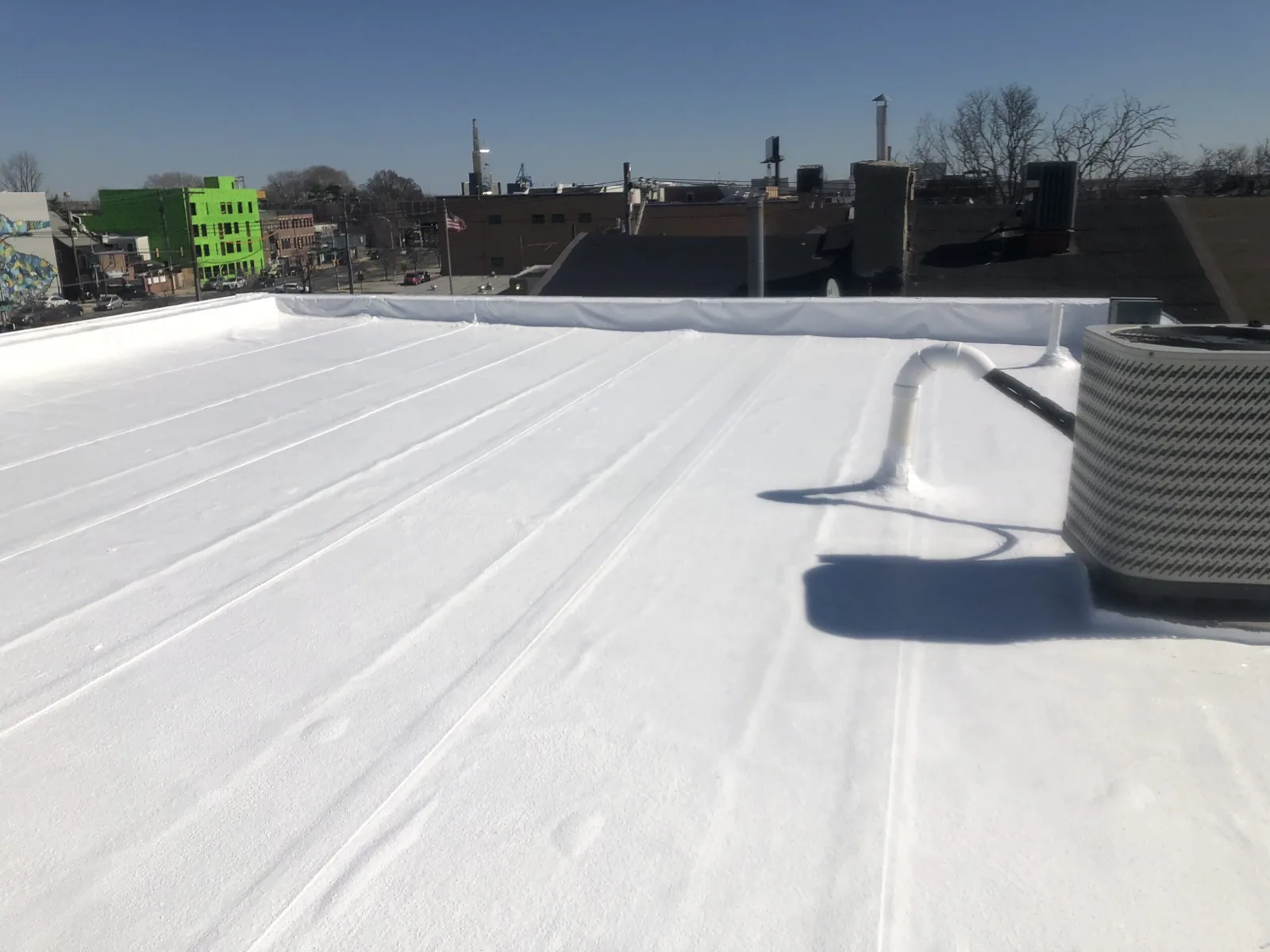
Commercial Roof Inspection
Learn More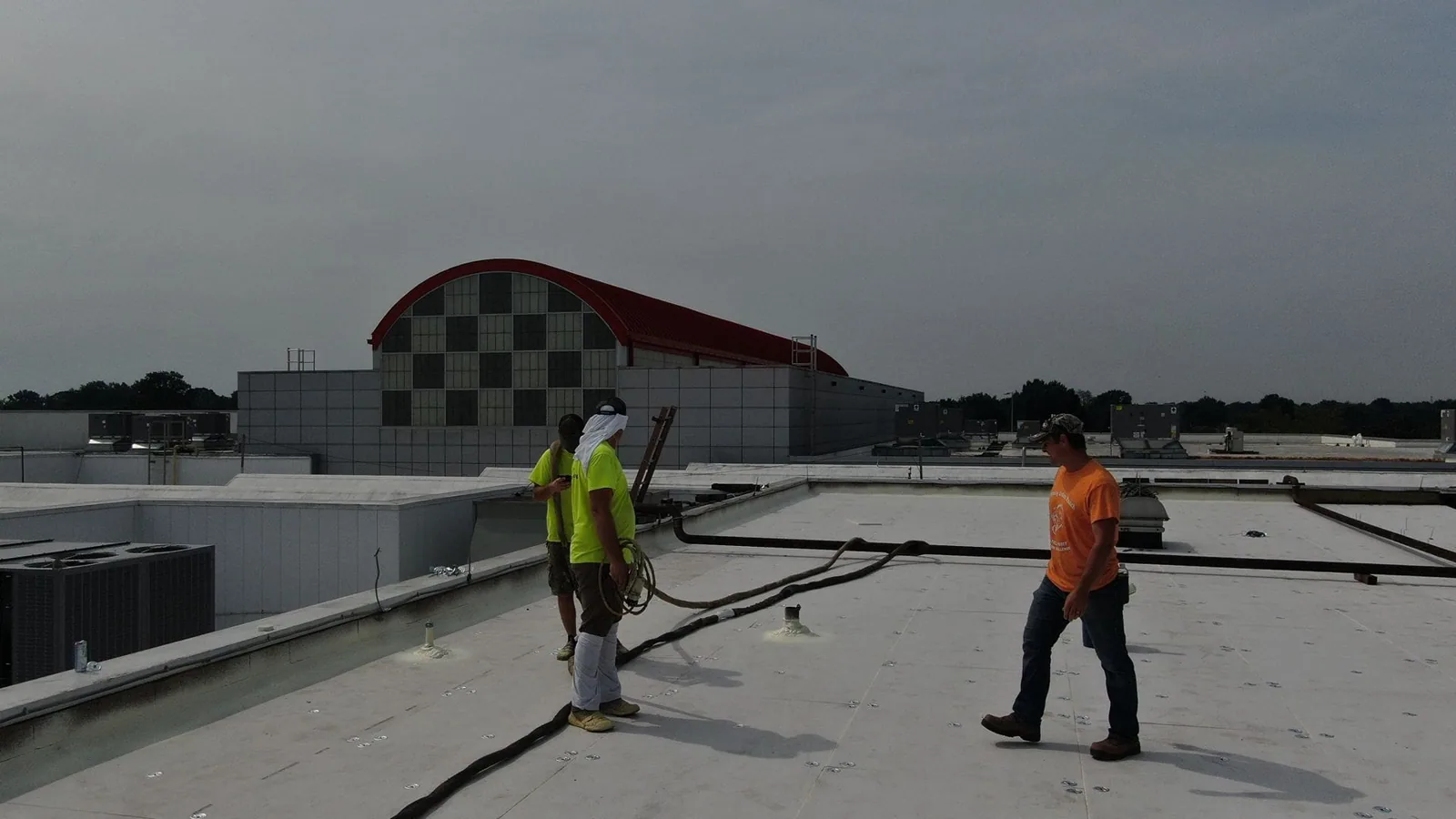
Commercial Roof Leak Repair
Learn More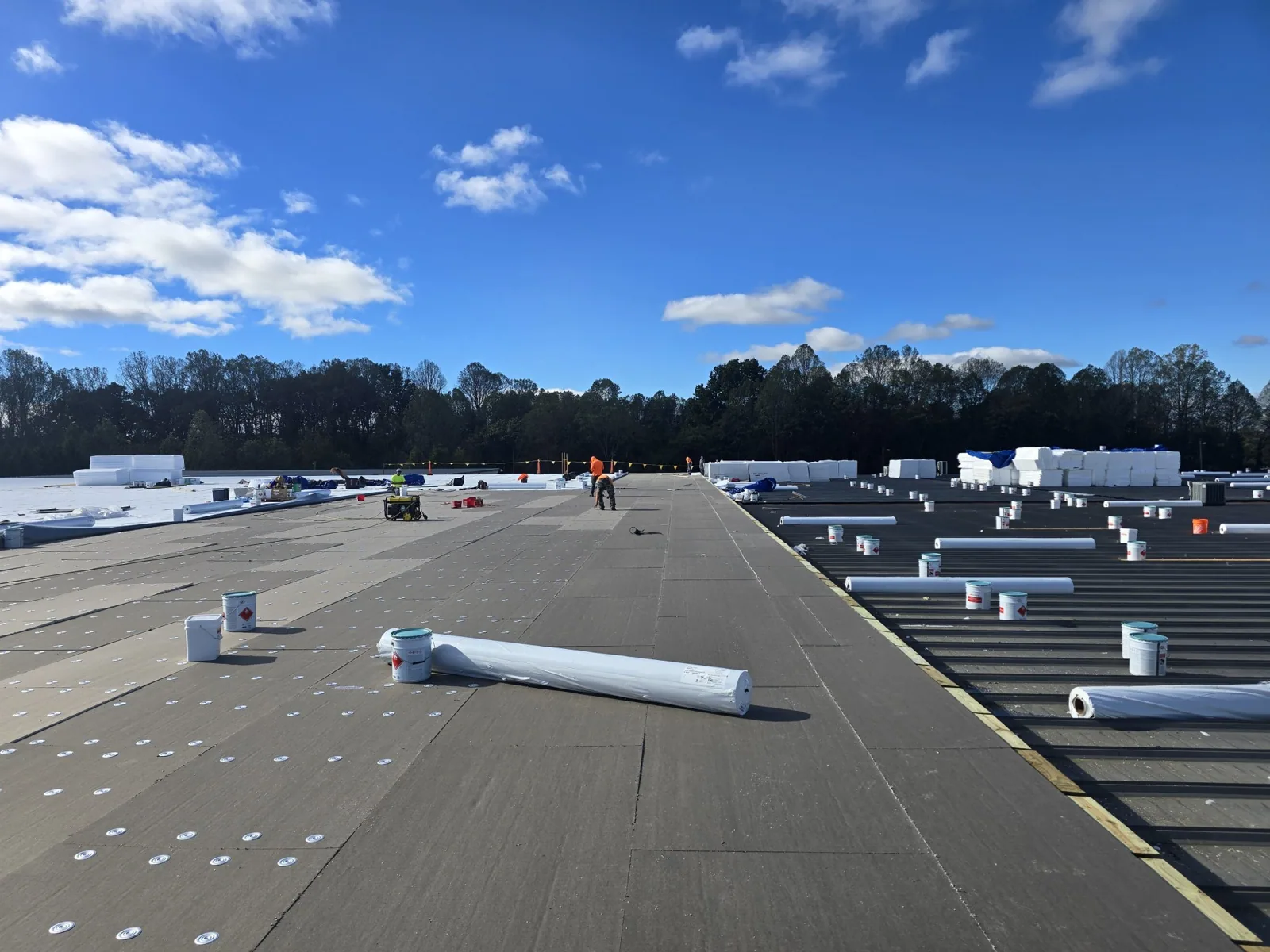
Commercial Roof Repair
Learn More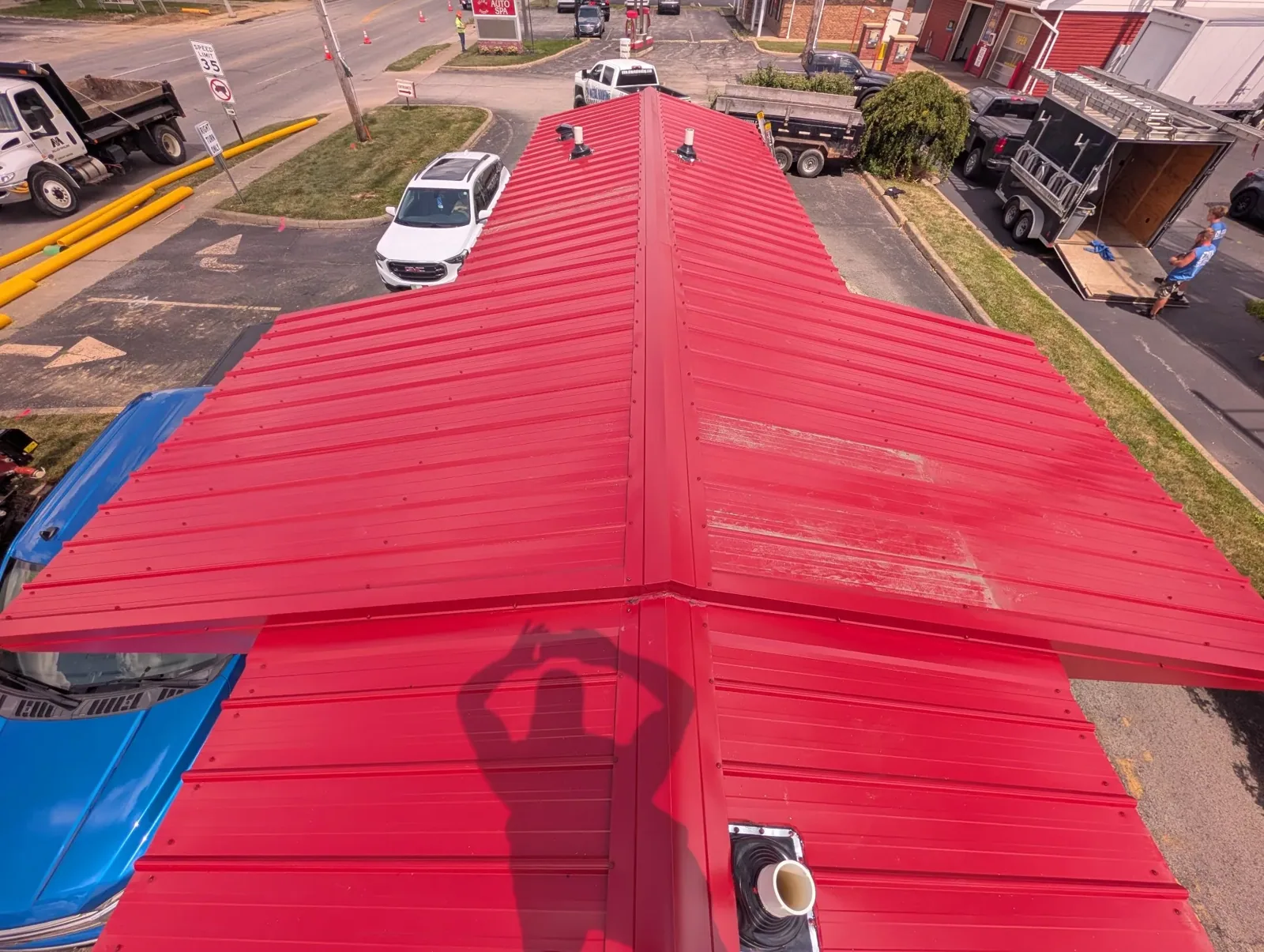
Commercial Roof Coating
Learn More
Commercial Roof Replacement
Learn MoreSchedule a Central City roof walk
Request a roof assessment in Gresham
We will coordinate access, inspect roof details and drainage, and provide a documented scope for repair or replacement. Tell us about the building, the roof and what you are seeing. Call 555-555-5555, email [email protected] or send the details through our contact page and we will set up a time to walk the roof.