Commercial Roofing in Glisan and Stark High-Tech Employment Corridor, Gresham, OR
Schedule a roof survey along Glisan and Stark
- Home
- Service Areas
- Glisan and Stark High-Tech Employment Corridor
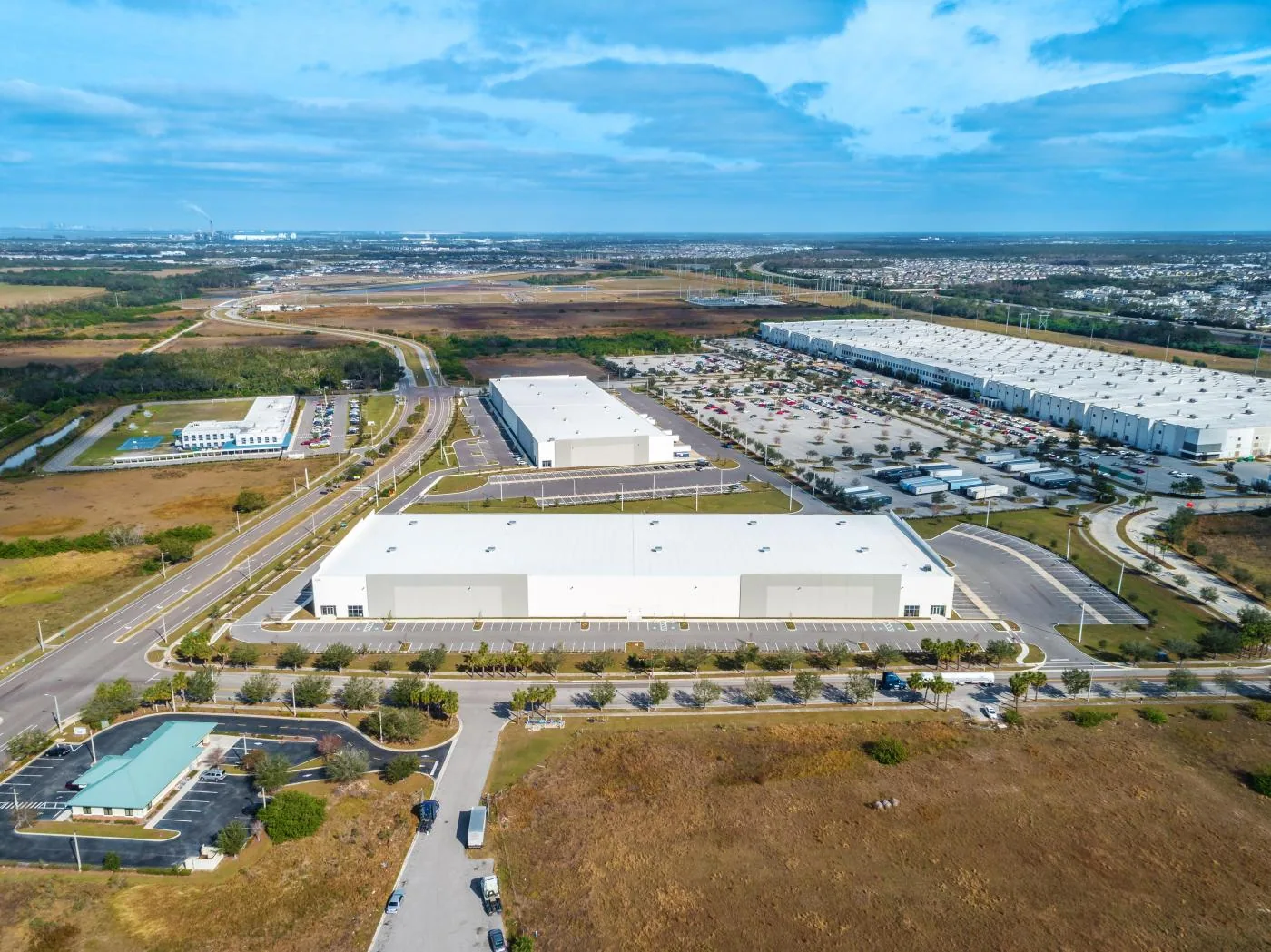
Gresham's industrial inventory identifies the Glisan Street, Stark Street, and 223rd Avenue area with high-tech firms, including LSI and Microchip Technology. The city also identifies these routes as the main access paths for the employment area. Commercial roof work around this corridor starts with the specific building and its operations. We inspect the membrane, drains, flashing, curbs, and edges, then ask the facility contact about access controls and equipment that cannot be interrupted. The corridor's industry mix informs useful planning questions; it does not tell us what sits on a particular roof. For a property in the NE Wilkes industrial cluster, use the same level of inspection while keeping the roof and access record separate.
Set access around equipment and process needs
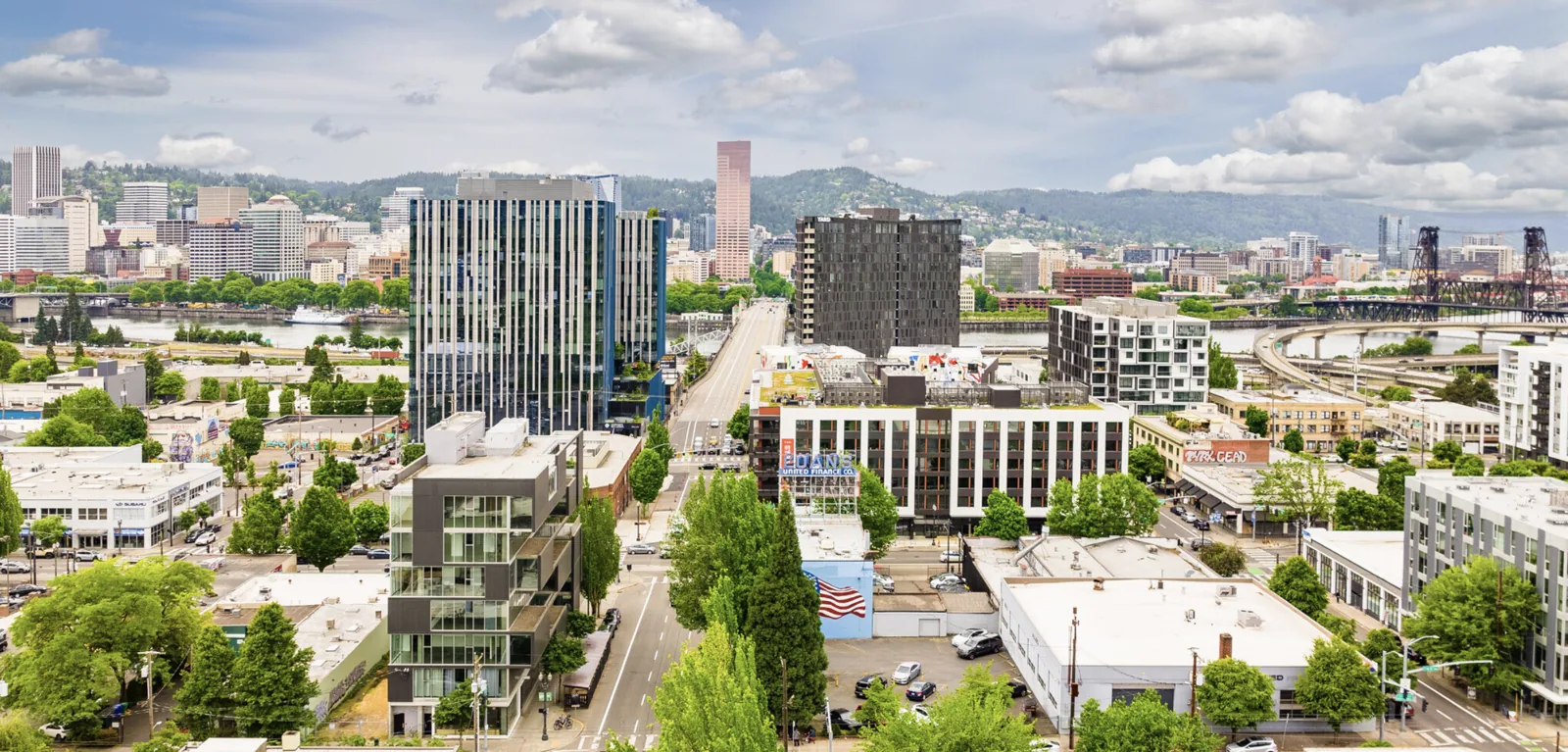
High-tech operations can have sensitive equipment, controlled areas, and operating windows that affect roof access. We ask the facility contact where crews can enter, which systems must stay online, and whether roof work could affect intakes or exhausts. We do not infer a building's operation from its location near named firms. The owner or site manager identifies the current hazards and approves any interruption.
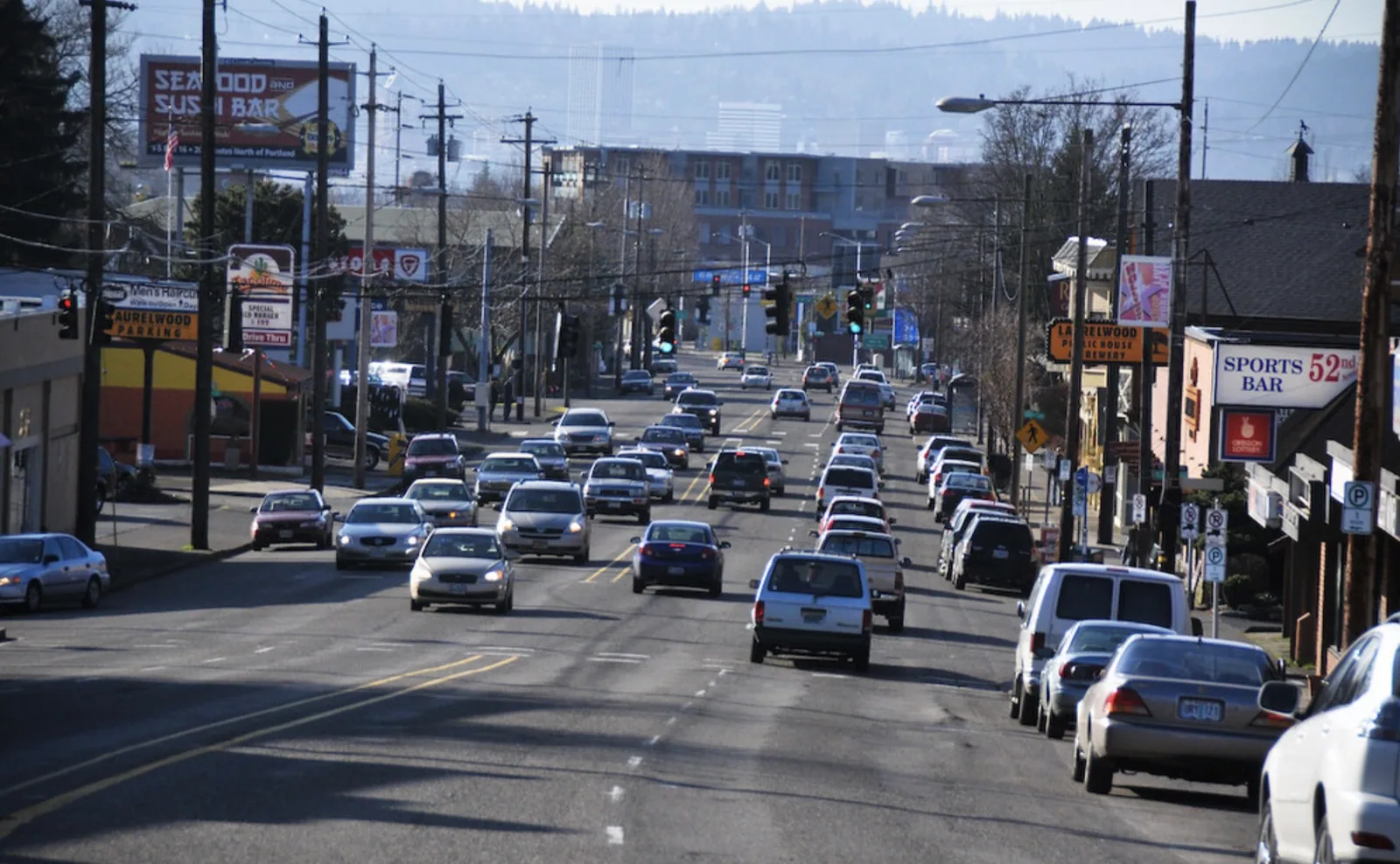
The city plan lists NE Glisan Street, SE Stark Street, and 223rd Avenue as access routes. Those roads help orient the corridor, but property-level staging requires its own approval. We confirm delivery time, lift location, pedestrian and vehicle separation, and whether other contractors are working above or below. A clear handoff names who receives the site at the end of each shift.
If a roof must stay open for service, we define the equipment route and protect the membrane around it. If removal exposes insulation or deck, we use a planned limit and close each work area before leaving. A portfolio that includes the I-84 and 181st industrial cluster can benefit from comparable report fields, but the facility contact and access protocol still need to be confirmed at each property.
Inspect seams and transitions that carry water
We map the accessible roof and identify drains, scuppers, curbs, skylights, parapets, expansion joints, pipe supports, and perimeter edges. A failure at one of these details can admit water even if the open membrane field looks stable. We photograph each condition with roof-zone context and note whether it is active, previously patched, or requires further testing.
When staff report a ceiling leak, we compare the location and timing with roof details above and nearby. Water can travel along a deck joint, insulation seam, or framing before it shows inside. If a test opening would identify concealed moisture or attachment, we explain what it should establish and how the area will be closed. The owner approves the test and the location before the roof is opened.
Portland International Airport averages 14.6 days per year at 90 degrees Fahrenheit or above and 1.2 days at 100 degrees or above. The regional readings do not diagnose heat damage at a corridor building. They inform seasonal planning for exposed materials and crew hours. We inspect actual seams, flashings, and membrane condition before recommending a repair.
A commercial roof inspection can record the current accessible condition. For water entry, a leak investigation tracks the likely path and defines the repair boundary.
Match the repair to the membrane in place
A split seam, puncture, loose flashing, or edge failure can be addressed locally when surrounding material remains sound. We confirm the membrane at the affected zone, prepare its surface, and form a compatible tie-in. The work order records which process area the repair serves and where the correction ends, then preserves other observations for a separate decision.
Repeated openings may point to a larger problem with attachment, moisture, movement, or drainage. We check the existing assembly before considering a coating or recover. A new layer needs a stable, dry, compatible base; added height can affect equipment curbs, parapets, and drainage. If the roof cannot support another layer, replacement planning may include selective removal, new insulation, and a staged work window.
Roof repair can correct observed defects. A restoration review checks surface preparation and compatibility. Replacement planning compares removal, insulation, and phasing around operating limits. Cost and timing reflect measured area, layer count, detail density, access, staging, protection below, and any shutdown. If removal reveals concealed conditions, we document them before presenting a scope change.
Review drainage and building interfaces
We trace the designed route for water toward drains, scuppers, and overflow paths. We check outlet bowls, strainers, low areas, and nearby seams for debris, ponding, or separation. A visible pool may have more than one cause. The inspection records the location and extent; design or structural review is a separate step if the findings call for it.
At a curb or wall transition, we look for membrane continuity, flashing attachment, and signs of movement. Equipment service can bring recurring foot traffic across a path. If the facility has a regular maintenance route, we can note where protection or access instructions may reduce damage. Any equipment move or new penetration is added to the roof record when the building contact confirms it. When seasonal maintenance is planned, we check whether rooftop service routes cross newly repaired areas and note any temporary protection needed for other trades. A site contact can identify restricted rooms and intake locations before the next visit, which helps keep a repair crew from entering a controlled process area without approval.
Glisan and Stark's planned water and sewer capacity relates to the employment area, not to runoff from an individual rooftop. Roof drainage remains a separate inspection. The Northerly Industrial Area also has industrial uses; inspect its outlets, membrane, and access separately before comparing maintenance needs.
Record the roof condition for future work
A closeout file can show the date, zones inspected, visible findings, system where confirmed, repair method, photos, and any limitation. If a section was inaccessible or needs a test, identify it clearly. Tie product specifications to the selected system, and label field observations by roof zone so facility staff can compare the design details with site conditions.
High-tech property teams may include facility, safety, process, and asset contacts. One person should receive the roof map and retain the service record. Our condition report can arrange findings and follow-up by zone. A planned maintenance visit can check drains, seams, flashing, edges, and equipment pathways before another wet season.
Update the record when a unit moves, another trade adds a penetration, or process access changes. At the next service call, the crew can compare the present roof with the last documented repair. That is more useful than assuming a district-wide building type or an old map still matches the property.
Glisan and Stark High-Tech Employment Corridor FAQs
-
Does a high-tech corridor location mean the roof has special equipment?
Not necessarily. The city inventory describes firms in the area, but we confirm the equipment and operating needs at the specific property before planning access.
-
Can roof work be scheduled around sensitive operations?
We coordinate work windows, shutdown approvals, and protection around intakes or exhausts with the facility contact. The exact controls depend on the building and process.
-
How do you inspect for water entry?
We compare the interior report with drains, seams, curbs, transitions, and nearby roof zones. The report separates confirmed defects from conditions that require testing.
-
Can a small seam failure require more than a patch?
Yes. Repeated failure or moisture below the membrane can change the scope. We inspect surrounding material and attachment before deciding whether repair, recover, or replacement merits comparison.
-
What should the roof record include?
Include the map, zone photos, findings, repair details, access limits, and items needing follow-up. We identify areas that were not inspected so future teams know what remains unknown.
Related Roofing Work
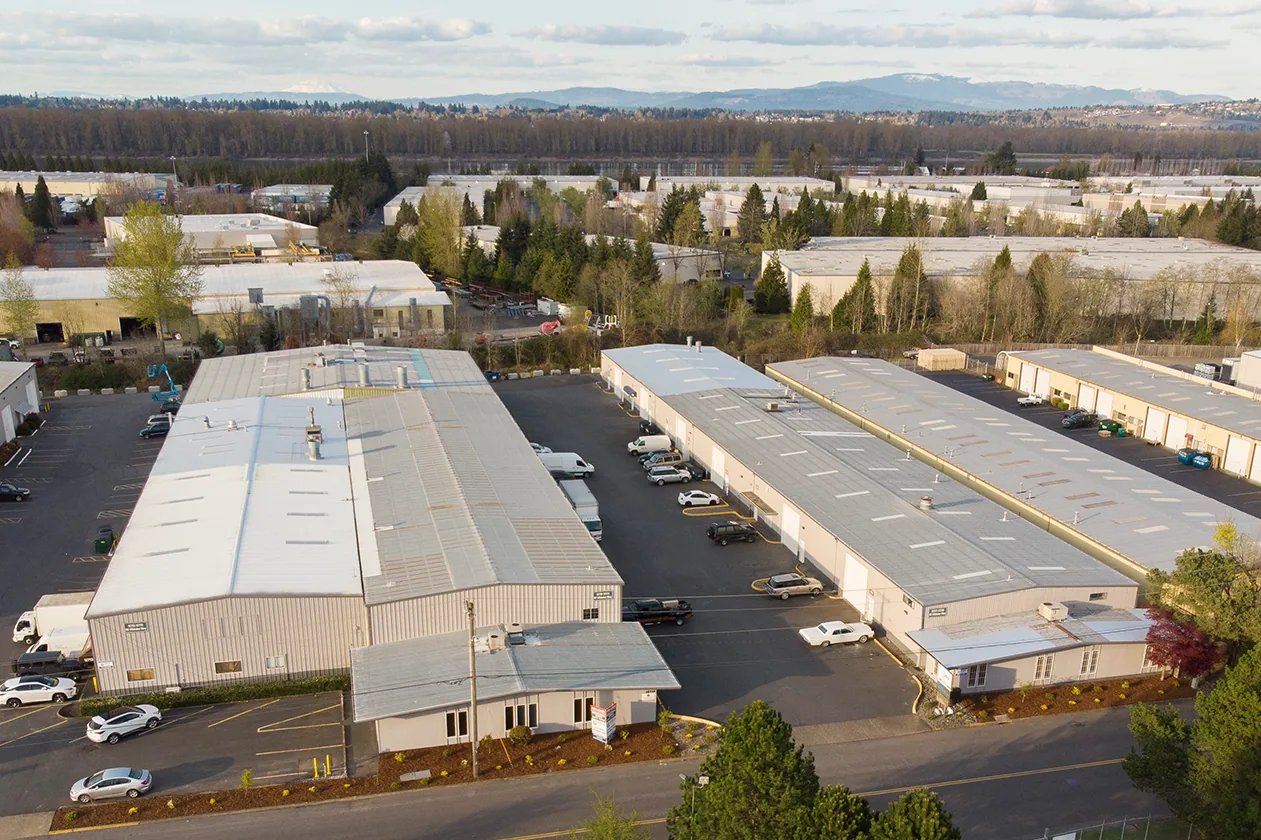
NE Wilkes Road Industrial Cluster
Learn More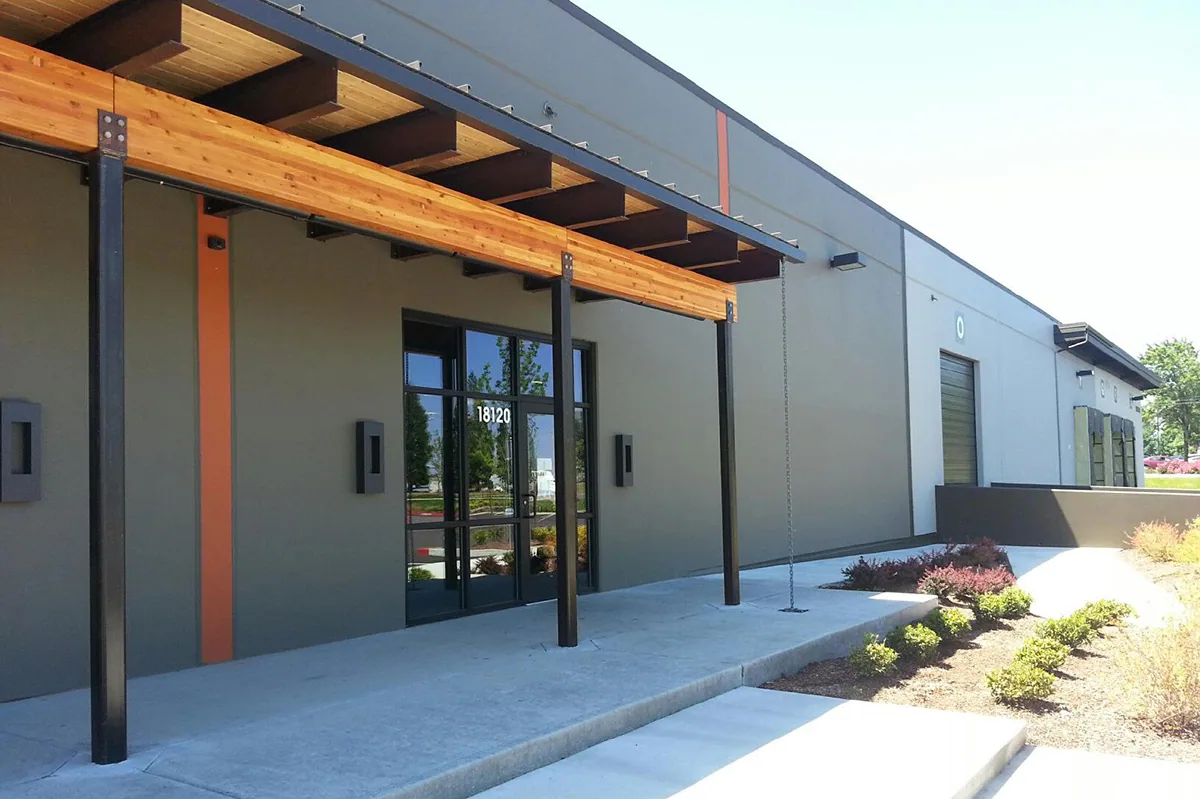
I-84 and NE 181st Industrial Cluster
Learn More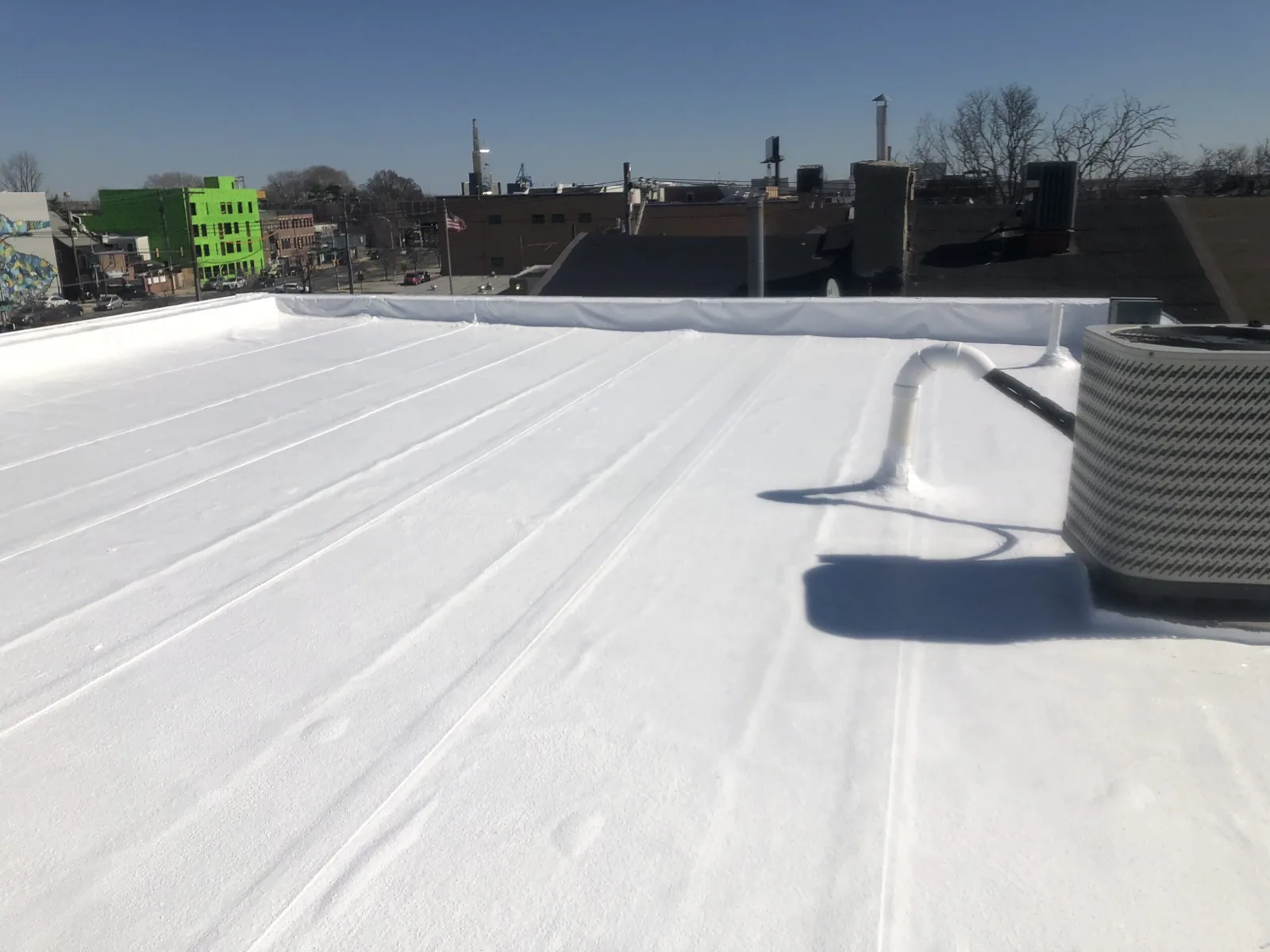
Commercial Roof Inspection
Learn More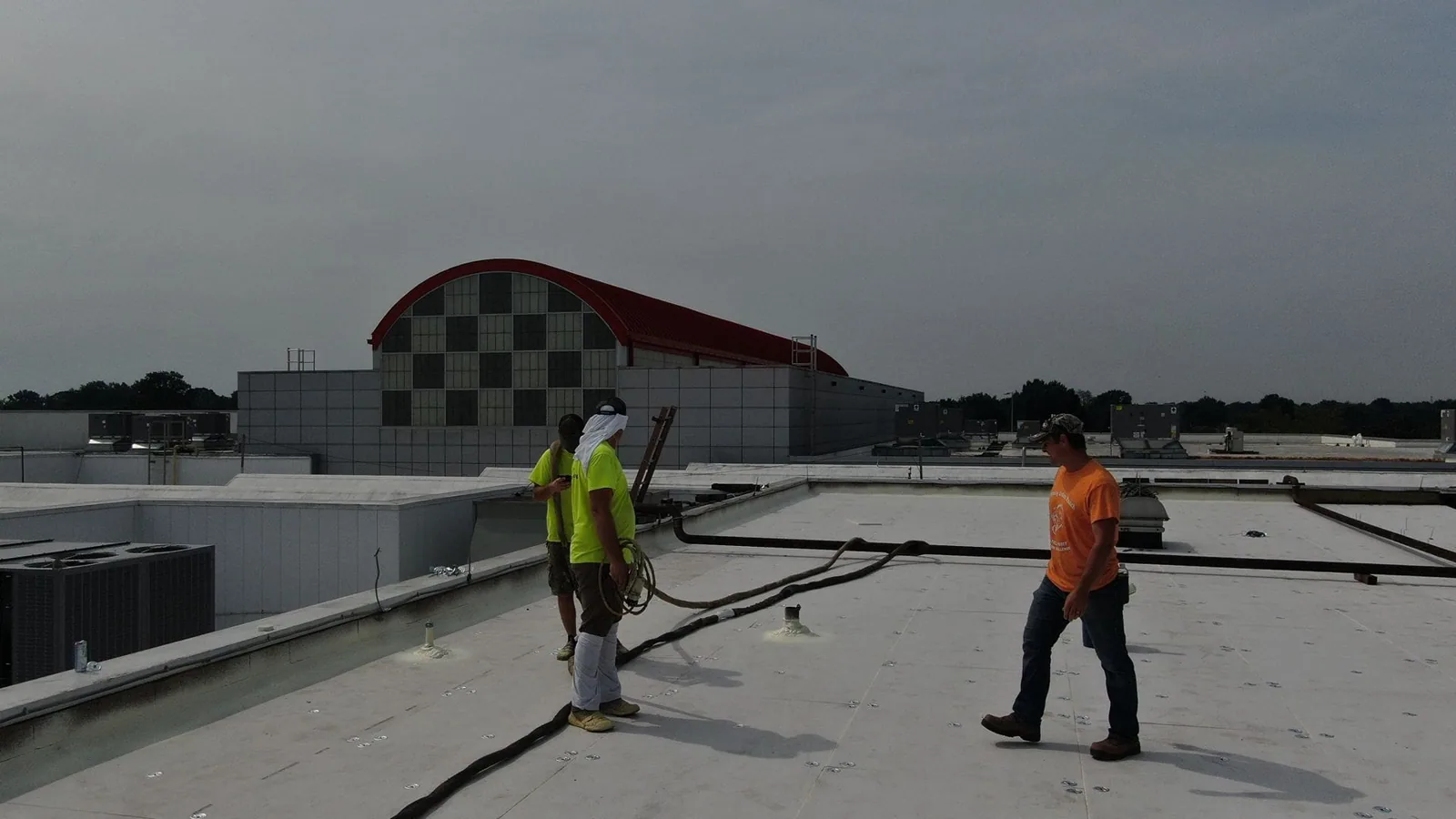
Commercial Roof Leak Repair
Learn More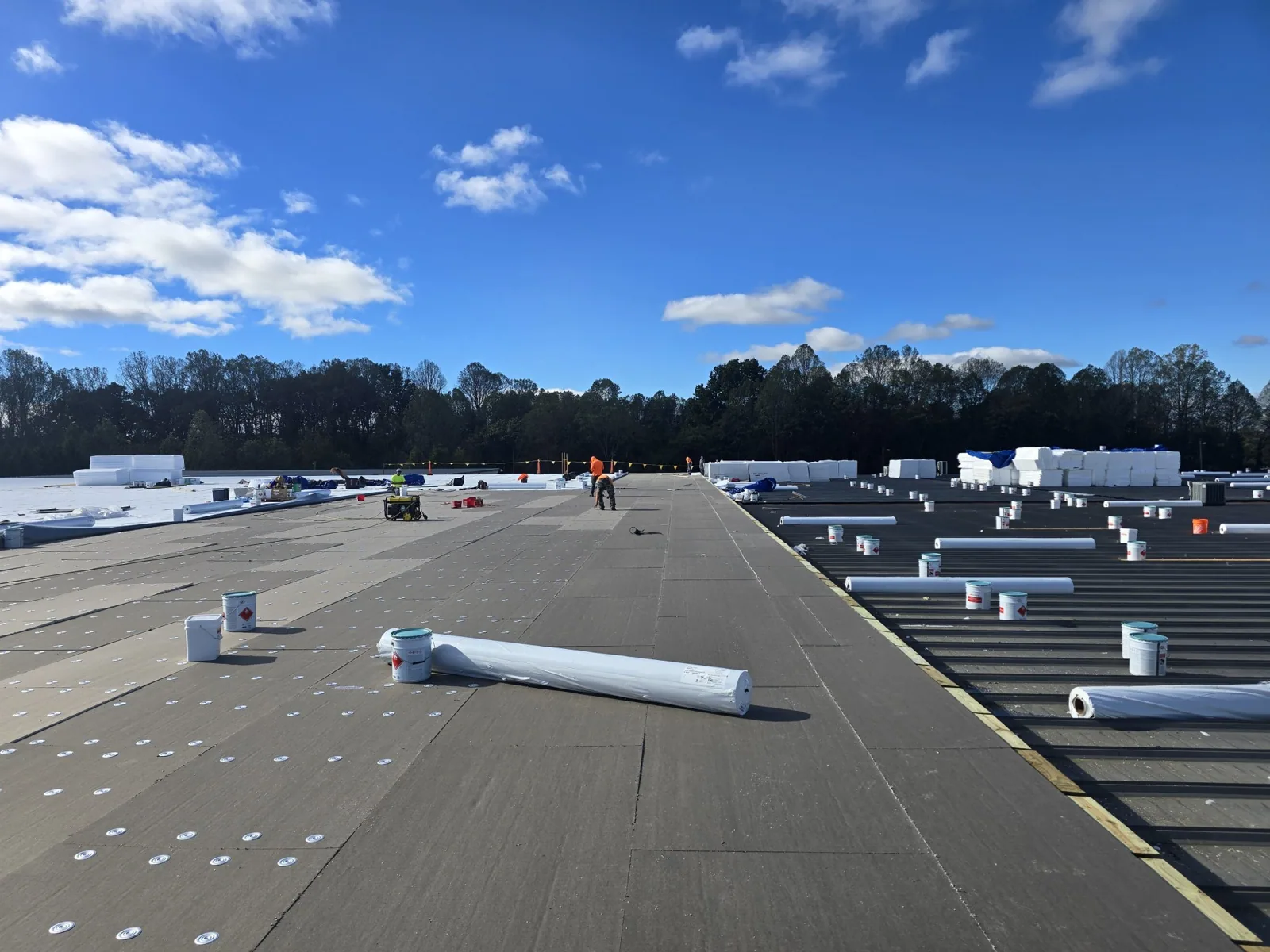
Commercial Roof Repair
Learn More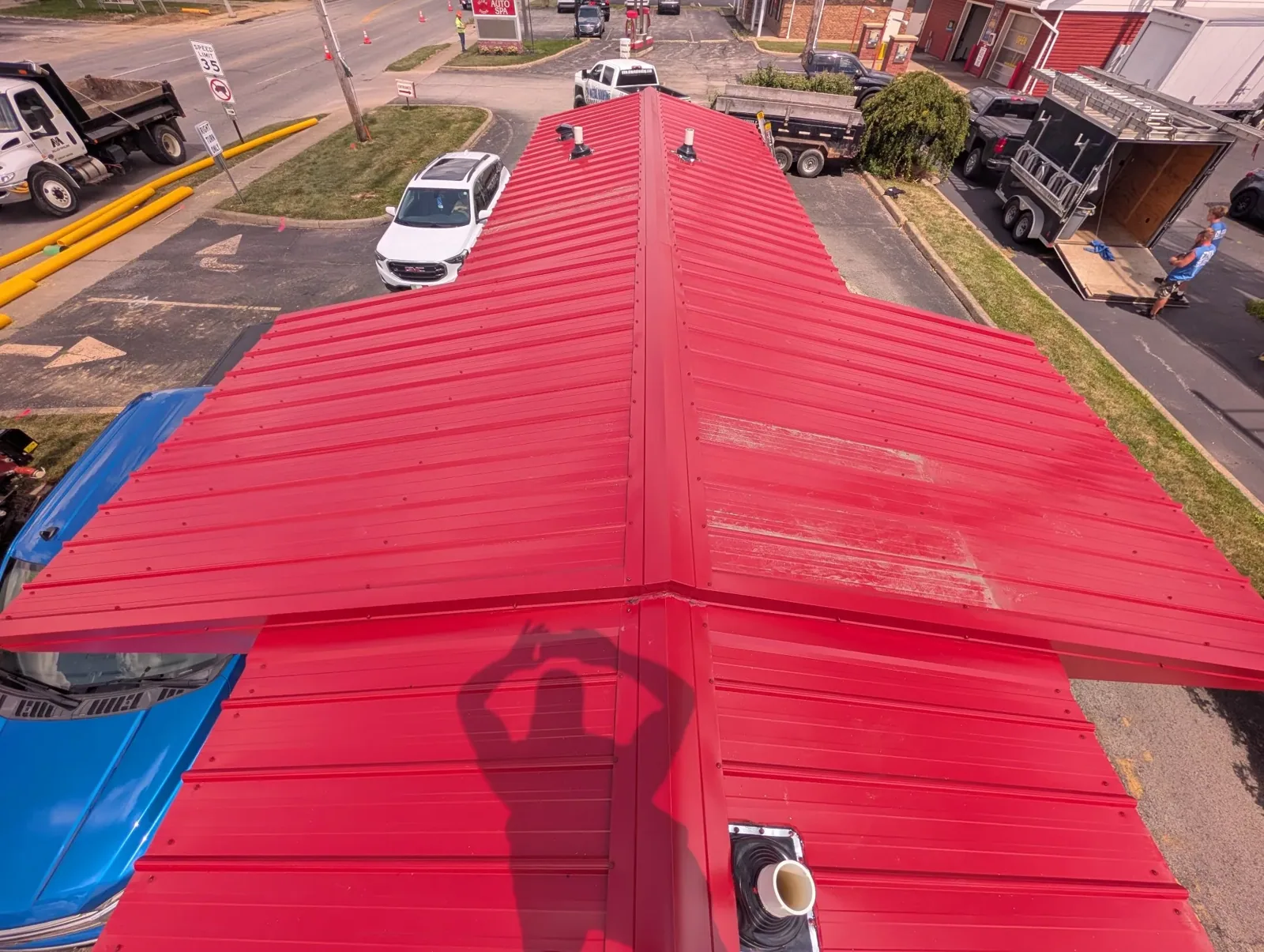
Commercial Roof Coating
Learn MoreSchedule a roof survey along Glisan and Stark
Request a roof assessment in Gresham
We will confirm access and operating limits, inspect the roof assembly, and document repair or replacement options for the property. Tell us about the building, the roof and what you are seeing. Call 555-555-5555, email [email protected] or send the details through our contact page and we will set up a time to walk the roof.