
Silicone Roof Coatings in Gresham, OR
Check silicone coating suitability
- Home
- Roof Systems
- Silicone Roof Coatings
Water can stand near a drain for hours after the rest of a roof has dried. A silicone coating may be considered for some low-slope roofs because the cured surface can tolerate recurring ponding better than some coating types, but the existing roof still needs to be dry, stable, and properly prepared. We inspect the membrane or foam, map low areas, test adhesion when required, and repair failed details before recommending a system. Gresham’s wet season is concentrated from fall through spring, so drainage and seam condition deserve attention before coating. The roof inspection establishes whether the existing assembly can accept the selected product. A roof inspection documents the assembly before we compare silicone with another coating, recover, or replacement.
What does a silicone coating assessment cover?
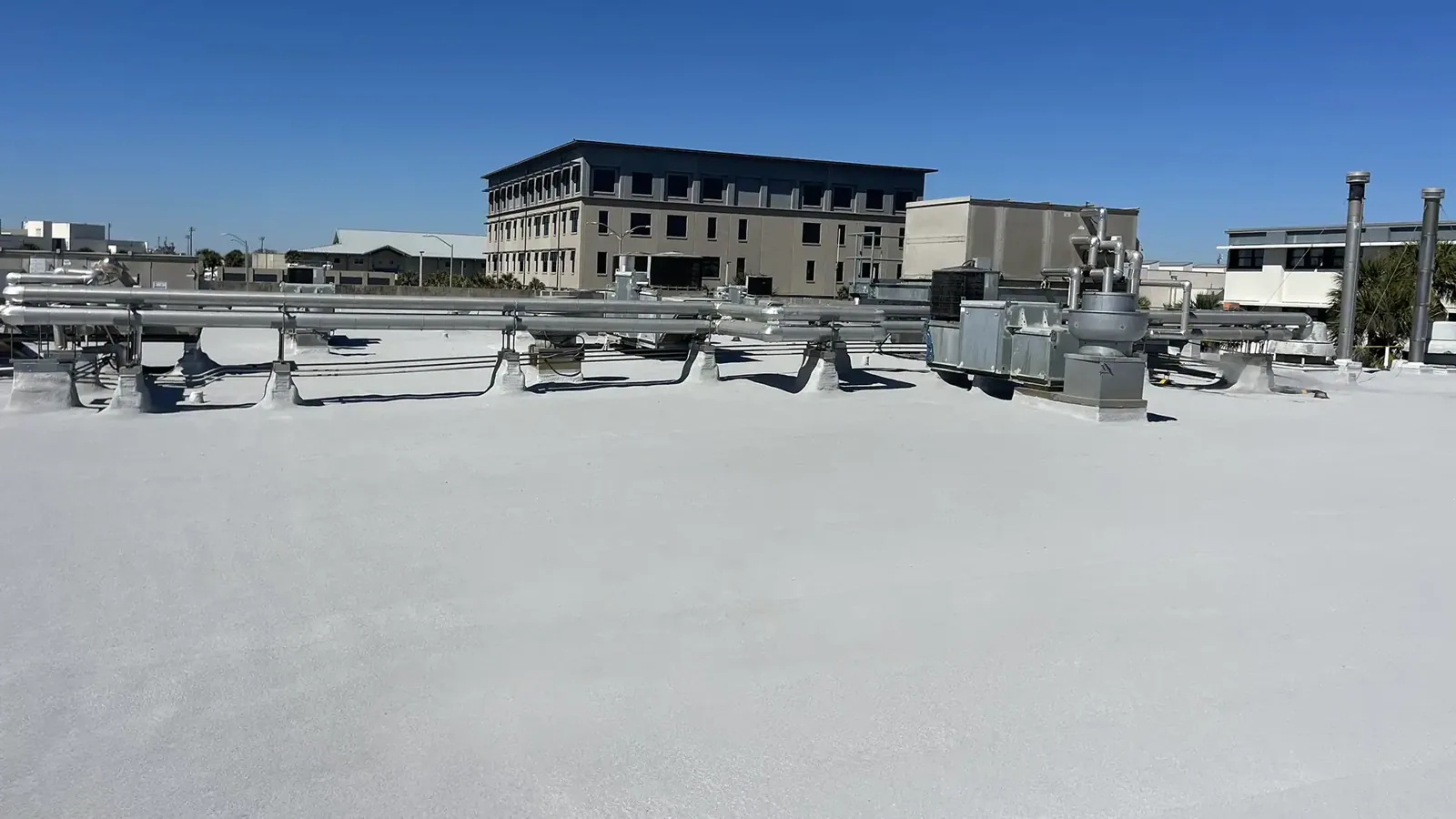
We identify the existing roof material, previous coatings, repairs, and areas of poor adhesion. Dirt, oil, loose granules, chalking, incompatible sealant, or wet substrate can interfere with the new system. The product manufacturer defines surface preparation and primer requirements. We clean and test the receiving surface where required, then record whether it is ready for coating or needs further repair.
We check membrane seams, foam repairs, wall flashings, curbs, drains, and parapets. Each transition may need reinforcement or separate flashing before field coating. If the roof includes multiple material types, we verify compatibility at each change. A coating should not bridge a moving joint or hide an open seam. The scope names the detail repair before specifying the coating layers.
Drain bowls, scuppers, overflow outlets, and low points receive a separate review. Silicone can tolerate water exposure within product limits, but ponding still adds weight and keeps debris at the roof surface. It does not correct a failed drain or change the roof slope. A drainage assessment can identify whether cleaning, flashing work, or designed slope correction belongs in the project.
When can coating peel or fail?
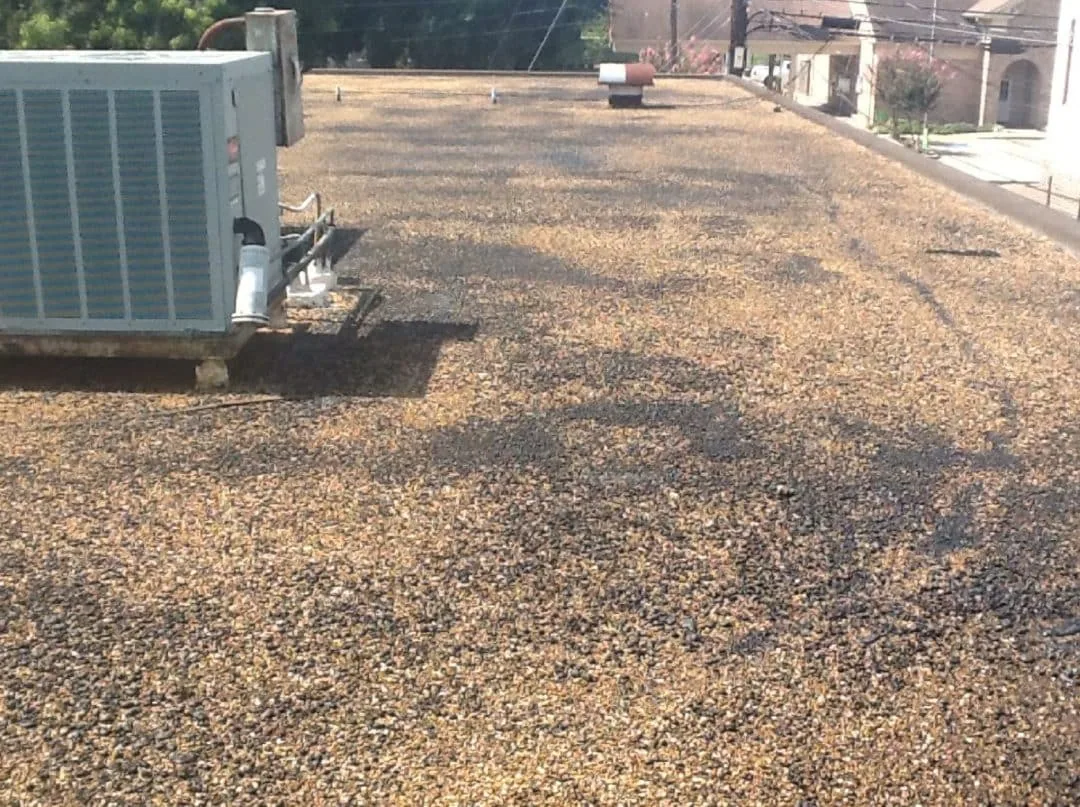
Adhesion loss can start where a surface was not clean or dry, where primer was missed, or where an incompatible layer remains. We inspect the edge of any peeling area to determine whether failure is in the coating, existing membrane, or substrate. If foam or insulation is wet, adding silicone over it can conceal rather than repair the condition. The scope uses targeted openings or survey findings to establish which materials need removal.
Thin spots and pinholes can leave a path for water. The application plan specifies material usage and required coverage, while field checks confirm the finished coat at details and transitions. Wind-driven spray, low temperatures, and high humidity can affect application and cure. We follow the product requirements and reschedule when the surface or weather is unsuitable. The facility receives a clear closeout status for each roof zone.
Silicone surfaces can collect dirt or retain debris in low areas. Mechanical traffic may cut the coating or damage a flashing below it. Walk paths, service routes, and equipment access should be planned before application. A curb and equipment review can identify supports that need repair before the new finish is installed. Coating over a puncture does not replace damaged foam or membrane.
How does silicone compare with acrylic coating?
Silicone and acrylic coatings have different product properties, water exposure limits, and application conditions. Silicone is often considered where standing water cannot be fully eliminated, while acrylic systems typically depend on drainage and dry-time requirements. The specific product data controls. We inspect slope, drain condition, existing surface, traffic, and local exposure before choosing one system.
An acrylic roof coating may fit a roof with suitable slope and application conditions. Silicone may be an option where the substrate and water exposure meet the product requirements. Neither one repairs wet insulation, unstable seams, or a damaged deck by itself. If the existing assembly is beyond coating restoration, a recover assessment or replacement scope can address the underlying layers.
Spray foam roofs often receive a protective coating as part of the system. If foam is present, we check exposed cells, prior repairs, coating depth, and drainage. A spray foam roof review can verify whether foam repair is needed before silicone application. The coating system is chosen only after the existing roof and product compatibility have been confirmed.
How does Gresham weather affect application timing?
Gresham’s wet season is concentrated from fall through spring. A roof coating needs a dry surface and suitable conditions for application and cure. We check the actual roof and forecast before scheduling each zone, then follow the product instructions.
Summer heat can change surface temperature and working time. A dark substrate can be hotter than the air, so the crew verifies conditions and uses the specified application window. In cooler months, overnight freezing can affect water-based or moisture-sensitive materials. We coordinate an alternate zone or reschedule if product limits are not met.
Gresham's commercial centers include Downtown, Civic Neighborhood, and Rockwood. The area's building uses and access conditions vary by district. At Rockwood, the facility contact confirms roof access and operating restrictions for the individual property. Coating work must still be coordinated with equipment and occupied hours.
What happens before and during application?
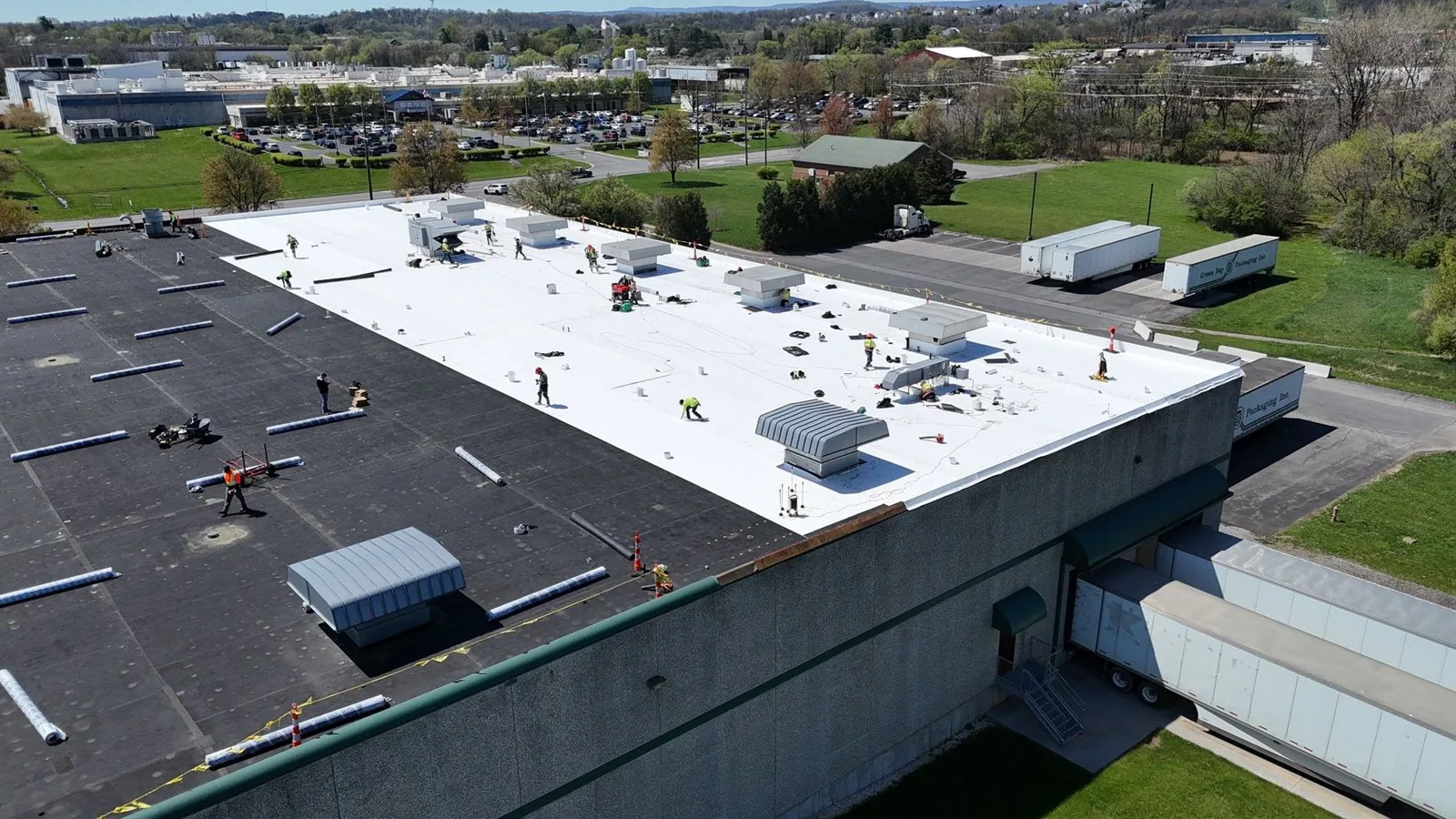
We survey the roof, confirm the existing material, mark moisture and repair areas, and identify drains, penetrations, equipment routes, and edges. Preparation may include pressure washing or another compatible cleaning method, removing loose coating, repairing membrane or foam, and priming. Test patches verify adhesion when the system requires them. The proposal states what preparation and repairs are included before coating begins.
Crews apply the specified product in the approved number of coats and required coverage. Reinforcement is installed at transitions as specified. We control overspray, protect intakes and adjacent areas, and keep the work zone clear until the coating is ready for foot traffic. Application pauses when temperature, humidity, wind, or rain risk falls outside product requirements.
At closeout, we inspect coverage, flashings, seams, drains, and transitions. The record lists areas repaired, material applied, and any low spots that remain. A maintenance visit can review the coating, footpaths, and drainage after the next wet season. The owner should retain product documentation and any upkeep instructions with the roof file.
What should the coating proposal include?
Review the existing substrate, moisture testing, adhesion results, preparation method, primer, coating product, coverage, detail reinforcement, and repair locations. Confirm whether the scope corrects drains or leaves low areas unchanged. It should address access, overspray protection, cure time, weather limits, and how concealed defects are approved. A product warranty or stated service period should match the actual project documents and manufacturer terms.
Gresham's Springwater Employment Area prioritizes manufacturing and technology use, while the east-county freight corridor serves active industrial properties. We coordinate coating work around operations, deliveries, and roof access. The inspection and closeout details stay with the maintenance record. We can evaluate the surface with your facility contact and identify whether silicone fits the roof conditions.
Silicone Roof Coatings FAQs
-
Is silicone coating suitable for a roof that ponds water?
It may be considered if the roof assembly is sound and the selected product permits that exposure. We still inspect drains, low areas, moisture, and flashing. Silicone does not correct the slope or remove a drain blockage.
-
Can silicone coat over an existing acrylic roof coating?
Compatibility depends on the exact products, condition, and preparation. We identify the existing coating and perform adhesion testing when needed. The scope may require primer, removal, or another restoration approach before silicone is applied.
-
How do you keep coating away from HVAC intakes?
We map intakes and sensitive equipment, then protect them and control spray direction. The facility identifies units that must be shut down or isolated. We set a work zone and follow product application requirements before beginning.
-
Does recoating solve leaks through the existing membrane?
Only after the leak path and damaged details are repaired and the substrate is suitable. We inspect seams, penetrations, and moisture, then scope repairs before coating. A new surface layer cannot dry insulation below it.
Related Roofing Work
Commercial Roof Inspection
Learn More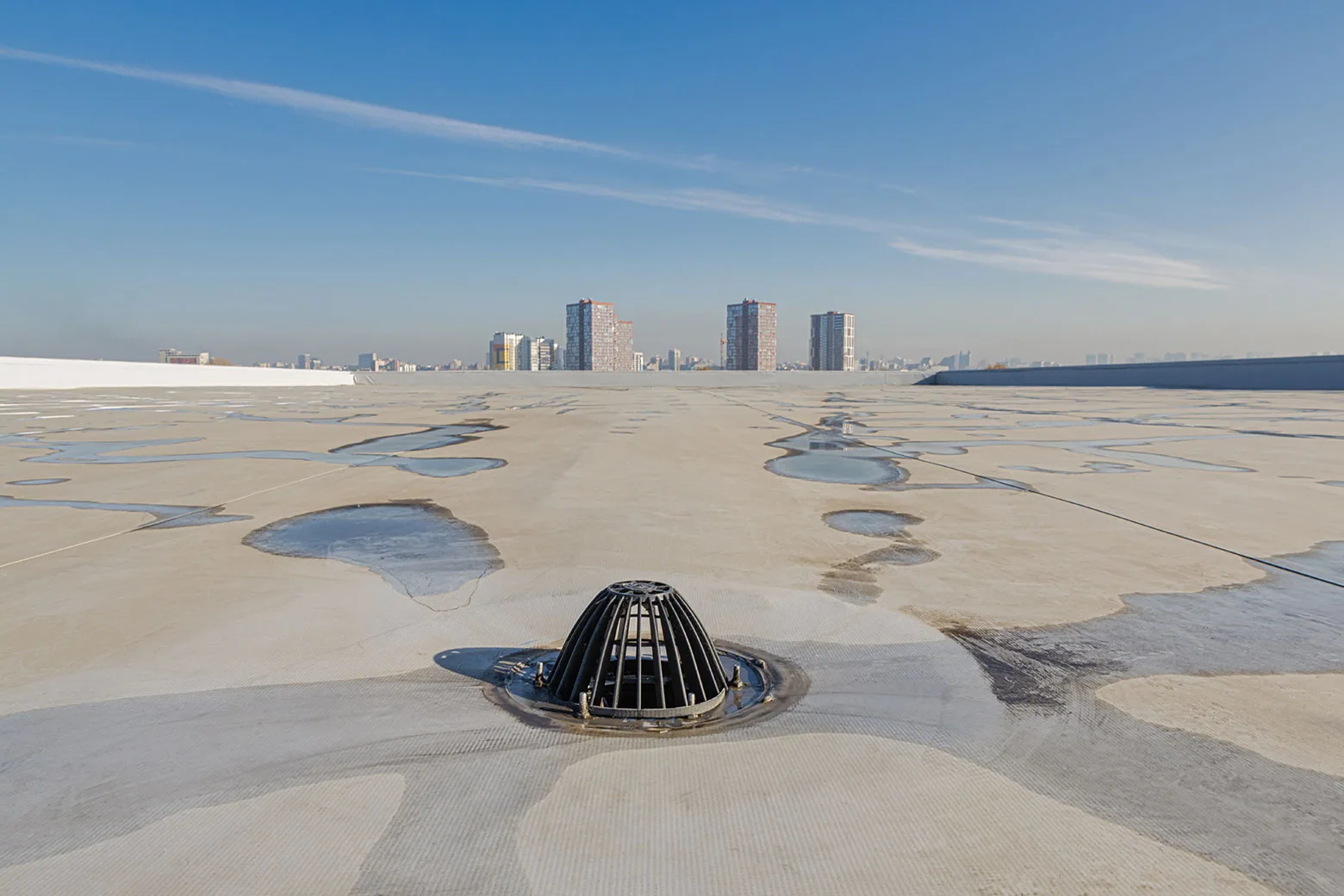
Commercial Roof Drains and Scuppers
Learn More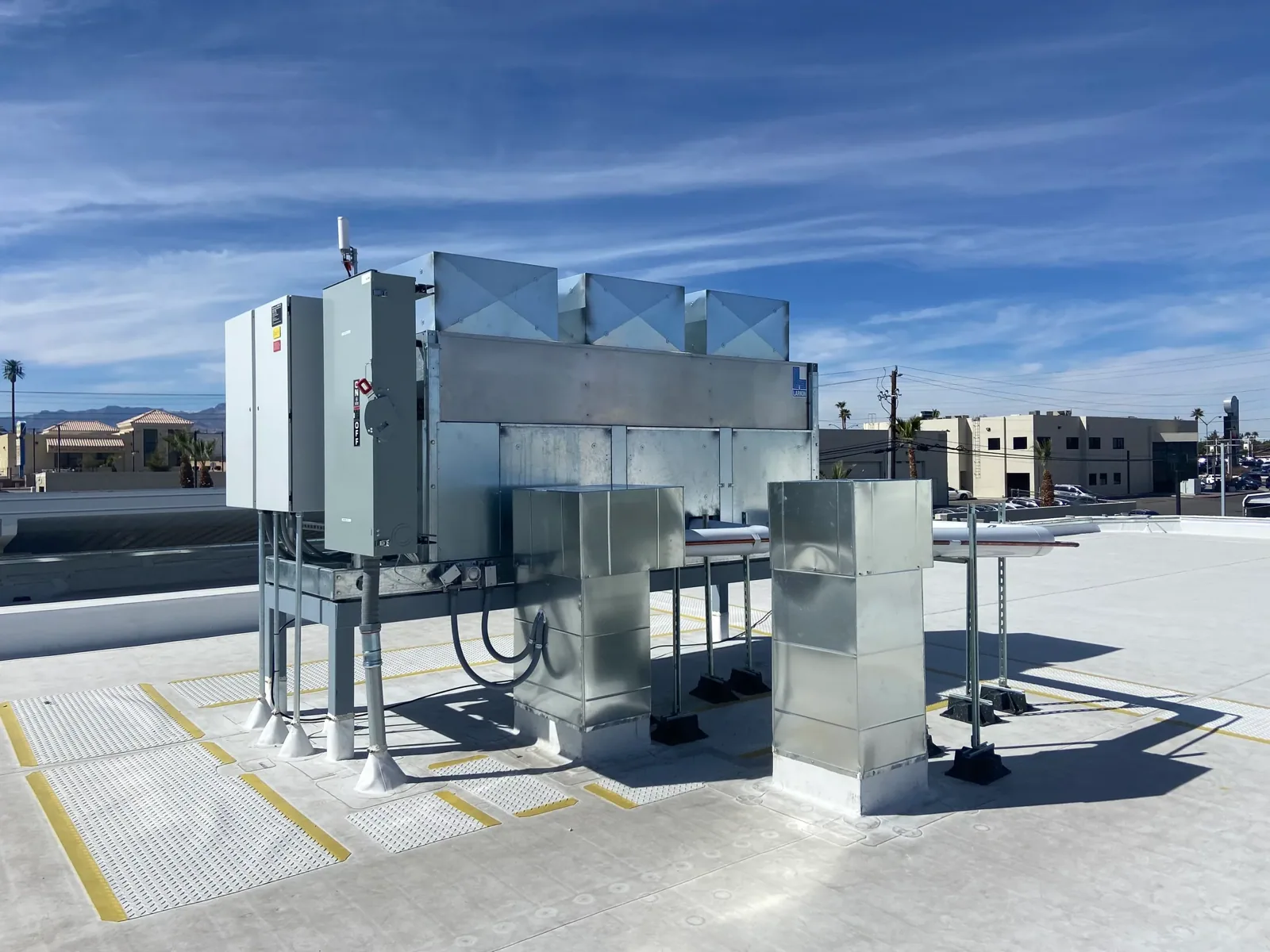
Rooftop Equipment Curbs and Supports
Learn More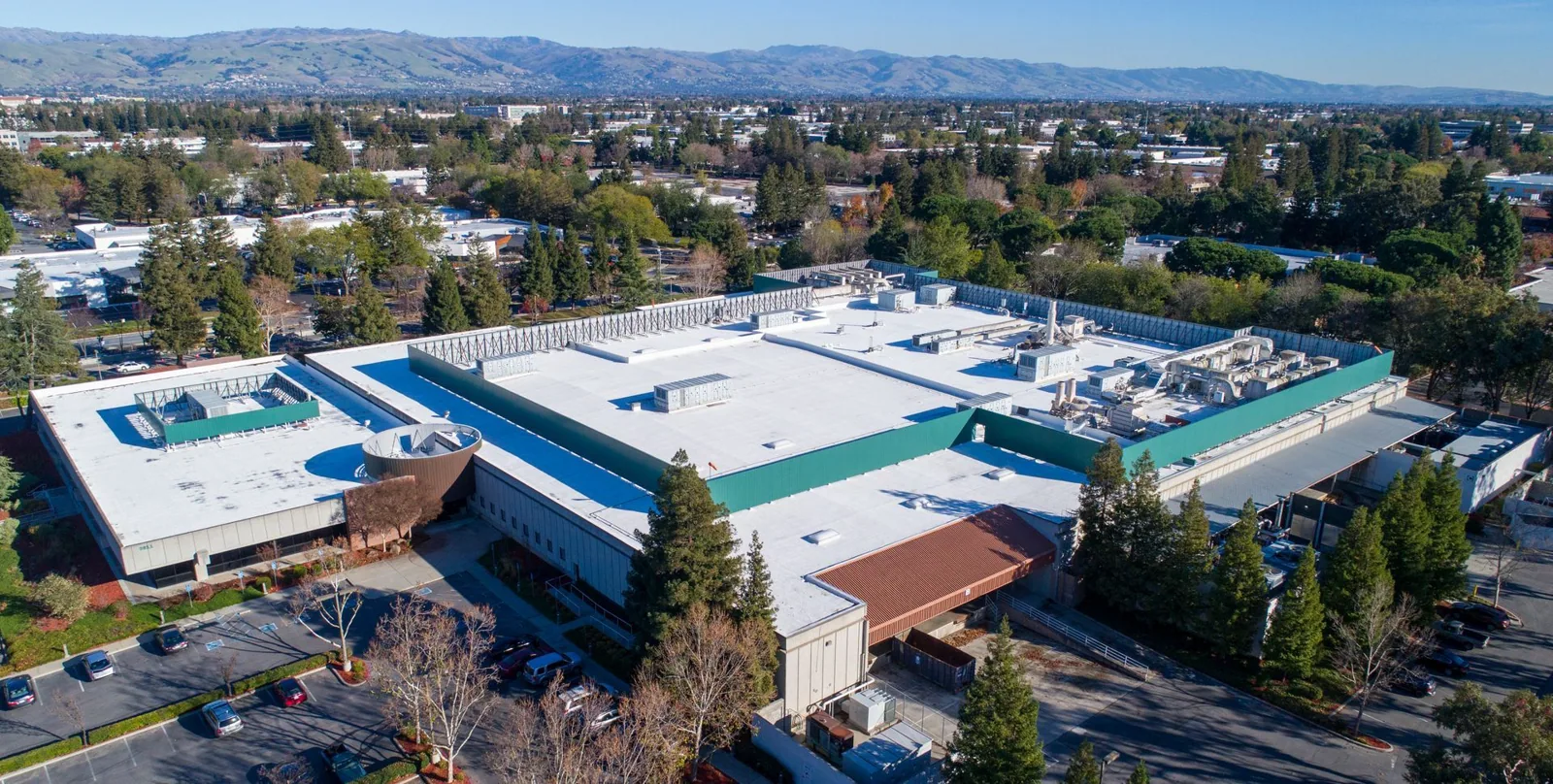
Acrylic Roof Coatings
Learn More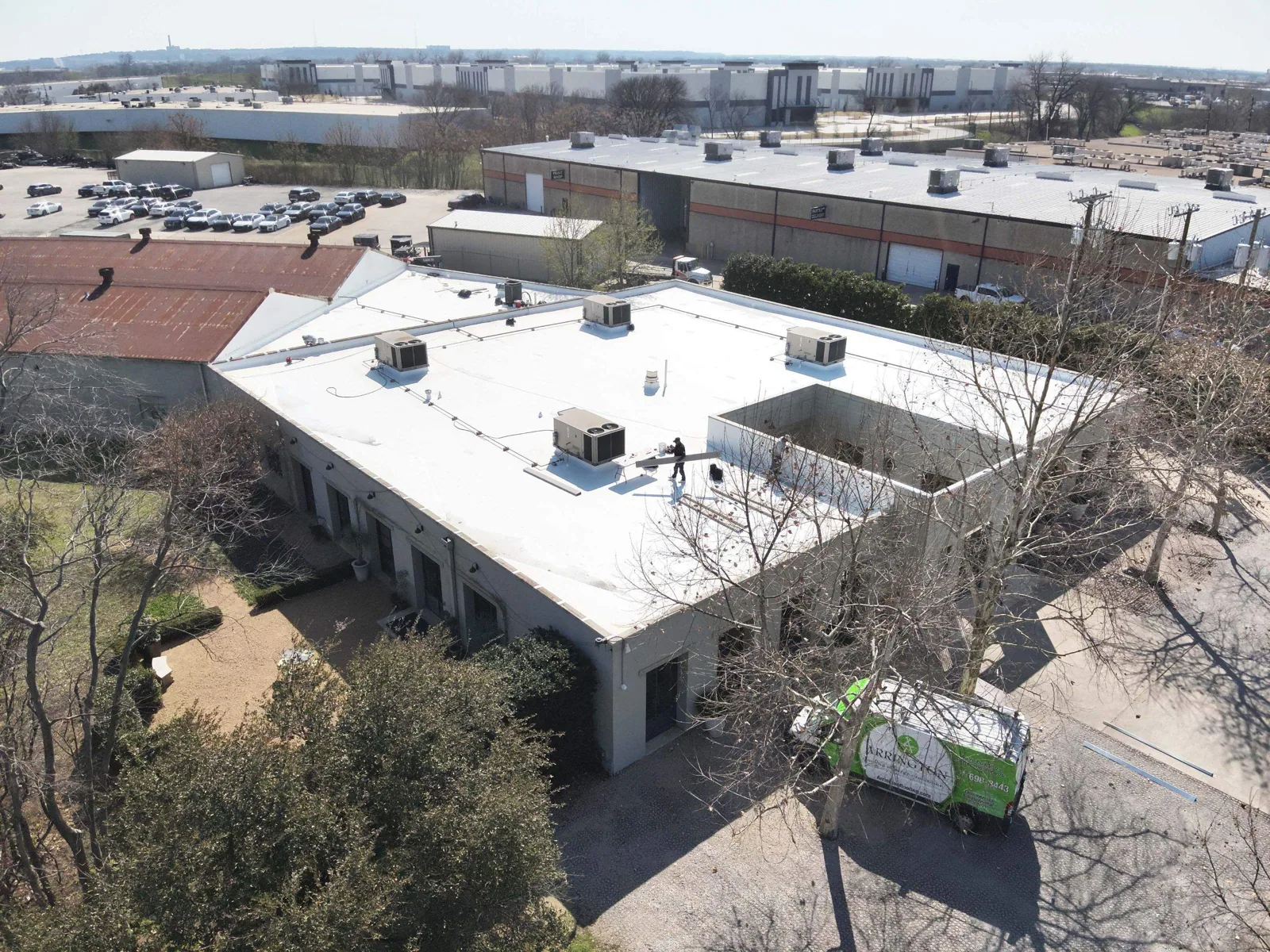
Commercial Roof Recover
Learn More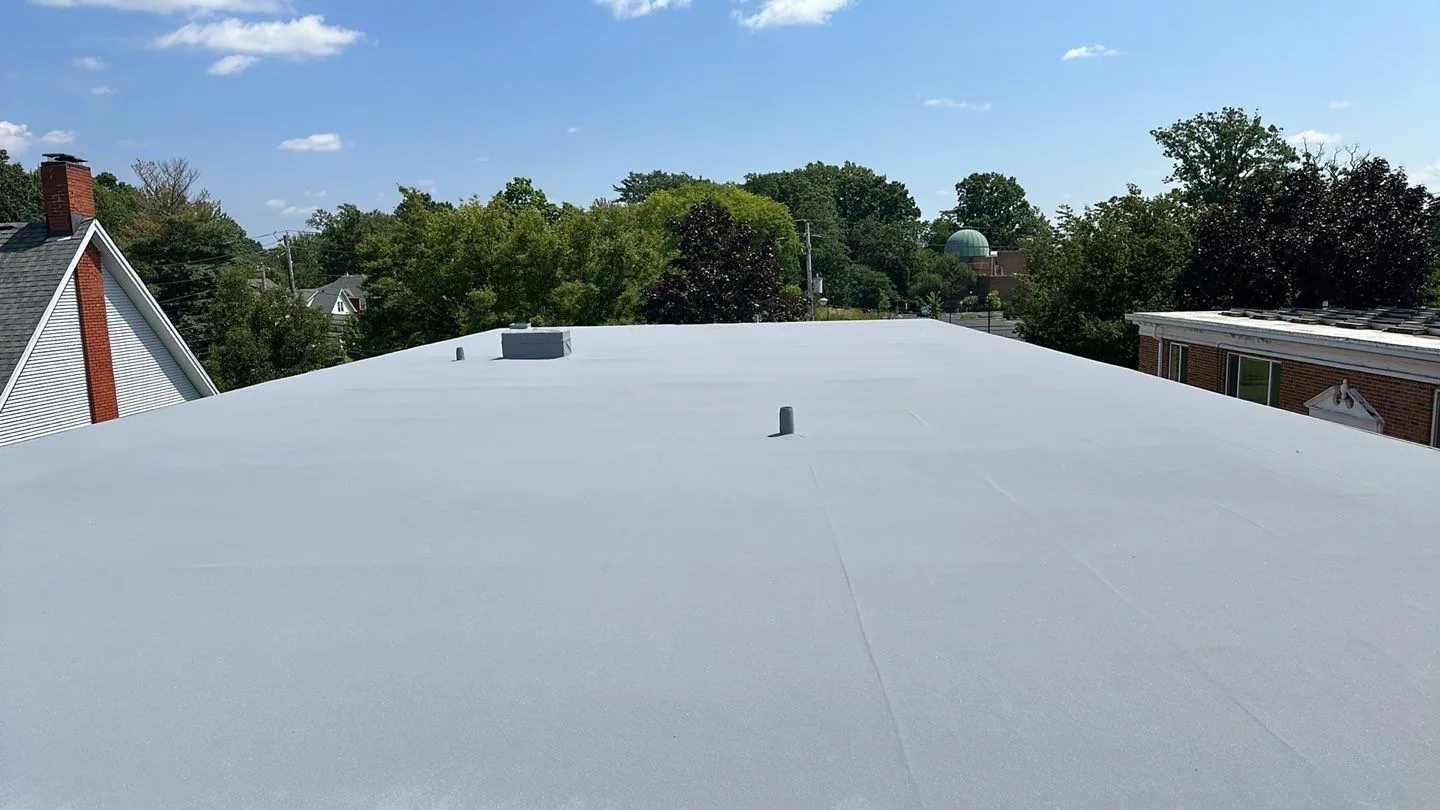
Commercial Roof Replacement
Learn MoreCheck silicone coating suitability
Request a roof assessment in Gresham
We will inspect the existing roof, ponding areas, and transitions, then plan preparation and application around your Gresham facility. Tell us about the building, the roof and what you are seeing. Call 555-555-5555, email [email protected] or send the details through our contact page and we will set up a time to walk the roof.