
Spray Polyurethane Foam Roofing in Gresham, OR
Inspect the foam and protective coat
- Home
- Roof Systems
- Spray Polyurethane Foam Roofing
Spray polyurethane foam creates a continuous roof surface, but it needs a protective coating and careful upkeep to limit damage from ultraviolet exposure and traffic. We inspect foam condition, coating thickness and wear, drainage, penetrations, and prior repairs before recommending restoration. Across Gresham, rain is most frequent in the cooler season and hot summer days can tighten application windows. We check roof-surface conditions and product requirements before scheduling. A roof inspection establishes the foam and coating condition before we plan repair, recoating, or replacement.
What should a foam roof inspection include?
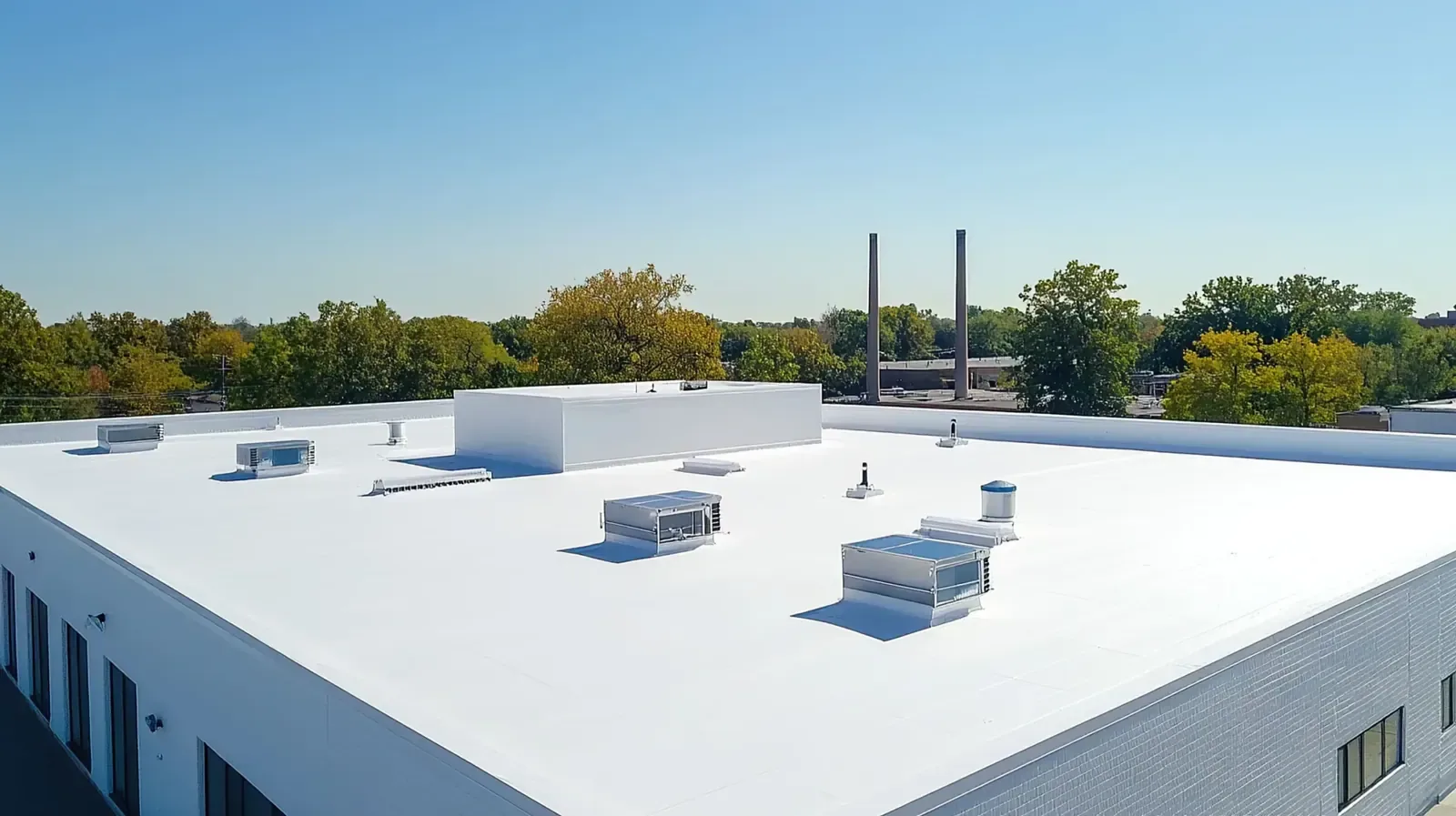
We check the protective coating for erosion, cracks, blisters, pinholes, exposed foam, and inconsistent coverage. At seams, curbs, drains, and penetrations, the coating must continue through the transition without a gap. We also look for soft areas, impact marks, foot traffic, and previous patches. The report identifies where the surface needs recoating and where foam or substrate repair is required before a new finish can be applied.
Drainage is a separate inspection item. SPF can be shaped to direct water, but settlement, blocked outlets, or a damaged drain detail may leave a low area. We mark ponding, check scuppers, and identify whether the correction belongs to a roof slope, outlet, or membrane transition. A drainage assessment can map outlets before recoating. Coating over a ponding area does not change the profile below.
We inspect roof access and traffic routes because foam can be cut or crushed by dropped tools and equipment. Walk pads or defined paths may be needed near HVAC units. The facility should identify which technicians use the roof and how frequently they travel across it. We record the route and any protection requirement so the coating work does not leave the next service visit without a safe path.
Why does the protective coating matter?
Ultraviolet exposure can degrade exposed foam. The coating shields the foam and provides the finished weather surface, so thin or damaged areas need prompt review. A puncture or crack may admit water and expose a larger area than the surface opening suggests. We remove loose coating, evaluate the foam below, repair the substrate as required, and apply compatible material according to the system details.
Moisture trapped below the coating can cause loss of adhesion or conceal foam deterioration. We probe suspect areas and map where an opening is needed to confirm the condition. A moisture survey may help target testing, but a thermal anomaly is not a diagnosis by itself. The repair plan states which areas are verified and which need additional inspection before recoating.
Foam is sensitive to physical damage. Service technicians, hail, windblown debris, or falling tools can cut the surface and expose cells. We identify whether the foam needs patching and reshaping before the protective coat is restored. A thin coat applied across damaged foam can leave the underlying irregularity in place. The scope should include the repair depth and how the finished surface will direct water.
Can the roof be recoated or does it need replacement?
Recoating may fit when the foam remains bonded, dry, and stable and the surface can be prepared for a compatible new layer. The coating system, preparation, repairs, and required dry-film build depend on the product and existing condition. We check adhesion and identify wet or damaged areas before finalizing the scope. If foam has deteriorated through its depth or the substrate is unsound, replacement or a larger rebuild may be needed.
Silicone and acrylic coatings each have different application and water-exposure characteristics. Product selection depends on the existing surface, slope, ponding, expected traffic, and the manufacturer's instructions. A silicone coating system or acrylic roof coating must be compatible with the foam roof and prepared surface. We do not apply a new coating based only on the color or the word “renewal.”
Other membrane systems can be considered if the foam is no longer a suitable substrate or if the building requires a different assembly. TPO roofing and other systems need their own deck, insulation, attachment, and flashing design. We inspect and compare the full scope, including tear-off, moisture, equipment access, and new transitions, before recommending a change.
How can roof work protect Gresham operations?
Gresham industrial lands support processing, manufacturing, electronics, and distribution. SPF installation and recoating can involve spray equipment, material handling, ventilation considerations, and overspray controls. We identify air intakes, parked vehicles, loading areas, and adjacent properties that need protection. The facility contact confirms which areas can be cleared and who approves the work zone before material is applied.
Southshore Corporate Park includes manufacturing and distribution operations along the Columbia River and I-84 corridor. Gresham Vista Business Park includes food-processing and logistics uses. At Southshore Corporate Park or Gresham Vista Business Park, delivery and staging need direct coordination with the building operator. The building operator identifies intake locations and access rules so we can set the right overspray protection and staging plan.
The wetter season around Gresham runs from fall through spring. The foam and coating need suitable dry conditions under the product instructions. We plan the zones so each surface is protected before a weather change, and pause when conditions fall outside the specified limits.
What happens during foam roof restoration?
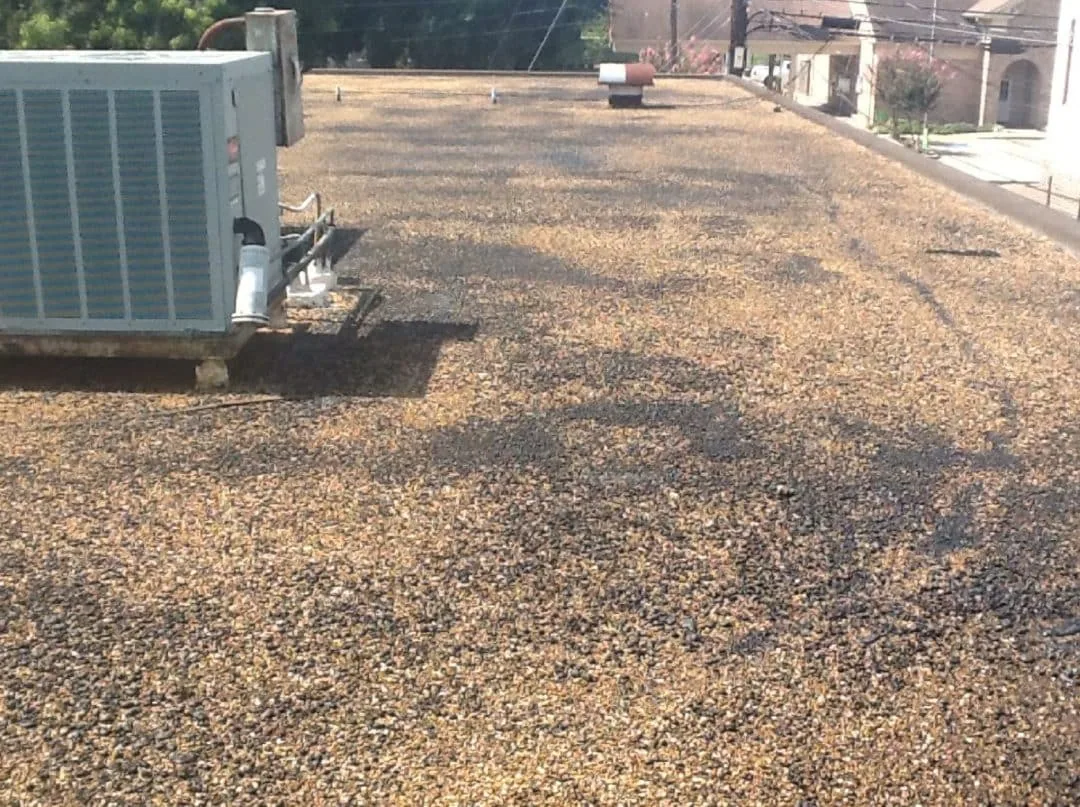
We map the roof, mark exposed foam, coating failures, drains, penetrations, and areas for repair. The surface is cleaned and dried, then loose coating is removed. Damaged foam is repaired and shaped to restore water flow. We check adhesion or apply primer where the selected system calls for it, then install coating in controlled passes and reinforce details at transitions.
Spray application requires controls for wind, drift, ventilation, and access below. The facility clears the approved work zone, protects intakes and sensitive equipment, and coordinates vehicle or pedestrian restrictions. We follow product requirements for temperature, humidity, thickness, cure, and recoat window. If a weather or access change interrupts application, the crew secures the roof and communicates the next step.
Closeout includes photographs of repaired foam, coating details, drains, and any areas that need monitoring. The owner receives the product and application notes agreed in the scope. A maintenance schedule can track coating wear, foot traffic, and new punctures after restoration. The service log helps distinguish a new repair from the original foam surface.
What should the restoration scope spell out?
Confirm the existing foam and coating type, adhesion or moisture testing, cleaning, repair depth, primer, coating product, application thickness, reinforcement, and treatment at drains and curbs. The proposal should identify overspray controls, access restrictions, ventilation, cure time, and weather limits. It should say whether the work includes ponding corrections or leaves existing low areas in place. Those details show what the system will address.
In Springwater Employment Area and the Sandy Boulevard industrial corridor, occupied buildings may need a delivery window, intake protection, or a restricted roof route. We coordinate those requirements with the facility and provide a sequence for each roof zone. The service record keeps inspection, repair, and open-item notes together. We can walk the foam roof with your Gresham contact and set the next work window.
Spray Polyurethane Foam Roofing FAQs
-
Can SPF be recoated if some foam is exposed?
Yes, after the exposed foam is inspected and repaired as needed. We check moisture, adhesion, surface profile, and coating compatibility. A new finish should not cover deteriorated foam without rebuilding the damaged area first.
-
Will recoating correct ponding water on the foam roof?
Not by itself. Coating follows the existing profile. We inspect drains and low areas, then identify whether foam shaping, outlet work, or another drainage correction is needed before recoating.
-
What does spray application require at an occupied site?
The facility may need to clear vehicles, protect air intakes, and restrict access near the work zone. We review wind, ventilation, and product conditions before application, then coordinate notices and cure time with building operations.
-
How do you know if moisture is under the coating?
We inspect for blisters, soft areas, and coating separation and can use a survey to target test openings. The opening confirms foam and substrate conditions. The report separates measured indications from verified moisture.
Related Roofing Work
Commercial Roof Inspection
Learn More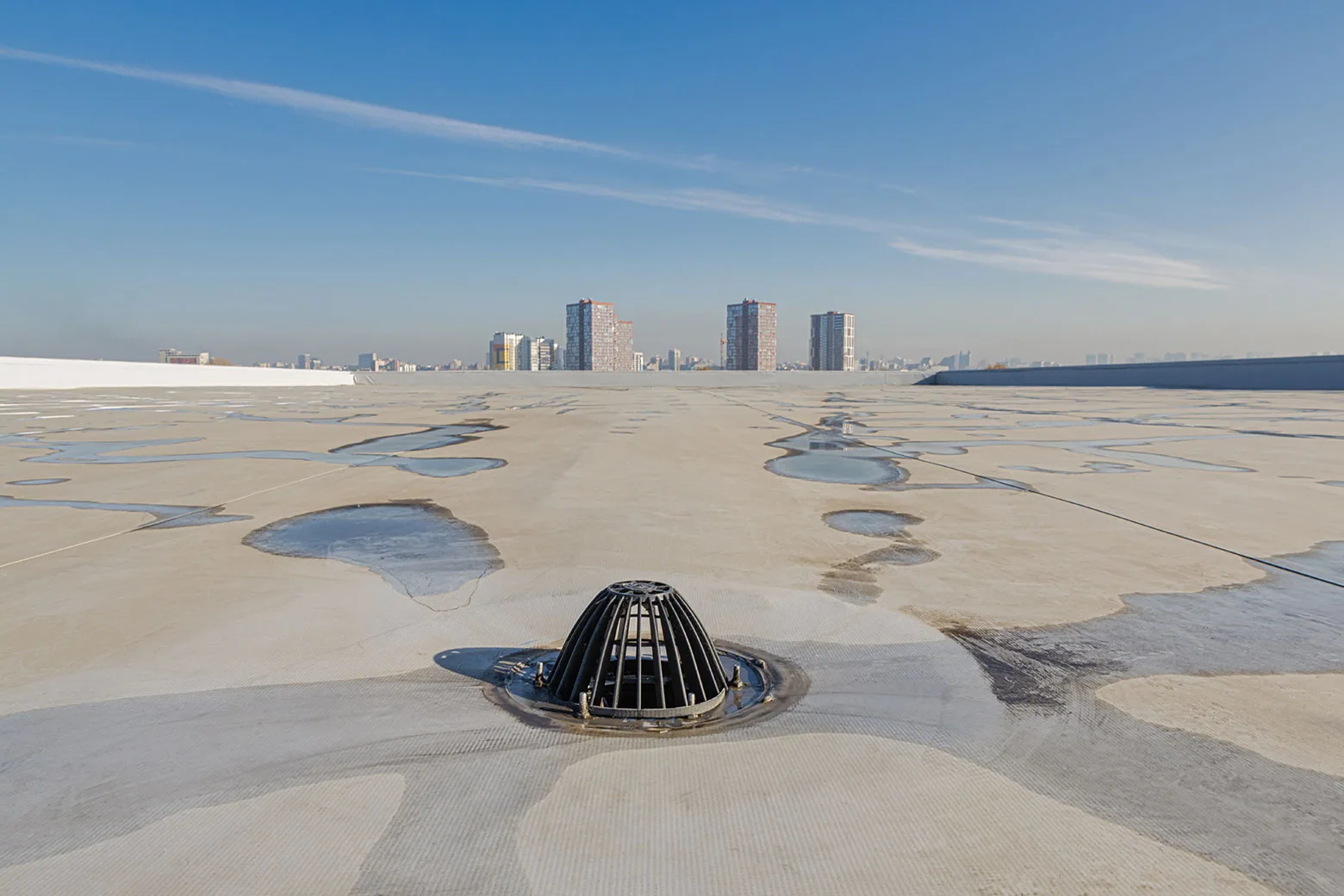
Commercial Roof Drains and Scuppers
Learn More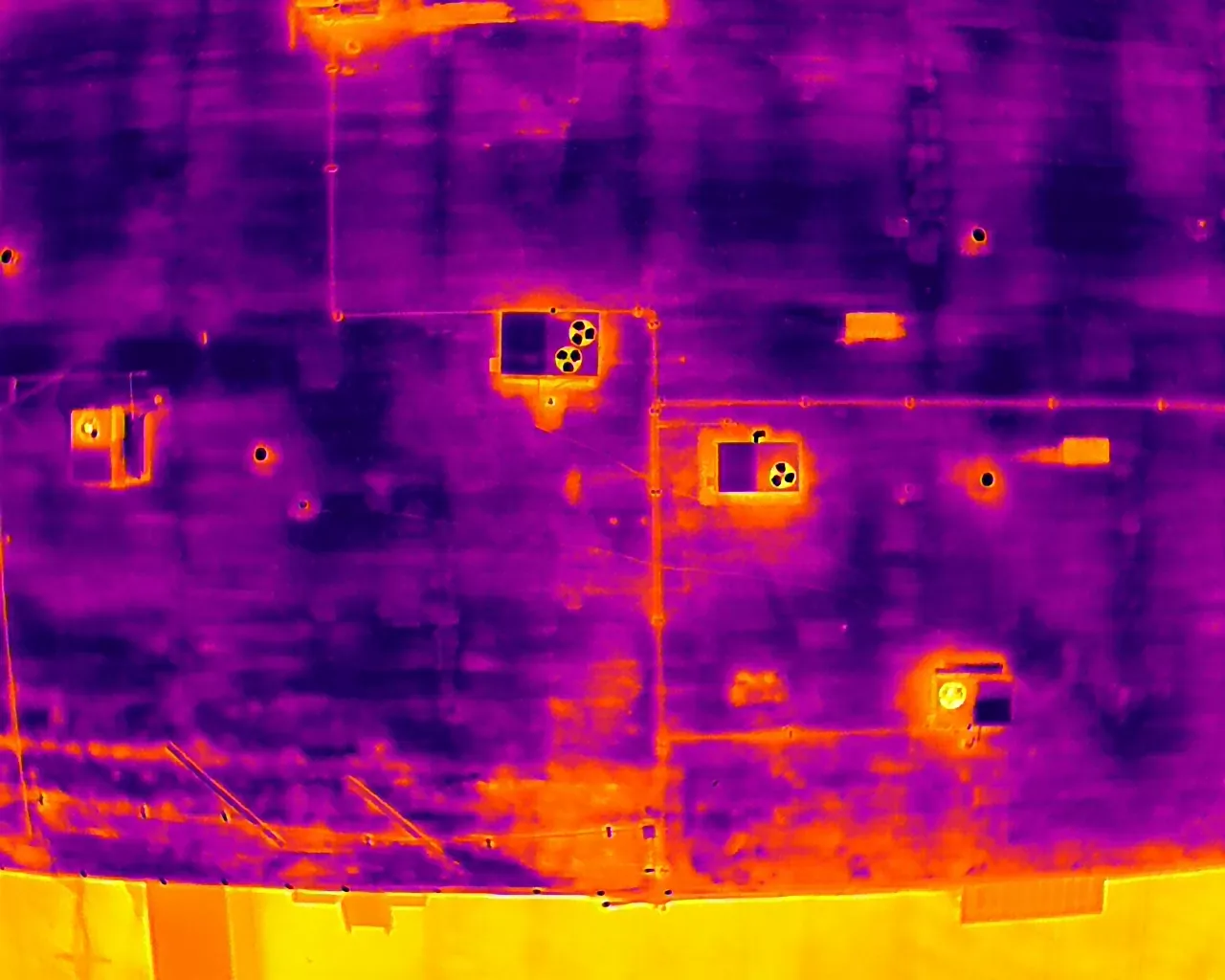
Infrared Moisture Survey for Commercial Roofs
Learn More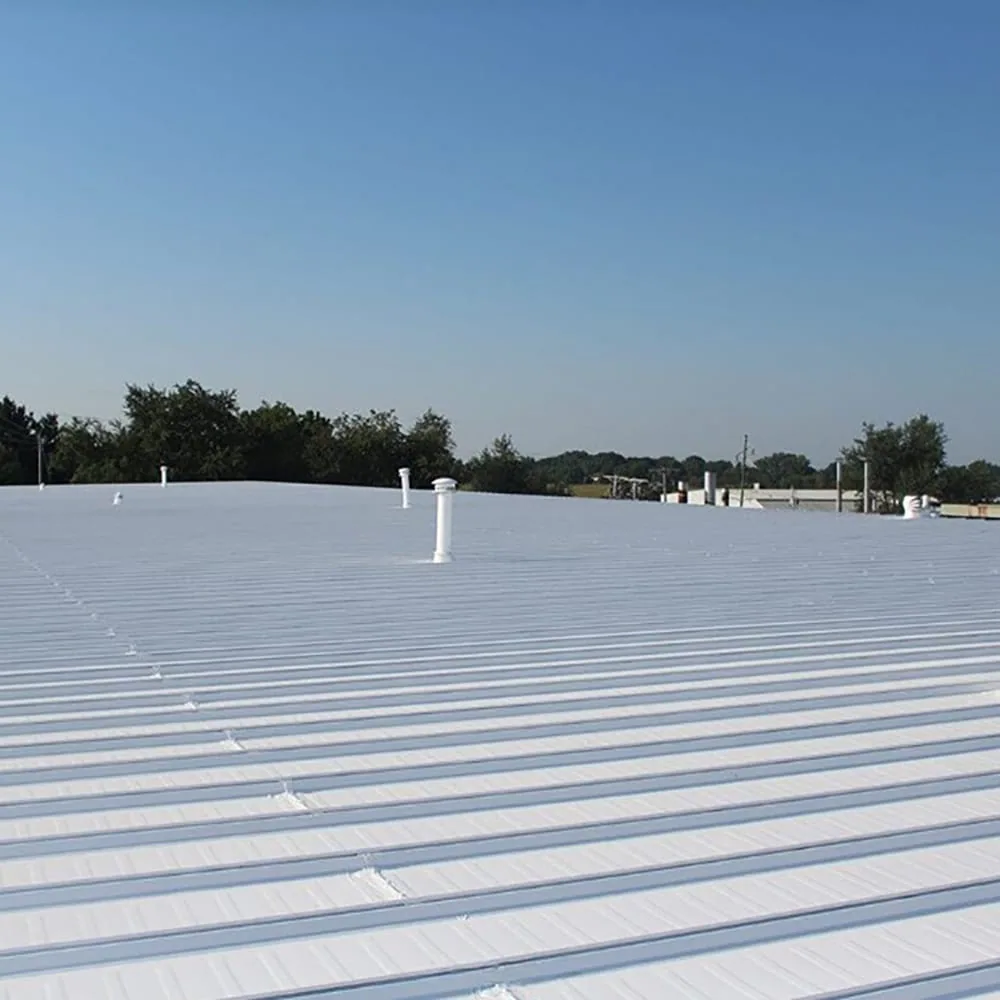
Silicone Roof Coatings
Learn More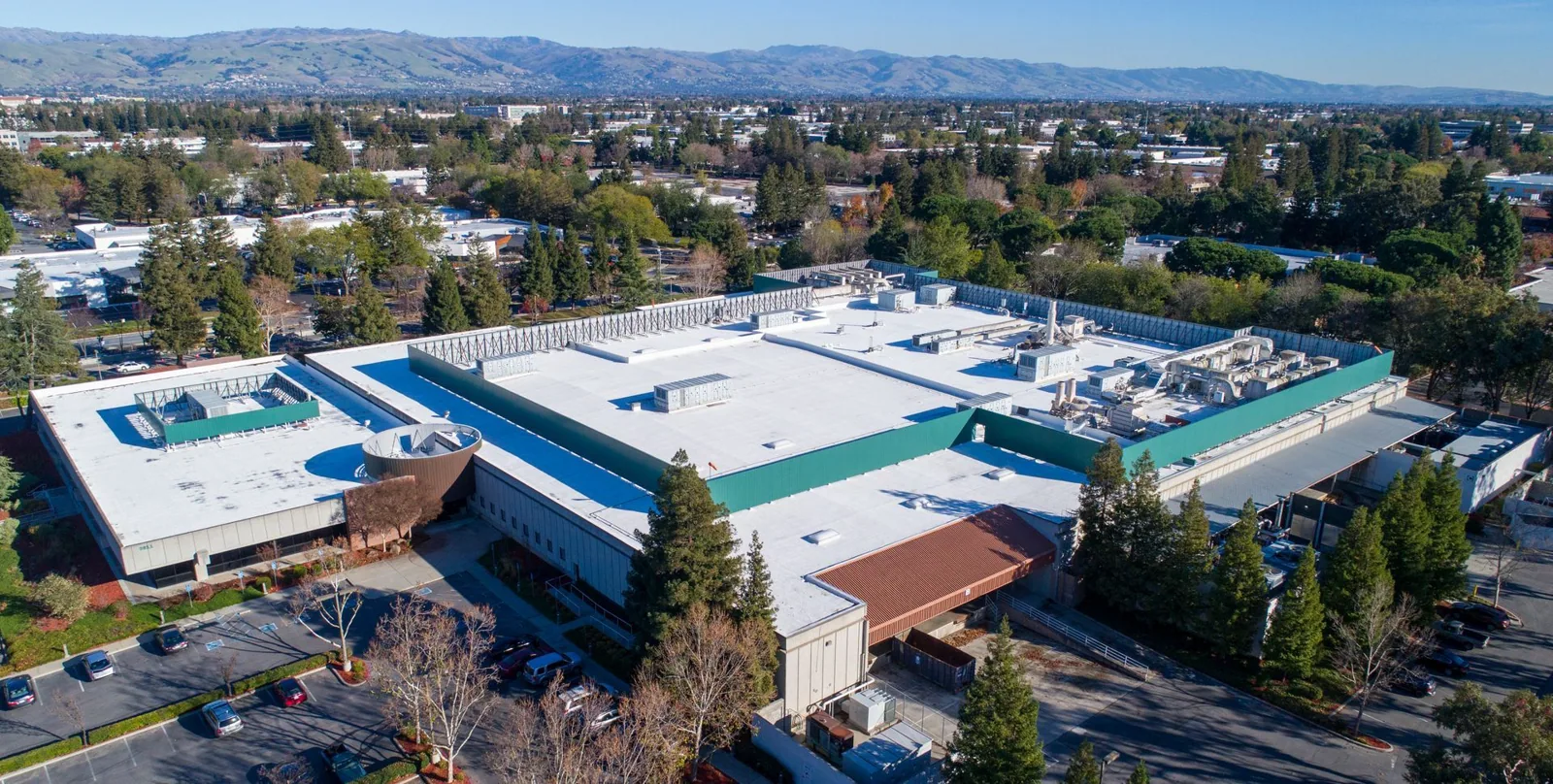
Acrylic Roof Coatings
Learn More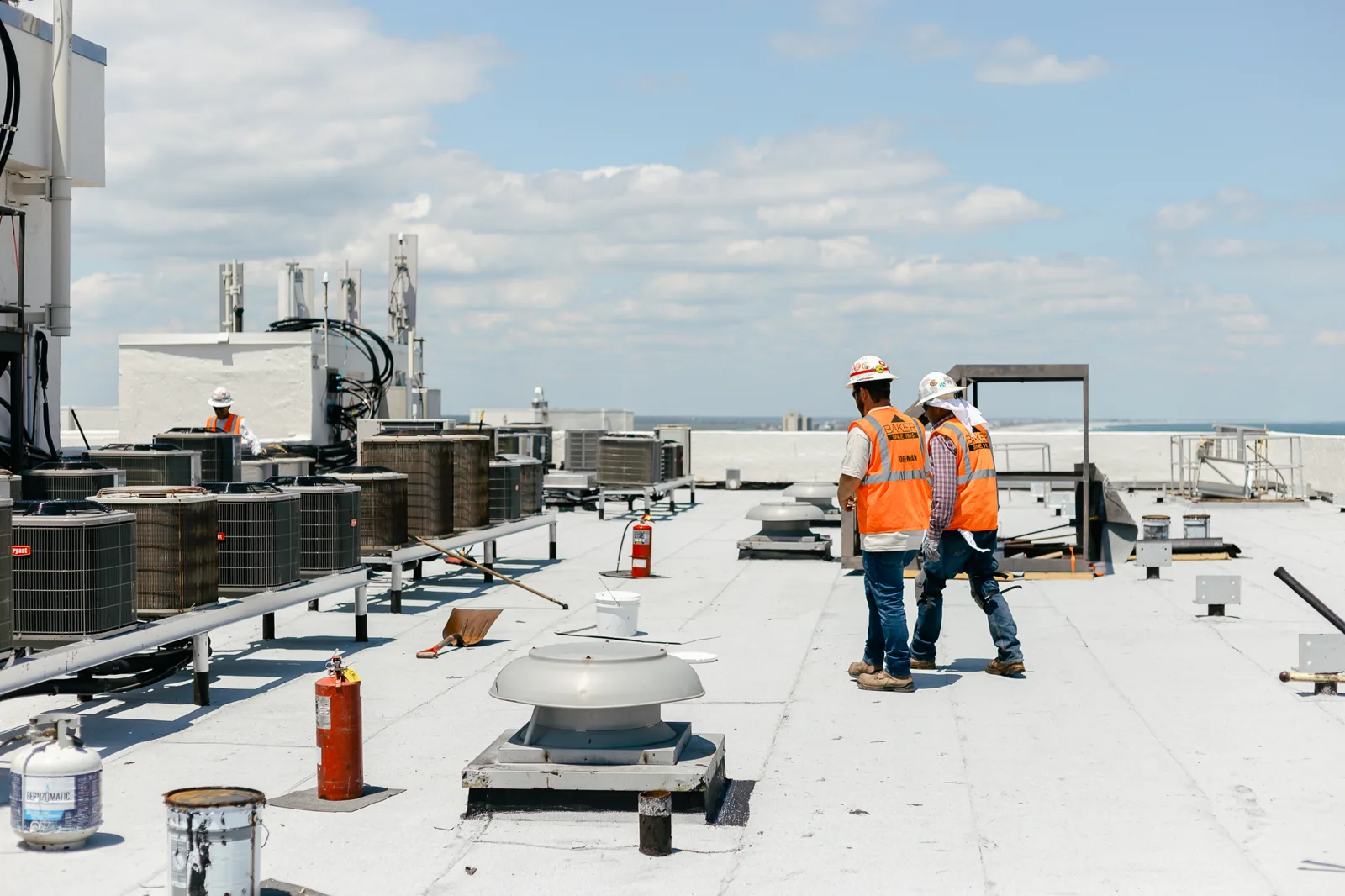
TPO Roofing
Learn MoreInspect the foam and protective coat
Request a roof assessment in Gresham
We will assess foam condition, coating, drainage, and access controls, then prepare a restoration scope for your Gresham roof. Tell us about the building, the roof and what you are seeing. Call 555-555-5555, email [email protected] or send the details through our contact page and we will set up a time to walk the roof.