Acrylic Roof Coatings in Gresham, OR
Assess an acrylic restoration option
- Home
- Roof Systems
- Acrylic Roof Coatings
Acrylic coating needs time and suitable weather to dry into a continuous protective film. That makes drainage, roof slope, preparation, and the forecast part of the system selection. We inspect the existing membrane or coating, check for moisture and failed seams, and determine whether the surface can accept an acrylic restoration. Rain is most frequent in the Gresham area from fall through spring, so application timing and daily closeout deserve attention. A roof inspection documents the surface, drainage, and transitions before we compare acrylic with silicone or a new roof assembly.
Which surfaces can accept an acrylic coating?
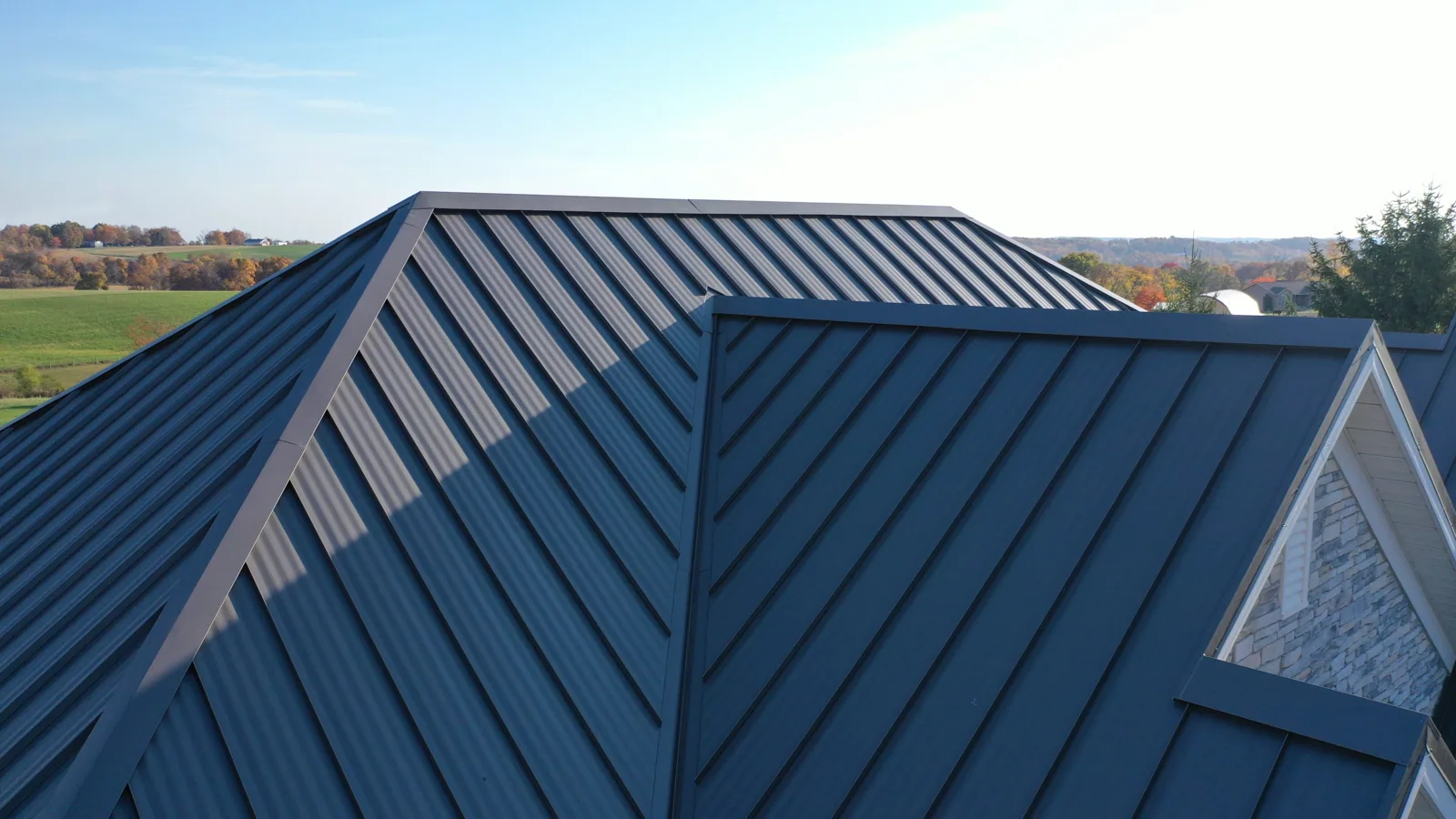
The existing roof must be stable, clean, and dry enough for the selected system. We identify the membrane, previous coatings, patch materials, and areas where the top layer has lost adhesion. A manufacturer may require cleaning, primer, or an adhesion test on the actual substrate. If a surface is unknown or contaminated, testing and preparation need to be resolved before the project is approved.
Open seams, punctures, flashing gaps, and damaged drains are repaired before field coating. A coating bridges and protects a suitable surface; it does not create a sound substrate where insulation is wet or the deck has failed. We mark each defect and scope the repair method. If moisture extent is uncertain, a survey or targeted opening may be needed to set the repair boundary.
Acrylic systems can reflect sunlight, but reflectance can change with dirt, wear, and ponding. The roof's insulation, HVAC, occupancy, and equipment also affect building energy use. We describe the selected product and application rather than promise savings. A cool-roof evaluation can consider reflective goals alongside roof condition and repair scope.
What can shorten coating performance?
Rain before adequate dry time can wash or mark an acrylic film. High humidity, low temperature, or an unsuitable surface can slow curing. We follow the product's weather limits and confirm actual roof conditions before application. The schedule includes a dry window for each zone and a closeout if rain becomes likely. If conditions change during the day, the crew stops where needed and protects the completed work.
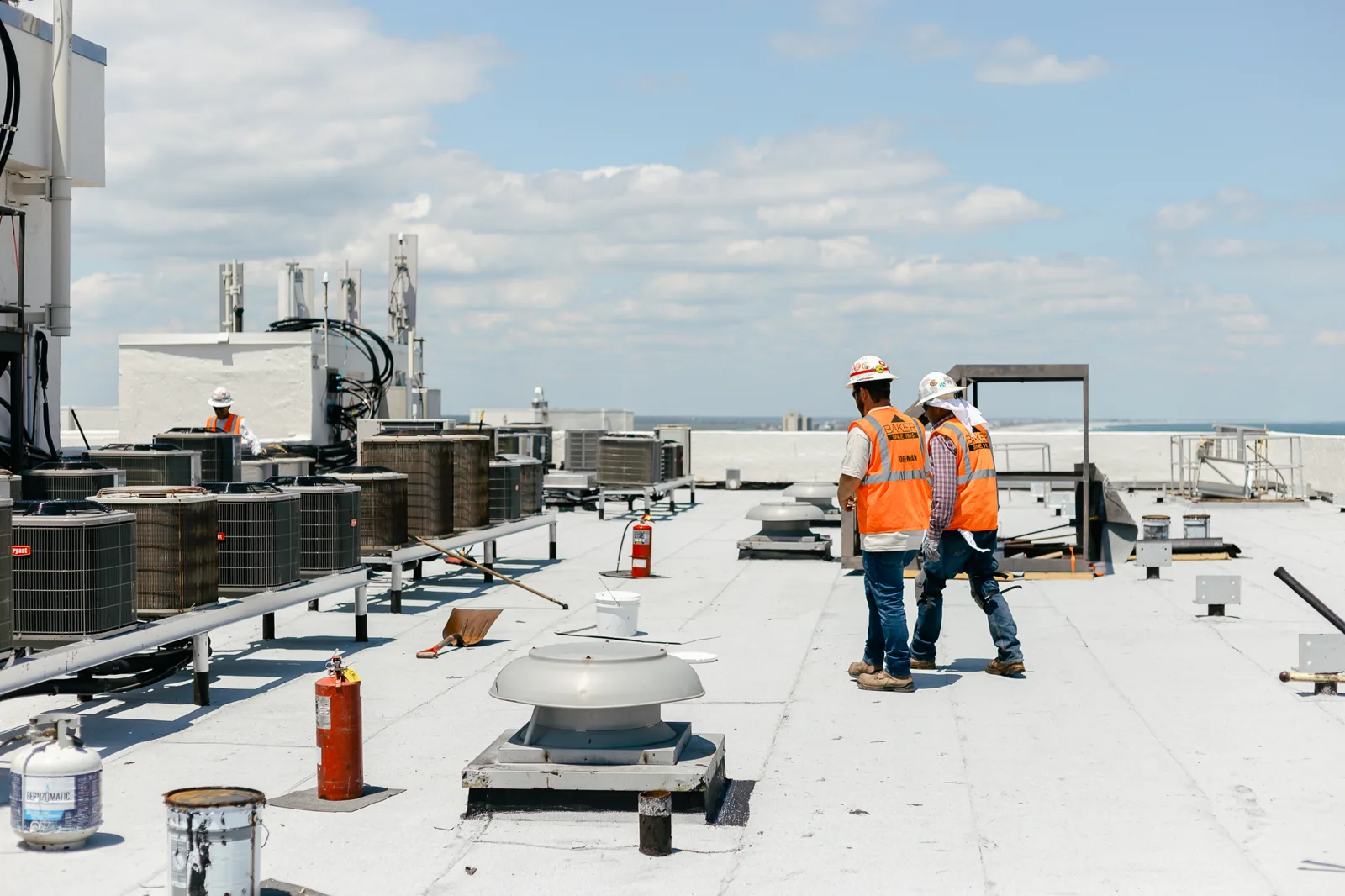
Standing water can expose coating to prolonged contact beyond the product's intended use. We inspect drains, low spots, overflows, and the route toward each outlet. Acrylic may not be appropriate for a roof that regularly ponds, even if the surface is otherwise ready. A silicone coating may be considered for a different water exposure, but the exact substrate and product limitations still control.
Peeling, cracks, or blisters can indicate poor adhesion, trapped moisture, an unstable underlayer, or movement. We open representative areas when surface evidence does not explain the failure. The inspection identifies whether the defect is in the new coating, the existing membrane, foam, or insulation. Recoating without correcting that layer can leave the same failure beneath a fresh finish.
When is acrylic a suitable restoration?
Acrylic can fit some roof restoration projects when the existing surface is compatible, drains well, and can be prepared during a suitable weather window. The assembly should be dry and stable, with seam and flashing repairs completed first. The coating system includes more than its field material: primer, reinforcement, thickness, edge details, and repairs must match the product instructions.
Spray polyurethane foam roofs often use a protective coating. If foam is present, we inspect exposed cells, damaged areas, profile, and existing coating before proposing acrylic. A spray foam roof evaluation can determine whether foam repair is needed beneath the new finish. A coating cannot restore foam that has deteriorated through its depth or dry wet insulation below the surface.
Where the roof is beyond restoration, a recover or replacement can address the assembly instead. A recover review checks layers, moisture, deck support, height, and code. Replacement can expose and correct the substrate before a new membrane is installed. We compare disruption, roof condition, drainage, and future access so the owner sees the full scope.
How should Gresham rain and heat shape the schedule?
Gresham’s wet season is concentrated from fall through spring. A coating needs time to dry before rain reaches the surface. We plan the application around the current forecast and the product’s stated recoat and cure windows; a specific roof still needs to be dry and ready before application.
Hot summer days can also change the application window. A sunlit roof can run hotter than the air, so we check actual conditions and crew heat exposure at the site. We follow the product’s temperature range and shift work to an appropriate time or day when needed. The facility should know if a weather hold changes rooftop access or equipment availability.
The Springwater Employment Area prioritizes manufacturing and technology activity, while Rockwood is one of Gresham's principal commercial centers. Both broad contexts include active buildings with different access and occupancy needs. At Springwater Employment Area, we confirm work-zone controls and material staging with the facility. The building operator defines its intake, vehicle, and roof-access rules.
What does acrylic application involve?
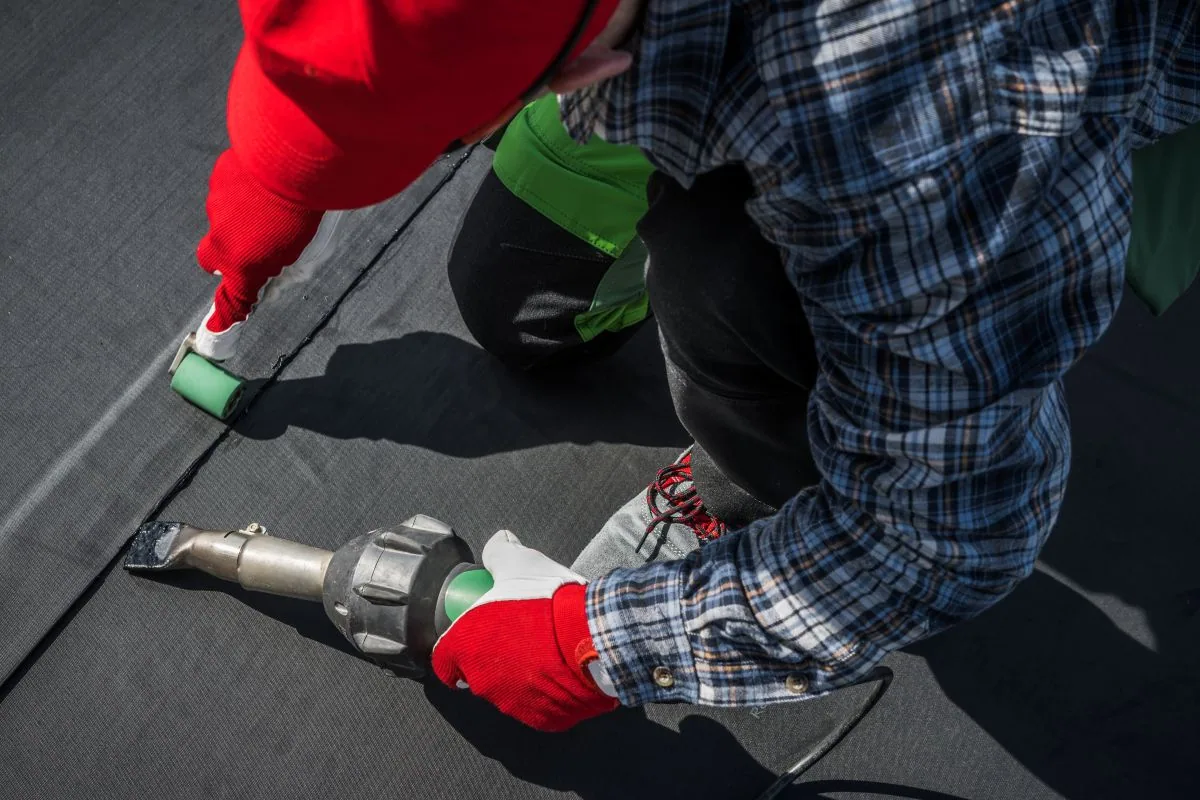
We map the roof, test the receiving surface, and identify repairs before cleaning. Loose coating and failed sealant are removed; seams, penetrations, and flashing are repaired. The crew applies primer when specified, reinforces details, and coats the field in the prescribed sequence. Coverage and thickness are checked according to the product instructions. Each roof area receives enough time to dry before another operation or weather event affects it.
Overspray and runoff are controlled around HVAC intakes, vehicles, windows, pedestrian areas, and adjacent properties. The facility clears the work zone and identifies any unit that should be isolated during application. We agree on access, staging, and occupied hours before bringing material onto the roof. If the building cannot be isolated as required, the application plan needs revision before work starts.
At closeout, we inspect the film, reinforced details, edges, and drains, then record conditions that remain outside the scope. A maintenance visit can check wear, debris, punctures, and drainage after the first wet season. The owner keeps product instructions and repair notes with the building's roof file.
What should the acrylic proposal state?
Confirm substrate and coating compatibility, test areas, cleaning, repairs, primer, reinforcement, coat count, coverage, dry time, weather limits, and final inspection. The scope should include drain and flashing work, equipment protection, overspray controls, work zones, and how wet or damaged materials are handled. If the roof has ponding, the proposal should state whether drainage changes are included or remain a separate project.
Industrial and commercial areas around Gresham include Southshore Corporate Park and Gresham Vista Business Park. The building itself determines access, exhaust, and staging requirements. We can inspect with the facility contact, document the substrate and roof profile, and explain whether acrylic is compatible with the conditions. The findings stay with the roof file for later maintenance decisions.
Acrylic Roof Coatings FAQs
-
Can acrylic coating be applied before the rainy season?
It can be scheduled when the roof is dry and the forecast provides the product's required application and cure window. We check the substrate and weather, then sequence sections so each can dry before rain. If conditions are unsuitable, work moves to another date.
-
Does acrylic coating work on a roof with ponding?
Product limits vary, and persistent water may rule out acrylic. We inspect low areas and drainage before selecting a coating. The scope should address slope or outlets if needed, or clearly identify water that will remain.
-
Can you coat over an older acrylic layer?
Sometimes, if the existing coating remains bonded and the product is compatible. We check adhesion, moisture, contamination, and surface condition, then follow preparation instructions. Loose layers need removal or repair before another coat is applied.
-
How do you protect vents and vehicles during spraying?
We map air intakes and exposed areas, set an approved work zone, and protect items that could be affected by overspray. The facility identifies any shutdown and access restrictions. We do not spray until protection and weather conditions are ready.
Related Roofing Work
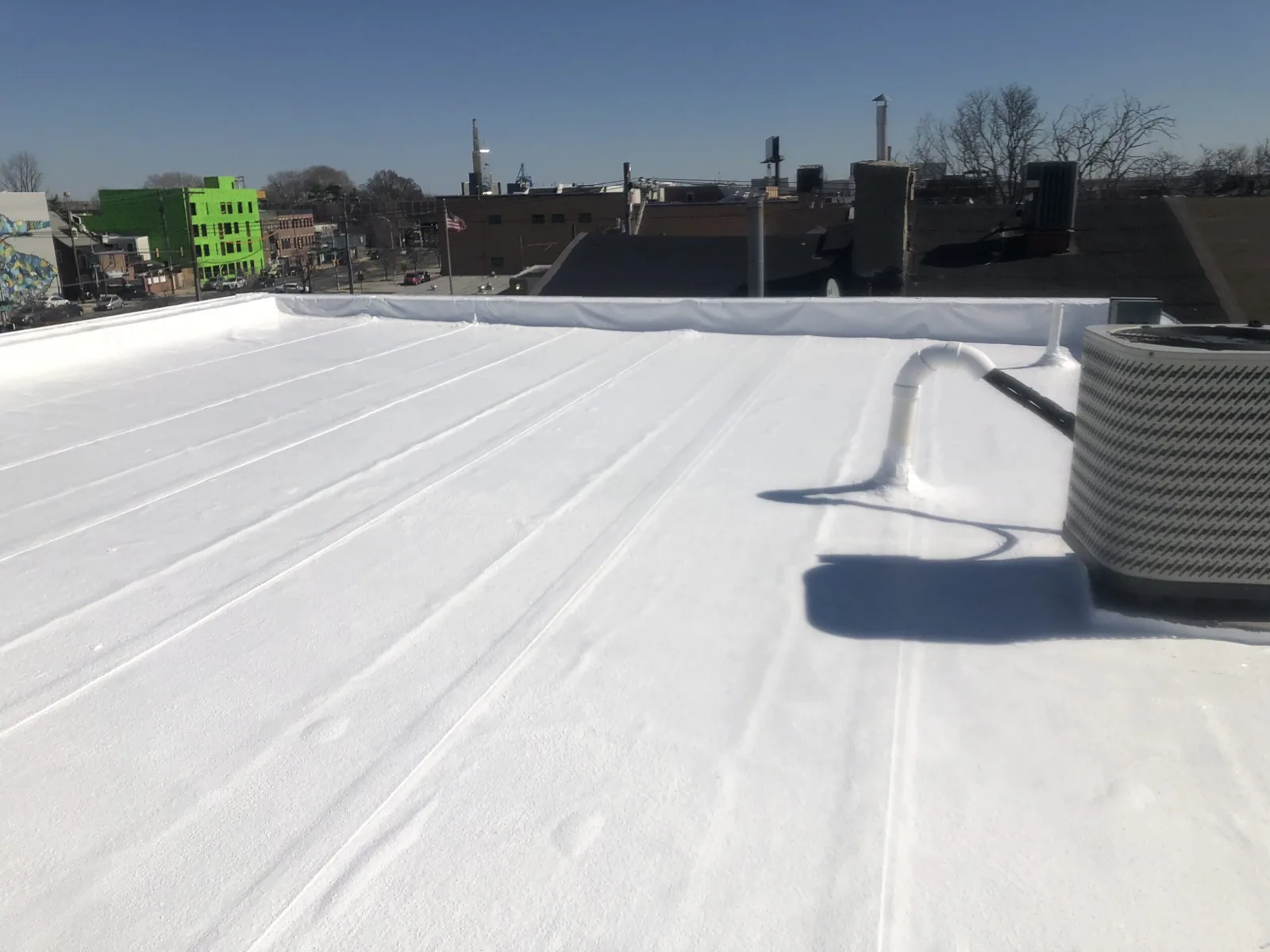
Commercial Roof Inspection
Learn More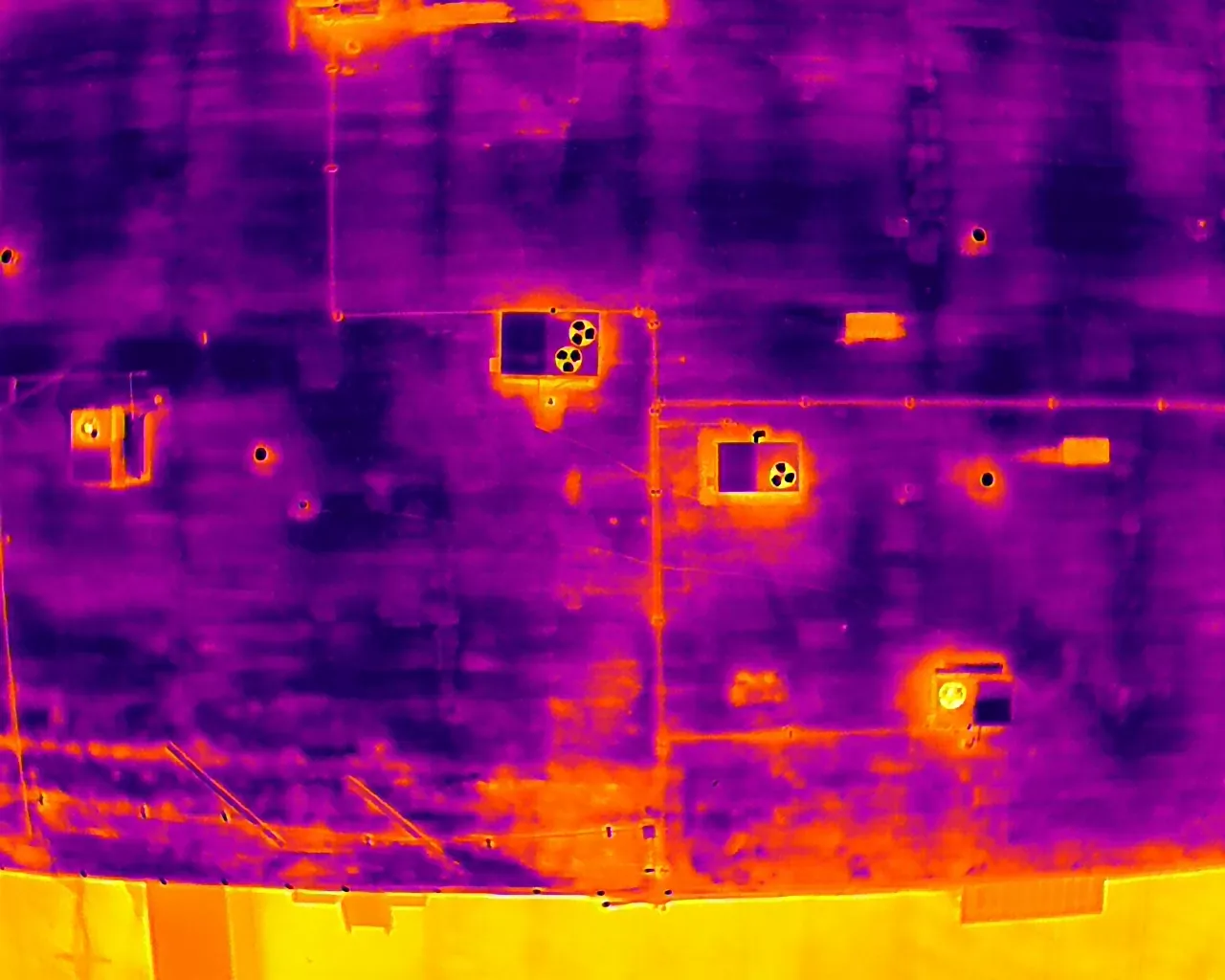
Infrared Moisture Survey for Commercial Roofs
Learn More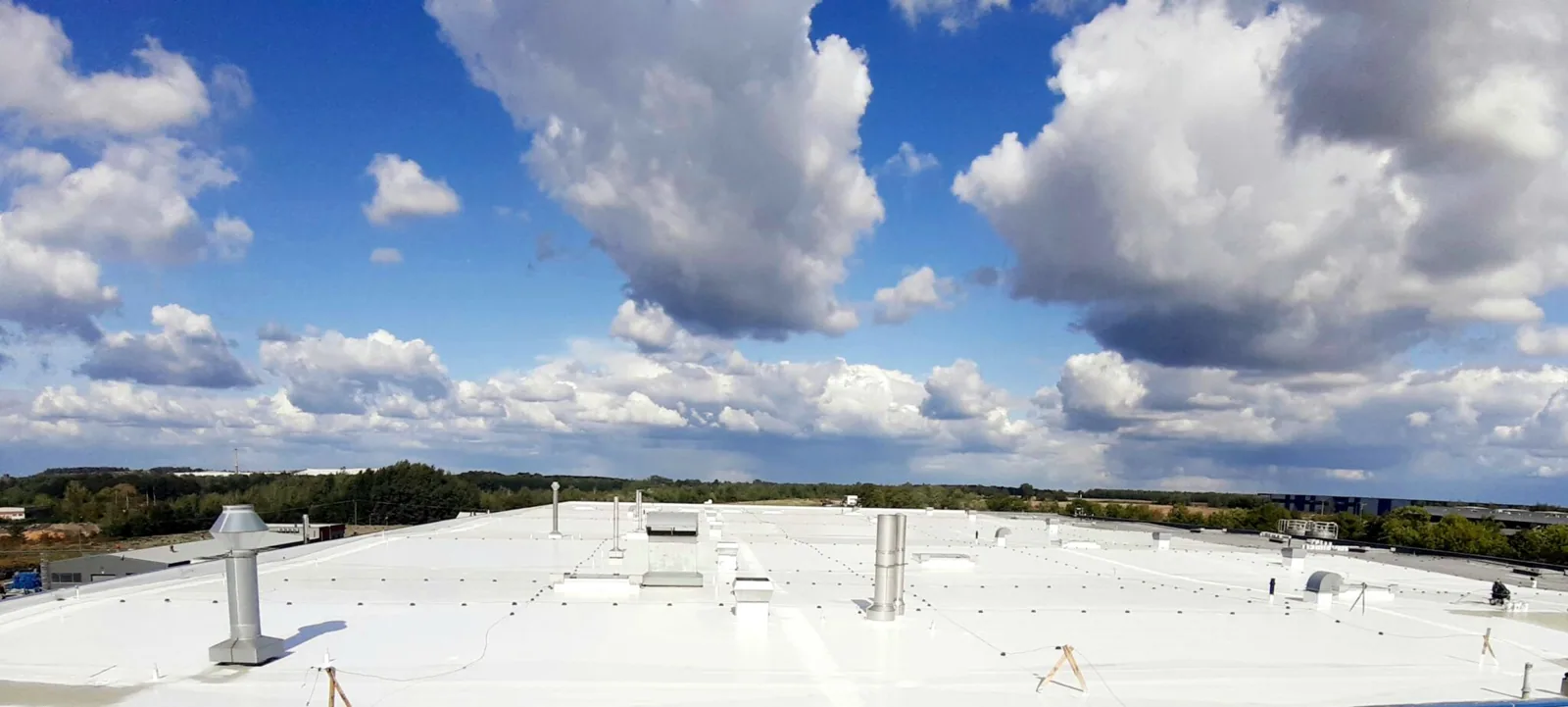
Cool Roof Installation
Learn More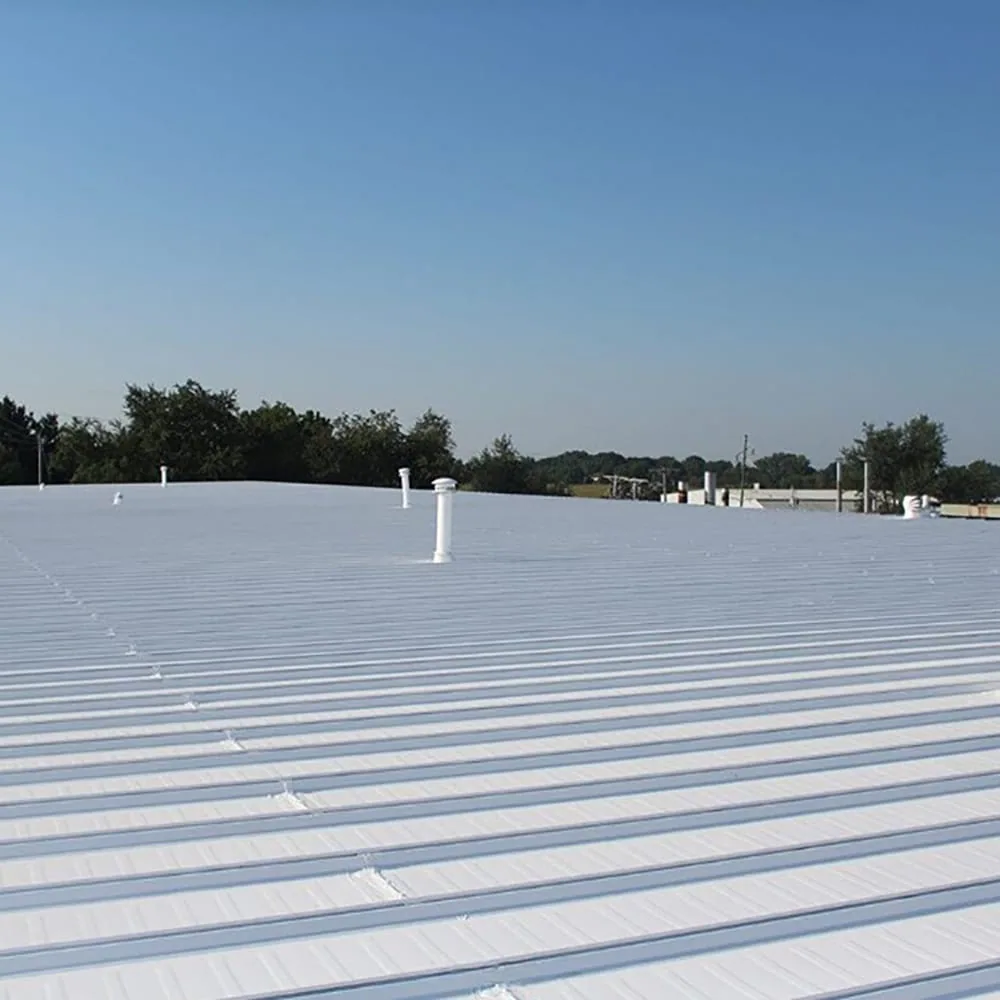
Silicone Roof Coatings
Learn More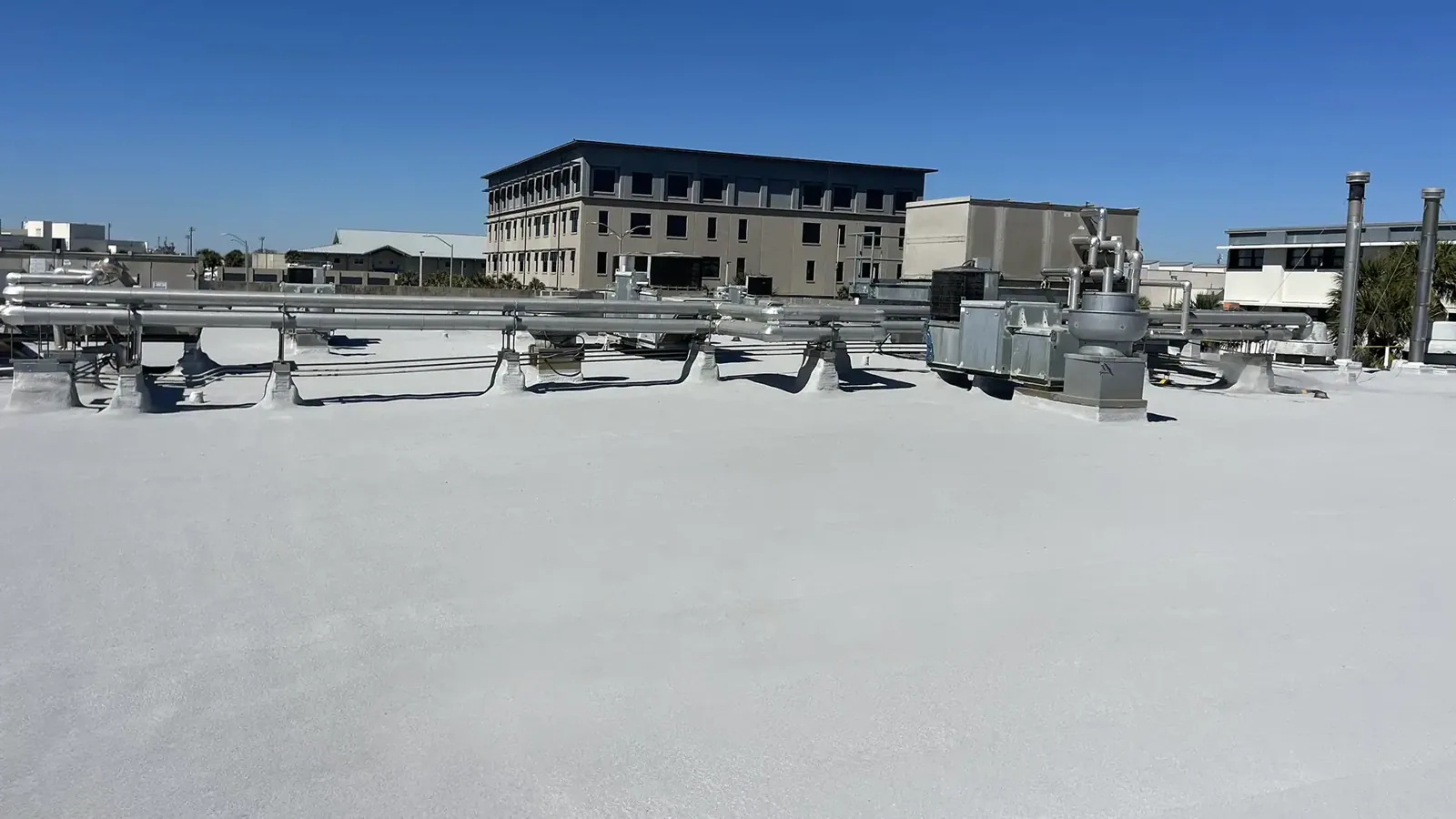
Spray Polyurethane Foam Roofing
Learn More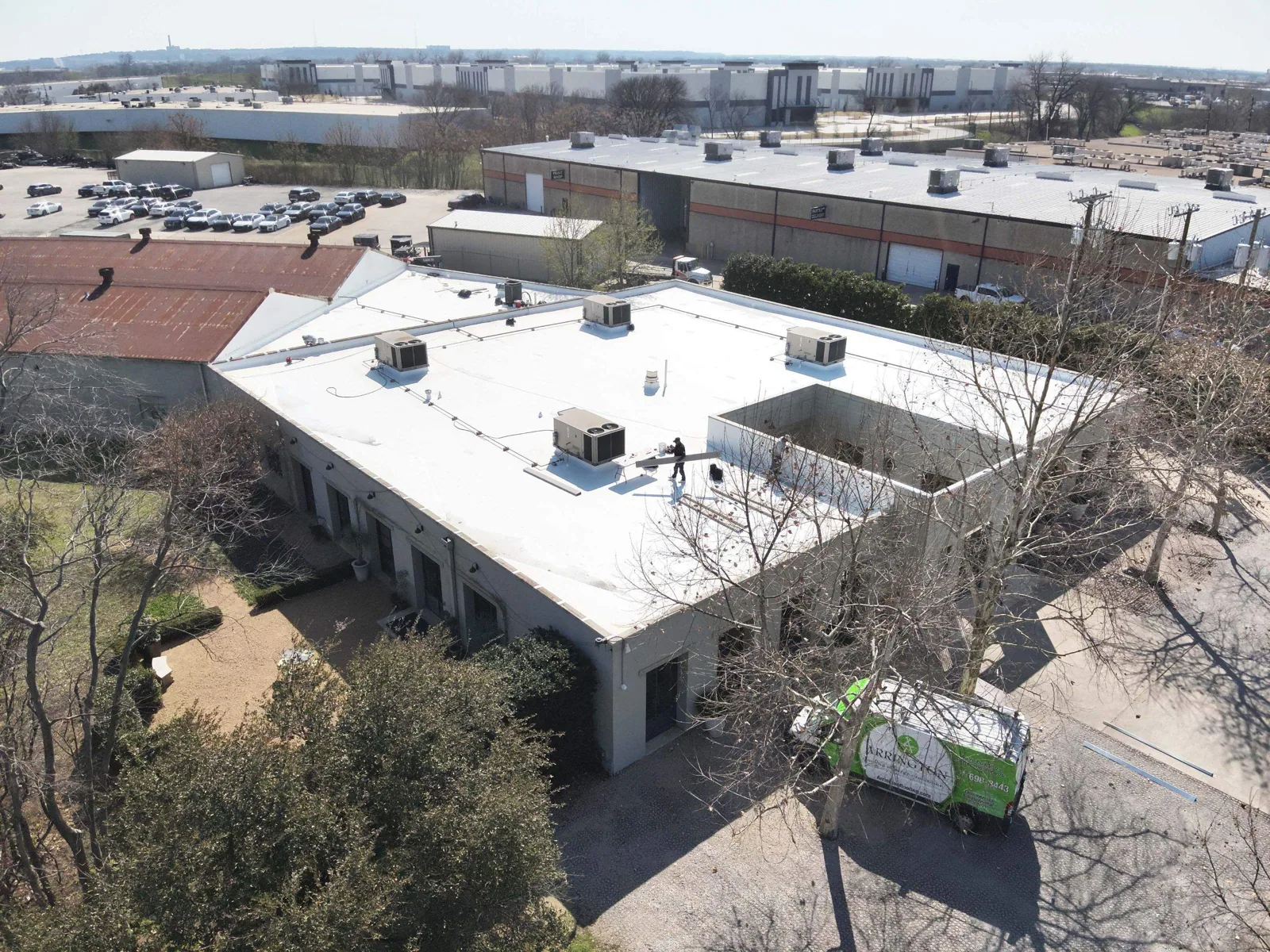
Commercial Roof Recover
Learn MoreAssess an acrylic restoration option
Request a roof assessment in Gresham
We will inspect the surface, test compatibility, and coordinate preparation and dry-time needs with your Gresham facility. Tell us about the building, the roof and what you are seeing. Call 555-555-5555, email [email protected] or send the details through our contact page and we will set up a time to walk the roof.