
Cool Roof Installation in Gresham, OR
Evaluate a reflective roof option
- Home
- Commercial Roofing Services
- Cool Roof Installation
Sun on a dark roof can raise surface temperatures, but color is only one part of a cool-roof decision. Reflectance, emittance, roof condition, insulation, occupancy, and the chosen system all matter. We evaluate the existing assembly and project goal before recommending a reflective membrane or coating. Gresham's summers bring periodic heat. Portland International Airport averages 14.6 days per year with highs of at least 90 degrees Fahrenheit. Compare utility use, occupancy, insulation, and HVAC operation before estimating any energy change from a reflective roof. It does make roof surface conditions worth considering alongside indoor loads and equipment use. We document drainage, repairs, access, and membrane compatibility, then explain what a reflective system can and cannot change. A commercial roof inspection documents visible roof conditions before comparing a reflective membrane or coating approach.
What makes a roof system reflective?
A reflective surface sends more incoming solar energy away than a dark surface, while thermal emittance describes how a surface releases absorbed heat. Product ratings vary, and a label does not account for the roof layers below. Insulation, air leakage, ventilation, equipment, interior schedules, and utility rates all affect building energy use. We can install a compatible roofing system, but we do not promise a specific indoor temperature or energy-bill reduction from color alone.
Several systems can provide a reflective surface, including certain TPO or PVC membranes and roof coatings with the specified finish. The existing roof condition narrows the choices. A coating needs a sound, compatible substrate and approved preparation. A replacement membrane requires suitable attachment and flashing details. We compare the assembly, traffic, drains, curbs, and future repair plan instead of selecting a system based only on its appearance.
Maintenance affects reflectance over time. Dirt, biological growth, ponding, and nearby exhaust can change the surface. The roof should be inspected and cleaned only with methods approved for the system. A maintenance schedule can track drains, seams, and surface condition, while a coating evaluation can determine whether restoration is appropriate for an existing roof.
Which roof conditions should be corrected first?
A reflective layer will not fix wet insulation, open seams, damaged flashing, or a failing deck. We check for moisture, loose membrane, punctures, low areas, and previous repairs before the system is chosen. If the assembly is not dry or stable, the owner may need a targeted repair, replacement, or recover rather than a reflective finish. A moisture survey can help identify areas for testing when the surface does not show the full condition.
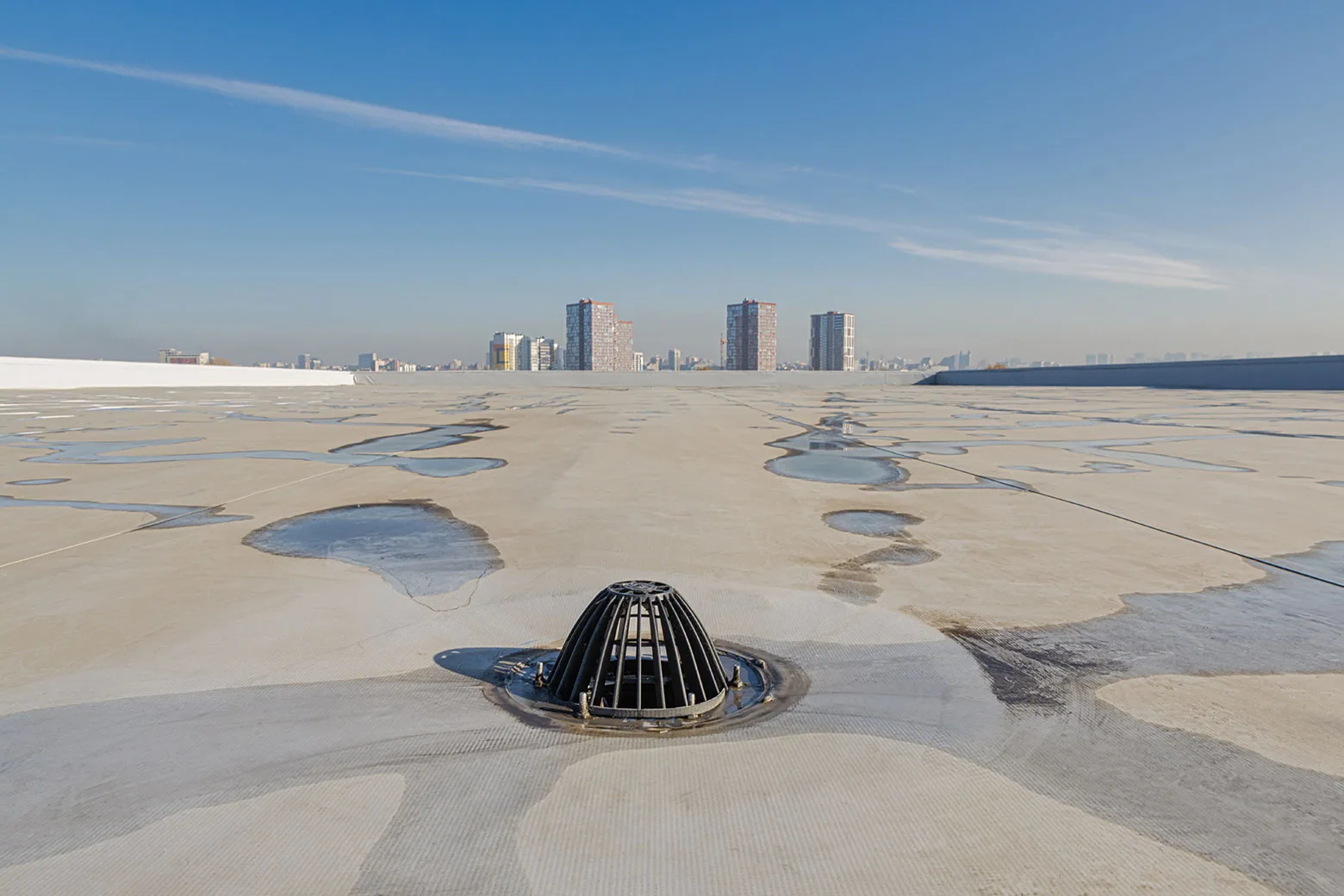
Drainage is particularly important in a wet-season climate. Portland International Airport receives rain most often in the cool months. That narrows coating application windows; stage only a section that meets product moisture and cure limits. We inspect drain bowls, scuppers, crickets, and low points so the selected membrane or coating does not simply cover a drainage problem. A reflective system follows the roof's underlying shape unless the project includes a designed slope correction. Water should have a clear route to the outlet.
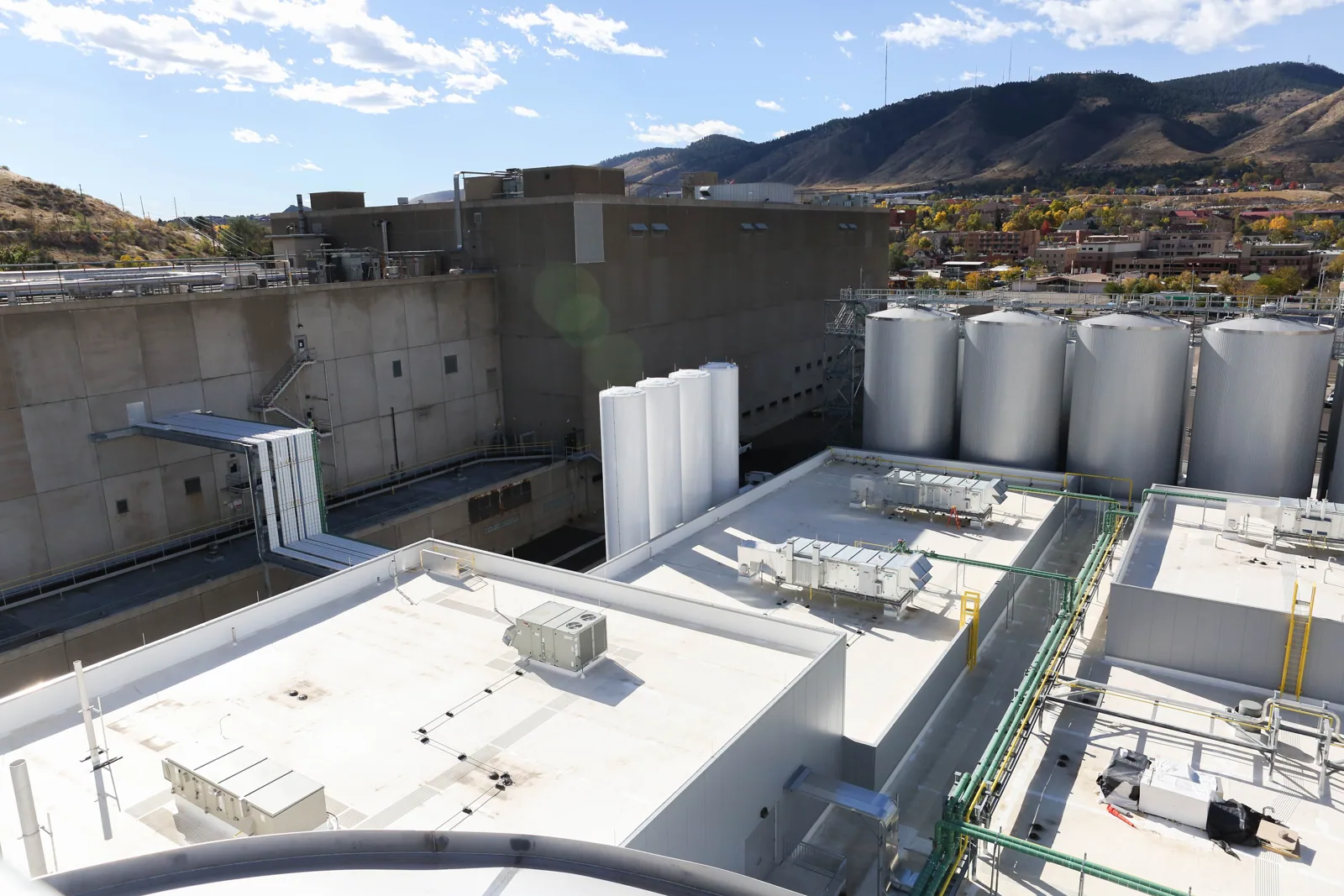
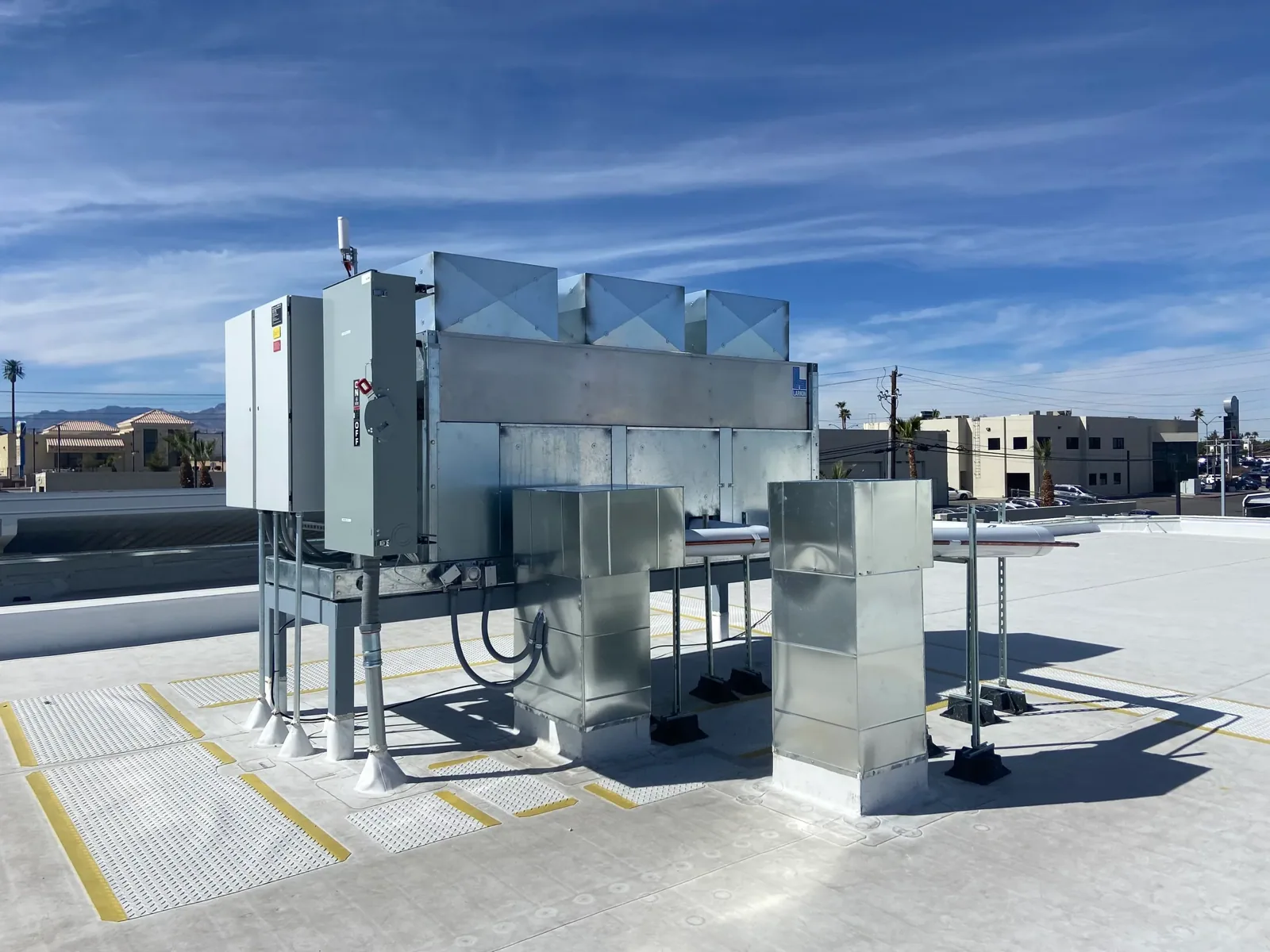
Rooftop equipment can also affect heat and installation. Exhaust discharge may deposit residue; units may require service access; and solar or mechanical supports can shade sections unevenly. We map these conditions, protect equipment during application, and coordinate any shutdown or intake restriction with the facility. The scope should state where coating or membrane work stops and how details around supports and curbs will be completed.
How much does Gresham's summer heat matter?
Portland International Airport averages 1.2 days per year at or above 100 degrees Fahrenheit and 14.6 days at or above 90 degrees. These values show periodic hot-weather exposure, not a direct measure of any individual roof-surface temperature. The benefit of a reflective assembly depends on the roof's layers and building operation. We discuss the target condition and point out where a separate energy analysis would be needed.
Gresham Vista Business Park has industrial, technical-service, food-processing, logistics, retail, office, and commercial uses. Each use has different equipment and occupied schedules. A reflective roof choice should account for roof access, rooftop units, material handling, and the space below, not simply a general claim about industrial properties. At Gresham Vista Business Park, we would evaluate the actual facility and system before defining a project scope.
Southshore Corporate Park contains manufacturing and distribution uses in an I-84 and Columbia River industrial corridor. Larger deliveries or lift access may need coordination with freight movements and the site's operating hours. We agree on staging, roof routes, work zones, and temporary protection with the facility contact. Whether installing membrane or coating, the crew closes each active area and records details before moving to another zone.
How is a reflective roof installed?
For replacement, crews remove or prepare the existing system according to the approved scope, address wet or damaged layers, and install the selected assembly with specified attachment, insulation, and flashing. For a coating, preparation, repairs, adhesion checks, and dry conditions come first. We write the sequence around the system, not the reverse. It should identify drain details, parapets, penetrations, curbs, edge metal, equipment access, and daily weather protection.
Occupied operations affect the work plan. We coordinate material staging, rooftop equipment shutdowns, air intakes, delivery routes, and work hours with the facilities team. A reflective membrane may be installed in sections, while a coating requires preparation and application windows that satisfy product requirements. If weather or surface conditions fall outside those limits, the application pauses. We explain that in the schedule so the building knows which roof areas remain active.
After installation, we inspect seams or coating coverage, flashings, drains, transitions, and equipment details. The owner receives the agreed photos and assembly notes. A condition report can retain the initial roof status and closeout observations together. Future maintenance gives the facility a way to note surface wear, residue, and drainage without assuming reflectance stays unchanged indefinitely.
What should be compared before approving?
Compare the whole assembly and the work required to prepare it. A proposal should list membrane or coating type, insulation, cover board, attachment, repairs, flashings, edge metal, drainage changes, and testing. It should identify any equipment shutdown, staging, or access constraint and state how concealed moisture changes the scope. Product reflectance information can be considered alongside roof condition, but it should not stand in for a building-energy assessment.
Gresham's Northerly Industrial Area contains a mix of distribution, manufacturing, and processing uses on varied parcels. A cool-roof project in that area still depends on the individual deck, system, ventilation, and operating load. We can walk the roof with the facility director, document constraints, and outline a reflective option with its limitations. The next step is a site evaluation, not a generic claim about expected savings.
Cool Roof Installation FAQs
-
Will a reflective roof lower our building's energy bill?
It may reduce solar heat gain at the roof surface, but utility results depend on insulation, HVAC, occupancy, ventilation, and energy rates. We cannot project a savings amount without a building-specific analysis. A building-specific energy analysis can estimate the effect of a roof change more accurately.
-
Can a coating make our current roof a cool roof?
Some coatings provide a reflective finish when the existing assembly is sound, dry, compatible, and properly prepared. We inspect the roof, test adhesion when required, and repair open details first. A coating cannot correct wet insulation or a failed deck by covering it.
-
Does a reflective roof stay clean on an industrial building?
Surface condition changes with dirt, exhaust residue, ponding, and maintenance. We consider nearby equipment and discharge when selecting a system and set inspection priorities at closeout. Cleaning must follow the system requirements so the surface is not damaged.
-
Can reflective roofing be installed while our facility operates?
Usually, with staging, roof zones, equipment, and access planned with the facility. Coating work also depends on preparation, temperature, and cure conditions. We coordinate any shutdowns or intake protection and close each active area before moving on.
Related Roofing Work
Commercial Roof Inspection
Learn More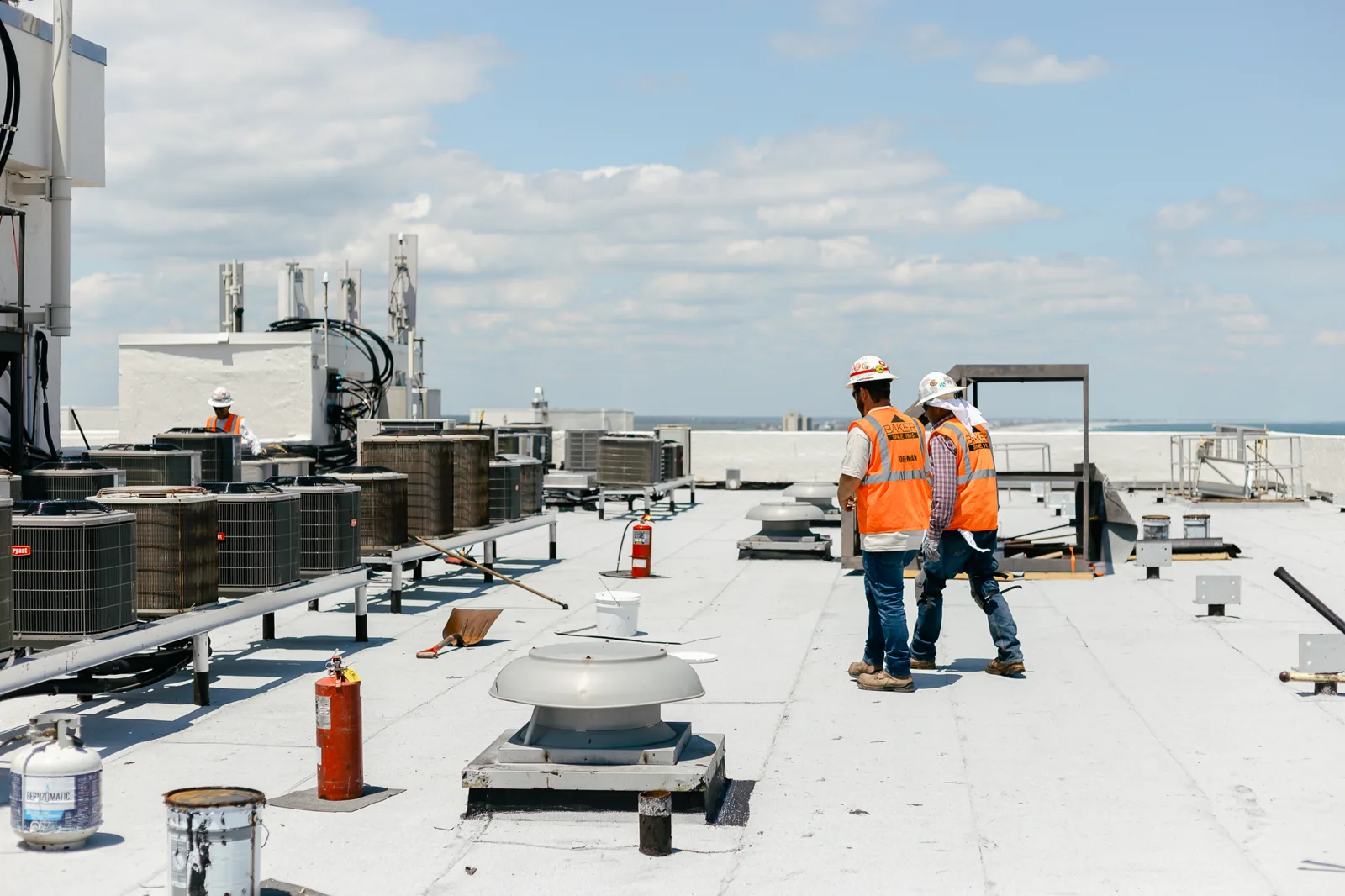
TPO Roofing
Learn More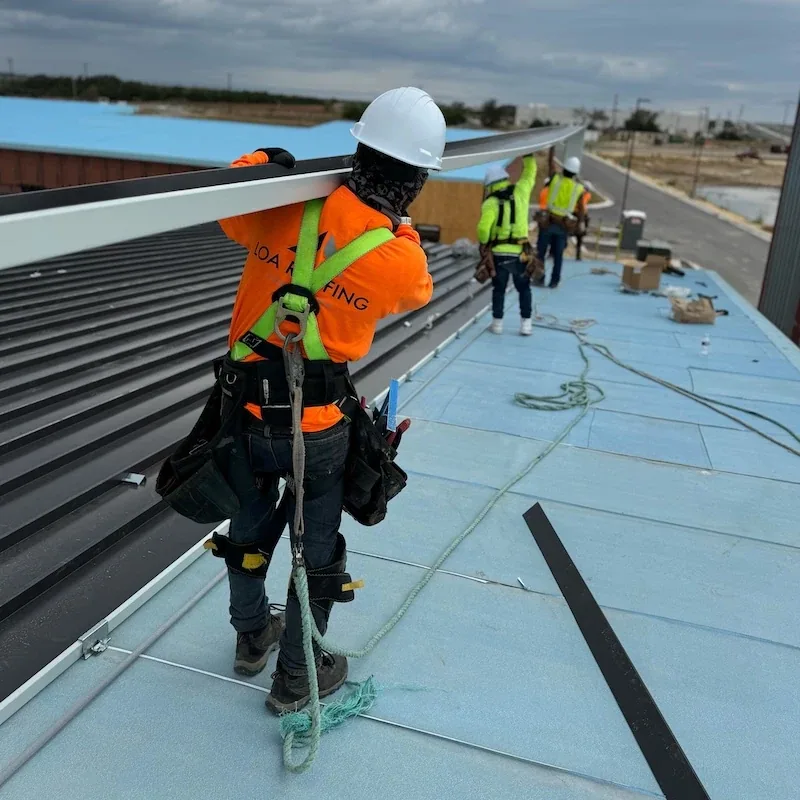
Commercial Roof Maintenance
Learn More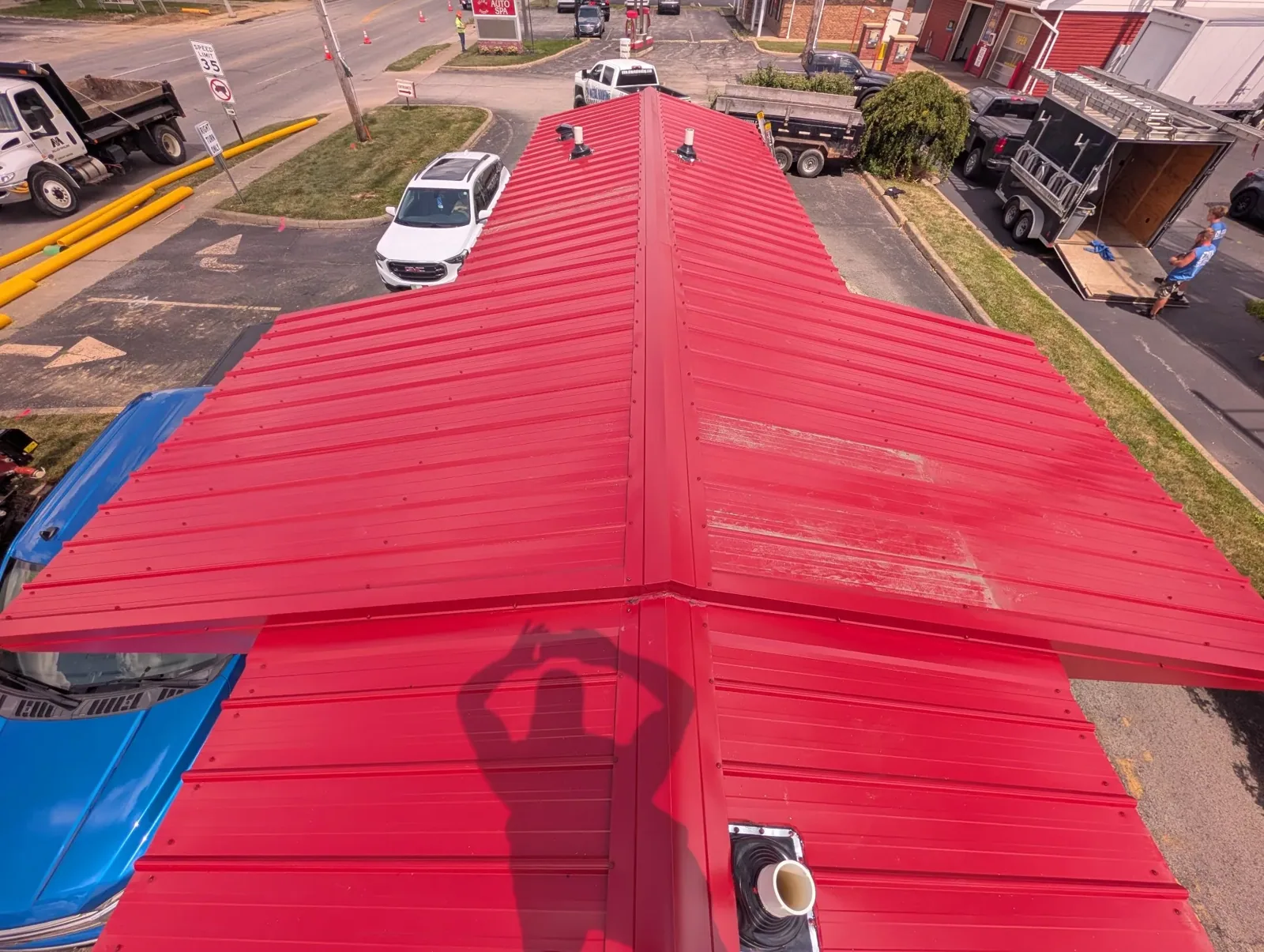
Commercial Roof Coating
Learn More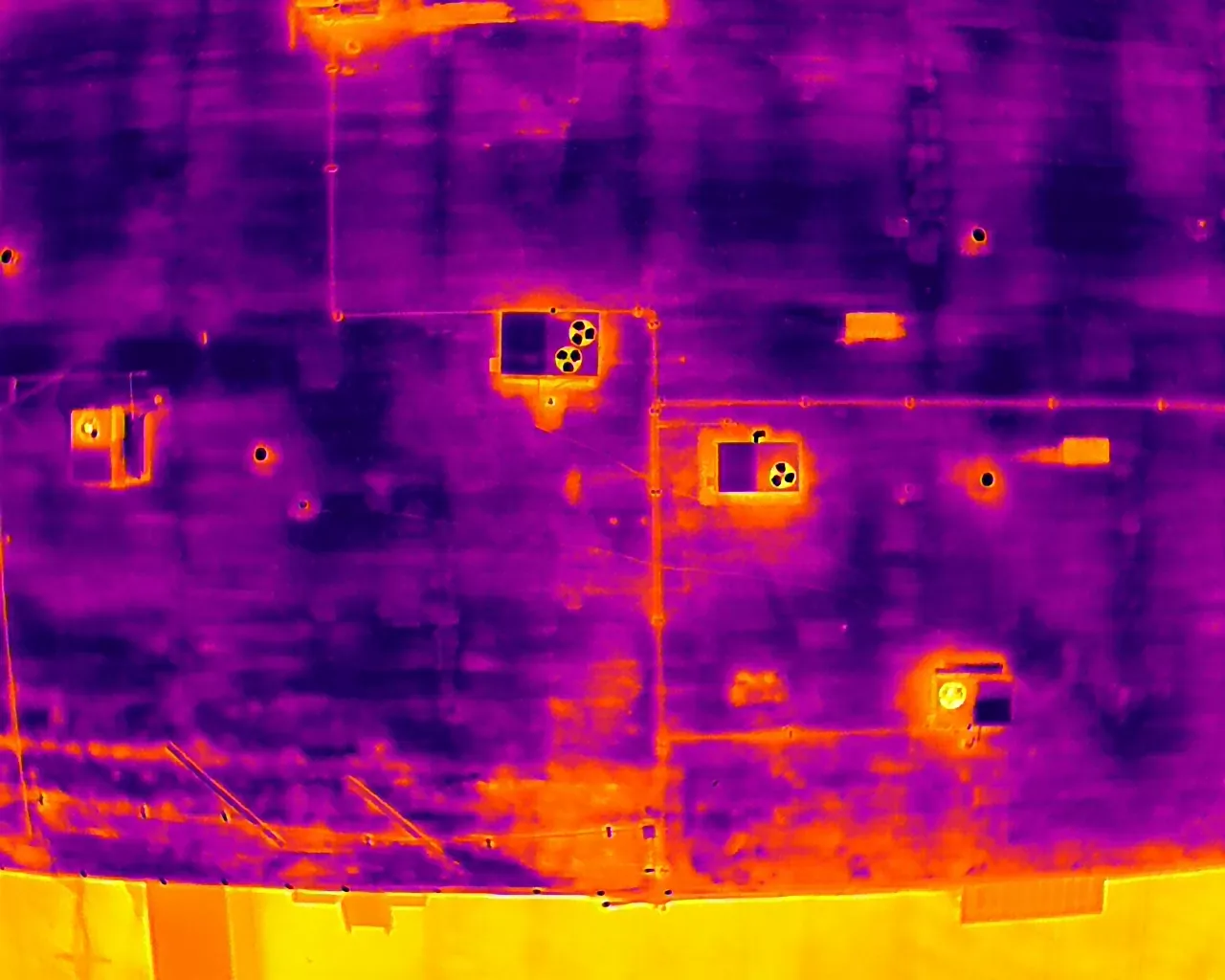
Infrared Moisture Survey for Commercial Roofs
Learn More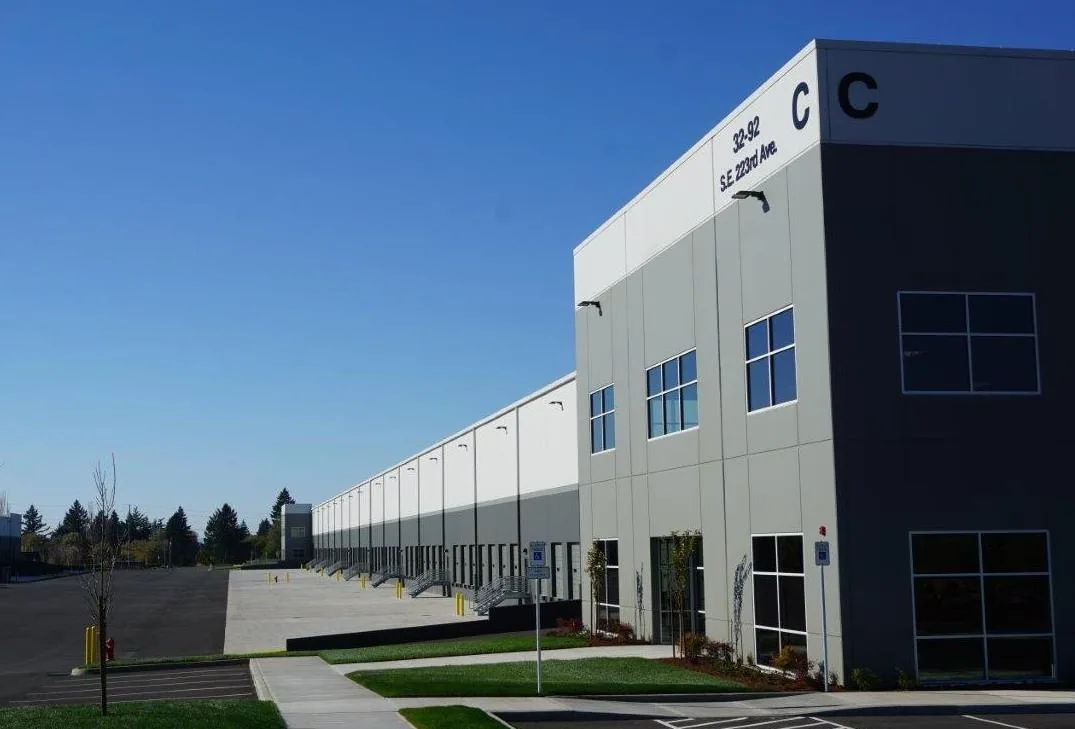
Gresham Vista Business Park
Learn MoreEvaluate a reflective roof option
Request a roof assessment in Gresham
We will assess the roof assembly, surface condition, drainage, and operating needs at your Gresham facility. Tell us about the building, the roof and what you are seeing. Call 555-555-5555, email [email protected] or send the details through our contact page and we will set up a time to walk the roof.