
Senior Living Roofing in Gresham, OR
Plan a senior living roof review
- Home
- Property Types We Roof
- Senior Living Roofing
A senior living roof project is managed around residents, staff, visitors, and the building systems they rely on each day. A work zone above a dining room, apartment wing, or shared lounge needs clear notice and safe access. We begin by learning the property’s access process, the roof assembly, and where a leak has appeared. Gresham connects historic Downtown and Civic Neighborhood to Rockwood through commercial corridors. Each community follows its own resident routines and access process. A roof inspection records roof conditions so repairs can be planned with the property team.
How do resident routines affect a roof project?
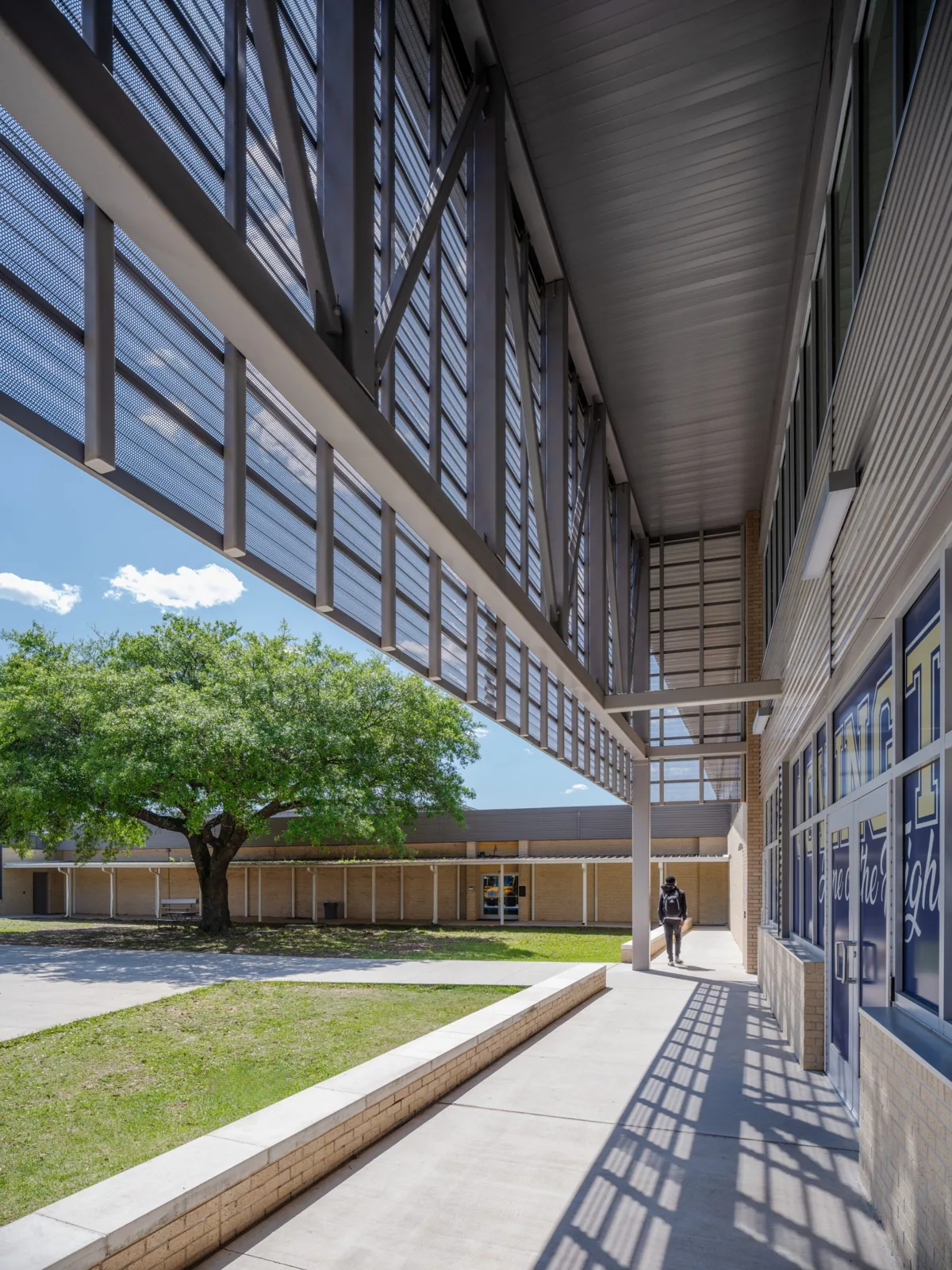
Work hours should account for meals, activities, shift changes, and visitor traffic. The property contact identifies which entrance to use, where lifts or materials can be staged, and who will communicate a temporary restriction. We agree on a route that keeps residents away from the marked work zone. Roofing staff do not enter resident rooms unless the property has arranged access for a specific reason.
Rooftop units, exhausts, and service lines may be maintained by separate contractors. We note their locations and clarify who can authorize equipment movement. A curb or penetration needs a complete flashing detail after service, and any change should be recorded. The equipment curb review helps coordinate the roofing interface with those vendors.

Where can a roof leak travel inside?
Water may appear in a hallway or apartment well away from the roof opening. It can move along framing, a deck rib, conduit, or insulation before becoming visible. Staff can help by noting the affected room, date, weather, and recent maintenance. We compare those details with roof seams, drains, walls, and penetrations. A ceiling mark helps narrow the search, but water can travel across a deck or insulation before appearing indoors. Trace it to the roof detail before setting the repair boundary.
Drains and overflow paths need attention when water remains on the roof or returns after each storm. Debris may block a bowl, while a failed flange or split flashing can leak independently. We inspect both the outlet and its surrounding membrane. A drainage review can determine whether clearing, flashing repair, or a broader correction is appropriate.
Cool-season rain keeps drains and perimeter details on the routine check list before overnight freezes limit access. We plan a weather-aware work sequence, protect any opened area, and close the roof before leaving. That is especially important where residents or shared rooms are directly below.
What should a community roof review include?
We inspect the membrane, seams, edges, wall flashings, roof penetrations, drains, and repairs already on the surface. Photos identify the roof zone and the observed condition. The report separates active leaks from service items and conditions that can be placed in a capital plan. The community’s facilities lead can then decide what should be addressed first and who needs an update.
Interior reports are more useful when they include room or corridor, time, weather, and recent ceiling or equipment work. When surface clues suggest moisture below the membrane, infrared readings or a controlled test cut can map its likely extent. We describe what the inspection confirms and where additional testing would help. A photo condition record gives staff a reference for future visits and budget discussions.
Before the walk, we confirm check-in, escort rules, roof access, notice timing, and any restrictions on equipment staging. The property can identify activities or common areas that need to remain undisturbed during the visit.
Can an aging roof be repaired in stages?
A localized leak on a sound, dry assembly may need a targeted repair. Repeated failures, widespread moisture, loose attachment, or many deteriorated transitions can support a larger scope. A recover or coating should only be considered when the existing roof is suitable for another layer. We review the assembly, drainage, edges, moisture, and repair history before making that recommendation.
Replacement can be phased by building wing or roof section. The work plan identifies resident notices, staging, access, temporary protection, and how each area is closed at the end of the shift. A replacement sequence helps staff plan around meals, activities, and quiet periods. For a community with apartment-style occupancy, an apartment roof assessment offers a related perspective on unit access and resident notices.
If hidden damage appears, the crew protects the opening and documents the condition before asking the owner to approve added work. The proposal should make the immediate repair boundary clear and identify options for the remaining roof. If a property also operates a clinical care wing, a hospital roof review can address department access and equipment coordination.

How do we keep residents clear of active work?
The property manager confirms where the crew checks in, approved work hours, material routes, lift placement, and the staff contact for each day. Residents receive notice from the community team when an entrance, balcony, or shared area will be restricted. The contractor marks the work zone and keeps tools and materials within the approved area.
We open only the roof area that can be protected and closed within the shift. If conditions below the membrane require a larger repair, the crew secures the opening, sends photos to the owner, and waits for direction. At close, drains are checked, debris is removed, and access routes are restored. A simple daily handoff tells staff which area is complete and what remains.
If work takes place over an occupied room, the property identifies any required interior protection or resident move before the roof is opened. That decision stays with community staff, who know resident needs and building operations.
What should ongoing roof care track?
Routine reviews check drains, seams, wall transitions, edges, penetrations, and areas touched by a mechanical contractor. Clear loose debris and record new damage before a small opening spreads. The maintenance log should connect each repair to its roof zone and include dated photos. If staff report recurring water inside, retain the date and location for comparison with prior work.
Gresham’s Downtown, Civic Neighborhood, and Rockwood centers provide geographic context, while the property’s own roof record sets its maintenance needs. A preventive roof visit can identify repairs to schedule before wet weather and keep service notes current. The manager can share those findings with operations and ownership without relying on a resident’s initial description alone.
What should staff share before scheduling?
Provide the roof plan, leak locations, recent equipment work, access rules, resident notice process, and any dates when common areas cannot be restricted. Identify who can approve repair work and who coordinates communication. We will inspect the roof, explain the findings, and outline a repair or replacement path. Schedule a roof walk so the property team can plan safely around resident routines.
Senior Living Roofing FAQs
-
Can roof repairs happen while residents remain in the building?
Often, when work hours, access, staging, and restricted areas are agreed with the property team. Staff handle resident notices and any interior access needs.
-
How should staff respond to a resident leak report?
Record the room, date, time, weather, and recent maintenance. Protect the interior through the property's process, then trace the water entry point from the affected room to the roof detail.
-
Do roofers need to enter resident apartments?
Most roof inspections use roof access only. If a ceiling or private area must be inspected, the property arranges notice and permission before entry.
-
Can you phase a replacement across several wings?
Phasing may work when the roof assembly supports defined sections. The plan should set boundaries, temporary protection, access, resident notices, and daily closure.
-
What records help with future roof repairs?
Keep dated photos, roof-zone labels, repair methods, drain notes, leak reports, and equipment changes together. Those records help staff distinguish a new issue from prior work.
Related Roofing Work

Downtown and Civic Neighborhood
Learn More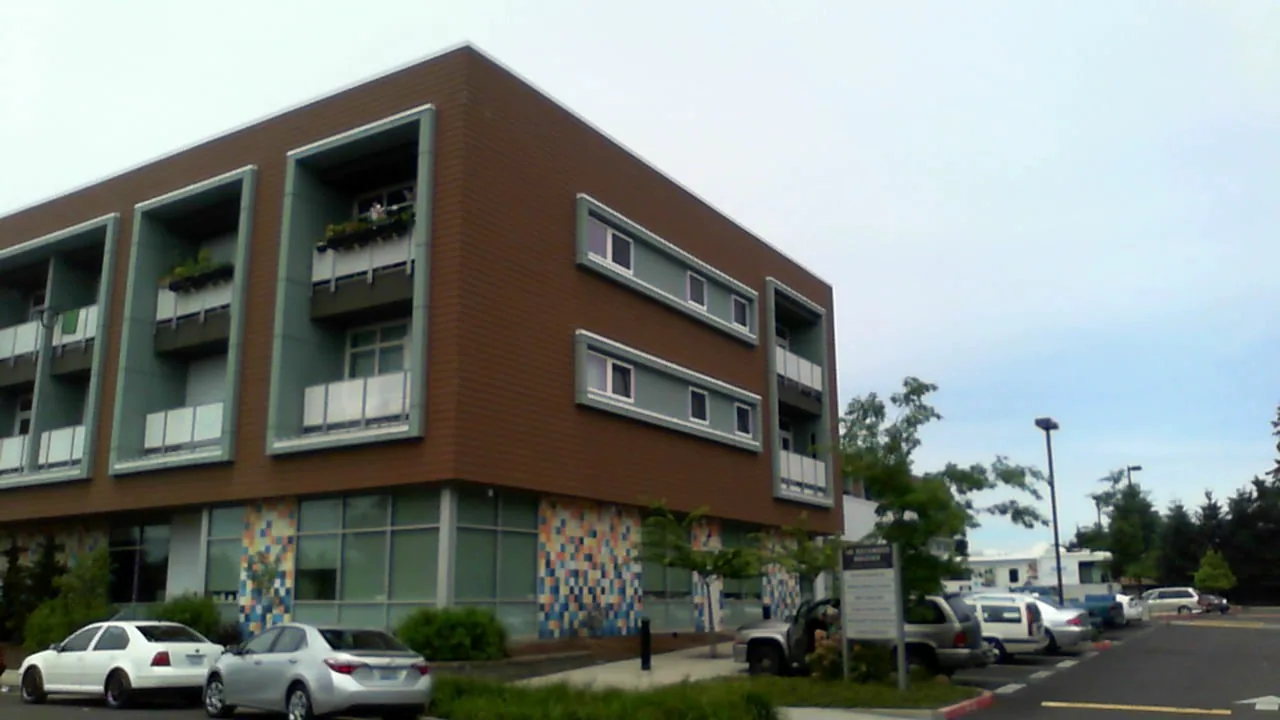
Rockwood
Learn More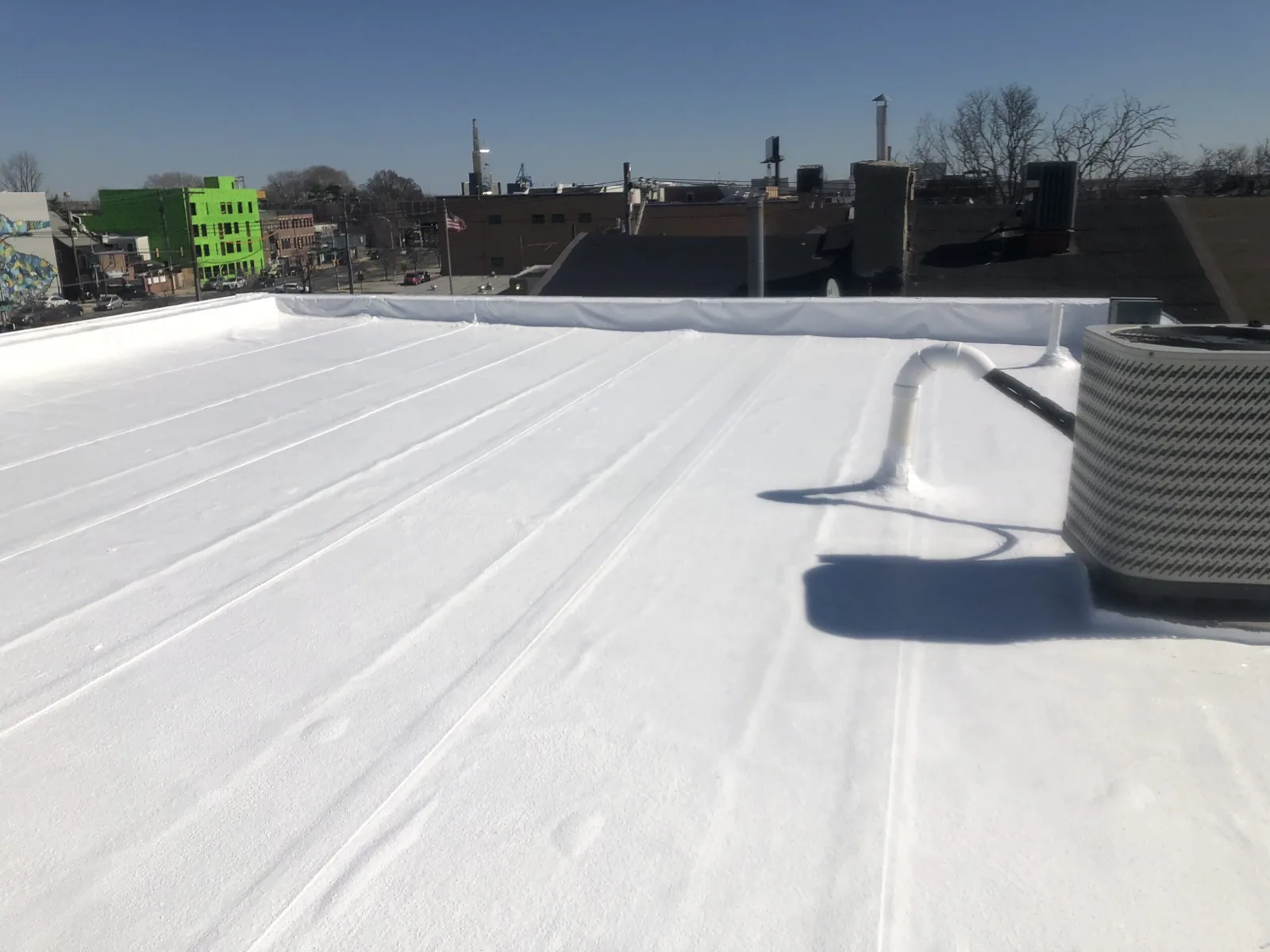
Commercial Roof Inspection
Learn More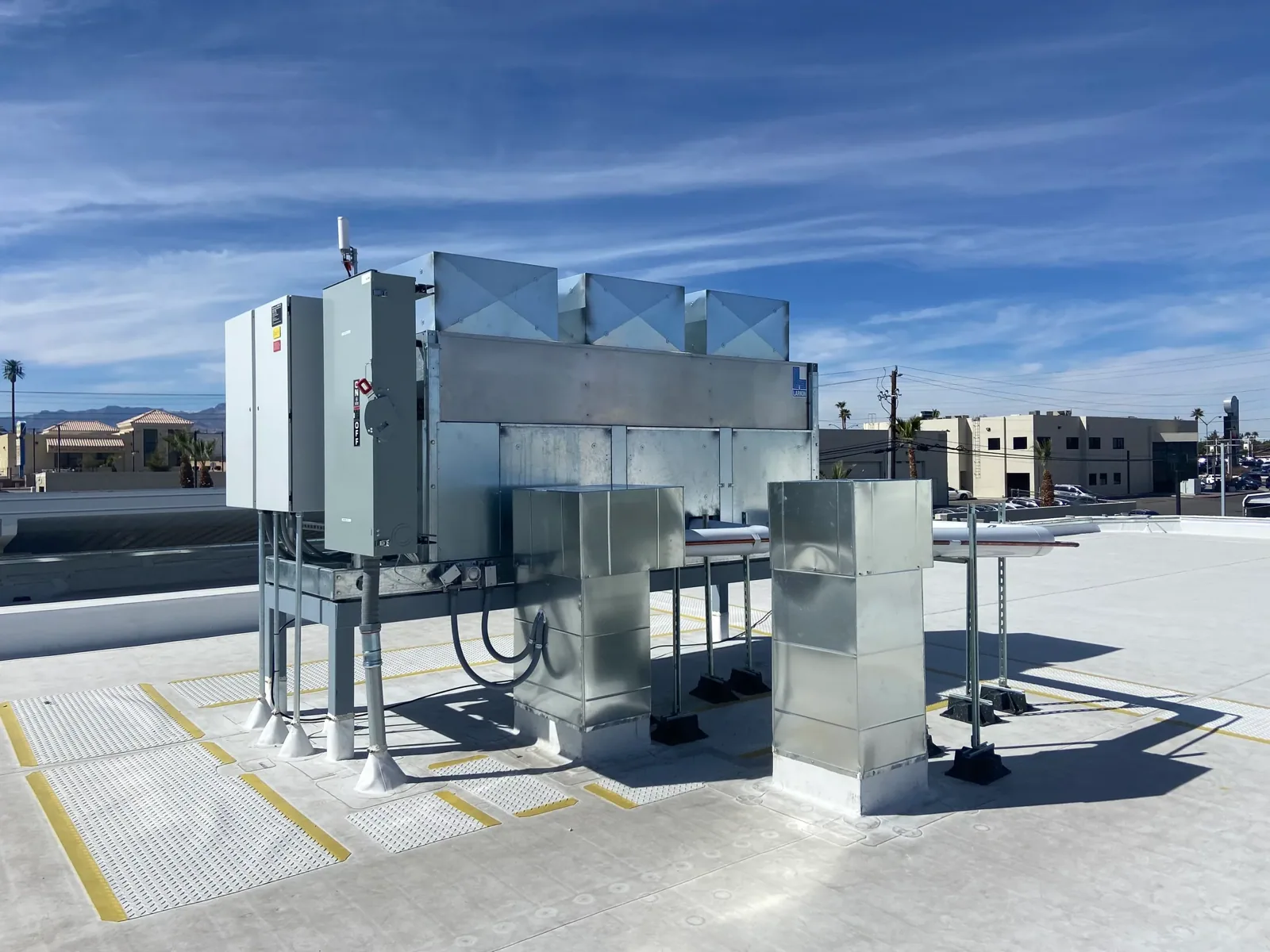
Rooftop Equipment Curbs and Supports
Learn More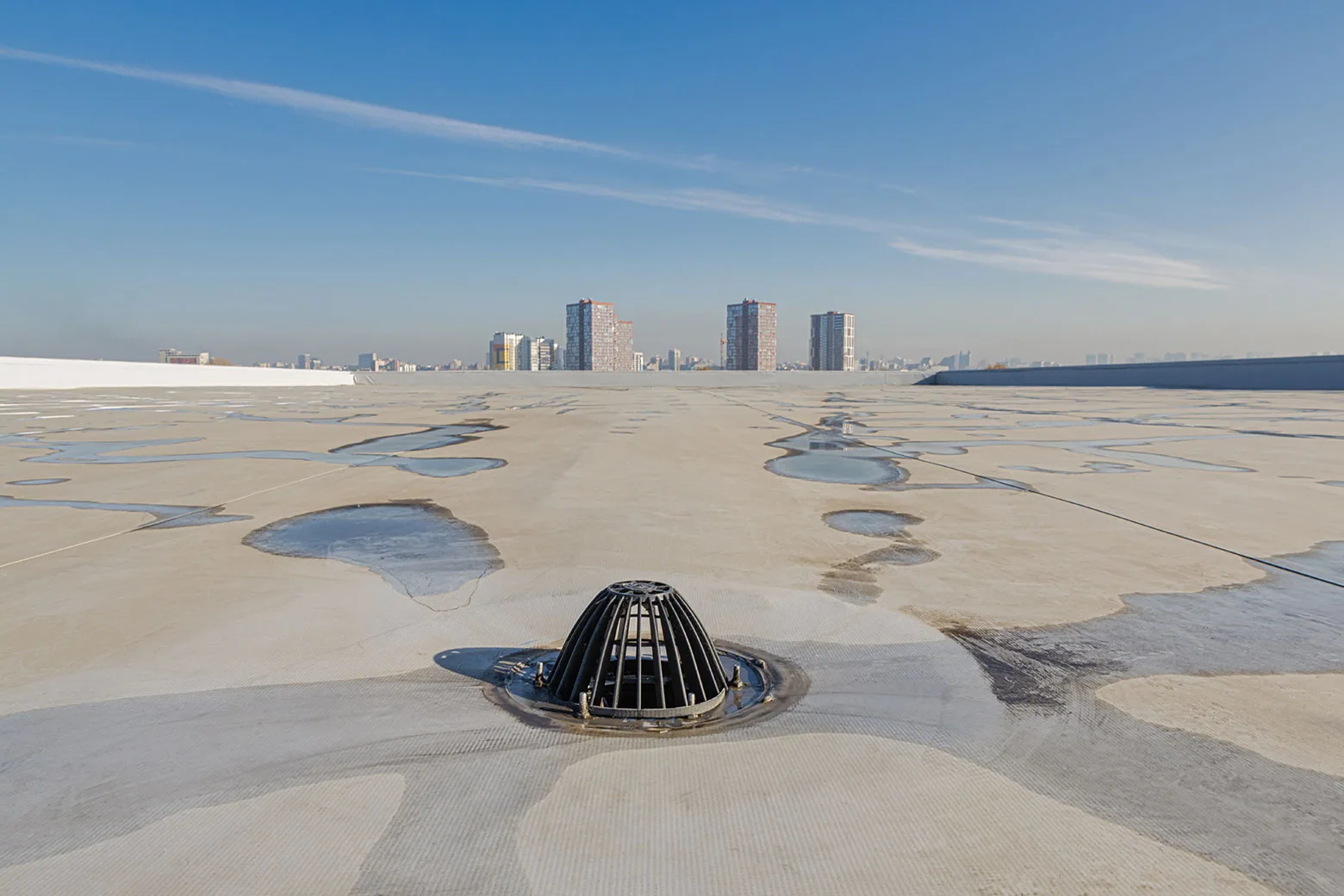
Commercial Roof Drains and Scuppers
Learn More
Commercial Roof Replacement
Learn MorePlan a senior living roof review
Request a roof assessment in Gresham
We will coordinate access with community staff, inspect the roof and drainage, and recommend a repair sequence that respects residents and daily operations. Tell us about the building, the roof and what you are seeing. Call 555-555-5555, email [email protected] or send the details through our contact page and we will set up a time to walk the roof.