
Apartment and Multifamily Roofing in Gresham, OR
Plan an apartment roof inspection
- Home
- Property Types We Roof
- Apartment and Multifamily Roofing
An apartment roof protects many homes at once. A repair may affect resident access, balconies, common halls, rooftop equipment, or a shared amenity area. We start with the reported condition, roof assembly, and the property manager's notice and access process. Gresham's Downtown and Civic Neighborhood and Rockwood are established commercial centers, but each multifamily property has its own building layout and resident routines. A roof inspection records what is happening on the roof before a repair or replacement plan is set.
How do resident schedules affect roof work?
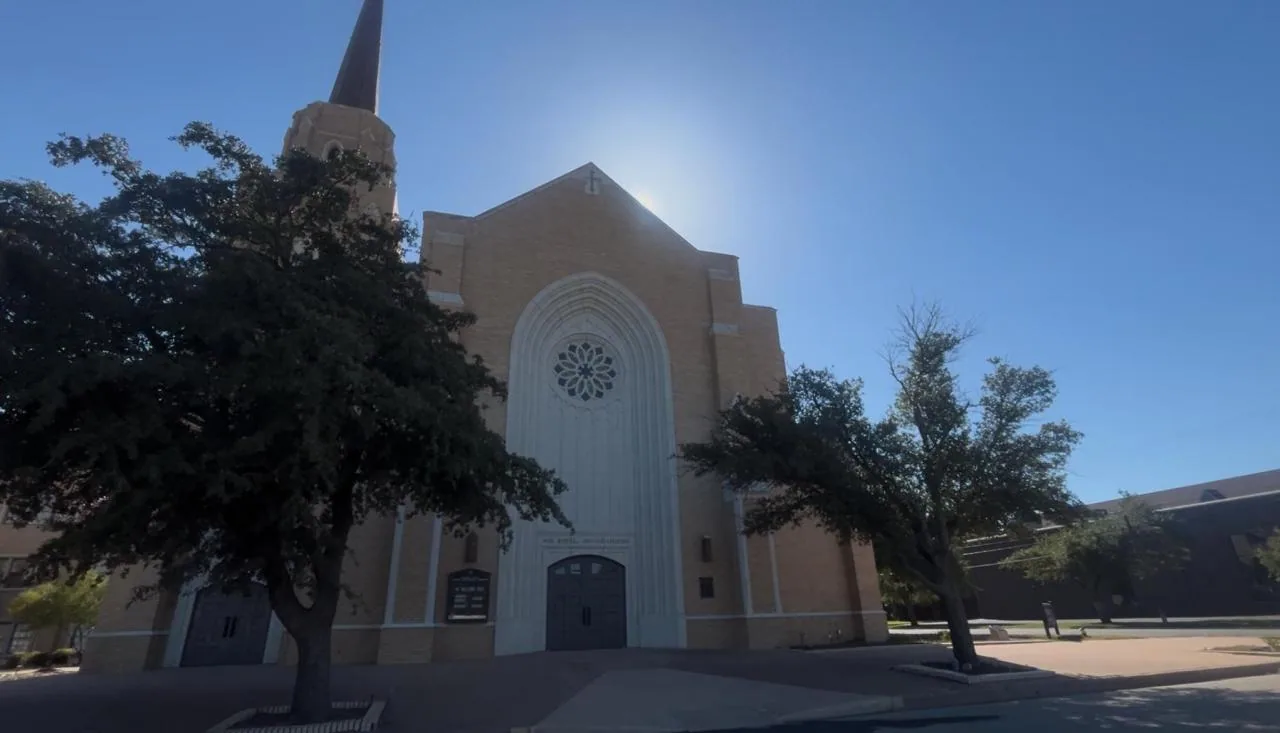
The manager identifies quiet hours, entry procedures, parking or lift restrictions, and how notices reach residents. A contractor may need to work above balconies, stairs, or shared outdoor areas. The plan should say when those areas are temporarily restricted and which route remains open. We coordinate arrival and material staging with property staff instead of asking residents to manage contractor access.
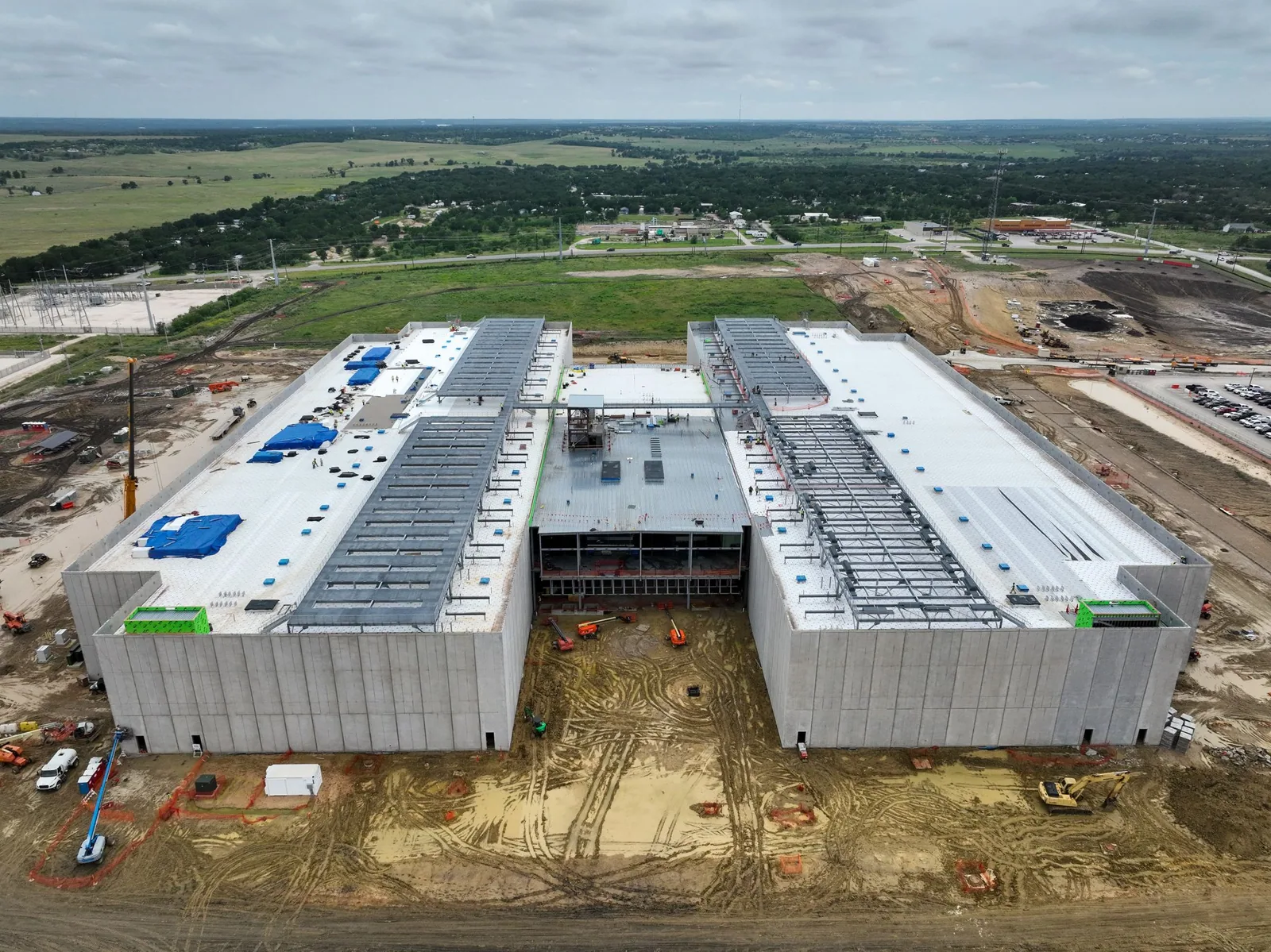
Rooftop equipment can serve more than one unit or building section. We map curbs, pipes, exhausts, and supports, and identify which mechanical contractor owns each connection. If equipment needs to be moved, the roofer coordinates the flashing sequence with that trade. The equipment curb review makes the roof interface part of the work plan.
What roof details can affect an apartment below?
Water may travel from a roof opening before it reaches a ceiling or wall. It can move along the deck, insulation, a pipe, or a framing connection, so the wet area may not sit directly under the entry point. The manager should record the unit or common room, when the issue appeared, and whether it followed rain or recent building work. We compare that report with seams, drains, walls, and penetrations.
Parapets, roof edges, balcony transitions, and drain bowls can each create a leak path. We inspect the full connection, including nearby membrane and visible overflow route. Debris at a drain can slow flow; a loose flange or split flashing can leak even after the bowl is clear. A drainage review helps determine whether cleaning or repair is needed.
Rain is most frequent in fall through spring across the Gresham area. When residents report a leak during that season, prompt temporary protection can limit interior exposure while the permanent scope is prepared. We confirm conditions on the actual roof before prescribing a repair.
What should the property manager document?
The inspection covers seams, membrane, penetrations, wall transitions, parapets, roof edges, drains, and any repaired area. Photos should identify the building and roof zone, not just the detail. We separate active water entry from routine maintenance and longer-range deterioration. This gives the owner a record for service authorization and resident follow-up.
Resident reports are useful when they include unit or common-area location, date, weather, and whether the ceiling or plumbing was recently serviced. We compare them with roof conditions and identify where additional testing may be needed. If moisture is concealed in insulation, a survey or test opening can help map its extent. A photo-based condition record lets staff track each finding without sharing resident details beyond what the repair requires.
Before access, confirm roof keys, ladders or hatches, notice rules, balcony restrictions, and the contact who can approve a schedule change. Those steps make the visit easier for staff and residents.
When should the owner consider replacement?
A limited puncture or flashing failure may call for a local repair if surrounding material is dry and sound. Repeated leaks, broad wet insulation, loose attachment, or many aging transitions may support a larger scope. A coating or recover can be considered only when the existing assembly can accept it. We review moisture, drainage, edge height, attachment, and repair history before recommending an added layer.
Replacement can be divided by building or roof section to manage resident access and reduce the open area. The plan identifies temporary protection, balcony restrictions, material routes, equipment work, and daily closure. A replacement sequence gives the property manager a basis for resident notices and contractor coordination.
Properties with guest stays have different room and quiet-hour needs; a hotel roof review illustrates that operating context. In apartments, notice timing, unit access, and common areas remain central to the repair plan. The recommendation should match the property's own assembly and resident schedule.
How do we manage a repair across occupied units?
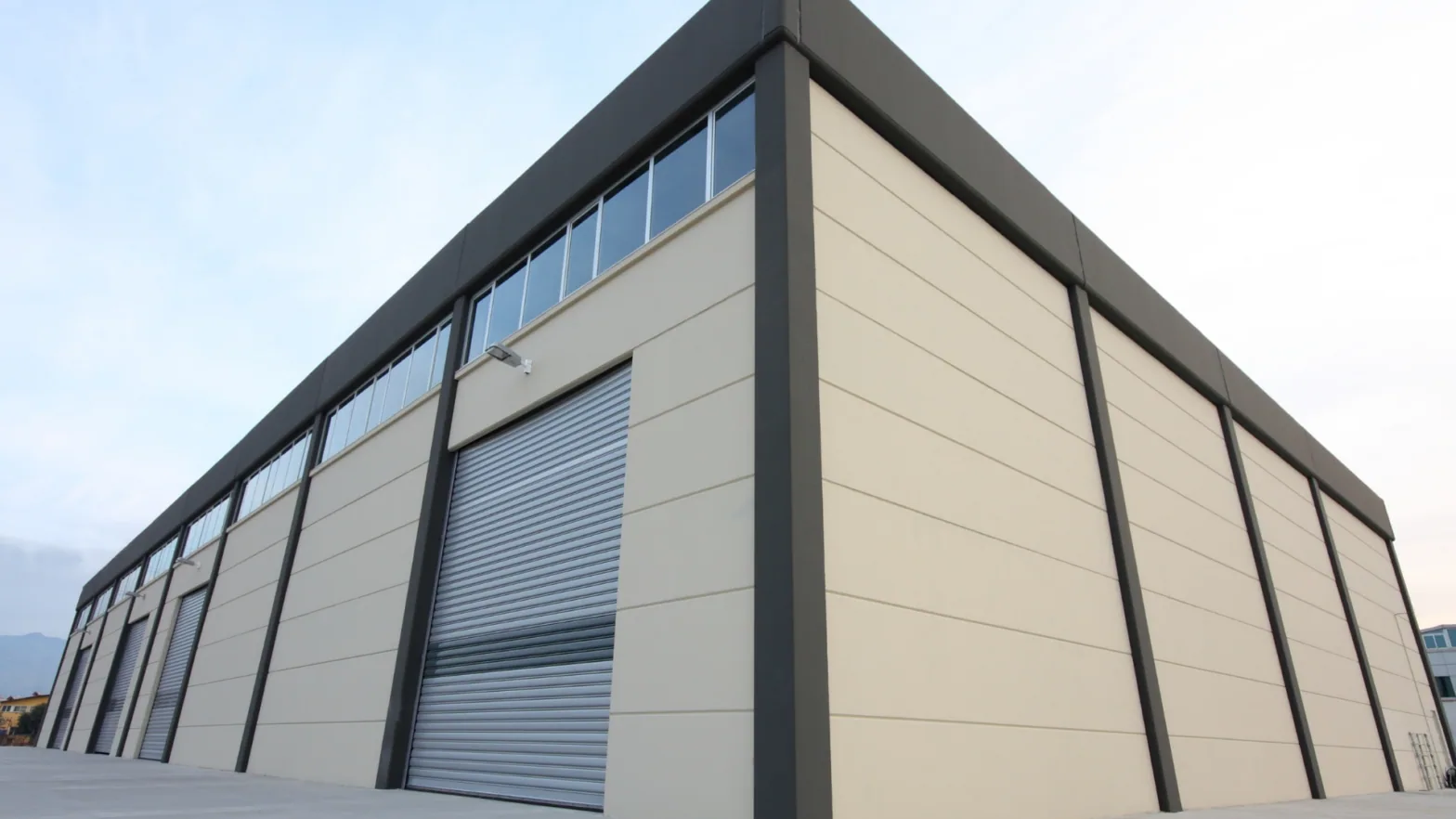
Before the crew arrives, property staff confirms which entrance to use, where to stage, what hours are approved, and how residents will hear about any restriction. We identify balconies or walkways below the work area and agree on how to keep them clear. The crew uses the approved route, secures the roof zone, and limits access to authorized staff.
The open area is kept within the amount that can be closed and protected that shift. If hidden damage expands the work, the crew secures the opening and sends evidence to the owner before proceeding. At close, the roof is made watertight, nearby drains are checked, and tools or debris are removed. Management receives an update that can be used for resident questions.
If work requires entry to a unit or balcony, the property manager handles notice and permission. Roofing staff do not enter occupied spaces without the arranged access. That boundary helps keep the scope clear and the resident communication consistent.
What belongs in the multifamily roof log?
Keep inspection records by building and roof zone. Include dated photos, repair method, roof system, drain observations, equipment changes, and recurring interior reports. After HVAC or cable work, inspect the touched penetration and verify that an abandoned line was closed. Routine visits should check edges, seams, parapets, drains, and accessible balcony transitions.
Gresham's commercial centers provide location context, while each property's service record defines its roof needs. A preventive visit can note new conditions and identify work to schedule before another wet season. A consistent record helps distinguish a new leak from one that was repaired and should be monitored. If the property includes office or management suites, an office roof review can help plan those separate access needs. Keep the two records linked to their building areas so a shared roof does not blur which detail or occupancy was affected.
What should management share before the roof walk?
Provide the roof plan, leak reports by unit or common area, access and notice rules, recent equipment work, and any dates when balconies or entrances cannot be restricted. Identify who can approve repairs and who communicates with residents. We will inspect the roof, document the evidence, and explain the next step. Schedule a roof walk so the work plan reflects the building and the people living below it.
Apartment and Multifamily Roofing FAQs
-
Can roof repairs happen while residents are home?
Often, with approved work hours, notice, a defined roof zone, and clear routes. If access to a balcony or unit is needed, the property manager coordinates permission.
-
How should residents report a roof leak?
Ask them to identify the unit or common area, date, time, and whether rain or building work was involved. Staff can arrange interior protection and contact the roofing contractor.
-
Can a roof repair require balcony access?
Some details may be reached from a balcony, but access should be planned with management and resident permission. The scope identifies any area that needs temporary restriction.
-
Should we repair or replace an apartment roof?
A local failure with dry surrounding material may be repaired. Widespread moisture, repeat leaks, or deteriorated attachment can support replacement after inspection.
-
What should be included in resident notices?
State the expected work window, affected route or balcony, contact for questions, and any temporary restriction. The manager should update residents if the schedule changes.
Related Roofing Work

Downtown and Civic Neighborhood
Learn More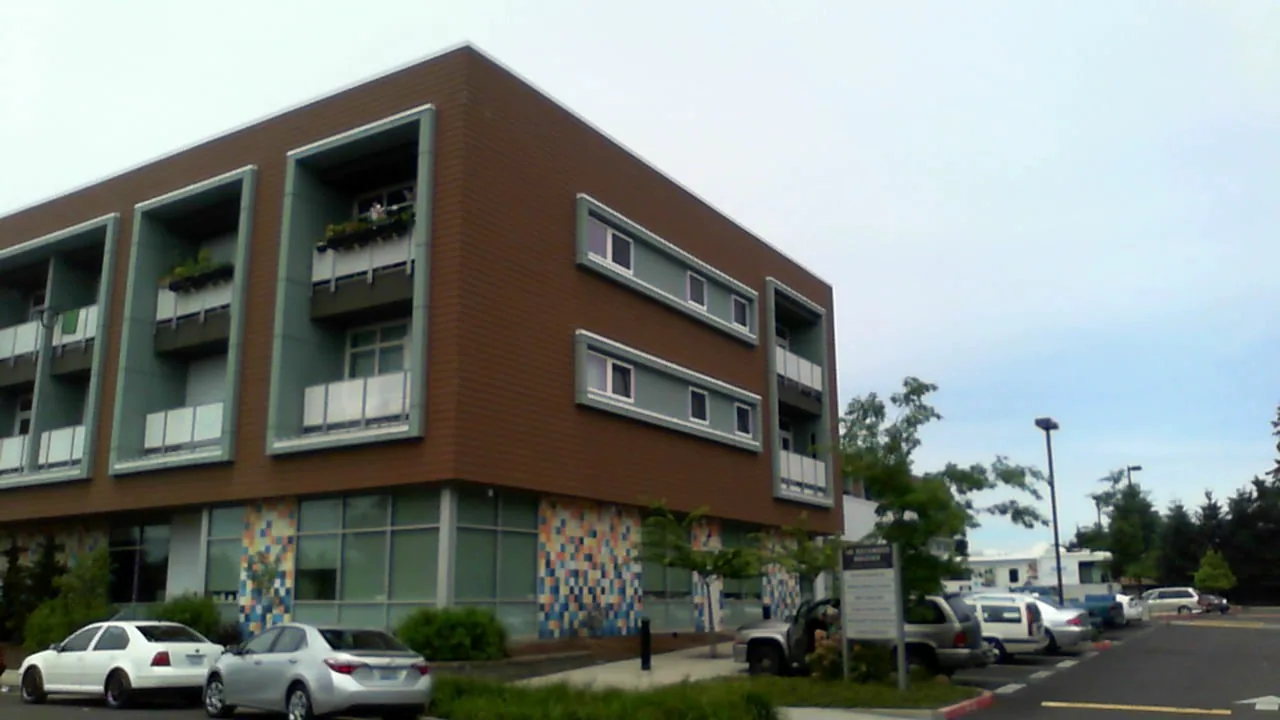
Rockwood
Learn More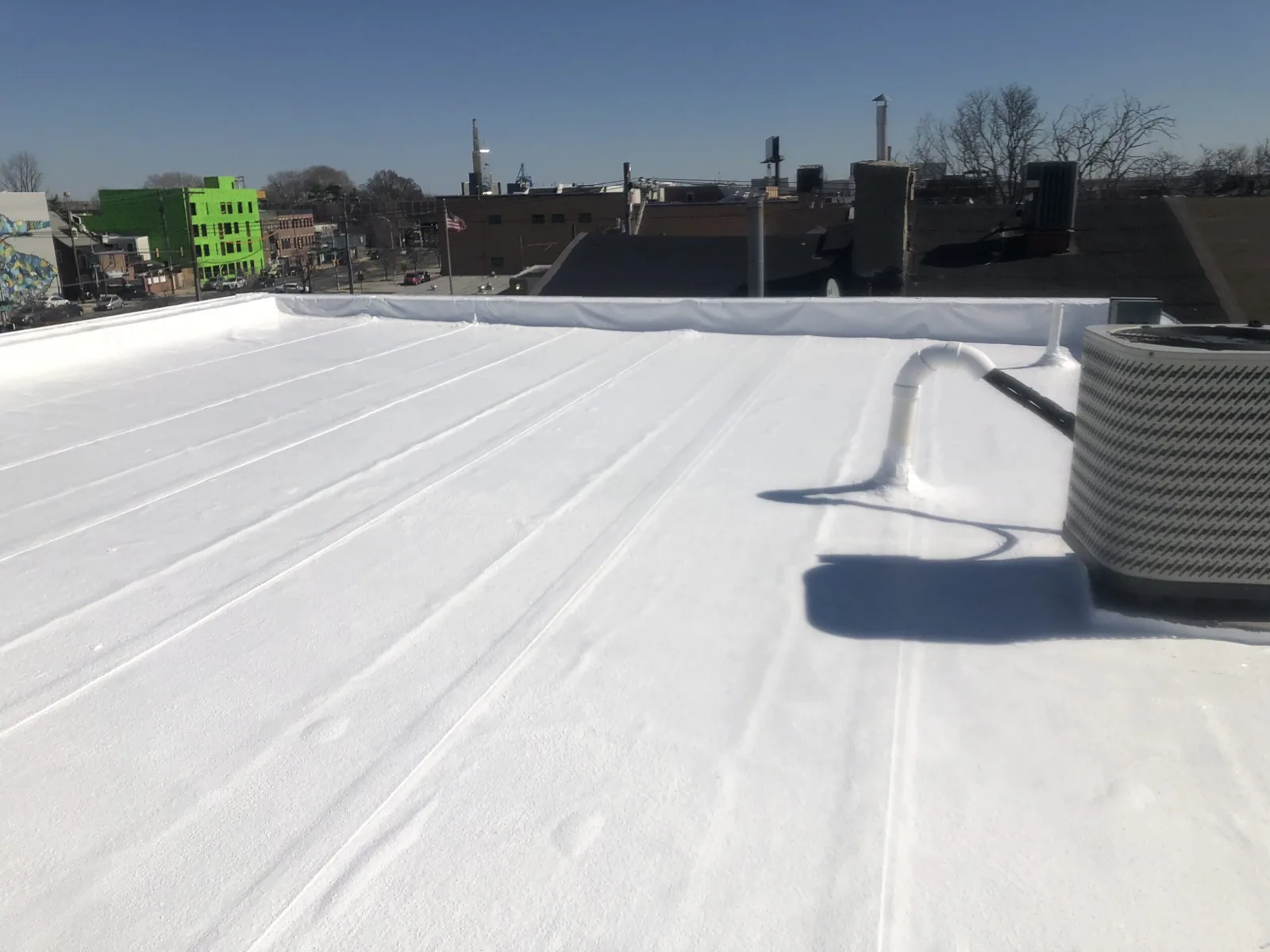
Commercial Roof Inspection
Learn More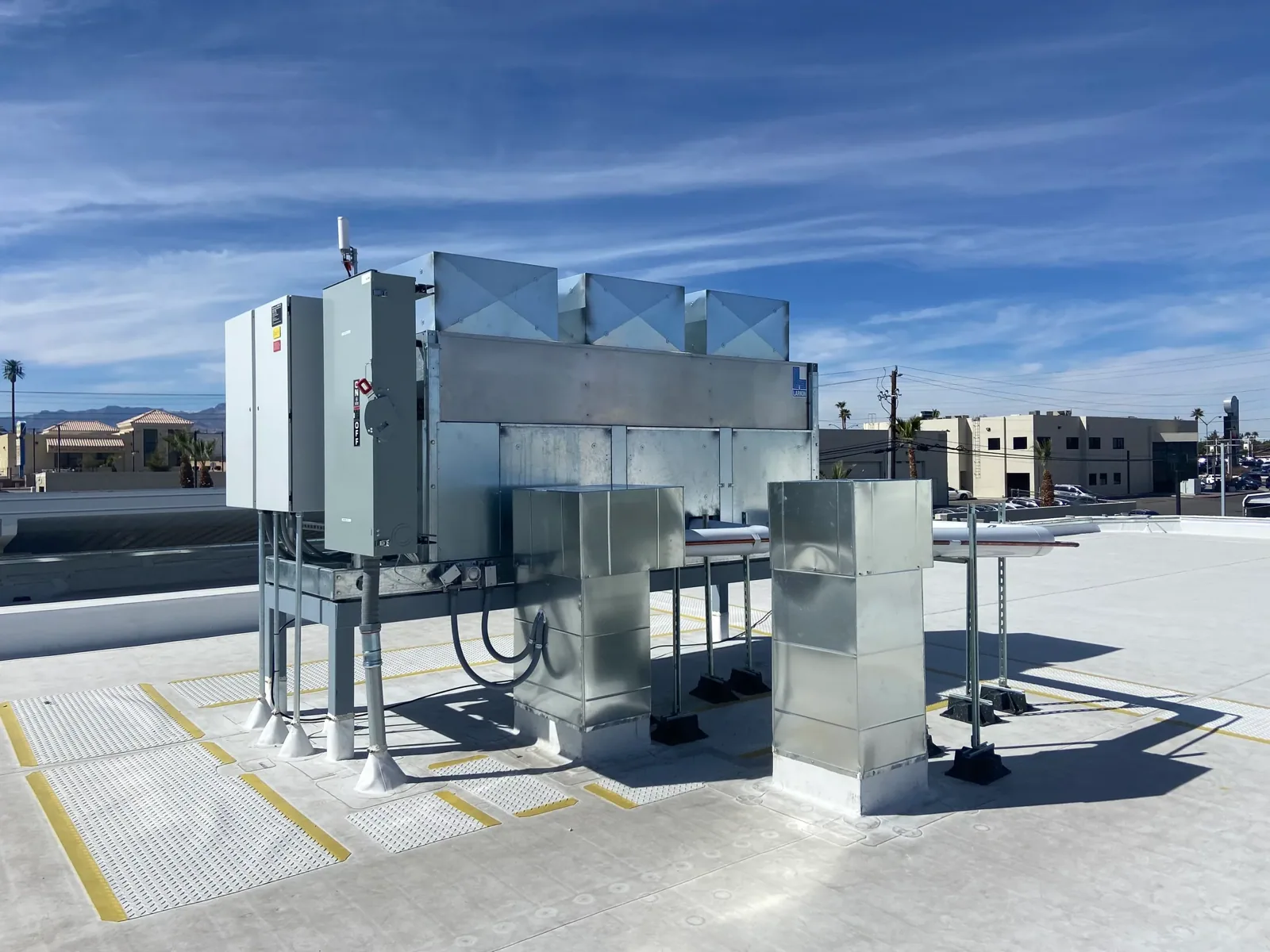
Rooftop Equipment Curbs and Supports
Learn More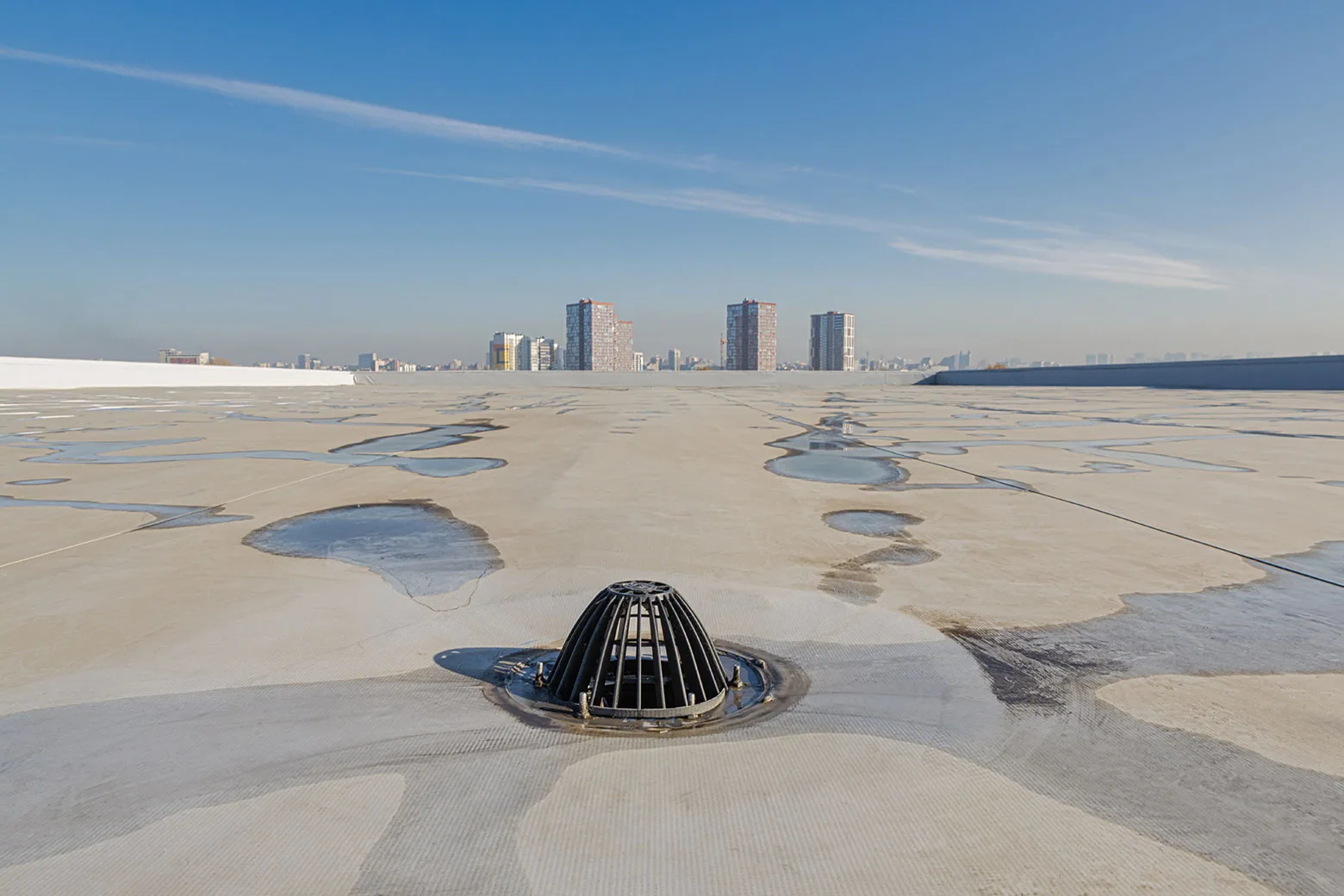
Commercial Roof Drains and Scuppers
Learn More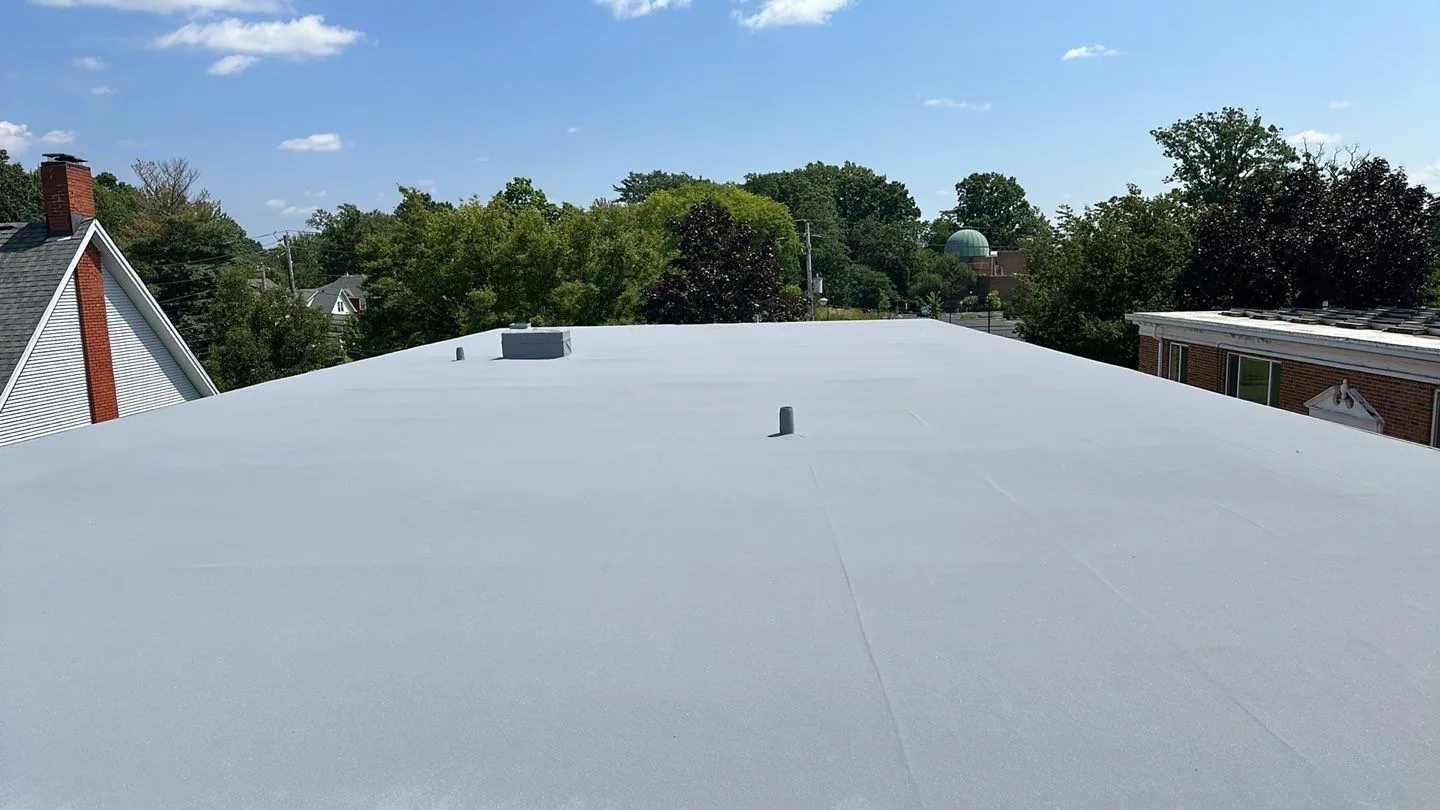
Commercial Roof Replacement
Learn MorePlan an apartment roof inspection
Request a roof assessment in Gresham
We will coordinate access with property staff, inspect the roof and transitions, and outline repair or replacement work that respects resident routines. Tell us about the building, the roof and what you are seeing. Call 555-555-5555, email [email protected] or send the details through our contact page and we will set up a time to walk the roof.