
Self-Storage Roofing in Gresham, OR
Schedule a storage roof inspection
- Home
- Property Types We Roof
- Self-Storage Roofing
A self-storage roof covers rows of units and drive aisles that tenants use throughout the day. A leak can affect stored belongings before staff can identify which roof bay is involved. We start with the unit row, reported timing, roof assembly, and site access rules. Gresham’s industrial land includes distribution and manufacturing, and the I-84 employment area connects active properties across east county. Southshore Corporate Park is another large-parcel industrial area in the market. A roof inspection maps the condition before repairs are scheduled around tenant movement.
How does tenant access shape the work zone?
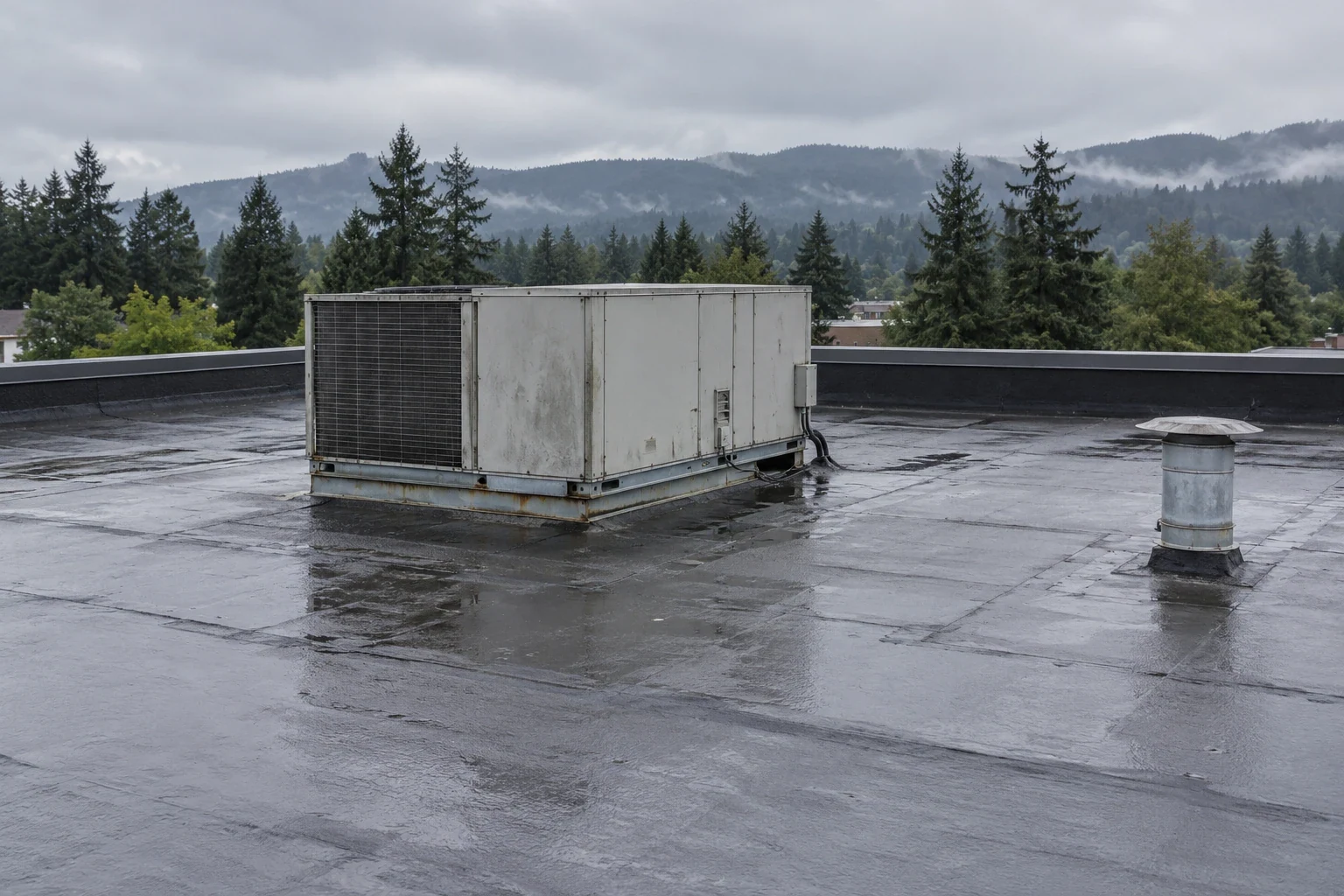
Customers may need to reach units while the roof is being serviced. The manager identifies gate hours, drive aisle routes, loading activity, and any rows that can be temporarily restricted. We plan lifts and material staging with the site contact so a contractor does not block a unit door or emergency route. The work area should be easy for staff to explain and easy for tenants to avoid.
Low-rise storage buildings can have large uninterrupted roof areas, but seams, perimeter edges, roof drains, and equipment penetrations still need close review. Office or climate-controlled sections may have additional rooftop units. The curb and support assessment documents those details and whether another service trade must attend.

How can water affect stored property?
Water can enter at a roof seam, curb, edge, or wall connection and travel along the deck before reaching a unit. The visible location below may not be directly under the opening. Staff can help by noting the row, unit, date, weather, and any recent work near the roof. We compare that information with the drainage map and likely water path before setting a repair boundary.
Drive aisles and long roof runs can send water toward a low point. Debris may block a drain, while a damaged drain flange or seam may let water pass even after cleaning. We check the bowl, overflow route, membrane, and nearby edge details. A drainage check identifies whether maintenance or repair is needed. If interior items are affected, the property team handles tenant notification and any storage-unit response.
Gresham’s rainy season is concentrated from fall through spring. A roof opening should have a temporary cover and a daily closeout before staff leave. When rain is in the forecast, the crew plans a smaller work zone that can be protected safely.
What should the inspection record?
We inspect seams, fasteners where visible, perimeter metal, wall flashings, drain bowls, roof penetrations, and past patches. Photos identify the roof bay and detail, giving management a way to locate findings without walking every drive aisle. The report separates active leaks, maintenance, and deterioration that belongs in a capital plan.
Unit reports should be captured in a way that protects tenant privacy while identifying the affected roof area. The manager can share a row or building location and the date of the issue. We use that information with the roof plan and site layout. If moisture is concealed, a survey or test opening may be needed to map affected insulation. The written condition record states what we found and which questions need follow-up.
Before access, we confirm gate procedures, escort needs, vehicle height limits, drive aisle restrictions, and whether photos are permitted in tenant areas. Those steps keep the inspection inside the site's operating rules.
When is a storage roof repair enough?
A small puncture or isolated flashing failure may be repaired when surrounding material remains sound and dry. Multiple failed seams, broad wet insulation, loose attachment, or recurring leaks across roof bays can support replacement. A coating or recover is considered only after the existing assembly is evaluated for moisture, drainage, attachment, and edge capacity. An added layer cannot correct a blocked outlet or saturated insulation.
Replacement can be divided into roof sections so tenants retain access to other rows. The schedule should show which drive aisles are affected, when materials arrive, how each section closes, and where temporary protection remains. A replacement plan can sequence that work with gate operations.
Storage buildings often resemble warehouse structures but may have different tenant and access controls. A warehouse roof review can help compare large roof spans and material staging, while the self-storage scope maintains unit-level privacy and access coordination. If a property also has residential units, an apartment roof assessment can compare resident notices and occupied access needs.

How do we keep rows accessible during repairs?
Before the crew arrives, the manager approves entry, drive aisle routing, work hours, staging, and any unit row that needs a temporary restriction. A site employee can contact affected tenants and post an access notice. We mark the work zone, keep equipment within the approved area, and avoid blocking the gate, fire route, or active unit doors.
The contractor opens only a section it can protect and close that shift. If hidden damage requires expansion, the crew secures the roof and gives management photos before continuing beyond authorization. At completion, we check nearby drains, remove loose material, and restore the aisle. The manager receives an update with the affected roof zone and any remaining work.
If a tenant reports new water during the project, staff use the agreed contact path rather than entering a restricted area. The crew can then assess the report and adjust the protected boundary if necessary.
What belongs in a storage facility roof log?
Keep roof plans, building and bay labels, inspection photos, leak reports, repairs, and equipment changes together. Check drains and overflow paths, seams, perimeter edges, and patches during scheduled visits. After a vendor installs or removes a rooftop unit, inspect the curb and abandoned penetrations. Record the date and work zone so a future leak can be compared with the service history.
Gresham's freight and industrial areas support active logistics, but a storage property's own layout determines its access plan. A maintenance visit can clear ordinary debris and identify repair needs without interrupting every tenant row. The manager can use the report to schedule work during a lower-traffic period.
What should a storage operator share?
Provide the roof plan, leak reports by building or row, gate hours, drive aisle rules, equipment service history, and any tenant notice requirements. Identify who can approve repairs and who handles unit access. We will inspect the roof, map the condition, and explain whether a focused repair or larger project is warranted. Schedule a roof walk to set the access route and work boundary.
Access can change by drive aisle and gate, so the work plan records routes for lifts, deliveries, and maintenance crews. We identify tenant areas affected by a closed or protected lane before equipment arrives. If a repair spans several building rows, each opened section gets a distinct boundary and closeout photo. The owner can release normal traffic in stages while retaining a clear record of which roof areas were serviced.
Self-Storage Roofing FAQs
-
Can tenants keep using the facility during roof repairs?
Often, when work zones and drive aisles are planned with site staff. The operator identifies any temporary row restrictions and notifies affected tenants before work starts.
-
How can staff connect a leak to a storage unit?
Record the building or row and the date, then compare the location with the roof plan. A roof inspection traces likely water paths without requiring access to every unit.
-
Can you replace a roof one section at a time?
Phasing may work if the roof layout permits sound tie-ins. The plan should preserve access to other rows and include a protected, watertight stop each shift.
-
What if stored items are affected by a leak?
The facility manages tenant communication and property procedures. We document the roof condition, protect the opening, and explain the repair boundary and any follow-up inspection.
-
What should be checked after rooftop equipment service?
Review the curb, flashing, nearby seams, abandoned lines, and drain paths. Record the service date and roof bay so later inspections can compare the condition.
Related Roofing Work
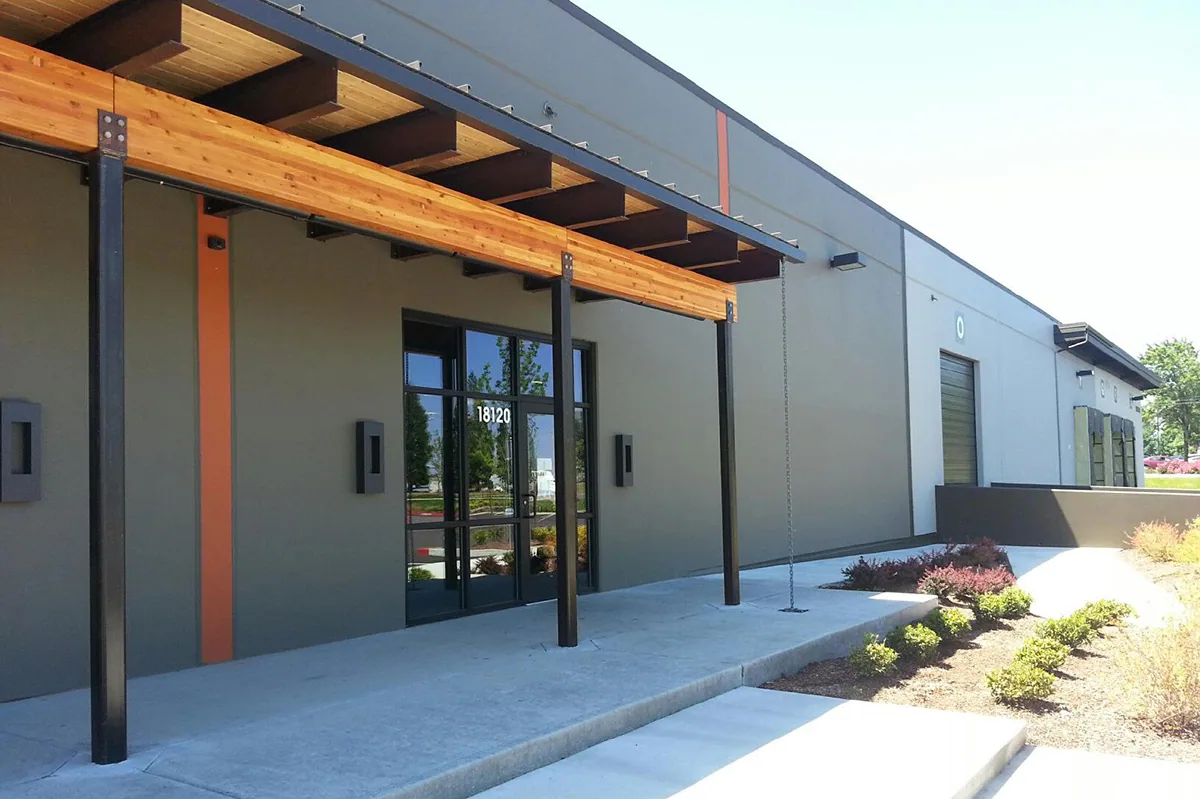
I-84 and NE 181st Industrial Cluster
Learn More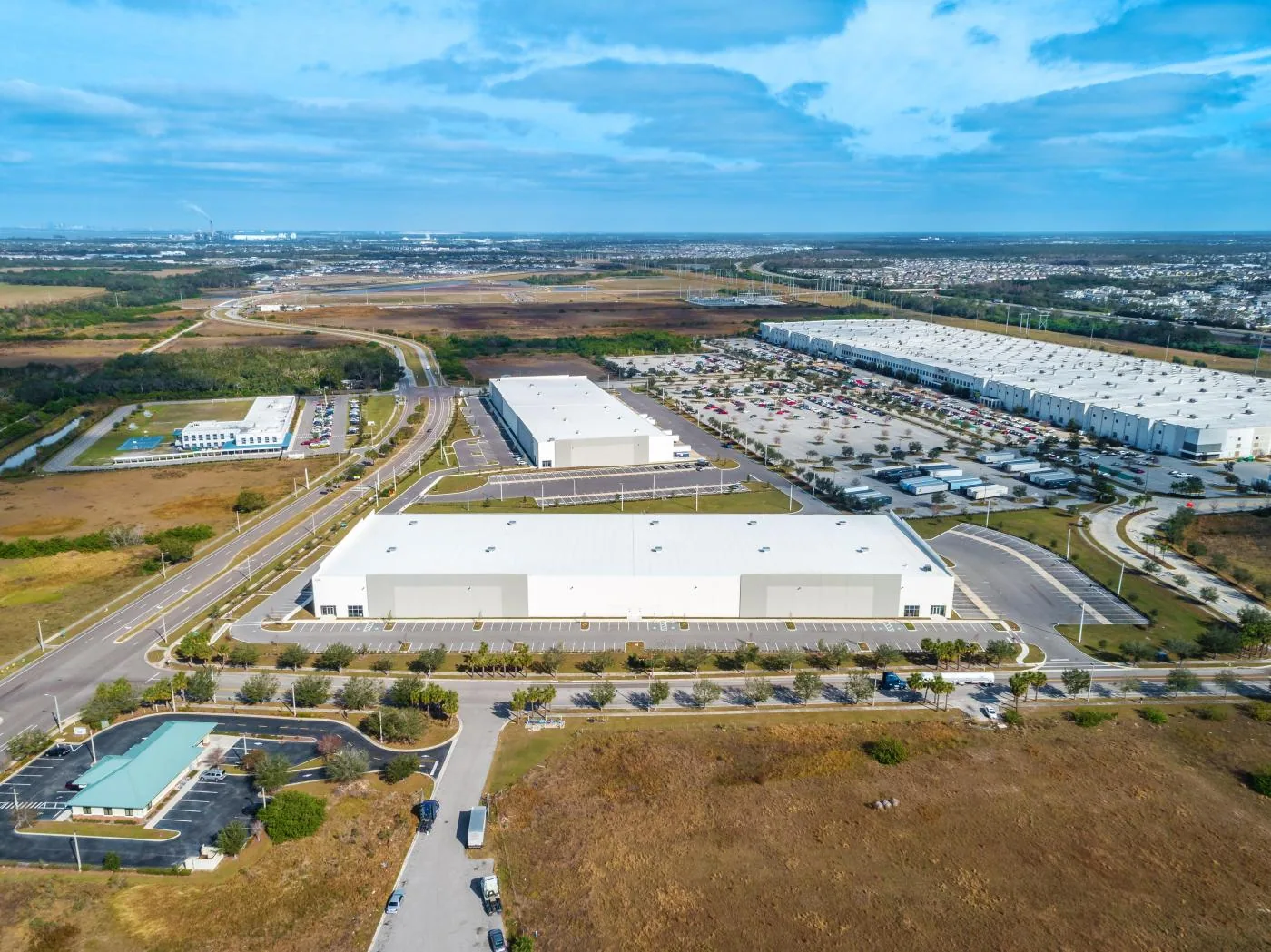
Southshore Corporate Park
Learn More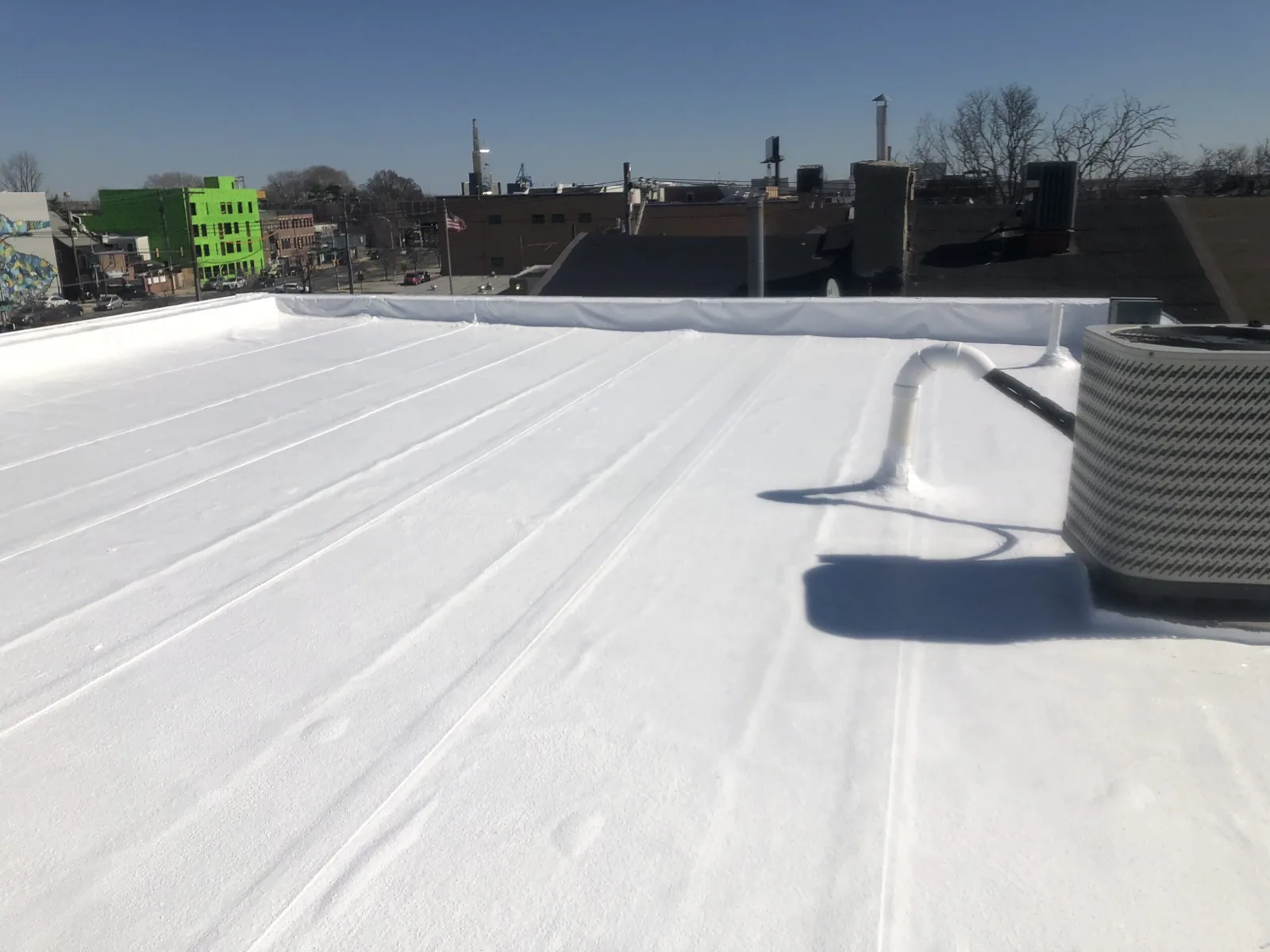
Commercial Roof Inspection
Learn More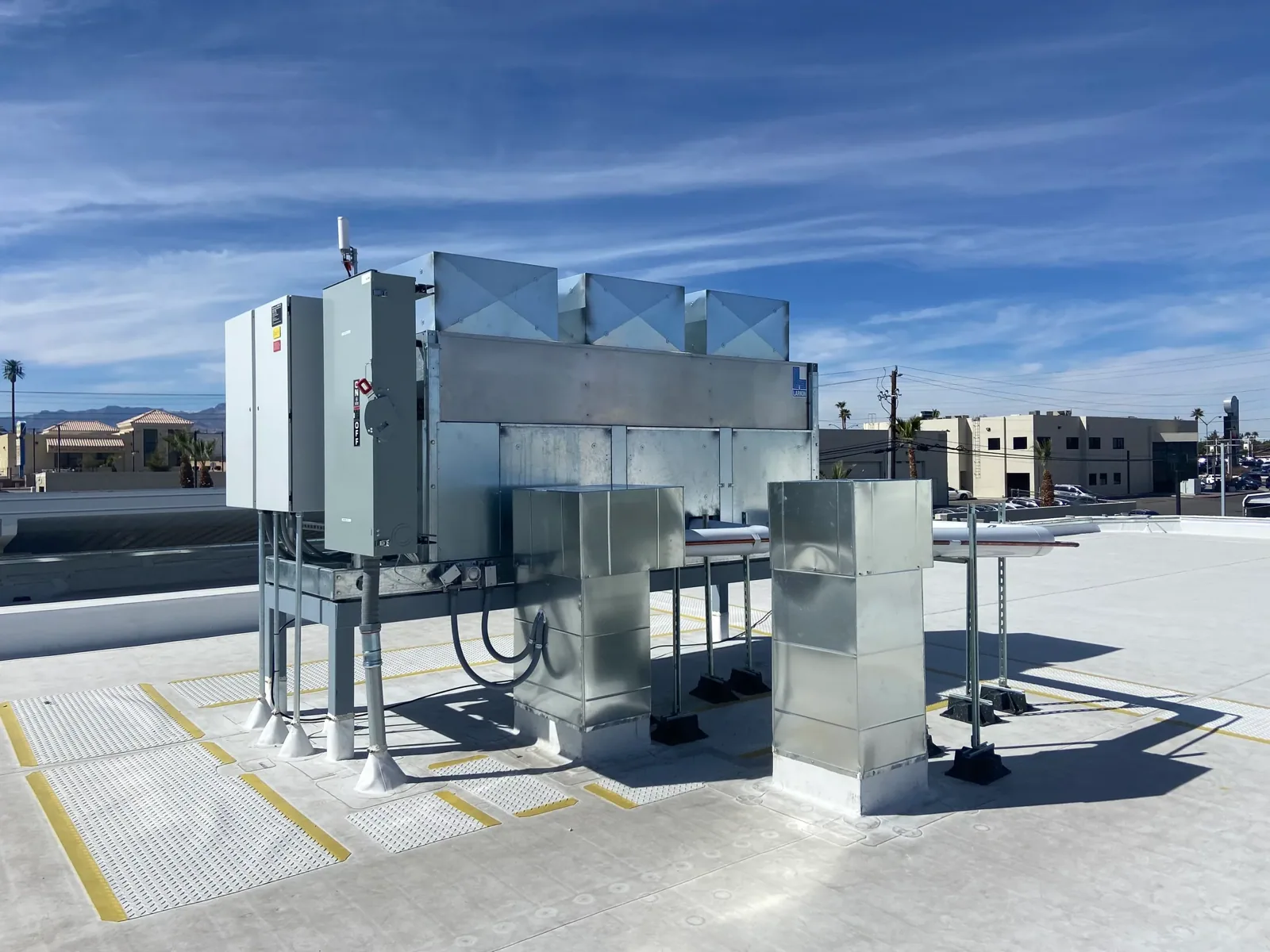
Rooftop Equipment Curbs and Supports
Learn More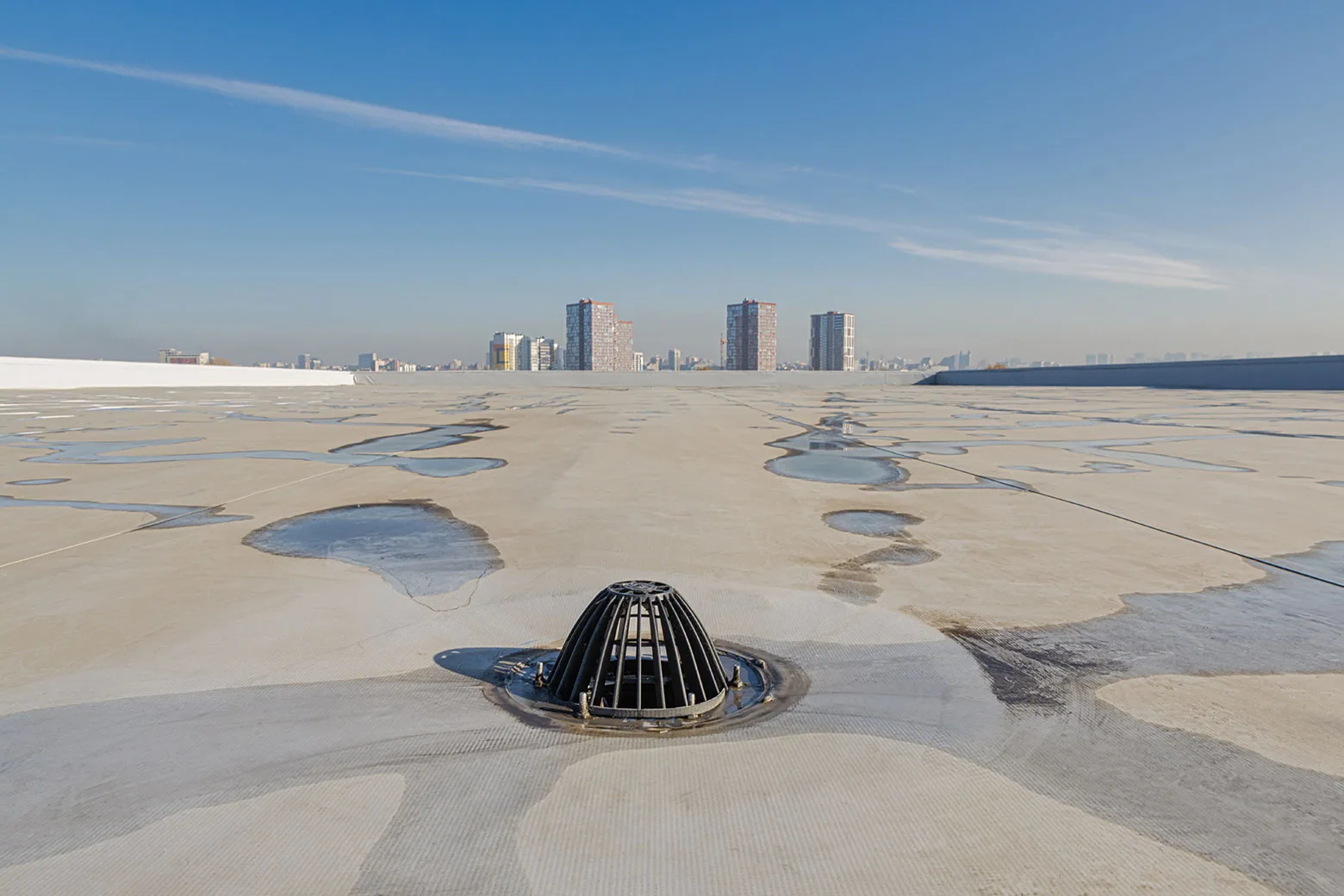
Commercial Roof Drains and Scuppers
Learn More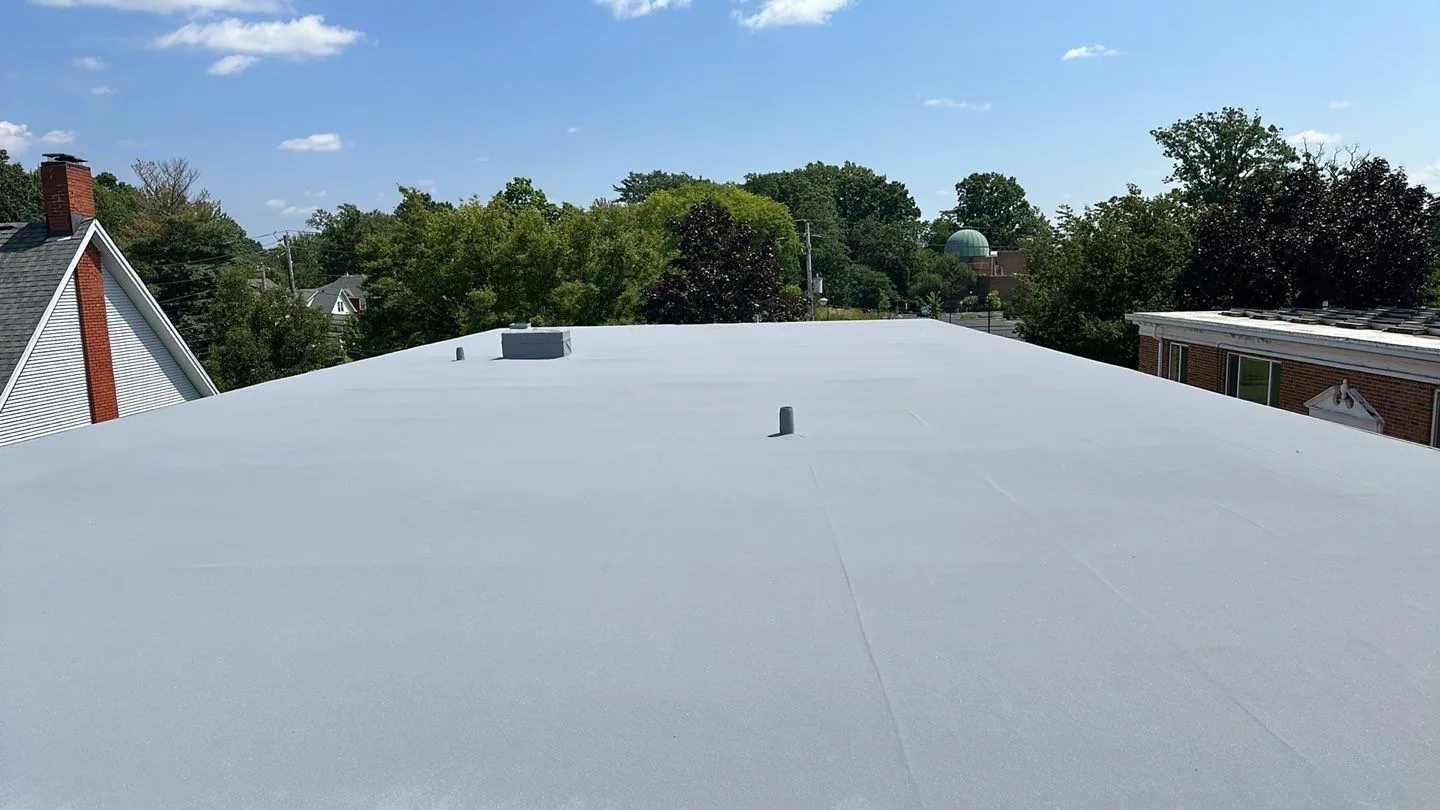
Commercial Roof Replacement
Learn MoreSchedule a storage roof inspection
Request a roof assessment in Gresham
We will coordinate gate and drive aisle access, inspect the roof and drainage, and provide a repair plan that respects tenants and stored property. Tell us about the building, the roof and what you are seeing. Call 555-555-5555, email [email protected] or send the details through our contact page and we will set up a time to walk the roof.