
College and University Roofing in Gresham, OR
Plan a campus roof inventory
- Home
- Property Types We Roof
- College and University Roofing
A campus roof portfolio rarely has one schedule or one assembly. Classrooms, labs, offices, dining, recreation, and utility buildings can each have different access requirements and consequences when water enters. We begin by grouping roofs by condition and use, then confirm which work can happen during occupied periods and which needs a defined shutdown window. Gresham's commercial centers include Downtown and Civic Neighborhood and Rockwood; a campus plan still has to follow the institution's own access rules. A roof inspection gives facilities staff a current view of each area before capital priorities are set.
How do different campus buildings affect the plan?
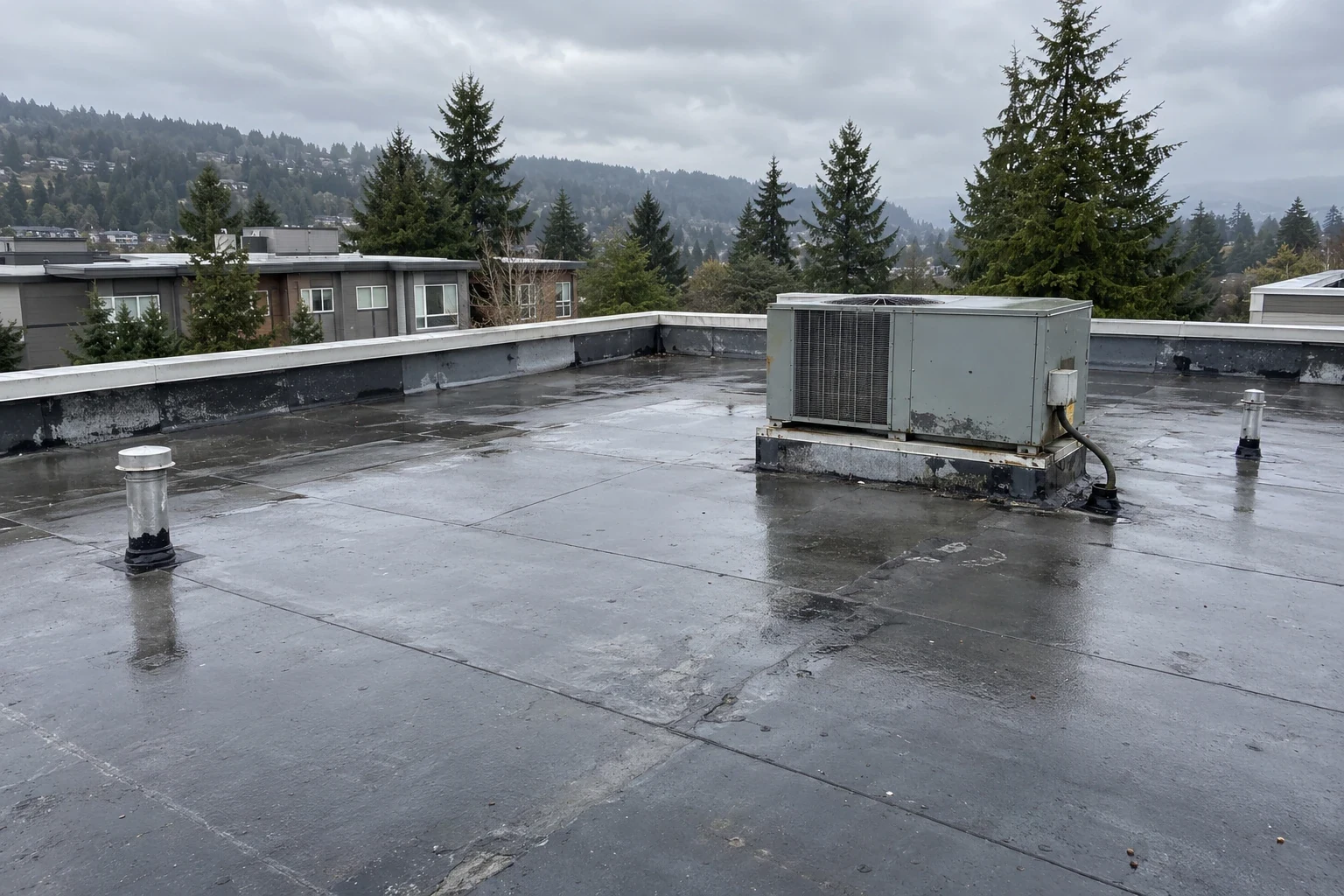
Roof access over a classroom block differs from access above a lab or central plant. Some spaces can tolerate daytime noise, while others require notice, escort, or coordination with equipment operators. We ask the facilities team to identify sensitive rooms, scheduled events, delivery paths, and roof hatches before work is planned. The project scope then separates roofing work from tasks assigned to mechanical, electrical, or other campus contractors.
Buildings may share walls or connect through enclosed walkways. Their roofs can meet at expansion joints, parapets, and elevation changes where water control depends on a continuous transition. Additions may also use different membrane systems. We record which assembly is present in each zone rather than assuming that one repair material suits the full campus. For K-12 scheduling and student routing, a school roof plan addresses the same coordination at a different scale.
What makes a multi-building leak difficult to diagnose?
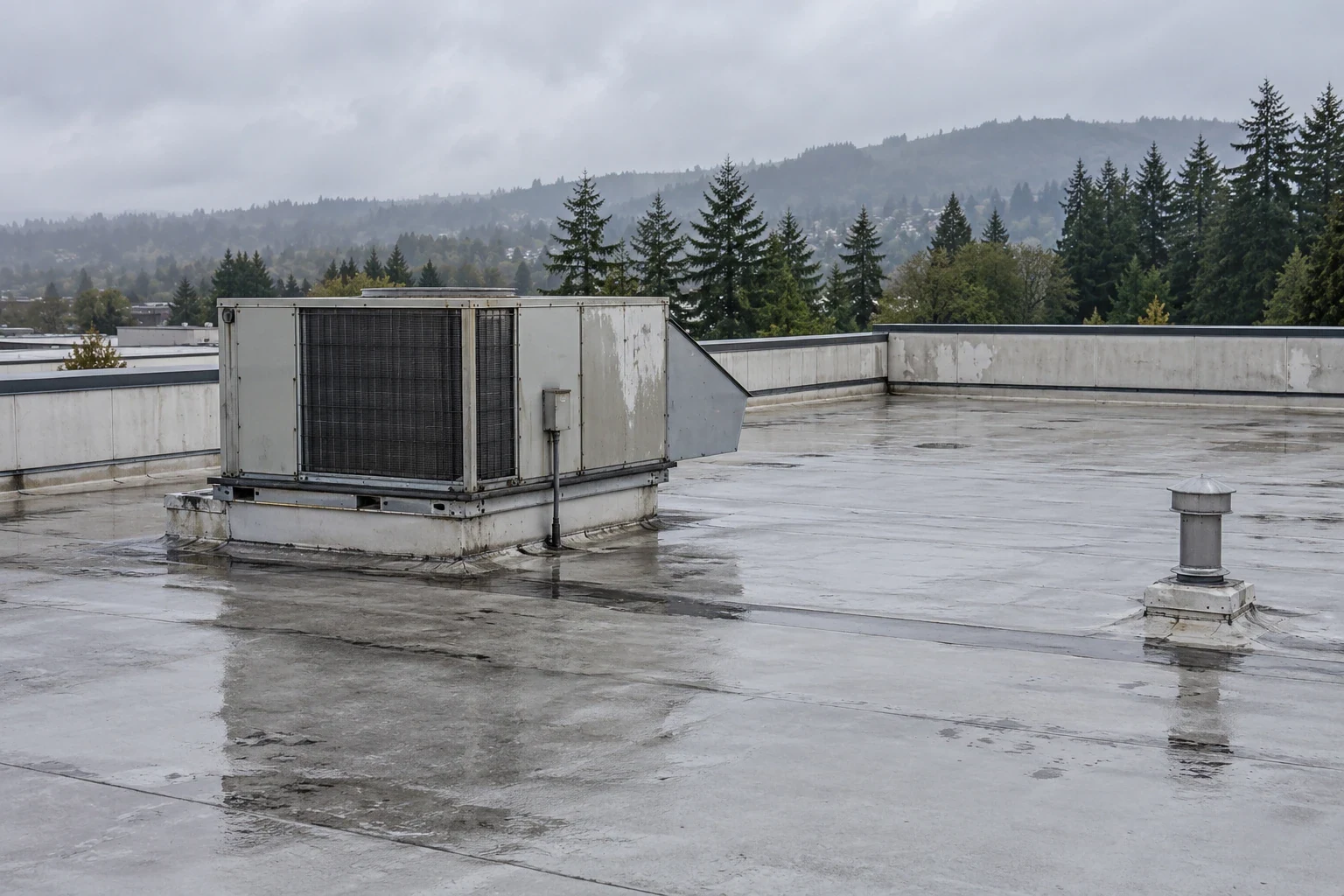
A leak reported in one room can start at a distant roof edge or penetration. Water may follow a structural deck, conduit, pipe, or insulation joint before appearing indoors. We compare the report with roof drawings, repair history, and the visible path through each connected section. The exact entry point should be confirmed before the scope assumes a local patch will solve the problem.
Repeated issues can point to a shared detail: drain flashing, expansion joints, equipment curbs, or a seam exposed to foot traffic. We check whether the same condition appears on other roofs with matching construction, then record each building independently. A campus-wide pattern can help prioritize inspections, but it does not prove that every roof has the same defect. A drainage review is useful where ponding or blocked outlets recur.
Portland International Airport climate normals show the region receives measurable precipitation on many days, with most rainfall occurring in the cooler part of the year. That makes clear daily closure and protected staging important for projects that cross several buildings. Each roof section should have its own stop point if weather interrupts the sequence.
How should facilities organize the roof inventory?
Start with a building list, roof plan if available, prior reports, and known leak locations. We inspect membrane, seams, penetrations, edges, drains, and wall transitions, then tag findings by building and roof zone. The report can separate immediate water entry from maintenance work and long-range replacement needs. That lets the facilities group compare conditions without collapsing different assemblies into a single score.
Photos should show the detail and enough context to find it again. We record whether access required an escort, where equipment was staged, and which contractors control rooftop connections. If moisture may be concealed, targeted testing can help establish the affected boundary. We state what remains unknown when visual inspection cannot answer it. A roof condition report creates a working record for maintenance, procurement, and capital planning.
When a campus has many small repairs, a shared log can prevent duplicate trips. It should identify the repair location, material used, date, and a follow-up check if one is needed. The institution can then connect a current leak to prior work rather than relying on a staff member's memory.
How should the institution rank repair and replacement?
Priorities usually reflect active leaks, safety concerns, equipment exposure, and the likelihood that a condition will spread. A small repair on a dry, sound assembly may be straightforward. Widespread moisture, failed attachment, or repeated detail problems can support a broader project. We explain the observed condition and what the proposed scope resolves, so facilities can compare urgency with available work windows.
A coating or recover is appropriate only when the roof condition and assembly allow it. The review covers moisture, attachment, drainage, edges, and existing layers. Replacement may be a better investment where the roof is broadly compromised or details cannot be reliably renewed. An institution can schedule by roof zone, building, or academic period, while preserving a watertight close at each daily stop. A replacement plan describes those stages and their access needs.
Portfolio needs may extend beyond campus roofs. A public-building roof review can help compare procurement and access constraints across other institutional assets. Each recommendation remains specific to the building's assembly and evidence.
How does phased campus work stay coordinated?
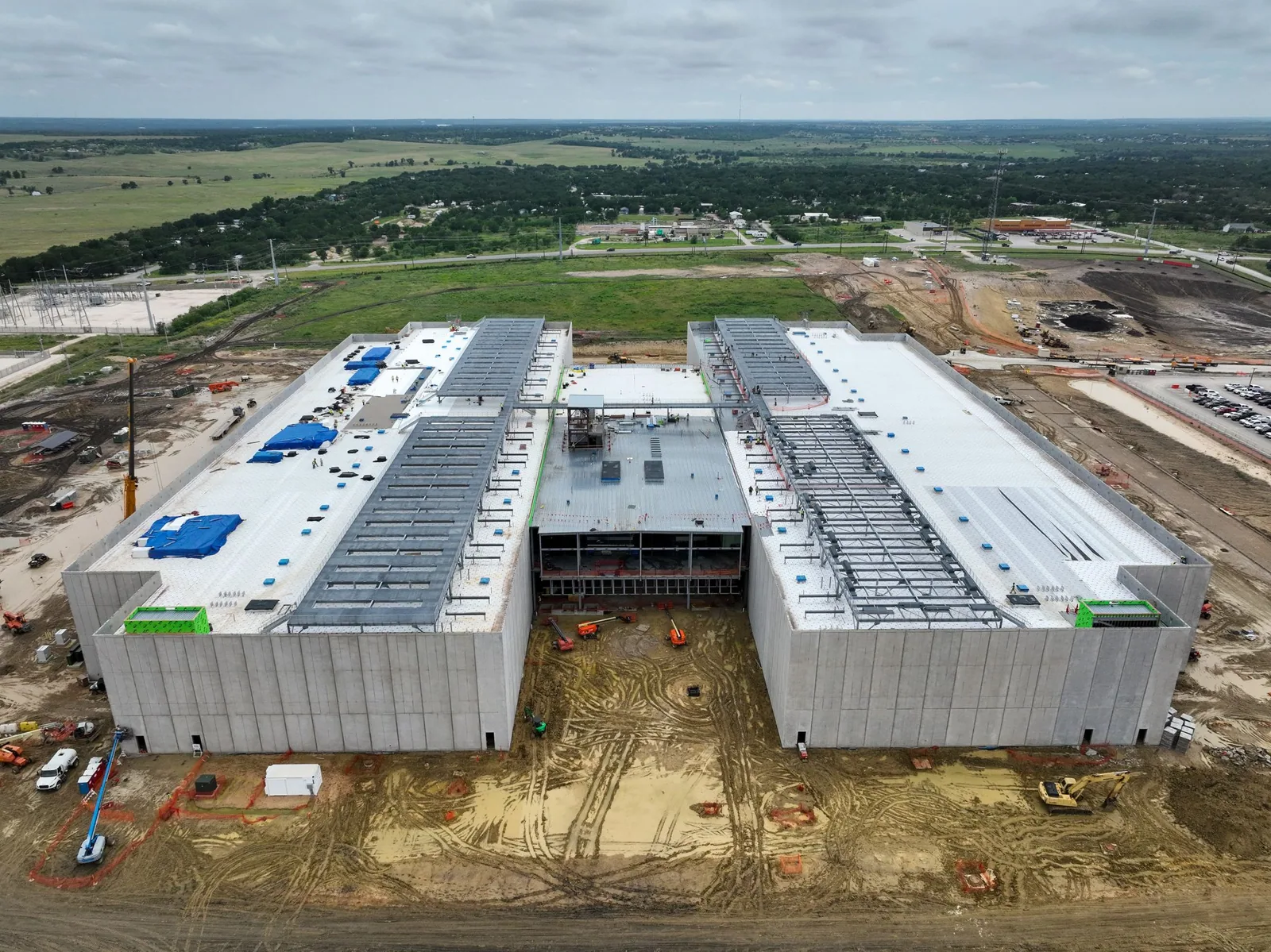
Before mobilization, the institution identifies a facilities lead, approved access routes, staging areas, event dates, and any buildings with restricted access. The roofing team maps each work area and confirms how adjacent contractors will be notified. If lifts, cranes, or deliveries cross campus roads, the owner approves the route and timing in advance. Those details reduce conflicts with classes, events, and daily service traffic.
Work proceeds in sections small enough to protect and close within the shift. If the crew finds wet insulation or an unexpected transition, it secures the area and documents the condition before expanding the scope. The institution can review a photo and decide whether to authorize the additional work or hold for a separate project. At close, we remove debris, confirm drains are clear, and send the day's completion and next-step record.
Longer programs benefit from a consistent naming convention for buildings and roof zones. The institution can use those labels in work orders, photos, and budget requests. That way, a later inspector can return to the same roof area without guessing which wing a service record described.
What should the annual roof cycle cover?
Maintenance checks should follow the assembly and manufacturer guidance. Typical items include seams, flashings, drain bowls, overflow paths, edge metal, rooftop supports, and penetrations added since the prior visit. Clear ordinary debris and report conditions that need a repair authorization. After another contractor completes roof work, inspect the affected detail before the project is considered closed.
Facilities staff can group maintenance by building or roof system, but should preserve separate findings for each roof. Gresham's Downtown and Civic Neighborhood and Rockwood areas provide local context, not a substitute for the campus inventory. A preventive maintenance visit can check a selected group of buildings and return a prioritized list for the next work period.
What should the campus team share first?
Send available roof plans, prior inspection reports, leak work orders, campus access instructions, academic calendar constraints, and scheduled rooftop projects. Identify who can approve repairs and who manages event or building notices. We will map the inspection by roof zone, report the observed condition, and separate immediate work from planned capital needs. Schedule a portfolio roof walk to set the first inspection route and agree on the next decision point.
College and University Roofing FAQs
-
Can roof projects be completed during an academic term?
Often, when access, hours, staging, and work zones are approved with facilities staff. The sequence should account for classes, events, sensitive rooms, and a watertight close each shift.
-
How do you inspect several buildings efficiently?
We group the visit by access route and roof system, but record each building and zone separately. That preserves useful detail for repairs and capital comparisons.
-
Can a campus use one roof repair standard for every building?
A common process helps, but the assembly and condition still need inspection. Different membranes, additions, drainage, and equipment details may require separate repair materials and scopes.
-
How should we prioritize roofs across a portfolio?
Rank active water entry and safety concerns first, then consider moisture extent, repeat repairs, equipment exposure, and available work windows. A documented condition record supports the comparison.
-
What records should follow a completed repair?
Keep the roof-zone label, dated photos, repair method, materials, closeout record, and any recommended follow-up with the building record. Those details help the next inspection.
Related Roofing Work

Downtown and Civic Neighborhood
Learn More
Rockwood
Learn More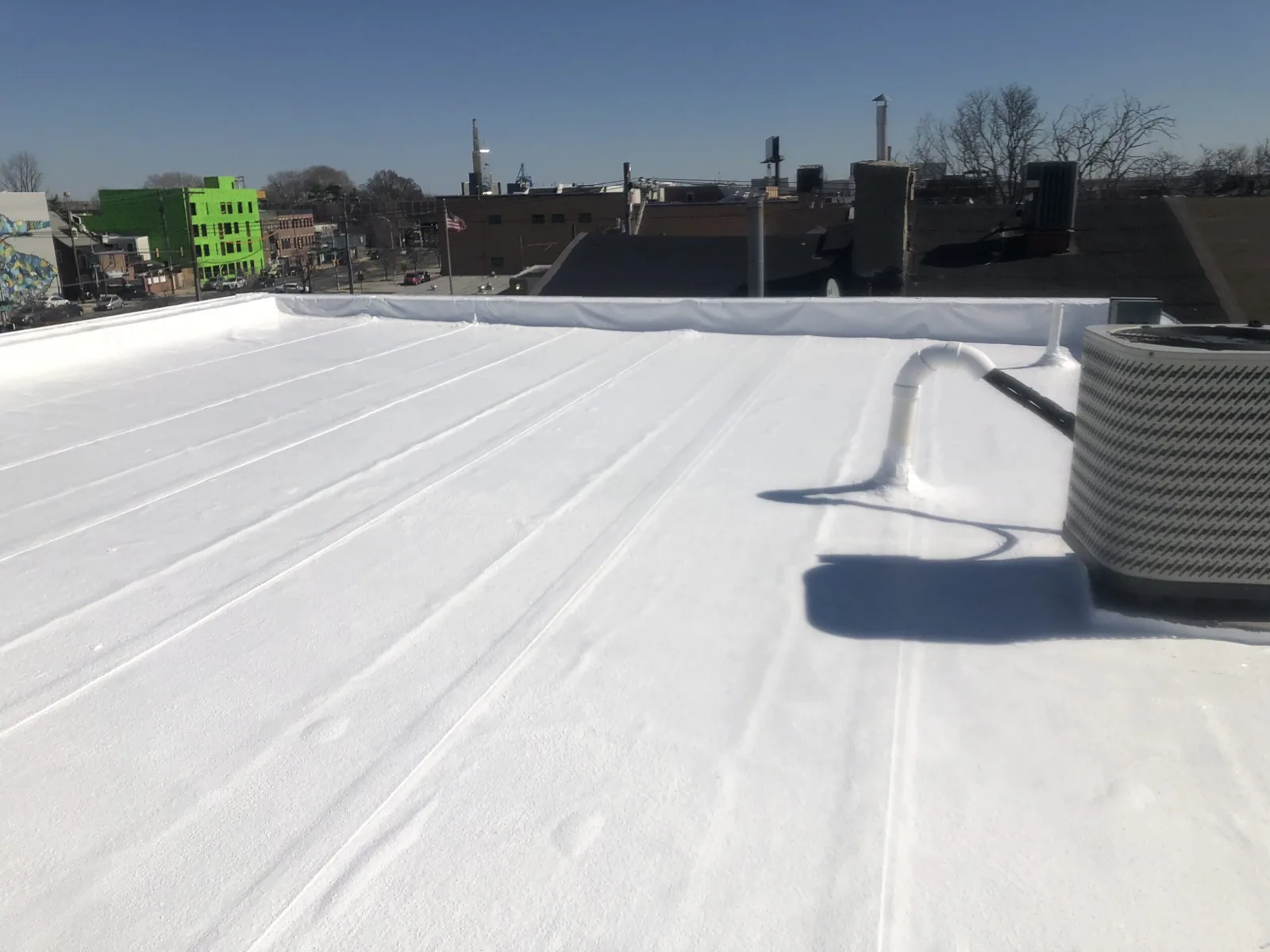
Commercial Roof Inspection
Learn More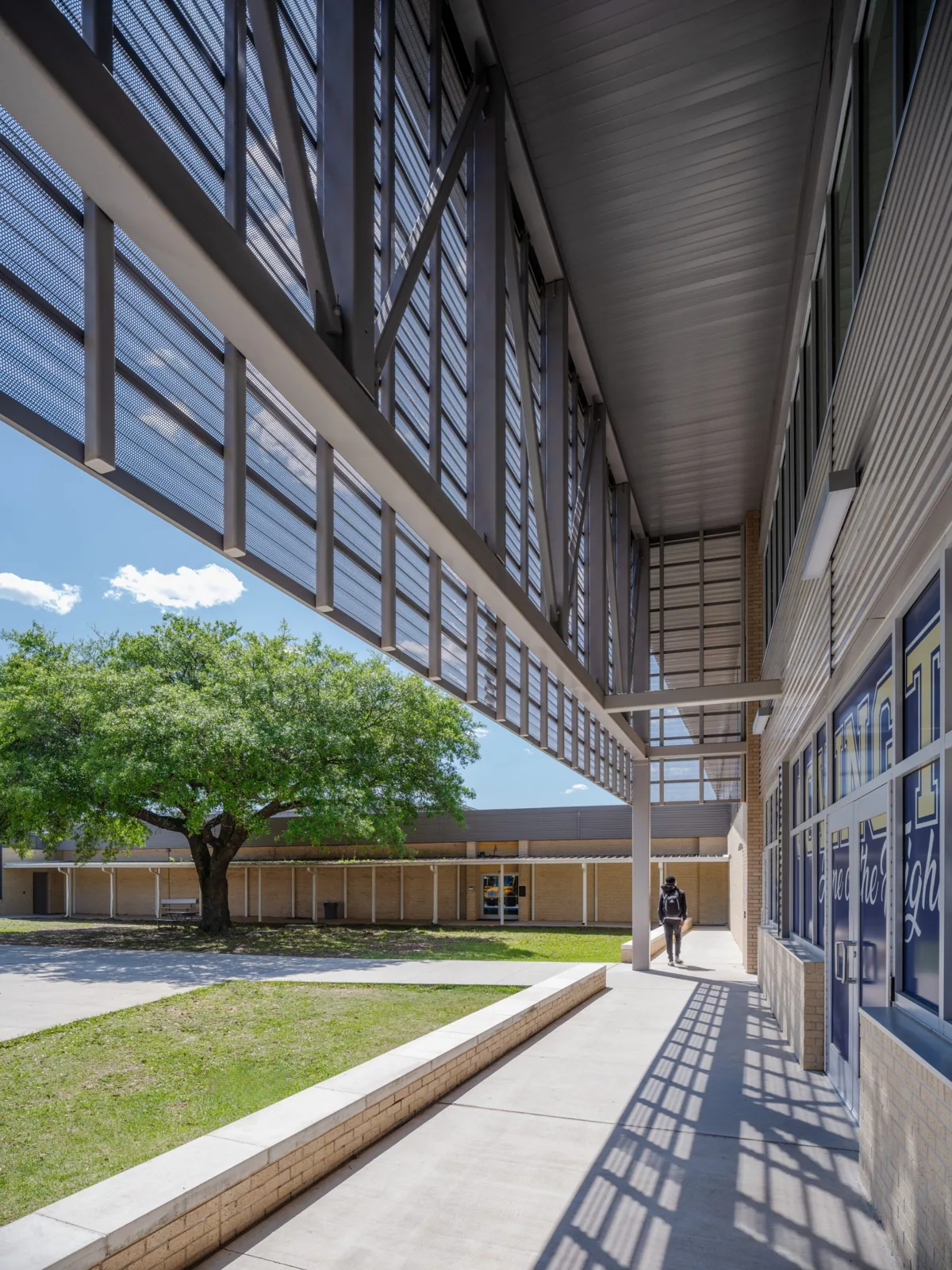
School Roofing
Learn More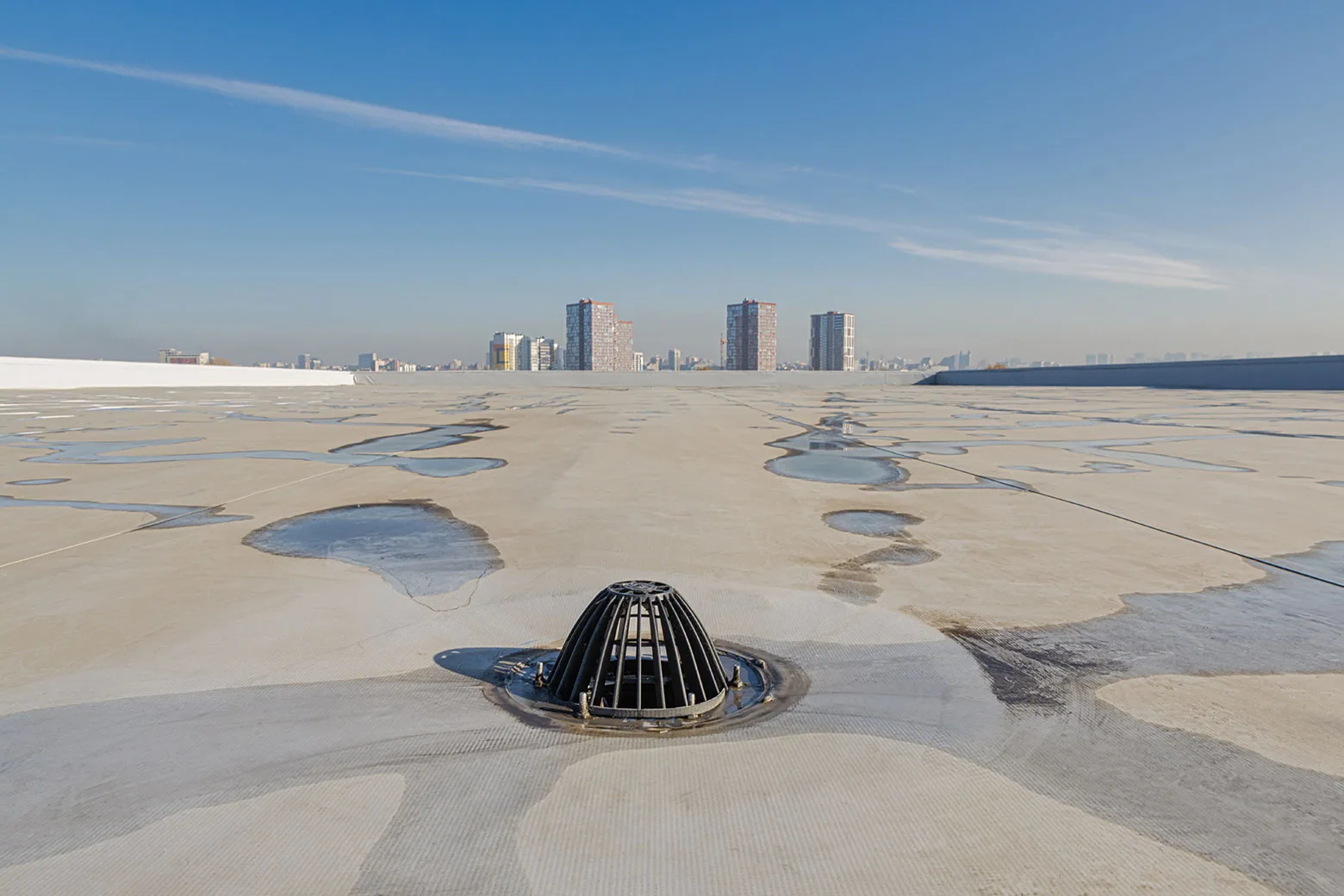
Commercial Roof Drains and Scuppers
Learn More
Commercial Roof Condition Reports
Learn MorePlan a campus roof inventory
Request a roof assessment in Gresham
We will work with facilities staff to map access, inspect roof zones, and return a prioritized repair and capital-planning record for your Gresham properties. Tell us about the building, the roof and what you are seeing. Call 555-555-5555, email [email protected] or send the details through our contact page and we will set up a time to walk the roof.