
Big-Box Retail Roofing in Gresham, OR
Plan a big-box roof inspection
- Home
- Property Types We Roof
- Big-Box Retail Roofing
A large retail roof covers sales floor, back-of-house inventory, loading areas, and rooftop equipment in one assembly. A leak can affect merchandise or interrupt receiving even when the visible opening is far from the aisle below. We begin with the roof plan, reported condition, and store access rules, then map a work area that can be protected and closed each shift. The I-84 employment corridor connects Gresham with east-county freight areas, while Southshore Corporate Park supports nearby industrial and distribution activity. We plan truck arrival with each site contact. A roof inspection identifies the condition before lifts and materials are scheduled.
How does store operation shape roof access?
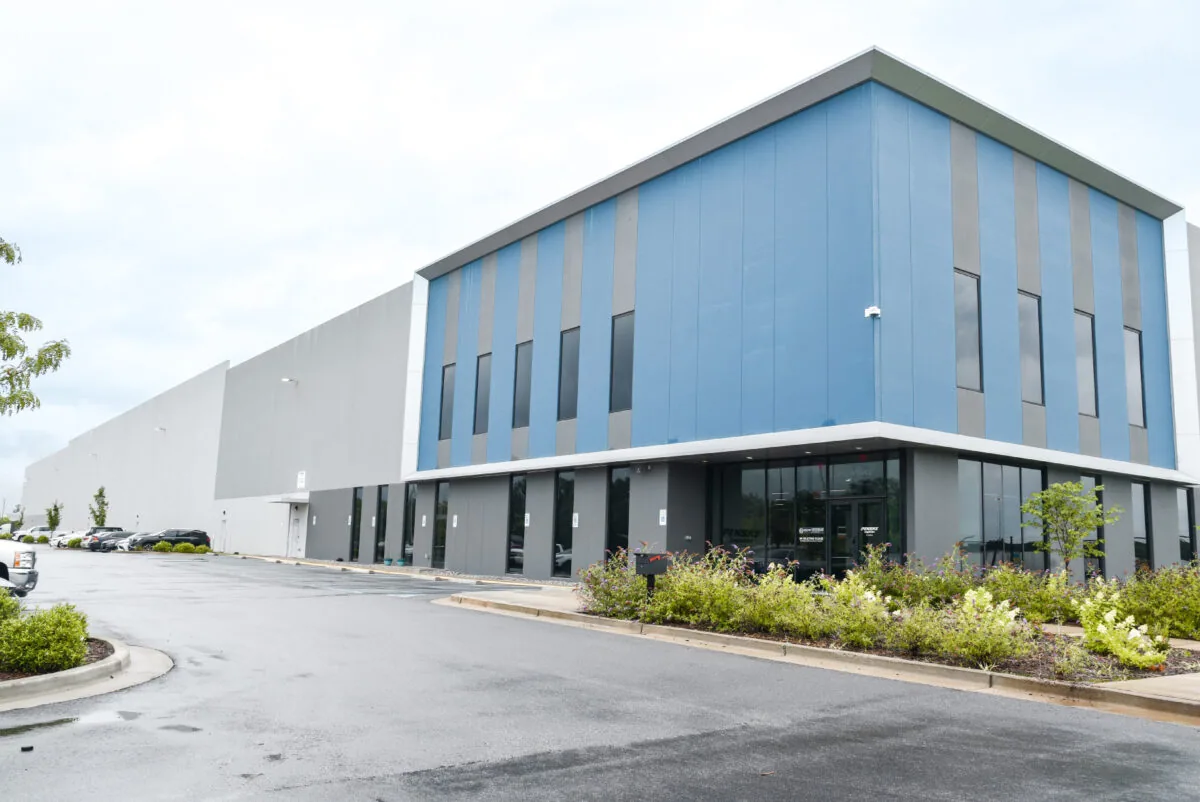
Customer entrances, loading docks, delivery hours, and seasonal inventory can constrain where a crew stages. The store contact identifies which doors stay open, when receiving traffic peaks, and whether a lift can occupy part of the lot. We coordinate any temporary route change and keep materials out of customer paths. If work is above a sales area, the operator can prepare a protected zone below the roof work.
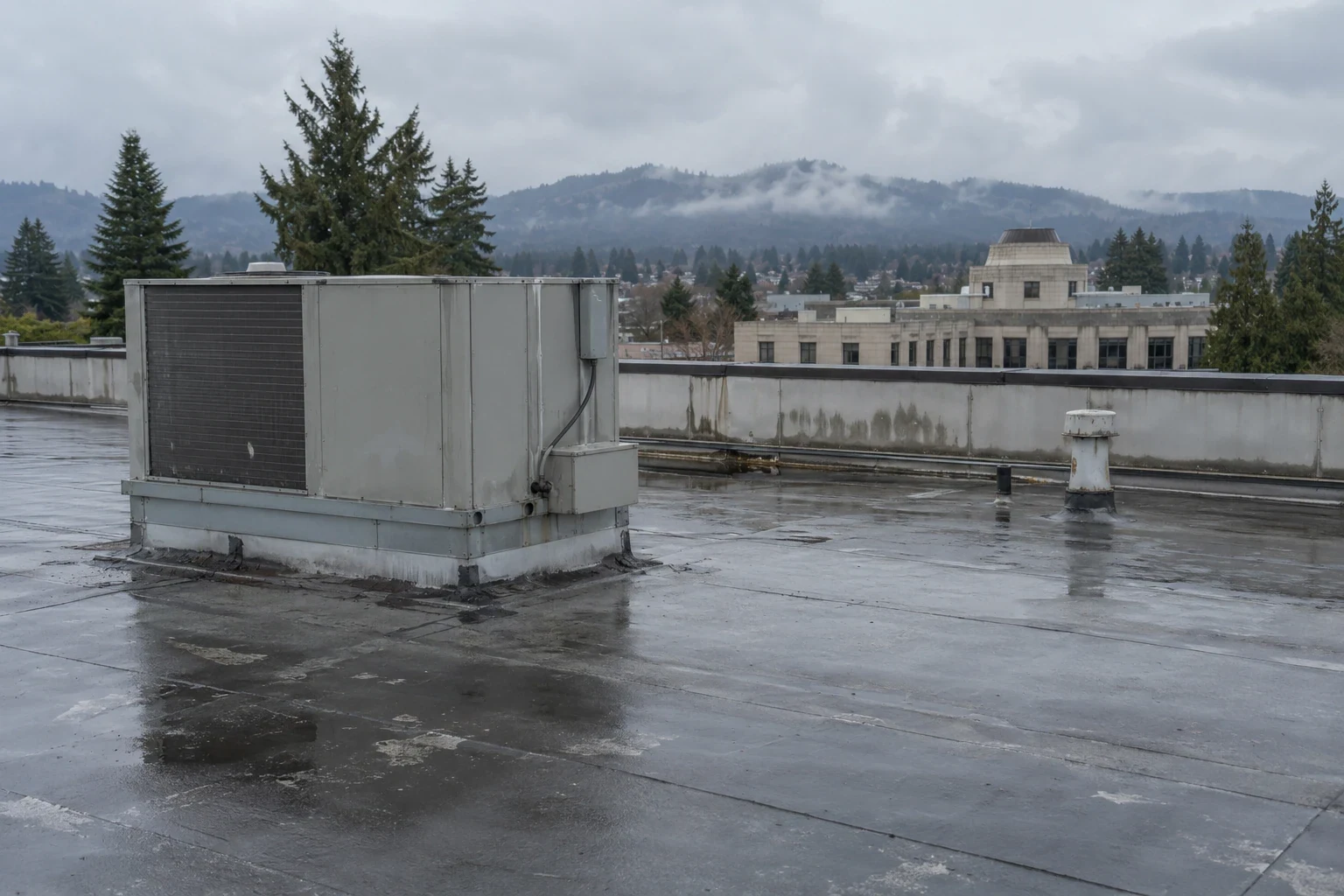
Large roof areas may include several membrane sections, rooftop units, exhausts, signs, and abandoned equipment curbs. We mark how each detail connects to the assembly and whether it is active. The equipment review identifies the trade responsible for moving or servicing a unit before its flashing is changed.
Where can a retail roof fail first?
Long seams, perimeter edges, penetrations, and equipment curbs receive repeated weather and service exposure. A loose fastener or damaged patch can admit water, while a blocked outlet can hold it against an otherwise intact detail. We inspect likely entry points and compare them with the interior report before recommending a repair. A ceiling stain under a rooftop unit may begin at a curb, seam, drain, or transition farther away.
Roof traffic matters too. Service technicians may cross the membrane to reach equipment, leaving scuffs, dropped tools, or unsealed work behind. We look for damaged walkway pads and new openings around recent installations. If water reaches the building, protect merchandise and report the affected zone, date, and weather. A drainage check can identify whether outlets, overflow paths, or nearby flashing contribute to the problem.
Portland's wetter season runs from fall through spring. At a retail building, we set the roof walk and material staging so each section can be closed at the end of the shift. Before rain, we check temporary protection, receiving access, and customer routes.
What should the first inspection document?
We record the assembly, roof zones, seam condition, edges, drains, penetrations, rooftop supports, and repair history that can be confirmed. Photos should show both the detail and its location so store staff can relate it to inventory or receiving areas. Active entry points are separated from maintenance issues and larger capital concerns. This gives the owner a practical list for authorization and scheduling.
The store can help by identifying when water first appeared, which aisle or stockroom was affected, and whether equipment or ceiling work happened nearby. We compare those reports with roof conditions. If moisture may extend below the membrane, a moisture survey or test opening can help determine the boundary. A condition report gives the property team a record of findings and recommended next steps.
Before walking the roof, we confirm access, ladder or hatch rules, lift locations, and delivery blackout periods. These details are more useful than guessing about a typical retail schedule.
Can a big-box roof be repaired in sections?
Yes, when the condition is limited and work can be tied into sound material. We identify the repair boundary, adjacent seams, insulation condition, and any equipment detail that must be addressed at the same time. Repeated failures in several roof zones or widespread wet materials can justify comparison with replacement. A recover or coating is only considered when the existing assembly is suitable; neither should conceal wet insulation or unresolved drainage.
Replacement can be sequenced by area to keep the store operating. The scope identifies demolition or overlay, temporary protection, tie-ins, drainage, edge metal, equipment coordination, and the section closed at the end of each shift. A replacement plan also sets expectations for noise and receiving access. If the property includes a smaller multi-tenant building, a shopping center roof review can compare how shared tenant access changes the sequence.
Work should not be scheduled solely around an empty sales floor. Weather, material requirements, access approvals, and the time needed to close each area all affect the safe daily production limit. The final sequence should leave a clear path for customers and employees.
How do crews protect merchandise and customer routes?
Before staging, the owner confirms delivery timing, customer routes, entrances, lift position, and any interior area that needs protection. The crew limits open roof area to what can be made watertight within the agreed shift. Materials and debris are managed so they do not block receiving or emergency paths. The store contact is notified when the work zone or schedule changes.
If concealed damage expands the repair, the crew protects the boundary and shares photos before proceeding beyond the approved scope. At the end of the shift, we check nearby drains, remove loose material, secure tools, and confirm the roof area is closed. The update states which section is finished and where work will continue next. Store staff can then plan receiving and customer access with current information.
What should store maintenance track?
Keep roof plans, dated photos, leak reports, equipment changes, and repair closeouts together. Record which stockroom or sales zone lies below each roof section. Regular checks should cover drains, seam laps, edge metal, wall transitions, equipment flashings, and signs or supports that may have changed. After another contractor finishes rooftop work, inspect the touched area before closing that work order.
Gresham's industrial and freight areas support active delivery movement, but the individual store sets its own dock rules and roof design. A maintenance visit can check the assembly, clear ordinary debris, and identify repairs to schedule before the next wet season. The record should distinguish immediate water entry from observations that can be budgeted. Where a center includes a food retailer, a grocery roof review can focus on refrigeration and exhaust details.
What should a store manager share?
Provide the roof plan if available, delivery schedule, access instructions, leak location, interior protection needs, and recent equipment work. Identify who can approve repairs and who communicates with store staff. We will inspect the roof and explain the evidence, repair boundary, and project sequence. Schedule a roof walk so the scope can respect customer access and inventory needs.
Big-Box Retail Roofing FAQs
-
Can the store stay open during roof replacement?
Often, when the project is divided into controlled sections and the customer and receiving routes stay clear. The work plan should define barriers, lift timing, and daily roof closure.
-
How do you protect inventory during a leak repair?
The store protects interior merchandise while we trace the roof entry point and establish a repair boundary. We coordinate access and temporary protection with the site contact.
-
Can you repair only one part of a large retail roof?
A localized repair may work if adjacent insulation and membrane remain sound. We inspect seams, drains, and transitions around the affected area before setting the boundary.
-
What details should be checked after HVAC service?
Review curb corners, pipe or conduit penetrations, abandoned lines, and any membrane disturbed during equipment work. Keep the roof closeout with the service record.
-
When is a big-box roof due for replacement?
Widespread wet insulation, repeated seam or flashing failures, unstable attachment, and broad deterioration can support replacement. The inspection should document the evidence before budgeting.
Related Roofing Work
I-84 and NE 181st Industrial Cluster
Learn More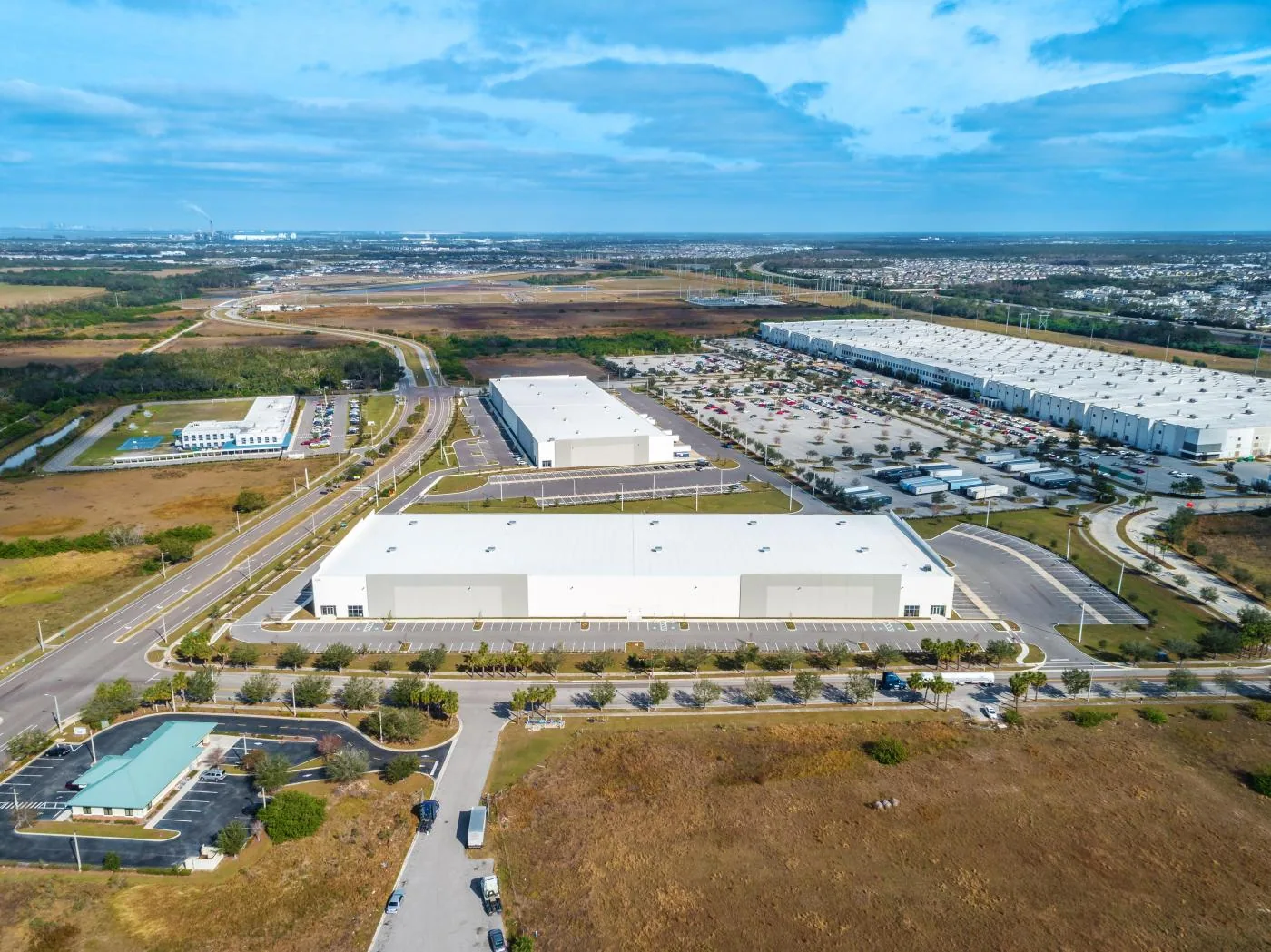
Southshore Corporate Park
Learn More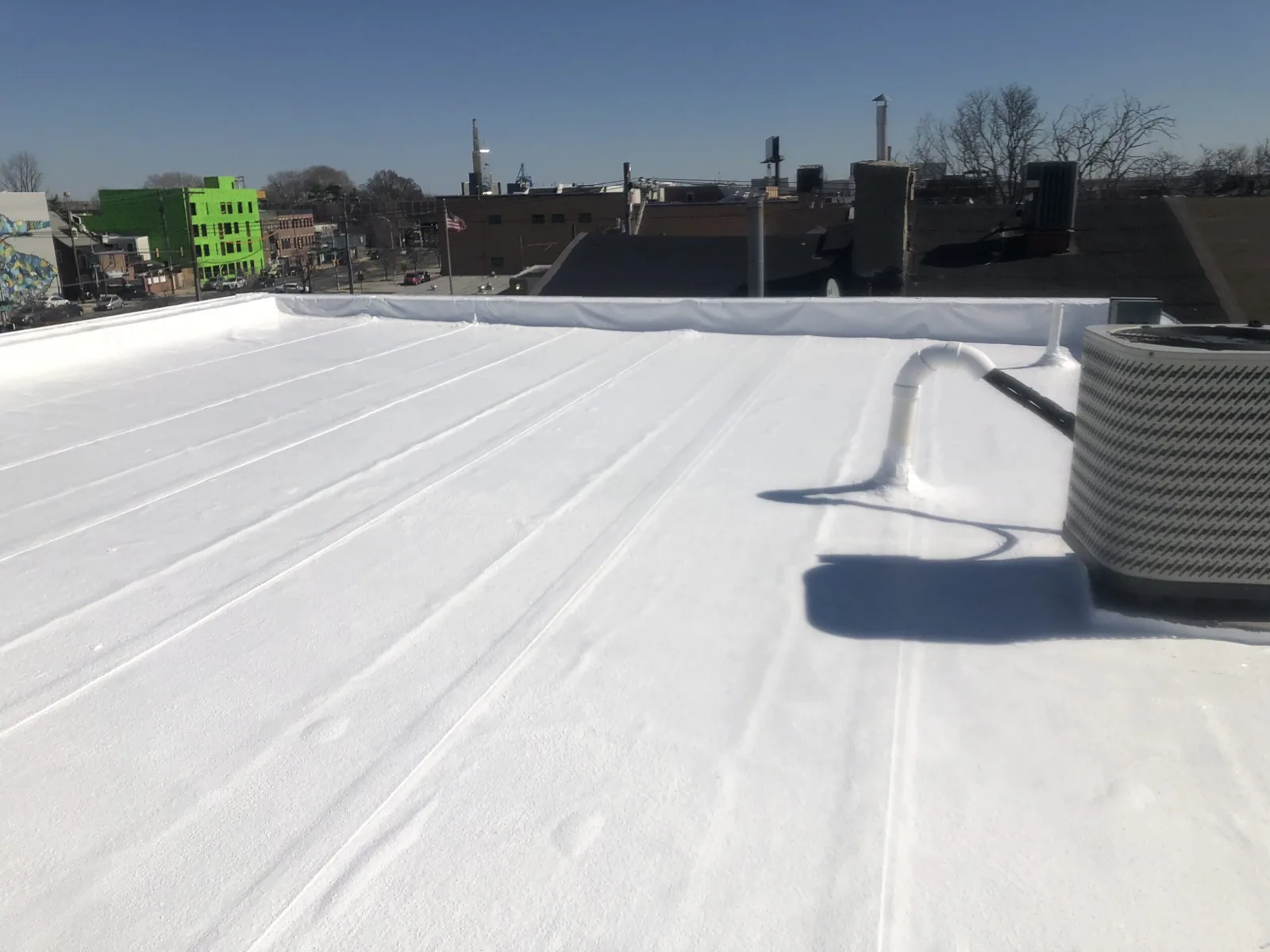
Commercial Roof Inspection
Learn More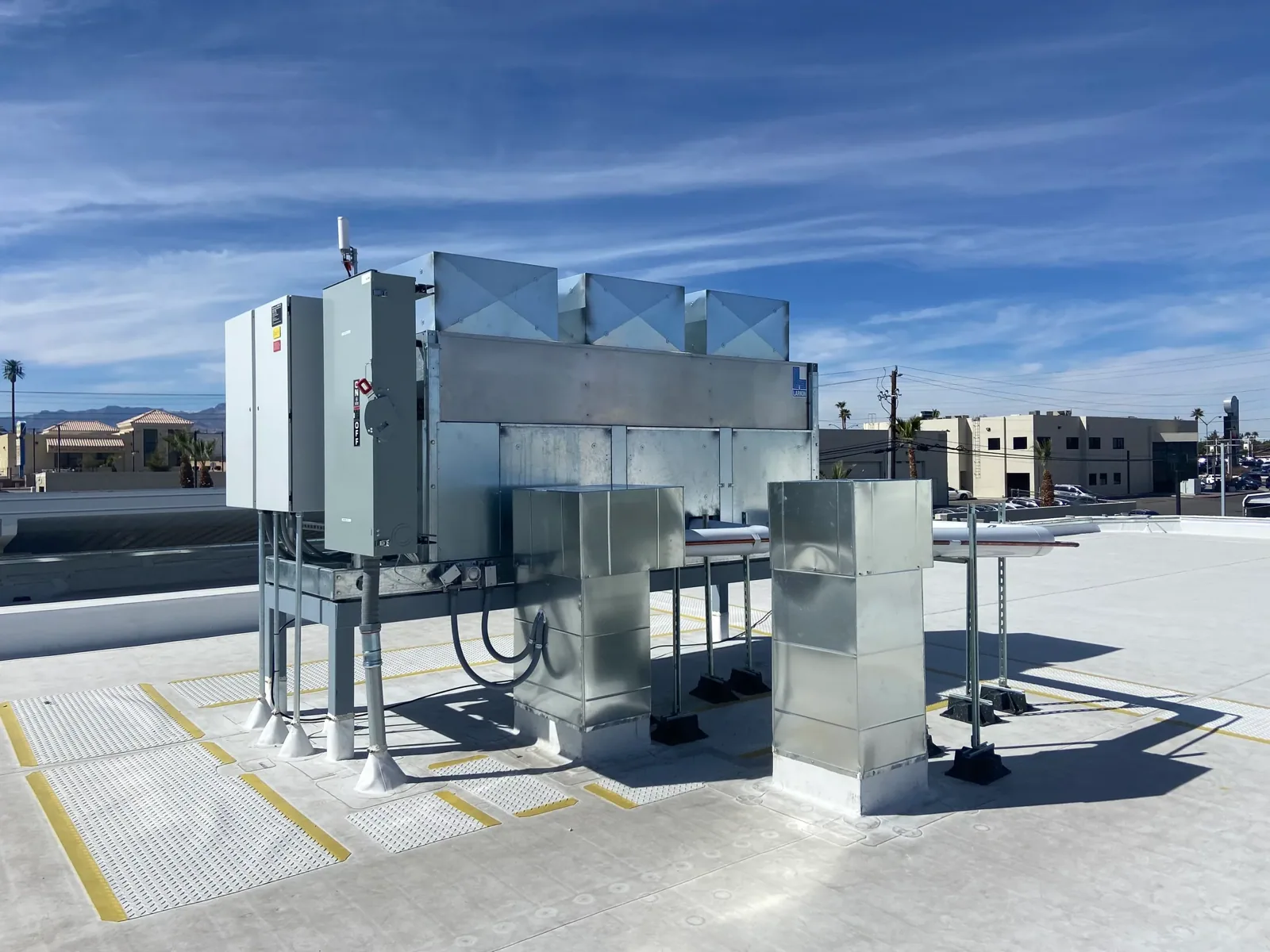
Rooftop Equipment Curbs and Supports
Learn More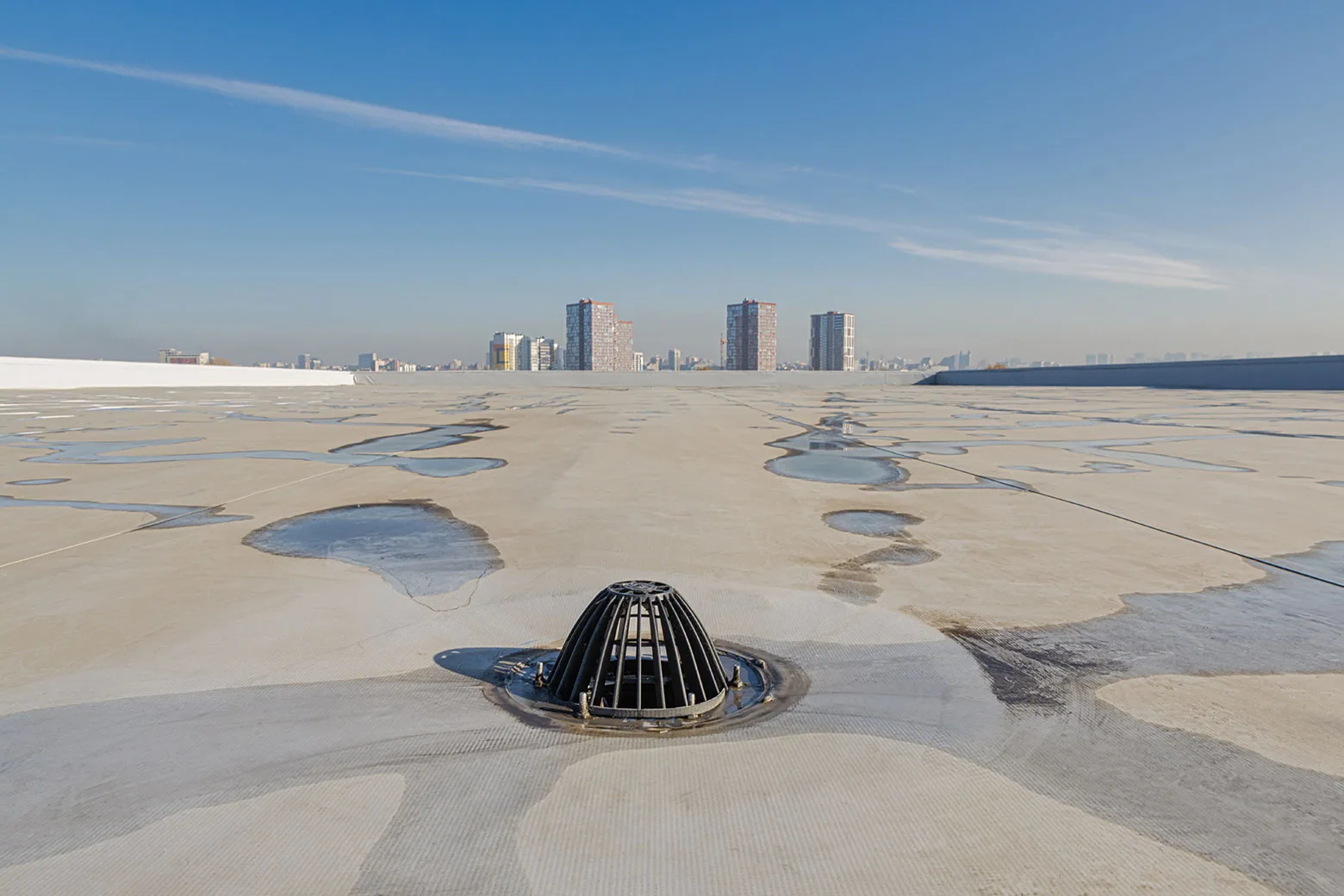
Commercial Roof Drains and Scuppers
Learn More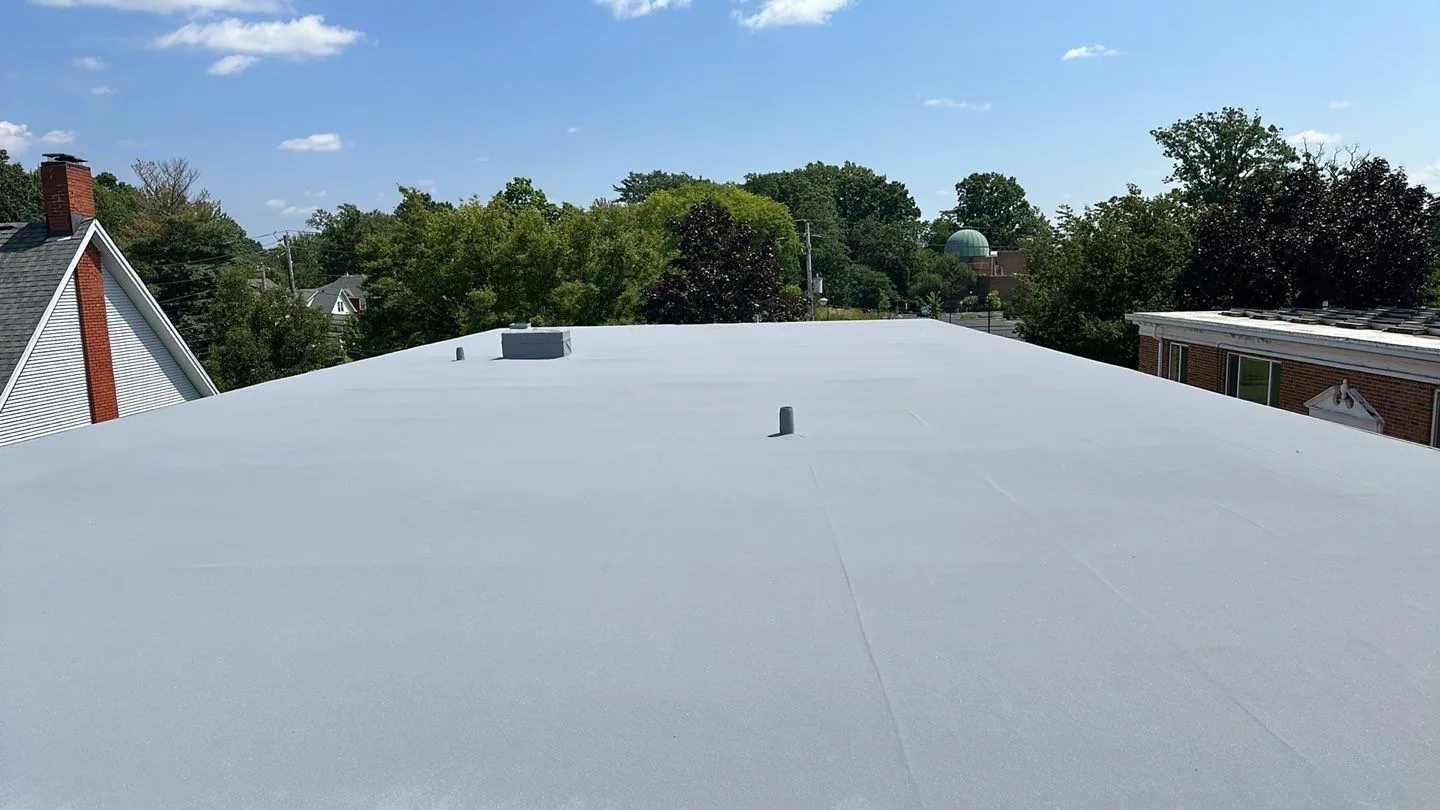
Commercial Roof Replacement
Learn MorePlan a big-box roof inspection
Request a roof assessment in Gresham
We will coordinate store access, review the roof assembly, and prepare a repair or replacement scope that accounts for customers, receiving, and inventory. Tell us about the building, the roof and what you are seeing. Call 555-555-5555, email [email protected] or send the details through our contact page and we will set up a time to walk the roof.