
Grocery Store Roofing in Gresham, OR
Schedule a grocery roof review
- Home
- Property Types We Roof
- Grocery Store Roofing
A grocery roof has dense rooftop service points and a building that stays active through most of the day. Refrigeration lines, exhausts, electrical runs, and equipment supports all meet the membrane. A leak can affect stock, customer areas, or a back-room operation before its source is clear. We inspect the roof assembly and coordinate access with the store contact before choosing a repair. Gresham's Downtown and Civic Neighborhood and Rockwood are established commercial centers with different property layouts. A roof inspection maps the issue and records the details around active equipment.
What rooftop details need careful coordination?
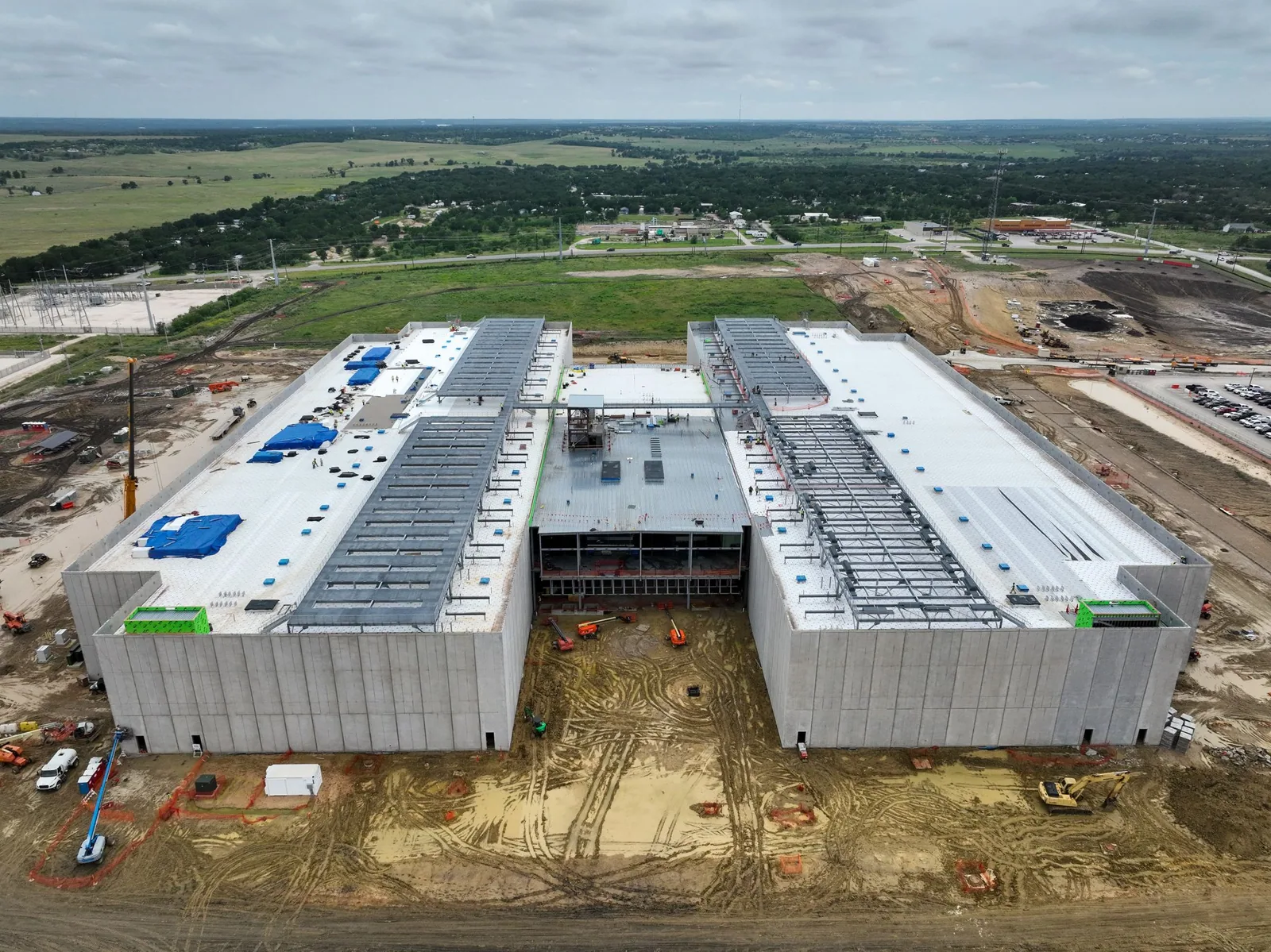
Refrigeration systems often connect roof equipment to interior cases and cold rooms. The roofer should identify line sets, supports, and curbs before opening or patching nearby membrane. We coordinate with the refrigeration contractor if a line or unit needs to move. A temporary roof repair should not obstruct equipment access or leave a connection unsupported.
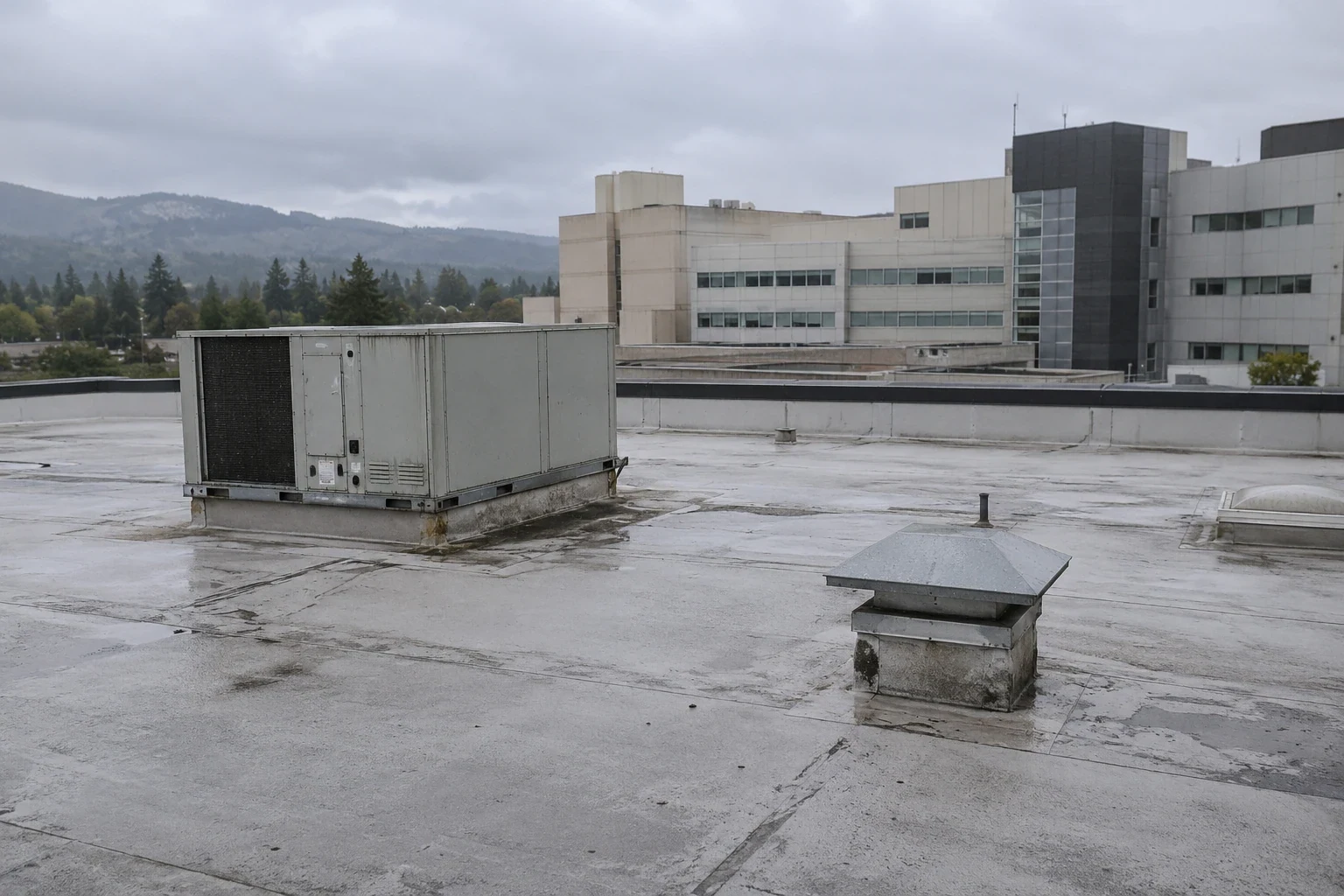
Exhaust fans and make-up air equipment add more penetrations. Their bases can experience movement or service traffic, and an abandoned opening may remain after a unit is removed. We inspect the flashing and surrounding surface, then mark who owns each equipment connection. A curb and support review helps prevent a roofing repair from conflicting with an active service call.
Receiving times and customer flow influence when a crew can deliver materials, set a lift, or isolate an entrance. The manager identifies preferred routes and any periods when a delivery bay cannot be restricted. We plan work away from food receiving and customer doors where practical.
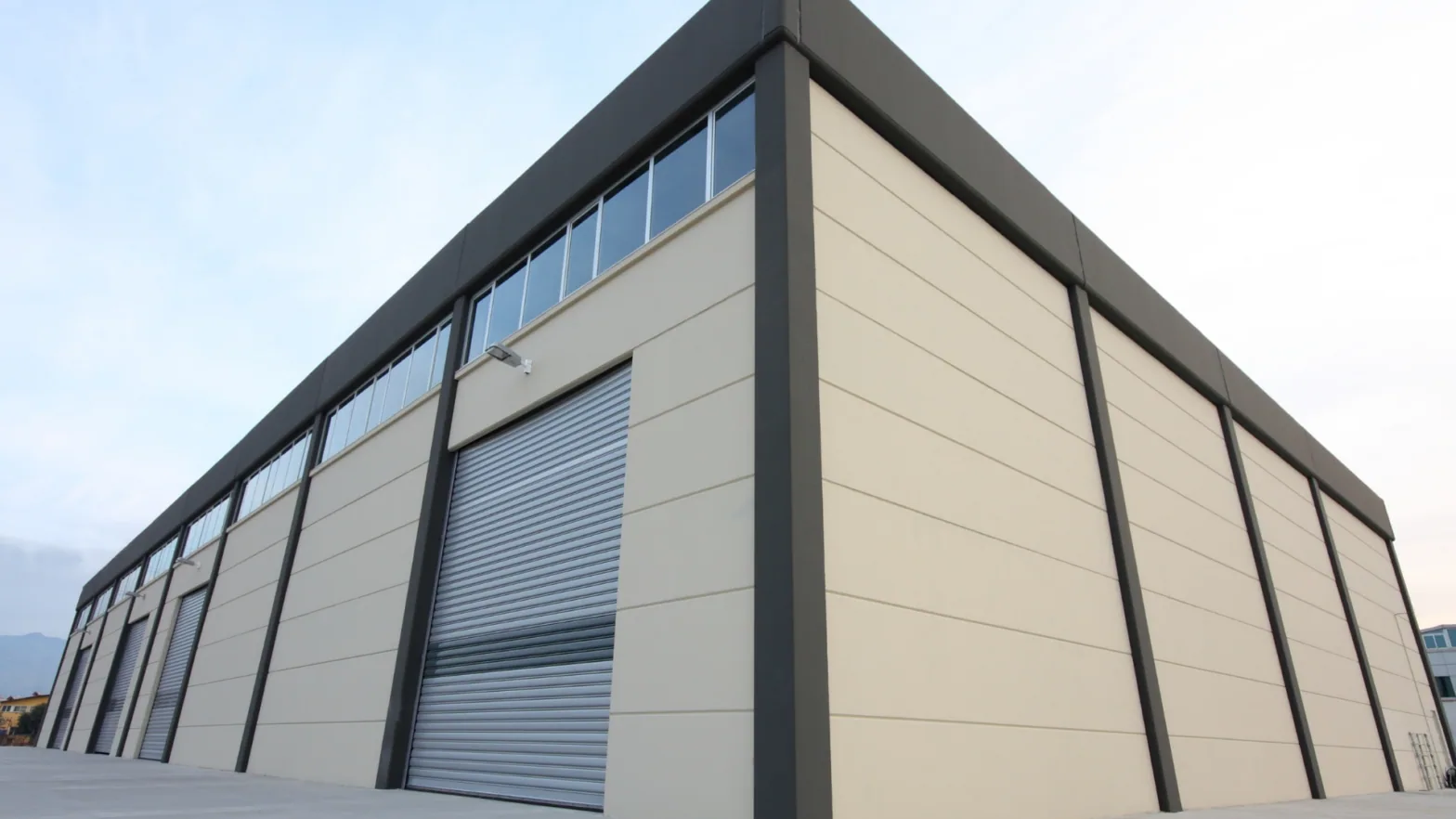
How can a roof issue affect a grocery operation?
A small leak can wet ceiling materials above shelving, a prep area, or a stockroom. The visible drip may be separated from the opening by a deck rib, pipe, or insulation joint. Staff should note the room or aisle, date, rainfall, and whether refrigeration or ceiling work happened nearby. We compare that report with seams, equipment bases, drains, and roof transitions to identify a likely entry path.
Drainage can be complicated by rooftop equipment and service walkways. Debris can collect at a bowl or behind a curb; a blocked outlet can hold water against a flashing that is already weak. We check the drain, overflow route, and membrane around the detail. A drainage assessment distinguishes cleaning from repair. If water is entering, temporary protection should be placed without restricting equipment or creating a trip path for roof technicians.
Regional climate normals from Portland International Airport show many days with measurable precipitation, most often through the cooler months. A repair schedule should account for a changing forecast and define how the roof will be closed before the crew leaves. That is especially important when stock or food-preparation spaces sit below the work area.
What should the store team document?
We inspect the membrane, seams, flashing, drains, edges, curbs, exhaust bases, and penetrations. Photos identify the roof zone and condition. The report separates an active leak from wear that can be maintained and from a larger capital issue. The store can then route each finding to facilities, refrigeration service, or the property owner.
Interior information helps narrow the search. Record the location of wet ceiling tile or a drip, when it started, and whether a display case, cooler, or equipment vendor was recently serviced. A cold interior area can point to refrigeration, air leakage, or roof moisture. We compare those conditions with penetrations and assembly details, then use a survey or test opening when concealed moisture affects the repair boundary. A photo condition record preserves that finding for later service visits.
Before the walk, confirm roof access, key or escort arrangements, equipment alarms, and any restrictions on photos or staging. The maintenance contact should identify which rooftop equipment is running continuously and which trade needs notice.
Can a leaking area be repaired without a shutdown?
Many roof repairs do not require shutting down refrigeration, but the sequence depends on the work area and the equipment connection. We inspect whether a curb or line needs trade support and agree on the safe access route. A localized puncture or failed flashing may be repaired without affecting the rest of the roof. If a unit must be isolated or moved, that work belongs in the plan before roofing begins.
Repeated leaks, widespread wet insulation, weak attachment, or many failing details can support replacement rather than another patch. A recover or coating may work only when the existing roof is dry enough and otherwise suitable. The recommendation should explain why the assembly can accept that work. A replacement plan identifies access, staging, equipment coordination, and the closeout point for every section.
A grocery store within a multi-tenant property may share drains or roof access. The shopping center roof review accounts for shared tenant responsibility; the store still needs its own equipment and operating sequence documented. A big-box roof review addresses larger retail spans and different inventory patterns.
How do repairs fit a busy store day?
The manager and contractor confirm delivery timing, customer routes, receiving access, roof entry, and the work zone below. If materials need a lift, the site contact approves the placement and traffic control. We keep the open roof area within what can be protected and closed during the shift. Any change near refrigeration equipment is coordinated with its service provider.
If hidden damage extends beyond the repair, we protect the opening and show the finding to the owner before expanding the scope. The end-of-shift check includes the membrane close, nearby drains, equipment clearances, and removal of loose materials. The manager receives a brief update identifying completed work and any next visit needed.
Store staff should know whom to call if a new interior leak appears while the roof work is active. The contractor and site contact agree on a response route so staff do not need to cross a restricted area to report it.
What should a grocery roof log contain?
Keep the roof plan, drain notes, equipment changes, inspection photos, repair history, and leak reports together. When a vendor adds or removes a unit, record the roof area and the person responsible for closing the penetration. Routine checks should review seams, drains, equipment flashings, roof edges, and patches. Clear loose debris before it blocks a drain or reaches a customer-facing entrance.
Stores in Downtown, Civic Neighborhood, and Rockwood can have different roof assemblies, service histories, and equipment layouts. A maintenance visit can check observed conditions and list repairs for authorization. Keep food and merchandise reports tied to the roof zone, so repeated concerns can be compared with the work history.
What should we know before a roof visit?
Send the roof plan if available, leak locations, refrigeration or HVAC work orders, receiving hours, roof access rules, and the store contact who can approve repairs. Tell us which areas below the work zone need special protection. We will inspect the roof, identify the likely cause, and lay out a repair that respects active operations. Schedule a roof walk to review the equipment interfaces and next step.
Grocery Store Roofing FAQs
-
Can you repair a grocery roof while refrigeration stays on?
Often, if the repair does not require moving or isolating equipment. We identify the connection and coordinate with the refrigeration contractor when the work touches its system.
-
What should staff do when a leak reaches a food area?
Follow the store's interior response procedure, protect people and product, and report the room and time. We inspect the roof and trace the water path before selecting a repair.
-
How do you handle a roof leak near a refrigeration line?
We inspect the flashing, support, membrane, and surrounding drainage, then coordinate any line movement with the responsible service trade. The repair should keep the connection supported.
-
Can a grocery roof be replaced in sections?
Often, when the assembly allows phasing. The scope should set a boundary, equipment plan, store access route, temporary protection, and watertight close for each shift.
-
How often should rooftop details be checked?
Use the roof system's maintenance guidance and review details after equipment service. Regular checks of drains, curbs, seams, and penetrations can catch changes before an interior leak.
Related Roofing Work

Downtown and Civic Neighborhood
Learn More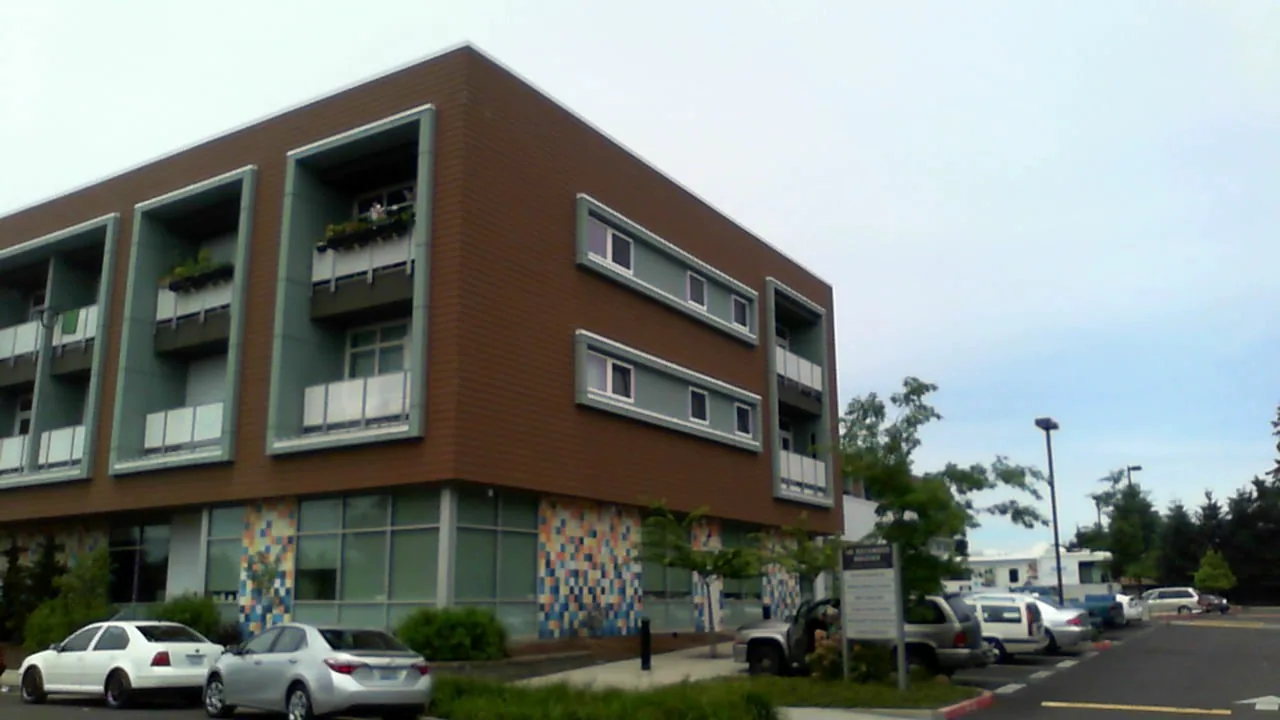
Rockwood
Learn More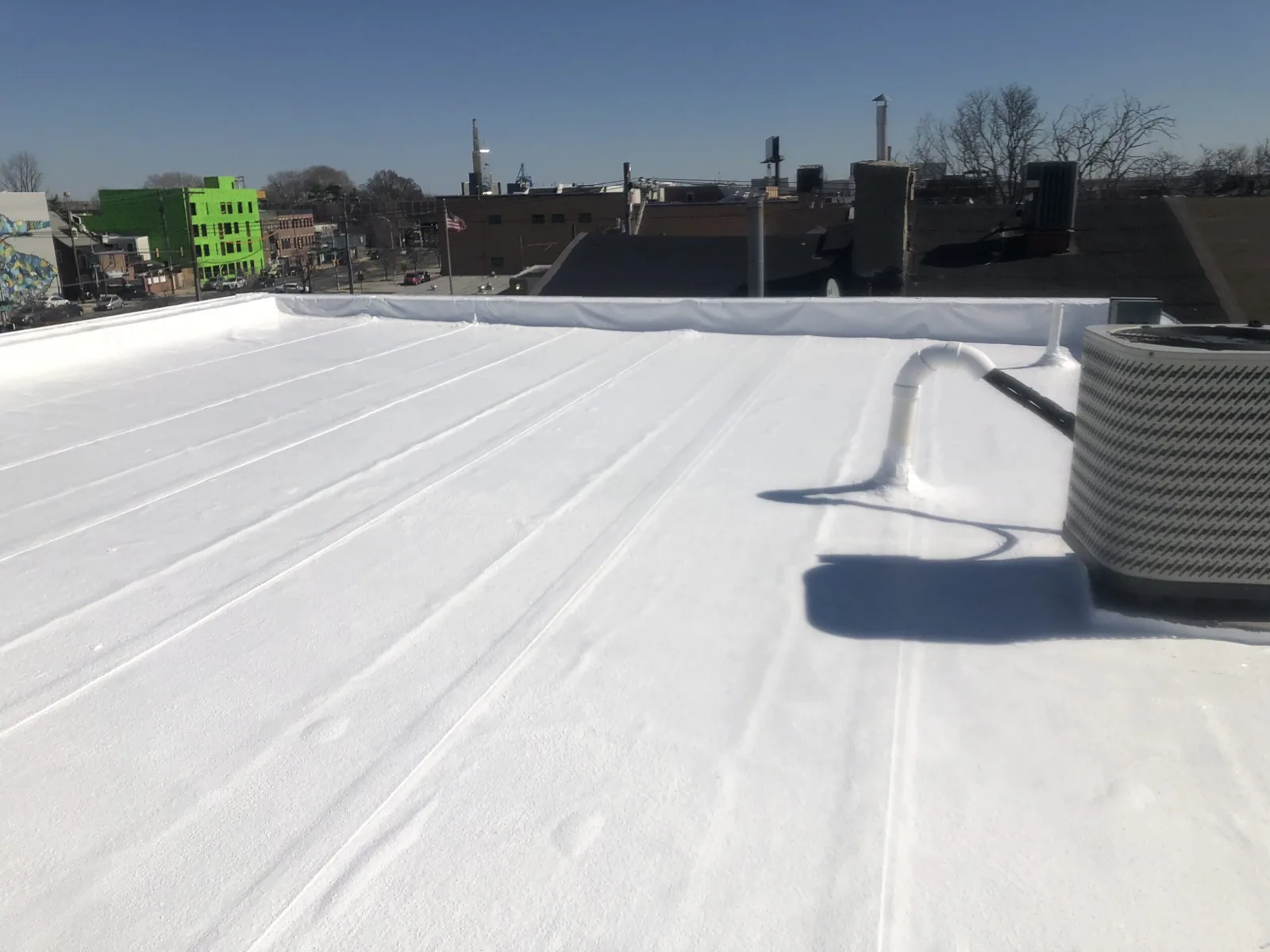
Commercial Roof Inspection
Learn More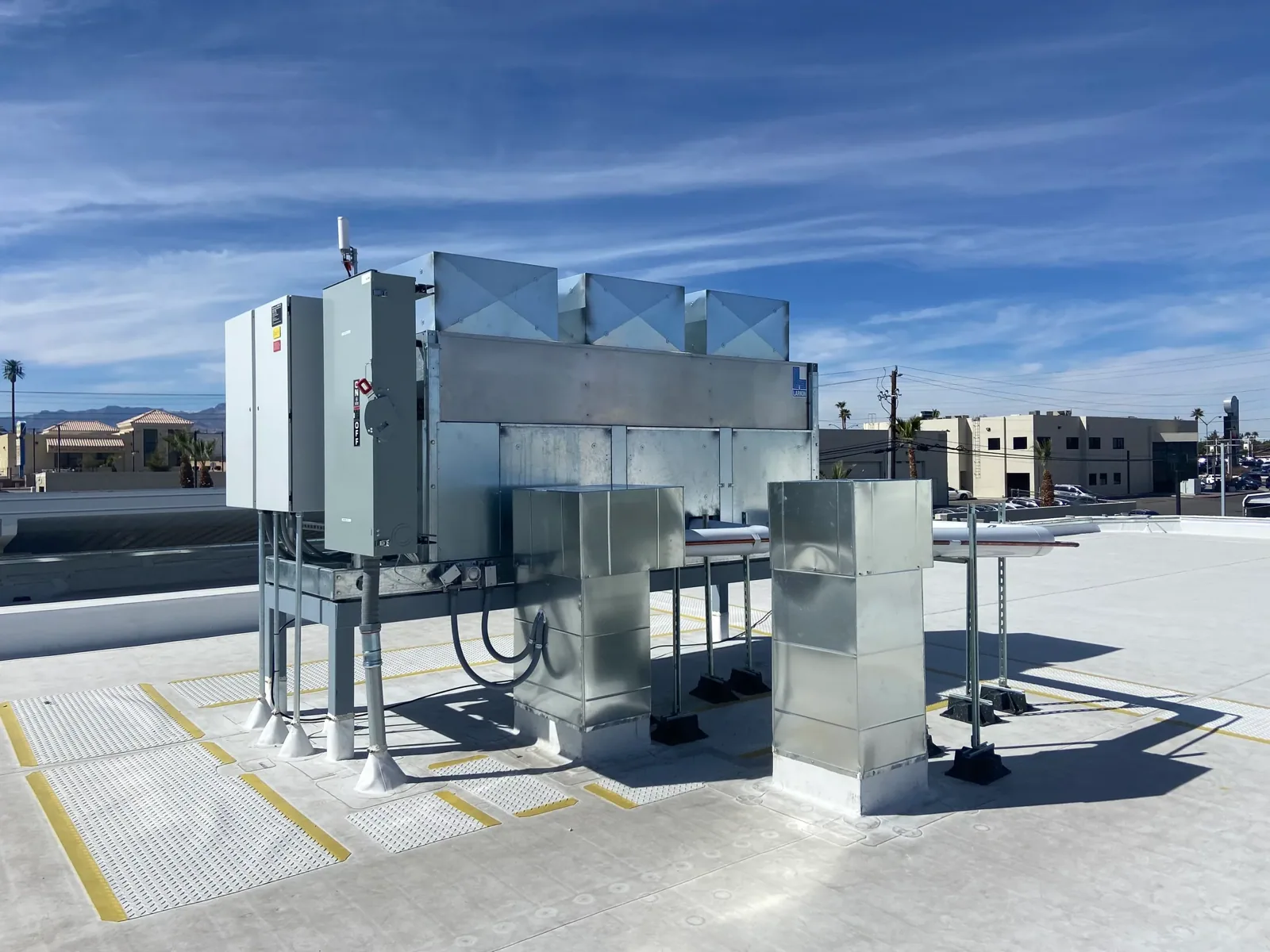
Rooftop Equipment Curbs and Supports
Learn More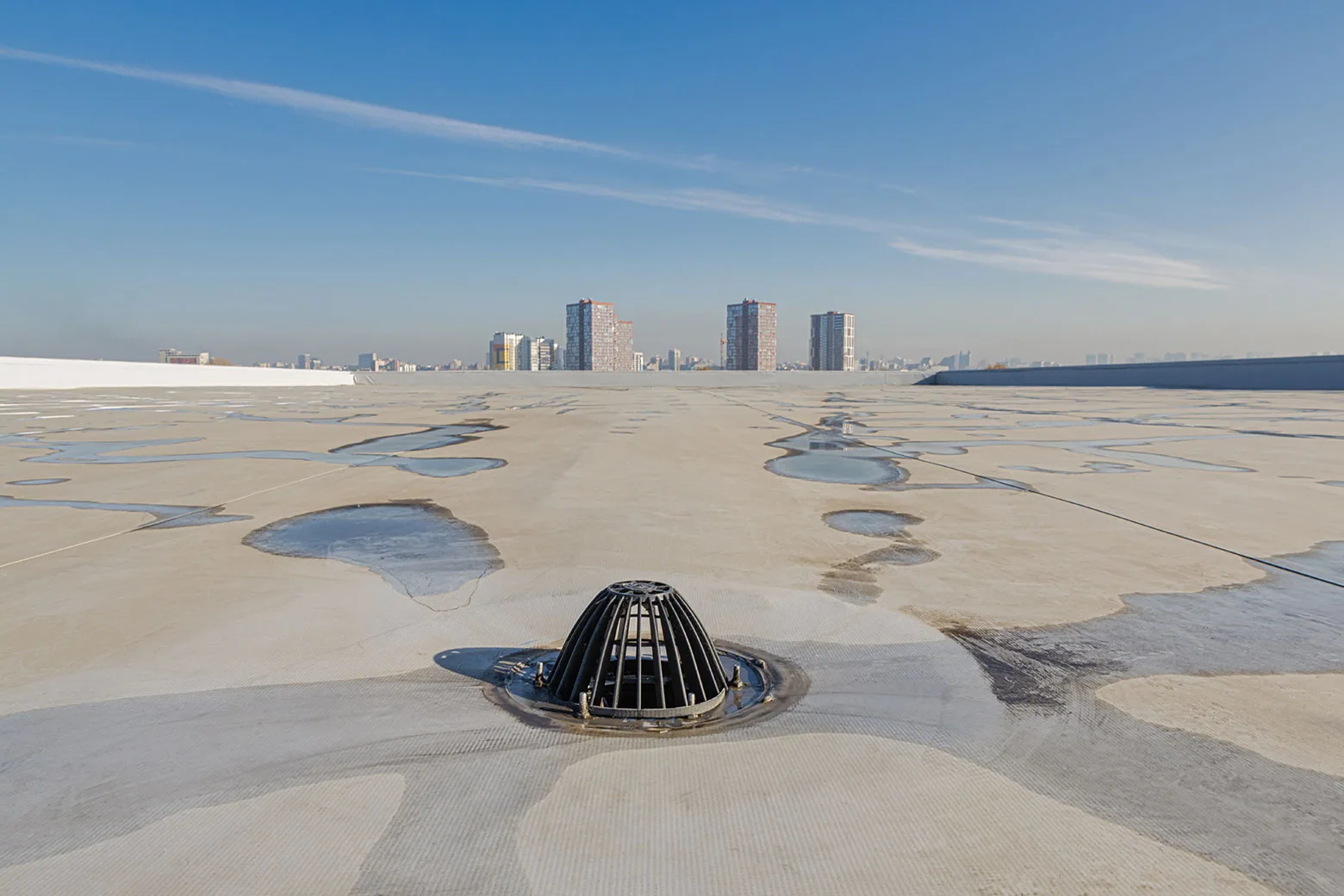
Commercial Roof Drains and Scuppers
Learn More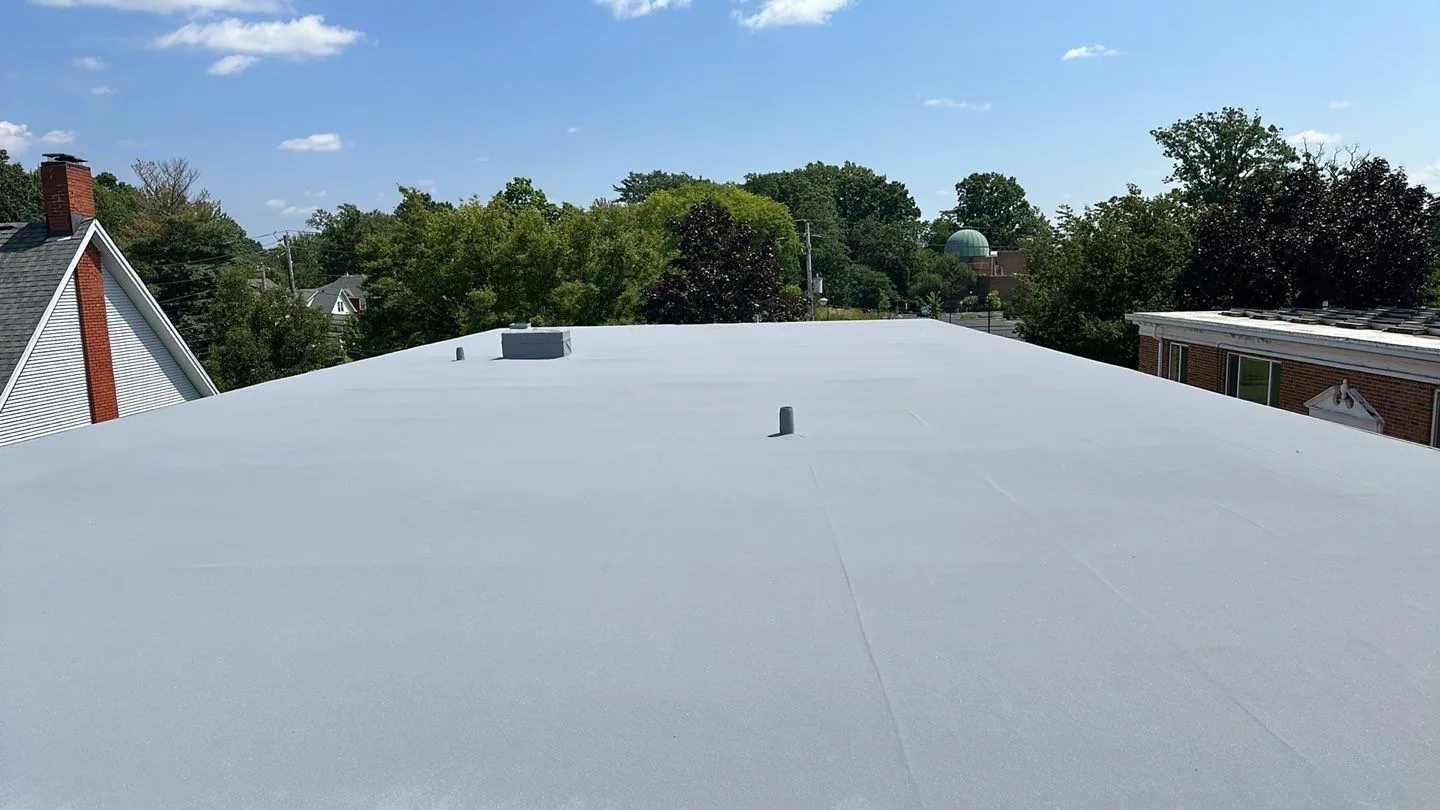
Commercial Roof Replacement
Learn MoreSchedule a grocery roof review
Request a roof assessment in Gresham
We will coordinate with store and equipment contacts, inspect the roof and drainage, and provide a clear repair or replacement recommendation. Tell us about the building, the roof and what you are seeing. Call 555-555-5555, email [email protected] or send the details through our contact page and we will set up a time to walk the roof.