
Commercial Snow and Ice Roof Damage Repair in Gresham, OR
Check roof damage after a freeze
- Home
- Roof Damage Repair
- Commercial Snow and Ice Roof Damage Repair
A drain blockage or iced roof edge can hold water after most snow has melted. After a cold-weather event, the roof decision starts with safe access and a check for ponding, displaced details, or water inside the building. We inspect the assembly after conditions allow and separate ice-related findings from older maintenance issues. Portland International Airport averages 4.2 inches of snowfall and 31.7 days each year with minimum temperatures at or below freezing. Plan winter checks around freeze-thaw at drains, seams, and exposed edges.
What should facilities check after freezing weather?
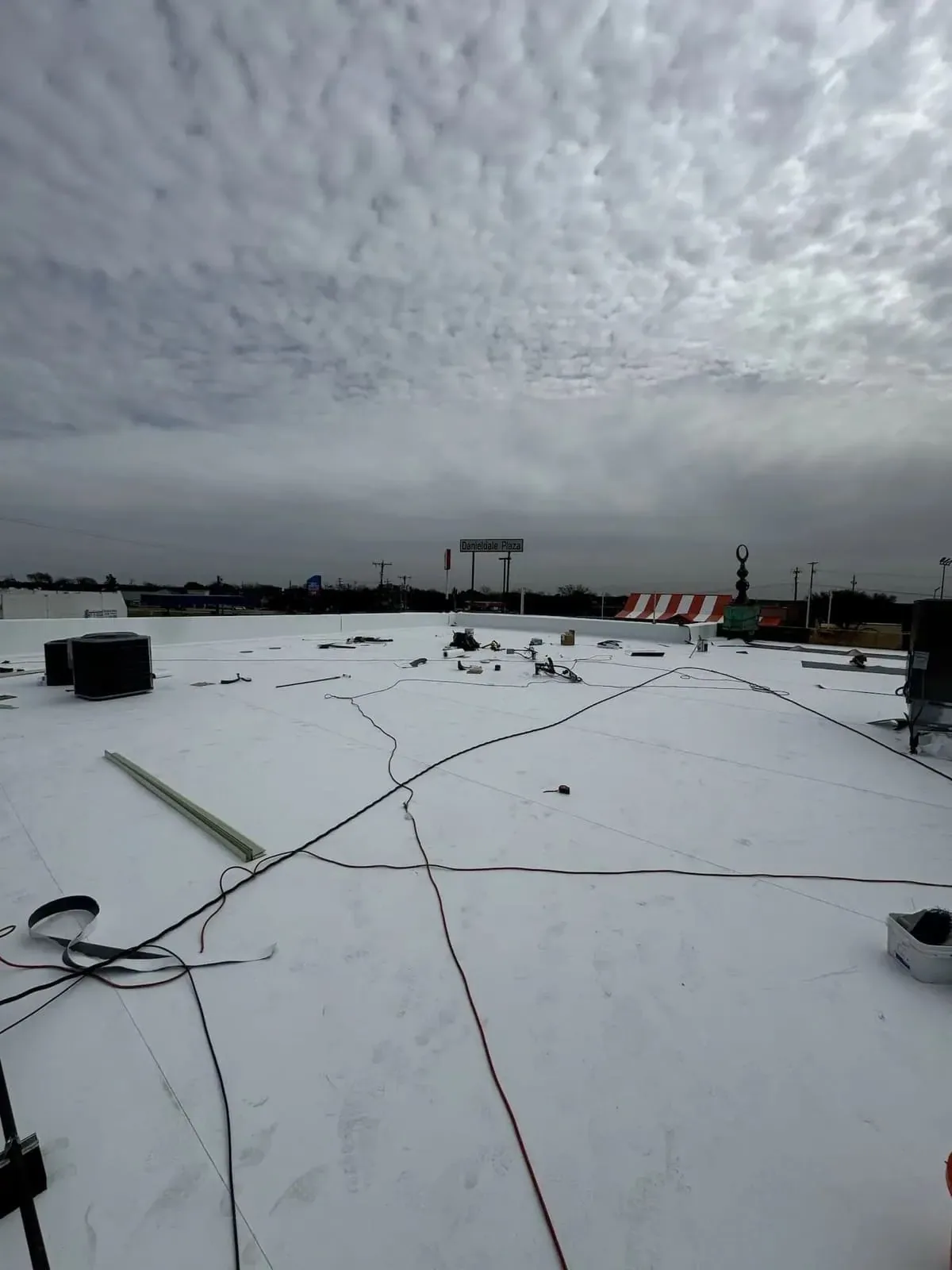
From a safe location, record where ice accumulated, whether a drain or scupper appeared blocked, and which interior area showed water. Do not step onto an icy roof to clear an outlet or inspect a suspected opening. When conditions permit a roof walk, we check drain bowls, overflow routes, membrane seams, curb corners, edge metal, and any temporary protection left from an earlier repair.
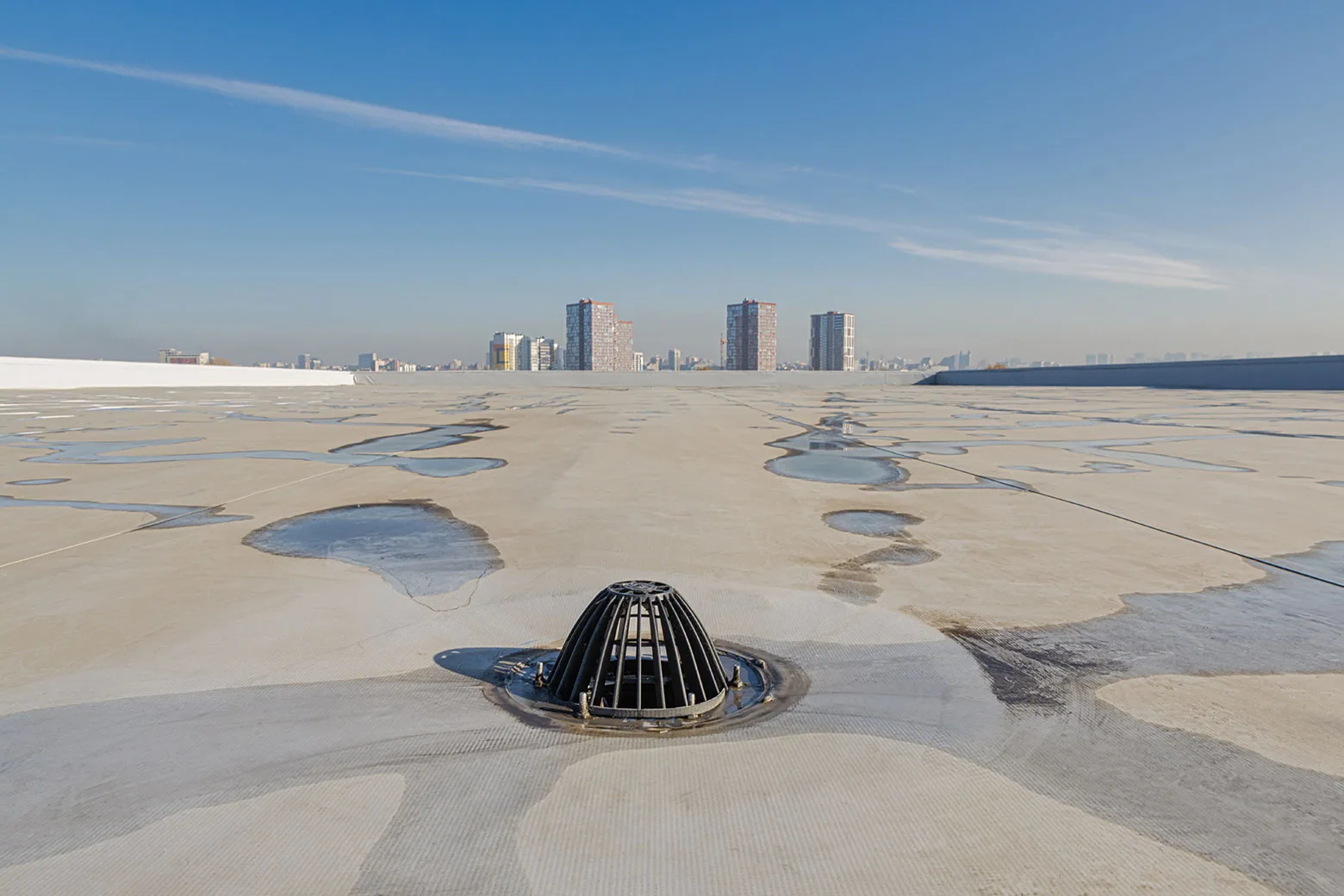
Ice may form where meltwater reaches a cold edge, where a drain cannot carry water away, or where a low area holds water overnight. A wet ceiling does not reveal whether the entry point is nearby. We compare the report with roof layout and previous work orders, then map likely paths to the nearest vulnerable detail. A drain and scupper assessment can identify obstruction or damage without treating the roof surface as one uniform plane.
How can a freeze-thaw cycle affect a roof?
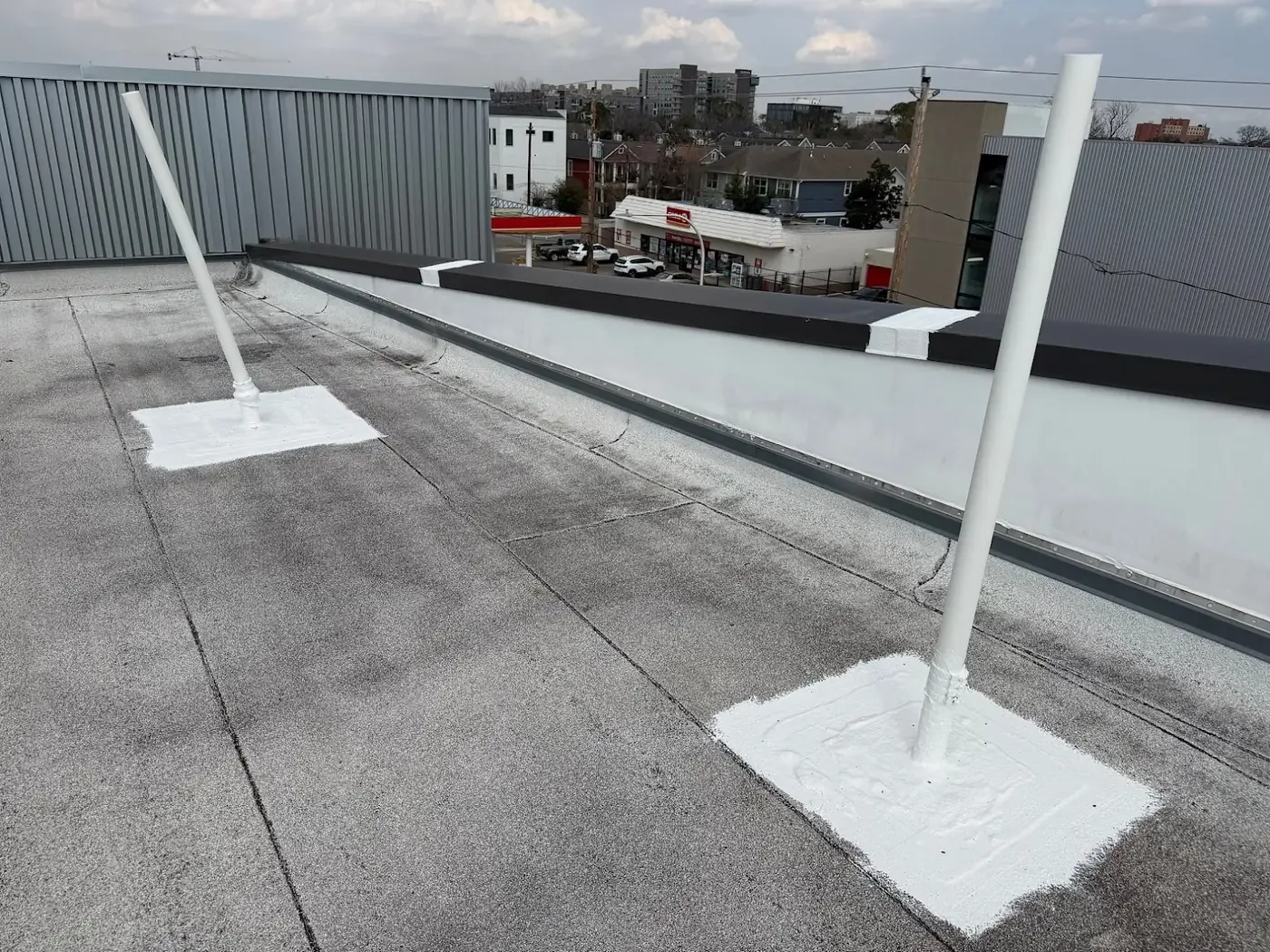
Water can enter a small opening, freeze, and expand at a seam, lap, or curb corner. Thawing then moves the water farther into the assembly. Repeated cycles can loosen material or expose a weak transition. We inspect for cracks, opened seams, blocked drainage, and displaced flashing to identify the affected detail. If water remains after thaw, we also check drainage and the membrane below the affected point.
Portland International Airport averages 31.7 days each year with minimum temperatures at or below freezing. Inspect drains, exposed seams, and perimeter details after thaw begins. When rain is followed by a freeze, water at a blocked outlet or low point can harden before it drains. Check the bowl and overflow as soon as the roof is safely accessible. Gresham’s Sandy Boulevard East County Corridor and employment areas connect industrial properties across the east side, where operators may need to plan inspections around freight and production schedules.
Ice dams on low-slope commercial roofs are not assumed from an interior leak or an icy edge. Heat loss, insulation, ventilation, drainage, and roof geometry can affect where ice forms. We document the observed condition and leave building-envelope or mechanical questions for the appropriate investigation. A ponding-water review may be warranted if a low area remains wet after drainage resumes.
When is the roof safe to inspect?
Ice, snow, wind, and wet membrane can change fall risk and footing. The facility contact and roofing supervisor set access based on current site conditions and the approved safety plan. We schedule direct inspection once the route and work area are suitable. If the roof cannot be reached safely, we document ground-level observations and return when the surface is accessible rather than treating a limited view as a completed assessment.
The visit records roof system, access route, weather, visible ice, drainage conditions, seam and flashing changes, interior leak reports, and the roof zones inspected. Photos show the detail and enough context to identify its location. We record whether ice concealed an outlet or snow blocked the membrane view. A roof condition report can separate findings from unanswered questions and list what needs a follow-up check after thaw.
If moisture may have reached insulation, a survey or test opening can help define the affected area when weather and assembly conditions support it. An infrared moisture survey provides readings for review; it does not replace direct confirmation where the roof layers need to be verified. The owner approves testing and the crew plans how any opening will be closed before work begins.
Which repair fits ice-related roof damage?
Clear drainage only when the roof is safe to access and the work is authorized. Repairing a cracked lap, displaced flashing, or damaged panel may stop an entry path if nearby material remains sound. Where insulation is wet or a section has separated, removal and replacement may be needed to reach stable material. We state whether the proposal addresses a leak, drainage restriction, or both.
A localized repair can fit an isolated failure. Repeated opening at several transitions, broad wet insulation, or persistent drainage trouble may call for a broader scope. Roof coating or recover work is not a substitute for correcting a weak substrate or adding slope where water still collects. A replacement review can compare one-off repairs with a planned project, including insulation, edge details, drainage, and sequencing around occupied operations.
Cost and timing follow access, system type, damaged layers, drying time, and equipment coordination. Cold or wet conditions can affect preparation. We identify the safe work window, temporary measures, and repair tie-ins before scheduling.
How do we protect the building while conditions change?
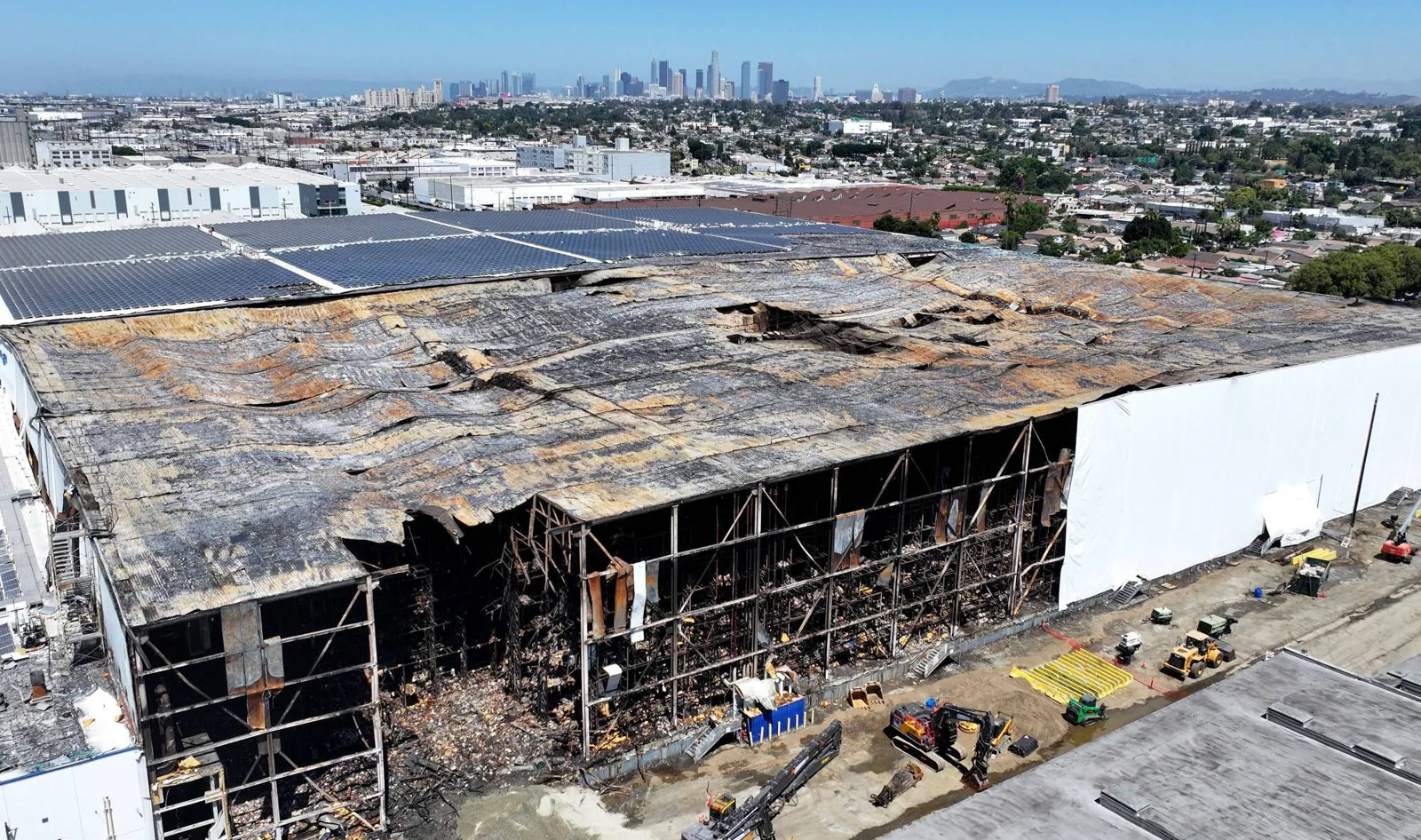
Before mobilization, we confirm the roof route, occupied hours, work zone, equipment schedule, and person authorized to approve added work. If freezing conditions persist, the owner may need to keep people clear of areas below a suspected leak or arrange interior protection. We stage materials away from drains and make sure temporary work will not block an overflow path. No roof opening is left exposed beyond the crew’s safe closeout window.
During repair, the crew removes only material needed to reach the damaged detail. If hidden wet insulation or a longer split appears, we secure the area, document the layers, and ask for direction before expanding the scope. The owner can then review the added work separately. This keeps a small authorized repair from turning into unapproved removal while maintaining protection over the opening.
Gresham’s commercial centers include Downtown and Civic Neighborhood and Rockwood, while industrial operations extend toward Gresham Vista Business Park. Each property sets its own winter access and service requirements. We coordinate with the site lead so the roof inspection fits its operating schedule and does not interfere with deliveries or tenant access.
What should a cold-weather roof log capture?
Record the weather period, roof-zone labels, visible ice or water, drain status, interior reports, temporary measures, and photographs from a safe visit. After thaw, compare the same details and record whether ponding cleared. If water returns, log when it appeared and which room or equipment area was affected. That timeline helps the next inspection distinguish a repeat issue from a new opening.
The airport normal is modest, but an individual storm and roof assembly determine the load at a property. Where snow accumulates, the owner should follow its building-specific safety and response plan. A maintenance program can check drains and edge transitions before winter. For an open lap, a seam repair may be needed.
Commercial Snow and Ice Roof Damage Repair FAQs
-
Does Gresham get enough snow to cause roof damage?
Portland International Airport averages 4.2 inches of annual snowfall. After a winter event, prioritize drainage, repeated icing, and the affected roof details when choosing a response. A specific storm can still create a local drainage or load concern, which we inspect based on actual conditions.
-
Can we clear ice from the roof drain ourselves?
Do not access an icy roof without an approved safety plan. We can inspect the drain and overflow after conditions allow, then record whether blockage, damage, or low slope is affecting flow.
-
Can a frozen drain cause a ceiling leak?
A blocked outlet can leave water on the roof, but the leak path still needs inspection. We compare the drain, membrane, nearby details, and interior report before defining the repair.
-
Should snow be removed before the roof inspection?
The owner should follow its building-specific safety plan. We do not ask facility staff to walk an unsafe surface; the visit can be scheduled after conditions permit direct inspection.
-
What if the roof still leaks after ice melts?
We return to the reported zone, inspect the seam, flashing, drain, and wet materials, then distinguish an active opening from remaining moisture. Scope repair to the observed condition and inspect surrounding material before closing the detail.
Related Roofing Work
Commercial Roof Drains and Scuppers
Learn More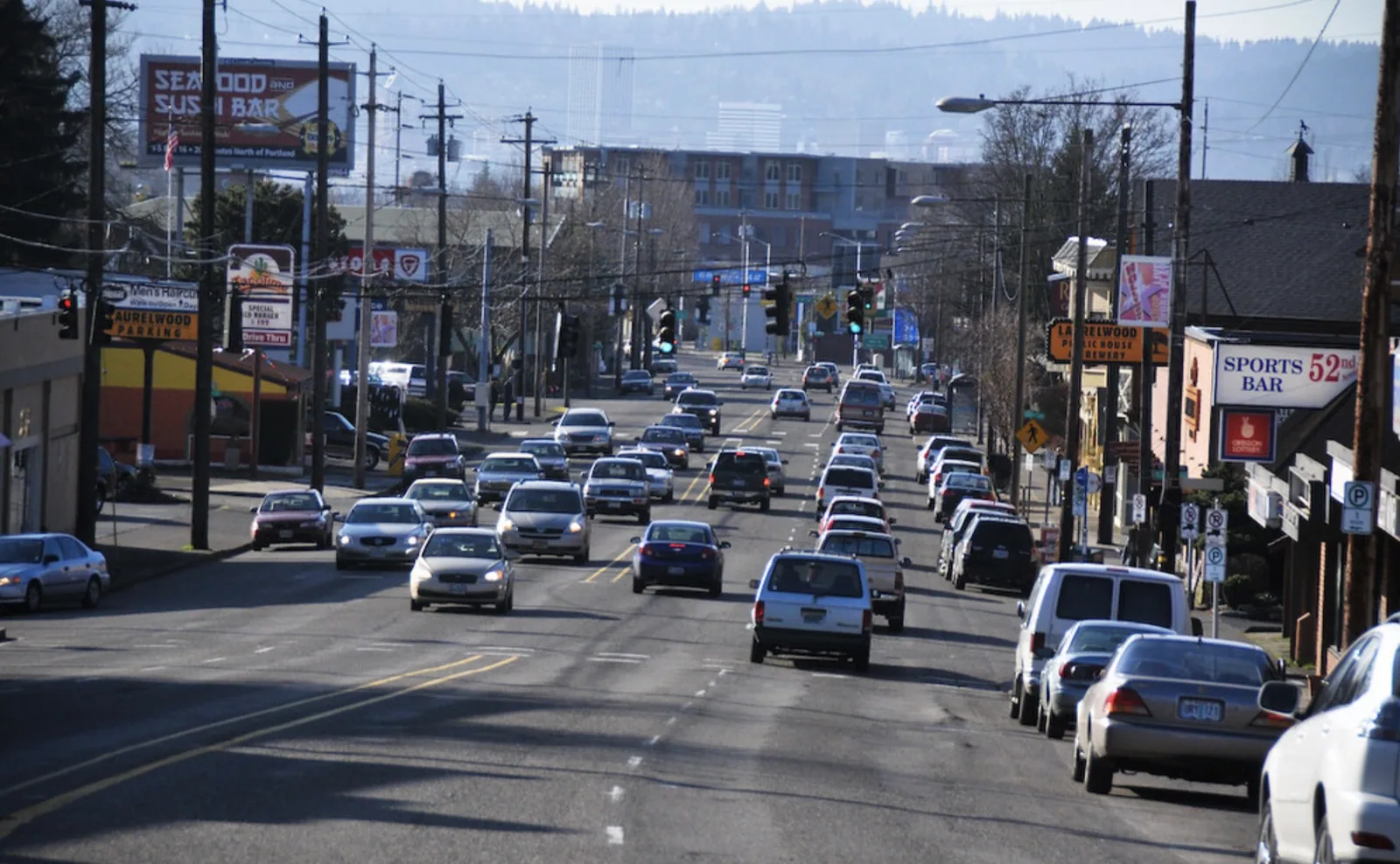
Sandy Boulevard East County Corridor
Learn More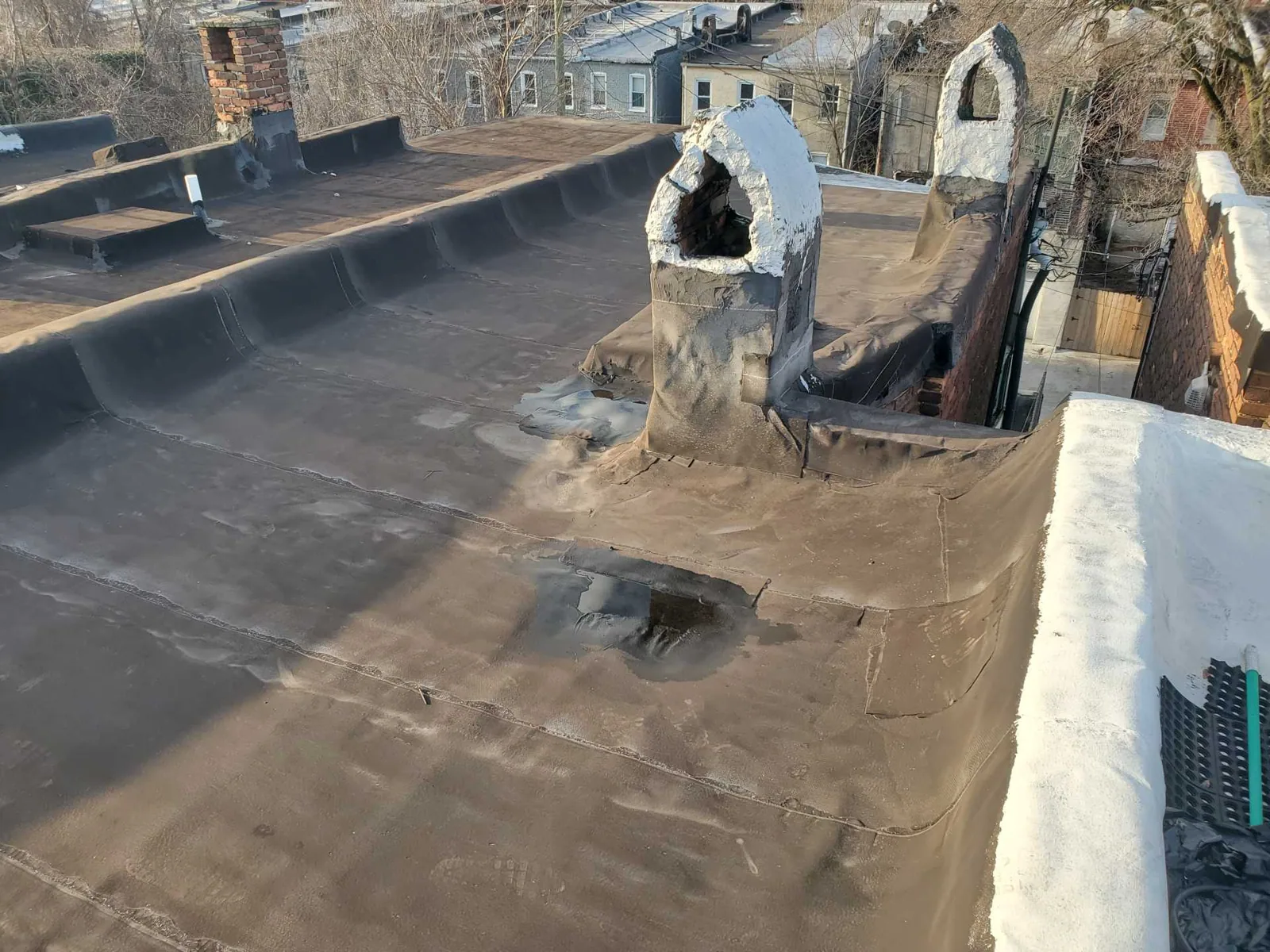
Commercial Ponding Water Roof Repair
Learn More
Commercial Roof Condition Reports
Learn More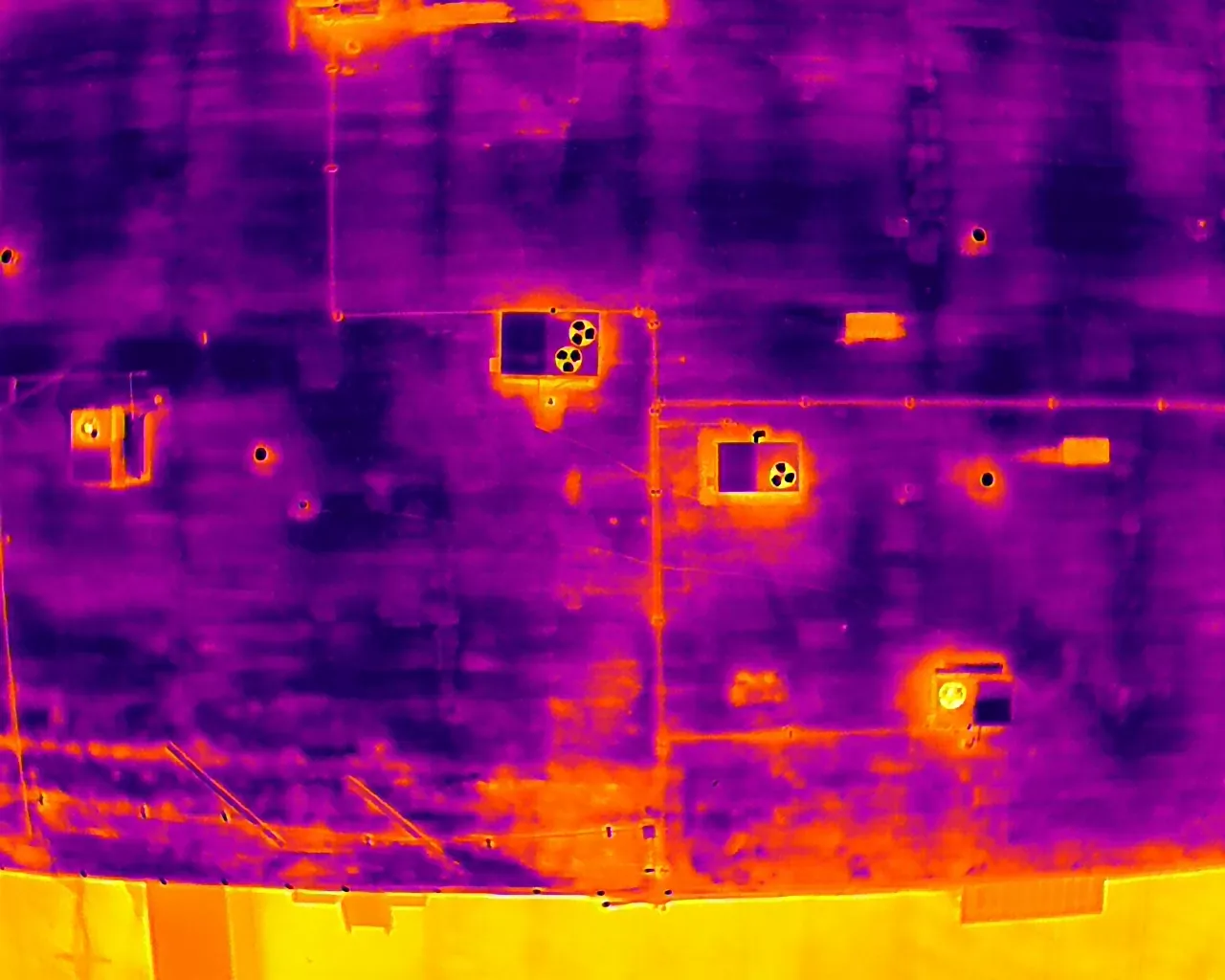
Infrared Moisture Survey for Commercial Roofs
Learn More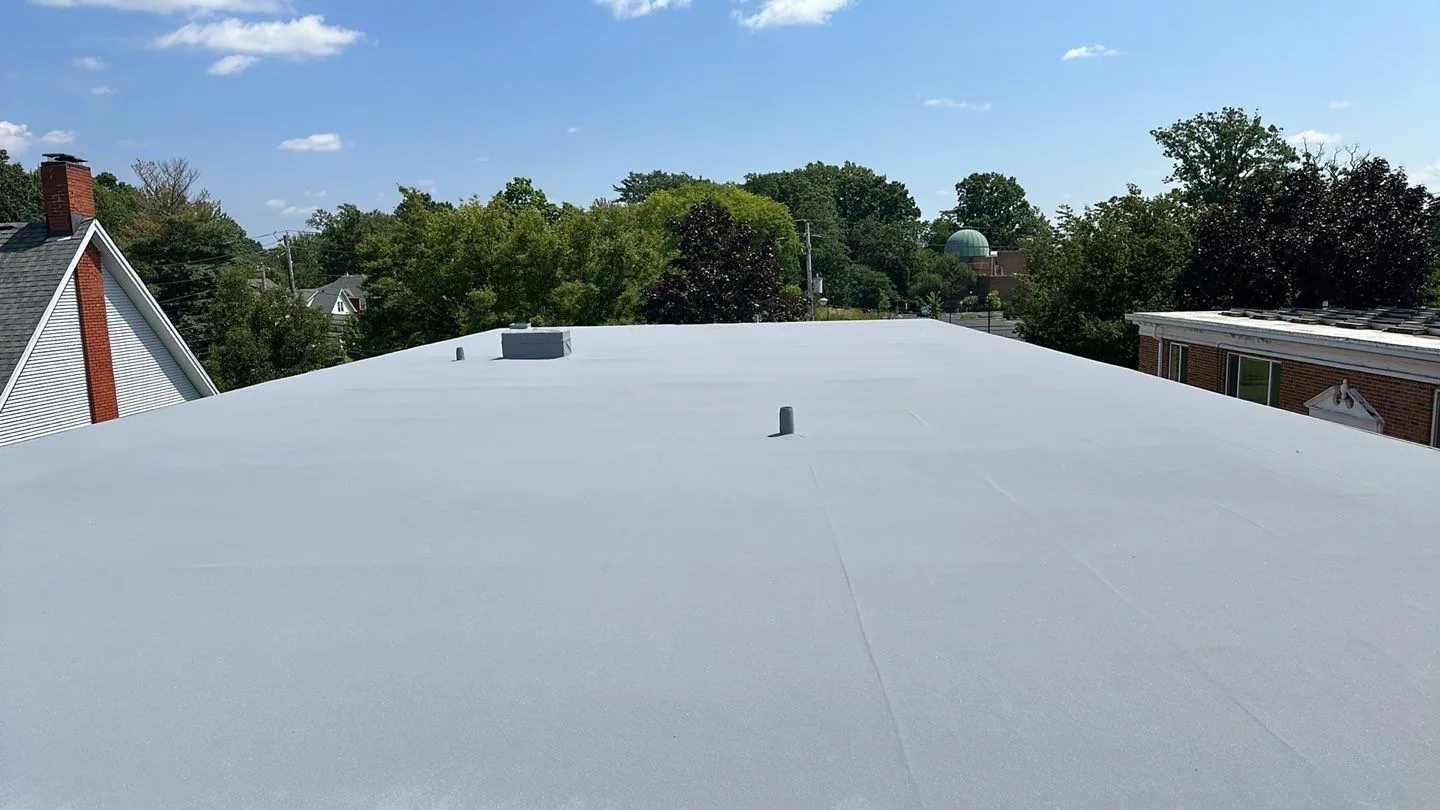
Commercial Roof Replacement
Learn MoreCheck roof damage after a freeze
Request a roof assessment in Gresham
Schedule a Gresham roof inspection when access is safe. We will document drainage, seams, edges, and interior reports, then coordinate the repair window with facility operations. Tell us about the building, the roof and what you are seeing. Call 555-555-5555, email [email protected] or send the details through our contact page and we will set up a time to walk the roof.