
Commercial Roofing in SE Hogan Road Employment Area, Gresham, OR
Schedule a roof inspection near SE Hogan
- Home
- Service Areas
- SE Hogan Road Employment Area
Gresham's industrial-land inventory places the SE Hogan Road Employment Area south of SE Palmquist Road and near U.S. 26. Hogan and Palmquist connect the area to that major freight route. The Springwater Trail Corridor and Johnson Creek mark the southern edge, where access is limited. A roofing plan must use current property-approved routes and boundaries. We inspect the roof assembly, drainage, seams, and penetrations, then confirm where material and equipment may stage. For a property in Springwater Employment Area, the south-side access context differs; each building receives its own site check and roof map.
Use an approved route to the work area
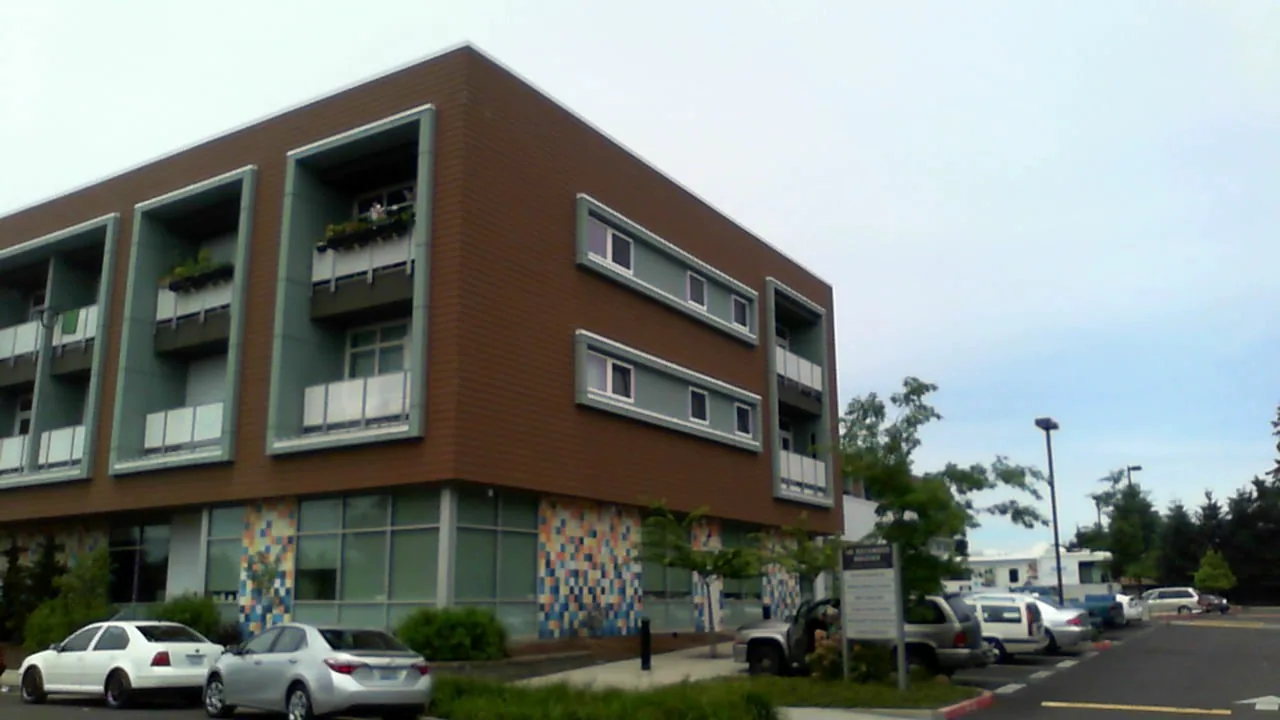
SE Hogan and Palmquist connect toward U.S. 26, but a regional freight route does not specify which entrance a crew should use. The owner or facility contact confirms the current gate, delivery time, escort process, roof access, and emergency routes. If access from the southern edge is constrained by the trail corridor or creek, we confirm the approved alternative rather than assuming a route through that area.
We review staging and work zones before ordering material. The plan identifies where a lift can sit, how debris will leave, and which operating spaces need protection. If the roof sits over equipment or active work, the facility team tells us what must remain online. We set a daily completion boundary so removed layers can be closed and the site can return to the agreed condition before the next shift. We also confirm where staff can move across completed areas and how maintenance access will continue during phased work. The site lead receives a closeout note before crews leave, with open areas and any temporary controls clearly identified.
An owner may also have a facility in the I-84 and 181st cluster or Gresham Vista Business Park. A common project checklist helps compare work, but the contact, entry route, and access limit must be confirmed for each property. We do not treat proximity to the same freight network as permission to use the same staging area.
Map roof details before selecting a repair
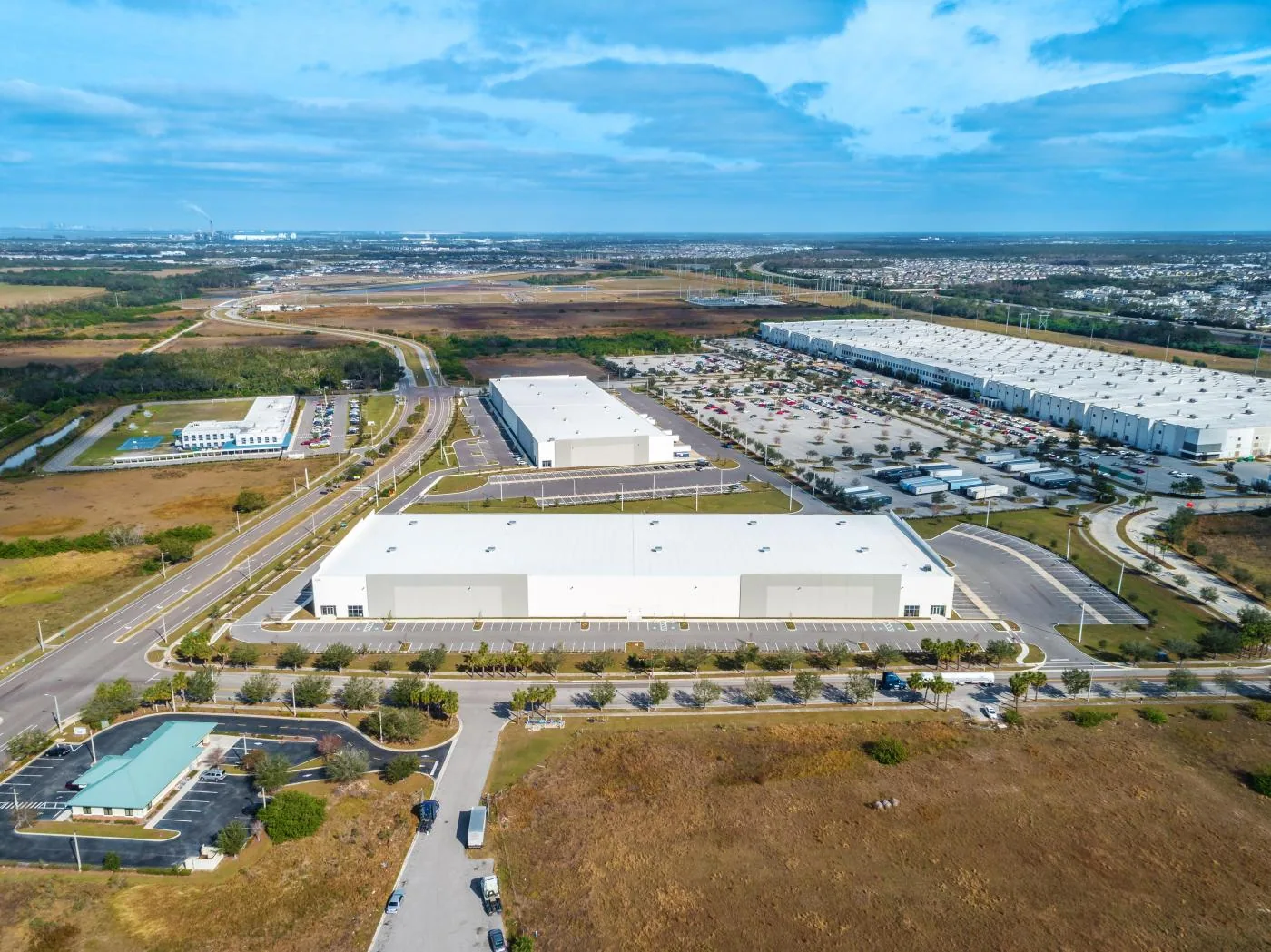
We inspect the field membrane, seams, drains, scuppers, wall transitions, curbs, skylights, pipes, and perimeter edges. These details can fail independently, so the report locates each observation by roof zone. Photos should show the defect plus a nearby feature that another person can recognize. If there are earlier patches, we check their edges and note whether they remain attached.
A leak stain may sit away from the opening. We compare the interior location and timing with drainage paths, penetrations, and seam conditions above and nearby. If layers conceal moisture, surface inspection may not answer whether a recover is suitable. We identify a test opening or other evaluation if it would change the scope and explain the closure method before the owner authorizes it.
Rain is most frequent around Gresham from fall through spring. That makes outlet checks and daily protection worth planning before a reroof. We inspect the actual roof, use the job forecast, and close each exposed section before conditions change.
A commercial roof inspection can map accessible conditions. A reported leak can receive a focused assessment that follows likely paths and records repair limits.
Choose repair, restoration, or replacement
A localized puncture, split seam, loose edge, or failed flashing may be repairable when material around it is sound. We confirm the membrane and use a compatible detail. The scope identifies the repair zone, preparation, and stopping point, while listing any separate concern found nearby.
When leaks recur across multiple areas, we check attachment, moisture, substrate, drainage, and the condition of old patches or coatings. A recover depends on dry, stable existing layers and enough height at perimeters and curbs. Coating needs a compatible surface and proper preparation. If those conditions are absent, replacement may involve removing affected layers and rebuilding with insulation or drainage improvements.
Repair planning addresses observed defects. A restoration review checks product and substrate fit. Replacement planning compares removal depth, material, disposal, and work phases around operating hours. Cost and duration follow measured area, layer count, details, staging, access, and protection below. If the building contains concealed conditions, they are recorded and reviewed with the owner before a scope change is approved.
Protect drainage and respect site limits
We inspect each drain bowl, strainer, scupper, overflow, and low point, including the membrane around it. Debris or a damaged outlet can interrupt flow. Water marks, surface deformation, or repeated ponding may call for further evaluation. The report records what is visible and avoids labeling an unverified cause as settled.
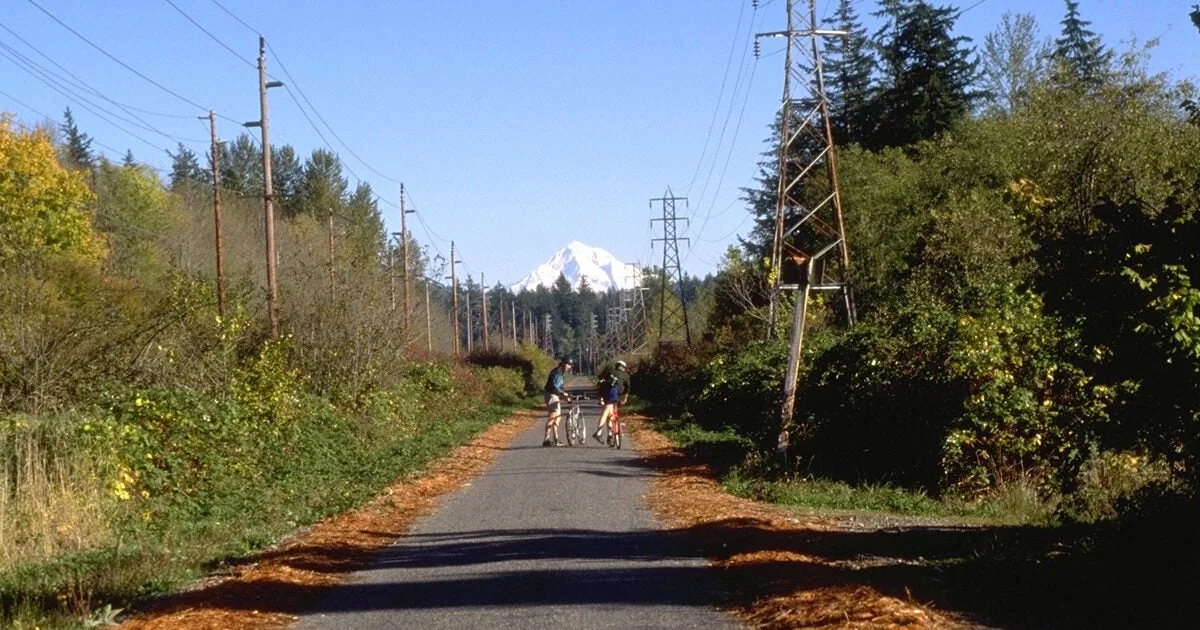
The Springwater Trail Corridor and Johnson Creek lie along the area's southern edge, and the plan notes limited access from that direction. This is a site-planning consideration, not a statement that any individual roof borders the trail or creek. We confirm the property's actual boundary and approved staging areas. Debris containers, material drops, and access equipment remain within the site limits authorized for the project.
At a parapet or curb, we check flashing continuity and membrane attachment. New equipment, a support, or a changed service route can affect a finished detail. The property team identifies recent work by other trades; we compare it with roof records and current conditions before proposing a tie-in. For adjacent industrial locations such as NE Wilkes, a different site boundary or drainage pattern requires its own review.
Keep access and repair notes with the roof map
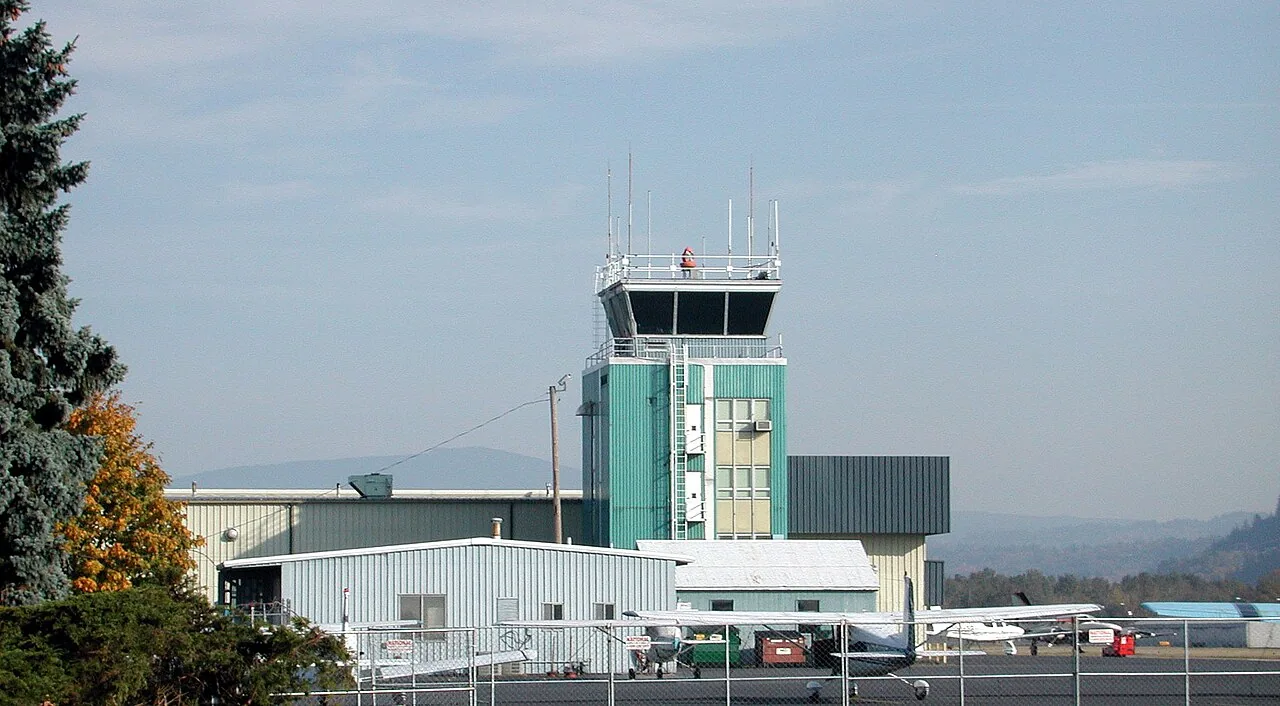
A complete closeout identifies the inspection date, zones reached, visible conditions, repairs, photos, system details where known, and any limits. If access was restricted, note which area remains uninspected. When a test opening finds wet insulation or an unexpected layer, the owner decision and closure method belong with that roof zone.
Project records can move between building operations, property management, and ownership teams. Our roof condition report can present findings and follow-up items by zone. Keep the access plan with the file but limit its distribution to people who need it. A public report should not expose restricted entry information.
A planned maintenance visit can check outlets, seams, flashing, edges, and roof traffic paths after a repair or before the wet season. Update the map after equipment moves or another contractor creates a new penetration. The next service visit can then compare the roof with current records instead of relying on a route or drawing that may have changed.
Near the southern edge, Johnson Creek and the trail corridor constrain potential access from that direction. The site contact identifies the actual entry, delivery route, and staging space before a lift or material drop is planned. We also confirm whether recent rooftop penetrations, solar work, or HVAC service changed the assembly. Mapping those alterations prevents an older condition report from being treated as current and gives the next visit a specific area to inspect.
SE Hogan Road Employment Area FAQs
-
How do you access a building in the SE Hogan employment area?
We use the route and staging point approved by the owner or facility contact. The area's southern access limits are part of the plan context, so we confirm current site boundaries before mobilizing.
-
Can U.S. 26 be used to deliver roofing materials?
U.S. 26 is a regional freight connection. Delivery still follows the property's approved entrance, schedule, and traffic controls, which we confirm before material arrives.
-
What do you look for during a leak inspection?
We compare the indoor symptom with drains, seams, curbs, penetrations, and nearby transitions. Photos and zone notes distinguish a confirmed opening from areas needing more testing.
-
Can a coating solve repeated roof leaks?
Only when the surface and underlying assembly are suitable. We check moisture, attachment, substrate, drainage, and compatibility before comparing coating with other options.
-
Will you respect trail or creek boundaries during work?
The crew follows property and project limits supplied by the owner. We verify staging, access equipment, and debris handling before beginning work.
Related Roofing Work
Springwater Employment Area
Learn More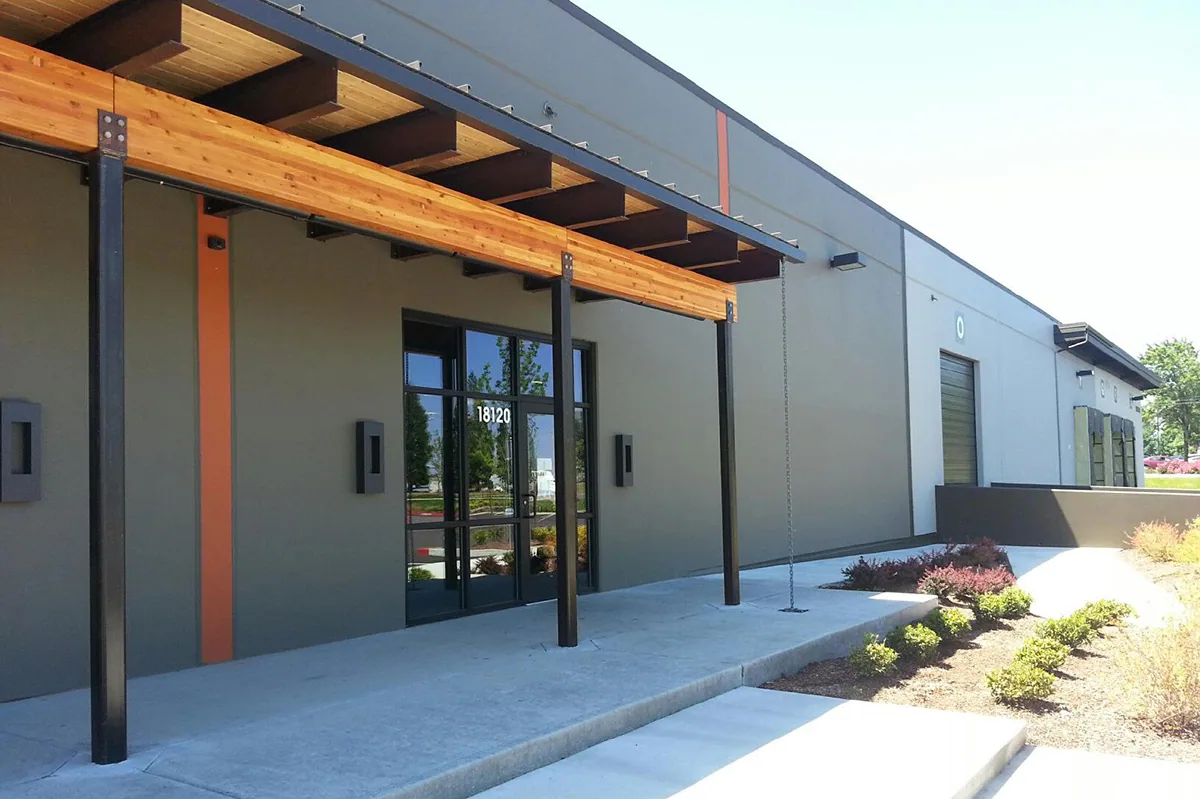
I-84 and NE 181st Industrial Cluster
Learn More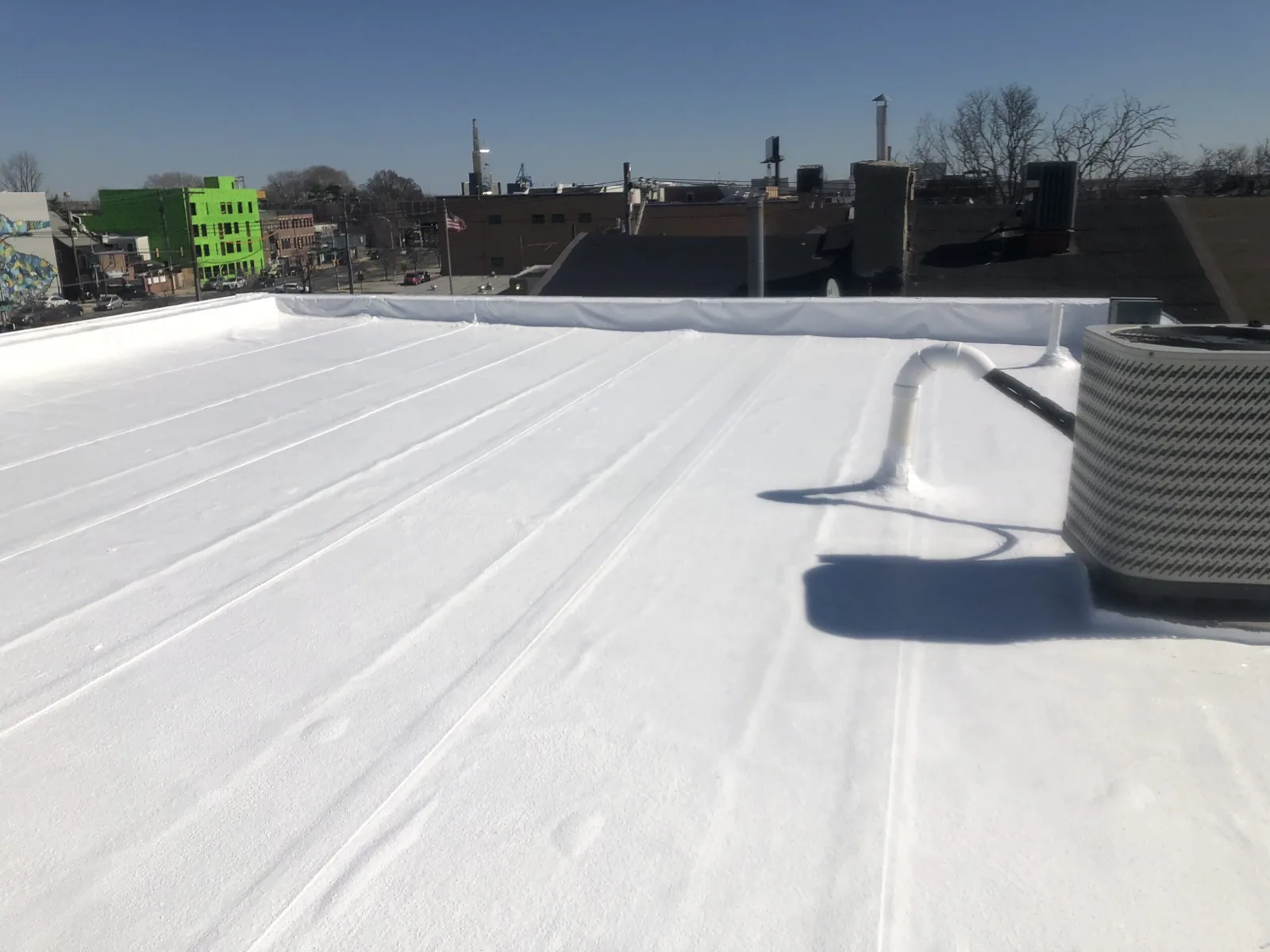
Commercial Roof Inspection
Learn More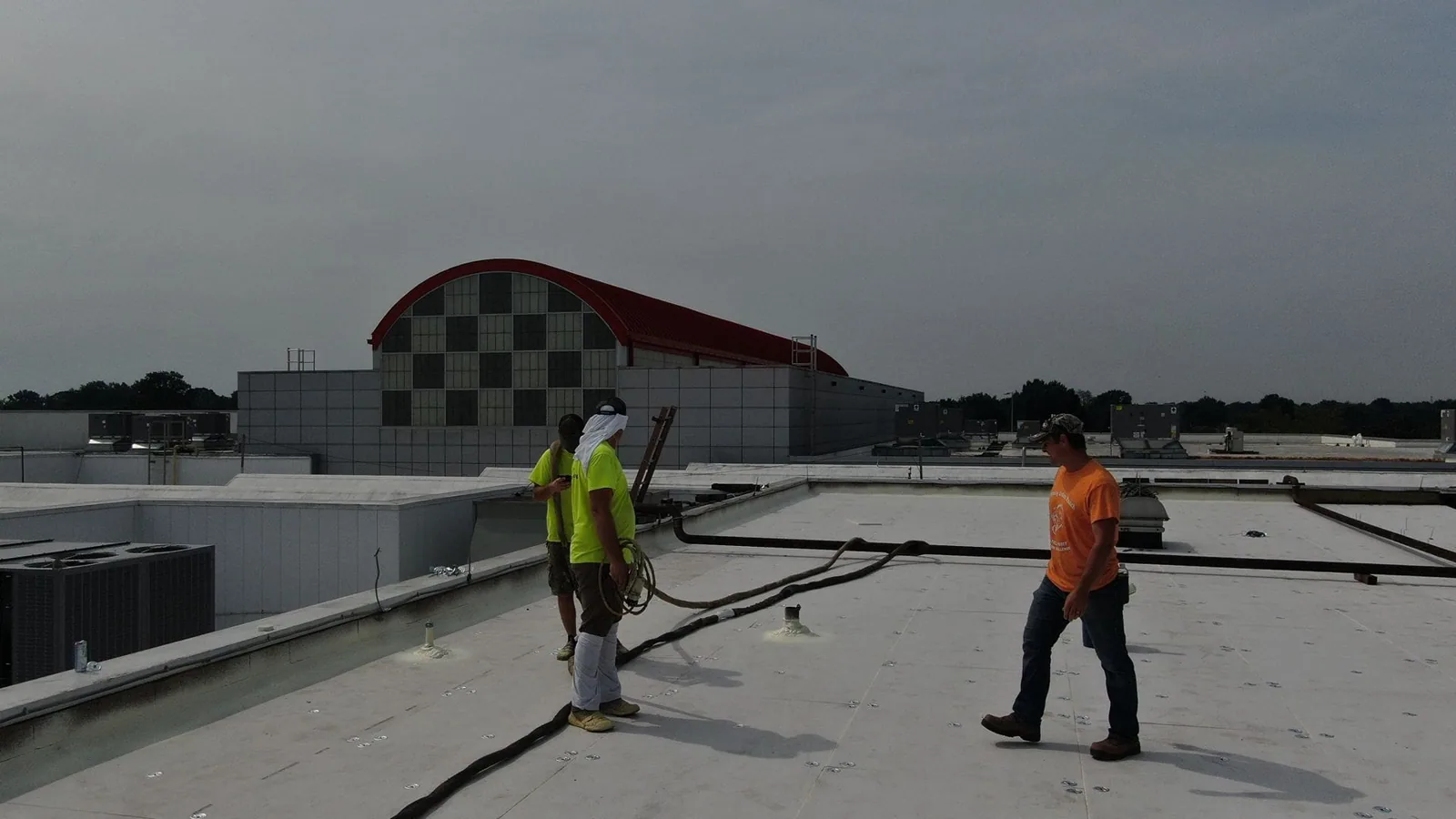
Commercial Roof Leak Repair
Learn More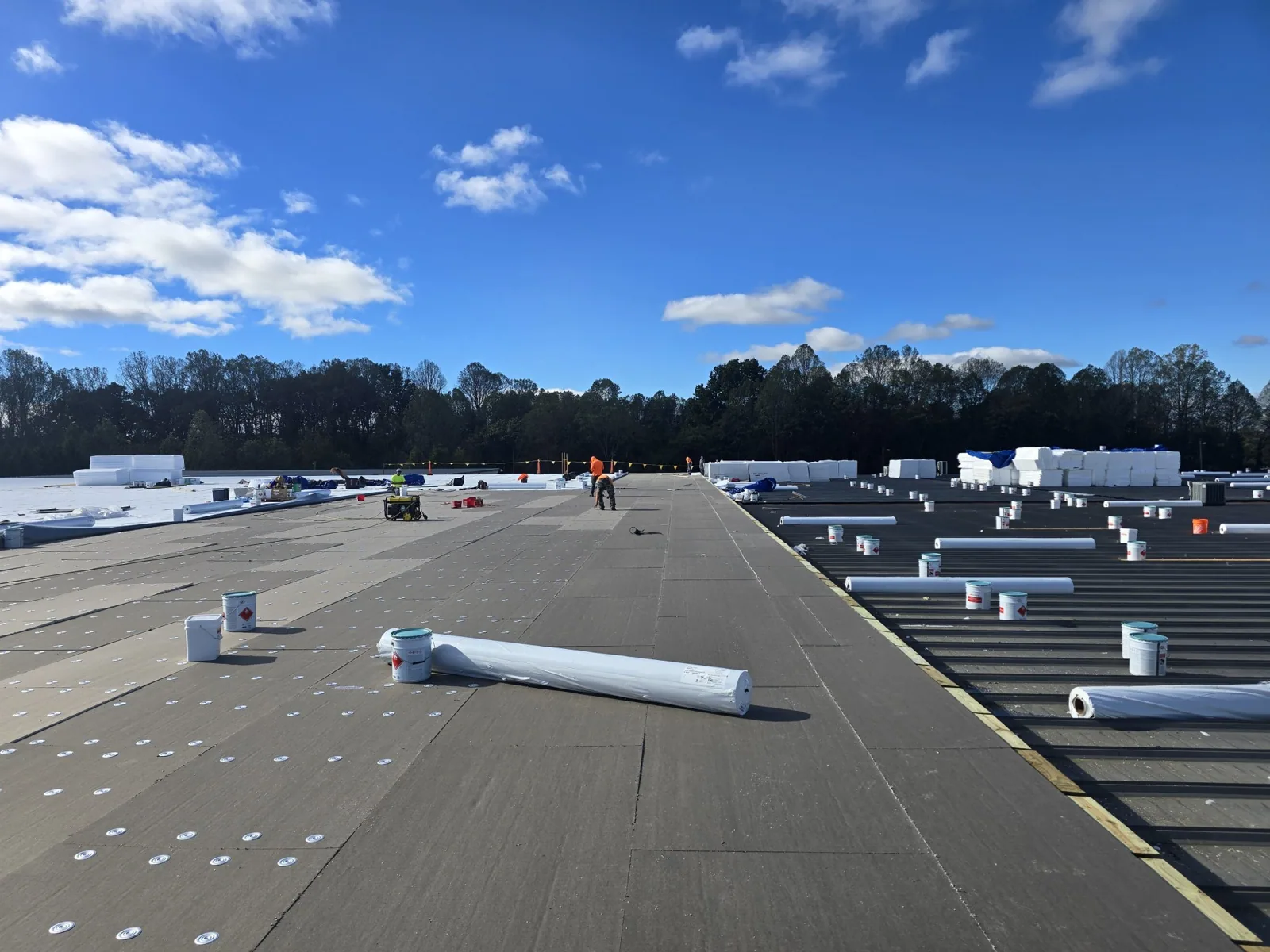
Commercial Roof Repair
Learn More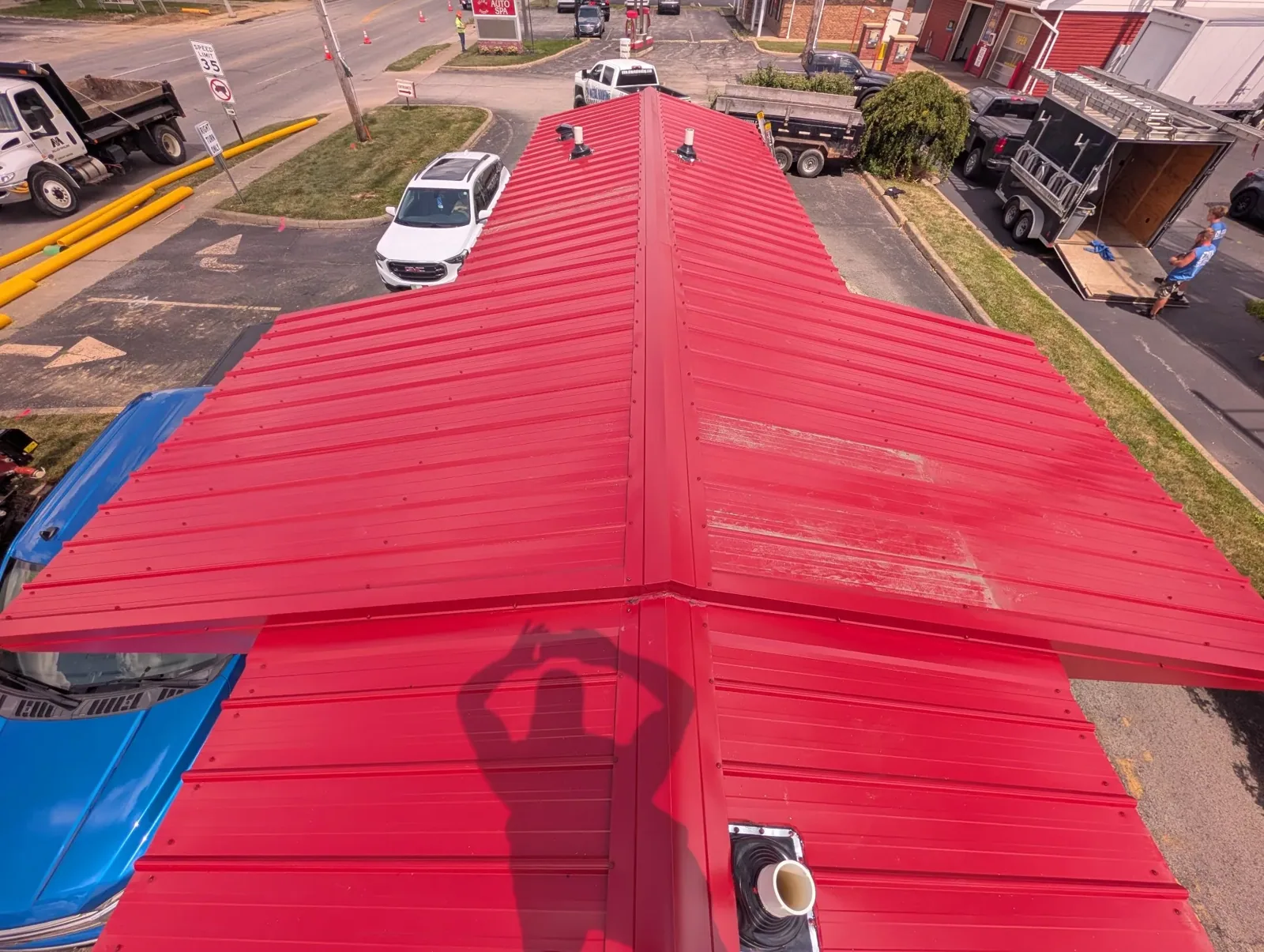
Commercial Roof Coating
Learn MoreSchedule a roof inspection near SE Hogan
Request a roof assessment in Gresham
We will confirm approved access, inspect drainage and roof details, and document practical repair or replacement options. Tell us about the building, the roof and what you are seeing. Call 555-555-5555, email [email protected] or send the details through our contact page and we will set up a time to walk the roof.