
Commercial Roofing in Happy Valley Town Center, Happy Valley, OR
Arrange a Happy Valley Town Center roof walk
- Home
- Service Areas
- Happy Valley Town Center
Happy Valley's Town Center plan calls for a mix of uses that serve the city, with pedestrian-oriented and transit-supportive development. Its design policies include shared parking, street-facing buildings, and a network of streets and trails that connects toward regional routes and Rock Creek. Roof work must fit the property and the activity around it. We inspect drainage, flashing, penetrations, and membrane seams, then confirm where crews can stage without obstructing an entrance or approved route. A building's place in the Town Center plan does not establish its roof type or hours. We ask the site contact about tenants, deliveries, and access before choosing a repair or replacement sequence. The East Happy Valley Employment Area has a different planning mix; its roof conditions are assessed separately.
Protect routes used by tenants and visitors
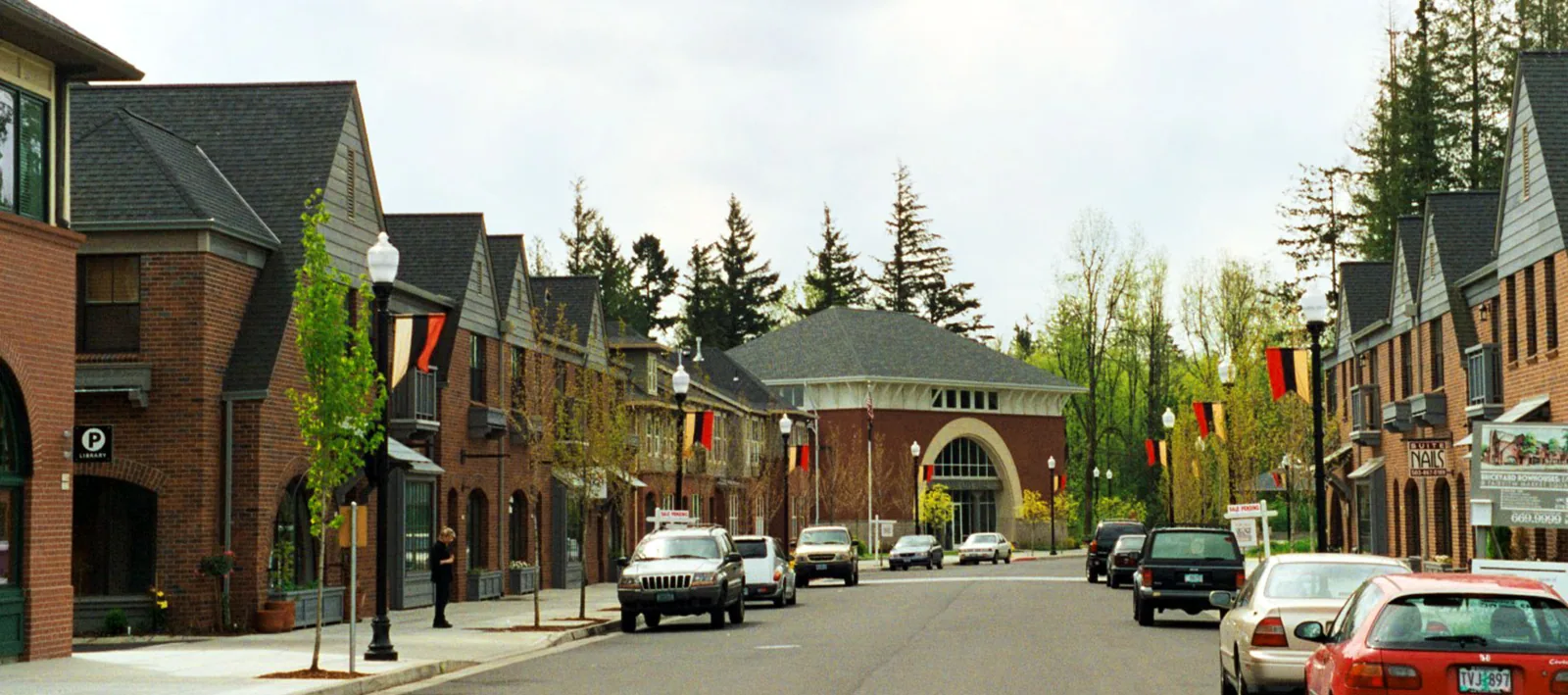
Pedestrian-oriented development makes access coordination visible at ground level. We identify the entrance that must stay open, where materials can arrive, and whether shared parking or a street-facing work zone affects staging. The property representative approves temporary controls and confirms any transit, trail, or sidewalk rules that apply. Shared parking in a plan does not automatically grant access to a work crew; we verify permission with the owner or site manager.
On the roof, we mark a crew route around skylights, fragile areas, active equipment, and any material that cannot be disturbed. If exhaust or intake points are near a work area, the building team tells us what must remain operational. A removal phase needs a clear stop point and weather protection. Before leaving, the crew checks temporary closure and drainage and hands the area back to the responsible contact.
Town Center's street and trail network connects toward Rock Creek and regional routes. That local framework informs questions about public movement, but the specific project controls depend on the lot and current activity. If an owner also maintains a building in East Happy Valley's employment area, the authorized access and delivery arrangements may differ. We write down the site-specific route and work hours rather than assuming both facilities operate alike.
Locate the roof detail that let water through
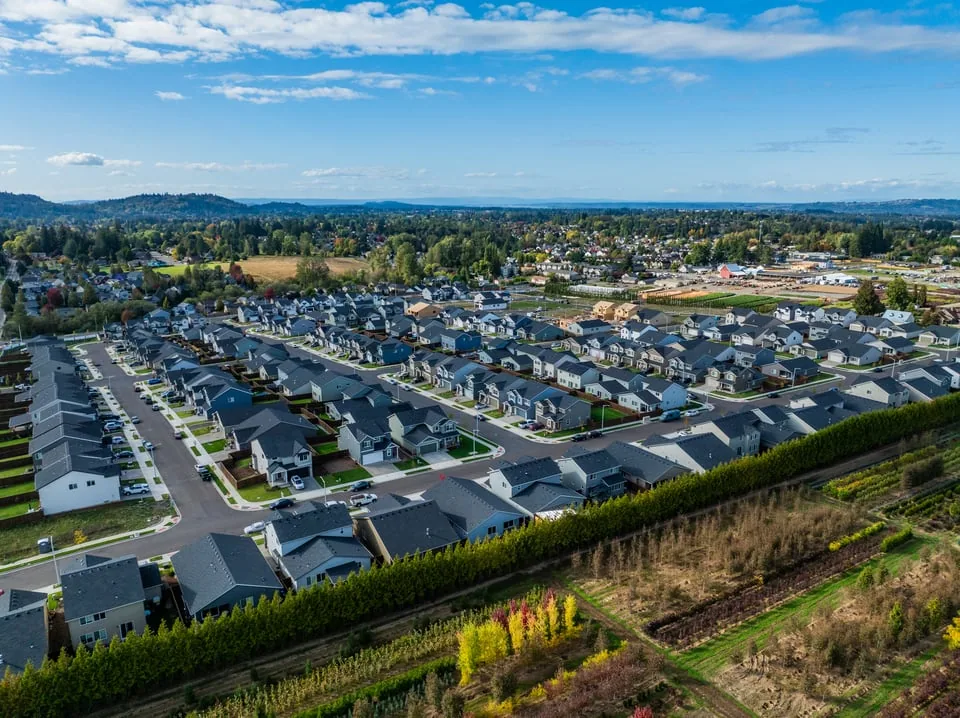
A ceiling mark does not identify the opening above it. Water can move along a deck seam or insulation joint and appear indoors away from the opening. We document the room and time, ask about recent roof work, then inspect drains, seams, curbs, wall transitions, and edges in the related zone. Photos connect each finding to a feature that another person can locate.
We check whether a defect is active, has an earlier patch, or needs more investigation. A dry surface can conceal wet insulation. If moisture testing or a test cut would change the repair recommendation, we describe the question and closure plan before asking the owner to authorize it. The report lists what could not be reached so a limited survey is not mistaken for a complete one.
Portland International Airport's NOAA climate normals show 36.92 inches of precipitation annually, with most occurring from fall through spring. This regional measure is not a Happy Valley property reading. It supports practical review of drainage, temporary dry-in, and daily work limits during wet weather. We inspect actual roof conditions and use the forecast before opening a section.
A commercial roof inspection can establish a condition baseline. For a leak, leak tracing compares the interior report with roof details and records repair limits.
Choose between repair and a broader renewal
A localized opening or loose flashing can often be isolated when the surrounding assembly remains attached and serviceable. We identify the installed membrane, prepare the area, and detail a compatible tie-in. The scope marks what the repair covers and which related concern is outside it. If the same symptom returns, that record helps the next inspection determine whether the first repair held or another path is involved.
When findings span multiple zones, we review the assembly before discussing recover or coating. Moisture, attachment, surface condition, drainage, and added height all affect the choice. A coating needs a prepared, compatible substrate; it cannot resolve trapped moisture beneath the roof. Replacement may call for selective or full removal, insulation changes, or adjustments at drains and edges.
Roof repair can correct confirmed local damage. A restoration assessment checks whether the surface supports that method. A replacement scope compares removal, new layers, disposal, and phasing around occupancy. Cost and timing depend on roof area, layer count, detail density, staging, protection below, and access windows. If removal exposes a hidden condition, we document it and review the additional work with the owner before proceeding.
Inspect how the roof meets walls and outlets
Water management depends on drains and transitions working together. We inspect strainers, drain bowls, scuppers, overflow paths, and low areas. We also check membrane at parapet corners, equipment curbs, skylights, pipe supports, and roof edges. Debris, foot traffic, or later equipment work can change these details. We record visible conditions and separate routine maintenance from a defect requiring a repair scope.
A street-facing building or shared parking area does not tell us whether a roof uses TPO, PVC, EPDM, or another assembly. We confirm the material through owner records, labels, or inspection before selecting a repair detail. Existing coatings and patches can affect compatibility. If the system identity remains uncertain, we identify the next verification step before ordering material.
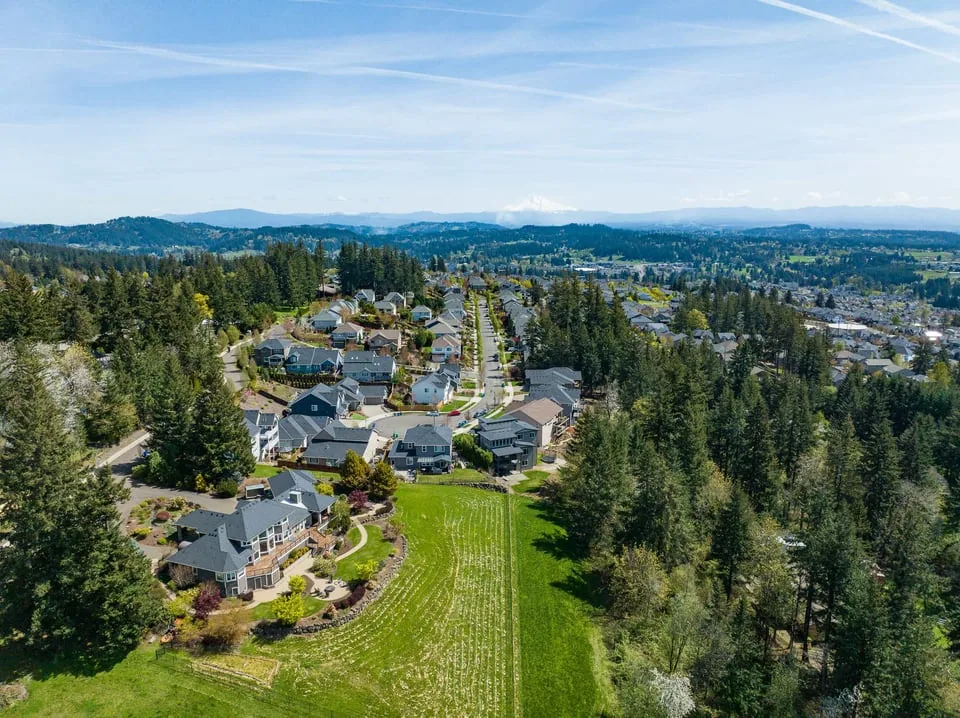
Town Center's pedestrian and transit-oriented framework differs from the mixed employment and industrial land in the East Happy Valley area. For a portfolio, a site in Gresham's Springwater Employment Area also deserves its own operating plan. We record the actual access and drainage needs of each property without translating one area's land-use designation into a claim about its roof.
Make roof findings easy to hand off
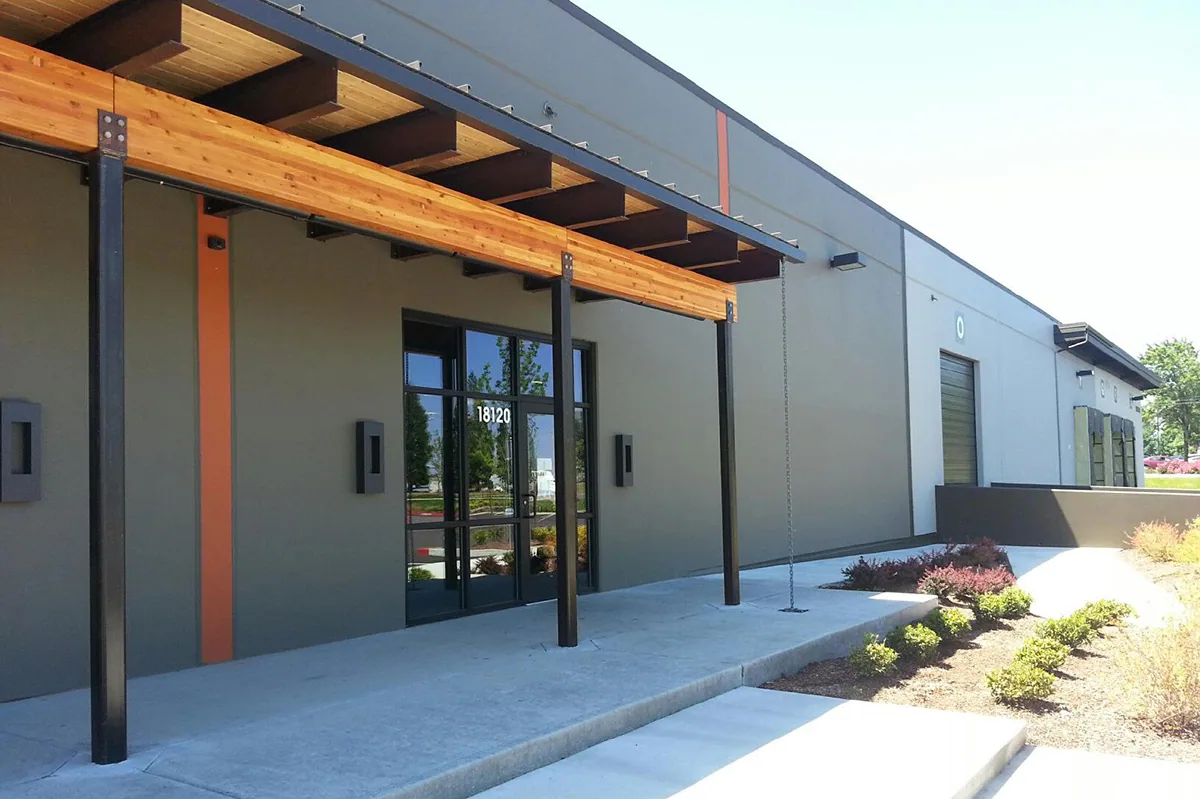
The closeout should identify the inspection date, zones reached, visible defects, repair performed, and any limits. Photos need labels tied to the map. If a test opening revealed wet insulation or an extra layer, the file should show its location, closure, and the decision made. Keep product data and approved details with the project, separate from the contractor's observations.
Town Center's shared parking and pedestrian connections can bring several parties into a property project. One named contact should receive the roof record and manage access instructions for later visits. Our condition report can list findings and follow-up by zone. It should distinguish accessible areas from parts of the building that need another inspection.
A planned maintenance visit can check drains, seams, flashings, and equipment routes after a repair or before the next wet season. Update the file when building use changes, a new penetration is installed, or another trade accesses the roof. That history lets the next facility team see what was observed, what was done, and what remains open.
Happy Valley Town Center FAQs
-
Can a roofing crew use shared parking in Happy Valley Town Center?
Only with property approval and any required site controls. We confirm where materials may be staged and how pedestrians and tenants will move around the work zone.
-
How do you keep an entrance open during roof work?
We map crew and delivery routes with the property contact, set a work boundary, and agree on any temporary closure before mobilization. The plan depends on the specific entrance and operation.
-
What if a roof leak appears away from the roof opening?
We inspect the likely path above and around the interior symptom. Water can move through the assembly, so we document confirmed details and identify testing if the surface does not answer the question.
-
Does a town-center plan tell you which membrane is installed?
No. We confirm the roof system from records or field conditions. Land-use and design policies help frame access questions but do not establish roof construction.
-
Can repairs be completed without closing the building?
Some work can proceed around occupied hours with a protected route and clear zone. We review noise, access, weather, and temporary closure needs before deciding the sequence.
Related Roofing Work
East Happy Valley Employment Area
Learn More
Commercial Roof Inspection
Learn More
Commercial Roof Leak Repair
Learn More
Commercial Roof Repair
Learn More
Commercial Roof Coating
Learn More
Commercial Roof Replacement
Learn MoreArrange a Happy Valley Town Center roof walk
Request a roof assessment in Gresham
We will inspect visible roof conditions, coordinate access, and prepare a clear scope for repair or replacement. Tell us about the building, the roof and what you are seeing. Call 555-555-5555, email [email protected] or send the details through our contact page and we will set up a time to walk the roof.