
Commercial Roofing in East Happy Valley Employment Area, Happy Valley, OR
Schedule a roof review in East Happy Valley
- Home
- Service Areas
- East Happy Valley Employment Area
East Happy Valley includes mixed-use employment and commercial districts as well as industrial employment land. Industrial clusters are large contiguous areas near existing and planned neighborhoods and transportation corridors; mixed commercial centers serve shopping, services, civic uses, and transit connections. We inspect each building’s assembly, water outlets, membrane details, and access needs before writing a repair or replacement scope. A business in the Happy Valley Town Center may have different public-access constraints than an employment property in this area, so we confirm operations at the site.
Keep roof work separate from public routes

Mixed commercial centers may connect streets, transit, and pedestrian paths. Before staging materials, we ask which entrances and routes must remain available, where deliveries can unload, and who can approve temporary controls. The property's contact confirms any sidewalk, shared access, or operating-hour restrictions. A land-use plan helps explain the intended character of the area; it does not grant roof access or describe a single building's loading pattern.
We mark a crew route and work zone on the roof. Skylights, fragile surfaces, exhausts, intakes, and active equipment need attention before removal, welding, or adhesive work begins. If a tenant or process below must remain undisturbed, the site lead identifies a suitable window. A phased sequence can keep work contained, but each open section still needs a clear protection and closure step before crews leave.
The industrial clusters are planned near both existing and future neighborhoods and transportation corridors. We verify present construction and access conditions directly with the owner rather than treating a planned corridor as a current route. For a portfolio also serving Springwater Employment Area, use separate site contacts and roof maps. A shared reporting format can help compare findings without carrying one property's work hours or hazards to another.
Trace a leak through the roof assembly
Start with the reported interior area, the time water appeared, and any recent rooftop work. Then compare those details with roof zones above and nearby. Water can travel from a seam, drain, curb, or edge before it reaches a ceiling. We inspect visible membrane, flashing, fasteners or attachment where accessible, and signs of earlier repairs. Photos should include a roof landmark and a zone label so the finding can be located later.
A roof can have several layers that are not visible from the surface. If moisture, adhesion, or attachment cannot be confirmed noninvasively, we describe the test that could resolve the decision and obtain approval before opening the assembly. A test cut should have a defined location, purpose, and closure detail. If the roof record is incomplete, we distinguish what the inspection confirms from what remains unknown.
Occasional overnight freezes make the actual surface and installation temperature worth checking before adhesives, sealants, or membrane work. Drainage and daily protection still follow the roof’s present condition and the job forecast.
A commercial inspection documents accessible conditions. If water has entered, a leak assessment identifies likely paths and records the limits of a repair.
Compare a local correction with a system plan
A puncture, loose flashing, or open seam may be repaired when surrounding material remains sound. We identify the membrane and use a compatible method. The work description names the area, preparation, and tie-in, then lists nearby concerns that require separate attention. That makes the scope useful if an interior symptom returns.
Multiple failures can point to trapped moisture, poor attachment, movement, drainage issues, or a surface that no longer supports reliable repairs. Before a recover, we inspect the layers, moisture, existing coating, height at curbs and edges, and drainage. A coating needs a suitable surface and cannot dry the insulation below it. If the assembly is not a sound base, replacement may require selective or full removal and new insulation.
Repair planning addresses confirmed local defects. A restoration assessment checks substrate and adhesion. Replacement planning compares tear-off, drainage adjustments, disposal, and phased work around occupied areas. Cost and timing depend on measured area, number of layers, detail density, delivery access, work hours, and protection needs. Concealed conditions are recorded and reviewed with the owner before the approved scope changes.
Inspect outlets and rooftop transitions
Water needs a clear path from the roof field to a drain, scupper, or edge outlet. We check bowls, strainers, overflow routes, and low sections. Debris, standing water, or staining may justify maintenance or additional evaluation. The report records the observation without assigning a structural cause that the inspection did not establish.
We also inspect where the membrane meets a parapet, curb, skylight, pipe support, or expansion joint. A crack at a detail may be more consequential than a worn area in the open field. If another trade has altered a unit or penetrated the roof, we document the location and compare the material tie-in with the surrounding system. A later coating or patch should not bridge incompatible layers without manufacturer support.
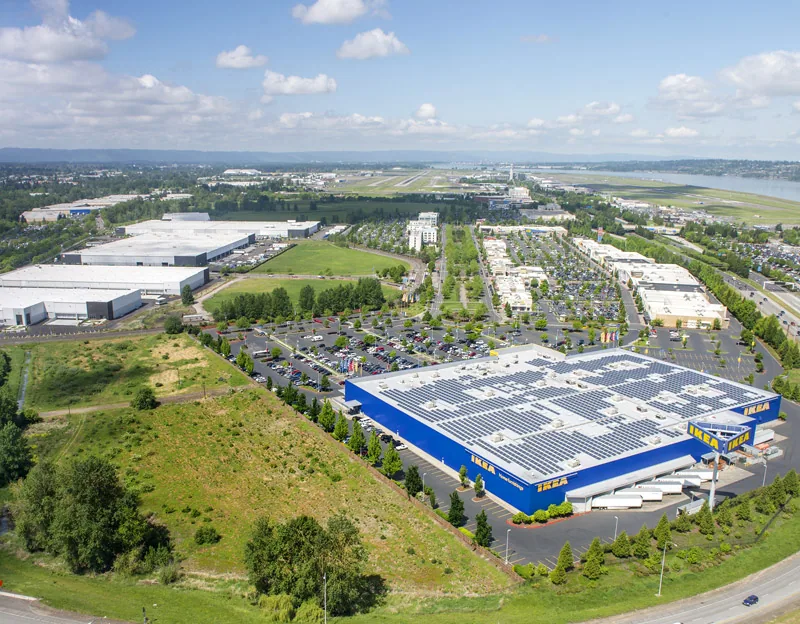
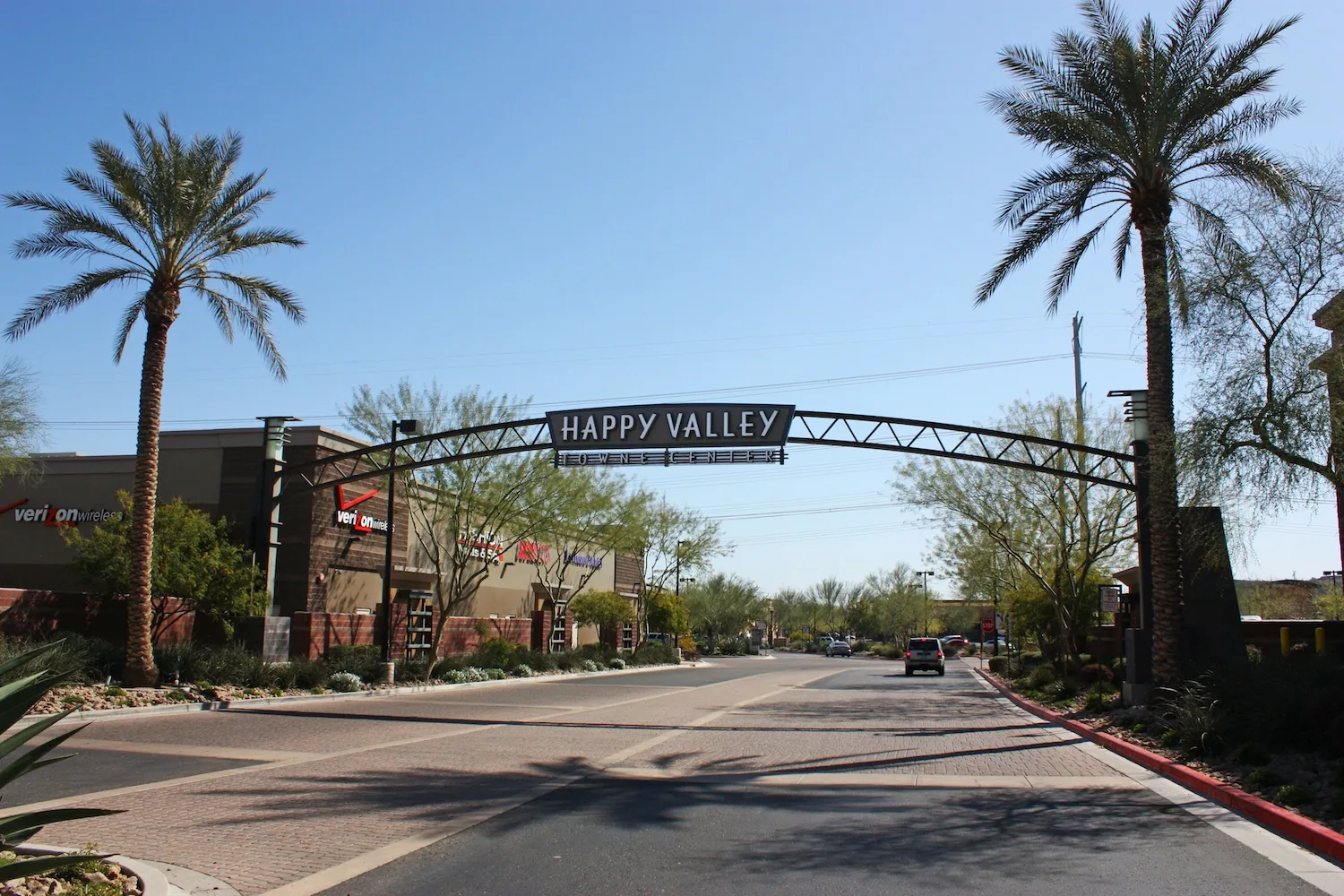
East Happy Valley's employment plan combines mixed commercial and industrial uses. The Town Center policies emphasize pedestrian and transit connections, while the broader employment area includes industrial land. Those facts guide questions about access; the owner confirms where people, deliveries, and equipment move at the specific facility. We keep roof observations focused on the actual property rather than extending a planning designation to the building's unknown construction.
Hand off findings with limits clearly marked
A property team should receive the roof-zone map, photos, inspection date, findings, repair details, and follow-up items. The report should say which areas were reachable and where testing or access remains outstanding. Keep product specifications, permit documents, and field observations distinct so future staff can identify the purpose of each record.
If the business changes tenant or use, update access hours and equipment notes. The new operator may have different exhaust, delivery, or shutdown constraints. Our roof condition report can make visible roof issues easier to track by zone. A maintenance visit can revisit drains, seams, flashing, and roof traffic paths on a planned schedule.
For an owner with facilities in East Happy Valley and the Gresham market, use a common set of fields but keep each site's findings distinct. No portfolio summary substitutes for checking the next building. The service log should capture new penetrations, completed repair, and any area that was inaccessible. That history gives the next team a clear starting point when water appears or the owner plans capital work.
East Happy Valley Employment Area FAQs
-
What does the East Happy Valley Employment Area include?
It includes mixed employment and commercial districts along with industrial employment land. Mixed commercial centers serve shopping, services, civic uses, transit, and pedestrian access.
-
Does the employment-area designation tell you what roof is installed?
No. We confirm the system through records or field inspection. Planning categories help frame access questions but do not establish the construction of a particular building.
-
Can you phase roof work around a business that stays open?
We coordinate deliveries, crew routes, work zones, and any needed outage with the facility contact. The schedule depends on the roof, weather, and access available at the property.
-
What information helps with a leak investigation?
The interior location, time, weather, and any recent roof or equipment work help focus the visit. We compare that information with the roof and document confirmed and unresolved conditions.
-
How do you know if another roof layer can be added?
We check the existing attachment, moisture, substrate, drainage, surface compatibility, and height at edges and curbs. If the layers cannot remain, we compare removal and replacement options.
Related Roofing Work
Happy Valley Town Center
Learn More
Springwater Employment Area
Learn More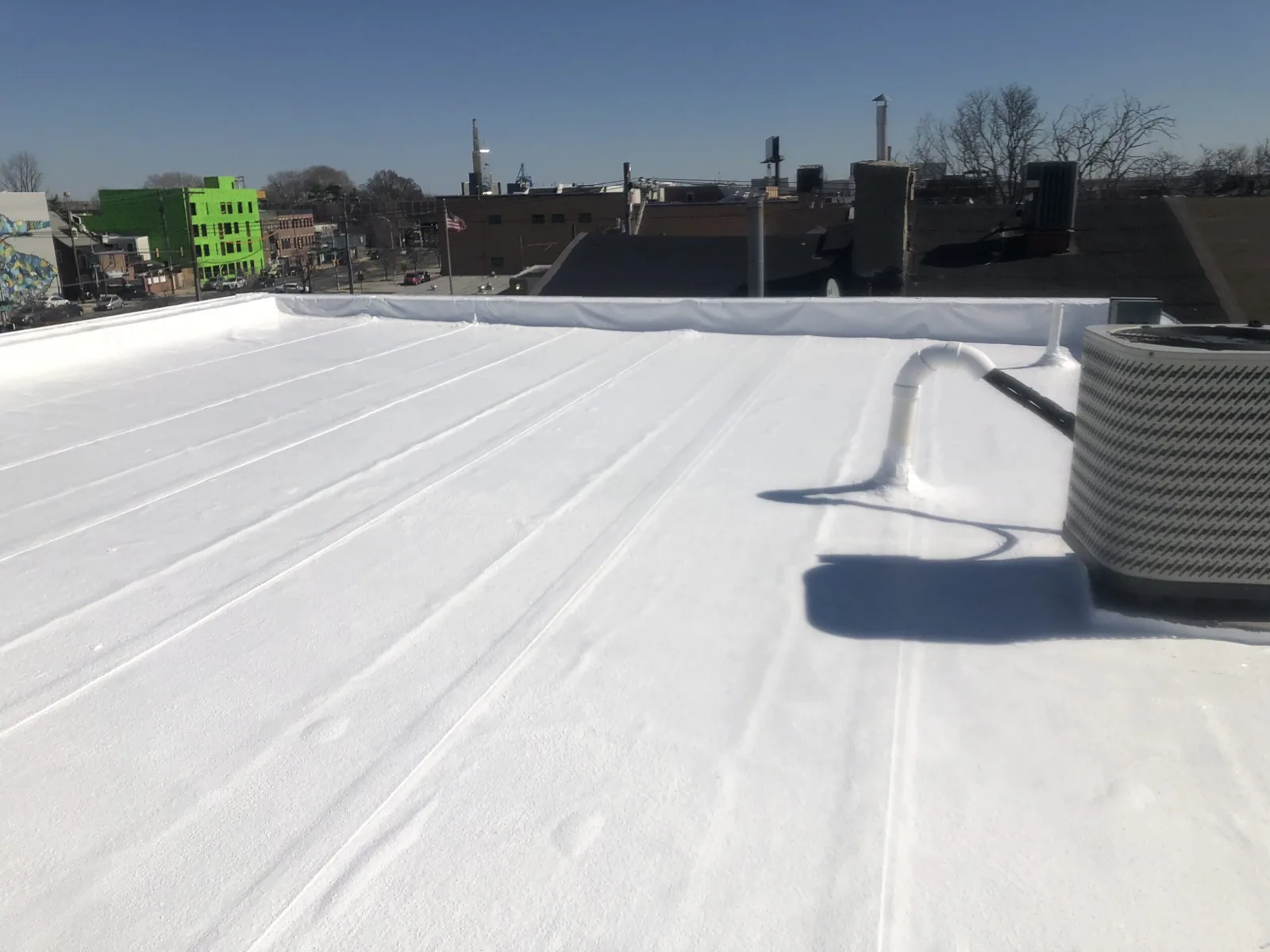
Commercial Roof Inspection
Learn More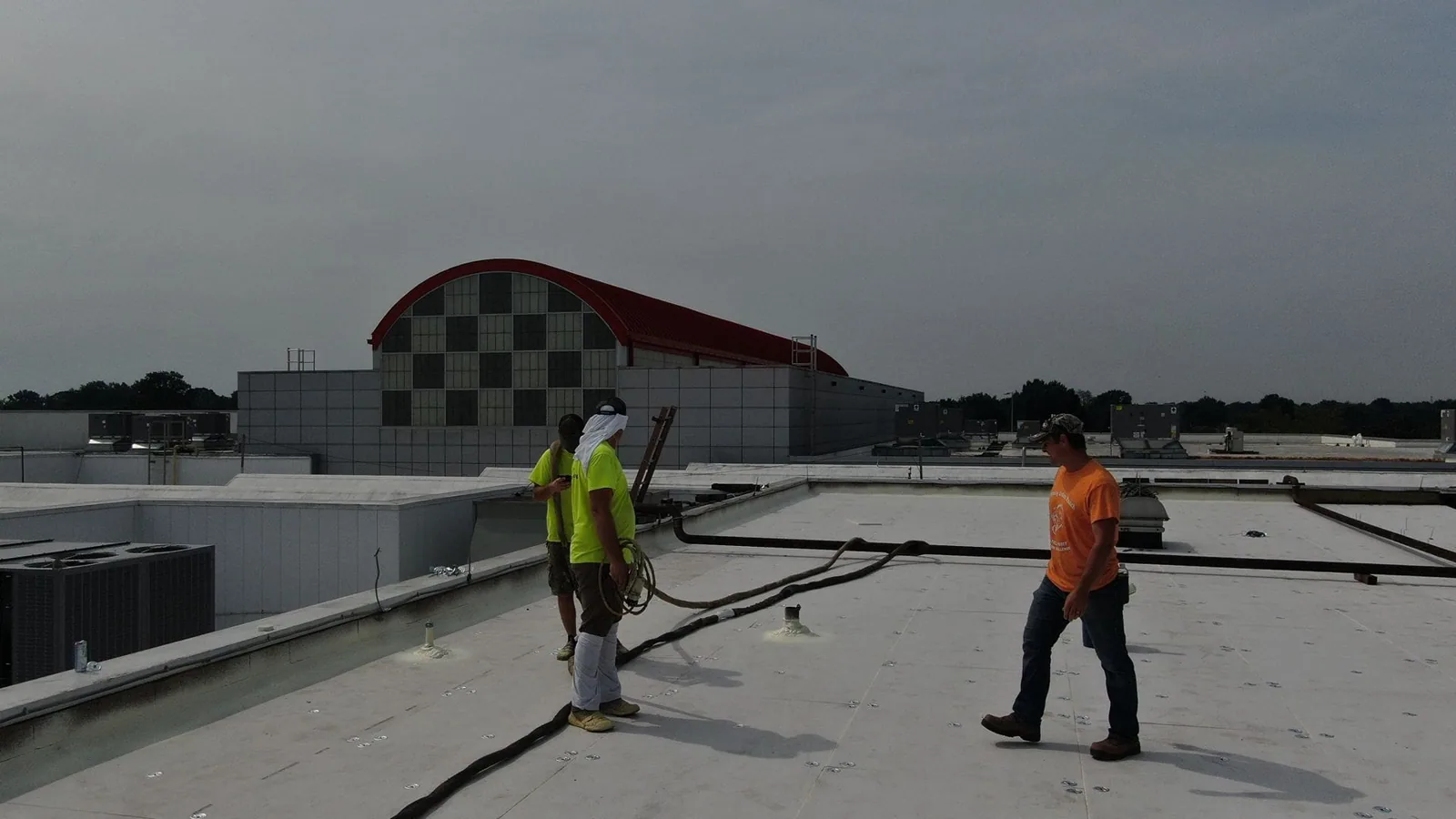
Commercial Roof Leak Repair
Learn More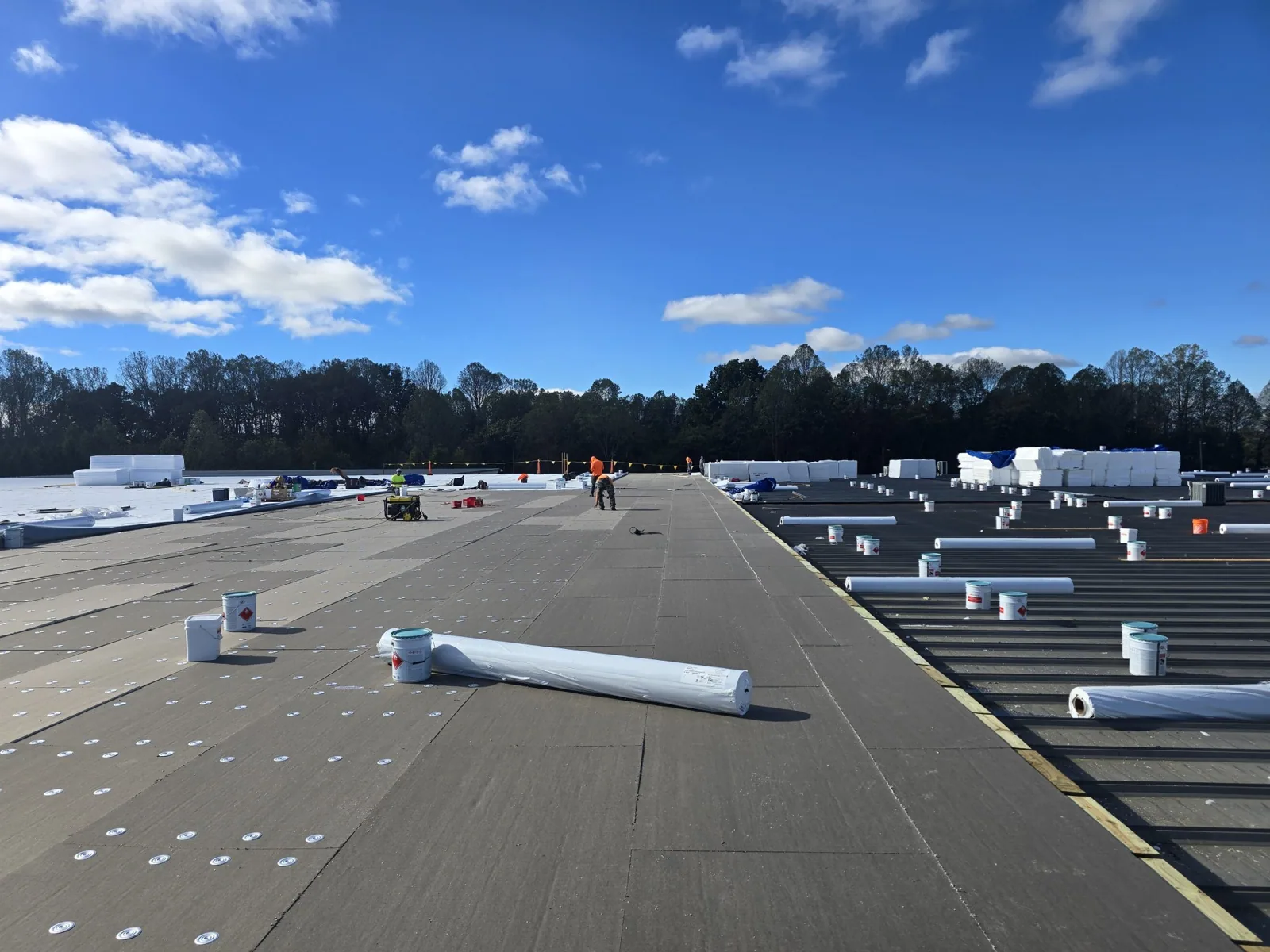
Commercial Roof Repair
Learn More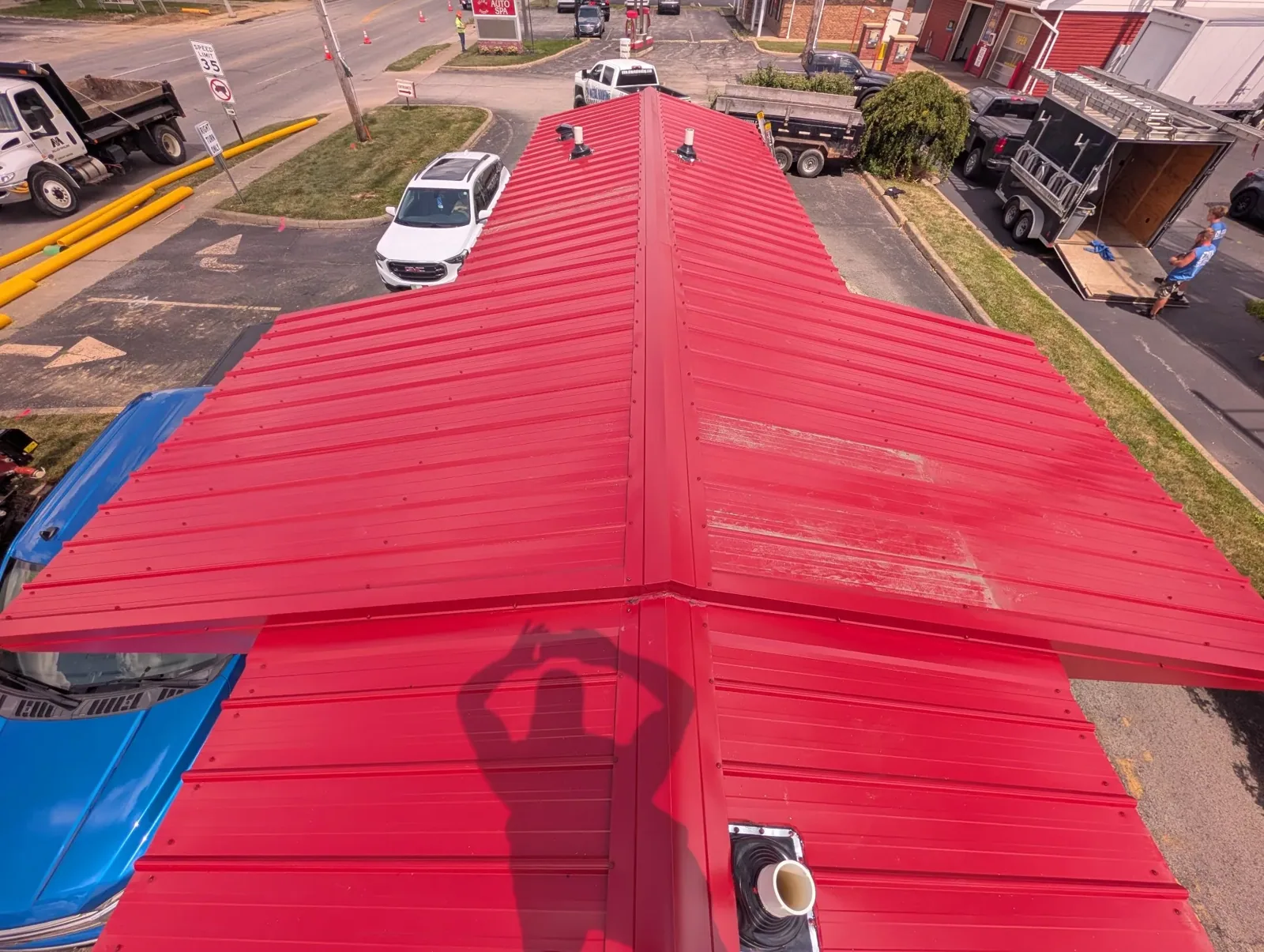
Commercial Roof Coating
Learn MoreSchedule a roof review in East Happy Valley
Request a roof assessment in Gresham
We will inspect the roof, confirm access and operating limits, and prepare a documented repair or replacement scope. Tell us about the building, the roof and what you are seeing. Call 555-555-5555, email [email protected] or send the details through our contact page and we will set up a time to walk the roof.