
Restaurant Roofing in Gresham, OR
Arrange a restaurant roof walk
- Home
- Property Types We Roof
- Restaurant Roofing
A restaurant roof has equipment and penetrations that reflect how the kitchen operates. Exhaust fans, grease ducts, make-up air, refrigeration, and utility lines all cross the roof or attach to its surface. A leak can affect dining, food preparation, or a storage room below. We identify the assembly, reported concern, and the restaurant's access window before planning work. Gresham's Downtown and Civic Neighborhood and Rockwood are distinct commercial centers with different site layouts. A roof inspection records the roof condition and the details that need repair.
How does kitchen operation affect roof access?
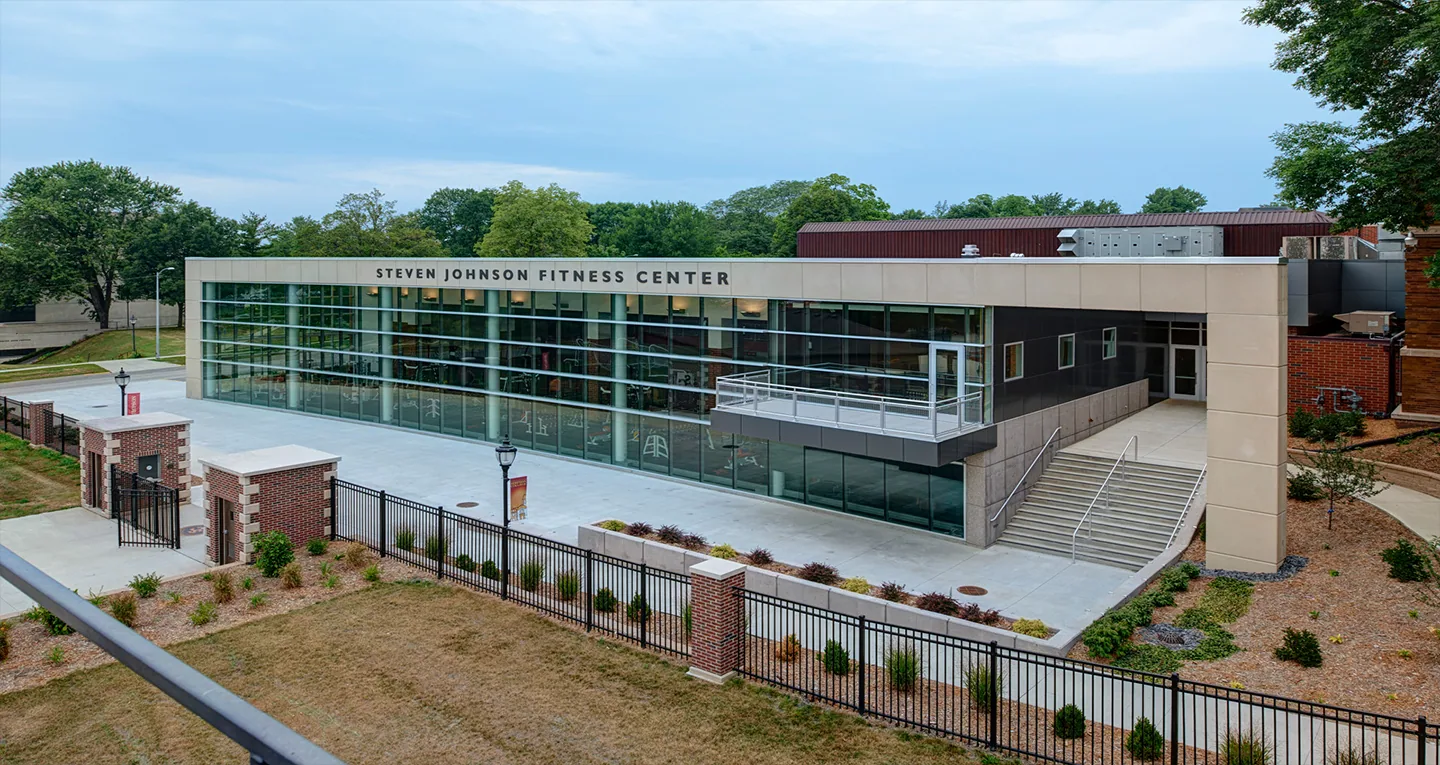
Work over a dining room may create noise or require a temporary interior protection area. A lift or delivery route can conflict with guest arrival, food deliveries, or outdoor seating. The manager identifies service periods, receiving hours, and any entrance that must remain accessible. We coordinate staging and work windows with the person responsible for the site rather than assuming the restaurant runs on a standard schedule.
Kitchen exhaust equipment may need specialized cleaning or service separate from roofing. We inspect its curb, flashing, duct transition, and nearby membrane, then coordinate with the exhaust contractor if a component must be moved. A roofer should not disconnect kitchen equipment without the responsible trade. The curb and support review sets out those interfaces before a repair starts. A grocery roof review considers related refrigeration penetrations in a different retail operation.
What roof details are most exposed?
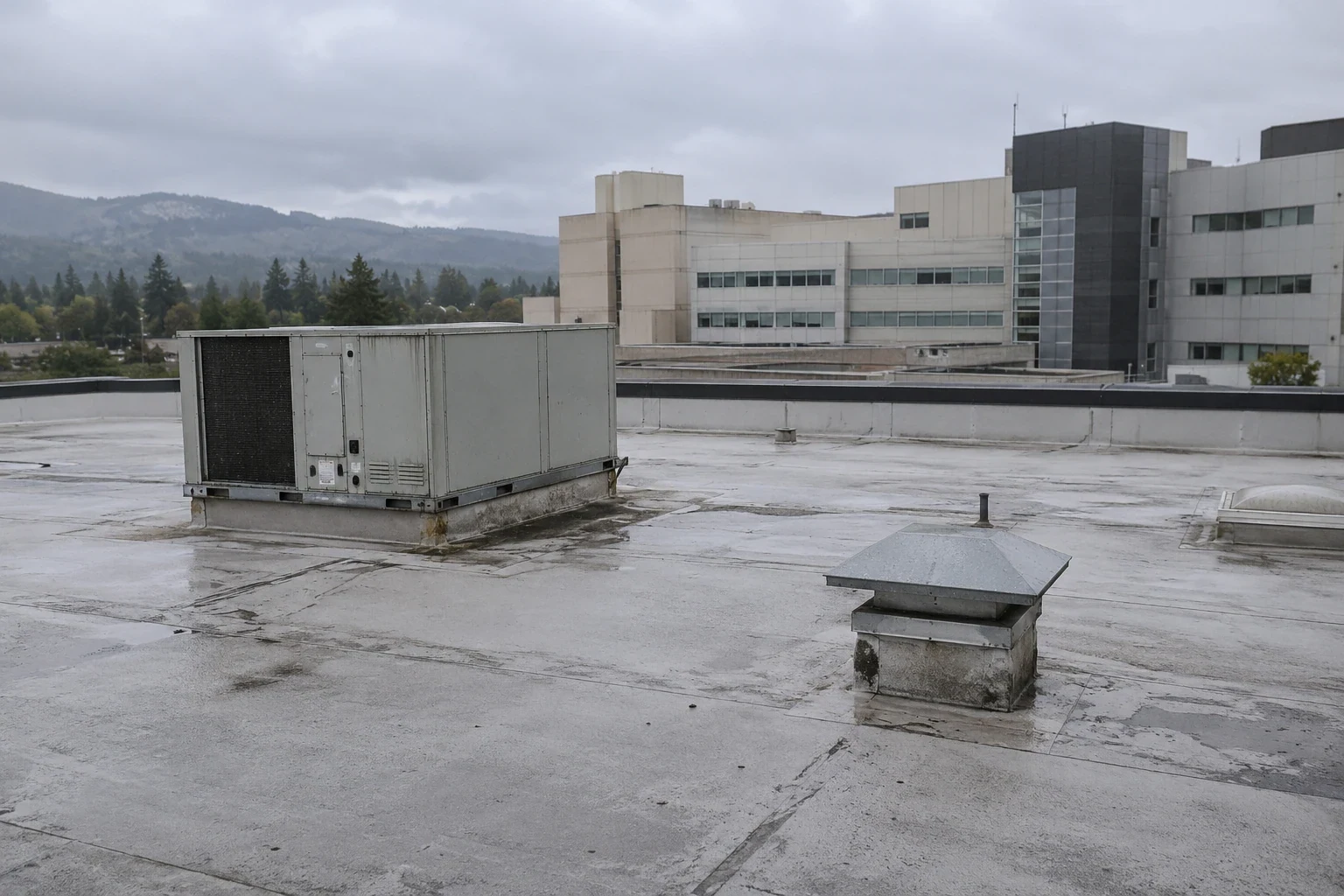
Exhaust and refrigeration penetrations can concentrate service traffic and movement. Fasteners, abandoned lines, or a patch left after equipment changes may create an entry point. Water can then travel along a deck or pipe before reaching the ceiling. We compare the interior location and timing with seams, walls, drains, and equipment flashings. If the leak tracks with rain, we inspect the roof path rather than assuming the nearest unit is responsible.
Kitchen grease and routine exhaust cleaning can leave residue around a fan curb or exhaust hood. That buildup should be handled by the appropriate cleaning contractor, while the roofing inspection checks membrane compatibility, flashing adhesion, and condition around the base. A drain can also collect nearby debris. The drain and scupper review confirms whether water can flow out and whether the flashing remains intact.
The wetter part of the year runs from autumn into spring. A roof repair should have a defined temporary-protection and closeout plan, especially if the dining or prep area sits under the work zone. We check actual site conditions and the material's application requirements before scheduling.
What does a restaurant roof report cover?
We inspect the membrane, seams, roof edges, drain bowls, wall transitions, exhaust curbs, refrigeration lines, and past repair patches. Photographs identify the roof zone and the detail. The report distinguishes active water entry from upkeep items and longer-term deterioration. Restaurant management can then route equipment questions to the right vendor and roof repairs to the property owner or authorized contact.
When reporting an interior issue, note whether it appeared during rain, after exhaust cleaning, or following an equipment visit. Include the room, ceiling area, and date. Those clues can help separate a roof opening from condensate or a plumbing problem. If moisture is concealed in the roof assembly, a moisture survey or test cut may help determine how far it extends. A photo-based condition record preserves what was found.
Before the walk, confirm roof access and any food-safety or security process at the property. Tell us whether staging near the kitchen exhaust or outdoor seating needs advance coordination. We can then select an inspection route that avoids interrupting service.
Can a restaurant roof be repaired between service periods?
A limited flashing or membrane repair may fit a planned service window if access is ready and surrounding material is sound. Repeated leaks, wet insulation, or failures across multiple equipment details may need a broader project. A restoration layer is worth evaluating only if the current membrane remains sound and the assembly is dry. We check how the roof drains, whether details still hold, and if a coating or overlay fits the system. Neither option solves wet insulation or a failed connection.
Replacement can be phased to protect the restaurant interior and limit open roof area. The scope should identify kitchen equipment, exhaust service, customer access, material staging, and how each daily section is closed. A replacement sequence gives management a usable schedule before work starts. For a property with multiple storefronts, a shopping center roof plan also addresses shared access and common drainage.
The repair boundary needs to include each detail that caused the problem. A patch around the membrane alone may fail if an exhaust curb is loose or a penetration is still moving. We explain what the roofer can correct and where another trade needs to complete its work first.
How do we keep guests and staff clear of the work?
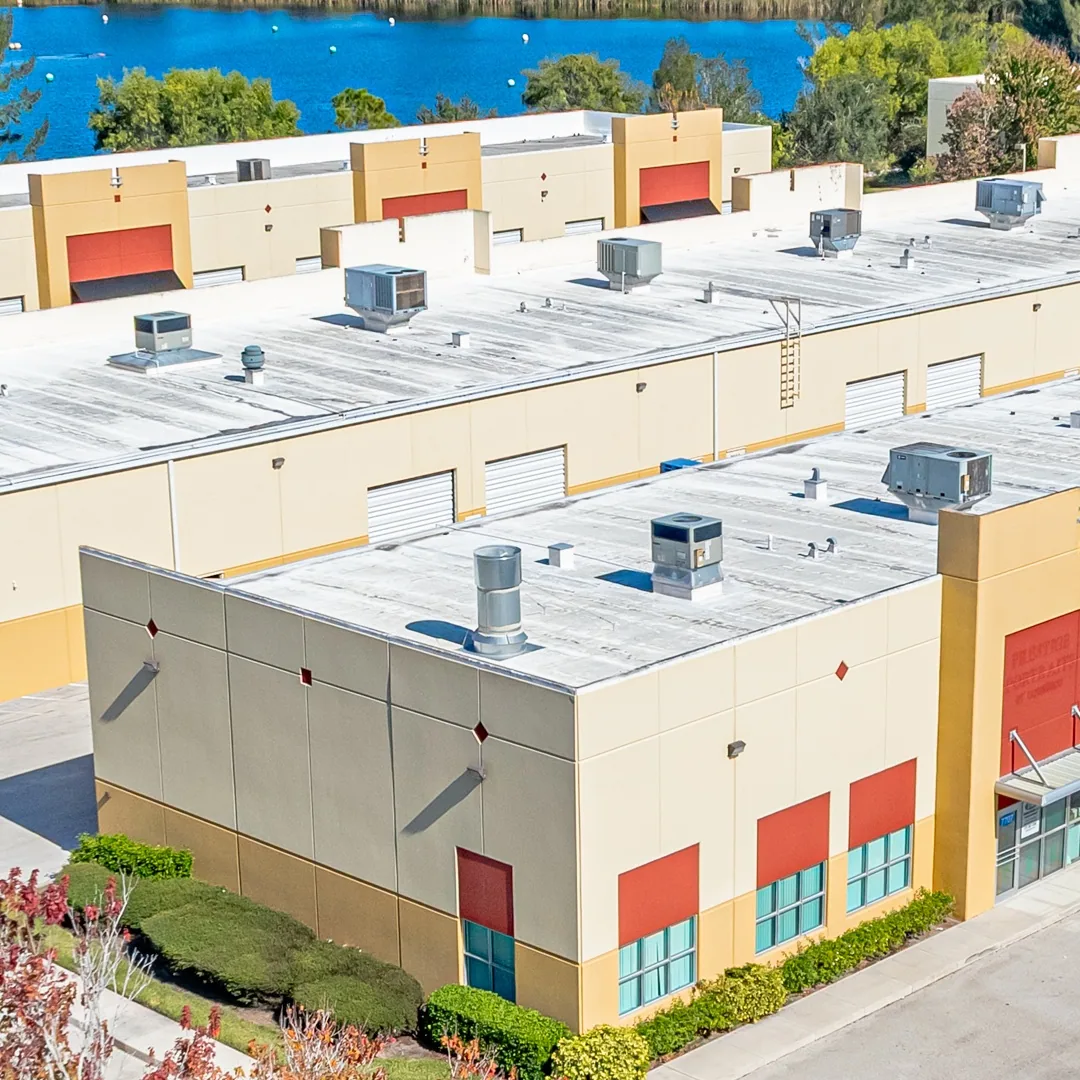
Before mobilization, the manager and contractor confirm work hours, guest entrance, delivery access, lift placement, roof hatch, and any area below that needs protection. If work overlaps a meal period, the plan identifies what noise or access impact to expect. Materials are staged away from public paths and emergency access. The site contact receives notice before the work zone changes.
We limit exposure to a roof section that can be sealed against weather before the crew leaves. If hidden damage expands the scope, we secure the boundary and send photos before proceeding. At completion, debris is removed, drains are checked, and access routes are restored. Management receives an update showing which roof area is complete and whether follow-up is needed.
Food deliveries and service schedules can change quickly. The restaurant should identify a direct contact for same-day changes so the crew can adjust arrival or staging without blocking a route.
What should a restaurant track on the roof?
Keep dates for exhaust cleaning, equipment replacement, roof repairs, and leak reports. Inspect flashings after service work, and check drains, seams, wall edges, and walk pads during scheduled roof visits. If a vendor removes an exhaust or line, confirm the opening is closed with a compatible detail. An old curb that appears unused can still collect water or admit debris.
Gresham's commercial districts include Downtown, Civic Neighborhood, and Rockwood, but the restaurant's own roof plan and work history determine its maintenance needs. A maintenance visit can record new changes and identify items for repair before regional wet weather returns. The log should name the affected roof zone and the contractor who completed each equipment change.
What information helps us plan the visit?
Share the roof plan if available, leak location, equipment service history, exhaust-cleaning date, guest and delivery schedule, and roof access rules. Identify who can approve the work and which trade manages each rooftop connection. We will inspect the area, explain the evidence, and outline a repair or replacement sequence. Schedule a roof walk to coordinate the work around kitchen operations and guests.
Restaurant Roofing FAQs
-
Can roof repairs happen outside restaurant hours?
Often, if access, lighting, crew availability, and material conditions support that window. We confirm hours and the daily closeout plan before scheduling.
-
Can a roof leak come from a kitchen exhaust curb?
It can, but the leak source should be inspected. We check the curb flashing and nearby membrane, and coordinate equipment movement with the exhaust service contractor.
-
Who handles grease buildup around a roof fan?
The exhaust or kitchen-service contractor handles cleaning. The roofing inspection checks the membrane and flashing around the equipment and identifies any repair needed after service.
-
Can a restaurant stay open during reroofing?
Often, with work zones, customer routes, deliveries, and interior protection coordinated in advance. Phasing and the daily watertight close are part of the scope.
-
What should we report when water reaches a dining area?
Record the room, time, weather, and recent equipment or exhaust service. Protect the interior and arrange an inspection to trace the roof entry point.
Related Roofing Work

Downtown and Civic Neighborhood
Learn More
Rockwood
Learn More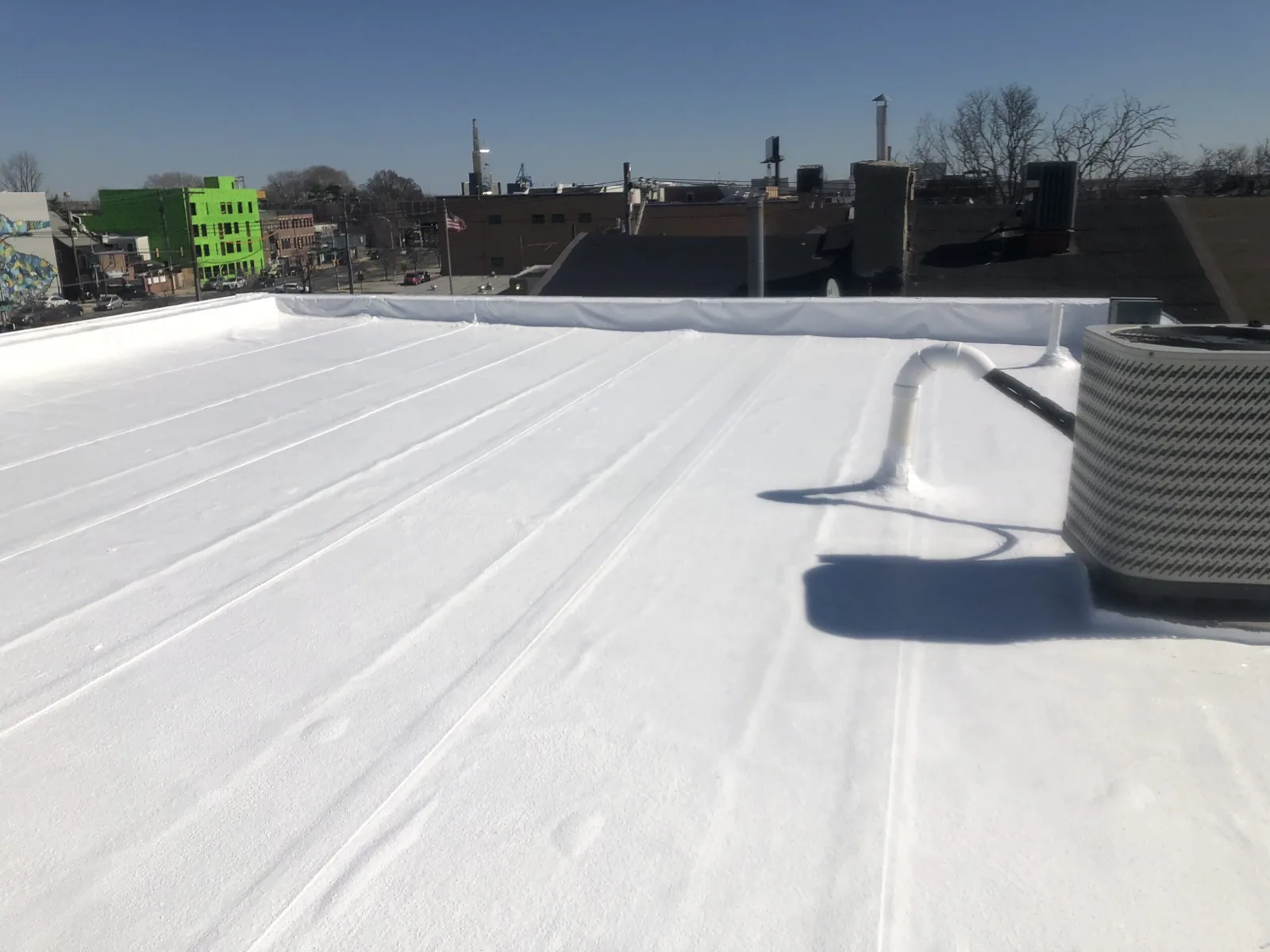
Commercial Roof Inspection
Learn More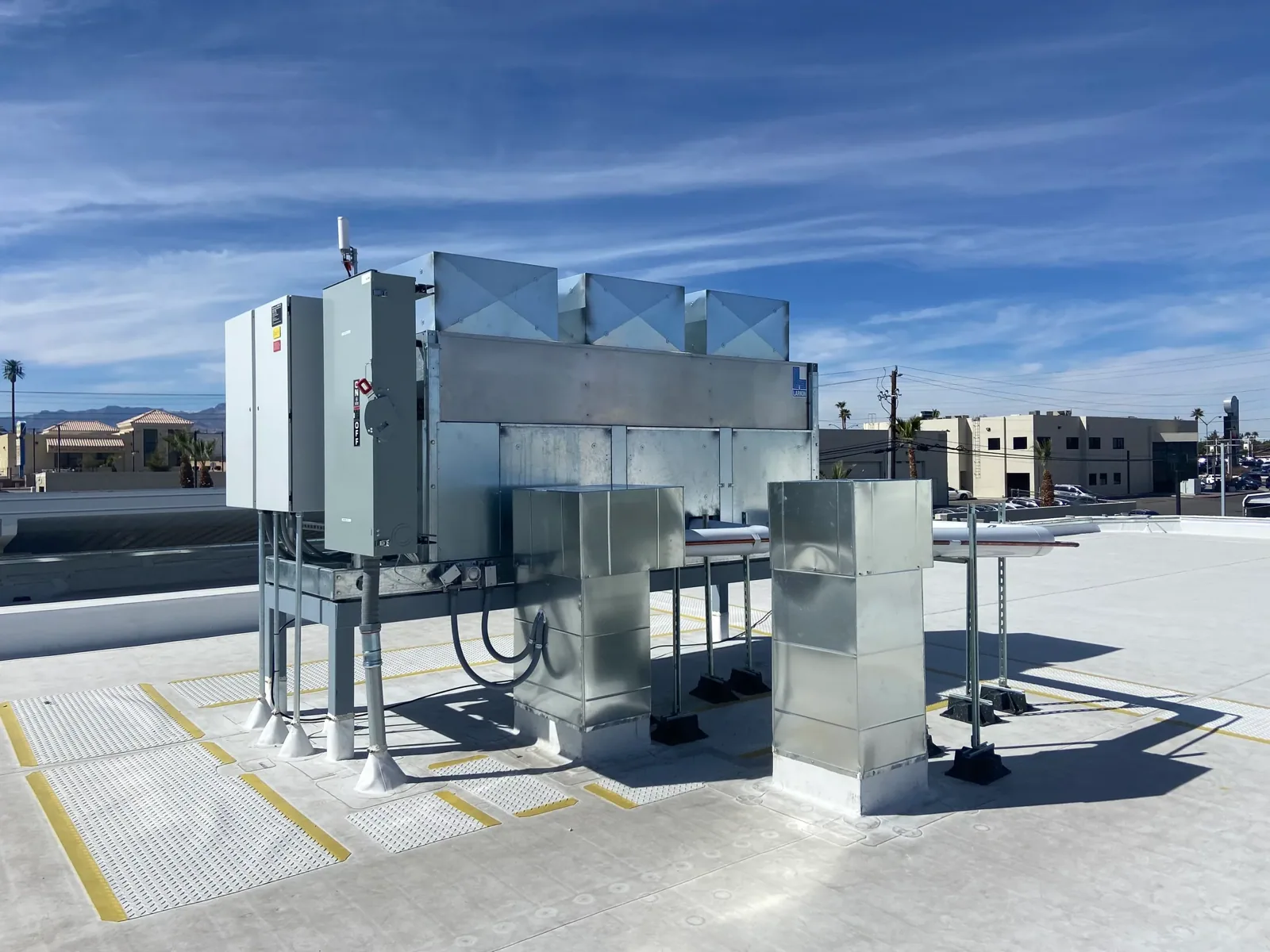
Rooftop Equipment Curbs and Supports
Learn More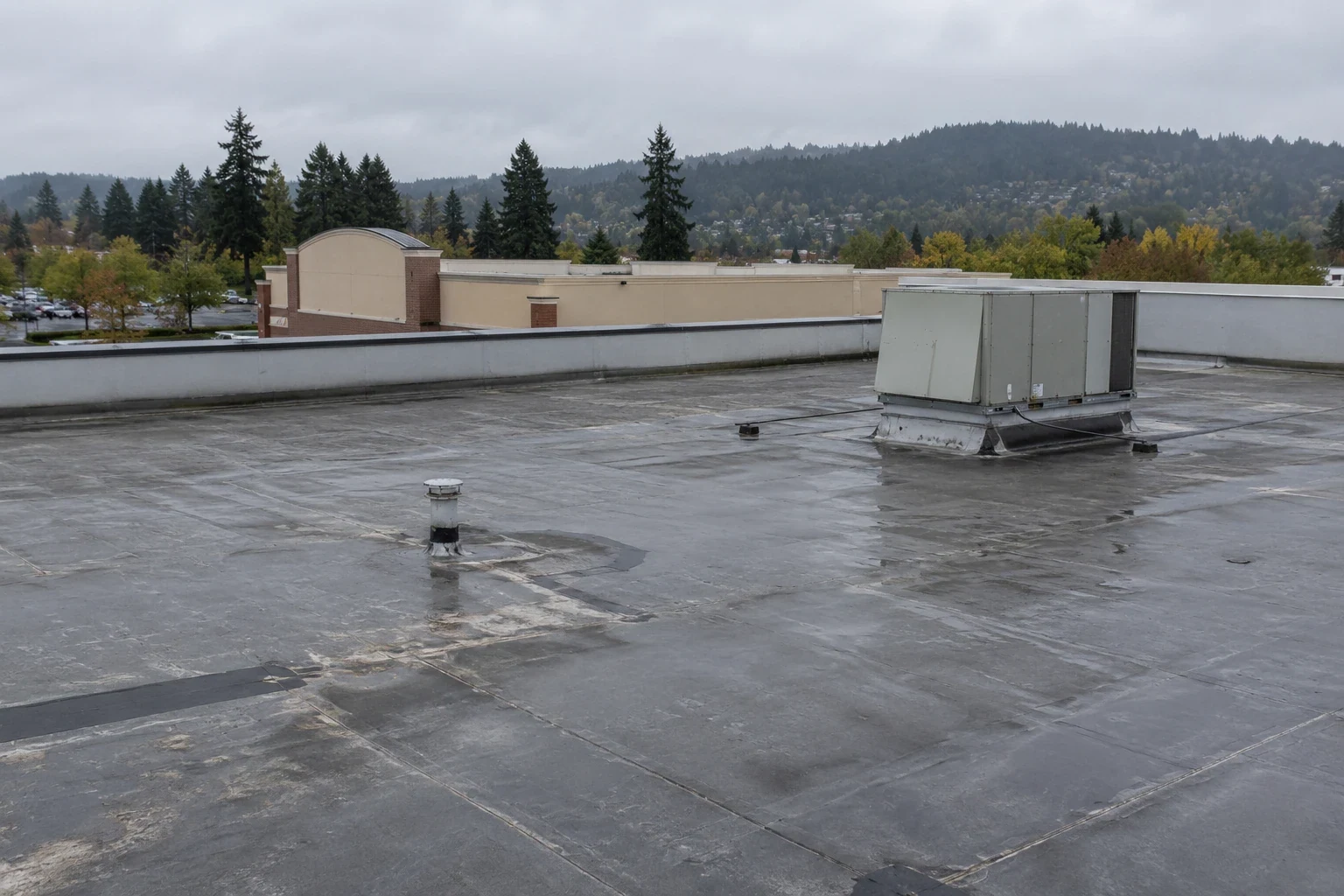
Grocery Store Roofing
Learn More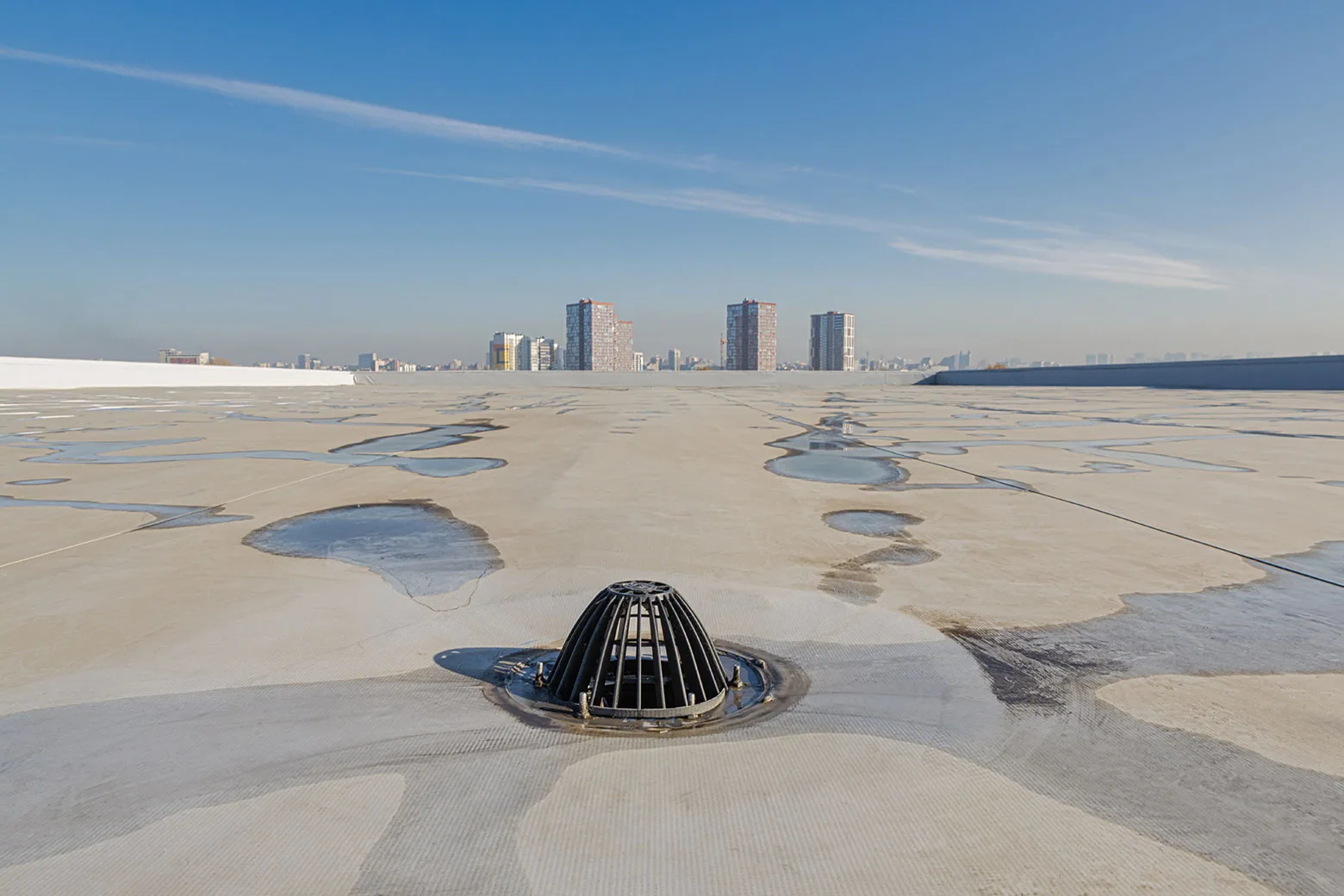
Commercial Roof Drains and Scuppers
Learn MoreArrange a restaurant roof walk
Request a roof assessment in Gresham
We will coordinate access around kitchen and guest schedules, inspect the roof details, and give you a clear next step for repair or replacement. Tell us about the building, the roof and what you are seeing. Call 555-555-5555, email [email protected] or send the details through our contact page and we will set up a time to walk the roof.