
Solar-Ready Commercial Roofing in Gresham, OR
Coordinate roofing before solar installation
- Home
- Commercial Roofing Services
- Solar-Ready Commercial Roofing
A solar proposal often reaches the roof after the membrane, drains, and equipment layout are already set. If the roof needs replacement soon, placing an array first can complicate later repairs, access, and removal. We review the roof condition, assembly, drainage, and planned attachment approach so the facility can coordinate roofing work with solar design. Gresham includes manufacturing, technology, food processing, and distribution uses, but roof capacity and condition are specific to each building. We do not infer structural suitability from the property type. A roof inspection documents the existing layers and details; the structural engineer and solar designer evaluate loads and array layout. We coordinate flashing and roof-system requirements with their design. The airport station records 14.6 annual days reaching at least 90 degrees, so solar layout also needs to preserve equipment access during hot periods. A commercial roof inspection can establish the current condition before the solar scope is finalized.
What does solar-ready mean for the roof?
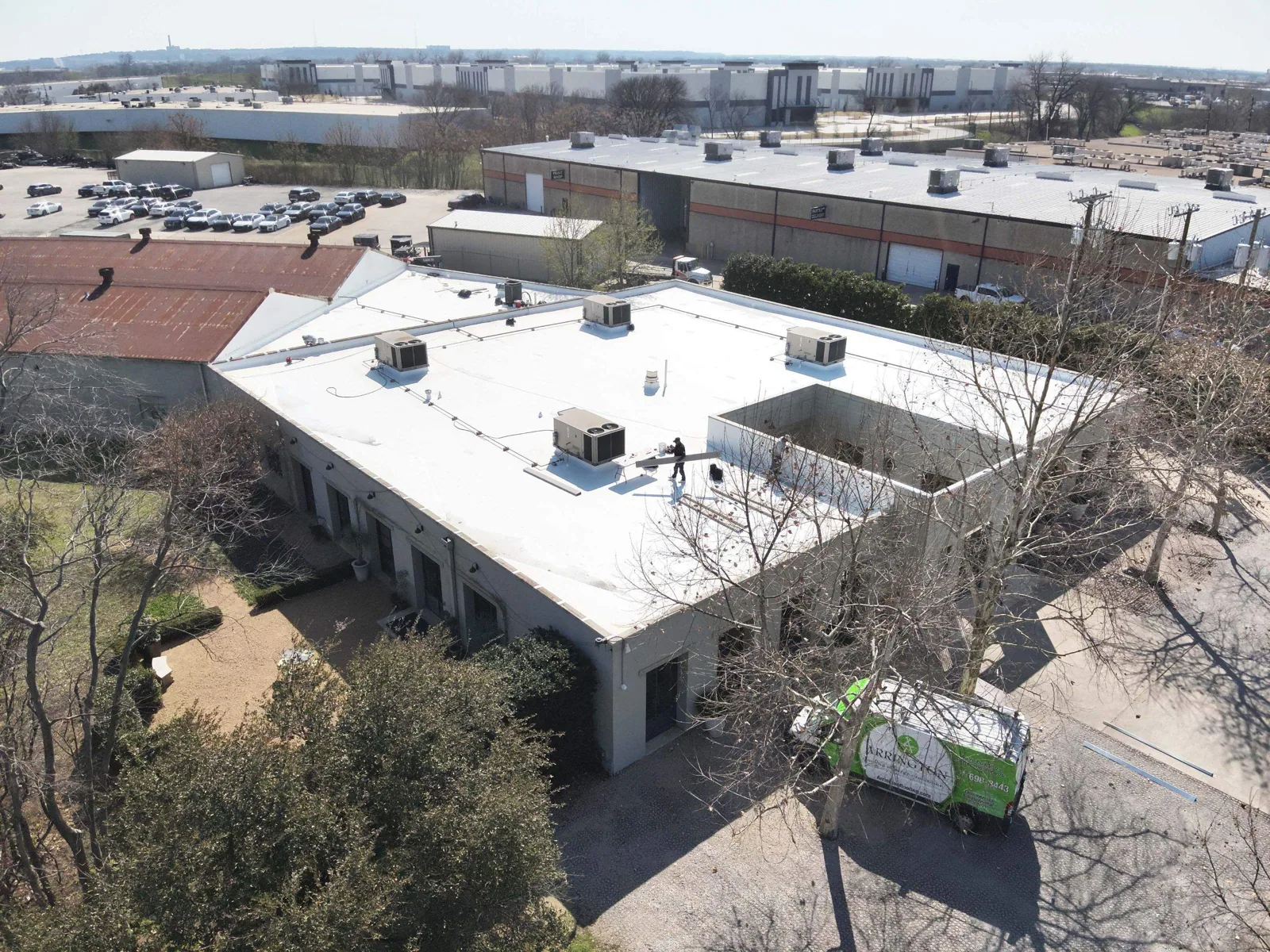
It means the roof assembly, access, and future interface details are reviewed before an array is installed. It does not certify the building's structure or promise that a roof can accept a particular load. The structural professional needs the array layout, attachment points, equipment, and applicable design conditions. The roofer confirms the membrane, deck, flashing approach, drainage, and maintenance access so the roof details can be coordinated with that design.
Some solar systems use ballasted supports, while others attach mechanically through the roof. Each approach has different load, wind, penetration, and waterproofing implications. The solar contractor specifies its system; we coordinate how penetrations and supports connect to the roof assembly. The proposal should identify who supplies each curb, rail, penetration boot, flashing, and walkway, and who checks the completed transition.
A new roof installed before solar may be designed with future penetrations and access in mind, but any system requirements must be confirmed with the solar provider. We can document the installed roof material, seams, drains, and warranty-related maintenance instructions for the owner. A replacement scope can coordinate roof work with the planned equipment and array sequence.
What can go wrong when roof and solar scopes are separated?
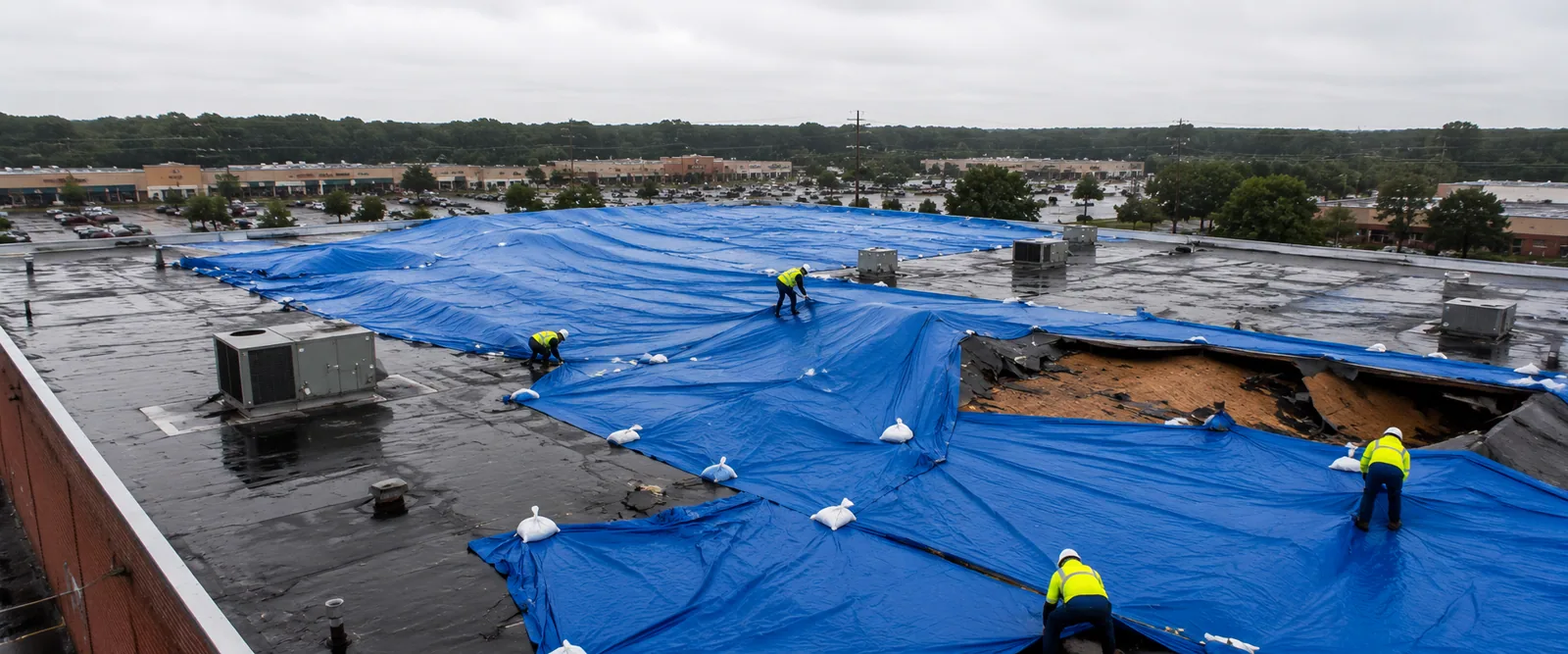
Uncoordinated attachments can puncture a membrane at a location that is difficult to inspect or repair beneath the array. A ballast system can add load and shade roof sections from normal inspection. Rails or conduit can block drains or create trip hazards for maintenance staff. We review the plan view and roof details with the solar team, flag access and drainage conflicts, and document which trade owns each interface before installation starts.
Roof age matters because an array can make future tear-off more complex. If the roof is near a major repair or replacement decision, the owner should compare that work before solar installation. Removing and reinstalling an array later involves separate coordination and cost. We inspect for wet insulation, open seams, failed flashing, and drain issues, then describe whether the roof condition supports moving ahead or calls for roof work first.
Penetrations need a compatible detail and clear responsibility. The roof contractor should know the attachment type, membrane system, and required flashing. A penetration flashing review can identify how new supports or conduit entries interact with existing openings. If moisture appears later, a detailed installation record helps distinguish roof-system conditions from array components or attachments.
How should the project fit Gresham's industrial buildings?
Southshore Corporate Park has manufacturing, distribution, processing, and high-tech uses along the I-84 and Columbia River corridor. Gresham Vista Business Park also supports industrial and commercial operations. Those areas can involve active loading, equipment routes, and roof access constraints, but the specific facility sets its own requirements. We plan material staging, crane access, work zones, and shutdowns with the site contact and solar installer.
Gresham's Springwater Employment Area prioritizes manufacturing and technology employment. A solar project at an operating facility may have sensitive equipment, production hours, or an electrical shutdown window. We coordinate roof openings and flashing work with the facility team and solar contractor, then leave each roof section watertight at shift end. The project schedule should identify who can approve changes when a discovered roof condition affects the array plan.
Regional rainfall reinforces the need to protect open roof details. Portland International Airport's climate normals average 157 measurable-precipitation days a year, mostly in the cooler months. That figure describes the broader area. The actual installation plan follows current weather and material requirements, with a defined closeout for roof areas opened to install supports or conduit. We identify backup dates if the planned work window is unsuitable.
How should the roof and array teams coordinate?
Before work, the facility shares the solar layout, attachment schedule, equipment plan, and roof drawings available for review. We compare those details with inspection findings and identify any roof repairs that need to occur first. The structural engineer reviews loads and framing; the solar designer confirms layout and electrical routing. We define who installs each curb, support, conduit penetration, flashing, walkway, and equipment connection.
During construction, the roofing crew protects the membrane as the array is staged and installed. The teams coordinate lifts, roof routes, penetrations, and inspection points. The roof contractor checks the roof-side flashing; the solar installer verifies the array components. If the roof assembly is opened or damaged during array work, the agreed repair contact is clear. After installation, the owner receives photos and system records from each trade.
A roof condition report can hold the inspection record before solar work and document roof conditions at closeout. For multiple facilities, portfolio roof planning helps keep roof age, access restrictions, and array status consistent across sites.
What should the owner confirm before approval?
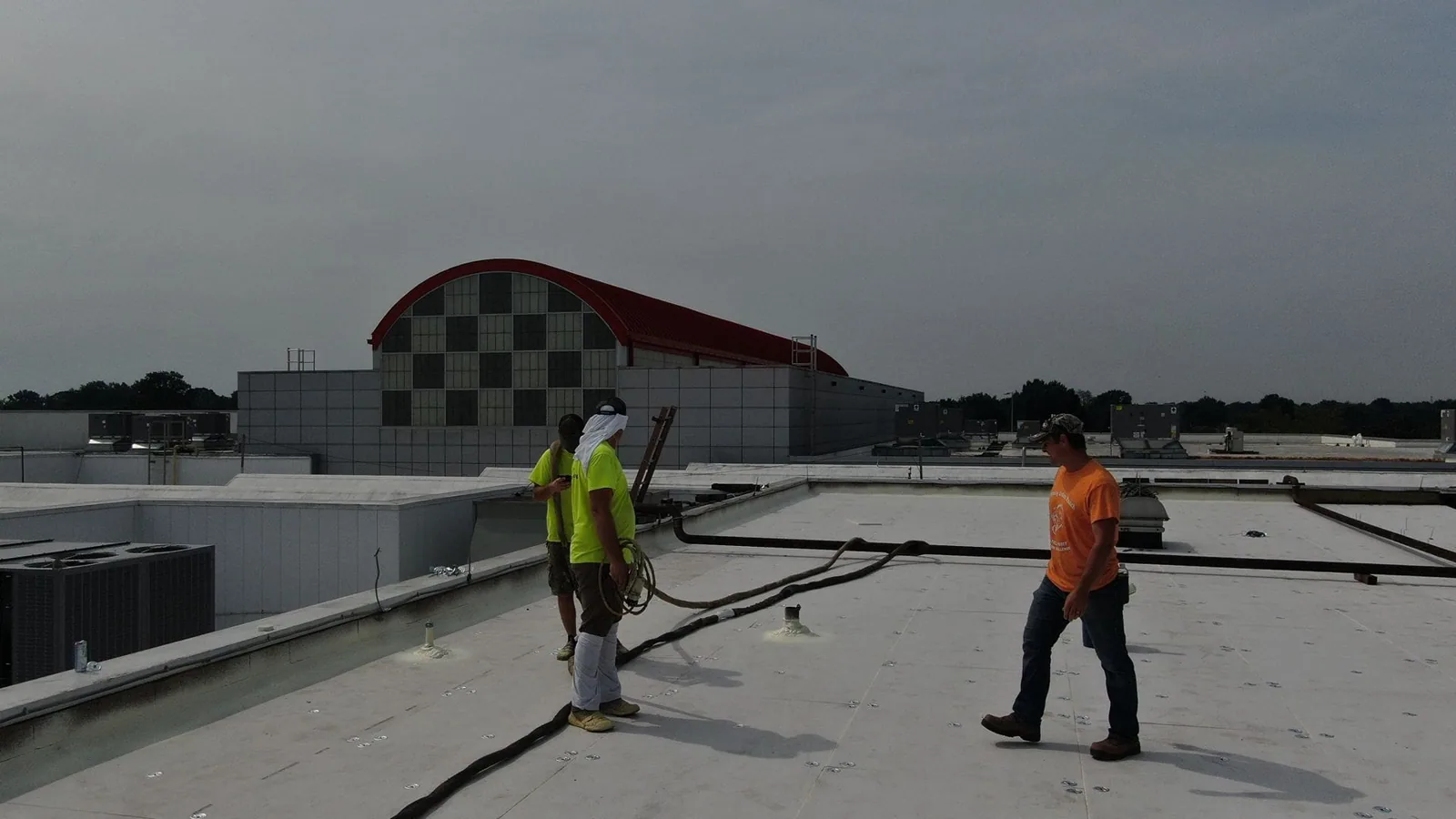
Confirm the roof age and condition, any remaining repair needs, the structural review, the array attachment system, and who provides the waterproofing detail at every penetration. Confirm that drains, scuppers, rooftop equipment, and inspection paths remain accessible. The project documents should assign responsibility for damage, temporary protection, and future maintenance. If replacement is likely in the near term, compare roof work before the array is set.
At Gresham industrial properties near I-84, service access and delivery routes may be as important as the roof diagram. The facility should identify shutdown windows, restricted areas, and the person authorized to approve a changed sequence. We can walk the roof with the facility and solar team, record conditions, and identify roofing coordination needs. Structural and electrical design decisions remain with their respective professionals.
Solar-Ready Commercial Roofing FAQs
-
Can you confirm that our roof will support solar panels?
That determination belongs to a structural engineer using the building, framing, array layout, and design loads. We inspect the roof assembly and coordinate membrane, flashing, drainage, and access details. Our report does not substitute for structural approval.
-
Should we replace the roof before installing solar?
We inspect roof condition, moisture, seams, flashings, drainage, and expected repair needs. If major work is approaching, completing it before array installation may avoid later removal and reinstallation. The owner compares roof timing with the solar schedule and structural design.
-
Who flashes solar mounts and conduit penetrations?
The project documents should assign responsibility for each roof opening. We coordinate a compatible flashing detail with the roof system and solar attachment, then identify who installs and inspects it. Clear trade boundaries help prevent an unfinished transition.
-
Can solar equipment block future roof maintenance?
It can limit access to portions of the membrane, drains, or equipment. We review service routes and array spacing with the designer and mark inspection paths before installation. The owner should keep the final layout and maintenance instructions with the roof record.
Related Roofing Work
Commercial Roof Inspection
Learn More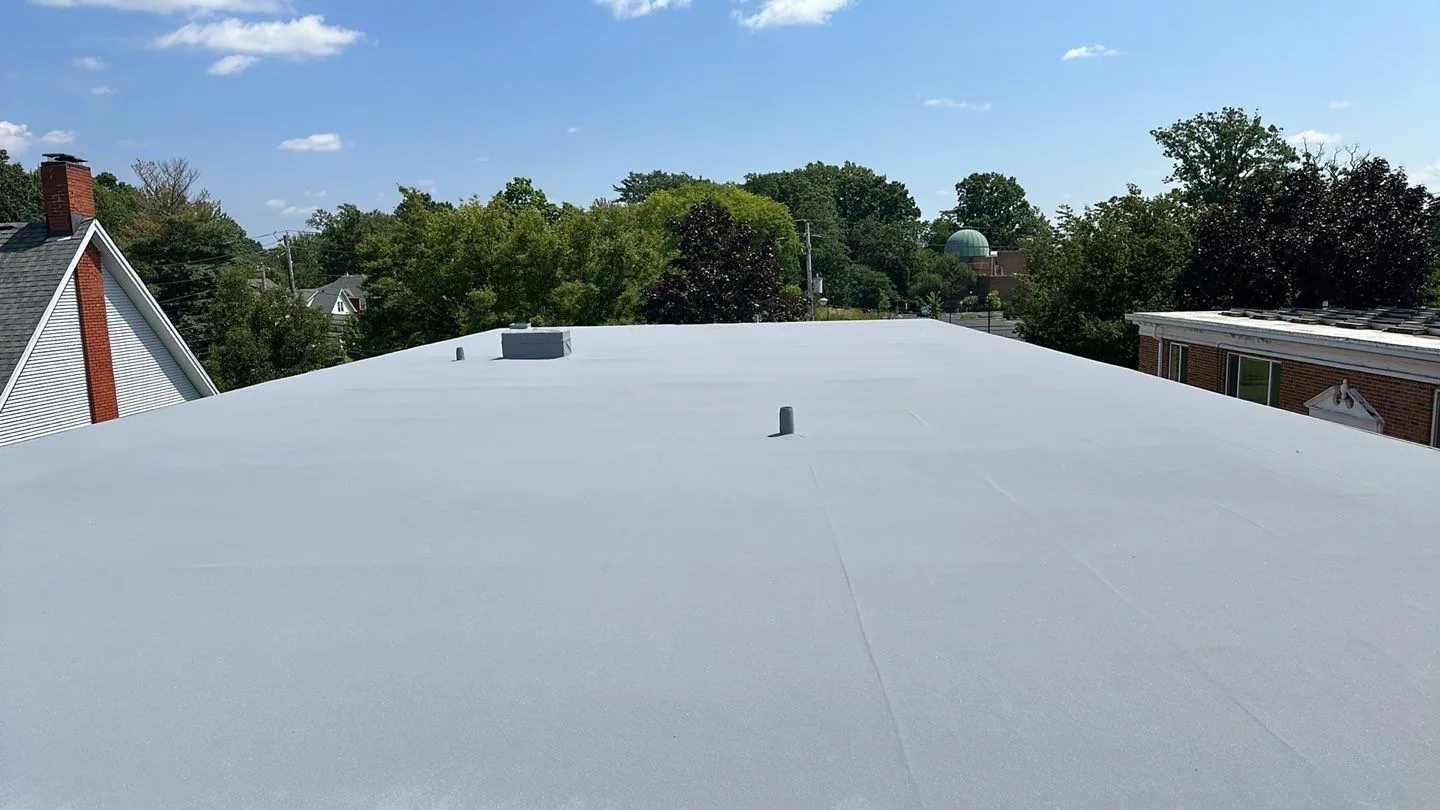
Commercial Roof Replacement
Learn More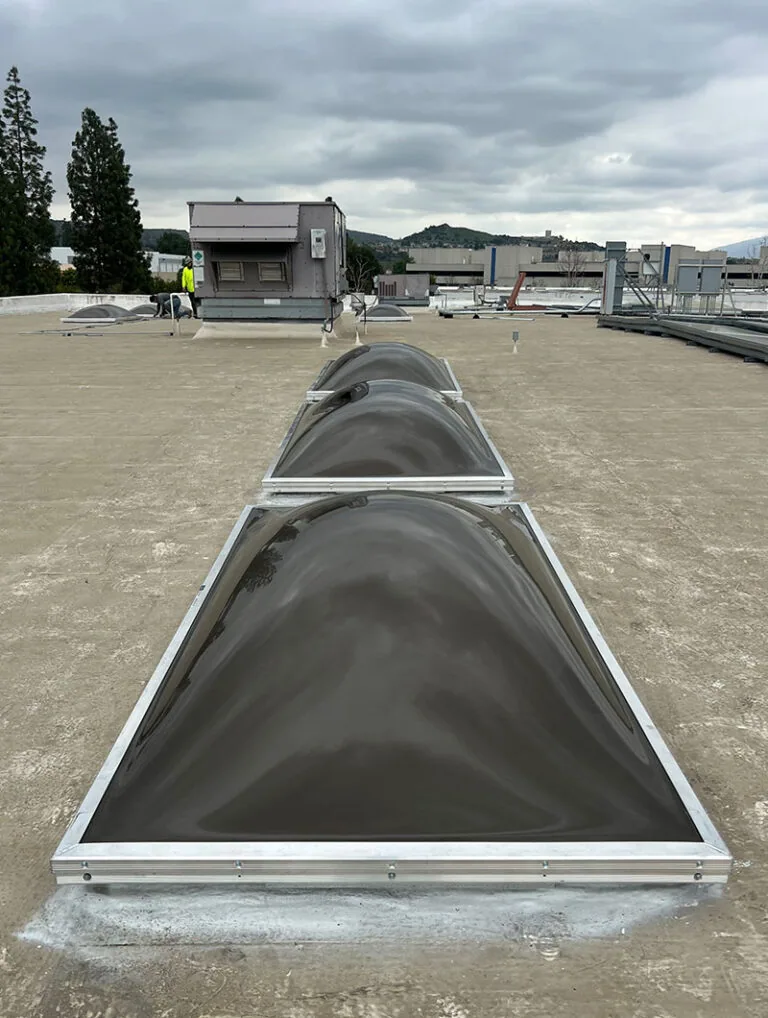
Commercial Skylight and Penetration Flashing
Learn More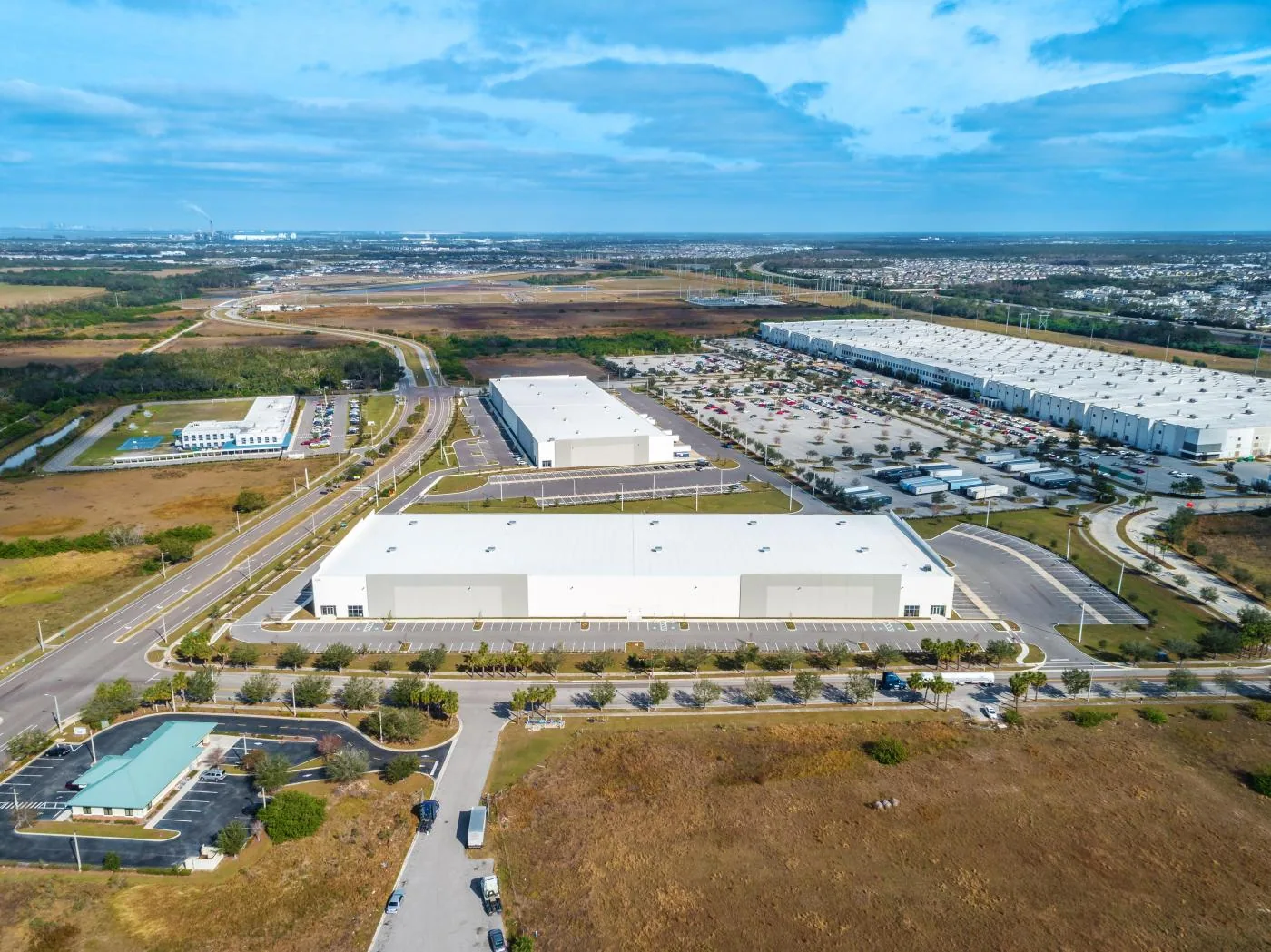
Southshore Corporate Park
Learn More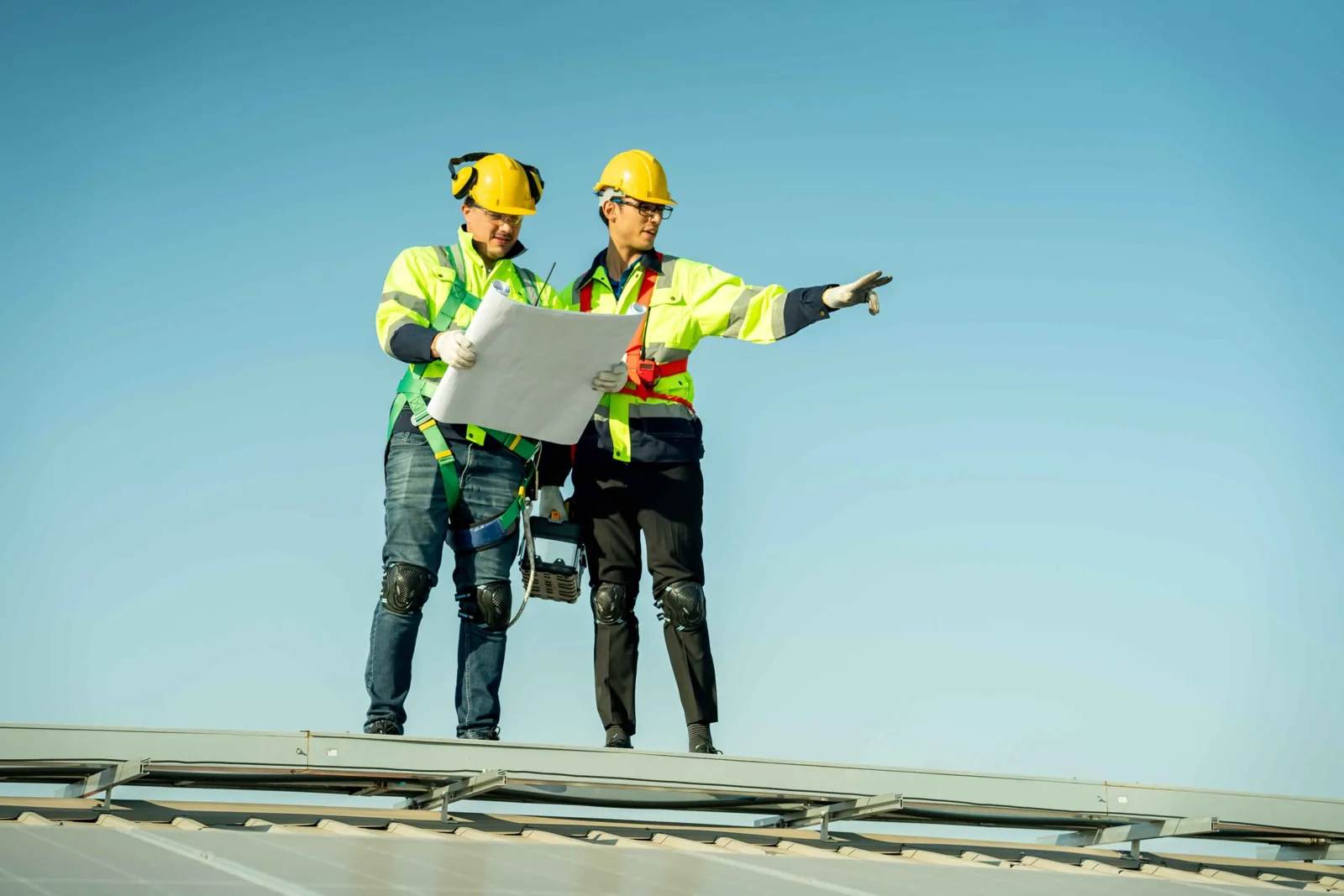
Commercial Roof Condition Reports
Learn More
Multi-Site Commercial Roofing Programs
Learn MoreCoordinate roofing before solar installation
Request a roof assessment in Gresham
We will document the roof condition and coordinate access, penetrations, drainage, and flashing with your Gresham solar team. Tell us about the building, the roof and what you are seeing. Call 555-555-5555, email [email protected] or send the details through our contact page and we will set up a time to walk the roof.