Commercial Roofing in Vancouver Lower Grand Employment Area, Vancouver, WA
Arrange a Lower Grand roof inspection
- Home
- Service Areas
- Vancouver Lower Grand Employment Area
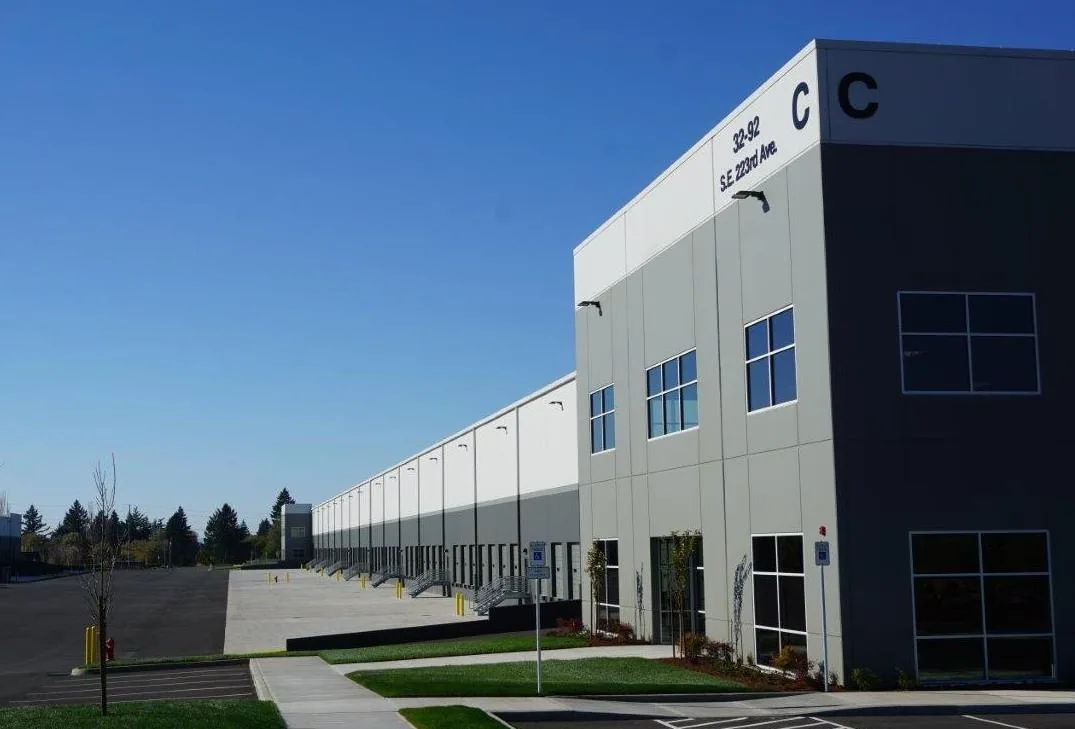
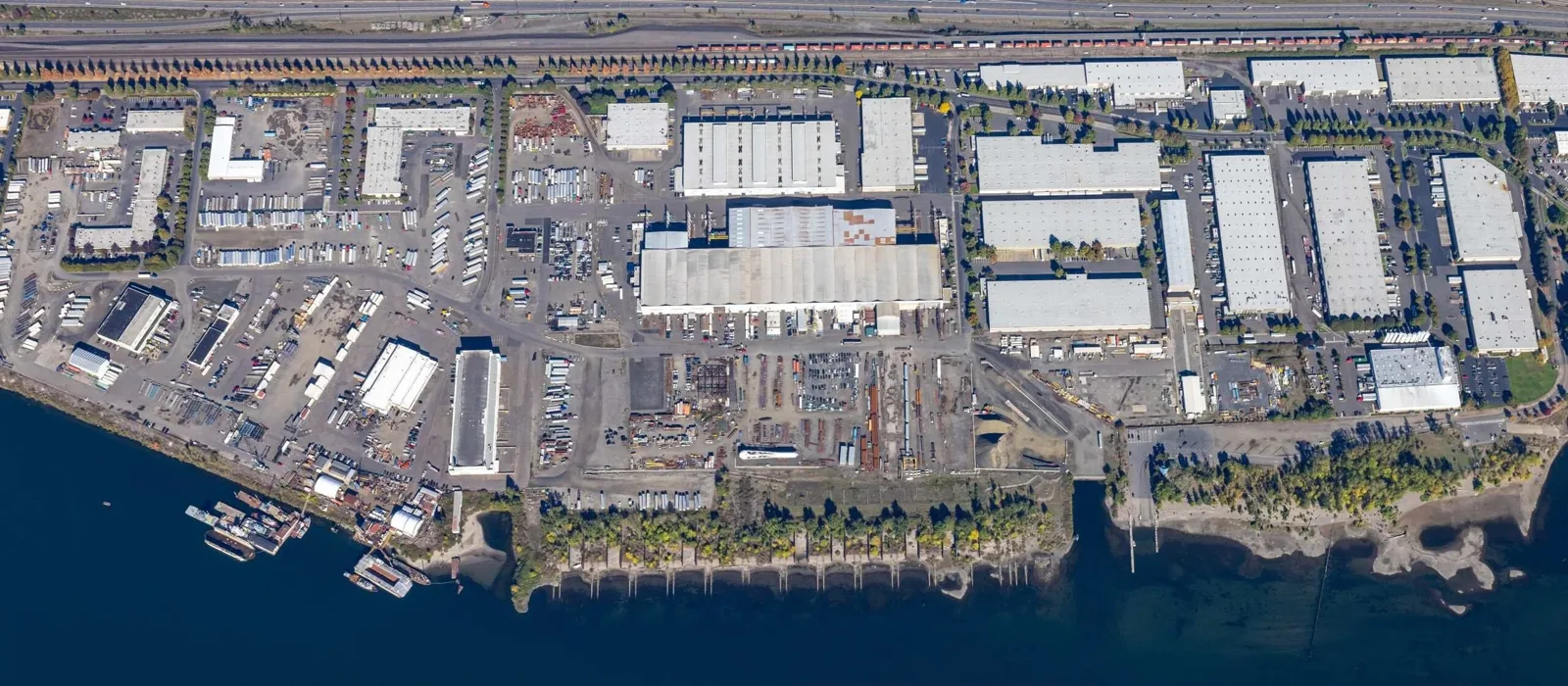
Lower Grand is a 170-acre Vancouver employment center with office, industrial, and flex-industrial buildings as well as developable sites. The area also includes Grand Central shopping center alongside light-industrial and employment uses. Vancouver identifies I-5, SR 14, and I-205 among the regional highway connections. These facts frame a mixed-use service area, not a single roof system. We inspect the building under review, map drains and transitions, and coordinate roof access with its facility contact. A property near a shopping center may have different customer routes than a flex-industrial building. For another regional property at Columbia Business Center, each access and roof condition gets its own survey.
Plan staging for the specific building
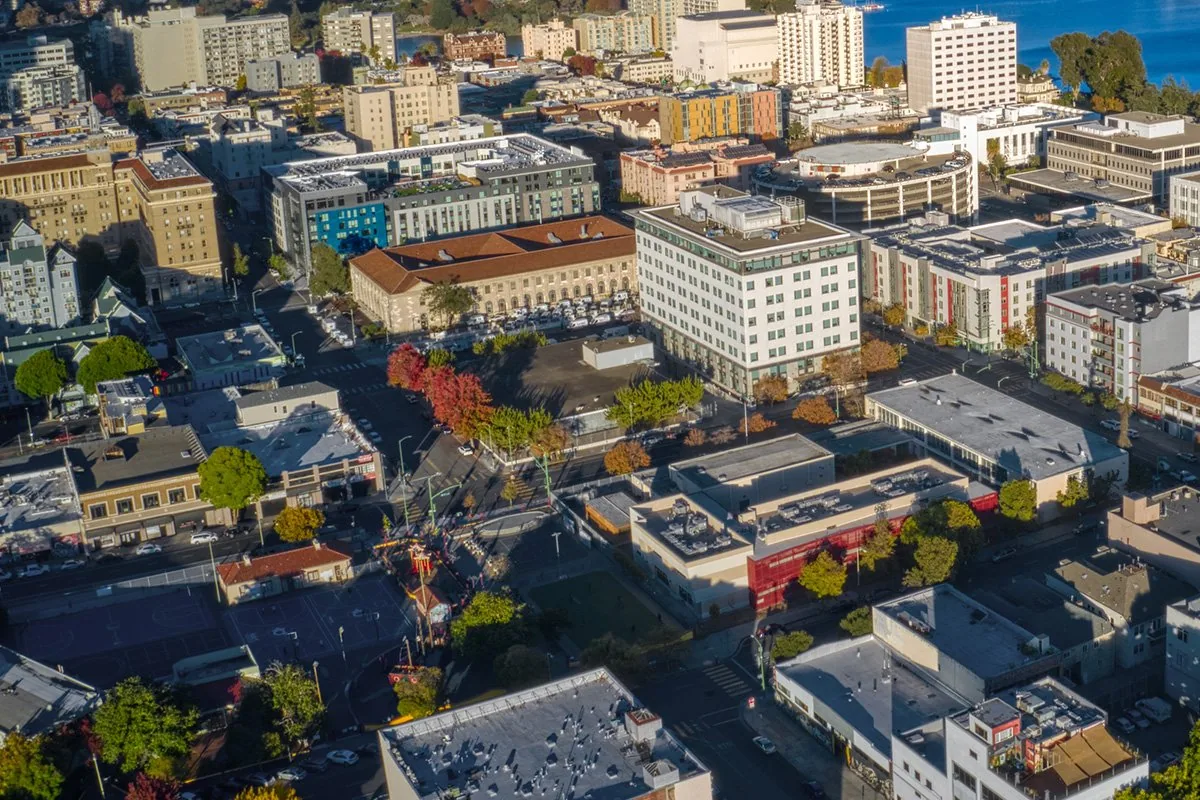
Office, industrial, flex-industrial, and shopping activity can place different demands on a roof schedule. We confirm who approves access, when deliveries can arrive, and what routes must stay open. A regional highway connection does not determine the approved entrance to a lot. The property contact provides current instructions, restricted areas, and the daily operating window.
We identify roof access, lift placement, material handling, fall-protection needs, and the areas below that need protection. If crews work above an occupied office or retail area, the property team confirms any notice or closure. If equipment cannot be shut down, we plan the work around its service requirements. Each exposed area has a daily dry-in boundary and a documented handoff.
Before mobilization, confirm the active gate, receiving hours, truck route, and any delivery restrictions with the Lower Grand property contact. We check current site rules and any traffic controls before dispatch. For a portfolio spanning Portland's Columbia Corridor, the same checklist can be used while retaining separate property contacts and staging notes.
Check membrane, drainage, and transitions
We map roof zones and inspect field seams, drains, scuppers, curbs, parapets, skylights, pipes, expansion joints, and perimeter edges. A leak can enter at a transition and travel before appearing inside. We record the interior location and timing, then compare the report with roof details above and nearby. Photos show the defect and an identifiable roof reference.
Existing repairs and coatings can change the next repair method. We note visible material and attachment where confirmed. If a layer hides moisture, a test opening may be needed to determine whether the roof can accept a recover. We describe the purpose and closure plan before the owner approves the test. An inaccessible area is marked as uninspected, not recorded as clear.
In the regional climate record used for Gresham, the wetter season stretches from autumn into spring. That pattern guides scheduling but says nothing about a Lower Grand roof's present condition. Before bonding or sealing, we check the actual surface and product limits. The forecast determines the day's exposed area and how each section will be closed before the crew leaves.
A commercial roof inspection can establish a condition baseline. A leak investigation documents water paths and repair limits for a reported problem.
Use evidence to compare repair and replacement
A loose flashing, failed seam, or puncture may support a local repair when surrounding material remains secure. We identify the installed system and prepare a compatible detail. The scope says where the repair starts and ends, and which nearby item remains separate. That gives the owner a clear record if another leak call follows.
Repeated openings or wet insulation can lead to a system-level review. Before considering a recover or coating, we check attachment, moisture, substrate, drainage, old surface treatments, and height at edges or curbs. A coating cannot correct trapped moisture or an unstable deck. Replacement may require selective or full removal, new insulation, and a phased work plan to protect occupants.
Repair planning addresses observed defects. A restoration assessment checks the surface and preparation requirements. Replacement planning compares removal, insulation, disposal, and timing around business activity. Cost and schedule depend on measured area, roof-layer count, detail density, material route, protection below, and available work windows. If the assembly changes during tear-off, we document the finding and review it with the owner before adjusting scope.
Keep roof water on its intended path
We inspect outlets and the membrane around them. Drain bowls, strainers, scuppers, overflows, and low points can show debris, ponding, or damage. A clear roof opening does not confirm adequate slope; check the drainage path and low points before closing the repair. We record what is visible and identify further review if water remains after routine clearing.
At walls and curbs, flashing and field membrane need a continuous tie-in. We look for open corners, loose edges, sealant failure, and signs of movement. Mechanical service or a new unit can introduce penetrations. The building contact can identify recent work by other trades so the inspection can compare locations with the existing record.
Lower Grand's nearby Grand Central shopping center sits alongside employment uses, but a center-wide description does not show the condition of an adjoining roof. We inspect each property individually. A manager responsible for regional assets can use the same inspection-record approach in the Clackamas Town Center area, while tracking each property's roof assembly and access window separately.
A property with more than one roof elevation may need a sequence that keeps water moving between sections while crews work. We mark where drains collect runoff from an adjacent area and check how temporary barriers could redirect it. If the project crosses a shared wall, we confirm ownership and access limits before tying new flashing into another section. These checks keep roof work within the agreed building boundary and reduce the chance that one completed area depends on an unfinished transition.
Preserve the condition record after repair
A closeout should identify the visit date, roof areas reached, system details where known, photos, defects, and repair work. It should also note access limits and testing that remains. If removal exposes hidden layers or wet material, the report shows the location, closure, and owner decision.
Our roof condition report can organize findings and recommendations by zone. Keep project approvals and product data with the file, separately identified from field observations. A maintenance visit can recheck outlets, seams, flashing, and equipment paths on a planned schedule.
When an asset manager hands the building to another team, a roof map and service log help explain what was repaired and what remains open. Update the record after equipment moves, new penetrations, or changes to access. The next inspection can then start from the actual repair history rather than an assumption based on the area's mixed-use designation.
Vancouver Lower Grand Employment Area FAQs
-
What types of buildings are in Lower Grand?
The city identifies office, industrial, flex-industrial, and shopping uses in the broader employment area. We confirm the specific property's use, roof, and access needs before proposing work.
-
Can you coordinate a reroof with office or retail hours?
We plan delivery, staging, work zones, notice, and temporary protection with the property contact. The sequence depends on the roof and the operation below it.
-
Does being near I-5, SR 14, or I-205 establish roof access?
No. Regional routes do not provide permission to enter a lot. We use the access and receiving instructions approved by the property team.
-
How do you decide whether a roof can be coated?
We check substrate condition, moisture, attachment, surface compatibility, drainage, and detail preparation. If the assembly cannot support a coating, we compare repair or replacement.
-
What is included in the closeout?
The record can include roof-zone photos, observed conditions, work details, materials, access limits, and items needing follow-up. Areas not inspected are clearly marked.
Related Roofing Work
Columbia Business Center
Learn More
Commercial Roof Inspection
Learn More
Commercial Roof Leak Repair
Learn More
Commercial Roof Repair
Learn More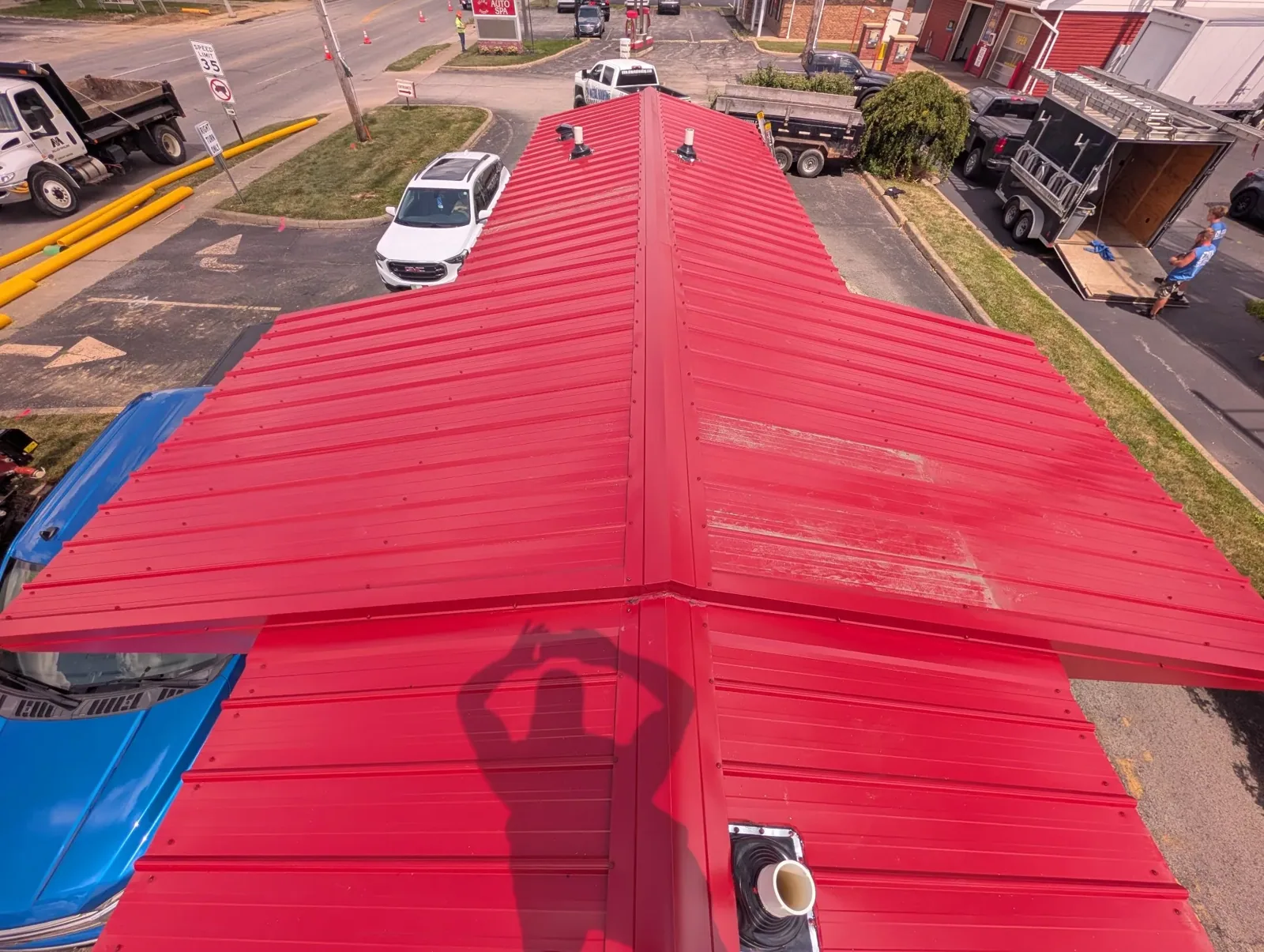
Commercial Roof Coating
Learn More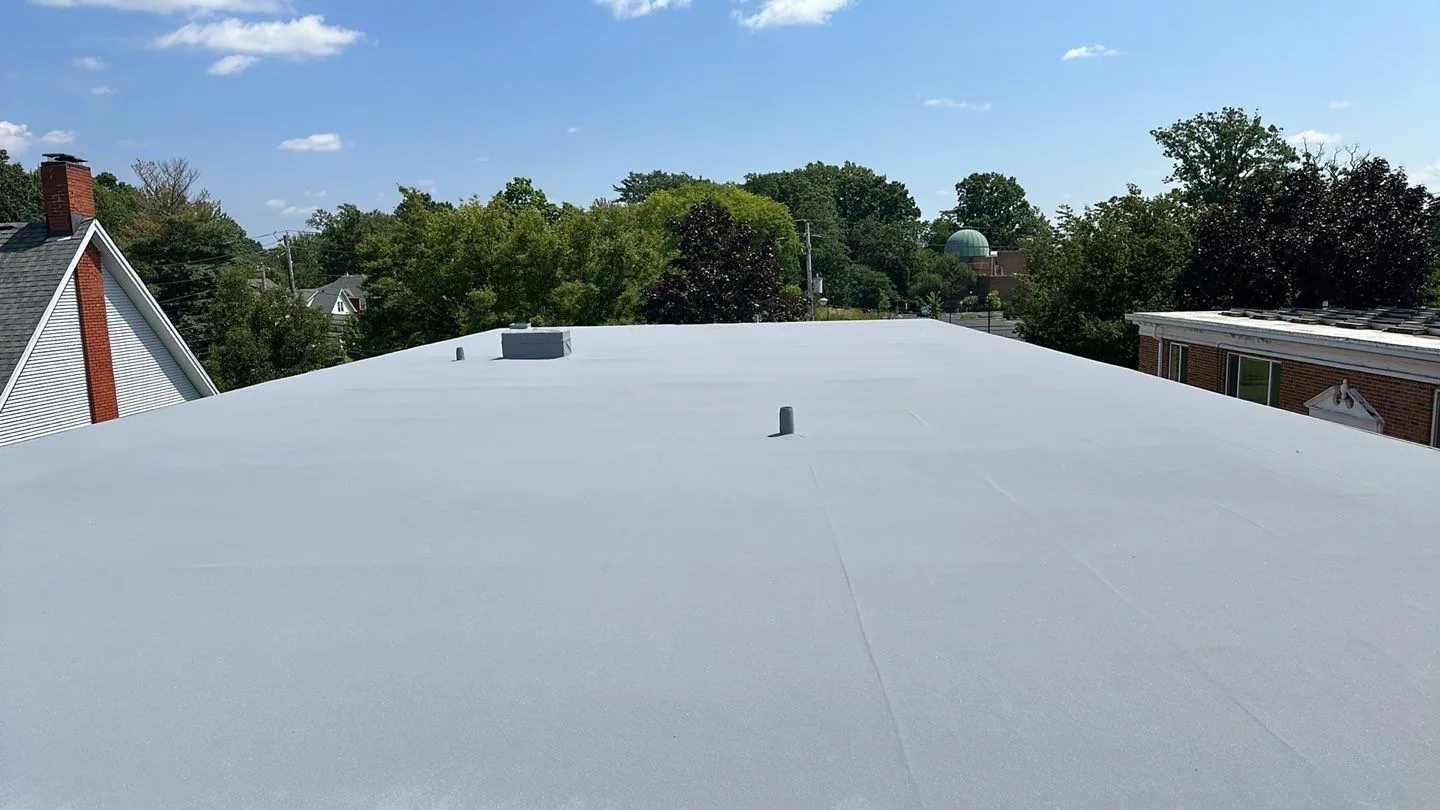
Commercial Roof Replacement
Learn MoreArrange a Lower Grand roof inspection
Request a roof assessment in Gresham
We will inspect the building, coordinate its access needs, and prepare a documented repair or replacement scope. Tell us about the building, the roof and what you are seeing. Call 555-555-5555, email [email protected] or send the details through our contact page and we will set up a time to walk the roof.