
Johns Manville Commercial Roofing in Gresham, OR
Compare JM roof systems against the existing assembly
- Home
- Roofing Manufacturers
- Johns Manville Commercial Roofing
Johns Manville offers commercial systems across TPO, PVC, EPDM, modified bitumen, built-up roofing, and coatings. That range gives a project team choices, but the right selection starts with the roof already in place. We identify the system, inspect seams and transitions, and document insulation, drainage, and equipment conditions before scoping work. Gresham’s traded-sector businesses include electronics, semiconductors, food processing, and specialized manufacturing. Those industries can affect exposure and access, but the building inspection determines the assembly need.
Which JM system family should be considered?
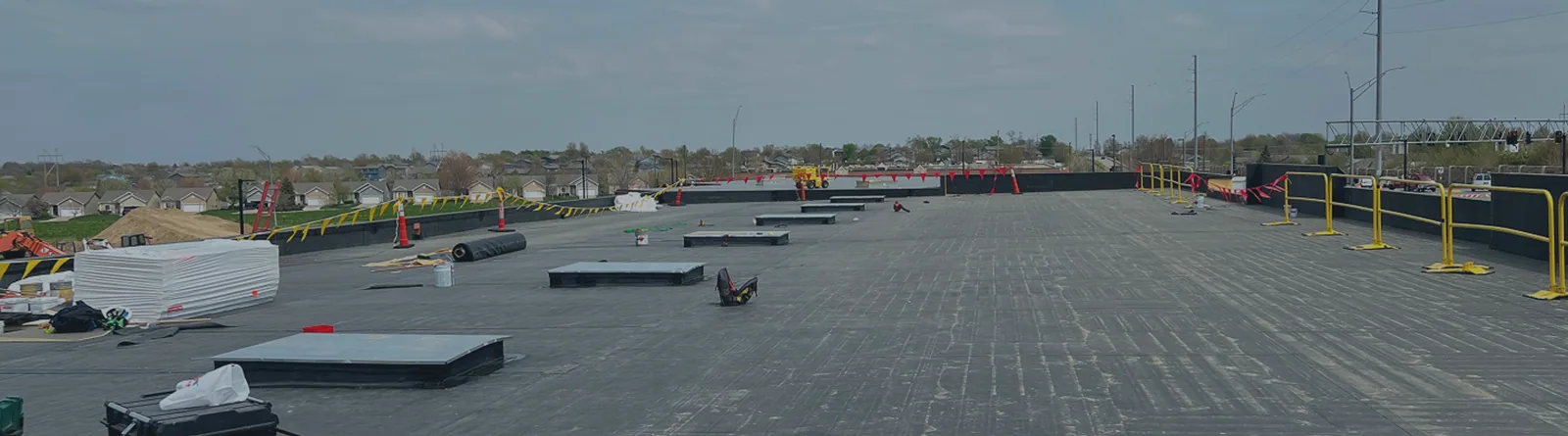
JM TPO membranes use reinforced thermoplastic sheets with heat-weldable seams. Commercial TPO assemblies are available in adhered, mechanically attached, and self-adhered configurations. Its PVC options include JM PVC SD Plus and PVC with KEE polymer, also in configurations that vary by backing and attachment. The EPDM family includes reinforced and non-reinforced membranes. Each chemistry has different seam, flashing, and repair methods. For a proposed substitution, compare membrane family, attachment, flashing accessories, and project approval requirements against the specified assembly. A matching category name alone does not make two system details interchangeable.
JM also offers SBS and APP modified-bitumen assemblies, built-up roofing components, insulation, cover boards, and liquid-applied products. These systems can suit different roof histories and project designs, but product availability alone does not prove compatibility. We review intended use, exposure, and deck details before recommending a system. Owners may compare GAF commercial roofing and Carlisle SynTec membranes against those same building requirements. For a retrofit, drain-bowl height, old coatings, and attachment at corners can change how a new membrane meets the existing edge. A TPO comparison and modified-bitumen review can help frame the options against the existing assembly.
For industrial rooftops, identify chemical or process exposure before choosing a membrane. JM identifies PVC KEE products for resistance to oils and other harsh chemicals, but actual use must match current product data and project conditions. The owner and design team should confirm the specific exposure and system design. We do not treat a broad industry category as proof of what reaches the roof.
How should the system layers be specified?
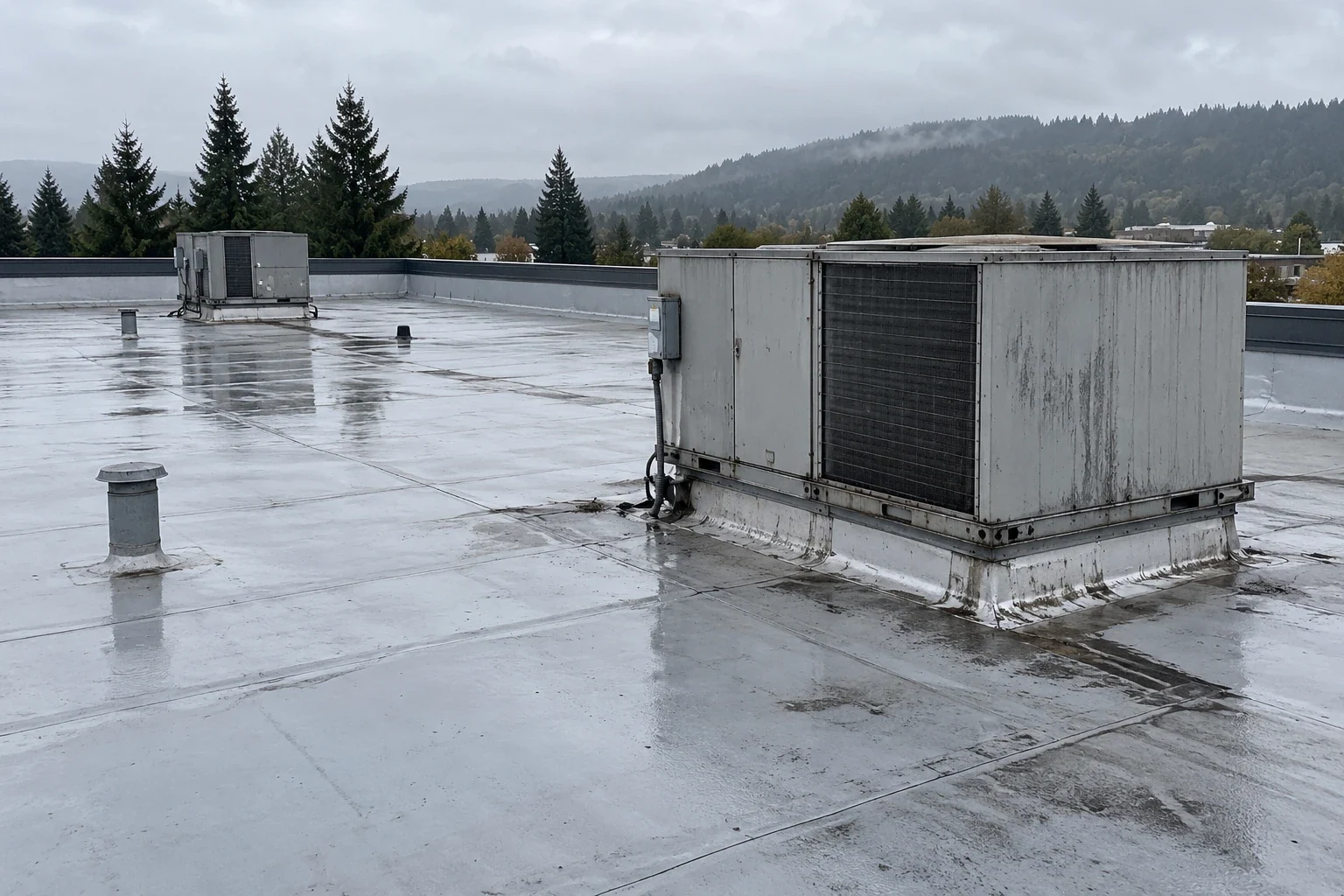
A membrane sits within a roof assembly that also includes deck, vapor control, insulation, cover board, fasteners or adhesive, edge details, and flashings. We inspect roof height, drainage, penetrations, expansion joints, parapets, and existing repairs. If drawings are incomplete, a test opening may confirm layers, subject to owner approval and a safe closure plan. The proposal identifies what is known and what could change after removal. Before installation, the delivered materials should match the approved submittal and assembly schedule.
The submittal should align membrane type, reinforcement, thickness, attachment, and accessories with the approved design and the selected membrane family. Tapered insulation or drain modifications require field measurements and a water-path review. Document roof height and prior overlays before deciding whether old layers can remain. A cover-board and insulation scope should distinguish retained material from new layers and identify preparation at transitions.
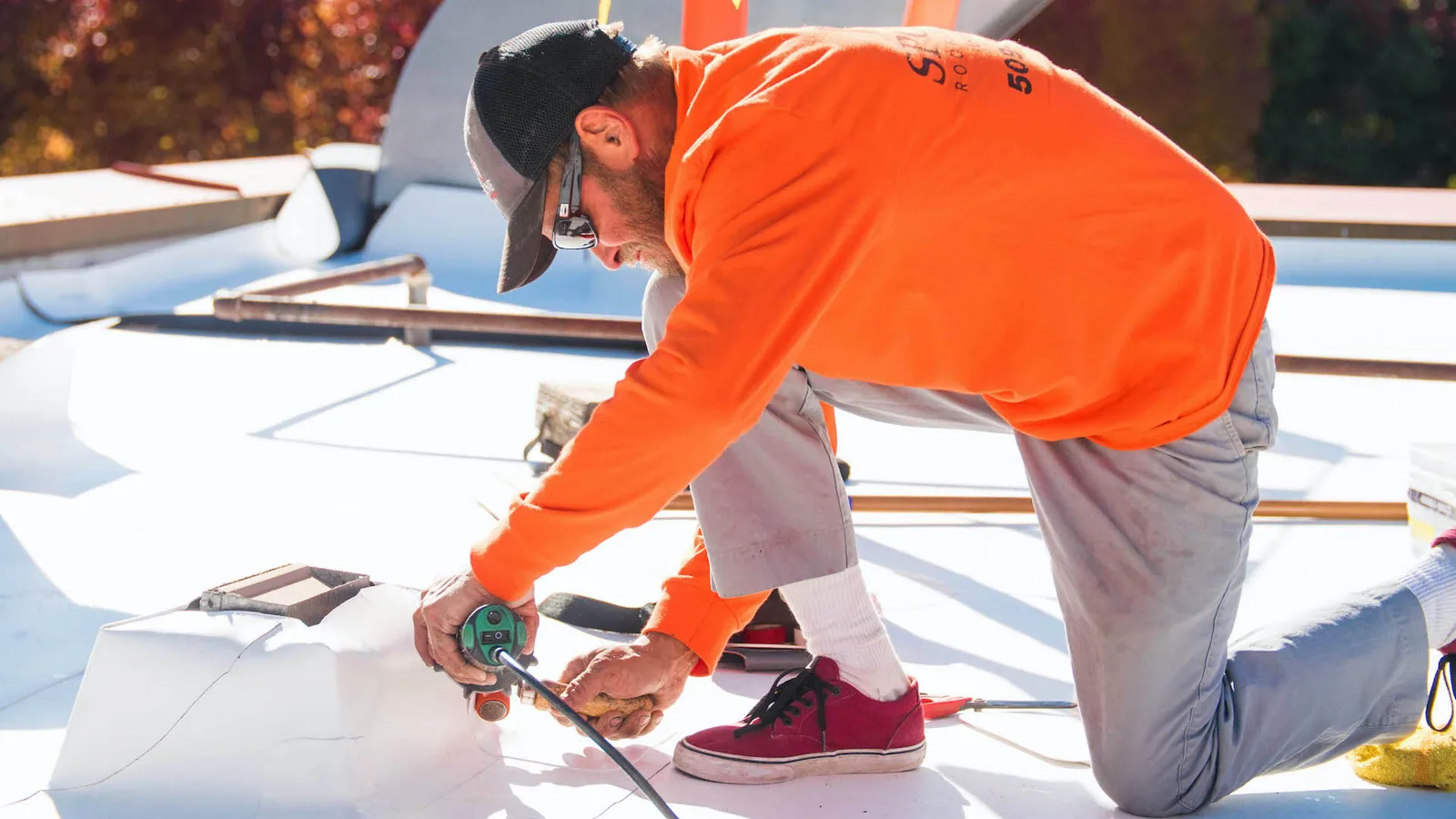
Seams and flashing details depend on the product family. Heat-welded TPO and PVC require prepared surfaces and tested welds. EPDM uses its own adhesive or seam accessories. Modified bitumen work needs compatible laps and tie-ins. Around drains, curbs, and roof edges, we check how the new field membrane connects to the perimeter and vertical surfaces. An assembly schedule that omits those details leaves too much to field interpretation.
What local building conditions affect a JM project?
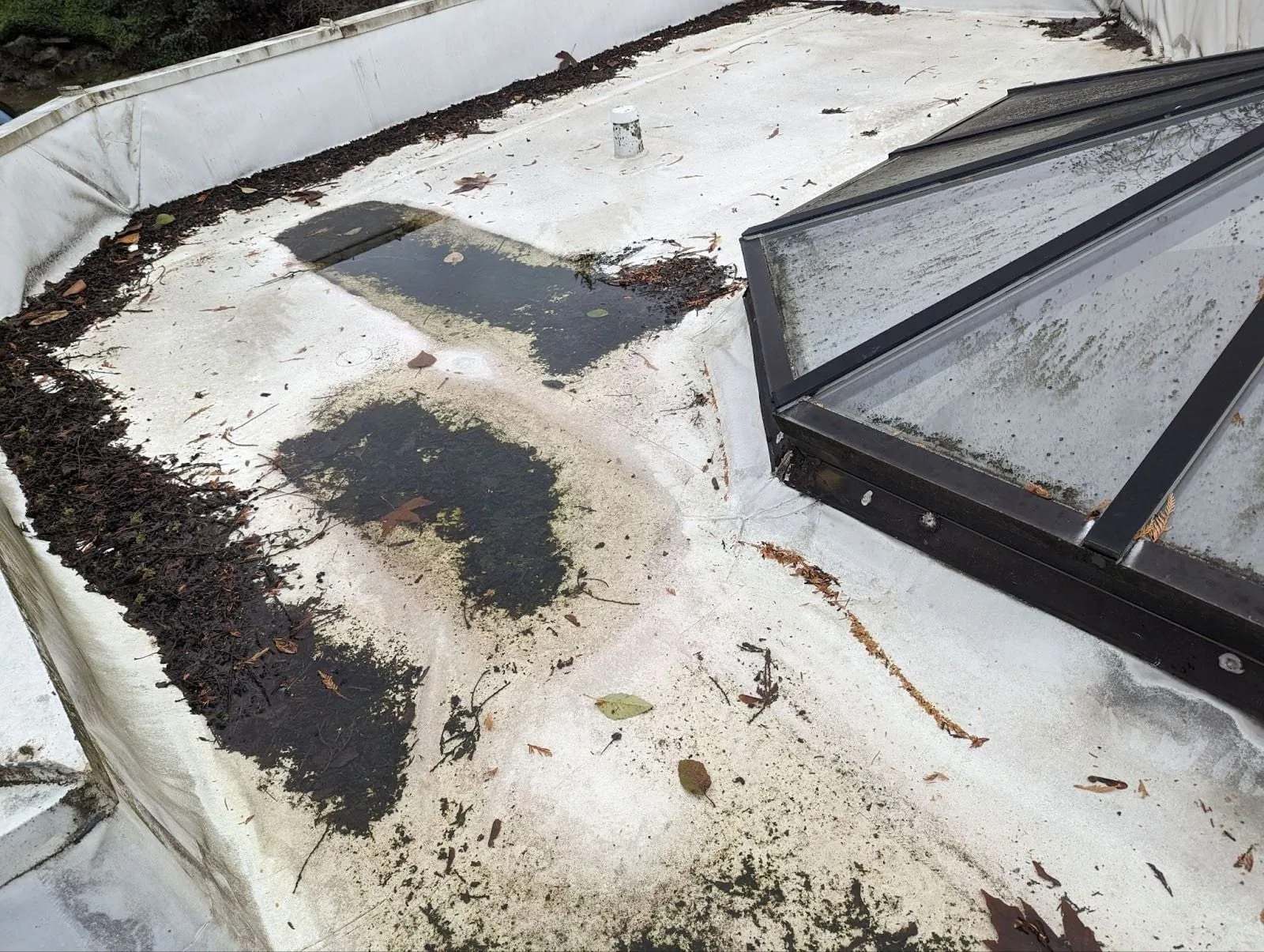
Wet weather around Gresham is concentrated in the cooler months. Wet substrate can affect adhesion, welding, and temporary protection, so the work sequence follows actual site conditions. We inspect drains, seams, and curb corners where repeated water exposure can reveal a weak detail.
Occasional freezes and hot summer days can affect installation windows. We include the current forecast and product preparation limits in scheduling. On an active building, the facility contact sets equipment access, occupied hours, and restricted routes. A Springwater employment site may have a different access profile from a building near Downtown and Civic Neighborhood; the site walk defines the actual plan.
Gresham’s industrial plans identify distribution and manufacturing activity across parcels of different sizes. A roof with many mechanical penetrations needs a different detail inventory from an open field area. We label roof zones, record equipment routes, and check if service traffic has damaged seams or insulation. The building’s use informs coordination, while the observed assembly drives the technical scope.
Can JM materials be used on an existing roof?
A repair begins by confirming the installed material and the defect. A compatible TPO or PVC patch may be heat-welded to sound membrane; EPDM and modified bitumen require different preparation and products. We look for wet insulation, failed attachment, brittle sheet, and previous coatings or patches. An unknown system may need product identification or testing before a repair material is selected.
A localized repair can address an isolated opening if surrounding layers remain sound. Multiple failures, recurring leaks, or broad moisture may warrant restoration or replacement review. A repair scope lists the confirmed detail, tie-in method, and any extra investigation separately. A replacement review can compare tear-off, insulation, drainage, edge work, and phasing around operations.
JM product sheets and installation guides change over time. We use current details for the proposed system and do not infer a warranty term from a product family. The owner retains the applicable warranty and project documents; the issuer determines coverage. A warranty record review can help associate documents with the correct building, inspection, and repair history.
What should the closeout include?
Keep submittals, roof maps, field photos, product labels, approved changes, and repair records together. Note the membrane family, roof zones, materials, and date of completion. If an opening revealed wet insulation or a deck issue, record what was removed and what remains unverified. An owner should be able to see where the work stopped and which items still need a decision.
Southshore Corporate Park supports manufacturing, processing, and distribution along Gresham’s south-shore industrial corridor. For a multi-building portfolio, a condition report can use shared fields and property-specific maps. The record helps facility staff compare current observations without assuming that systems or access requirements match between sites.
After installation, a maintenance visit can review drains, seams, edges, and penetrations under normal service conditions. Update the roof map after equipment moves or additional work. A completed roof record supports later leak response and helps the owner see the difference between repair, maintenance, and capital work.
Johns Manville Commercial Roofing FAQs
-
Does Johns Manville make both single-ply and built-up roof systems?
Yes. The commercial range includes TPO, PVC, EPDM, modified bitumen, built-up roofing, insulation, and coating products. The roof condition and project design determine which system to consider.
-
Can JM PVC KEE be used near oils or chemicals?
JM PVC KEE products are intended for resistance to oils and harsh chemicals. The project team should confirm the exact exposure, current product data, and assembly before selecting a membrane.
-
Can you repair an existing JM membrane?
Often, when the membrane is identified, the surrounding sheet is sound, and compatible repair materials are available. We check nearby layers and details before defining the patch.
-
Will you specify all roof components under one JM system?
We can scope membrane, insulation, cover board, attachment, and details when the project calls for it. The owner’s design documents and project requirements control the complete assembly.
-
Does a JM product name establish warranty coverage?
No. Applicable coverage depends on the documents and their terms. We can provide project records and repair documentation, while the issuer reviews coverage questions.
Related Roofing Work
GAF Commercial Roofing Systems
Learn More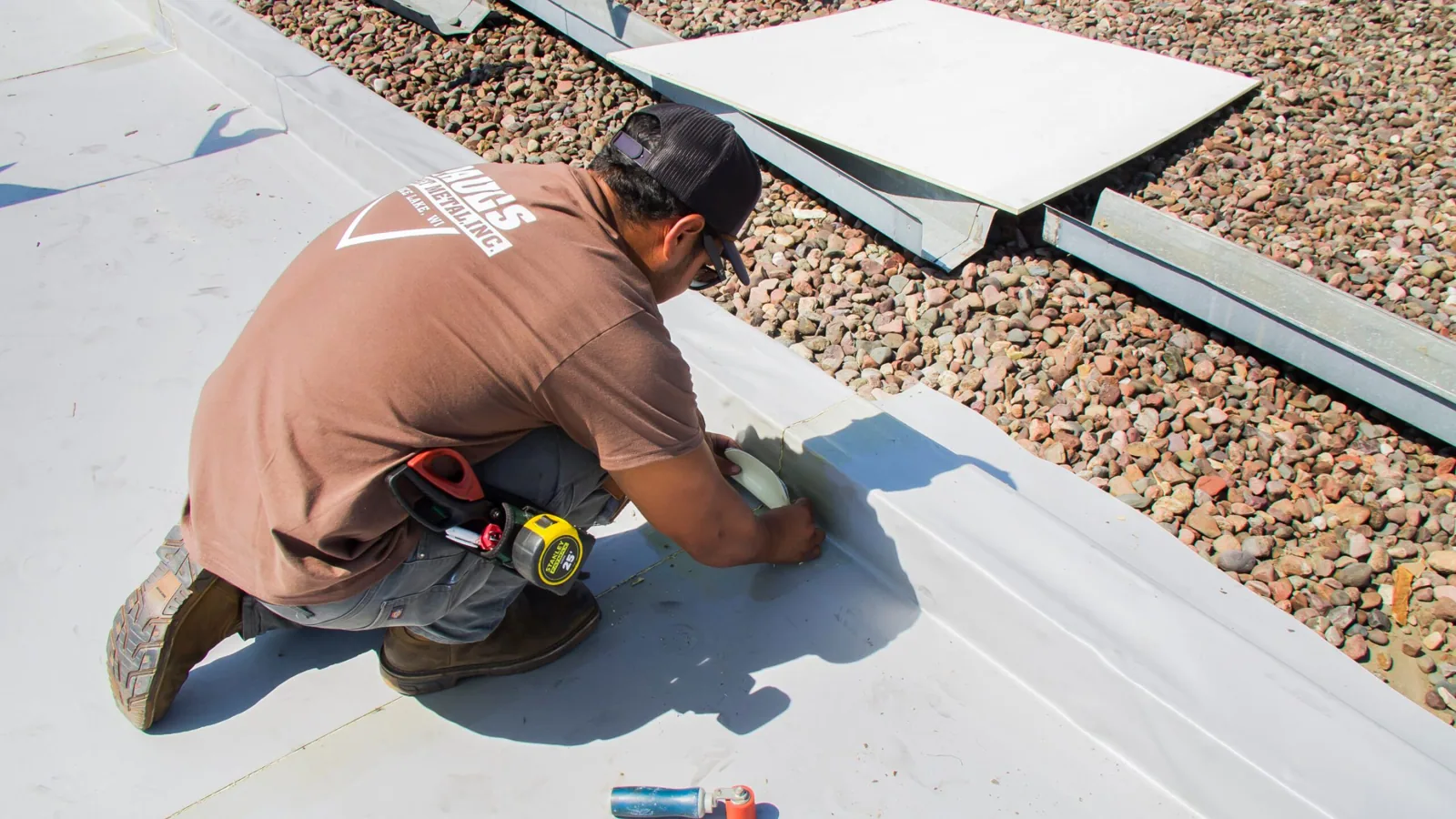
Carlisle SynTec Commercial Roofing
Learn More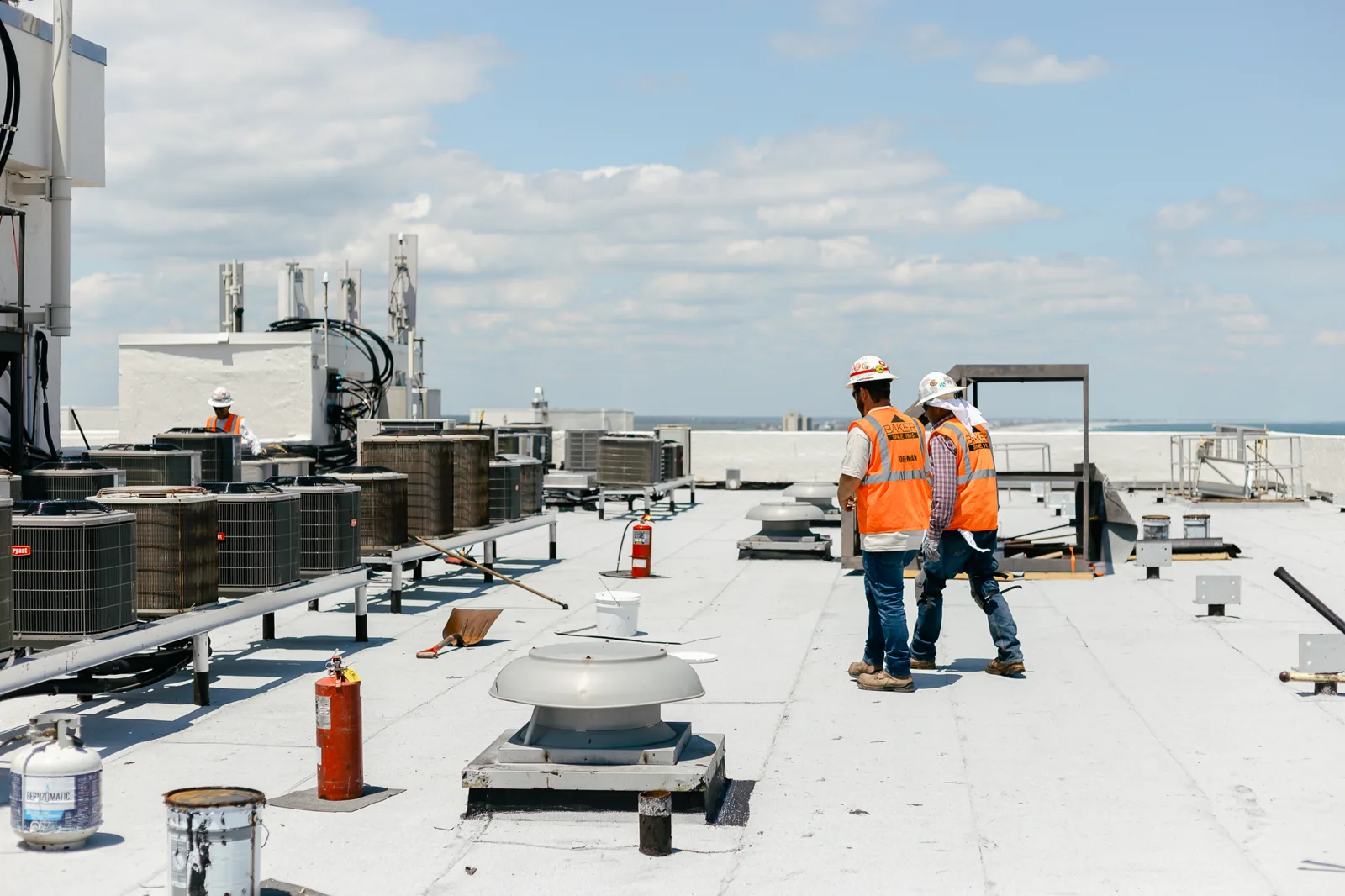
TPO Roofing
Learn More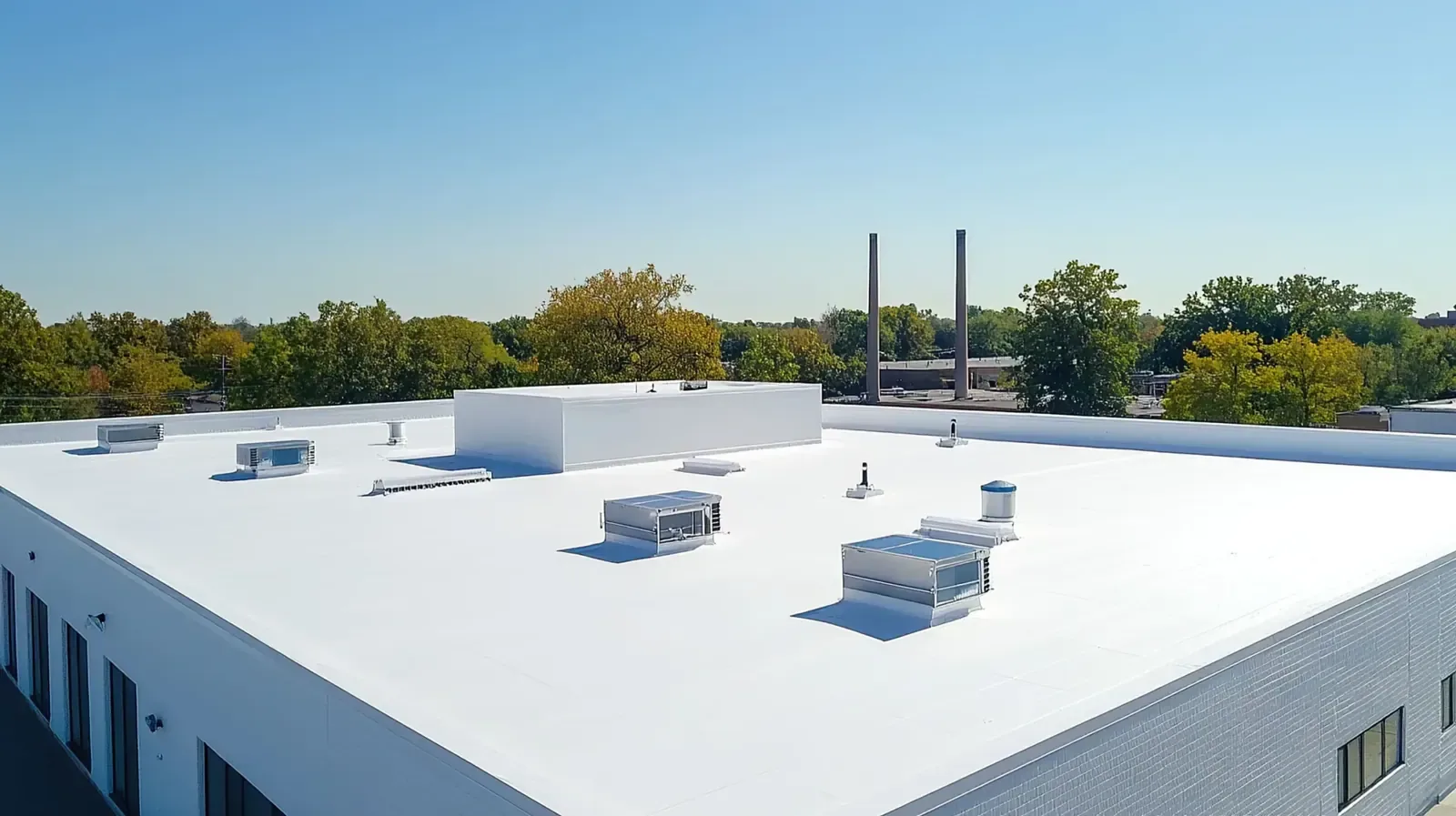
Modified Bitumen Roofing
Learn More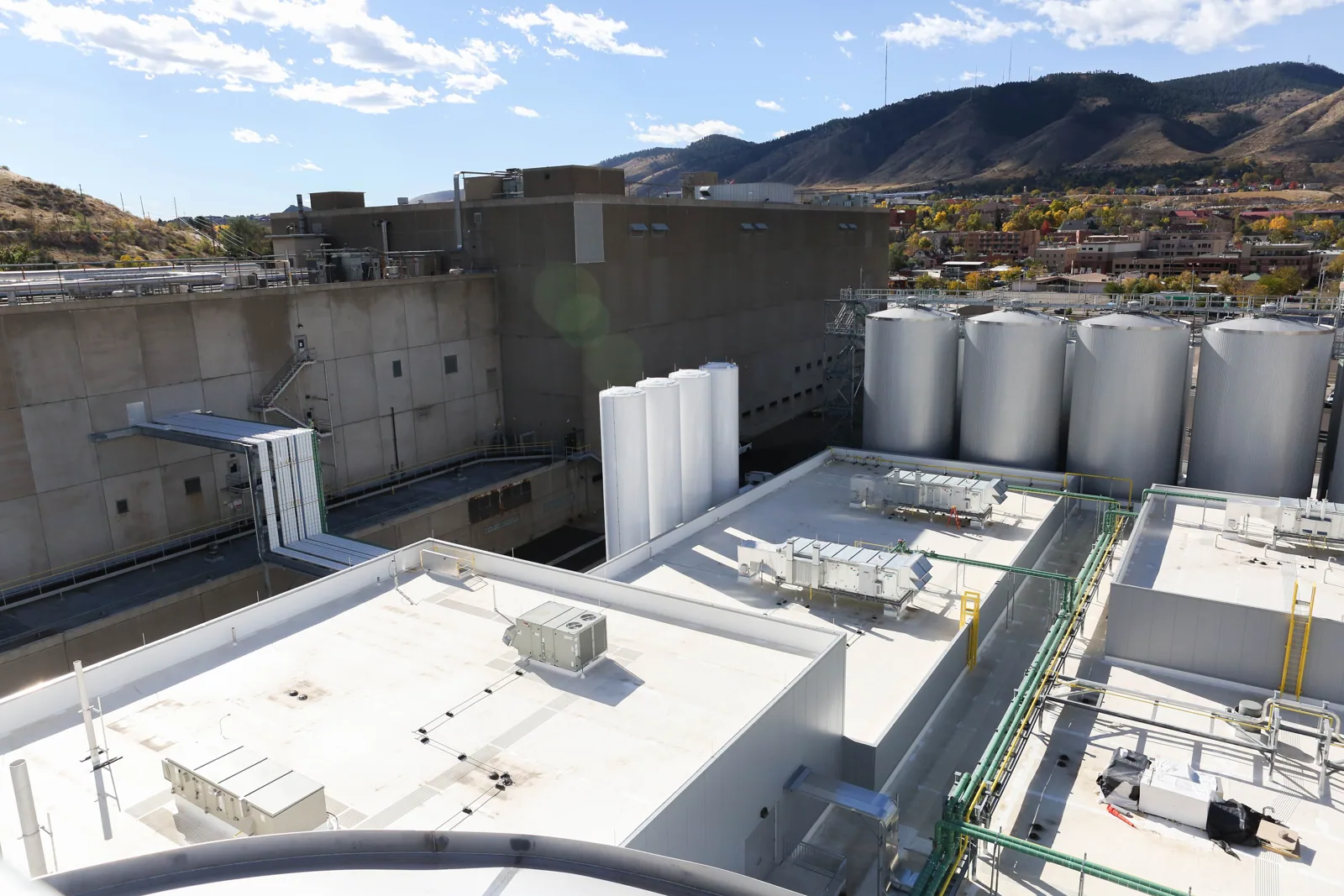
Commercial Roof Insulation and Cover Board
Learn More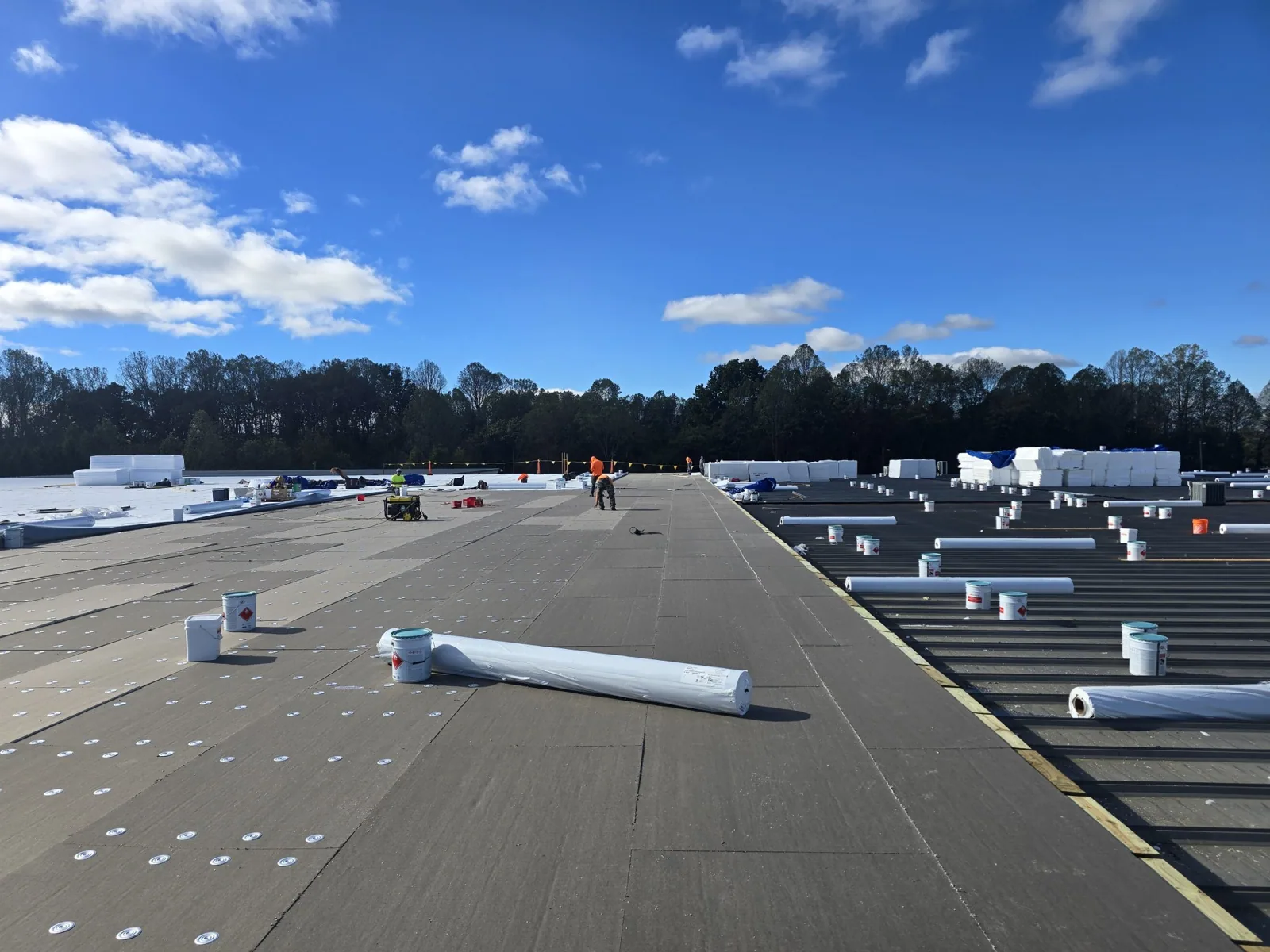
Commercial Roof Repair
Learn MoreCompare JM roof systems against the existing assembly
Request a roof assessment in Gresham
Schedule a Gresham roof walk. We will identify the system, inspect details and drainage, and prepare a repair or replacement scope that fits the facility schedule. Tell us about the building, the roof and what you are seeing. Call 555-555-5555, email [email protected] or send the details through our contact page and we will set up a time to walk the roof.