Carlisle SynTec Commercial Roofing in Gresham, OR
Review Carlisle system options on site
- Home
- Roofing Manufacturers
- Carlisle SynTec Commercial Roofing
Carlisle SynTec’s commercial roofing families include Sure-Weld TPO, Sure-Seal EPDM, Sure-Flex PVC, and FleeceBACK membranes. A system choice needs to fit the deck, insulation, edge details, roof traffic, and building schedule. We inspect those conditions before preparing a repair or installation scope. Gresham’s Glisan and Stark High-Tech Employment Corridor includes high-tech industrial uses, while the Southshore Corporate Park supports manufacturing and distribution. The roof assembly at each property, not the district name, drives the material decision. Those local industries make equipment access a useful question during the initial roof walk.
Which Carlisle system should the project team compare?
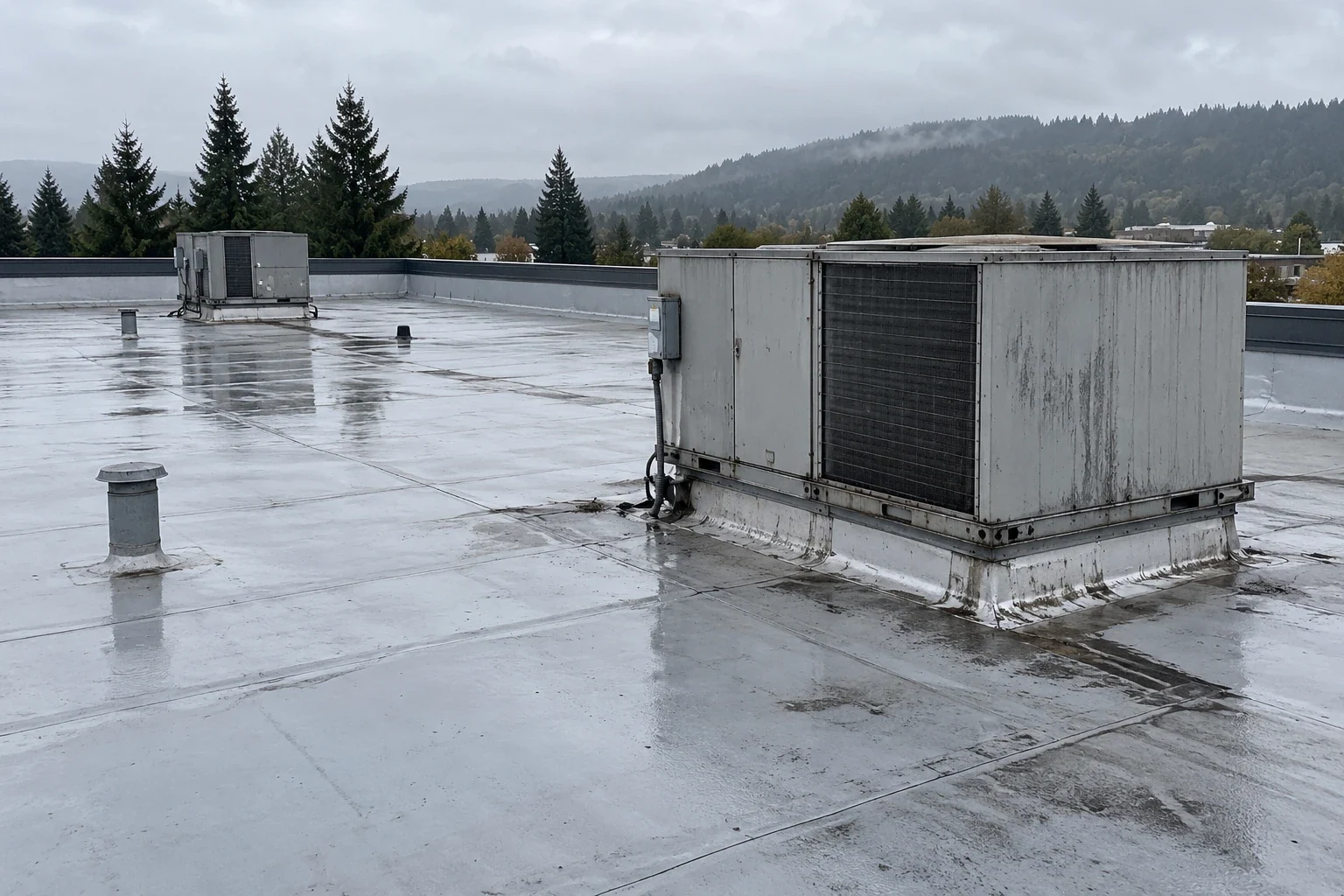
Sure-Weld is Carlisle’s TPO membrane family. It uses heat-welded seams, and system configurations include mechanically attached, adhered, and induction-welded approaches. Sure-Flex PVC and Sure-Seal EPDM offer different membrane chemistry and seam methods. FleeceBACK products pair a membrane with a fleece backing for specified assemblies. We compare product data and assembly requirements with roof conditions instead of choosing by brand name alone. The GAF commercial membrane families and Versico single-ply systems can be compared against the same performance and assembly criteria; brand reputation alone does not resolve substrate or drainage questions.
Suitability depends on chemical exposure, roof traffic, puncture risk, substrate, slope, attachment, and details. The specification should identify the membrane type, thickness, reinforcement or backing, insulation, fastening pattern, and flashing materials. If the building has rooftop process equipment or grease exhaust, identify that exposure before selecting a membrane. A TPO system review or EPDM assembly review can compare those choices against the field condition.
For a recover, verify that the existing layers are dry, stable, compatible, and within allowable roof height. A fleece-backed sheet does not make an unsuitable substrate acceptable. We look at prior repairs, wet insulation, slope, drains, edges, and perimeter attachment. If concealed conditions could change the system, the proposal identifies the test or selective opening that may clarify them.
What should be checked at seams and transitions?
On TPO and PVC, seam preparation and weld quality matter. The installer follows current product instructions and confirms the weld across field laps and details. On EPDM, adhesive, tape, and splice conditions need a compatible method and clean surface. At the roof edge, membrane termination and coping must maintain attachment; at curbs, corners and vertical flashing need a complete tie-in. The repair method changes with the membrane family.
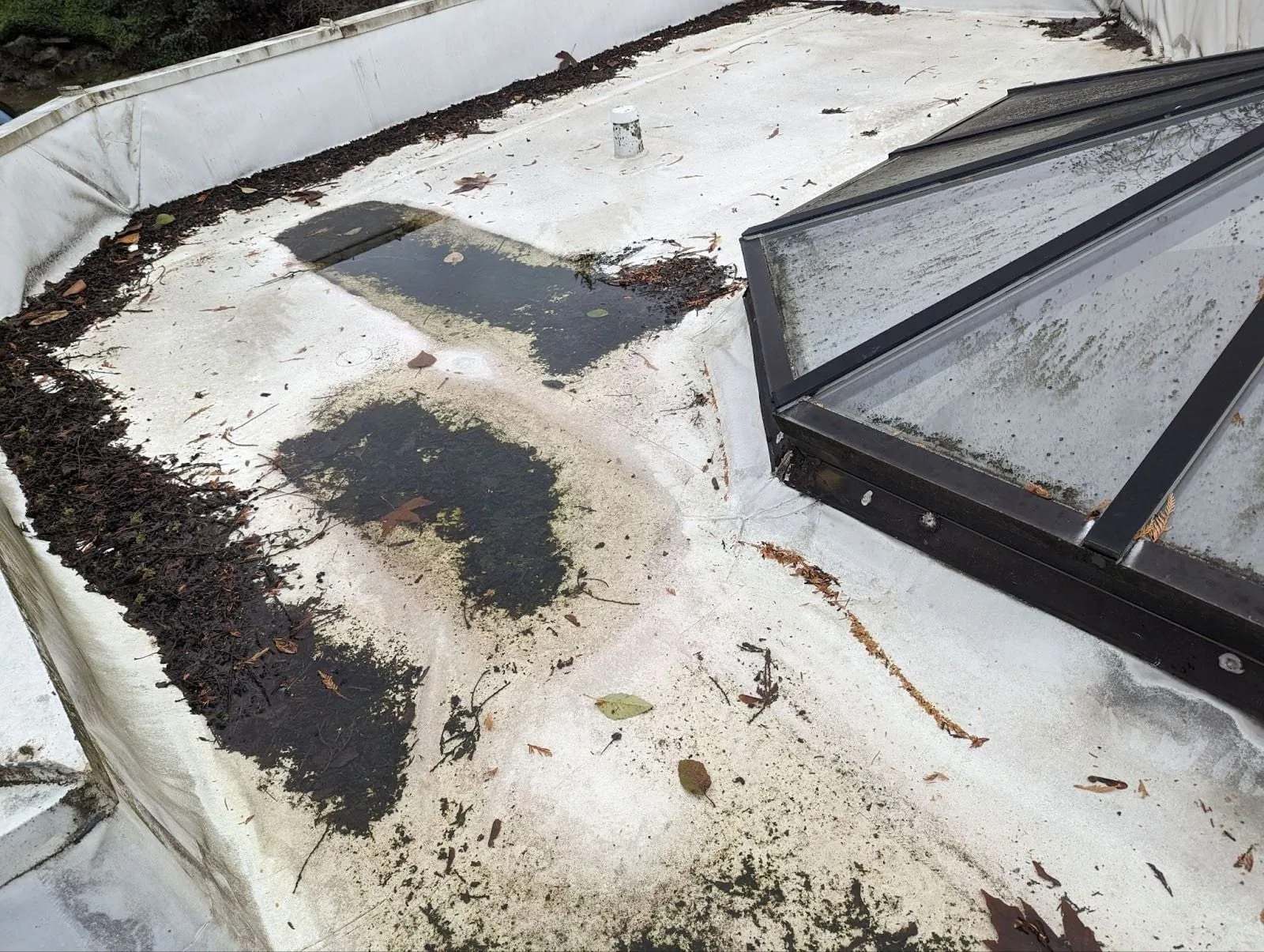
Drain bowls, scuppers, expansion joints, skylights, and equipment supports can create separate detail conditions. A roof plan should show their locations and water path. We document how insulation meets the drain and whether the bowl remains serviceable after the proposed work. On older roofs, drawings may not match the installed layers. A selective opening can verify the assembly, but the owner authorizes the test and approves the closure plan before the crew cuts the membrane. A drainage review and edge-metal scope can keep these items visible in the project rather than leaving them as field assumptions.
For a repair on an existing Carlisle roof, first confirm the installed membrane and any coating or cover strip from prior work. A compatible patch can be possible if the surrounding sheet is sound and prepared. If the original membrane is unknown, testing or manufacturer guidance may be needed before material is ordered. We mark the repair boundary and identify any test or product guidance needed before installation.
How do local operations affect roof planning?
Gresham’s traded-sector targets include manufacturing, automotive electronics, avionics, medical devices, microelectronics, semiconductors, and clean technology. Those industries bring varied operating requirements. A facility may need to protect equipment routes, control rooftop access, or keep production running during work. We ask the site contact to identify those constraints before mobilization and fit the work zone to the actual building.
Portland International Airport averages 31.7 days each year with overnight lows at or below freezing. Cold mornings can affect when adhesive or welding work is ready to start. The roof itself sets the decision: we confirm temperature, moisture, and manufacturer limits at the work zone before opening or bonding membrane.
Along Gresham’s industrial corridor, deliveries and freight movement can affect material staging or lift placement. A NE Wilkes industrial site and a property near the I-84 and 181st employment cluster may have distinct access rules. The facility lead confirms loading patterns and restricted hours; the roofing plan assigns the safe route and closeout procedure.
Can Carlisle materials be used to repair an existing roof?
We start by identifying the membrane, the damaged detail, and the nearby roof layers. A small opening may take a compatible patch if the sheet remains sound. A loose edge, wet insulation, split seam, or deteriorated curb may need a broader repair. Current Carlisle instructions and the project documents guide material selection. We do not substitute a product family because it is available at the time of service.
Localized repairs can remain useful when the rest of the assembly is serviceable. Repeating patches across several zones or finding wet materials at multiple openings may support a restoration or replacement study. A roof repair scope lists confirmed items separately from testing or future work. A replacement evaluation compares tear-off, insulation, drainage changes, and equipment coordination.
Timing and cost follow the system, material quantity, roof access, repair preparation, weather, and operating window. If crews need to move rooftop equipment, the facility coordinates that trade. The proposal explains staging, daily closeout, and what happens if removal reveals concealed damage. No manufacturer product label can define those property-specific tasks without an inspection.
What should the owner retain after the project?
Save approved submittals, product data, system details, photographs, inspection records, material labels where available, and project closeout. Document the roof zones completed and any work left open. If a later technician investigates a leak, the record can establish whether that area was repaired, replaced, or excluded. Keep the original warranty documents supplied by the owner with the final system records. During installation, we check seam width, weld settings, lap direction, and detail transitions at the same time. A clean field seam does not replace a secure termination or compatible flashing at a curb.
Gresham’s Downtown and Civic Neighborhood and Rockwood are linked commercial centers, while Southshore supports a different industrial mix. A shared service program can use common file fields, but each building still needs its own roof map, access notes, and maintenance history. A condition report creates a dated comparison for future inspections, and warranty recordkeeping keeps documents organized without making a coverage decision.
Review the closeout with facilities before restoring restricted roof routes. Update equipment maps if a curb, penetration, or service walkway changed. A maintenance visit can verify drains and repaired details after the next suitable inspection window.
Carlisle SynTec Commercial Roofing FAQs
-
Does Carlisle SynTec make TPO, PVC, and EPDM roofing?
Carlisle lists Sure-Weld TPO, Sure-Flex PVC, and Sure-Seal EPDM among its roofing offerings, along with fleece-backed products. The specified assembly determines which family fits a project.
-
Can a Carlisle membrane be adhered or mechanically attached?
System options depend on membrane family and design. We confirm attachment from the project specification and current product details rather than assuming the same method applies to every sheet.
-
Can you repair a Carlisle roof with materials from another brand?
Compatibility should be confirmed before a repair. We identify the installed membrane, check current product guidance, and document the proposed patch and preparation method.
-
Is a recover suitable for every Carlisle roof?
No. Existing moisture, attachment, roof height, drainage, and the assembly’s compatibility determine whether a recover is appropriate. We inspect those factors first.
-
Will Carlisle choose the membrane for our building?
The property owner and design team select the specified system. We can inspect the roof, explain field conditions, and prepare a scope for the materials the project requires.
Related Roofing Work
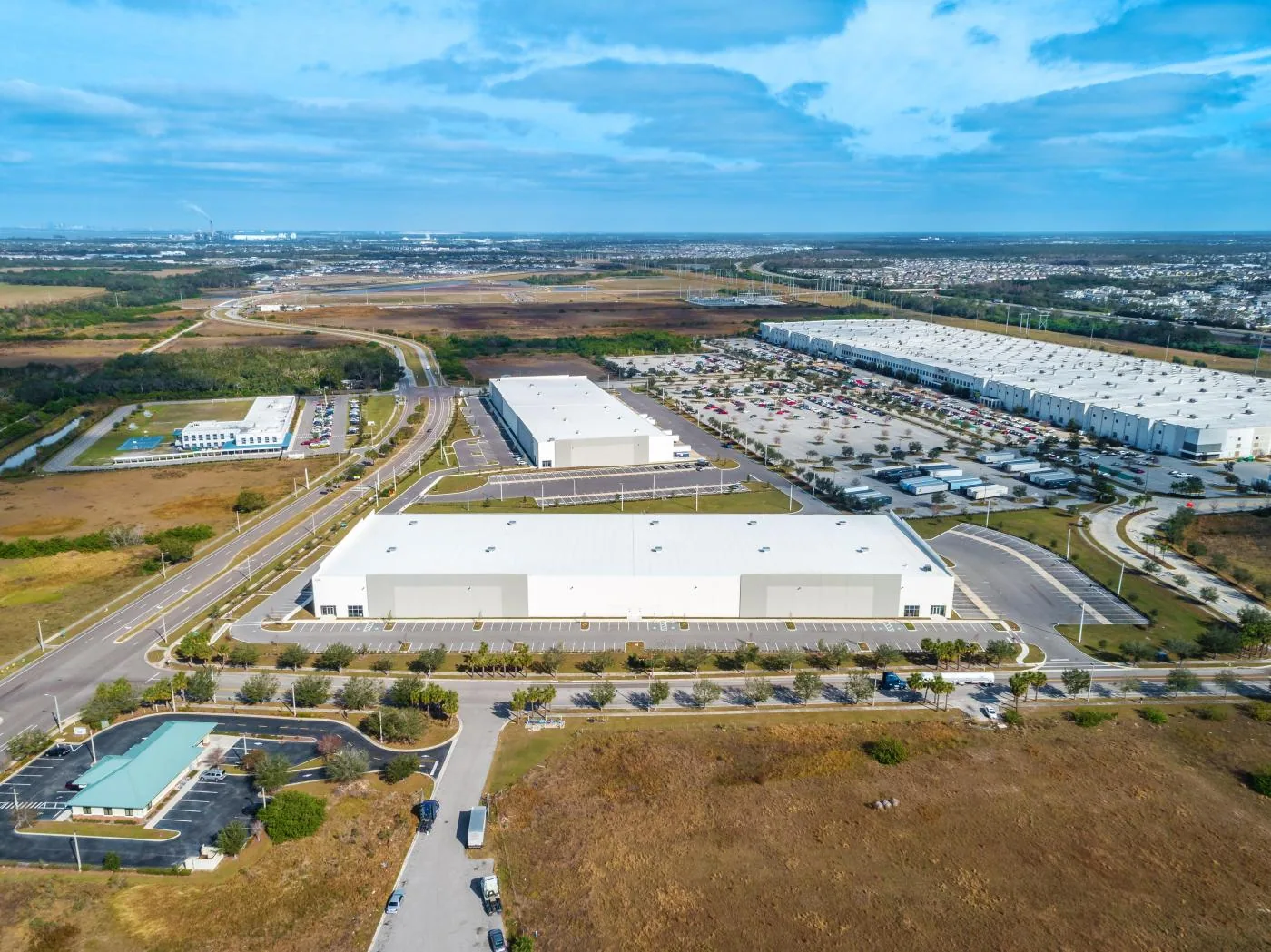
Southshore Corporate Park
Learn More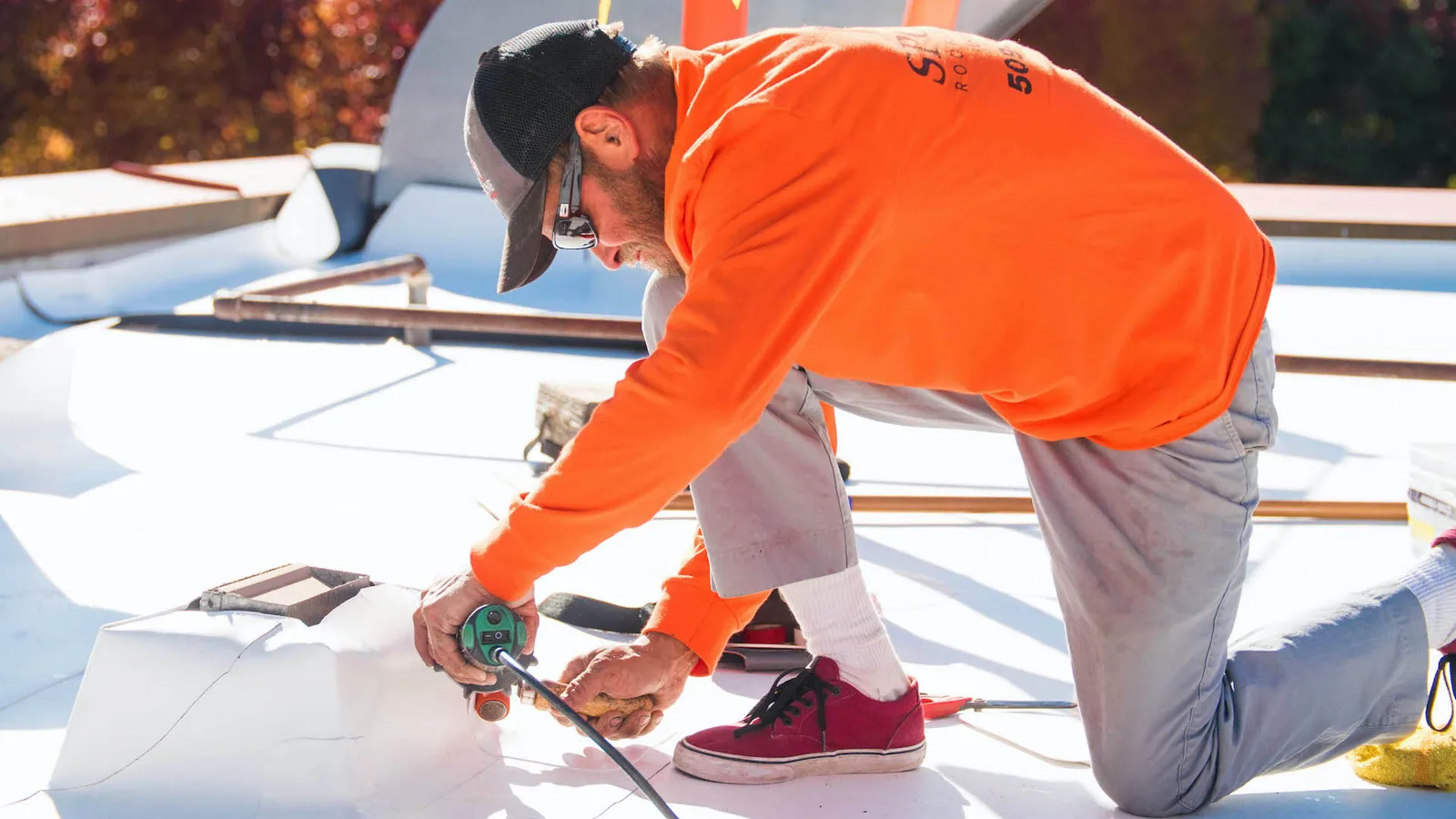
GAF Commercial Roofing Systems
Learn More
Versico Commercial Roofing
Learn More
TPO Roofing
Learn More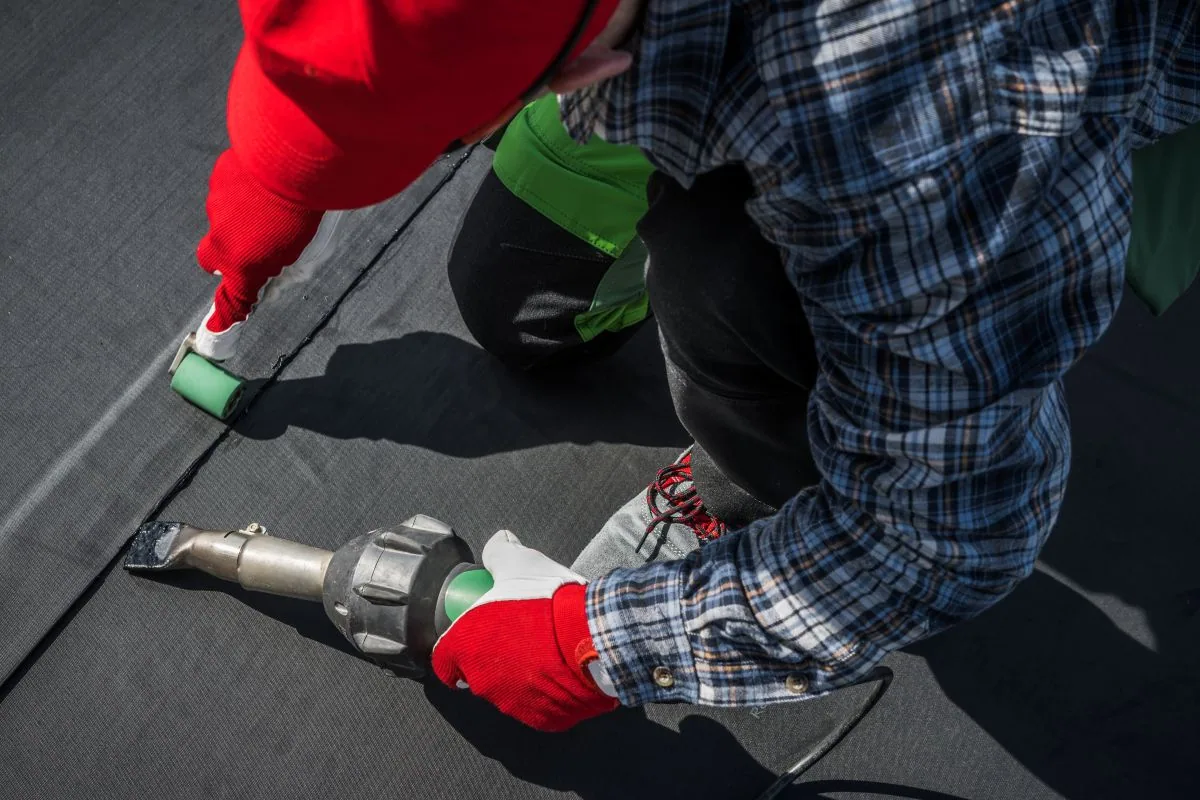
EPDM Roofing
Learn More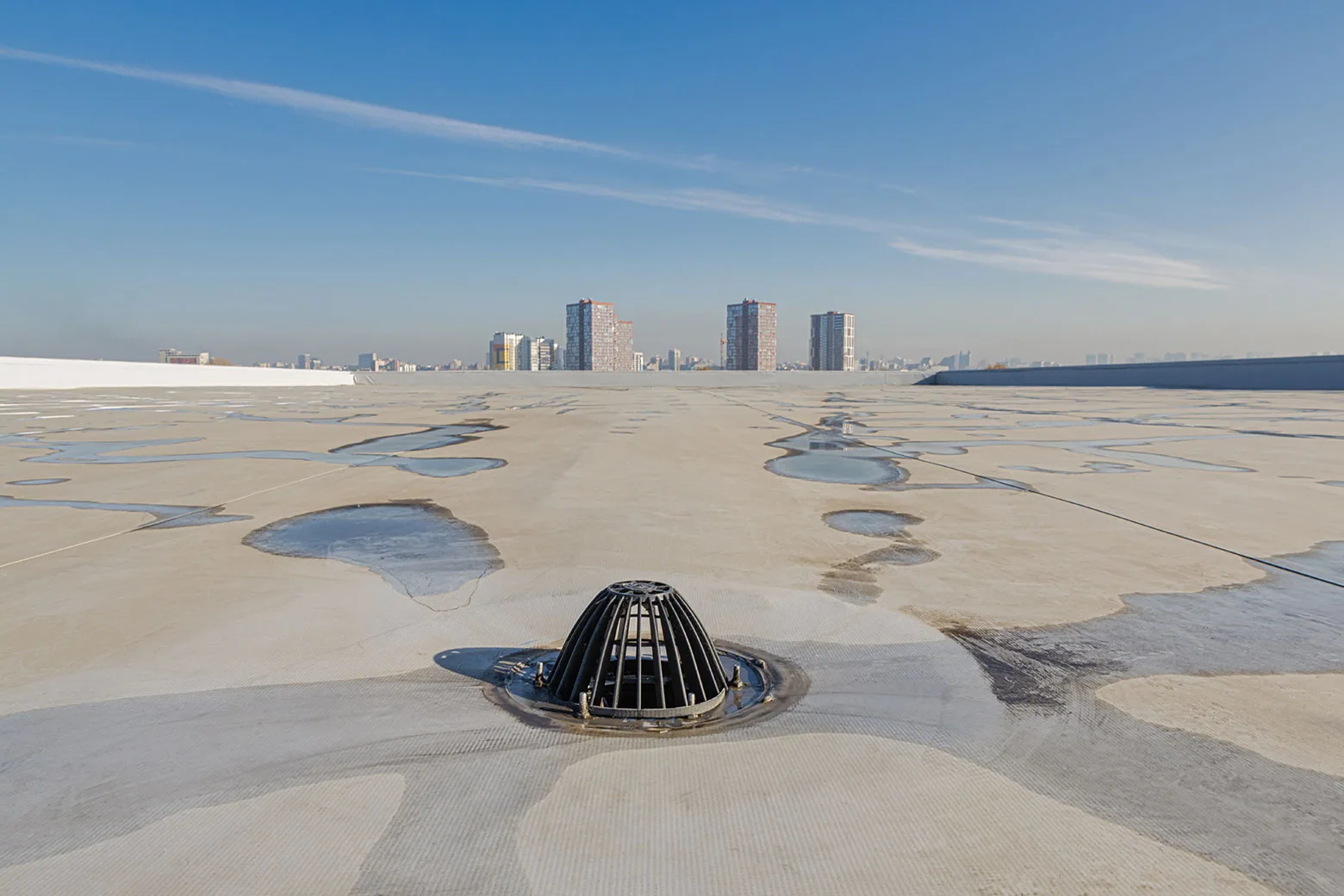
Commercial Roof Drains and Scuppers
Learn MoreReview Carlisle system options on site
Request a roof assessment in Gresham
Schedule a Gresham roof walk. We will identify the current assembly, inspect seams and transitions, and coordinate a repair or installation scope with facility operations. Tell us about the building, the roof and what you are seeing. Call 555-555-5555, email [email protected] or send the details through our contact page and we will set up a time to walk the roof.