Duro-Last Commercial Roofing in Gresham, OR
Review the roof before selecting a system
- Home
- Roofing Manufacturers
- Duro-Last Commercial Roofing
Duro-Last's commercial roof system centers on a PVC membrane with factory fabrication options for field sheets and accessories. The roof still needs careful field planning. We inspect deck transitions, drains, curbs, parapets, and equipment routes before deciding whether repair, recover, or replacement fits the building. Gresham's industrial areas include manufacturing, food processing, and distribution uses. At Gresham Vista Business Park, those operating demands make delivery windows and protected access part of the roof plan. Product selection starts with the actual assembly and the work area, not the brand name alone.
What does factory fabrication change on the roof?
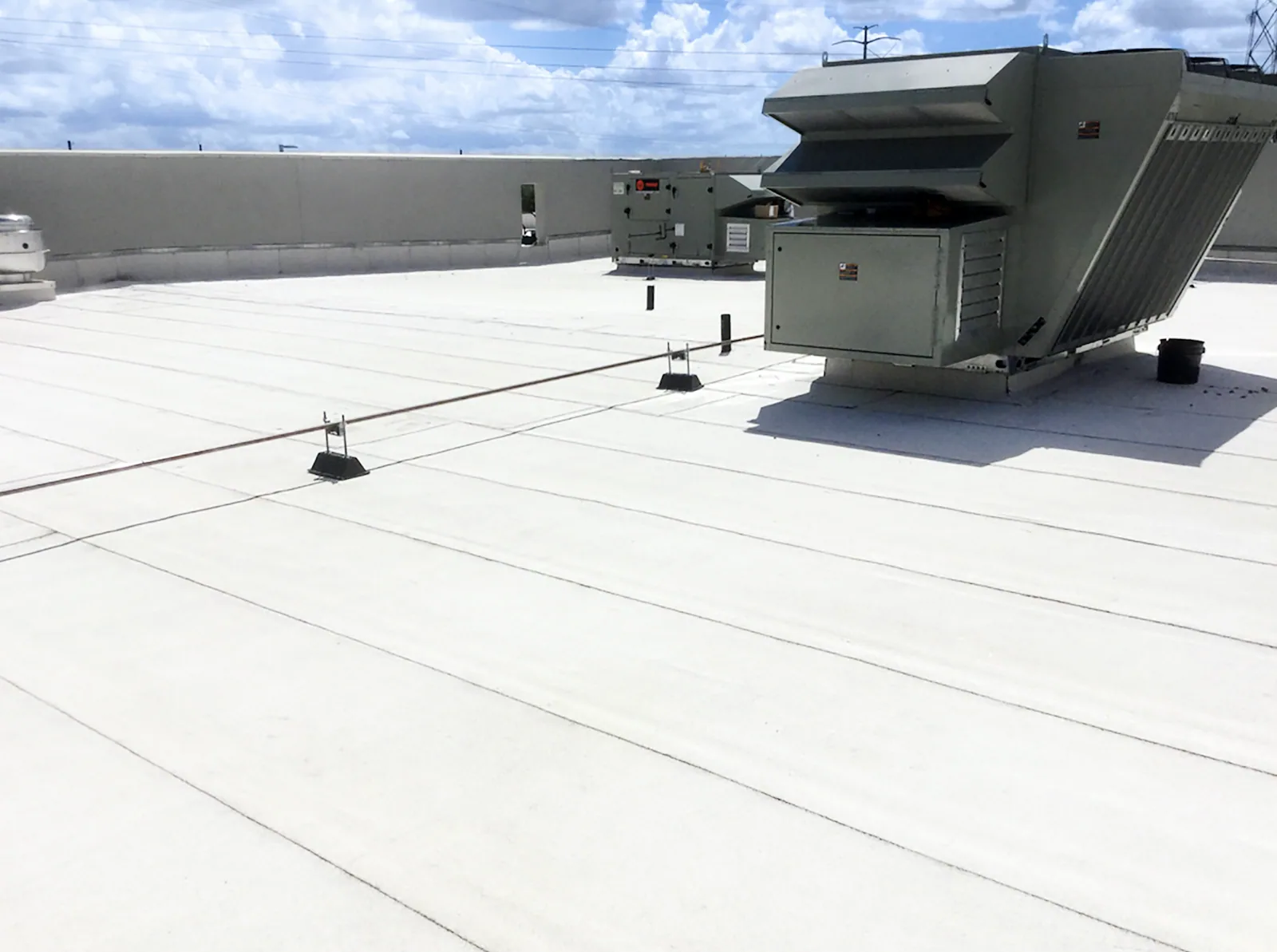
Duro-Last describes custom fabrication for its PVC roofing membrane. Roof-specific sheets and accessories can shift some seam work from the field to the factory. The manufacturer says certain custom assemblies can have up to 85 percent of seams factory-welded; that figure applies to eligible custom-fabricated assemblies, not every roof or every detail. Field seams, perimeter conditions, penetrations, and transitions still need installation and inspection.
We begin with measurements and a roof map. Each drain, curb, pipe group, expansion joint, and change in plane affects how a sheet will land. A measurement error can move a seam or leave a detail requiring field work. The submittal and approved layout should show sheet divisions, accessory locations, edge conditions, and the sequence for tying the new membrane into existing construction.
Factory work can reduce some field handling, but it does not remove the need for a sound substrate or a dry, protected work window. The building team should identify crane or lift access, delivery staging, roof access controls, and areas that cannot be blocked. We coordinate those points before material arrives. The final layout needs to reflect the surveyed roof, not a rough drawing that misses an addition or a late equipment change. For other single-ply approaches, compare GAF commercial membranes and Carlisle SynTec systems against the same roof conditions and access limits.
Which roof conditions need a closer look?
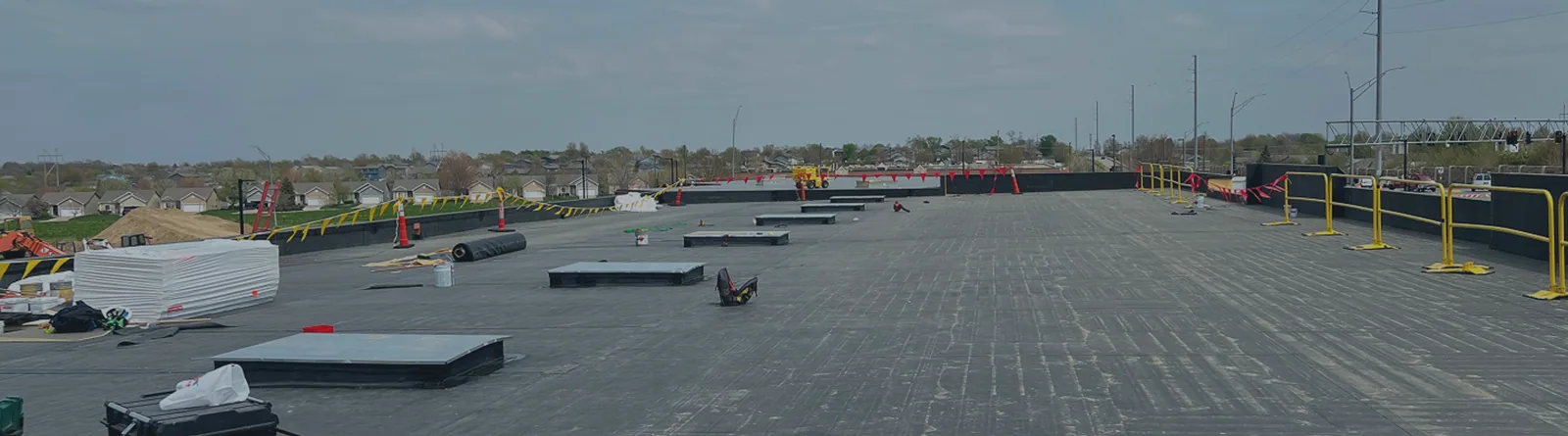
PVC sheet is only one layer in a roof assembly. We record the deck, vapor control, insulation, cover board, attachment, membrane, and flashing. A recover also needs a check for trapped moisture, weak attachment, incompatible materials, and added height at edges or equipment. If test cuts are needed, the owner approves their location and closure method before we open the roof.
Duro-Last's product information describes a PVC membrane and custom-fabricated accessories. The selected assembly still follows the project specification and current product data. We confirm whether the design calls for adhered or mechanically attached work, then check how that method meets the existing deck and insulation. The details at drain bowls and curb corners should identify compatible membrane and accessories. Where another material is present, we confirm an approved transition instead of assuming the products can be joined.
Wet-season planning matters in Gresham. Portland International Airport averages 157 measurable-rain days annually. We close one zone at a time, keep its drainage path open, and protect the completed section before moving to the next. A changing forecast can affect the sequence for exposed work and seam inspection.
Can an existing Duro-Last roof be repaired?
First identify the membrane and the condition around the opening. A puncture, loose edge, failed flashing, or damaged field seam may call for different preparation. We inspect the repair area, surrounding sheet, attachment, and drainage path. The repair detail must be compatible with the existing membrane and follow current product instructions.
A focused repair can make sense when the surrounding assembly remains serviceable. Repeated leaks across several zones, wet insulation, or widespread separation can point to a larger scope. We document each confirmed condition and separate immediate water entry from longer-term renewal decisions. The repair assessment names the area and method; a replacement review can compare removal, new insulation, drainage changes, and phased installation.
Field conditions can differ from an old closeout record. A past membrane repair covers its documented area; we inspect the surrounding assembly and check below a patch when the repair decision depends on concealed layers. If the membrane identity or attachment cannot be confirmed, we note the inspection needed before proposing a tie-in. That keeps a small patch from being treated as a system-wide fix and avoids specifying a new membrane connection without checking compatibility.
How do we plan work around operating hours?
Manufacturing and distribution roofs often sit above active loading, production, and service areas. We identify entrances, exhausts, equipment routes, and restricted work zones before setting the sequence. A lift location or material drop can affect deliveries below. The building contact should identify occupied hours, sensitive operations, and any next outage that changes roof access.
Southshore Corporate Park sits within the I-84 industrial area, where freight movement can affect delivery timing. We confirm each property’s traffic pattern and keep the work zone clear of active routes. If a roof section sits above a critical process, the plan can stage that area for a coordinated window rather than interrupting the entire roof program.
A Duro-Last custom layout also depends on measurements and delivery sequence. We verify that the receiving area can handle the shipment, that sheets can reach the roof safely, and that equipment will not be moved into a measured zone after fabrication. If a curb or unit changes before installation, the layout may need review. The superintendent and facility contact should agree on change control before the first sheet is set.
What should the closeout record show?
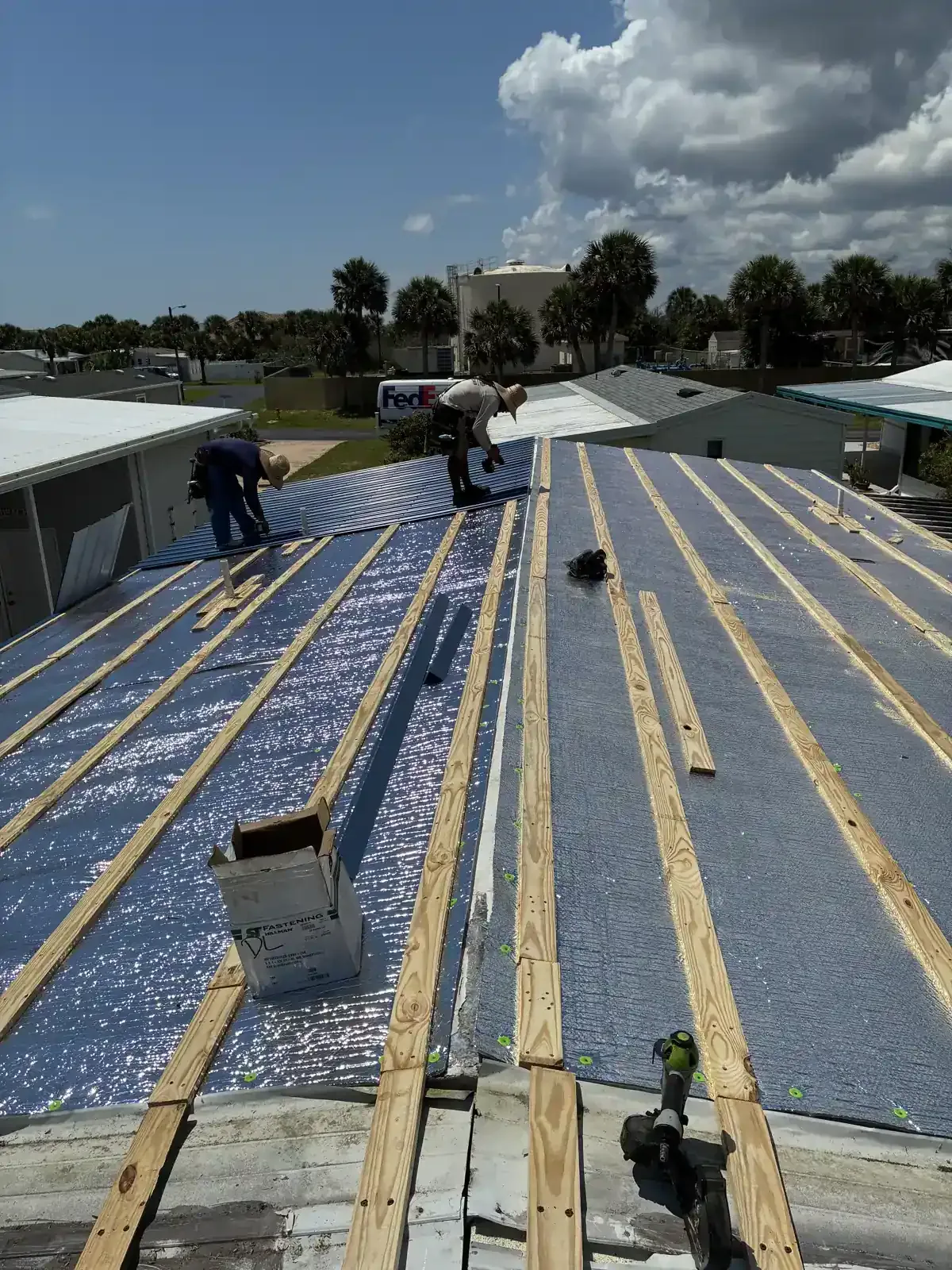
Keep the approved assembly, membrane and accessory product data, roof map, change approvals, inspection notes, and closeout photos together. Mark field changes on the map. Record which areas were removed, which layers remained, and where drains, curbs, and expansion joints received new details. That record helps the next maintenance visit begin with the installed condition instead of an assumption.
Commercial properties around Downtown Gresham and the Civic Neighborhood have different access patterns from a large industrial site. The same record discipline still helps the owner coordinate service calls and capital planning. Our roof condition report can document repair locations and visible conditions by roof zone. A maintenance visit can then review drains, seams, perimeter details, and penetrations on a planned schedule.
Separate manufacturer documents from the contractor's field record. Product data identifies how a material should be used; the field report shows what was observed or installed at this building. Keep warranty documents, maintenance records, and any owner approvals with the project file. If a future leak appears near a transition, those records make it easier to locate the area, identify the membrane, and decide what inspection should happen next.
Duro-Last Commercial Roofing FAQs
-
Is Duro-Last a PVC roof system?
Yes. Duro-Last identifies its flagship membrane as PVC. The selected assembly and accessories still need to match the roof, specification, and manufacturer instructions.
-
Are all Duro-Last seams completed at the factory?
No. Factory fabrication can reduce field seams on eligible custom assemblies, but perimeter work, transitions, penetrations, and other details may still need field installation and inspection.
-
Can Duro-Last be installed over my existing roof?
That depends on the existing layers, moisture, attachment, height, and product approval. We inspect the assembly and document what can remain before recommending a recover.
-
How do you confirm a repair is compatible?
We identify the existing membrane, inspect the area around the defect, and check current product instructions before preparing a repair detail or tie-in.
-
What could delay a custom-fabricated roof project?
Incomplete measurements, late equipment changes, access constraints, wet substrate, or weather can affect layout and sequence. We review those conditions before material release and keep the building contact informed about changes.
Related Roofing Work
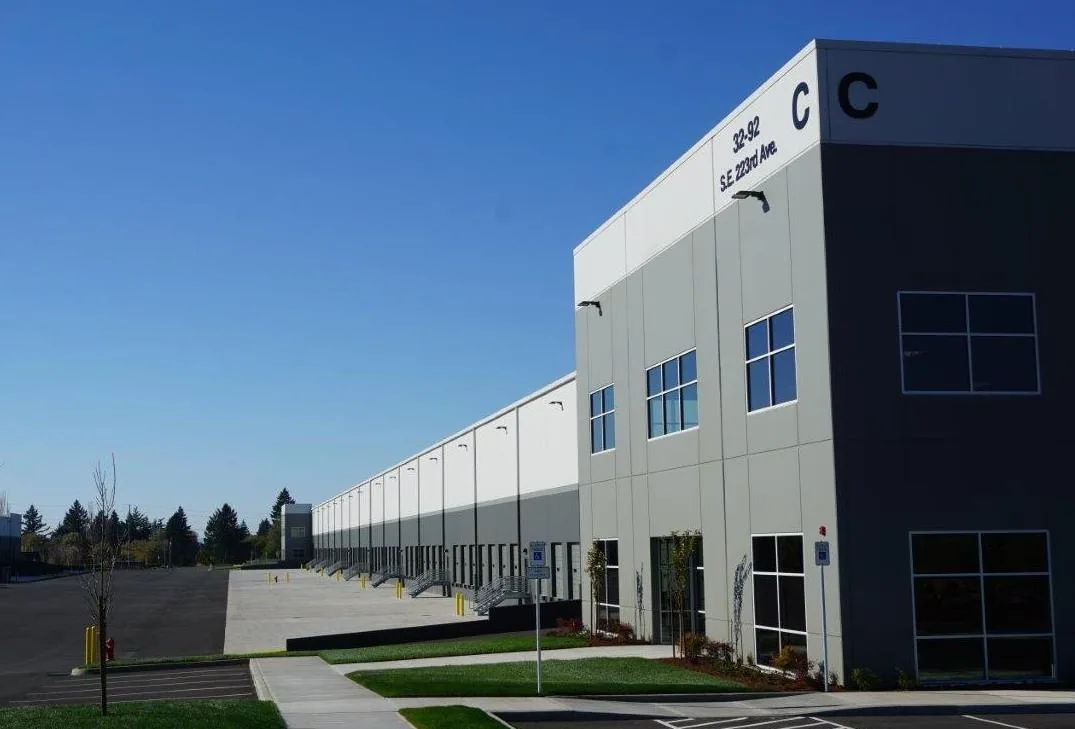
Gresham Vista Business Park
Learn More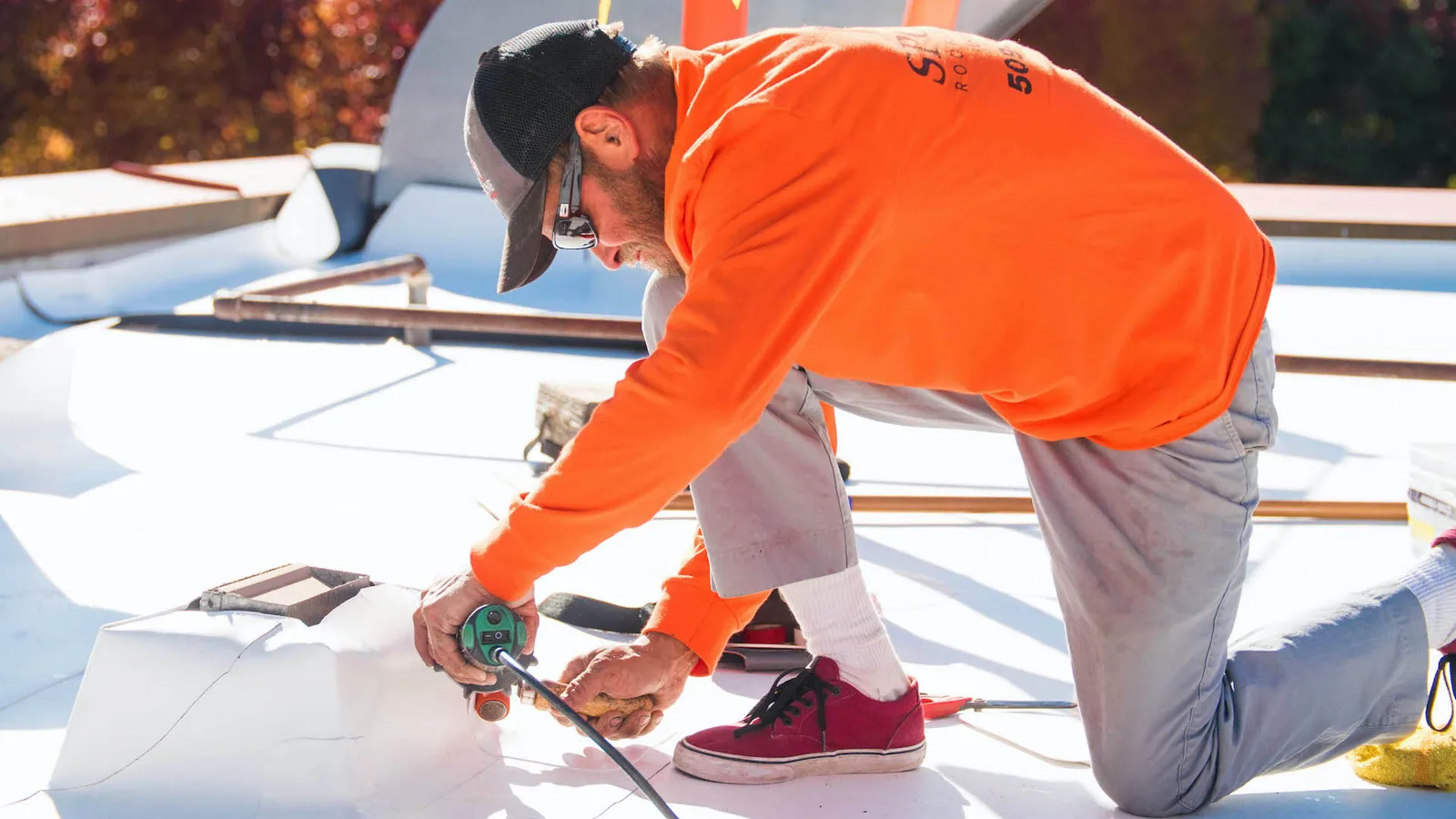
GAF Commercial Roofing Systems
Learn More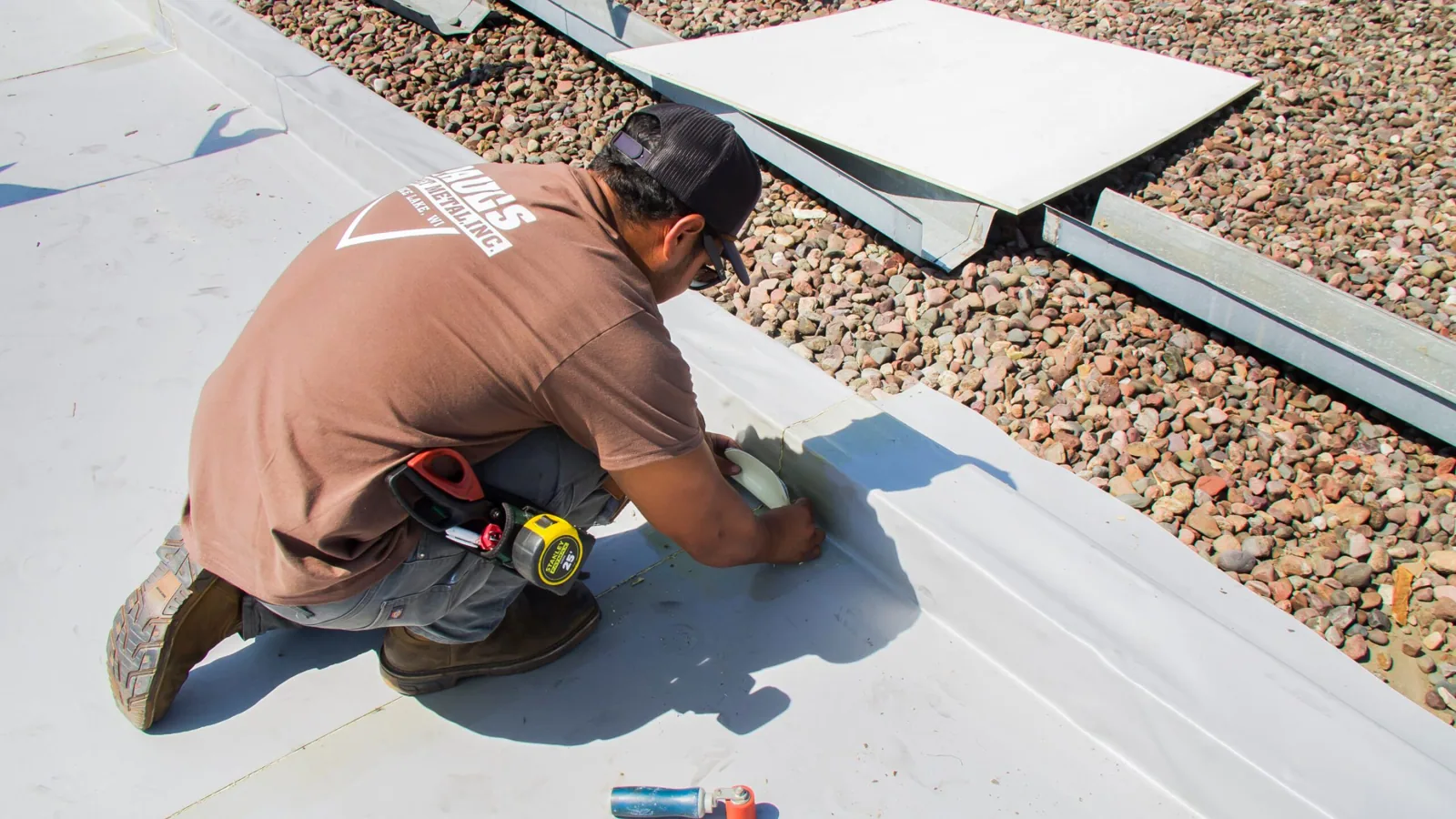
Carlisle SynTec Commercial Roofing
Learn More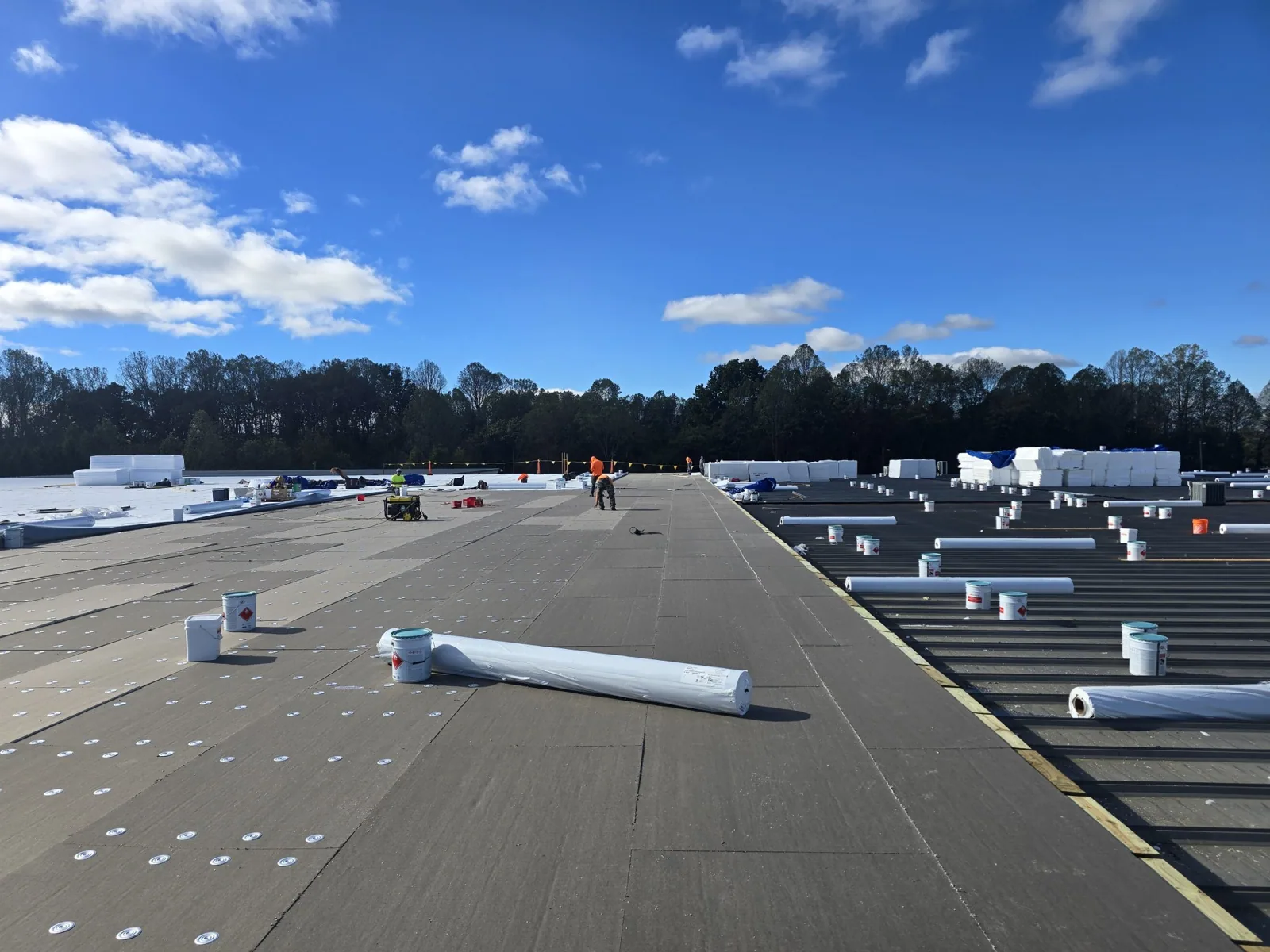
Commercial Roof Repair
Learn More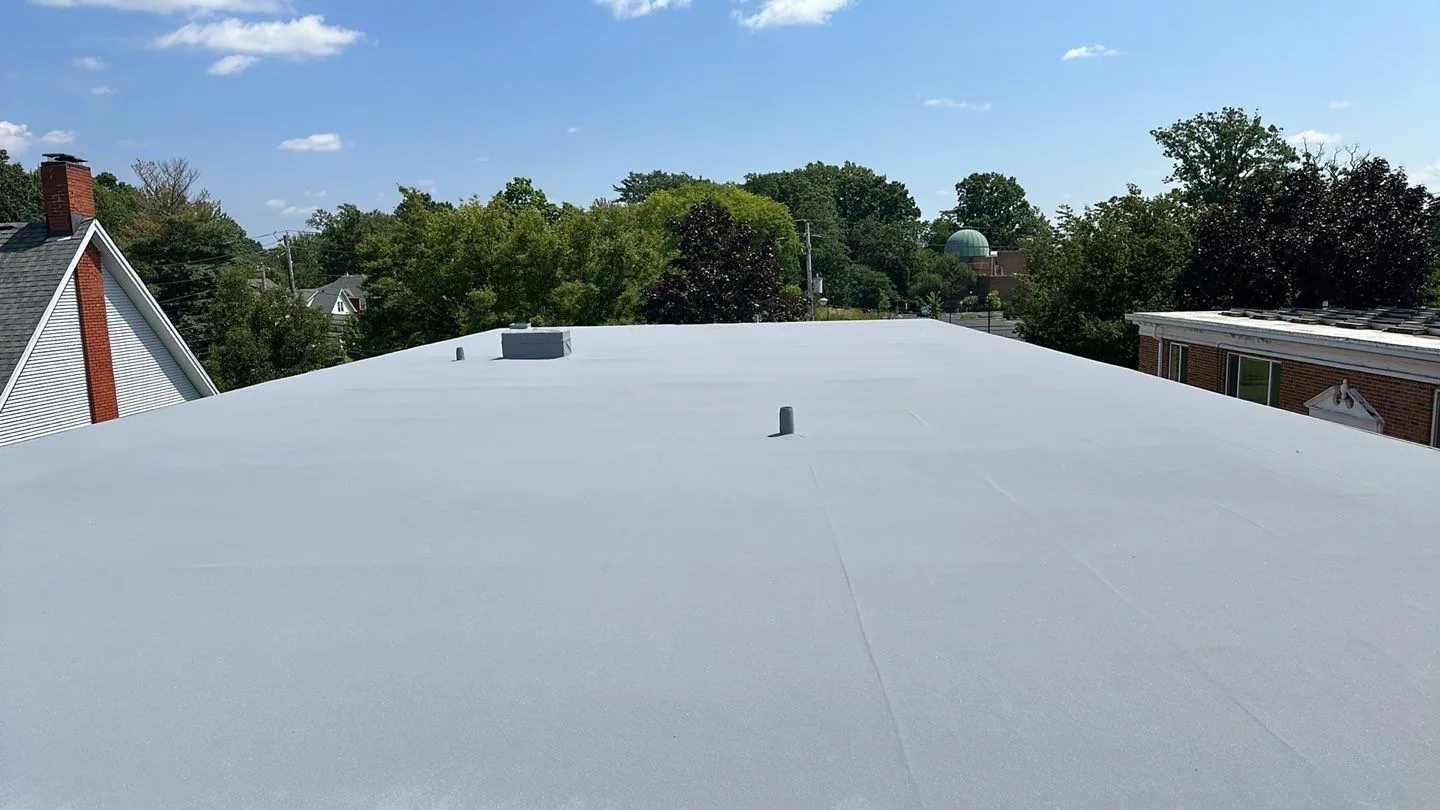
Commercial Roof Replacement
Learn More
Commercial Roof Condition Reports
Learn MoreReview the roof before selecting a system
Request a roof assessment in Gresham
Schedule a Gresham roof walk. We will map the existing layers, check drains and transitions, and coordinate measurements and access before planning Duro-Last repair or replacement work. Tell us about the building, the roof and what you are seeing. Call 555-555-5555, email [email protected] or send the details through our contact page and we will set up a time to walk the roof.