
Commercial Roofing for Retail and Restaurant Chains in Gresham, OR
Coordinate chain roof inspections
- Home
- Industries We Serve
- Retail and Restaurant Chains
A chain needs consistent roof records across locations, but each store has its own roof, landlord, access, and operating hours. A repair plan should tell local staff what is affected while giving regional facilities a clear record of the work. We inspect by building and roof zone, then coordinate site details with the person who can authorize access. Gresham retailers serve customers in many parts of town, including Downtown and Civic Neighborhood and Rockwood. A roof inspection gives the chain a consistent starting record for each location.
How do chain standards fit local store operations?
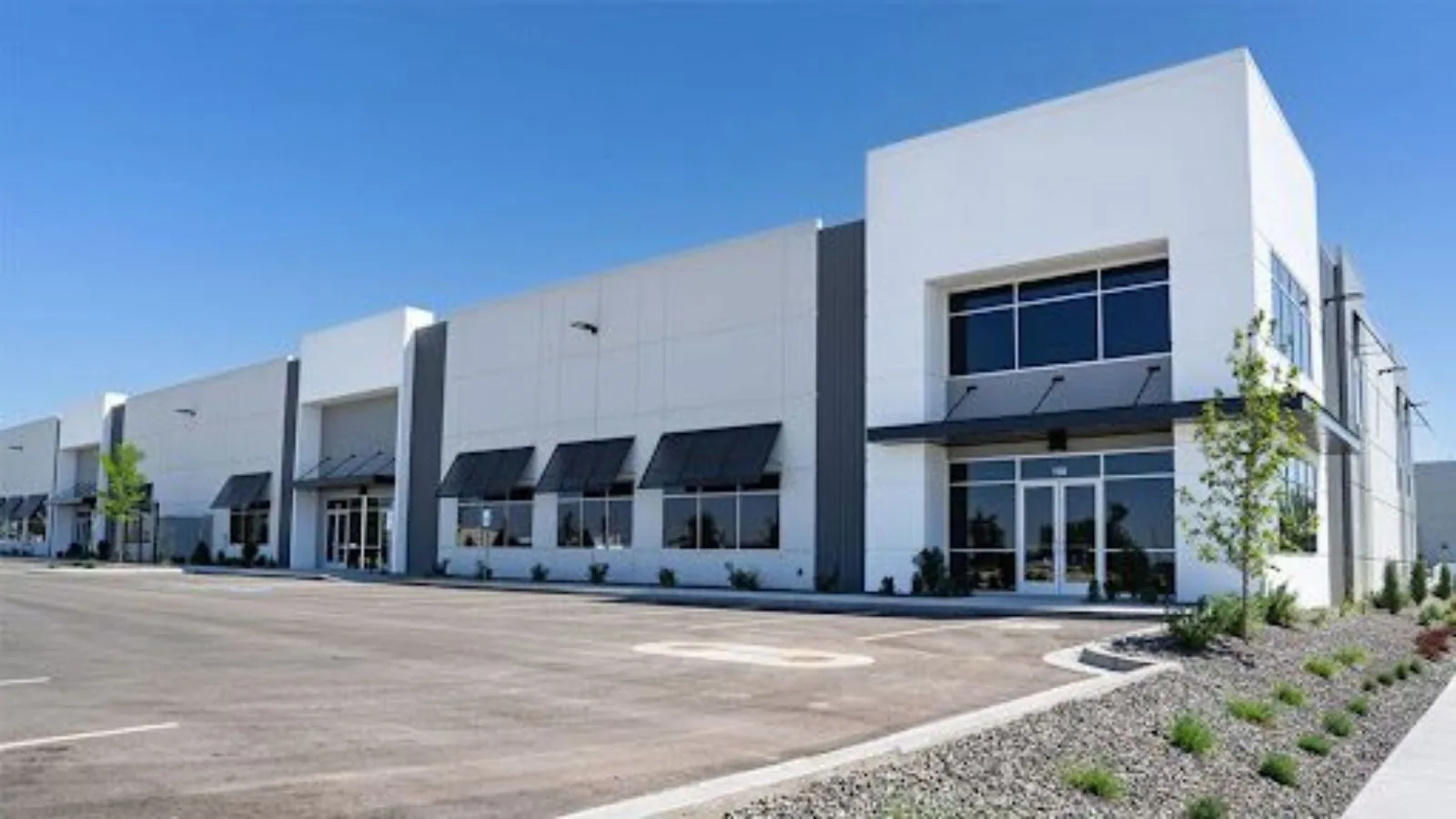
Regional facilities may set approved vendors, repair documentation, and brand requirements. The local manager knows opening hours, deliveries, kitchen schedules, customer routes, and who has the key to roof access. We coordinate both contacts before setting a work window. If the store is leased, the property owner or manager may also control roof access and common areas.
Restaurant sites have exhausts, make-up air, and refrigeration lines; retail stores may have signs, skylights, and rooftop units. Each curb and penetration needs inspection where it meets the membrane. We identify the contractor responsible for equipment before changing a flashing. A hospitality facilities program addresses guest operations, while chain planning here focuses on repeatable records across separate stores.
Why can the same roof complaint look different by store?
A leak reported near a checkout, dining room, or stock area may come from a distant roof detail. Water can move along a deck or conduit before it appears indoors. We compare the room, time, weather, and recent service work with seams, drains, curbs, and transitions. A shared brand does not mean the stores use the same roof assembly or repair material.
Equipment contractors may visit sites on different days and leave openings, fasteners, or damaged walk pads. The store log should identify which vendor worked on the roof and when. We inspect the touched area and nearby drainage before recommending a repair. A drainage review can identify debris, blocked outlets, or failed flashing that needs a separate work order.
Gresham’s wetter season runs from fall through spring. Chains can use that period to check active leak reports and confirm each location has a temporary protection contact and a route for escalation.
What belongs in a chain roof record?
Record store identifier, roof zone, system where known, leak evidence, equipment details, drains, edge conditions, repair history, and photos. The report should separate an active leak from routine maintenance or a future capital item. A regional facilities manager can compare the records without assuming the findings match across locations.
When moisture may be hidden under the membrane, a survey or test opening may help define the extent. We state what the roof walk confirms and what additional access would answer. The chain or owner decides whether to authorize the test. Keep each location’s closeout, approvals, and follow-up with its work order so a later service call starts with useful context.
Gresham’s commercial centers connect through corridors, but a store can be in a standalone building, a shopping center, or another property type. A property manager roof file can help when the landlord controls access or common drainage.
How should a chain compare repair needs across stores?
Prioritize active water entry and conditions that can affect merchandise, food areas, equipment, or customer access. Then review repeat calls, moisture extent, and the roof assembly. A local flashing repair may be appropriate if nearby material remains sound. Repeated problems across roof zones can justify a larger repair or replacement study. Each location needs a documented boundary so a regional budget does not blur a store-specific condition.
A recover or coating is considered only when the assembly can accept it. The inspection checks moisture, drainage, edges, and system compatibility. A replacement sequence can group stores by operating window while defining each building’s included work. The chain can also require a common closeout format with photos, dates, and open follow-ups.
For food-service locations, a restaurant roof review gives added attention to exhaust and kitchen access. A retail-only site may need a different entrance, sign, or customer-flow plan. The scope should reflect that location’s actual use.
How can a chain keep stores open during roof work?
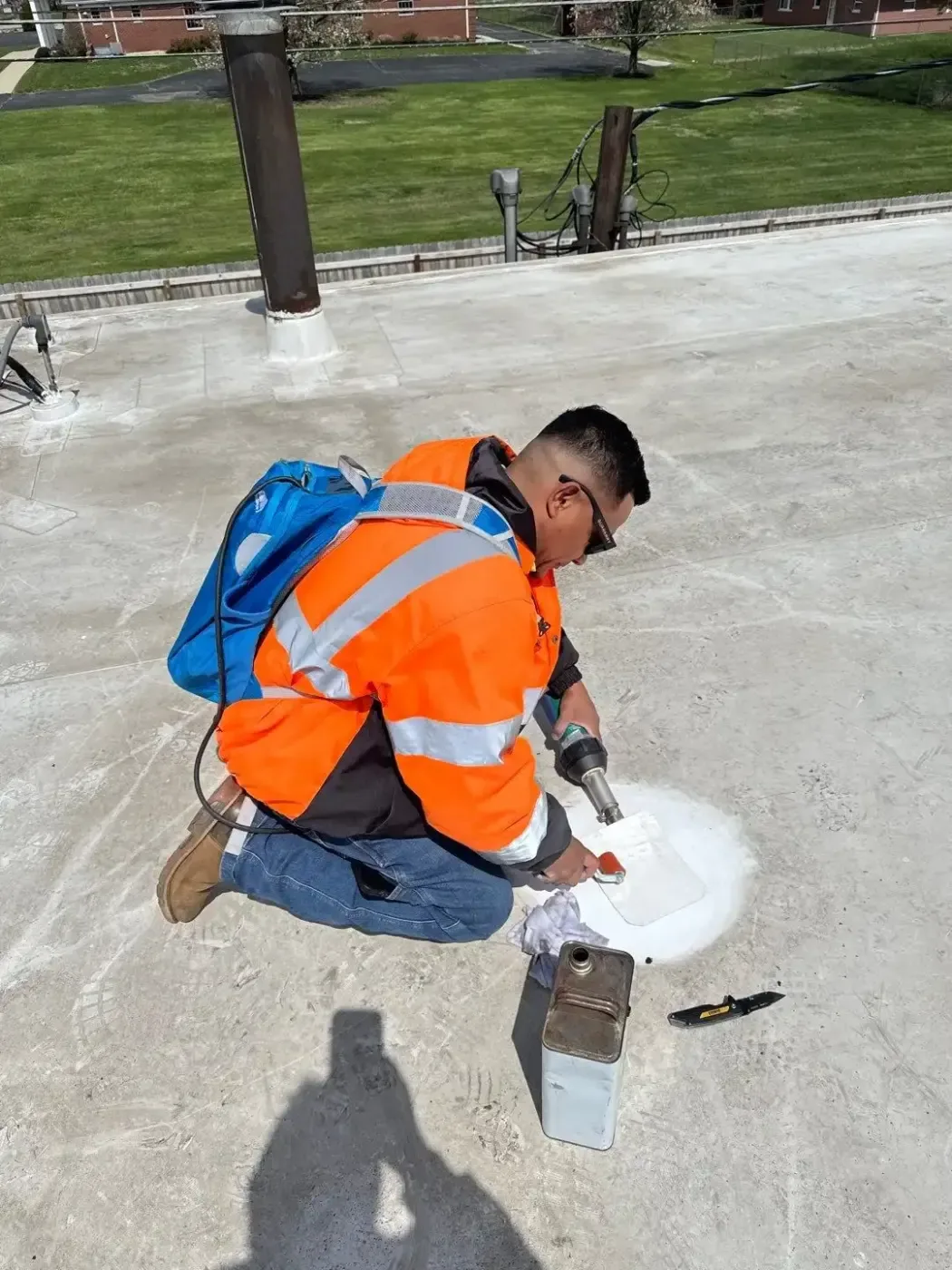
The local manager and regional contact confirm store hours, deliveries, roof keys, staging, lift position, affected entrance, and who can approve a change. The site team communicates customer or employee restrictions. The roofing crew marks the work zone and keeps tools and material out of public routes.
We open only a roof section that can be protected and closed before the crew leaves. When tear-off uncovers a larger defect, the crew covers the opening and contacts the designated facilities approver before changing the work order. At completion, drains are checked, debris is removed, and a closeout is sent to both local and regional contacts. That gives the chain one record of what changed at the store.
If a delivery or service call changes access, the local manager can adjust the approved route with the property contact. The contractor does not reroute customers or loading traffic without approval.
What should a repeatable chain maintenance plan include?
Use common inspection fields across stores: date, building, roof zone, system, issue, photos, repair, and follow-up. Schedule checks based on roof condition and operating constraints. Review seams, drains, edges, penetrations, equipment supports, and details touched by outside vendors. After a sign or HVAC installation, confirm the flashing and membrane were restored.
Gresham’s central commercial areas provide location context, while the site’s own roof record determines its maintenance needs. A preventive maintenance visit can flag repairs to schedule before wet weather and make it easier for regional staff to compare repeat problems. Keep the property owner and store contact on the closeout when either controls a future action. Regional facilities can assign a person to review recurring calls, confirm which vendor touched the roof, and request a follow-up when a temporary repair remains. That review should preserve the local manager’s knowledge of store hours and property access. Record the agreed follow-up date with the store work order for the next inspection.
What should regional facilities send?
Provide the store list, roof plans if available, leak calls, equipment service dates, local operating hours, landlord contacts, and brand or access requirements. Identify who can approve a repair at each property. We will inspect the roof, report observed conditions, and define the work boundary. Schedule a multi-site review so regional and local teams can agree on records and escalation.
A chain portfolio also needs a consistent review threshold. Regional staff can compare observed leak paths, repair age, recurring calls, and test results, while each store manager confirms operating hours and access rules. We keep the reporting format consistent but leave material selection, measured quantity, and repair boundary specific to each roof. This lets a reviewer prioritize follow-up without turning one store's history into an assumption about another.
Retail and Restaurant Chains FAQs
-
Can you follow our chain’s repair documentation standards?
Share the required fields, photo format, approval path, and store identifier before the visit. We can organize the roof findings and closeout around the chain’s process.
-
Can stores stay open while roof work is happening?
Often, with a planned work zone, customer route, delivery schedule, and daily roof closure. Local staff and the property owner approve any temporary restrictions.
-
How should we handle stores in leased buildings?
Confirm whether the landlord controls roof access, repairs, or common drainage. We can document the roof condition and share the proposed boundary with the authorized party.
-
Can one roof scope be reused across locations?
A standard scope format can be reused, but the roof area, assembly, defects, and access assumptions should be verified at each store.
-
What should a store report after a leak?
Record the store, room, time, weather, and recent equipment work. Protect the interior under store procedures and send the report through the chain’s facilities contact.
Related Roofing Work
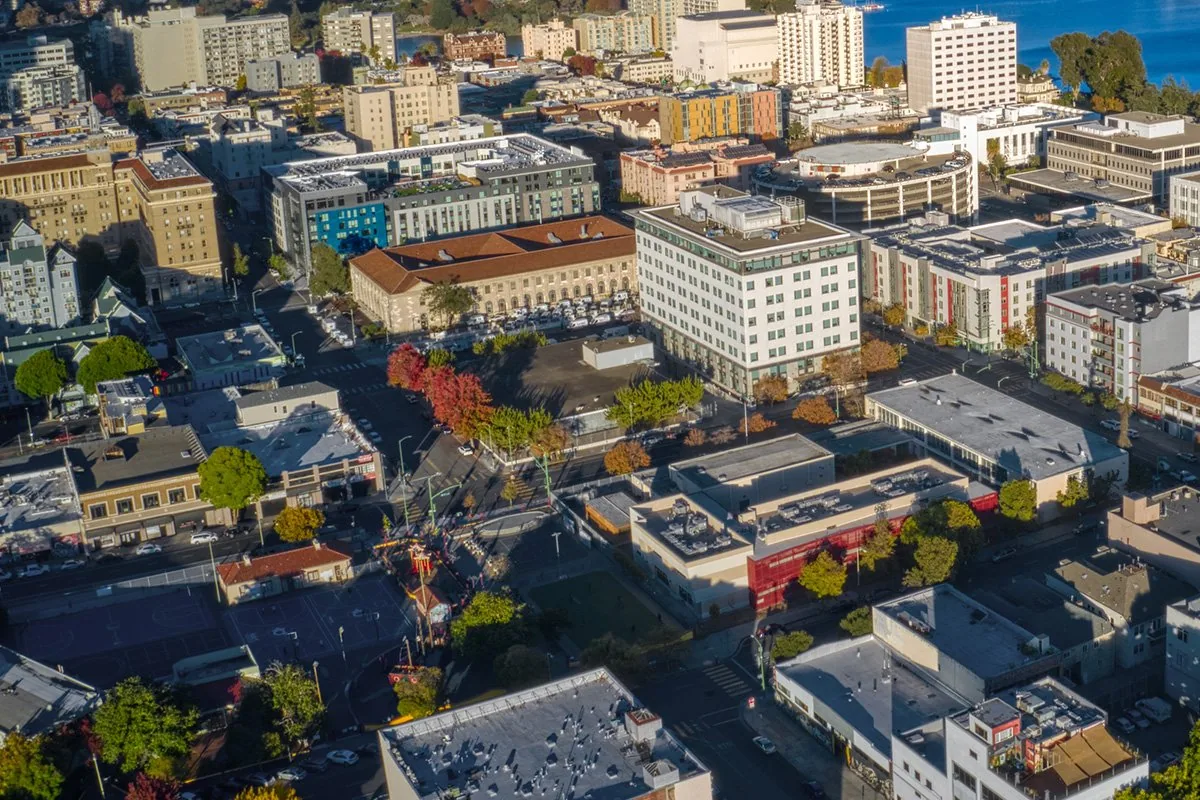
Downtown and Civic Neighborhood
Learn More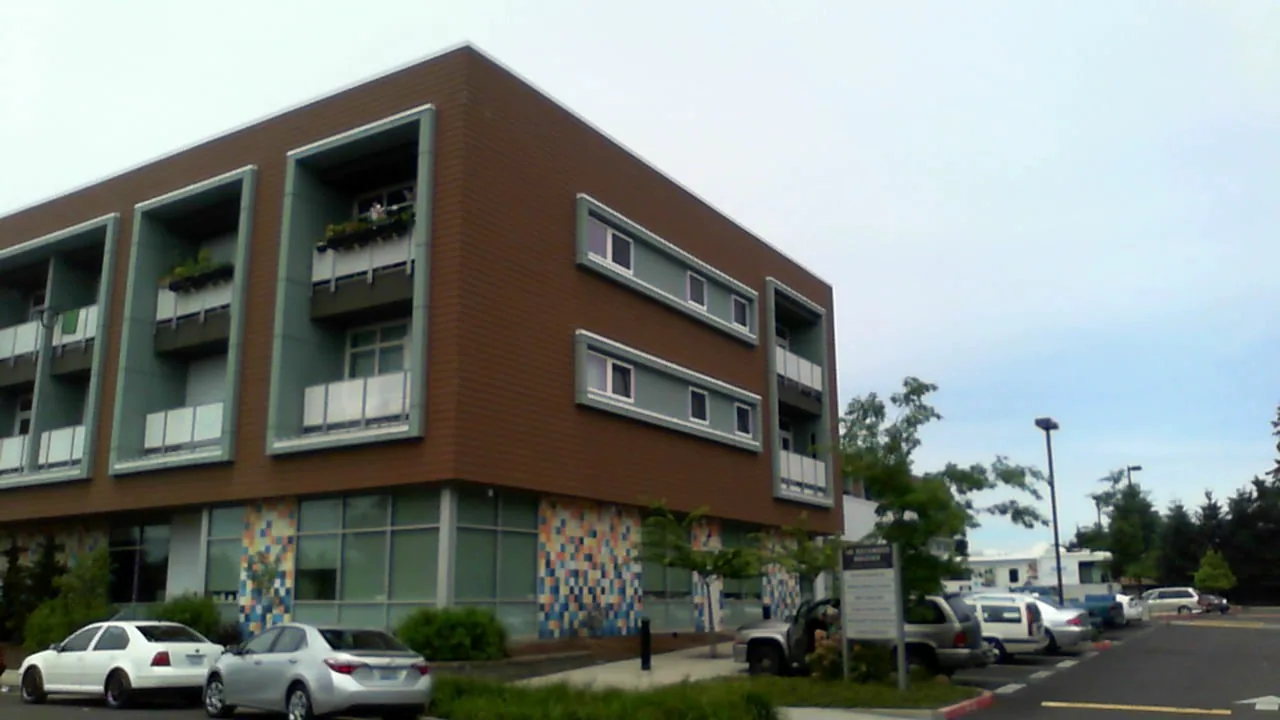
Rockwood
Learn More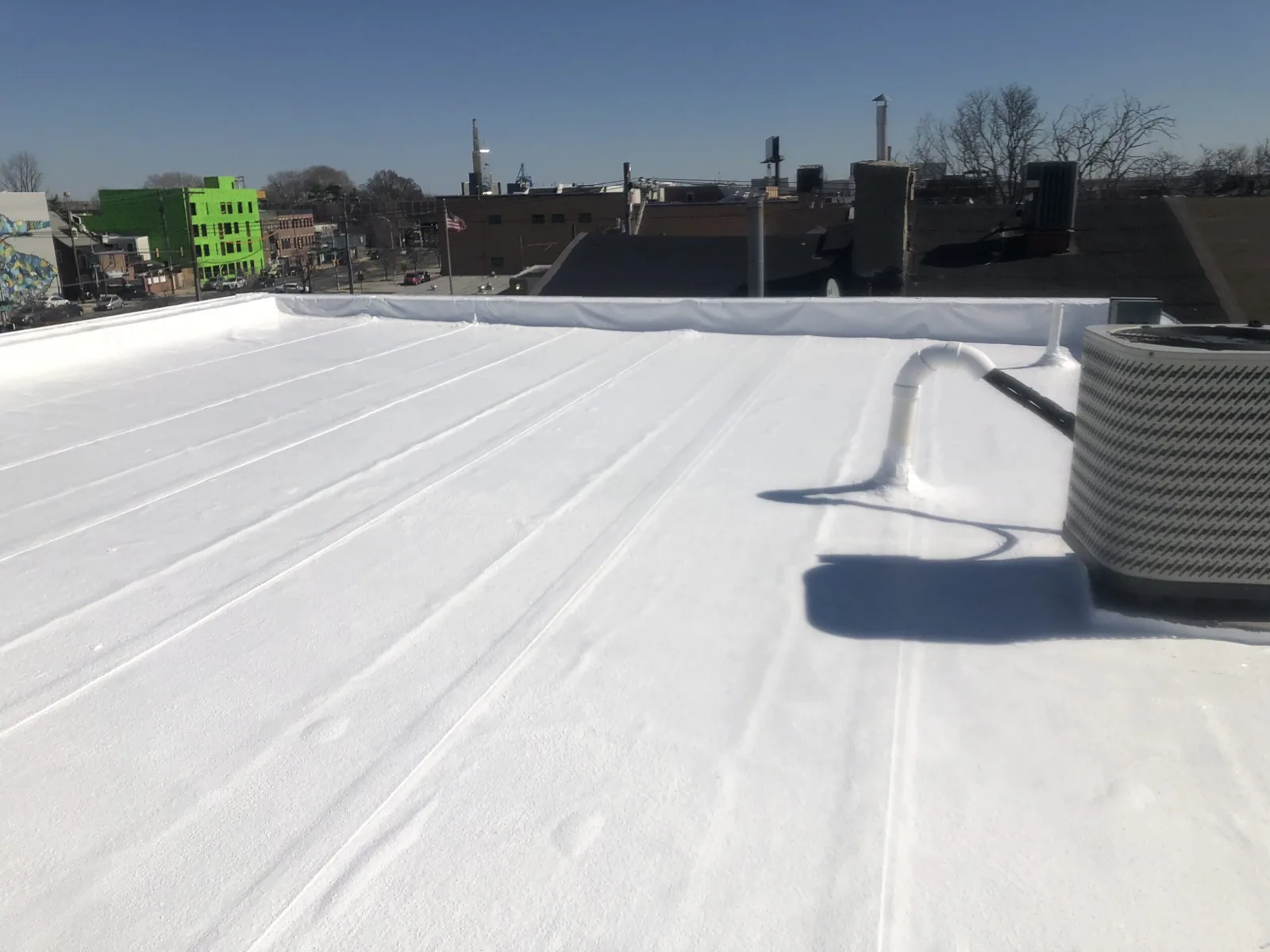
Commercial Roof Inspection
Learn More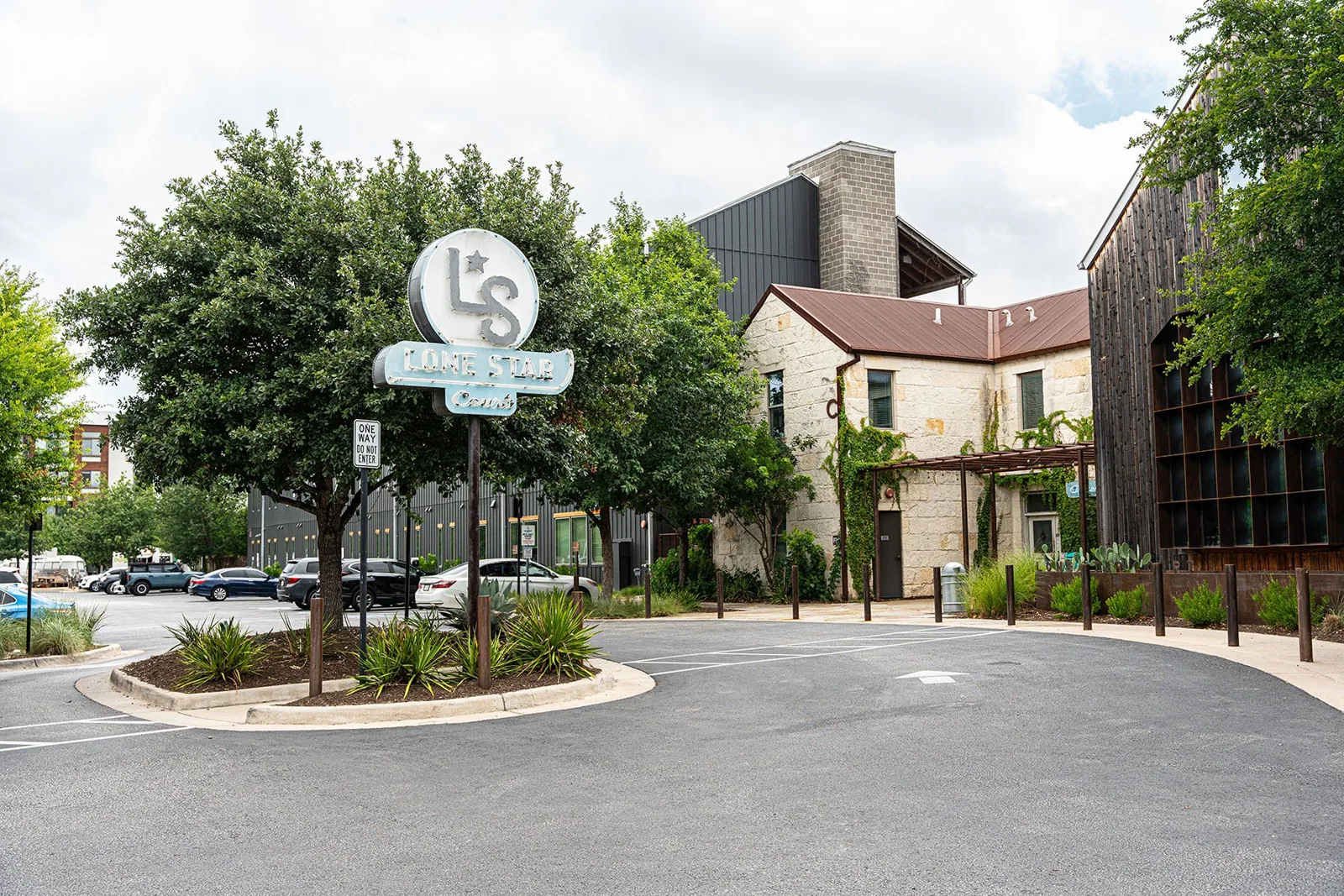
Hospitality Groups
Learn More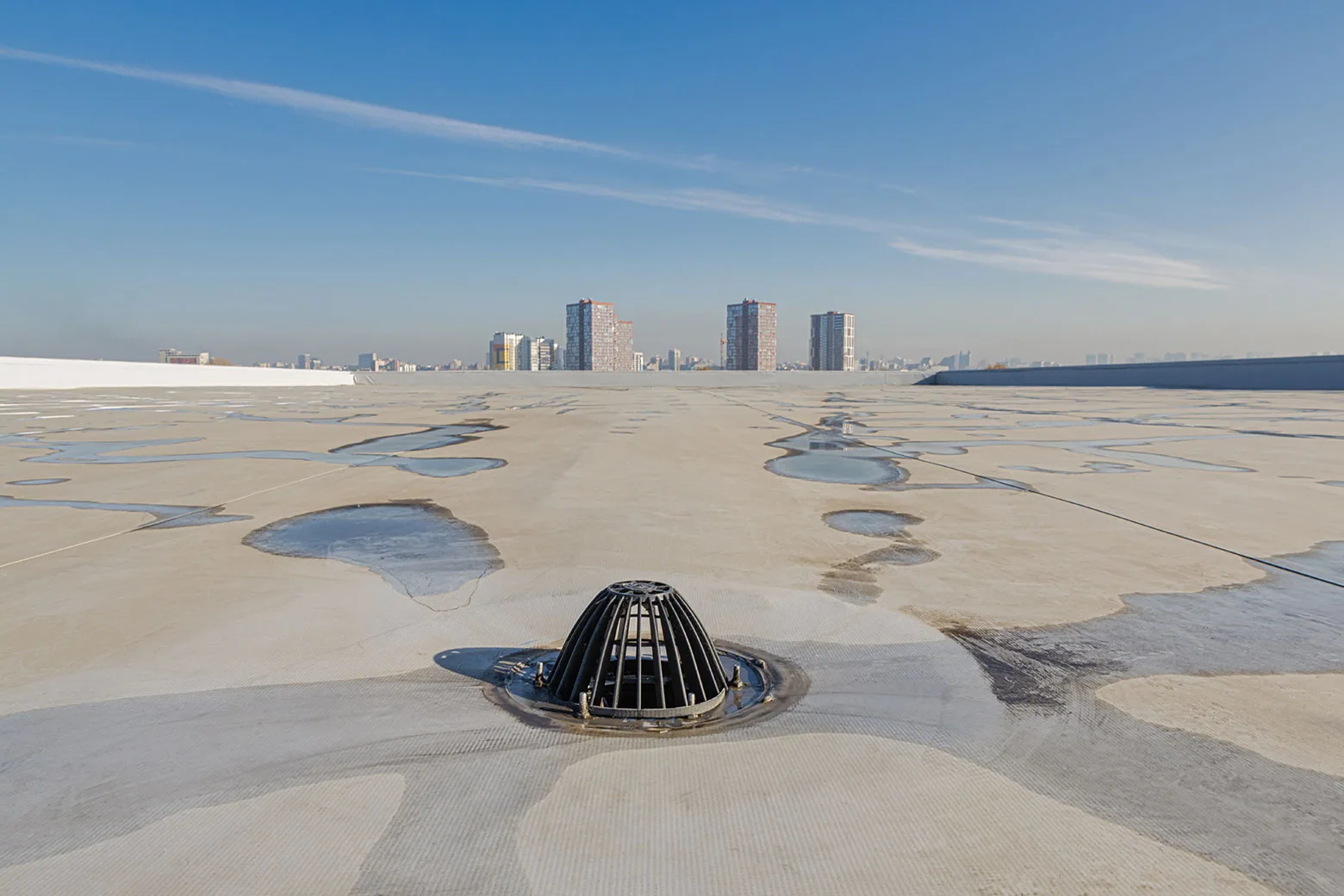
Commercial Roof Drains and Scuppers
Learn More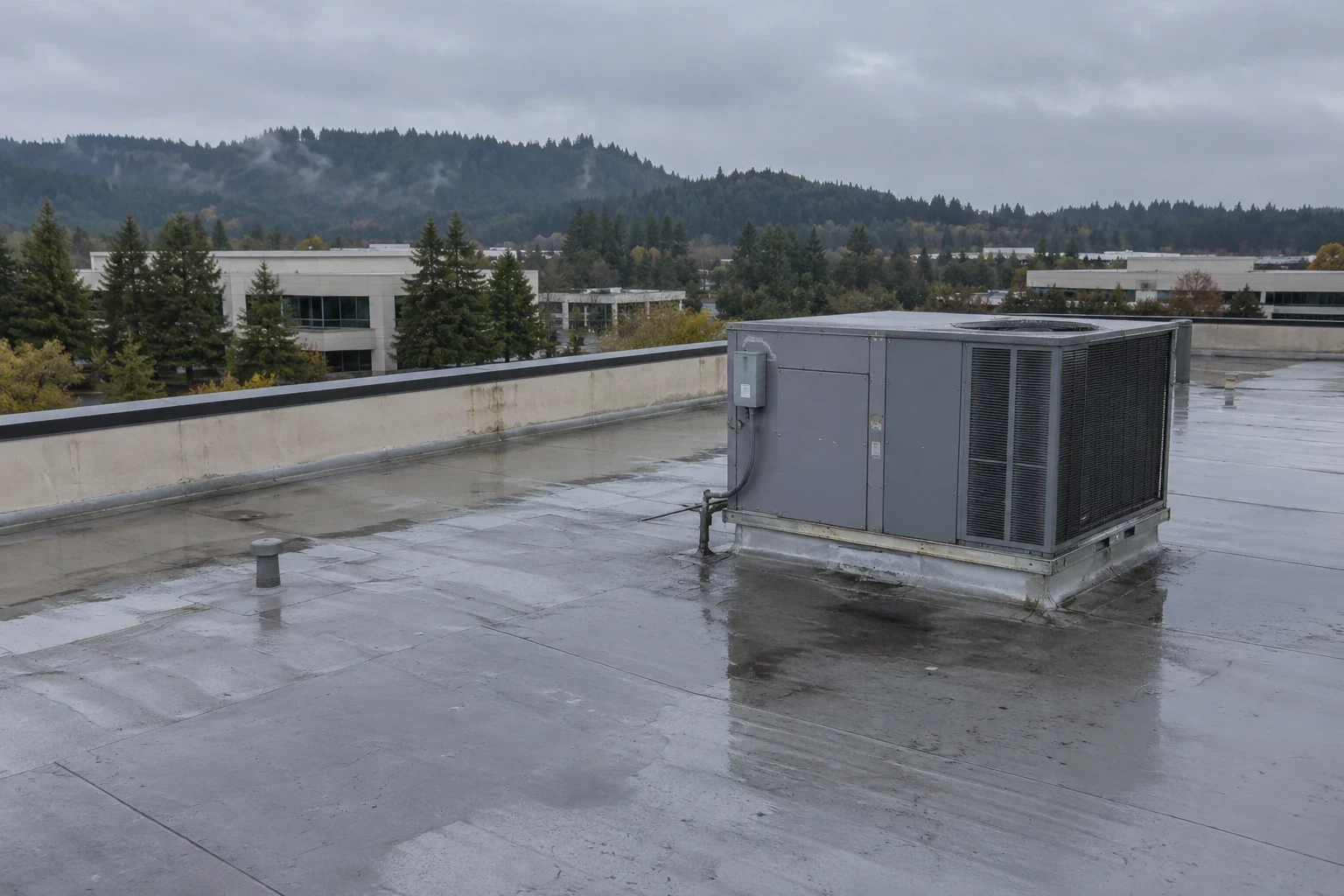
Property Management Companies
Learn MoreCoordinate chain roof inspections
Request a roof assessment in Gresham
We will work with regional and local contacts, document each store’s roof condition, and prepare repairs around its operating schedule. Tell us about the building, the roof and what you are seeing. Call 555-555-5555, email [email protected] or send the details through our contact page and we will set up a time to walk the roof.