
Commercial Roof Puncture Repair in Gresham, OR
Document and repair a roof puncture
- Home
- Roof Damage Repair
- Commercial Roof Puncture Repair
A small puncture can admit water through a large roof assembly. The opening may come from a dropped tool, sharp debris, maintenance traffic, or equipment work, then become difficult to see once it is wet or covered. We locate the damage, inspect the membrane around it, and check whether water reached the insulation below. In Gresham Vista Business Park, manufacturing, logistics, and service operations share a broader industrial setting. The park’s industrial and commercial mix makes rooftop routes and equipment work common planning factors, though every building has its own assembly and access plan.
How can you find a puncture in a large roof?
Start with the reported interior location, date, and work that occurred above it. We inspect the corresponding roof zone and nearby paths used by HVAC, electrical, solar, or maintenance crews. A puncture may appear as a cut, hole, crushed spot, exposed reinforcement, or an indentation that has broken the top layer. The report marks each visible opening and identifies whether it is active, previously patched, or uncertain.
A roof inspection should look beyond a single pinpoint if foot traffic is repeated. Flexible membrane can be abraded along a path, while insulation may be compressed below it. We check nearby seams, curbs, drains, and patches because water can enter at one point and appear elsewhere. A roof inspection records the wider area so the owner can see whether the event was isolated or part of a recurring access problem.
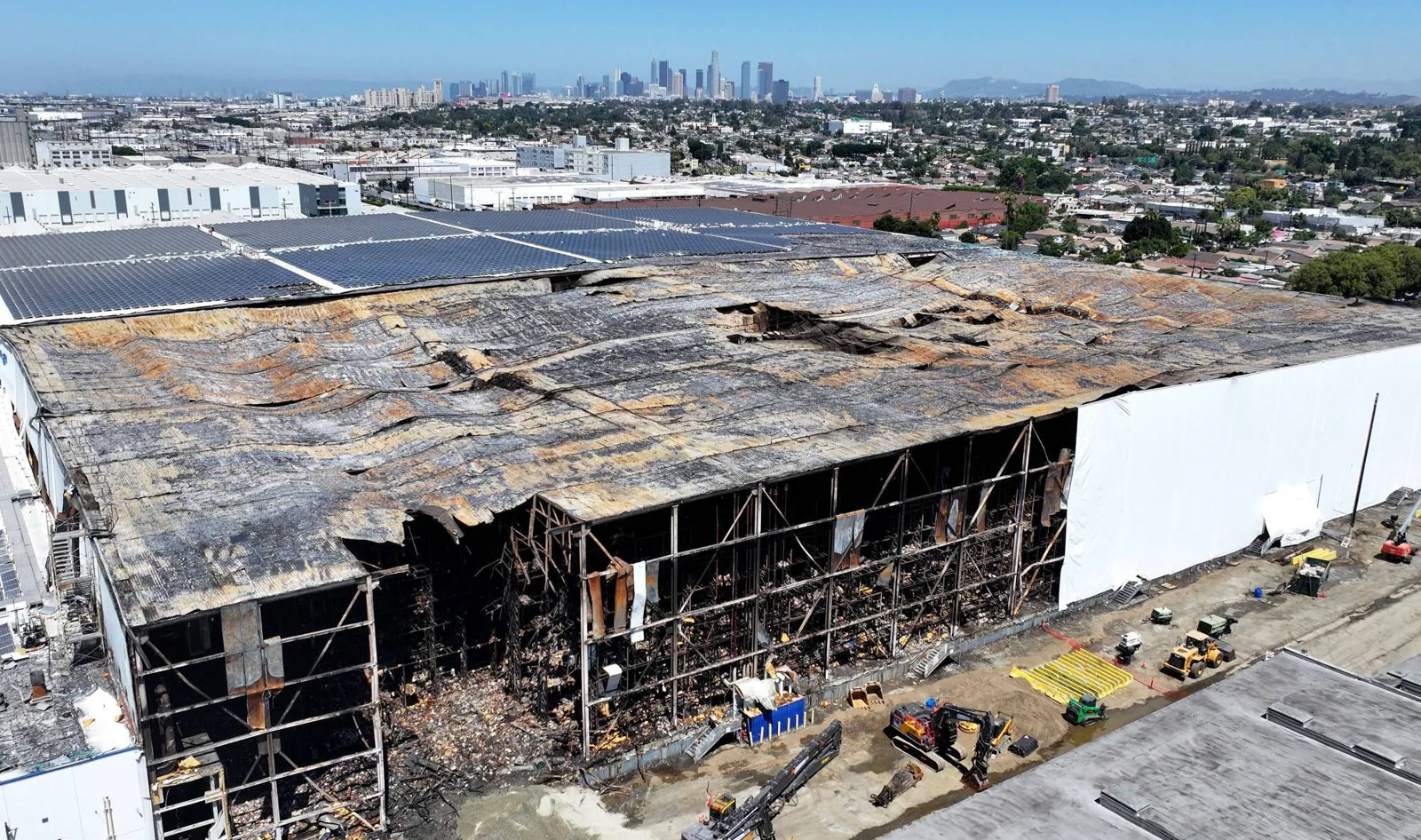
What can happen below a small opening?
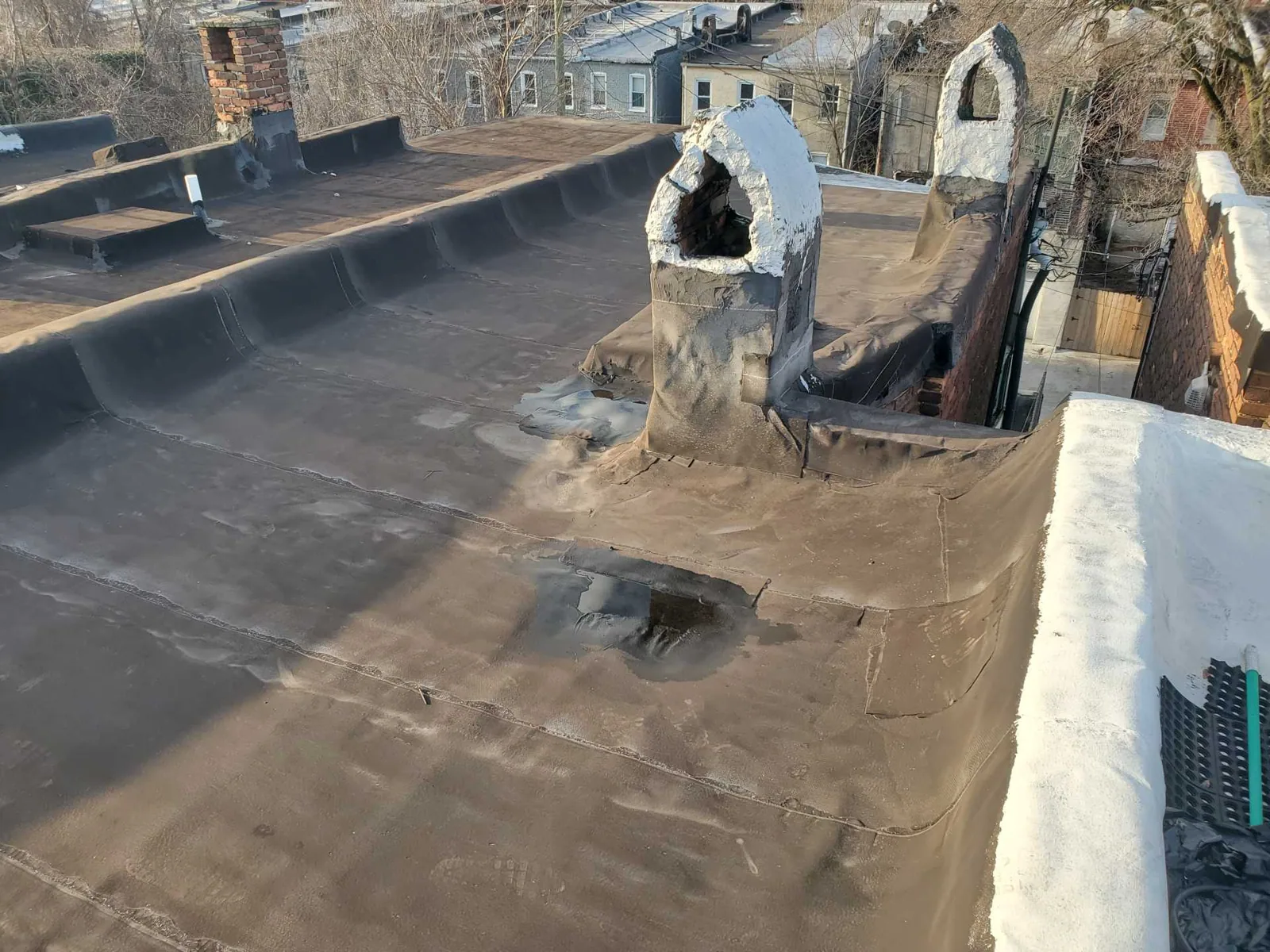
Water can pass through a tiny breach and spread laterally along the membrane or insulation. The ceiling stain may appear away from the puncture or after the next rain. Wet insulation loses performance and can affect the repair boundary if it remains below a new patch. We document the visible opening and look for signs of moisture, but do not treat a surface photo as proof that concealed layers are dry.
From autumn through spring, wet weather is more frequent around Gresham. An exposed membrane can take repeated water before a facility can schedule permanent work. Temporary protection reduces exposure when it can be installed safely, but the permanent repair needs a dry, prepared surface and compatible patch materials.
What evidence changes the repair scope?
We record the roof system, puncture shape, size, location, surface condition, nearby repairs, and weather at inspection. Close photographs show the damaged material; a second view locates it relative to a drain, curb, or roof access point. The facility can share work orders, contractor schedules, incident photos, and the last known dry date. Together, those records can help connect the opening with a specific roof visit or service route.
Moisture mapping may help determine whether water moved below the surface, subject to the membrane type, roof temperature, and weather. An infrared moisture survey can identify suspect areas for follow-up; a test cut is sometimes needed to confirm the layers. The owner approves any opening, and the repair plan states how it will be closed. A condition report separates the observed puncture from the moisture questions that need further review.
If the puncture is beside rooftop equipment, we identify who controls access and whether the unit or conduit can be moved. The repair crew should not disconnect or shift another trade’s equipment without authorization. We note where a walkway is missing or displaced and recommend a route correction when it contributed to wear. These observations can turn a patch visit into a practical prevention step.
Which patch method fits the membrane?
Thermoplastic membranes such as TPO or PVC can often be repaired with a compatible welded patch after the area is cleaned and prepared. EPDM and other rubber membranes need their own approved patch and bonding method. Modified bitumen requires a compatible bituminous repair. The proposal identifies the system where known, the patch material, the overlap, and the surrounding surface preparation. A generic sealant may cover the hole without restoring the membrane assembly.
When the puncture has reached insulation or the membrane around it is brittle, wet, or detached, a larger section may need removal. The patch must tie into sound material and be set so water sheds over its edges. If multiple openings or widespread wear appear, consider a broader roof condition review before repeating isolated repairs. A commercial repair scope identifies confirmed openings and any added work requiring approval. If a cut reaches an open lap, seam repair may also be needed; a failed curb transition calls for flashing repair.
Cost and duration depend on roof height, membrane type, puncture size, moisture below the sheet, safe access, and material cure conditions. A small dry patch can fit a short access window. Wet insulation or equipment coordination may add investigation and sequencing. We separate temporary cover, permanent patch, insulation replacement, and walkway correction so the owner can see which work is urgent and which prevents another puncture.
How can the repair avoid another puncture?
Before work, we confirm roof access, safe movement, nearby equipment, the building contact, and any required work window. The crew removes only material needed to reach sound substrate and keeps loose debris away from drains. If the opening is larger than expected or the insulation is wet, we protect the area and submit photos before expanding the work. The repair limit follows the actual membrane condition rather than a preset patch size.
When several trades use the roof, a site contact can define who may enter, where tools and parts are staged, and which surfaces need protection. The Southshore Corporate Park has manufacturing, distribution, and processing uses across a planned industrial park. That broad context makes coordination relevant, but the roof-specific route and equipment controls must come from each facility. We confirm those site details before bringing material to the work area.
At completion, the crew checks the patch bond or weld, removes debris, and photographs the finished tie-in. If foot traffic caused the opening, the owner can add a walkway or relocate the maintenance route before the next equipment visit. The service record notes whether the repair is permanent, what concealed area remains unverified, and which preventive action is still open. A quick closeout makes the next roof walk more useful.
What should the facility record after a puncture?
Keep the incident date, interior report, roof-zone label, photos, service work orders, patch material, and closeout together. If a third-party vendor was on the roof, note the work area and equipment route without assuming how the puncture happened. Future inspections can compare the repaired spot and identify new abrasion or displaced walkway material. This helps the owner separate repeat traffic damage from a different leak path.
Gresham’s Downtown and Civic Neighborhood and Rockwood are connected commercial centers, and industrial employment areas add varied roof uses across the market. For every property, the roof plan should identify safe access points, designated walk paths, and areas where equipment work requires a roofing contact. A maintenance program can check patches, penetrations, walk pads, and membrane wear during routine visits.
Commercial Roof Puncture Repair FAQs
-
Can a small puncture wait until the next maintenance visit?
We document the opening and protect it when safe. The owner can then schedule a permanent repair after the surface and materials are ready.
-
Will a patch fix wet insulation below the membrane?
A surface patch closes the opening but does not dry or replace wet insulation. We evaluate the affected layers and include removal or testing only when the evidence supports it and the owner authorizes the added work.
-
What if another contractor caused the puncture?
We record the location and visible condition without assigning cause unless the evidence supports it. The owner can keep vendor work orders and access records with the roof report for review.
-
Can foot traffic damage a commercial membrane?
Repeated abrasion, dropped tools, or sharp equipment parts can wear or cut the surface. A designated path and protective walkway may reduce damage, provided the roof system supports the installation.
-
Do you repair punctures on metal roofs too?
Yes. A metal-roof opening may involve a panel, fastener, closure, or seam rather than a membrane patch. We identify the assembly and specify a repair compatible with its profile and water path.
Related Roofing Work
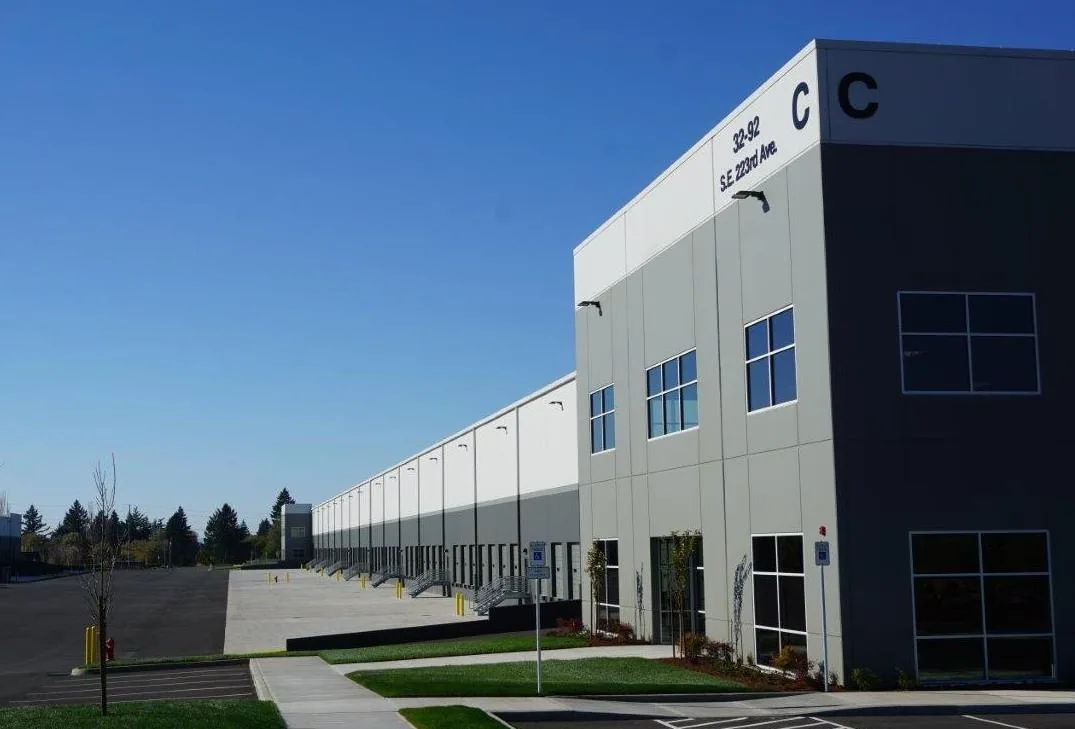
Gresham Vista Business Park
Learn More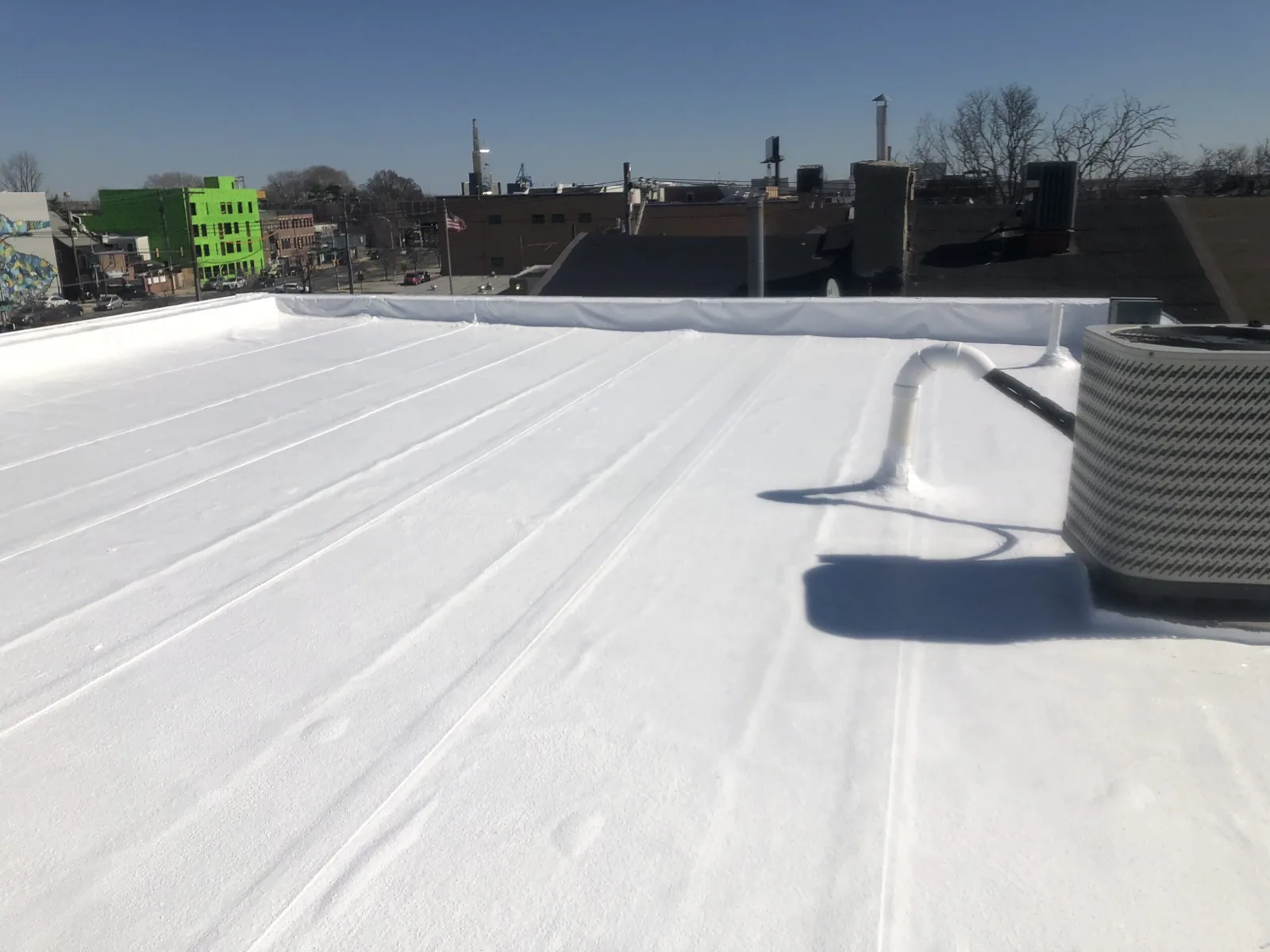
Commercial Roof Inspection
Learn More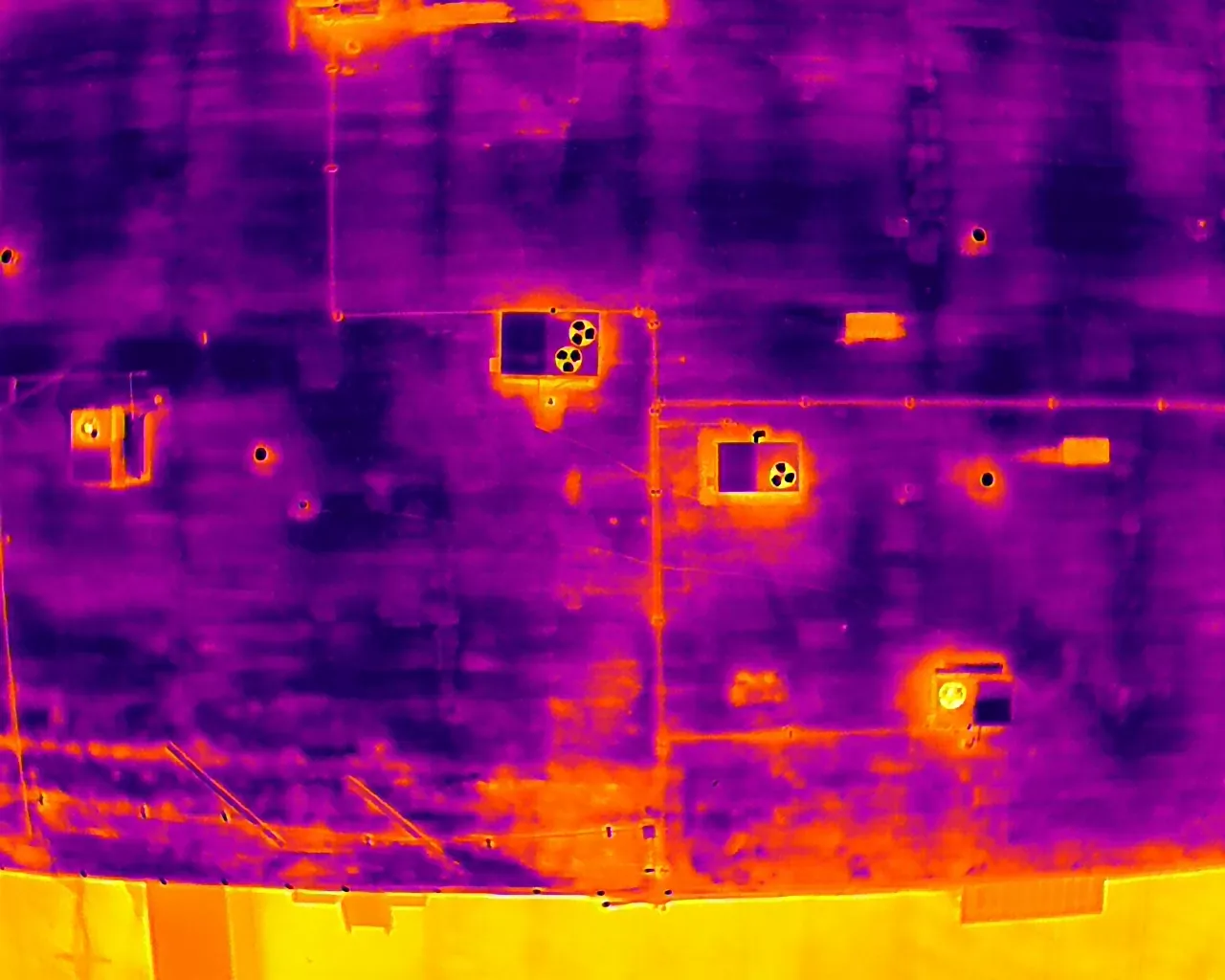
Infrared Moisture Survey for Commercial Roofs
Learn More
Commercial Roof Condition Reports
Learn More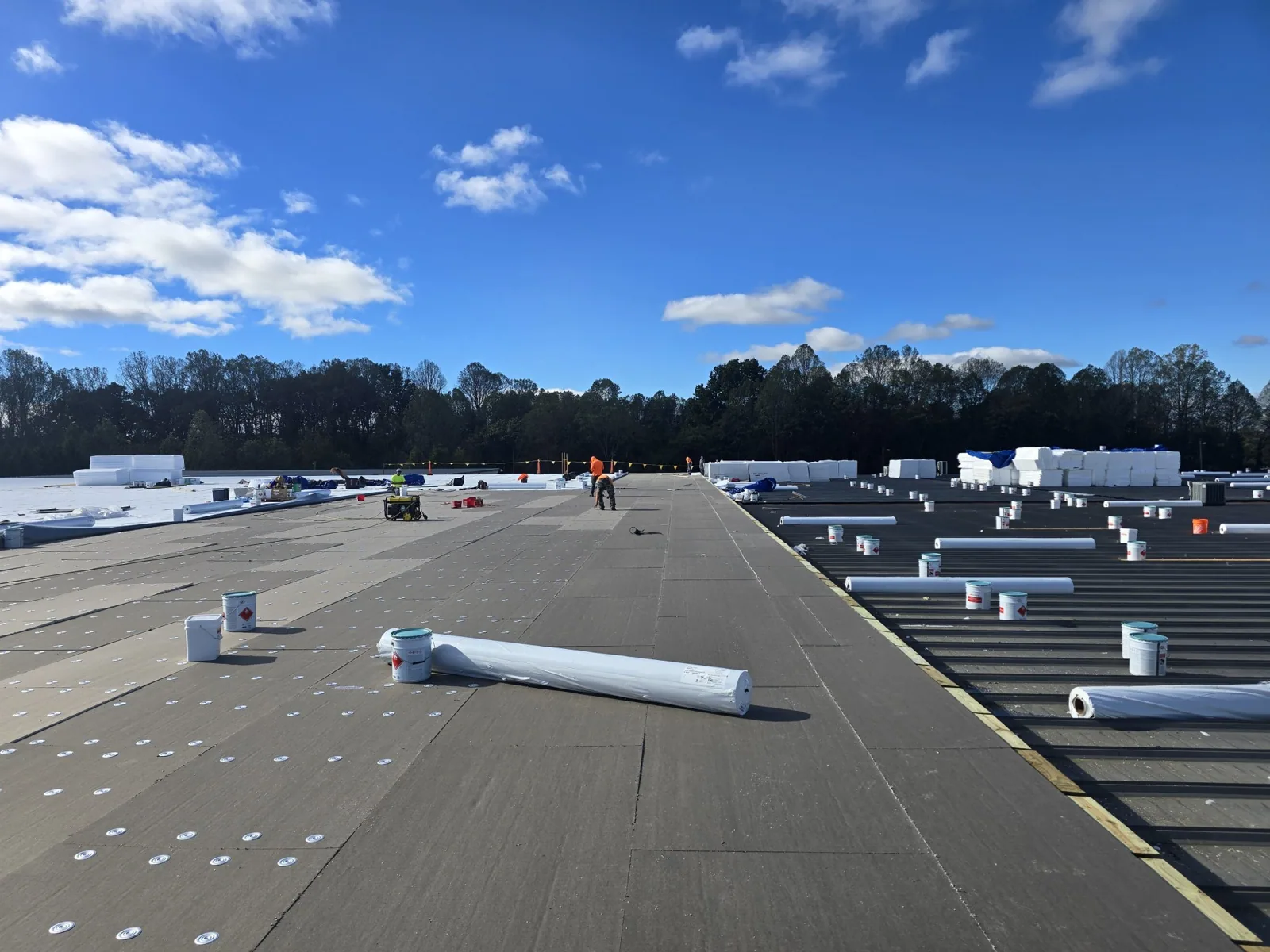
Commercial Roof Repair
Learn More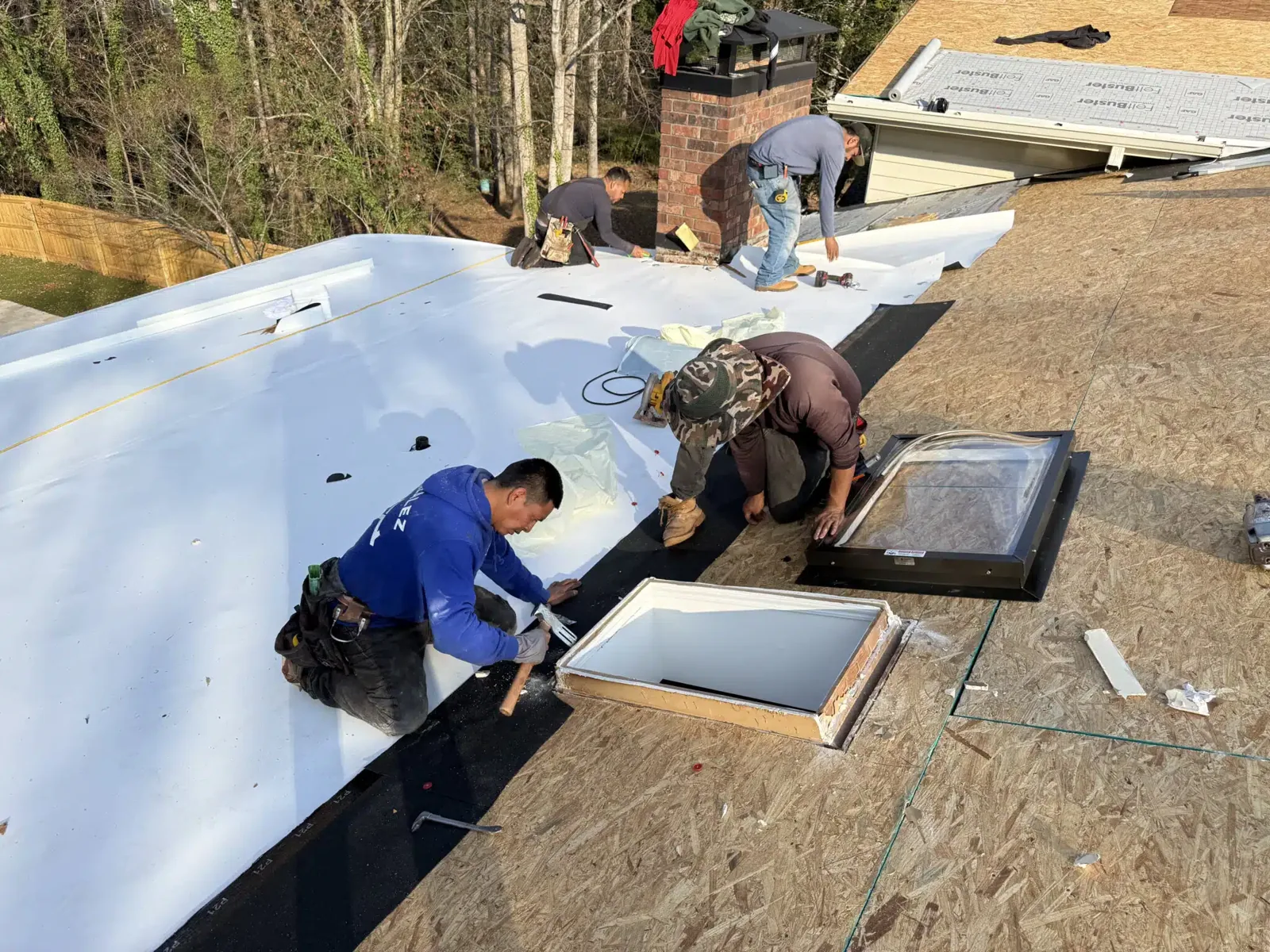
Commercial Roof Seam Repair
Learn MoreDocument and repair a roof puncture
Request a roof assessment in Gresham
Schedule a Gresham roof walk. We will locate the opening, assess moisture and access, and coordinate a compatible patch around facility operations. Tell us about the building, the roof and what you are seeing. Call 555-555-5555, email [email protected] or send the details through our contact page and we will set up a time to walk the roof.