Commercial Fire Damage Roof Repair in Gresham, OR
Plan a safe post-fire roof assessment
- Home
- Roof Damage Repair
- Commercial Fire Damage Roof Repair
After a commercial fire, the roof may have direct flame damage, heat distortion, smoke residue, or water from suppression. The first roofing decision follows the fire authority’s safety direction and the owner’s site controls. We inspect after site release and record visible damage and separate temporary protection from permanent restoration. Gresham’s industrial lands include food and beverage processing, manufacturing, and distribution uses, so roof access may involve operating equipment and restricted work zones. The Gresham Northerly Industrial Area and Southshore Corporate Park.
What should the first roof visit document?
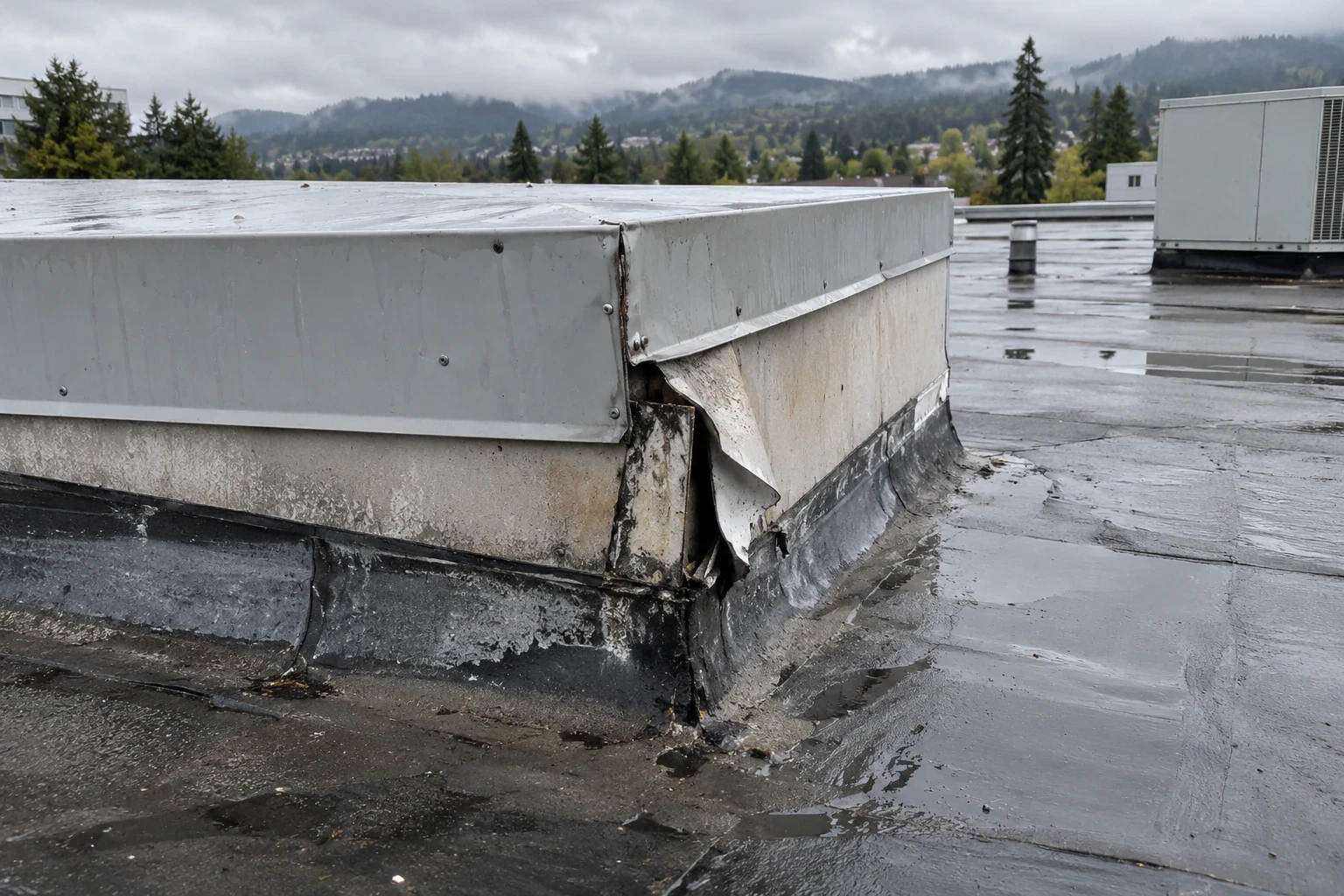
We map the roof zones near the reported fire area and note what is visible from a safe position. Look for blistered or charred membrane, distorted metal, damaged insulation, open seams, displaced equipment, broken skylights, and debris that may block drainage. The inspection also records suppression water, interior reports supplied by the owner, and surfaces that cannot be reached. Photos should show each detail and its relation to roof access points or nearby equipment.
Smoke can leave residue beyond the location of visible flame. Heat can deform a membrane, soften adhesives, or affect metal panels and fasteners. The roof surface alone may not show what happened below it. We identify affected areas and recommend further evaluation when an assembly, deck, or support needs a qualified structural or mechanical review. A photo condition report keeps observed conditions and questions for follow-up in one record.
Damage may also come from water used during fire suppression. Water can enter at a broken opening or saturated roof zone and travel into insulation or interior spaces. The inspection distinguishes direct fire effects from water entry when the evidence supports that distinction. If soot, debris, or unstable material limits access, those areas remain marked for later review after the owner clears them.
How can heat and firefighting water affect the roof?
High heat can change the membrane, adhesives, insulation facer, flashing, and metal components. A roof layer may look intact from above while losing bond or becoming brittle near an opening. Suppression water can saturate insulation and add weight, and it may move below the membrane before reaching the ceiling. We do not infer structural capacity from a visual roofing inspection. A structural professional should review visible deflection or other signs that the deck or support may be affected.
Gresham’s wet season matters when a fire creates a temporary opening. Portland International Airport averages 36.92 inches of precipitation annually, with most rain from fall through spring. We set the dry-in and shift-end closure before removing additional material. We protect an exposed assembly while the owner coordinates debris removal, insurer review, and permanent work. The extent of a damaged field may require a wind or opening-related roof assessment if the event displaced edge details or panels.
Smoke residue can affect roof-mounted equipment, intakes, and service routes. The owner’s qualified fire-restoration or mechanical professionals determine when equipment can operate and when residue is safe to approach. We record roof access restrictions and work only after the area is cleared.
When is a damaged roof ready for inspection?
The fire authority and property owner control re-entry, hazards, and any required clearance. Before mobilizing, we confirm the allowed access time, escort or safety requirements, roof route, and areas that remain restricted. We do not enter a cordoned zone or move debris that another professional must evaluate. If roof access is not released, we can help the owner plan what documentation or exterior observations may be gathered later.
Once access is allowed, the inspection notes the roof assembly where known, visible damage, water intrusion, equipment status as reported by the site, and temporary measures already in place. We identify when direct flame, heat, smoke, and suppression water are separate possible causes. A roof inspection may use photos, a roof map, and limited testing as the condition permits. Findings that require removal or sampling are described before opening the assembly.
Moisture evaluation can help define the extent of wet insulation, but readings may be affected by heat, materials, and debris. A moisture survey may be useful after the roof and conditions support reliable scanning. A test opening can confirm layers when authorized and safely planned. The report states which observations are confirmed and which require another specialist or owner decision.
How do we separate stabilization from permanent repair?
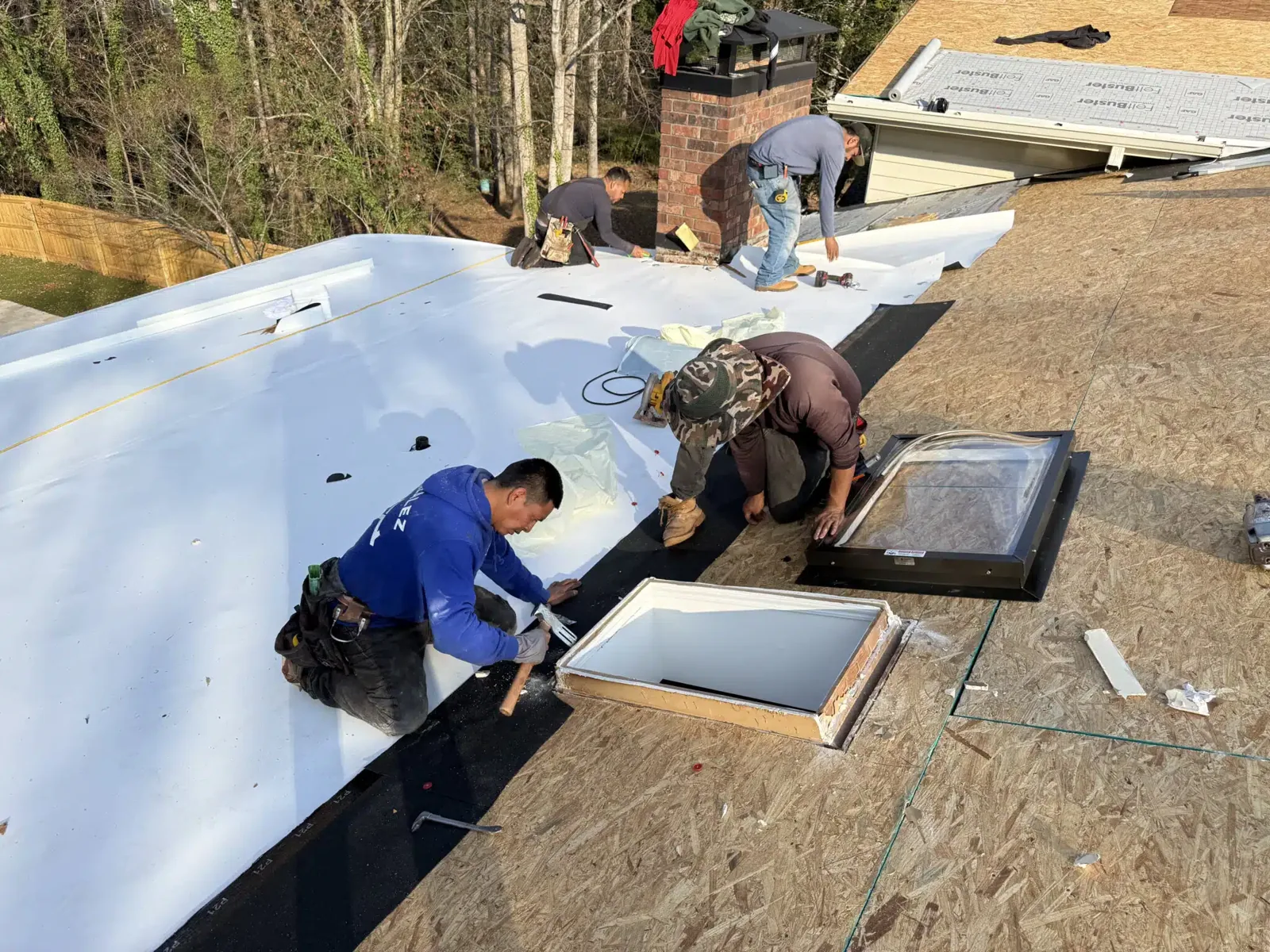
Temporary measures limit additional exposure while the owner waits for safe access, investigation, or claim review. They should be recorded by roof zone, date, material, and limitation. Permanent work may include membrane replacement, insulation removal, flashing reconstruction, panel replacement, or broader reroofing, depending on verified damage. A temporary emergency repair addresses immediate exposure, while the permanent proposal sets out the materials and tie-ins needed for restoration.
A localized repair may suit a contained opening where surrounding materials remain sound and dry. Heat damage across multiple layers or widespread wet insulation may call for a larger section or a replacement evaluation. We describe the visible boundary and investigation assumptions rather than promise that concealed conditions end at a surface mark. If the damaged area lies near a seam, seam repair may be a separate detail from restoring the burned or water-affected membrane.
Cost and timing follow site clearance, access, debris handling, assembly layers, weather, and restoration trades. Our scope separates immediate work from items requiring approval or more investigation. The owner can align the repair sequence with return-to-service priorities.
How is the repair coordinated with restoration work?
Before crews arrive, the owner identifies a site lead, released access route, work hours, equipment restrictions, and where materials can be staged. Fire restoration, structural review, mechanical service, and roofing may need separate work zones. We confirm which party controls debris, damaged equipment, and temporary power or ventilation. The repair starts only in an area included in the current authorization and safety plan.
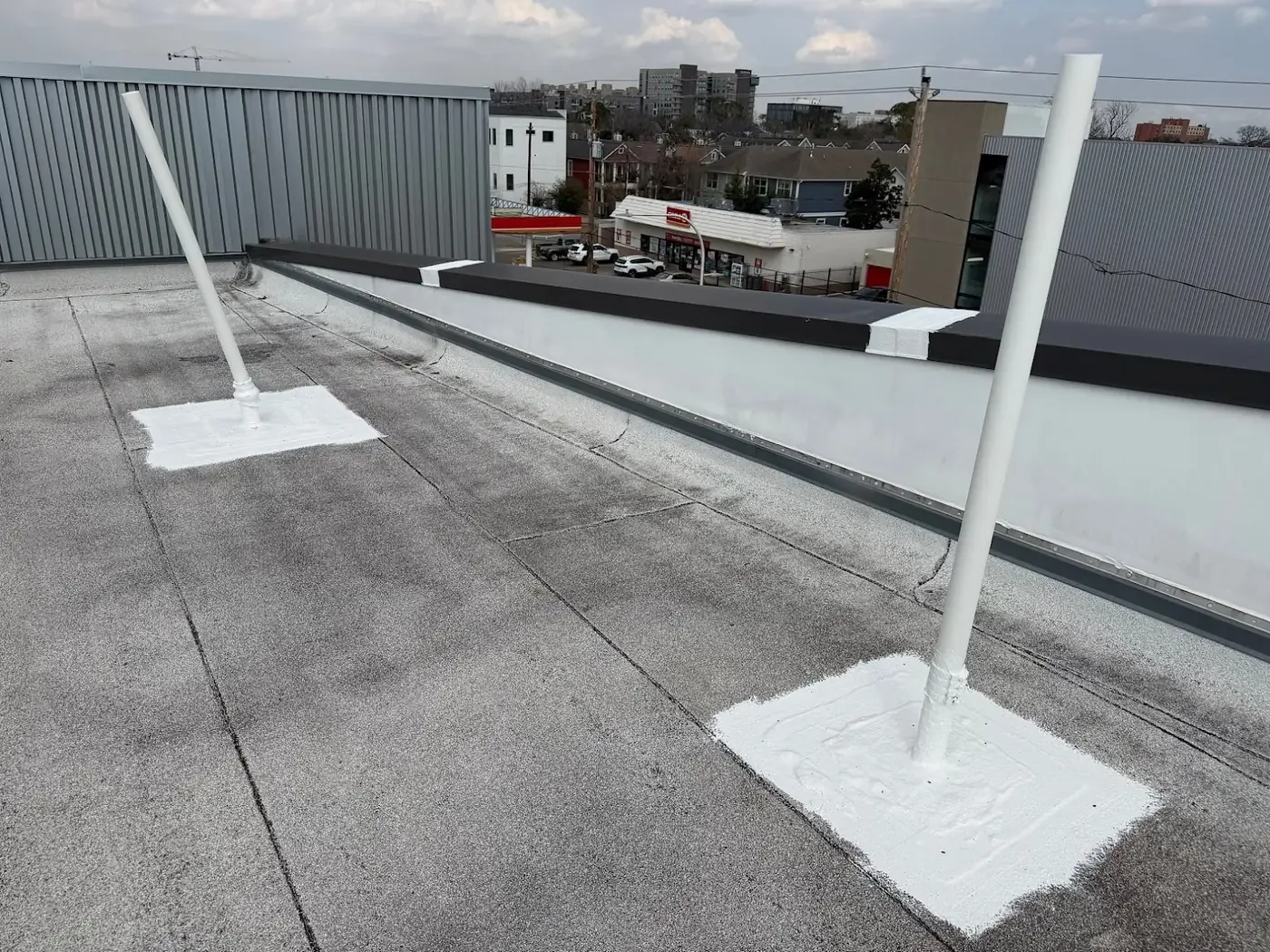
During removal, the crew records layers and stops if the damage extends beyond the approved scope. The opening is protected while the owner reviews photos and decides whether to expand the work. If wet insulation or unstable deck material appears, that condition is documented for the appropriate professional. New roof materials are installed after the substrate and tie-in are ready, with details at drains, edges, curbs, and penetrations restored to the specified system.
What belongs in the fire-repair closeout file?
Keep the roof inspection, site clearance information, temporary measures, approved scope, changes, photos, material records, and final closeout together. Separate roofing observations from fire-authority findings, structural determinations, and mechanical inspections. The owner can then see what the roof contractor completed and which decisions belong to other qualified professionals. Note any inaccessible area or concealed layer that was not evaluated.
After the building returns to service, a follow-up inspection can check repaired transitions, drainage, penetrations, and nearby areas exposed to suppression water. Gresham averages 157 days with measurable precipitation at the Portland airport station. Before the wetter period, confirm that temporary openings are closed and roof drains are clear. A maintenance visit can add the repaired area to the roof map and note what should be observed after rain.
Commercial Fire Damage Roof Repair FAQs
-
Can your crew inspect the roof while the fire scene is restricted?
No. The fire authority and property owner determine when the area is safe and released. We coordinate roofing access after those controls are in place and document any zone that remains off limits.
-
Does smoke damage mean the roof membrane must be replaced?
Not by itself. We inspect for heat effects, residue, material changes, and water entry, then scope only the roof work supported by the findings. Mechanical or environmental questions go to the appropriate specialist.
-
Will you include suppression-water damage in the roof scope?
We record visible water effects and can investigate suspected wet insulation when conditions permit. The report separates observed moisture from areas that need testing or another professional’s review.
-
Can emergency protection be installed before the claim review is complete?
When safe and authorized, temporary work can reduce further exposure. We document the measure and its limits separately so it is not confused with the permanent repair proposal.
-
What should we provide before scheduling a post-fire roof visit?
Share site-release instructions, access limits, known roof plans, suppression or restoration notes, interior reports, and the person who can authorize testing or added work.
Related Roofing Work
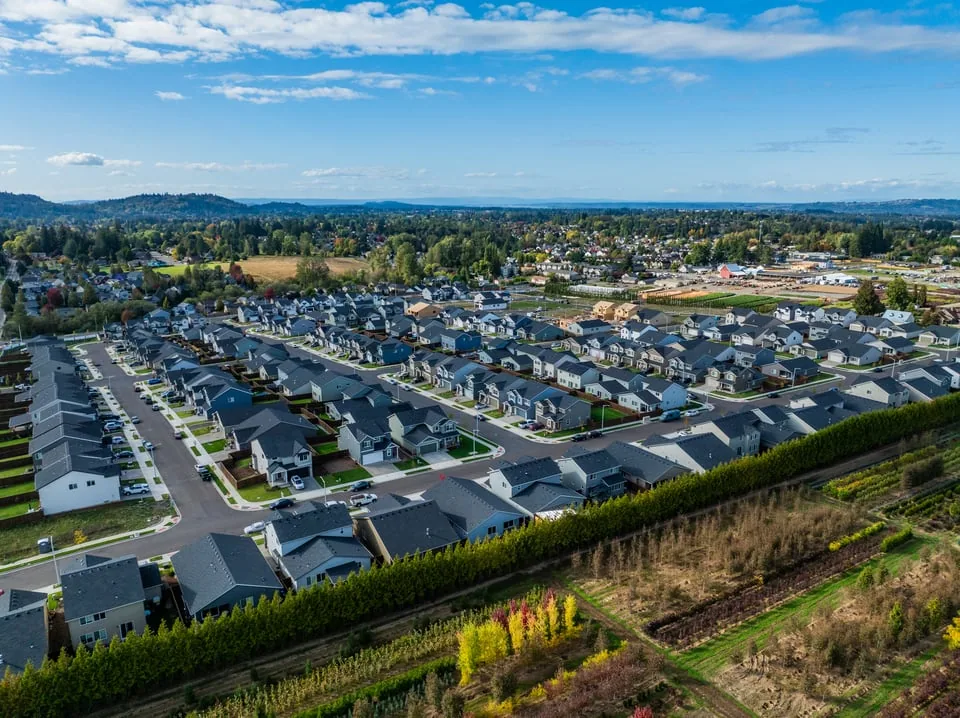
Gresham Northerly Industrial Area
Learn More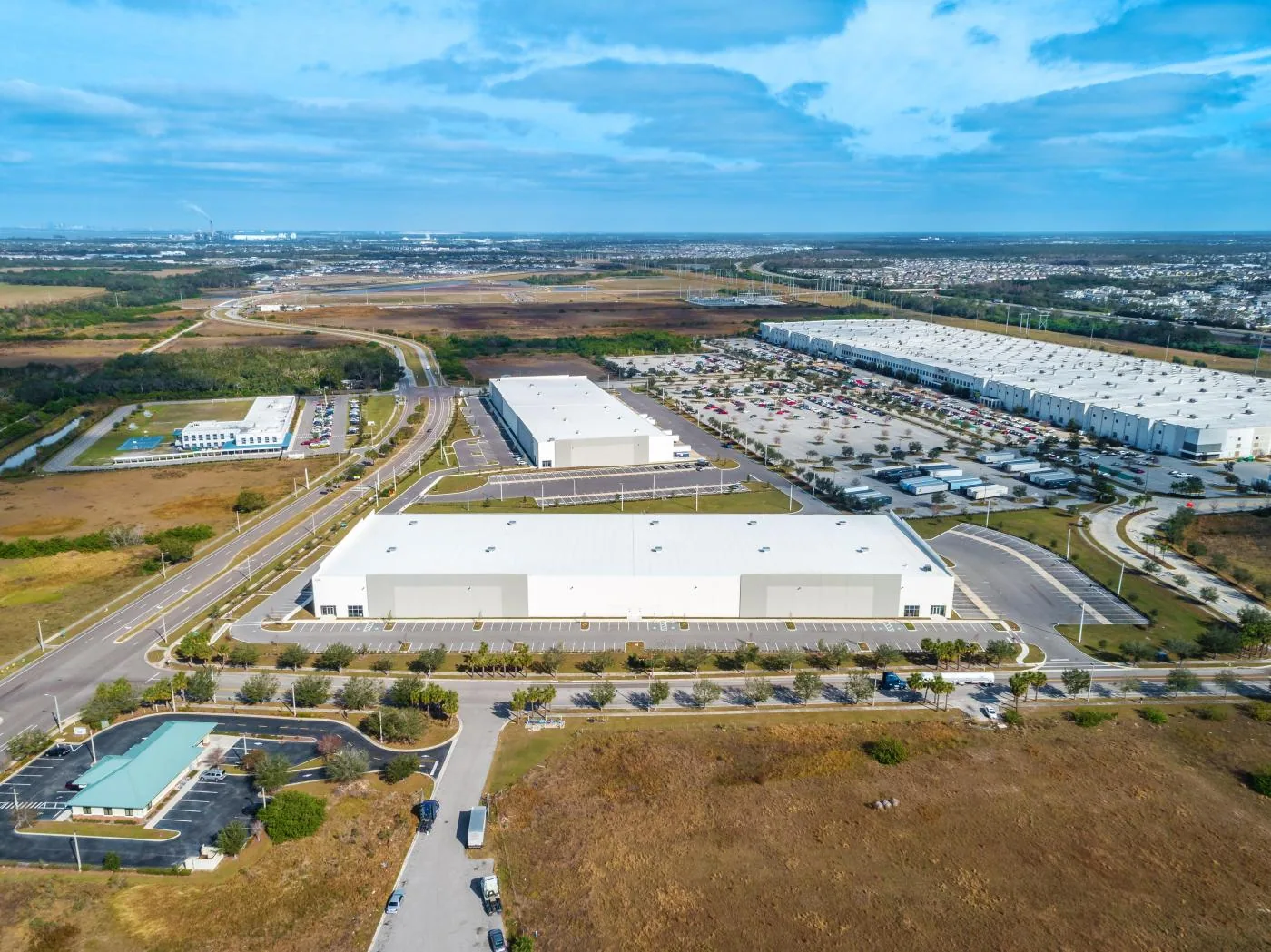
Southshore Corporate Park
Learn More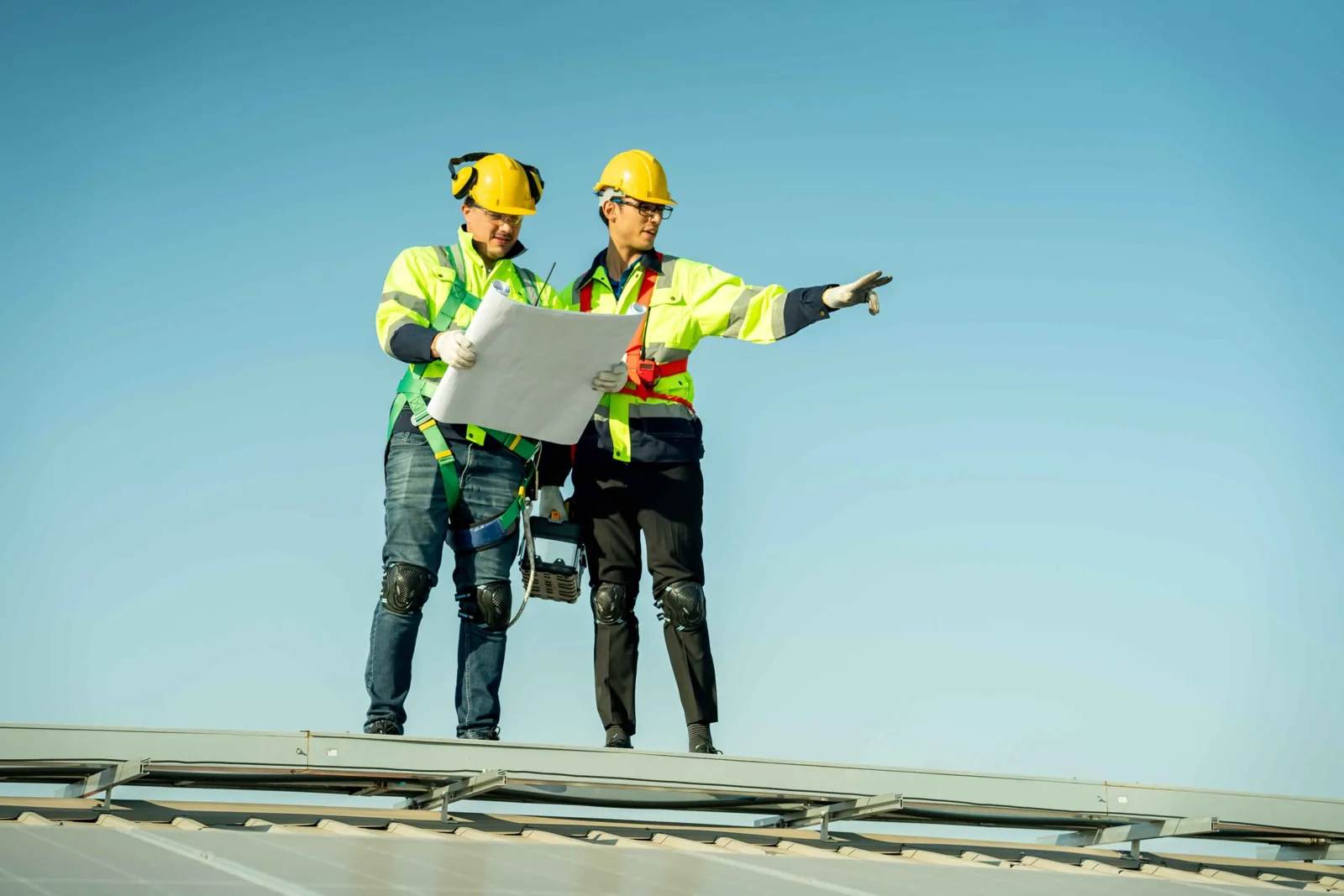
Commercial Roof Condition Reports
Learn More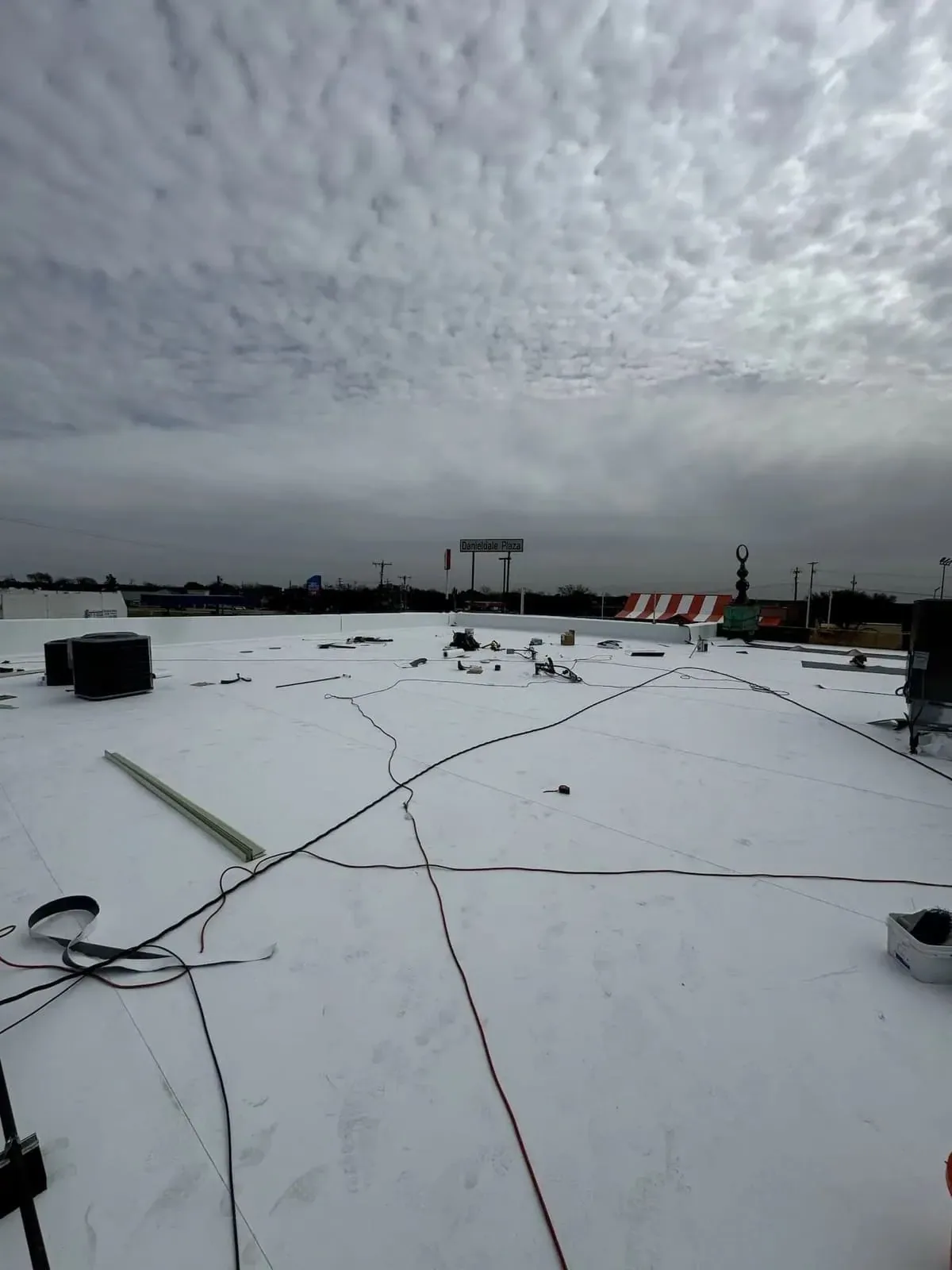
Commercial Wind Damage Roof Repair
Learn More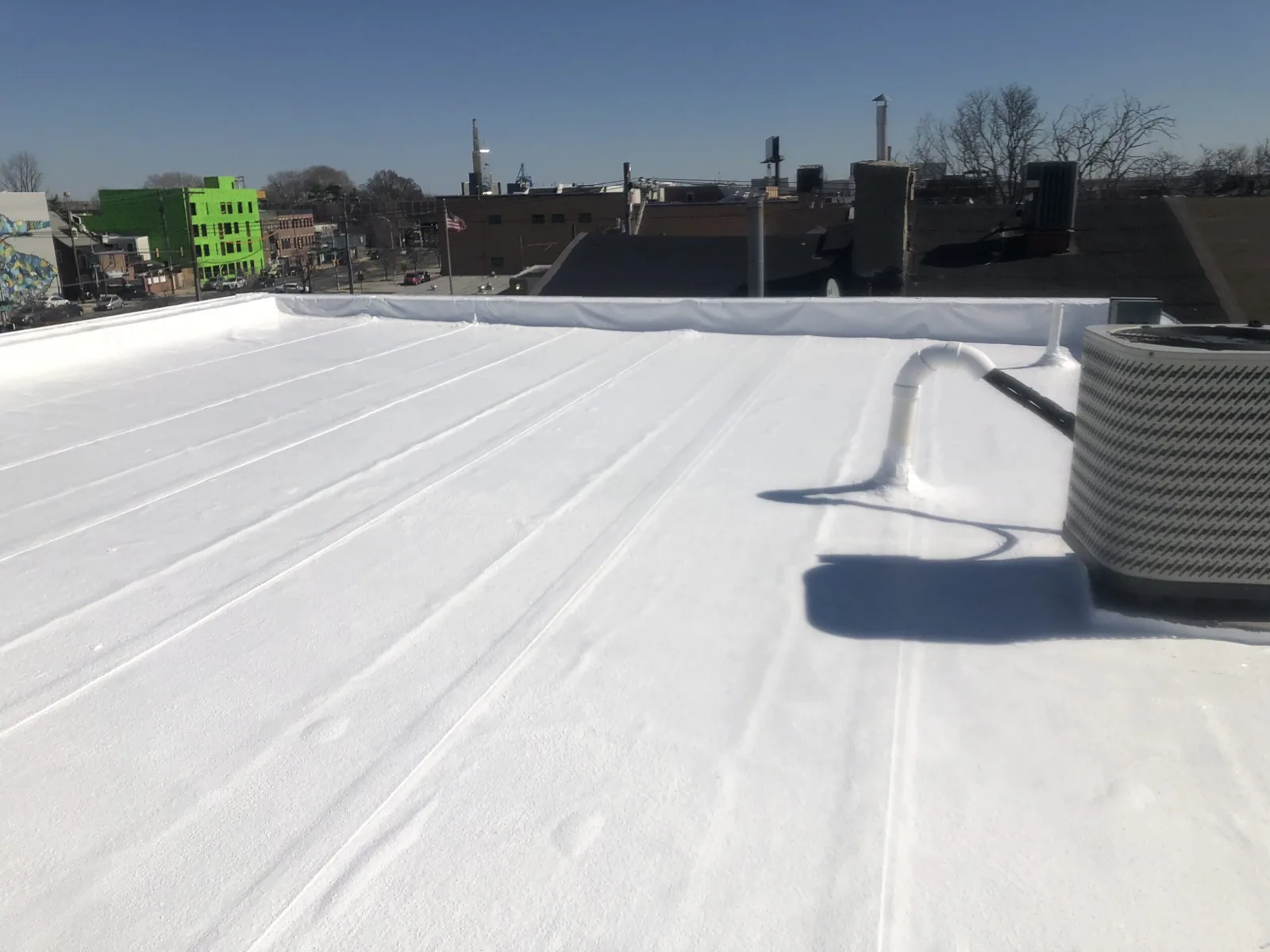
Commercial Roof Inspection
Learn More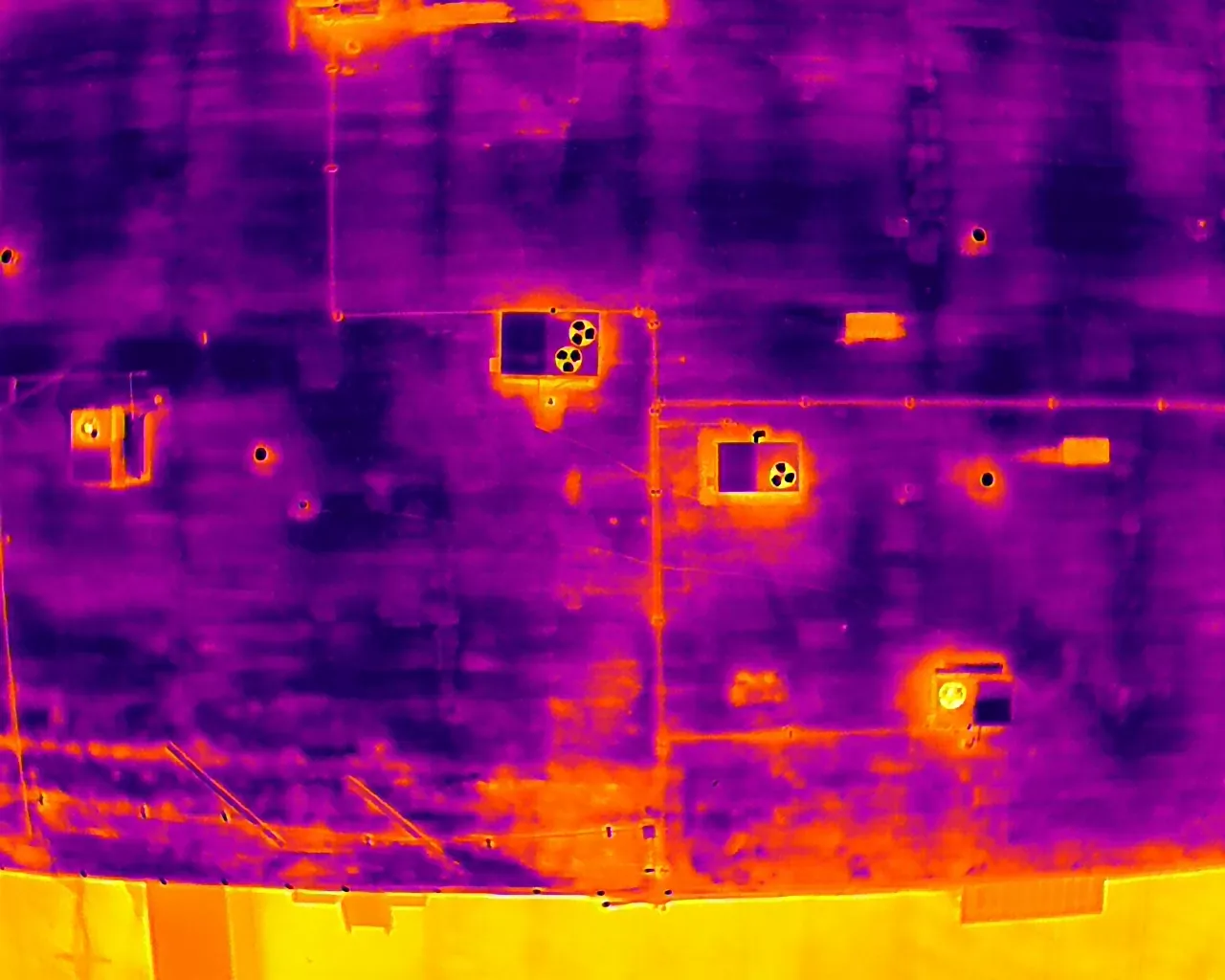
Infrared Moisture Survey for Commercial Roofs
Learn MorePlan a safe post-fire roof assessment
Request a roof assessment in Gresham
Once the site is released for access, schedule a Gresham roof walk. We will coordinate the work zone, document visible damage, and separate stabilization from permanent repair. Tell us about the building, the roof and what you are seeing. Call 555-555-5555, email [email protected] or send the details through our contact page and we will set up a time to walk the roof.