
Commercial Roofing for Insurance Restoration in Gresham, OR
Document a commercial roof loss
- Home
- Industries We Serve
- Insurance Restoration
After a storm or sudden roof opening, the property owner needs a clear record of what happened and what work is proposed. A useful roofing assessment separates observed damage, temporary protection, and permanent repair. We document the roof zone and visible conditions, then prepare a scope that an owner can share with its insurer or adjuster. The affected building may be among Gresham’s Downtown and Civic Neighborhood workplaces or Rockwood properties, commercial hubs linked by city corridors. A roof inspection records visible conditions before repair decisions are made.
What should the owner do after sudden damage?
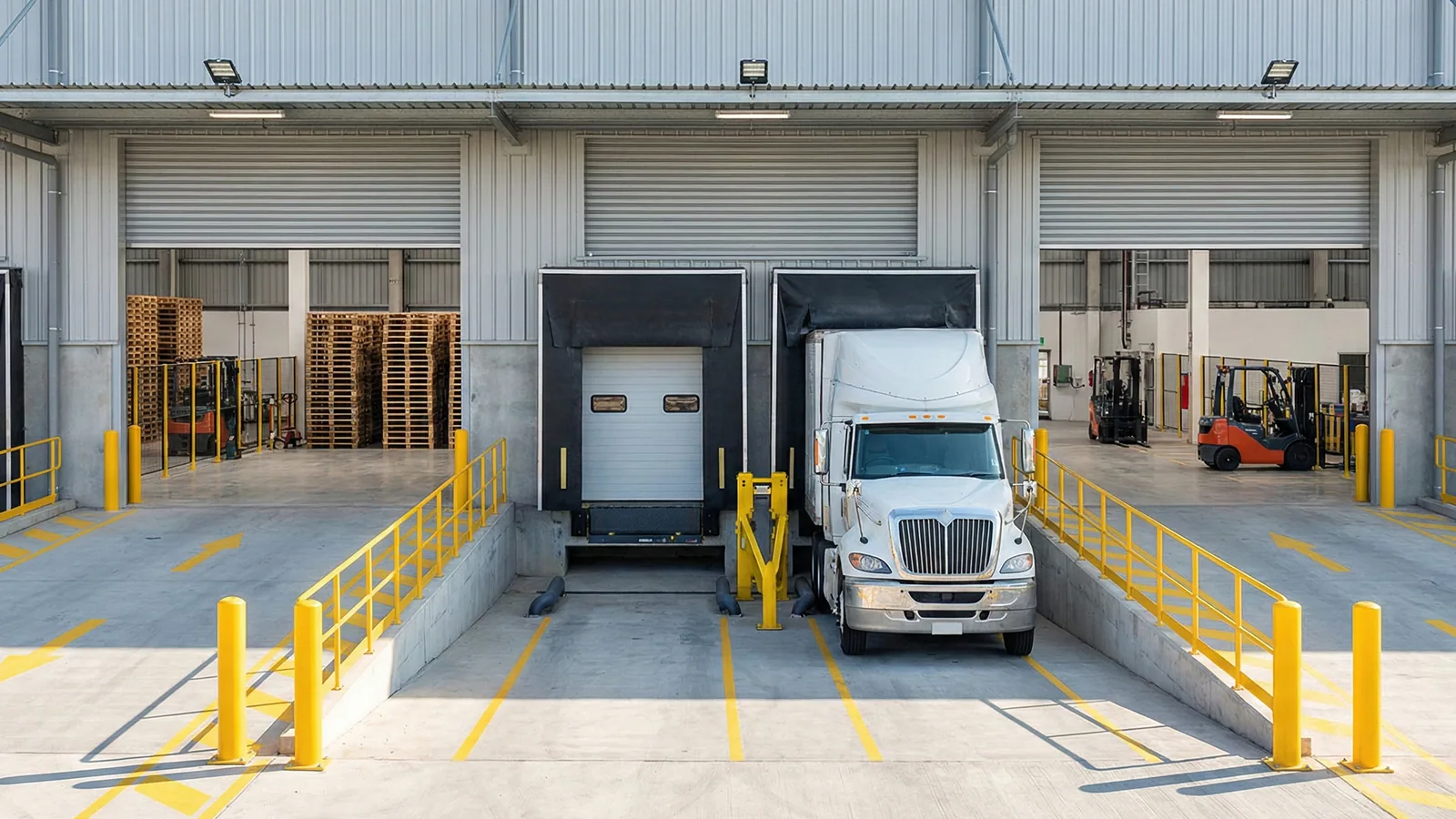
Protect the building and contents under the owner’s emergency procedures, then record when water or visible damage appeared. Keep the affected room, weather, and recent roof or equipment work in the report. We coordinate access with the property contact and identify what can be temporarily protected. Any work that opens the assembly needs a plan for closing it safely before the crew leaves.
Commercial buildings may have several roof systems, additions, and separate mechanical areas. The scope should identify the affected roof zone and any adjoining detail that needs review. For a property with a facilities team, a property manager restoration file can connect tenant reports, building access, and repair approval when several parties are involved. The owner controls claim communication and authorizes roofing work. When a storm affects several buildings, assign each structure a distinct identifier and roof-zone map. Keep separate photo sets, access notes, and scopes so a finding from one property is not applied to another. This simple separation also helps the owner reconcile temporary service calls with permanent repair proposals. For an occupied clinic, a healthcare roof plan also accounts for access, sensitive operations, and service continuity.
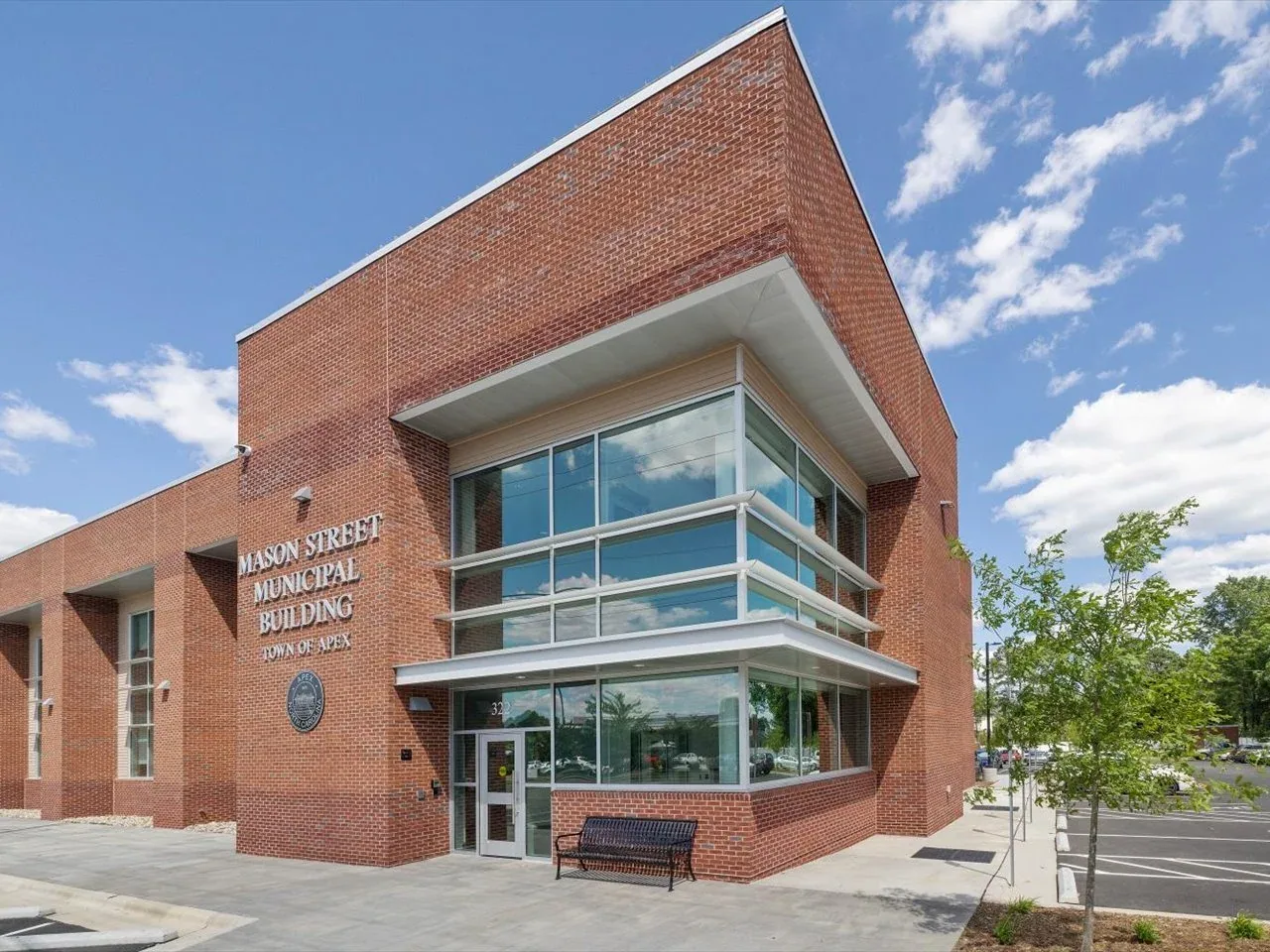
How can a roof assessment separate storm damage from wear?
We inspect the membrane, seams, edges, flashings, penetrations, drains, and nearby surfaces for visible changes. Photos should show the roof detail and enough surrounding context to locate it later. The report distinguishes a new opening or displaced component from existing deterioration when the evidence allows that distinction. If the date or cause is unclear, the report states what can and cannot be confirmed.
Water may travel beneath a roof covering before reaching a ceiling, so the interior stain is only one part of the investigation. We compare leak timing, roof layout, and recent maintenance with observed conditions. A leak repair assessment traces possible entry points, while an owner can separately request documentation for damaged interior areas or other building systems.
A typical year at Portland International Airport brings about 37 inches of rain, with most falling from October through March. Schedule drain checks and temporary protection before those months. A wet-season leak may involve a new opening, a maintenance issue, or both. The assessment records the evidence rather than assigning a cause that cannot be supported.
What information helps an adjuster review the roof?
Provide the date of loss if known, weather report or event details, prior roof inspections, repair history, leak location, and photos taken before temporary work. We record the affected roof zones, visible material changes, and any test or access limitations. A separate photo log can show the condition before and after emergency protection.
When moisture below the roof surface could change the repair quantity, the owner may authorize infrared mapping or a limited test cut to document the affected area. The owner decides whether to authorize additional investigation and how that work should be documented. We can state the roofing scope, assumptions, and exclusions clearly. A photo-based condition report can keep findings and follow-up questions together for the owner’s review.
For properties with multiple stakeholders, identify who receives the report and who can approve permanent work. The contractor should not assume an insurer, adjuster, tenant, and owner share the same authority.
How should temporary and permanent work be separated?
Temporary protection limits further exposure while the owner reviews the condition. It should be recorded by location, material, date, and remaining limitation. Permanent repair should restore the roof detail and address adjacent damage that the inspection confirms. If deterioration extends beyond the apparent opening, we document the evidence and ask the owner to review an expanded scope.
A local repair may be enough for an isolated opening. Widespread wet insulation, repeated seam failures, or broader material damage can require a replacement evaluation. A recover or coating is considered only if the existing system and substrate are suitable. A replacement scope identifies the area, method, temporary protection, and work needed at edges, drains, and penetrations.
An insurer’s coverage determination belongs to the insurer and policyholder. We can document roof conditions and pricing for the requested work, but the claim outcome is not a roofing decision.
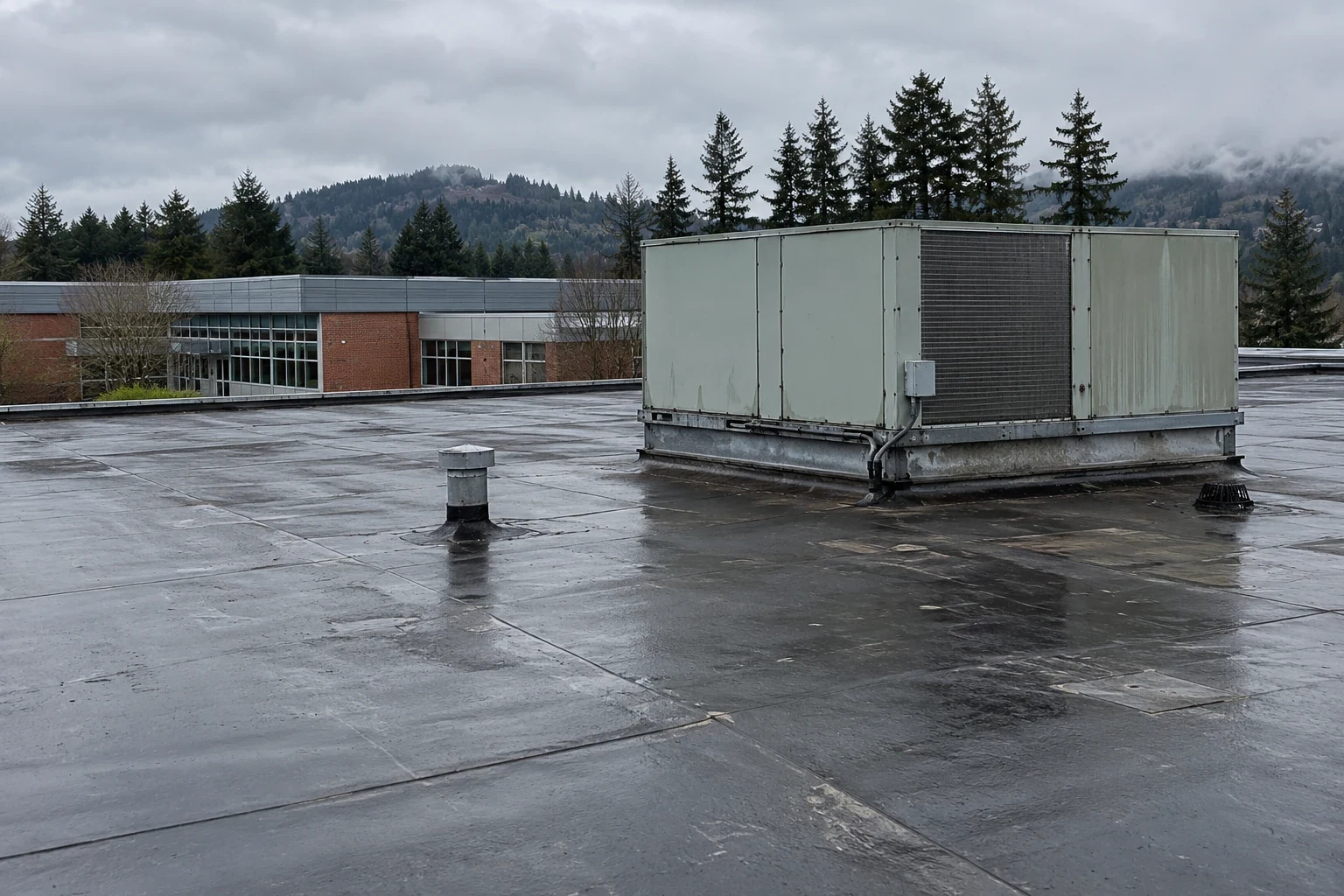
How do we keep the claim file and work site aligned?
Before mobilization, the owner confirms access, work hours, site contact, temporary protection, and who can approve a scope change. The contractor identifies the repair boundary and expected closeout. If the work affects an occupied area, property staff coordinate notices and interior protection.
The crew opens only the roof area it can protect and close safely during the shift. Should the repair expose a broader condition, we weatherproof the work zone, photograph the new evidence, and wait for direction before enlarging the approved scope. At completion, nearby drains are checked, debris is removed, and the closeout records materials and areas repaired. The owner can then add the final record to the claim and property files.
When emergency work and permanent work happen on separate dates, preserve the temporary-protection record with the later repair scope. Before reopening the full roof scope, check drainage and seam details, then review the completed repair after the next rain.
What should the owner retain after restoration?
Keep pre-work photos, inspection notes, adjuster or owner correspondence, temporary protection details, approved scope, change records, and final closeout together. Note which roof zone was repaired and whether any surrounding condition remains for monitoring. Routine maintenance after a claim should inspect the repaired detail and adjacent seams or drainage.
Gresham’s commercial centers include Downtown, Civic Neighborhood, and Rockwood; a property’s service file should still use its own roof-zone labels. A maintenance visit can revisit the repaired area and identify any separate work to plan before another wet period.
What should we receive before the inspection?
Share the known event date, roof plans, prior reports, leak work orders, temporary measures, adjuster contact if applicable, and the person authorized to approve access. Identify which areas are occupied and any claim-file requirements for photos. We will inspect the roof, document supported findings, and prepare a clear next-step scope. Schedule a roof walk to review access, evidence, and the repair boundary.
Insurance Restoration FAQs
-
Who determines whether insurance covers a roof repair?
The insurer and policyholder determine coverage. We can document visible roof conditions, the proposed work, and the basis for our scope.
-
What should we photograph after a storm?
Capture the roof area, visible damage, interior water, and temporary protection with dates if possible. Preserve the original images and note where each was taken.
-
Can you prepare a roof scope before the adjuster visits?
We can inspect the roof and prepare a condition record for the owner. The owner decides when to share it and whether to coordinate a joint inspection.
-
Should temporary protection be included in the permanent repair estimate?
Record it separately with its date, roof zone, and limitation. The permanent scope should identify restoration work and any remaining condition that requires owner review.
-
What if the roof entry point is not clear?
We document observed details and explain where evidence is incomplete. A moisture survey or test opening may help, subject to owner authorization.
Related Roofing Work
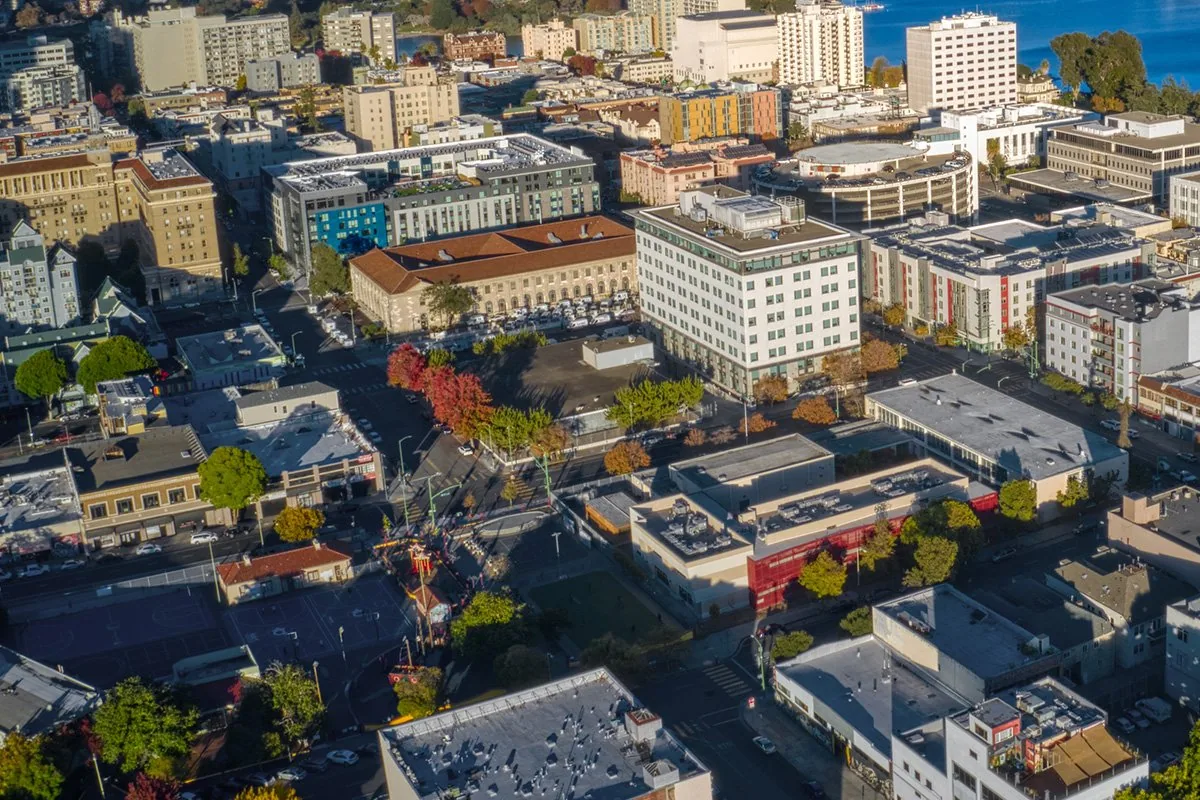
Downtown and Civic Neighborhood
Learn More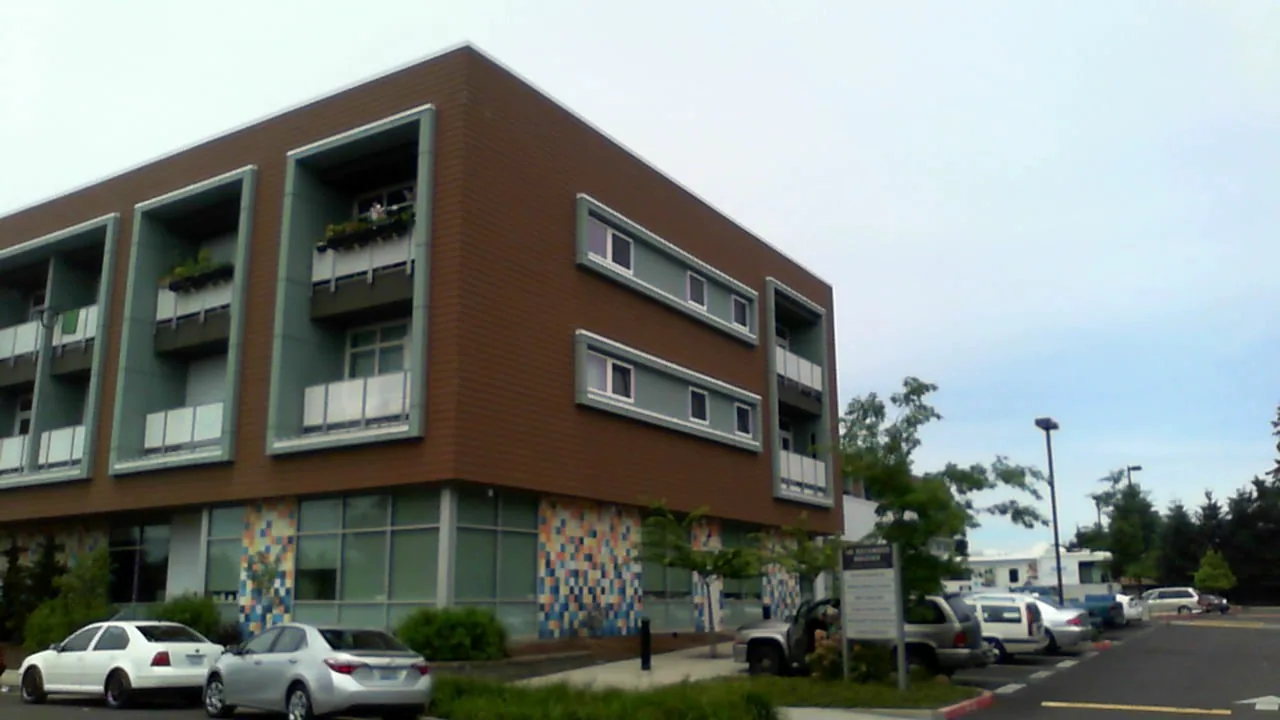
Rockwood
Learn More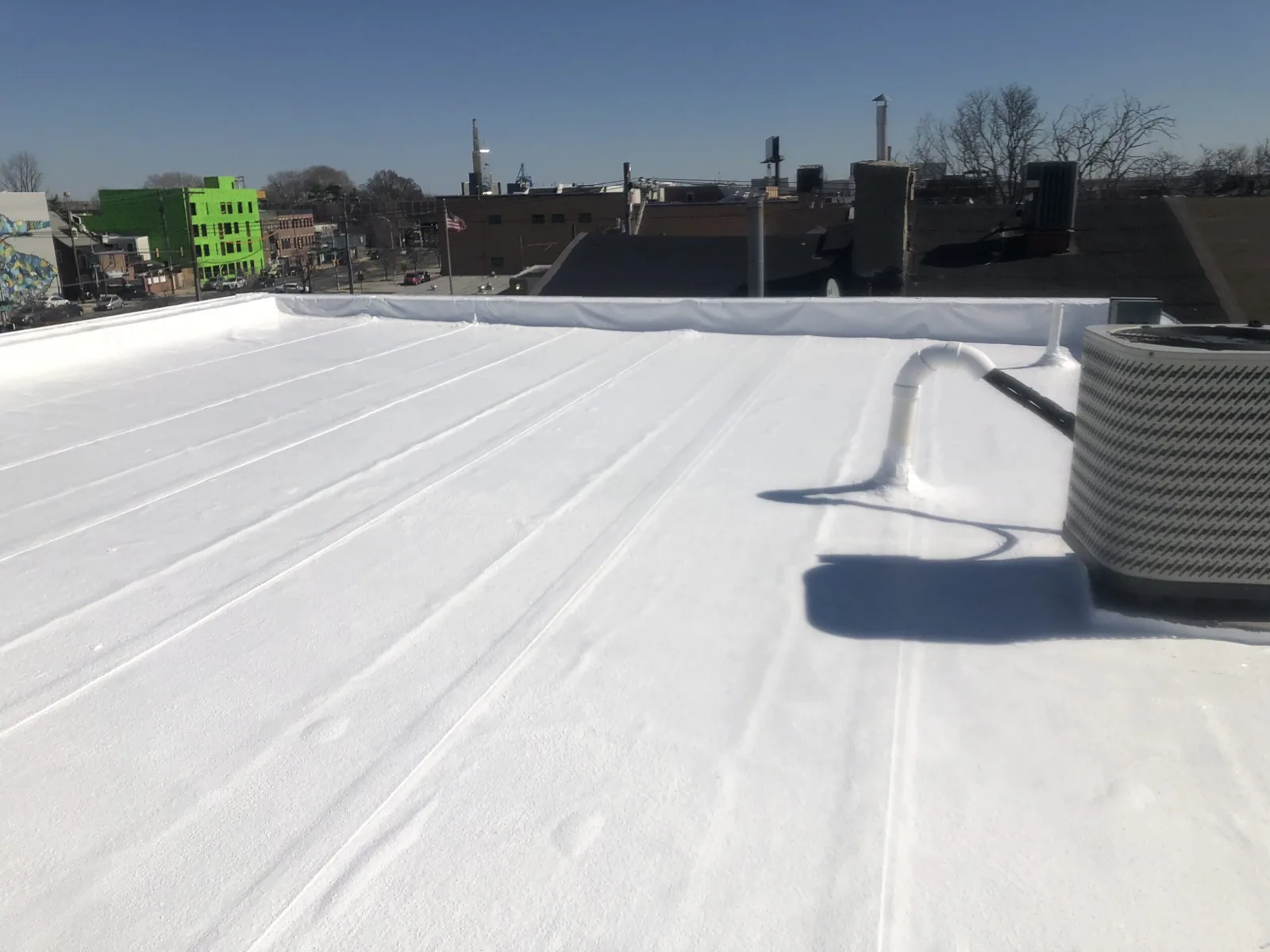
Commercial Roof Inspection
Learn More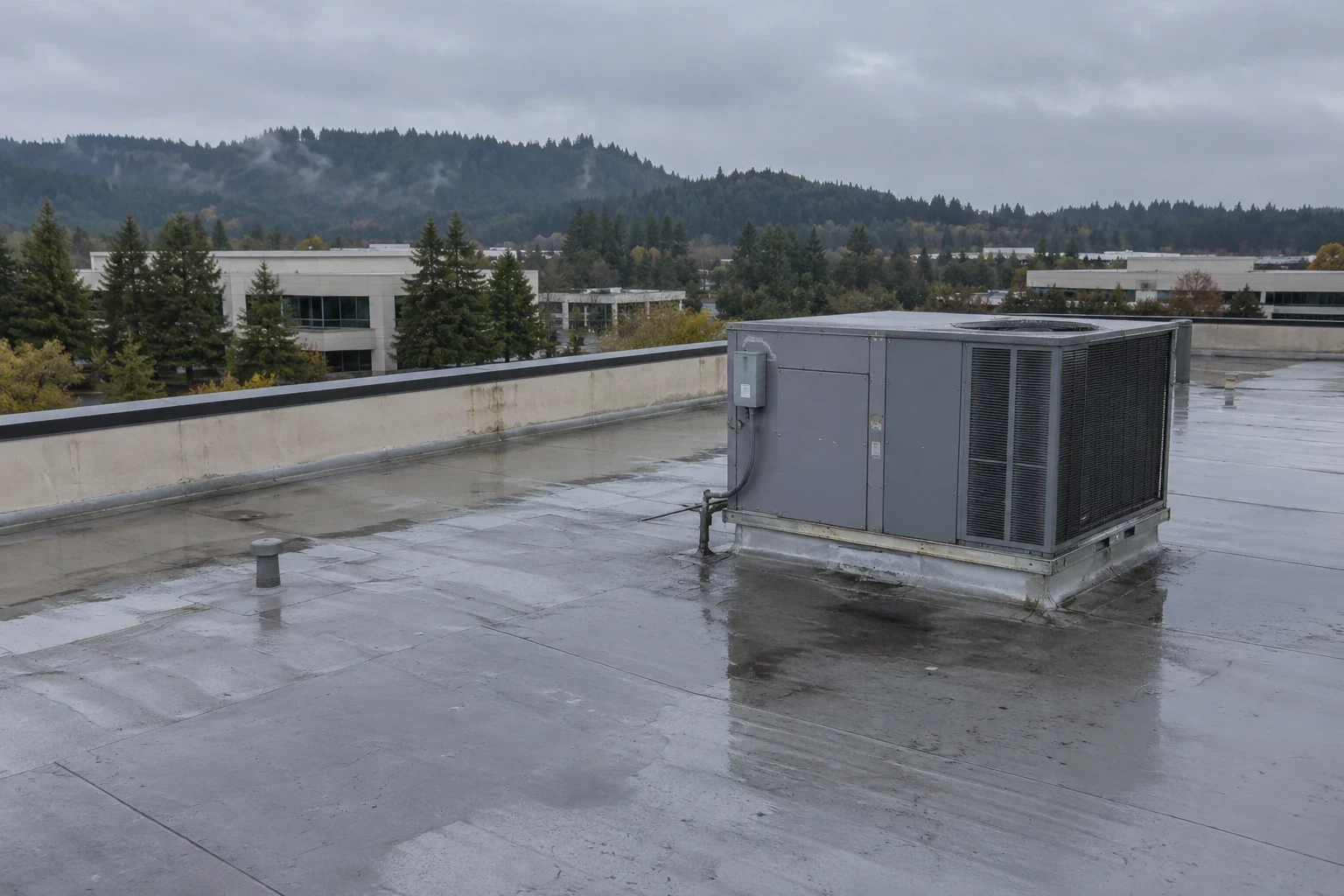
Property Management Companies
Learn More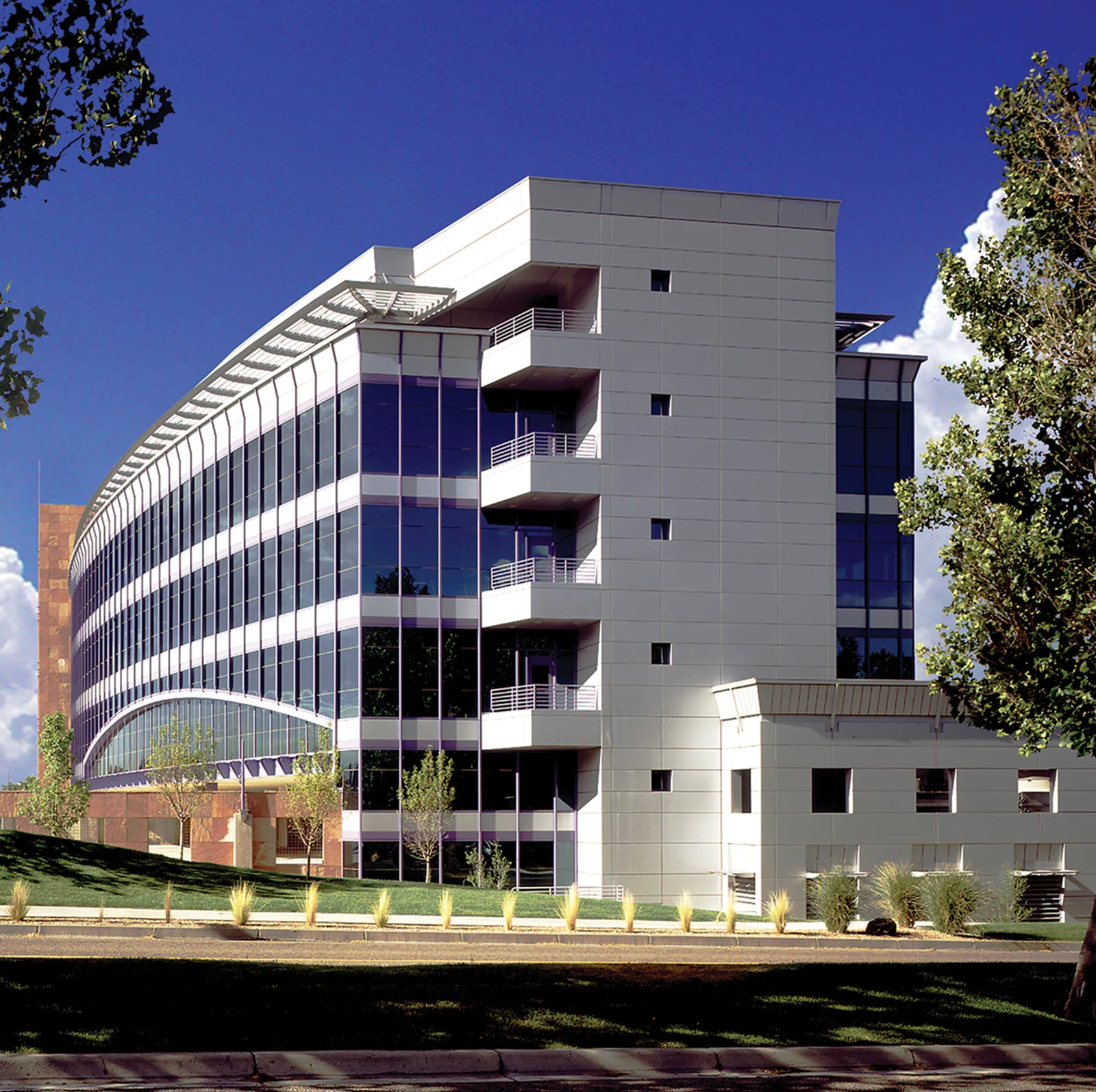
Healthcare Systems
Learn More
Commercial Roof Leak Repair
Learn MoreDocument a commercial roof loss
Request a roof assessment in Gresham
We will inspect the roof, record visible conditions, and prepare a separate temporary-protection or permanent-repair scope for the property owner. Tell us about the building, the roof and what you are seeing. Call 555-555-5555, email [email protected] or send the details through our contact page and we will set up a time to walk the roof.